After Six Years of Mystery, Dedicated Neurologist Diagnoses New York Woman’s Unexplained Illness
© CBS New York / YouTube
Imagine suffering from strange symptoms for years—tremors, memory lapses, or unexplained pain—with no answers from doctors.
For many, this is a frustrating reality. But stories of persistence and medical breakthroughs offer hope.
One such story involves a New York woman whose six-year battle with a mystery illness was finally resolved by a determined neurologist.
Her journey, along with others like it, sheds light on the challenges and triumphs of diagnosing rare neurological conditions.
Neurological Mystery Solved: A Long Road to Answers
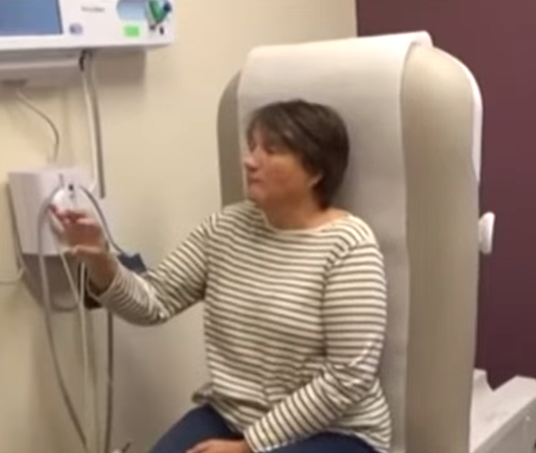
How did the neurologist’s approach lead to the neurological mystery being solved for the New York woman?
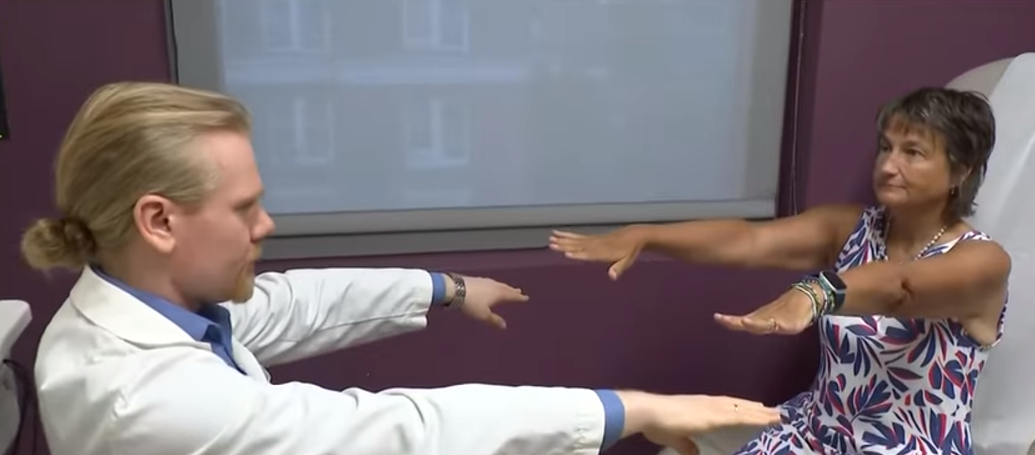
Maureen Henry, a 58-year-old mother of four from Rockland County, New York, shared the emotional toll of living with a mystery illness for six years. “Living with a mystery illness, it’s very isolating,” she said,
She described how uncontrollable cognitive problems, extreme fatigue, and involuntary face and body tics disrupted her life. The symptoms forced her to quit her job as a newborn photographer, a role she loved. “They were constant, relentless,” Henry explained.
“It was really hard. Once I stopped working, things got worse.” She noted that her symptoms began during a deeply stressful time, following the loss of both her parents on the same day. “Something in my brain just switched off,” she recalled.
After four months of physical therapy, Henry felt a transformation. “I’m feeling amazing,” she said, now enjoying activities like travel and scuba diving. Her advice to others? “Be persistent. Keep advocating for yourself.”
This case mirrors others where neurologists have cracked difficult medical puzzles. For example, in Mississippi, a man named Michael Jordan struggled to breathe and swallow for two years.
Doctors were stumped until Dr. Saurabh Shukla, a neurologist, diagnosed him with a treatable condition called myasthenia gravis. These stories highlight the importance of persistence and expertise in solving complex cases.
Challenges in Diagnosing Rare Conditions
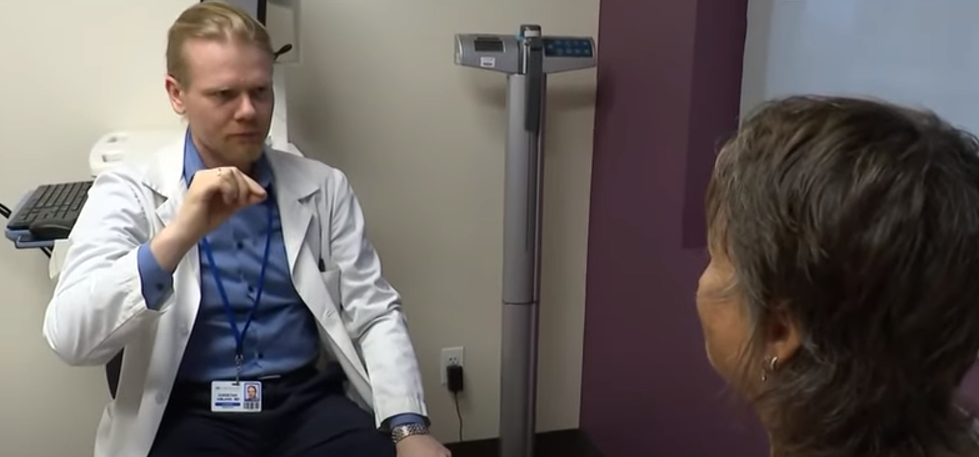
Diagnosing neurological illnesses is often like solving a puzzle with missing pieces. Symptoms like memory loss, muscle weakness, or hallucinations can point to many conditions, from Alzheimer’s to infections.
Dr. Christian Amlang, a neurologist and movement disorder specialist at Maimonides Health, diagnosed Henry with functional neurological disorder (FND) after she had seen seven other doctors without answers.
He described FND as “a condition that affects the brain communication,” explaining, “There’s a breakdown of certain, we call it, networks in the brain, and the result is that there is a disconnect between different parts of the brain, and the brain and the body.”
While the exact cause of FND remains unclear, Amlang noted that “trauma and psychological triggers” are often predisposing factors. He emphasized that treatment avoids medication, focusing instead on a multidisciplinary approach.
“It takes a lot of work,” he said, highlighting the role of psychotherapy and neurological physical therapy in helping patients like Henry regain control.
In New Brunswick, Canada, a cluster of patients with similar symptoms sparked fears of a new brain disease. However, a 2025 study found that these cases were likely known conditions like Parkinson’s or cancer, misdiagnosed due to their complexity.
Neurologists face challenges like overlapping symptoms, limited test accuracy, and the need for extensive patient data. Advanced tools like AI and detailed genetic testing are helping, but human expertise remains key.
Hope Through Medical Advances
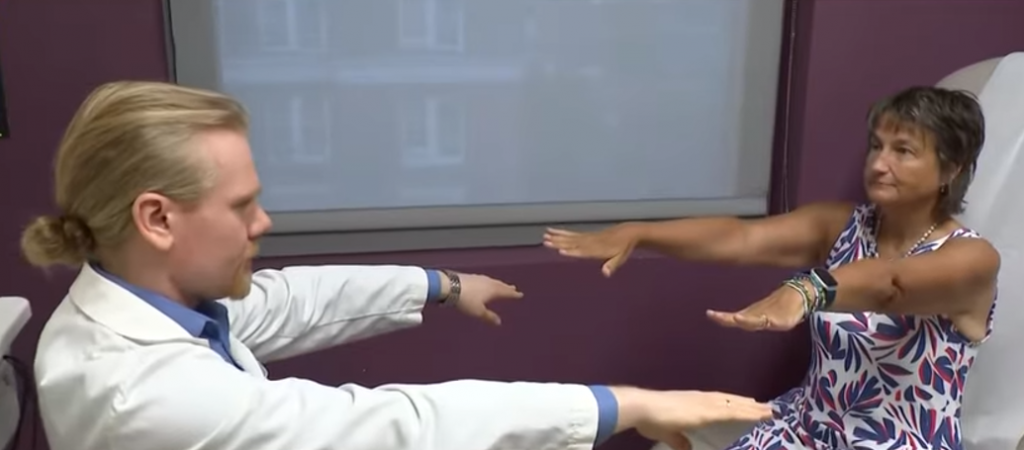
The New York woman’s story is a reminder that answers are possible, even after years of uncertainty. Neurologists are using new technologies, like AI-driven diagnostics and comprehensive blood panels, to uncover causes of mysterious symptoms.
In Mississippi, Dr. Shukla’s diagnosis gave Michael Jordan a chance to recover. Similarly, in New Brunswick, ongoing research aims to clarify cases once thought to be a mystery illness. These breakthroughs show that with time, teamwork, and technology, even the toughest medical mysteries can be solved.
For patients, these stories offer hope. If you’re facing unexplained symptoms, seeking a second opinion from a specialist or a research hospital can make a difference. Neurologists are working tirelessly to turn mysteries into answers, giving patients a chance to reclaim their lives.
You might also want to read: Japanese Researchers Found a Way to Erase Traumatic Memories Without Damaging the Brain