China Battles Chikungunya Outbreak with COVID‑Style Controls
© Generated by Recraft
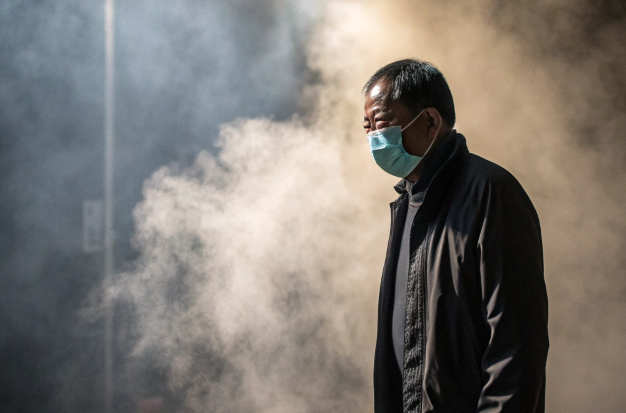
China is once again on high alert as the Chikungunya virus begins to spread, triggering COVID-style health precautions in several regions.
While not as deadly as the coronavirus, the sudden spike in cases has raised concerns across the country and drawn attention to a disease many outside tropical regions may have never heard of.
What Is Chikungunya and Why Is It Spreading?
The Chikungunya virus is a mosquito-borne illness transmitted primarily by the Aedes aegypti and Aedes albopictus mosquitoes. These same species are known for spreading other serious viruses like dengue and Zika.
Chikungunya has been more common in Africa, Asia, and the Indian subcontinent, but rising temperatures and increased travel have helped it spread to new areas.
With China experiencing a warmer and wetter season, health experts suspect environmental conditions have created a more favorable setting for mosquitoes to thrive, increasing the likelihood of transmission.
Chikungunya Symptoms and Risks
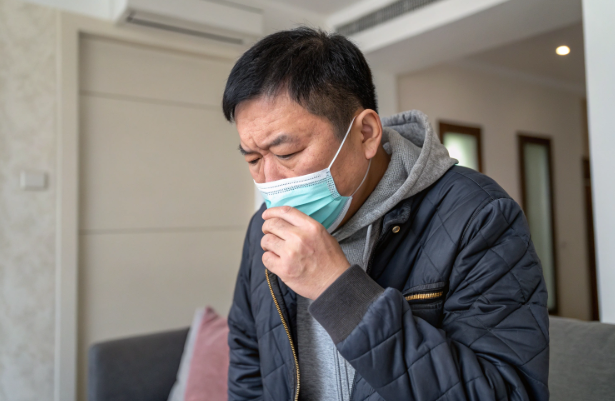
Chikungunya symptoms typically include sudden high fever, severe joint pain, muscle pain, headache, nausea, fatigue, and rashes. Joint pain is often the most debilitating symptom, sometimes lasting for weeks or even months.
Although rarely fatal, the virus can be extremely uncomfortable and may have longer-term effects in vulnerable populations like the elderly or those with weakened immune systems.
Unlike COVID-19, Chikungunya doesn’t spread from person to person. Still, outbreaks can spread rapidly in mosquito-infested areas, especially when public awareness is low.
China’s Response Echoes the COVID Era
In a move that feels eerily familiar, Chinese authorities are ramping up health checks, travel restrictions, and disinfection protocols in affected areas.
Some cities have reportedly begun contact tracing measures and temperature screenings for travelers — steps reminiscent of early pandemic protocols.
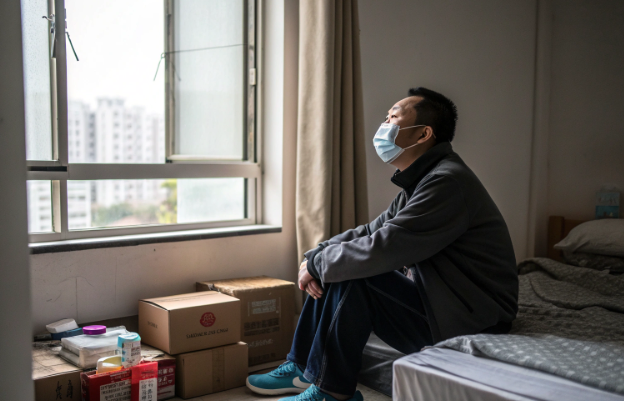
Health officials urge residents to use mosquito repellents, install nets, and eliminate standing water sources. Public awareness campaigns have also been launched to educate people about symptoms and prevention.
The Global Takeaway
Though the virus isn’t new, the renewed spotlight on Chikungunya serves as a reminder that mosquito-borne diseases remain a global health threat. With climate change impacting mosquito patterns, experts say this won’t be the last time a tropical virus disrupts new regions.
The world may be emerging from the grip of one pandemic, but stories like this show how quickly public health concerns can return — and how valuable proactive health systems and awareness truly are.
You might also want to read: Pop Mart Is Worth More Than Mattel, Hasbro & Sanrio Combined