What Are Atmospheric Rivers? The ‘Rivers in the Sky’ Drenching the Pacific Northwest

© Th2city Santana / Pexels
Washington and Oregon are getting soaked again this weekend, and the culprit has a name that sounds almost poetic: an atmospheric river.
Two of them are hitting the Pacific Northwest back to back on Friday and Saturday, NPR reported, after two others already dropped several inches of rain earlier in the week.
So what exactly is a “river in the sky”? Here’s what scientists say.
What Is an Atmospheric River?
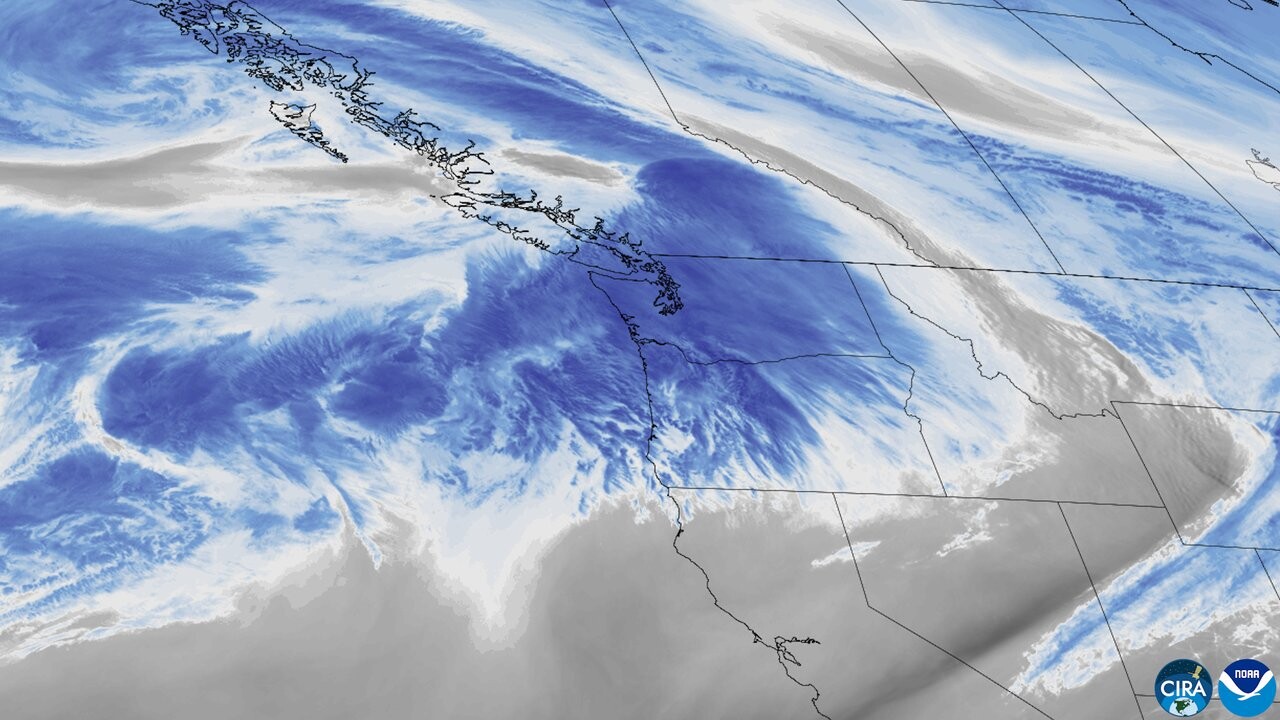
According to NOAA, atmospheric rivers are “relatively long, narrow regions in the atmosphere – like rivers in the sky – that transport most of the water vapor outside of the tropics.”
“It’s literally a river in the sky,” F. Martin Ralph, director of the Center for Western Weather and Water Extremes at Scripps Institution of Oceanography, told NPR. He said they can stretch up to 2,000 miles long and 600 miles wide.
How Much Water Do They Carry?
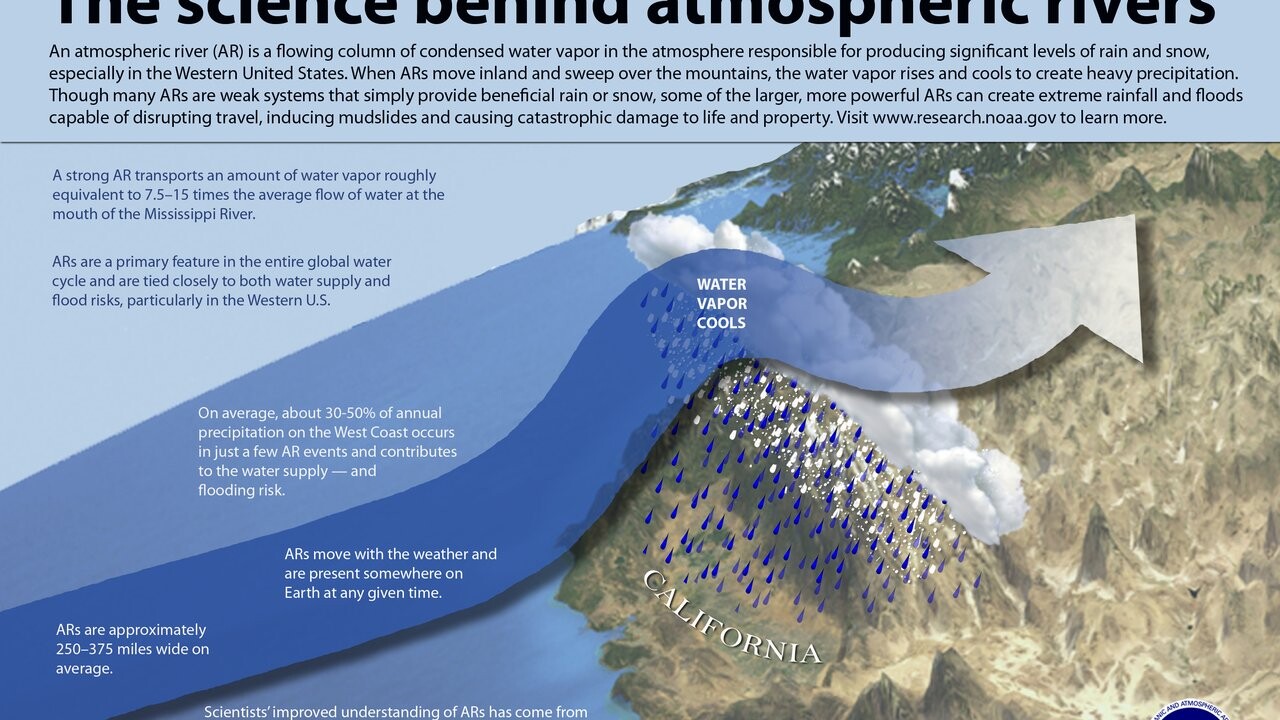
A lot. NOAA says an average atmospheric river carries about as much water vapor as the average flow at the mouth of the Mississippi River. The strongest can carry up to 15 times that amount.
When that moisture hits mountains, it is pushed upward, cools and falls as heavy rain or snow.
Helpful or Dangerous?
Both. Most atmospheric rivers are weak and bring rain and snow that are “crucial to the water supply,” according to NOAA. About 50 to 60% of California’s rain comes from atmospheric rivers, said Josh Weiss, a meteorologist at NOAA’s Weather Prediction Center.
But the strongest ones can trigger flooding, mudslides and “catastrophic damage to life and property.” Ralph said that, according to 40 years of FEMA data, 90% or more of all flood damage in the Western U.S. comes from atmospheric rivers.
Scientists rank them on a five-level scale, from Category 1 (“Primarily beneficial”) to Category 5 (“Primarily hazardous”). Storms that last longer than 48 hours move up a category.
What’s Happening This Weekend
“What’s really problematic is when you get compounding impacts from multiple atmospheric rivers,” Weiss said. The main risks are flash flooding, urban flooding and landslides.
The National Weather Service forecast three to four and a half inches of rain on the south slopes of the Olympic Mountains in Washington, where the Skokomish River could rise above flood stage. High surf warnings cover the Oregon and southern Washington coasts, with breaking waves of 30 to 35 feet, and wind gusts could reach 55 mph.
Another atmospheric river is expected to reach the West Coast on Sunday, so residents should keep an eye on local forecasts.
Sources: