How Many Steps a Day Do Adults Over 60 Really Need? What the Latest Research Shows

© SHVETS production / Pexels
Do you really need to hit 10,000 steps a day to stay healthy after 60?
Probably not. Several large studies suggest that older adults get most of the benefit from walking at a lower number, and that every extra step counts on the way there.
Here’s what the research shows, where the 10,000-step goal came from, and what else matters for staying strong and steady.
How Many Steps Do Adults Over 60 Need?
A 2022 analysis in The Lancet Public Health pooled data from 15 studies with more than 47,000 adults. For people 60 and older, the risk of dying during the studies fell as daily steps rose, then leveled off at about 6,000 to 8,000 steps a day. For younger adults, it leveled off at 8,000 to 10,000 steps.
A study of nearly 17,000 older women with an average age of 72, published in JAMA Internal Medicine in 2019, found a similar pattern. Women who took about 4,400 steps a day had significantly lower death rates than those who took about 2,700, and the benefit kept growing up to about 7,500 steps.
A larger review published in The Lancet Public Health in 2025 looked at 57 studies. Compared with taking 2,000 steps a day, taking about 7,000 steps a day was linked to a 47% lower risk of death, a 38% lower risk of dementia and a 25% lower risk of heart disease.
These studies show a link between walking and better health, not proof that steps alone are the cause.
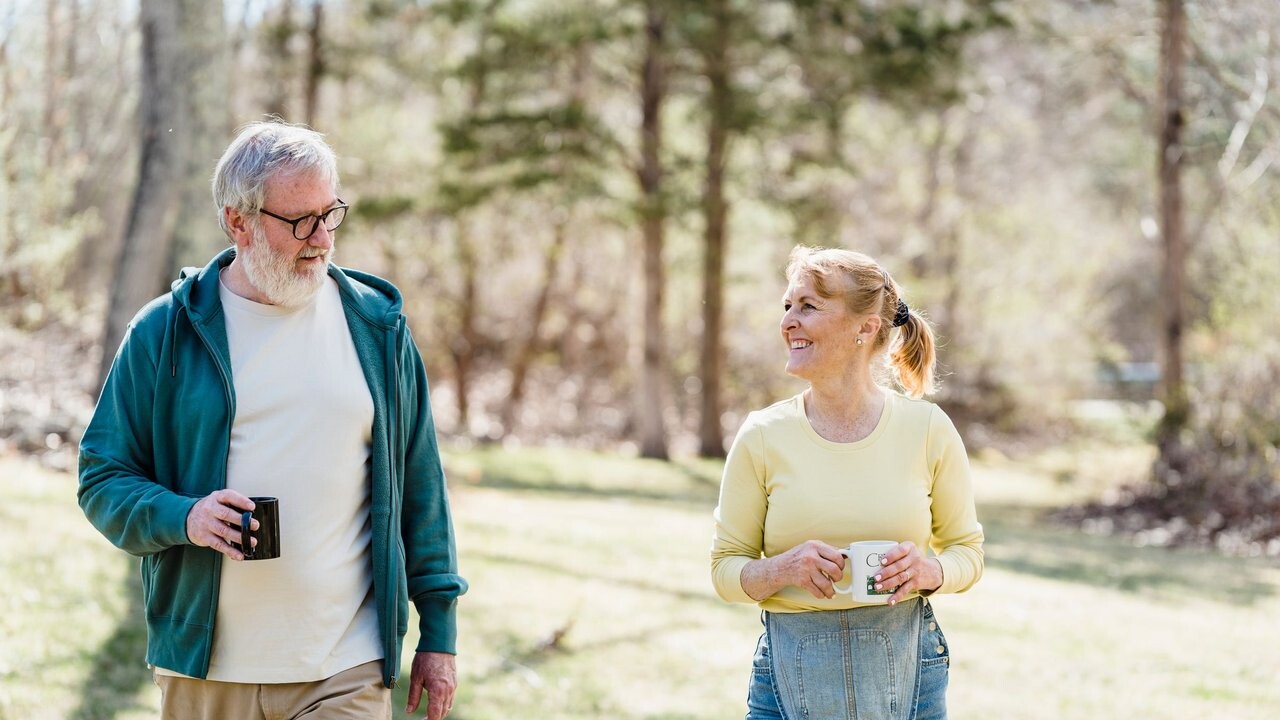
Where Did the 10,000-Step Goal Come From?
The famous number didn’t come from a medical study. Researchers trace it to a pedometer sold in Japan in 1965 called “Manpo-kei,” which translates to “10,000 steps meter.”
The federal Physical Activity Guidelines for Americans say walking 10,000 steps a day “is not a guideline per se,” but one way people may choose to stay active. The U.S. Department of Health and Human Services is now preparing its first official guidance on step counts, expected in 2027.
Does Walking Speed Matter?
Total steps seem to matter more than pace. In the 2019 study of older women, and in a 2020 study from the National Cancer Institute, walking speed wasn’t clearly linked to lower death rates once total daily steps were taken into account.
A brisk walk is still a good goal. In a 2023 study of adults aged 61 to 85, walking at about 100 steps a minute or faster counted as moderate-intensity exercise.
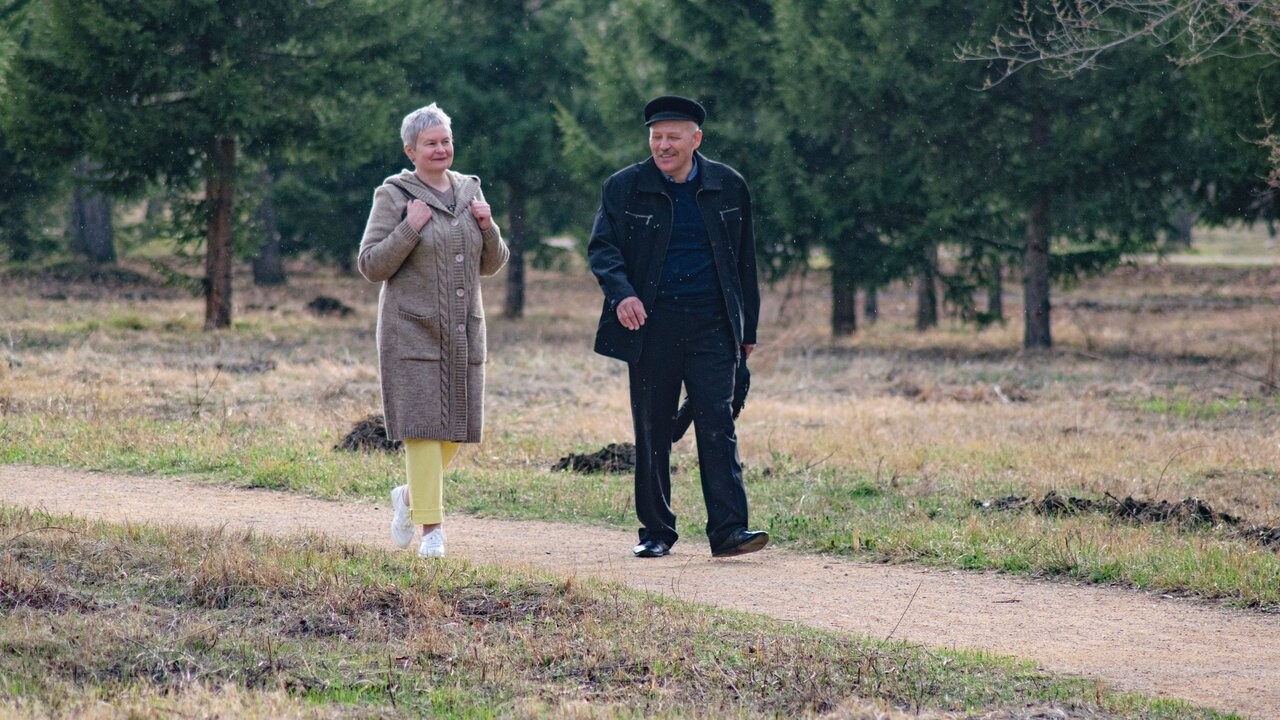
Why Steps Alone Aren’t Enough
Federal guidelines for adults 65 and older are measured in minutes, not steps. The CDC recommends at least 150 minutes of moderate activity a week, such as 30 minutes a day, five days a week, plus at least two days of muscle-strengthening activities and exercises that improve balance.
That matters because falls are common. According to the CDC, more than one in four older people falls each year. Federal guidelines note that low-intensity walking alone “does not seem to reduce the risk” of fall-related injuries, while programs that combine strength and balance training work best.
- Build up slowly. The federal guidelines suggest that someone who walks 5,000 steps a day can add about 500 steps a day each week.
- Think in minutes. A 10-minute walk adds roughly 1,000 steps.
- Add balance moves. The CDC suggests simple exercises such as walking heel-to-toe or standing up from a chair.
The National Institute on Aging says most older adults who increase their activity gradually don’t need to see a doctor first. If you have a chronic health condition, an injury, or a recent fall, ask your doctor what’s safe for you.
For adults over 60, 10,000 steps isn’t a magic number. Moving from a few thousand steps a day to around 6,000 to 8,000 may make a real difference.
Sources:
- The Lancet Public Health (2022): Daily steps and all-cause mortality, a meta-analysis of 15 cohorts
- The Lancet Public Health (2025): Daily steps and health outcomes in adults
- JAMA Internal Medicine (2019): Step volume and intensity in older women
- JAMA (2020): Daily step count, step intensity and mortality
- CADENCE-Adults study (2023): Walking cadence in older adults
- CDC: Older Adult Activity, An Overview
- CDC: Facts About Falls
- HHS: Physical Activity Guidelines for Americans, 2nd edition
- HHS: 2027 Steps and Muscle-Strengthening Guidance
- National Institute on Aging: Tips for Getting and Staying Active as You Age
You might also want to read: Start With 4,000 Steps! The Health Benefits of Walking