
Is brushing once a day enough after 65?
For most people, no. Older adults generally follow the same core oral care recommendations as other adults, but they may need to adapt their tools or technique.
Dry mouth, exposed tooth roots, and limited hand motion can create additional challenges. Here is how to build an effective routine that remains comfortable and manageable.
How Often Should Older Adults Brush?
The American Dental Association recommends brushing “twice a day for two minutes” with fluoride toothpaste. Brushing only once a day falls short of that recommendation. During each session, give yourself enough time to reach every tooth rather than rushing through the areas that are easiest to see.
Cleaning between the teeth is a separate daily task. The ADA recommends using floss or another interdental cleaner once a day, even when no food feels stuck. Toothbrushing cleans the broad tooth surfaces, while interdental cleaning reaches spaces a toothbrush may miss.
Why Does Oral Care Matter More With Age?
Periodontitis becomes more common with age. This advanced form of gum disease damages the tissues and bone that support the teeth. The CDC reports that about 60% of adults age 65 or older had periodontitis in data collected from 2009 through 2014.
Receding gums can expose tooth roots. Unlike tooth crowns, roots are not protected by enamel, leaving exposed surfaces vulnerable to decay.
Dry mouth is not an inevitable part of aging, but using multiple medications can cause it as a side effect. When the mouth does not produce enough saliva, the risks of cavities and oral infections rise. Persistent dryness should be discussed with a dentist or health care provider so they can identify the cause.
What Is the Best Way to Brush?
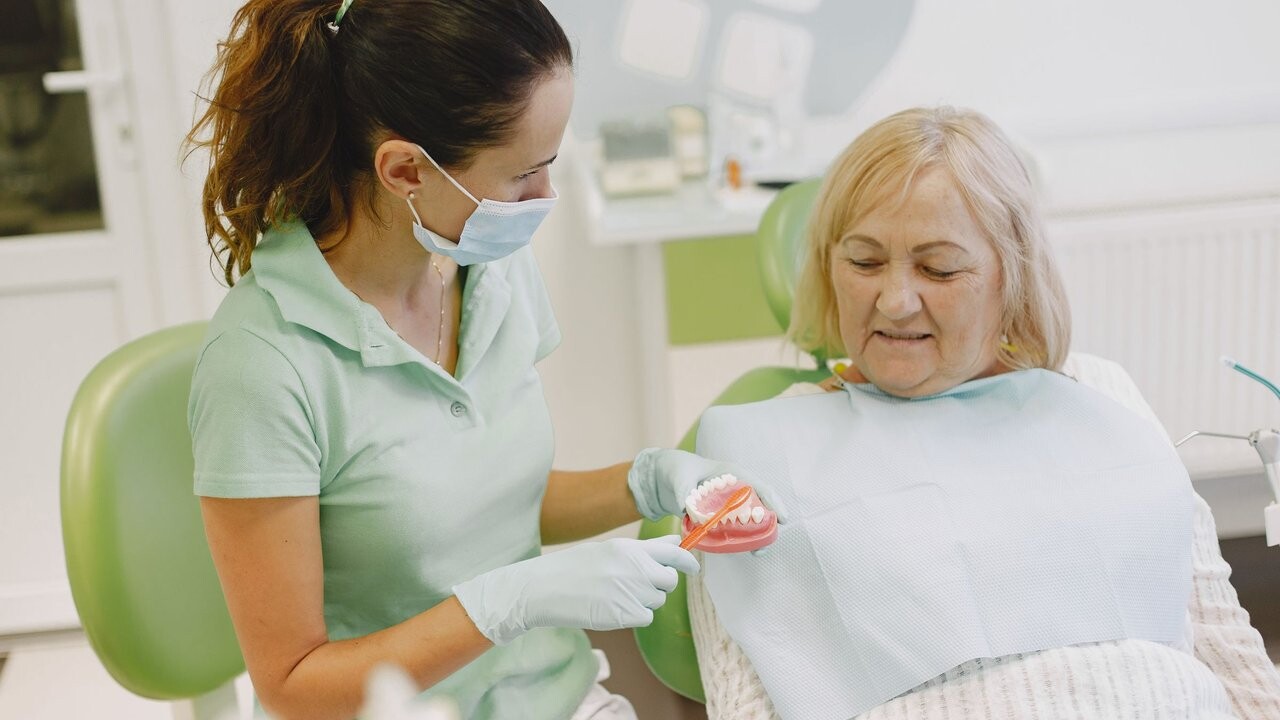
Effective brushing is gentle and thorough. Fluoride toothpaste helps enamel repair early mineral loss before a cavity forms, while careful technique removes plaque from areas that are easy to overlook. Applying more pressure does not make brushing more effective.
- Use gentle, circular motions. NIDCR advises, “Do not scrub hard back and forth.” Aggressive scrubbing can make a careful routine uncomfortable without improving coverage.
- Cover every surface. Brush the outside, inside, and chewing surfaces of every tooth. Pay attention to the gumline and the back teeth, which can be easy to miss.
- Follow a consistent path. Move around the mouth in the same order each time. A predictable pattern makes it less likely that you will routinely skip an area.
If two minutes feels long, use a timer or a toothbrush with a built-in signal. The goal is steady coverage, not speed or force.
Can an Electric Toothbrush Help With Arthritis?
Yes. Arthritis and other conditions that limit hand movement can make a standard toothbrush or dental floss difficult to hold and use. Switching tools can reduce the effort required without sacrificing a thorough cleaning.
The National Institute on Aging suggests trying an electric or battery-operated toothbrush. Its powered movement may be useful when repeated brushing motions are difficult. A toothbrush with a larger handle can also provide a more comfortable, secure grip.
Choose the option that feels easiest to control. An adaptation is helpful only if it makes daily care safer, more comfortable, and easier to complete.
How Often Should You Visit the Dentist?
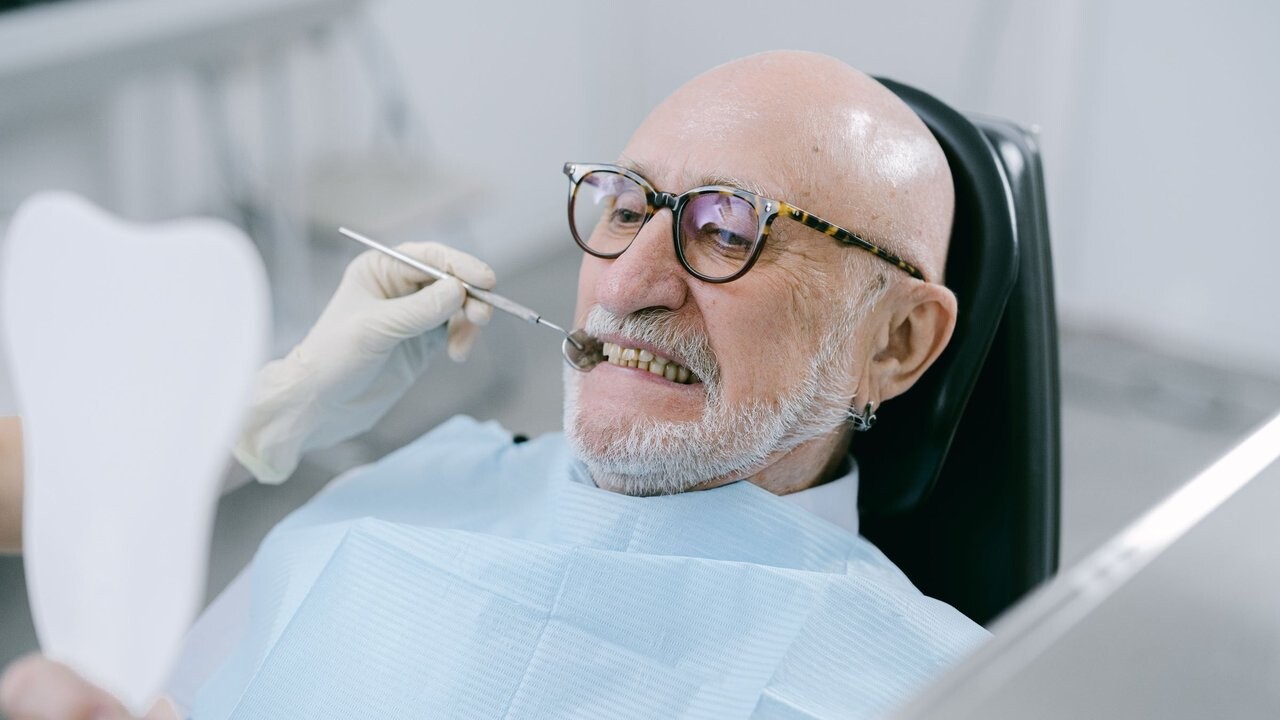
The CDC recommends a dental checkup at least once a year, or more often if a health care provider advises it. Regular visits can help detect gum disease before the symptoms become obvious.
Do not wait for a scheduled checkup if you notice a new or worsening problem. Contact a dentist if you develop signs that may indicate gum disease.
- Check your gums. Red, swollen, tender, or easily bleeding gums deserve attention.
- Notice changes in your teeth. Loose or newly sensitive teeth should be evaluated.
- Pay attention while eating. Pain while chewing is another reason to contact a dentist.
Is Gum Disease Connected to Other Health Problems?
Diabetes can increase harmful bacteria in the mouth and contribute to cavities and gum disease. Gum disease may also be more severe and take longer to heal in people with diabetes. When gum disease is present, diabetes may become harder to manage.
Research has also found an association between periodontal disease and a higher risk of cardiovascular events, including heart attack. An association does not prove that one condition causes the other. The American Heart Association emphasizes that “a cause-and-effect relationship has not been confirmed.”
There is no direct evidence that periodontal treatment prevents cardiovascular disease. Brush, clean between your teeth, and seek treatment for gum problems to protect your oral health, not as a substitute for medical care or established ways of reducing cardiovascular risk.
A useful oral care routine is one you can perform thoroughly and comfortably. If pain, dryness, or limited hand movement gets in the way, ask your dental team about practical adjustments.
This article is for general information and isn’t a substitute for advice from your doctor.
Sources:
- American Dental Association: Toothbrushes
- American Dental Association: Dental Floss and Interdental Cleaners
- CDC: About Periodontal (Gum) Disease
- National Institute of Dental and Craniofacial Research: Tooth Decay
- National Institute of Dental and Craniofacial Research: Older Adults and Oral Health
- National Institute of Dental and Craniofacial Research: Saliva and Salivary Gland Disorders
- National Institute of Dental and Craniofacial Research: Oral Hygiene
- National Institute on Aging: Taking Care of Your Teeth and Mouth
- National Institute of Dental and Craniofacial Research: Periodontal (Gum) Disease
- CDC: Oral Health and Diabetes
- American Heart Association: Gum Disease May Be Linked to Cardiovascular Events
You might also want to read: How Often Should Adults Over 65 Shower? What Dermatologists and Aging Experts Recommend



