
Do you enjoy walking barefoot at home but wonder whether it is still wise after 65?
Age alone does not make every barefoot step dangerous. Still, fall-prevention guidance generally favors secure, properly fitted indoor footwear, particularly for people with balance difficulties, foot pain, or reduced feeling in their feet.
The right house shoe can be comfortable while providing traction, support, and protection.
Why Footwear Matters More After 65
The CDC reports that more than one in four older people falls each year. Footwear is only one part of fall prevention, but it affects your footing whenever you cross the kitchen, use the stairs, or get out of bed.
The National Institute on Aging lists painful foot problems and unsafe footwear, including backless shoes and high heels, as fall risks. Being familiar with your home does not eliminate those hazards.
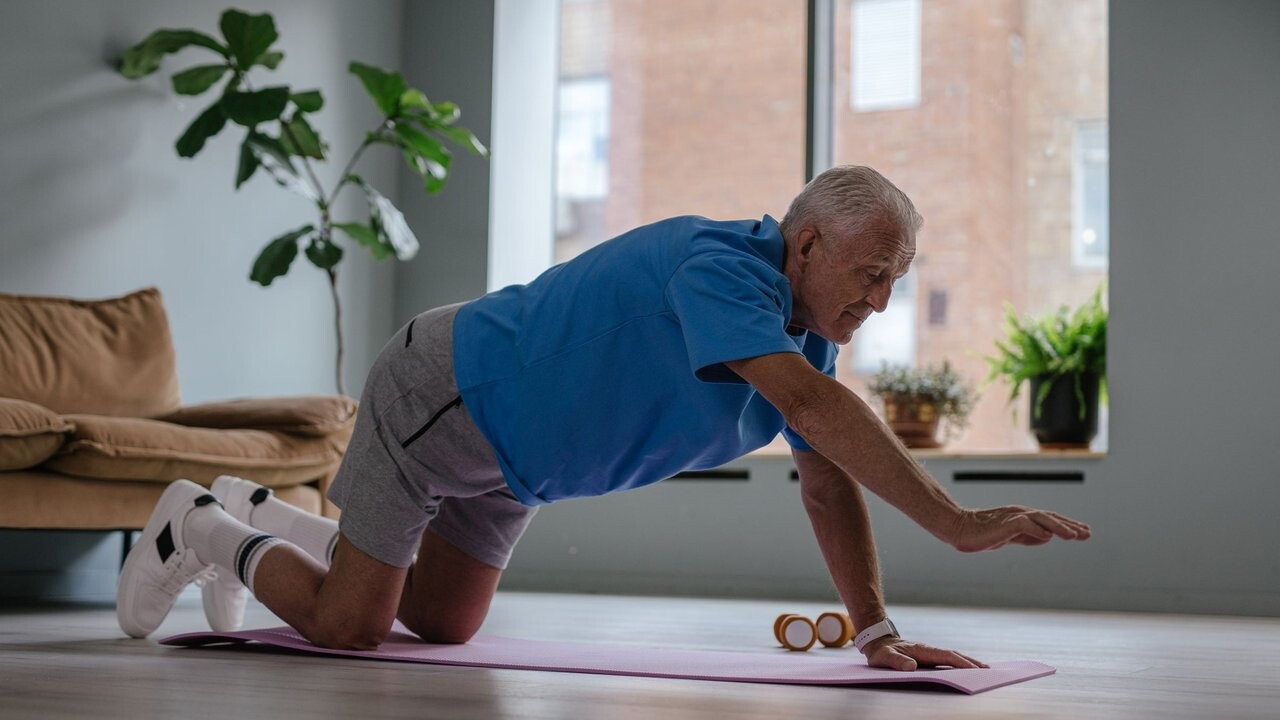
Is Walking Barefoot at Home Safe for Older Adults?
Walking barefoot does not guarantee that you will fall. However, it may not be the safest choice if you already have problems with balance, sensation, or foot health.
In the MOBILIZE Boston study, 51.9% of in-home falls occurred while people were barefoot, wearing socks without shoes, or wearing slippers.
That figure does not prove that these footwear choices caused the falls. The researchers lacked a comparable group showing what participants wore at similar moments when they did not fall, so they compared footwear at the time of a fall with participants’ usual footwear. They cautioned that this comparison could be biased and should not be considered definitive.
Are Socks or Slippers a Safer Alternative?
Socks alone are not the recommended alternative. CDC STEADI guidance says that going barefoot or wearing only socks increases the chance of falling.
Slippers vary. In a laboratory study, 30 women ages 65 to 83 completed balance and walking tests in socks, backless slippers, and enclosed slippers. Performance was best in the enclosed slippers, intermediate in socks, and worst in the backless slippers. The enclosed pair had a firm sole and a fastening.
Focus on how securely the footwear stays on your foot. Choose a style that surrounds the heel, fastens securely, and has a firm sole instead of a loose, backless slipper.
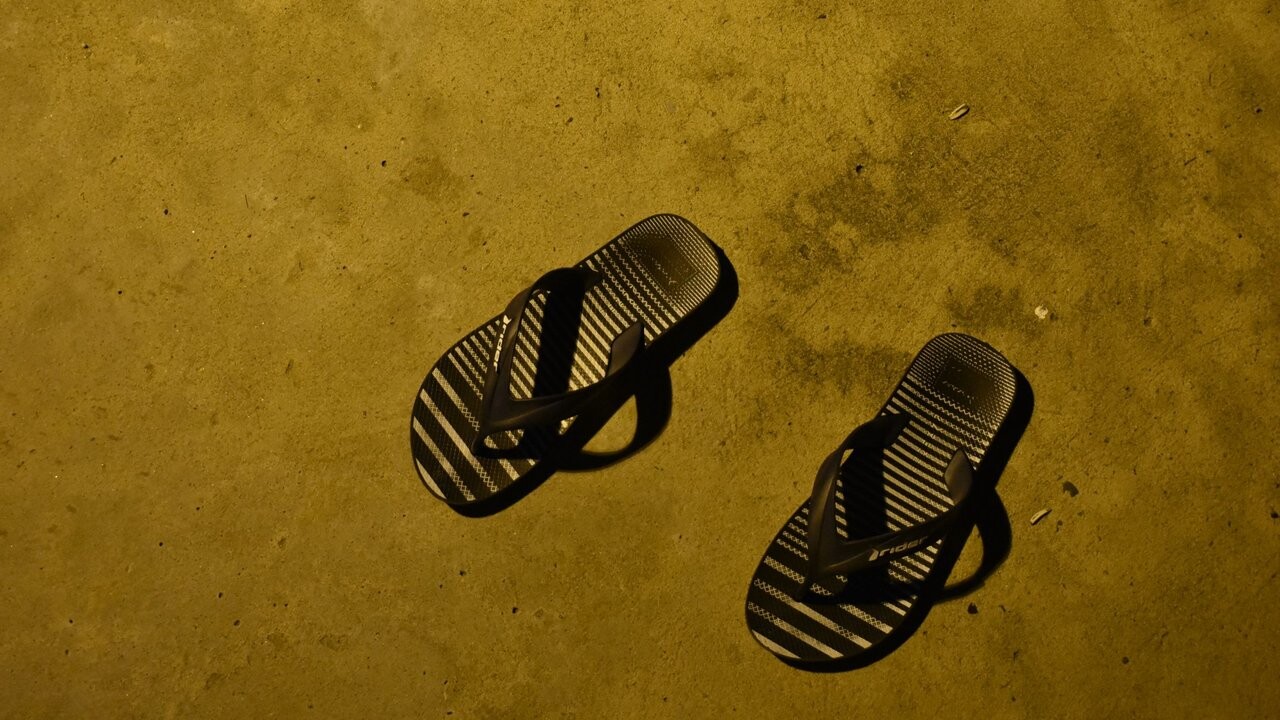
Who Should Be Especially Careful About Going Barefoot?
People with diabetes or reduced sensation in their feet need extra protection. For someone who has lost feeling in the feet, a pebble inside a sock or a blister may go unnoticed.
MedlinePlus advises people with diabetes to wear well-fitting shoes and socks, or protective slippers, while walking. It specifically recommends avoiding bare feet even indoors.
Foot pain and reduced ankle flexibility are also associated with a higher risk of falling. If pain, numbness, stiffness, or a foot deformity affects how you walk, ask a health care professional or podiatrist to assess your feet and recommend suitable footwear.
What Makes a Good Indoor Shoe for an Older Adult?
CDC guidance recommends properly fitted shoes inside and outside the home. For indoor footwear, look for these practical features:
- Choose a secure style. Look for an enclosed heel and laces, straps, or another fastening that keeps the shoe attached to your foot.
- Keep the heel low. Avoid high or narrow heels, which provide less contact with the floor.
- Check the sole. Choose a firm sole with good traction, and replace footwear when the sole becomes smooth or badly worn.
- Prioritize support. The heel and arch should feel supported rather than collapsing as you walk.
- Check the fit. Your heel should not slip, and your toes should have enough room to move without rubbing.
Comfort matters because even a well-designed shoe will not help if you avoid wearing it. Do not buy a pair that feels painful, loose, or unsteady when you walk.
If you prefer not to wear outdoor shoes in the house, keep a separate indoor pair beside your bed or favorite chair. Place it within easy reach but outside your walking path so it doesn’t become a tripping hazard.
After 65, comfort and fall prevention can coexist. Choose secure indoor footwear that fits well and feels good enough to wear consistently.
This article is for general information and isn’t a substitute for advice from your doctor.
Sources:
- CDC: Facts About Older Adult Falls
- CDC STEADI: Coordinated Care Plan to Prevent Older Adult Falls
- CDC STEADI: Feet and Footwear for Older Adults
- National Institute on Aging: Falls and Fractures in Older Adults
- PubMed Central: Footwear and Falls in the Home Among Older Individuals in the MOBILIZE Boston Study
- PubMed: Effects of Indoor Footwear on Balance and Gait Patterns in Community-Dwelling Older Women
- NIDDK: Diabetes and Foot Problems
- MedlinePlus: Diabetic Foot
You might also want to read: How Many Steps a Day Do Adults Over 60 Really Need? What the Latest Research Shows



