Countries Where Men Marry Years Later Than Women, According to UN Data

A ring exchange during a wedding ceremony. Anis / WordPress Photo Directory (CC0) (cropped)
In some countries, men marry years later than women. The United Nations tracks this with a measure called the singulate mean age at marriage, or SMAM. World Marriage Data 2019 estimates it separately for men and women who marry before age 50, rather than matching people with their spouses.
For consistency, this list uses country readings dated 2009 or later and records containing figures for both sexes. As general reference points, the estimated 2025 U.S. median age at first marriage was 30.8 for men and 28.4 for women, a difference of 2.4 years. For opposite-sex couples entering a first marriage in England and Wales in 2020, the medians were 32 for men and 30 for women. These medians provide context, but they are not directly comparable with the UN measure.
The selected countries are ordered from the largest calculated difference to the smallest. Each result is a national estimate from the year shown, not a description of every marriage in that country.
Guinea
Guinea has the widest difference in this selection. According to figures from the country’s 2014 census, the estimated marriage age was 28.0 for men and 19.8 for women. Subtracting the female estimate from the male estimate produces a gap of 8.2 years.
Separate UNICEF research provides more specific context about couples: In Guinea, Gambia, and Senegal, around two in three child brides had married a partner who was at least 10 years older.

Senegal
Senegal’s figures come from its 2017 Demographic and Health Survey. The estimates were 30.3 for men and 22.5 for women, producing a difference of 7.8 years.
UNFPA also notes that child marriages do not always involve girls and much older men.
Mauritania
Mauritania’s figures come from its 2015 Multiple Indicator Cluster Survey. The estimated marriage age was 29.2 for men and 21.8 for women, leaving a 7.4-year difference.
The country is part of a region where marriage before adulthood remains widespread. UNICEF reports that one in three young women in West and Central Africa were married before age 18.
Nigeria
Nigeria’s 2013 Demographic and Health Survey supplied estimates of 28.5 for men and 21.3 for women. The resulting difference is 7.2 years.
A UNICEF regional overview reported that nearly 60 million child brides resided in West and Central Africa. That total illustrates the scale of child marriage across the region, although it should not be read as a count for Nigeria alone.
Mali
Mali’s reading comes from its 2018 Demographic and Health Survey. The estimated marriage age was 26.2 for men and 19.1 for women, a 7.1-year difference.
Morocco
Morocco’s estimates come from a 2018 national population and family health survey. The reported age was 31.3 for men and 24.4 for women, producing a difference of 6.9 years.
Morocco demonstrates how similar gaps can emerge from different combinations of ages. Its estimate for women is higher than those of several countries ranked above it, while its estimate for men is the highest anywhere in this selection. Looking at both underlying figures therefore provides more information than the gap alone.
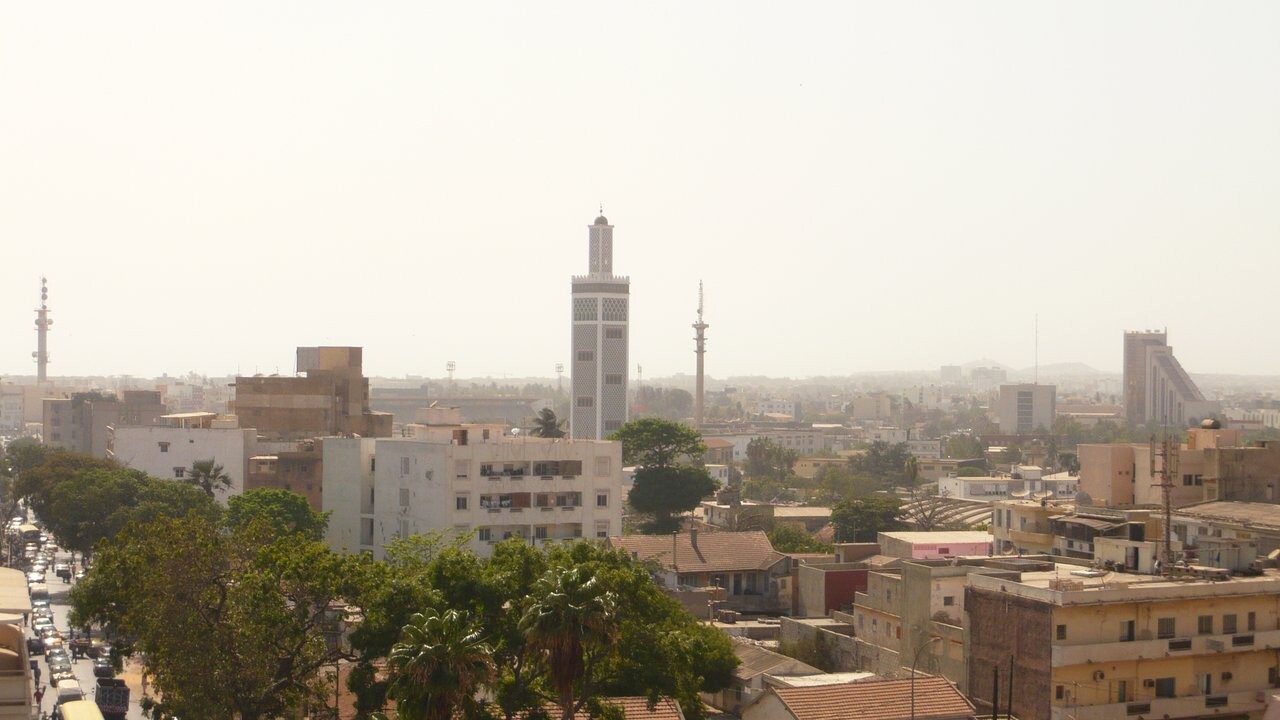
Niger
Niger’s figures come from a 2015 national study of socioeconomic and demographic indicators. The estimates were 24.0 for men and 17.2 for women, a difference of 6.8 years.
UNICEF estimates that around three in four young girls in Niger were married before age 18, including one in four before age 15. Those separate figures add important context to the low female marriage-age estimate, while measuring childhood marriage more directly.
South Sudan
South Sudan’s figures are based on a 2010 Multiple Indicator Cluster Survey. The estimates were 25.6 for men and 19.0 for women, producing a 6.6-year difference.
Because the underlying survey dates to 2010, this result is best understood as a historical snapshot.
Saint Vincent and the Grenadines
A 2012 census supplied the figures for Saint Vincent and the Grenadines. The estimated marriage age was 27.8 for men and 21.2 for women, resulting in a 6.6-year difference.
The country’s appearance on the list shows that large national differences are not confined to Africa.
Burkina Faso
Burkina Faso’s figures come from surveys conducted in 2017 and 2018. The estimated marriage ages were 26.4 for men and 20.0 for women, leaving a difference of 6.4 years.
Behind every average are millions of different marriages, but together these figures show how differently men and women still time the move to married life.
Sources:
- UN DESA Population Division: World Marriage Data
- UN DESA Population Division: World Marriage Data 2019 Dataset
- UN DESA Population Division: World Marriage Data 2019 Metadata
- U.S. Census Bureau: Census Bureau Releases New Estimates on America’s Families and Living Arrangements
- Office for National Statistics: Milestones—Journeying Through Modern Life
- UNICEF Data: Child Marriage
- UNICEF Data: Adolescent Girls in West and Central Africa
- UNICEF Data: Child Marriage in West and Central Africa
- UNICEF Niger: Ending Child Marriage in Niger
- UNFPA: Child Marriage—Frequently Asked Questions





