Are Billionaires Preparing for the End of the World?

Mark Zuckerberg, whose Kauai compound includes a planned underground shelter, speaking in 2018. Anthony Quintano from Honolulu, HI, United States / Wikimedia Commons, CC BY 2.0 (cropped)
An underground shelter on a billionaire’s estate is easy to read as preparation for civilization’s collapse. The documented picture is more complicated: some wealthy technology figures have described emergency supplies or backup destinations, while others reject the doomsday label.
The accounts below come from planning records, interviews, and government documents.
Here are eight examples, from personal preparations to commercial shelters, plus what federal guidance actually recommends.
Mark Zuckerberg’s Kauai Shelter
WIRED’s 2023 investigation found that planning documents for Mark Zuckerberg’s Koolau Ranch on Kauai included a 5,000-square-foot underground shelter.
Zuckerberg later offered a different characterization. Hawaii News Now reported that he described the structure as a small shelter or basement and denied that the ranch was intended as a doomsday bunker.

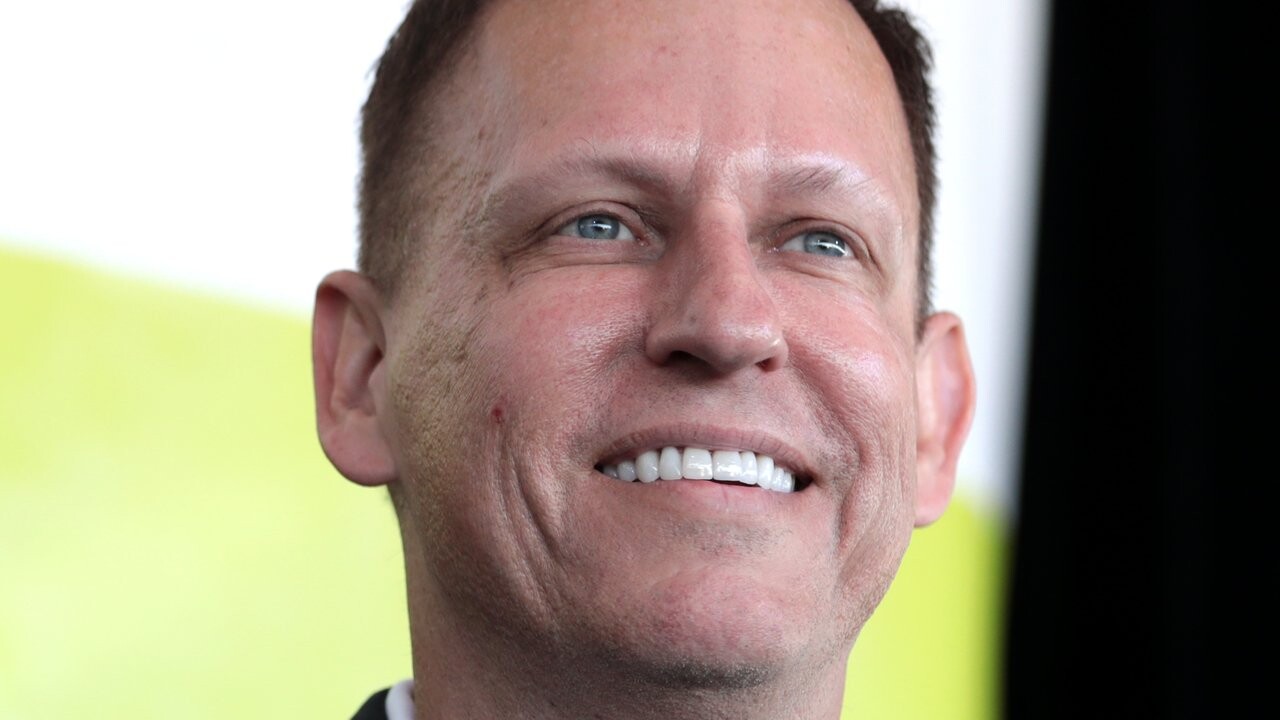
Peter Thiel’s New Zealand Foothold
A New Zealand Ombudsman case note says Peter Thiel applied for citizenship in January 2011. His application was approved on June 20 of that year.
A separate project linked to Thiel never cleared the planning stage. The Guardian reported in 2022 that a local council refused consent for a proposed bunker-like lodge because of its expected effect on the surrounding landscape. The lodge was proposed, but never approved.
Sam Altman’s Supplies and Caveat
In a 2016 New Yorker profile, Sam Altman described keeping guns, gold, potassium iodide, antibiotics, batteries, and water. He also mentioned land in Big Sur that he could reach by air.
Altman softened that image in a June 2023 TIME interview. He called survivalism an interesting hobby and argued that a bunker would not solve the risks he associated with advanced artificial intelligence. As he put it, “I think a bunker is an irrelevant piece of any of it.”
Reid Hoffman’s Rough Estimate
The New Yorker asked Reid Hoffman how many Silicon Valley billionaires had obtained some level of what the article called apocalypse insurance. Hoffman guessed that the share was more than half.
It was a guess from an interview, not the result of a survey or a property search.
Steve Huffman’s Personal Cache
In the same New Yorker report, Reddit co-founder Steve Huffman said his preparations included guns, ammunition, and food. His example is less cinematic than a fortified underground compound, but it is one of the clearest first-person accounts in the article.
A stockpile of supplies is not a bunker, which shows how loosely the doomsday prepper label gets used.
The Survival Condo Project
The Guardian described the Survival Condo in Kansas as a converted missile silo containing a 15-story luxury shelter. According to the feature, it was designed to accommodate as many as 75 people for five years inside a sealed, self-sufficient bunker.
Unlike a shelter under one family’s estate, it is a commercial project built for shared, long-term refuge. Its capacity figures describe the design, not tested performance in a real disaster.
Vivos xPoint in South Dakota
South Dakota News Watch reported that Vivos xPoint operates as a residential bunker community marketed largely to preppers. That makes it another commercial example, but its layout differs from the vertical Survival Condo model. Residents occupy a broader complex rather than one luxury tower inside a converted silo.
It shows that the shelter business now sells community and remoteness to a wider set of buyers, not just famous technology billionaires.
The Federal Reality Check
The Associated Press reported that private bunker sales were rising globally.
Federal guidance addresses a more immediate and widely available form of shelter. A FEMA publication says to enter the nearest building during a nuclear emergency, noting that brick or concrete structures are best, then move to the basement or middle and stay away from exterior walls and the roof. For most people, the best shelter is the nearest solid building.
The record shows real preparation among some wealthy people, but not a coordinated escape: planned shelters, rejected designs, personal stockpiles, and a growing commercial bunker market.
Sources:
- WIRED: Inside Mark Zuckerberg’s Top-Secret Hawaii Compound
- Hawaii News Now: Facebook CEO Addresses Hawaii ‘Doomsday Bunker’ Rumors in Rare Interview
- New Zealand Office of the Ombudsman: Request for the Number of Days Peter Thiel Spent in New Zealand Before Gaining Citizenship
- The Guardian: Billionaire Peter Thiel Refused Consent for Sprawling Lodge in New Zealand
- The New Yorker: Sam Altman’s Manifest Destiny
- TIME: Read TIME’s Interview With OpenAI CEO Sam Altman
- The New Yorker: Doomsday Prep for the Super-Rich
- The Guardian: Weapons Rooms, Fake Windows and a $3m Price Tag: Inside a Luxury Doomsday Bunker
- South Dakota News Watch: SD Bunker Residents Raise Financial, Safety Concerns
- Associated Press: Nuclear Bunker Sales Increase Amid Debate Whether Nuclear War Is Survivable
- FEMA Ready.gov: Full Suite of Hazard Information Sheets






