Surprising Things Scientists Have Discovered About the Moon

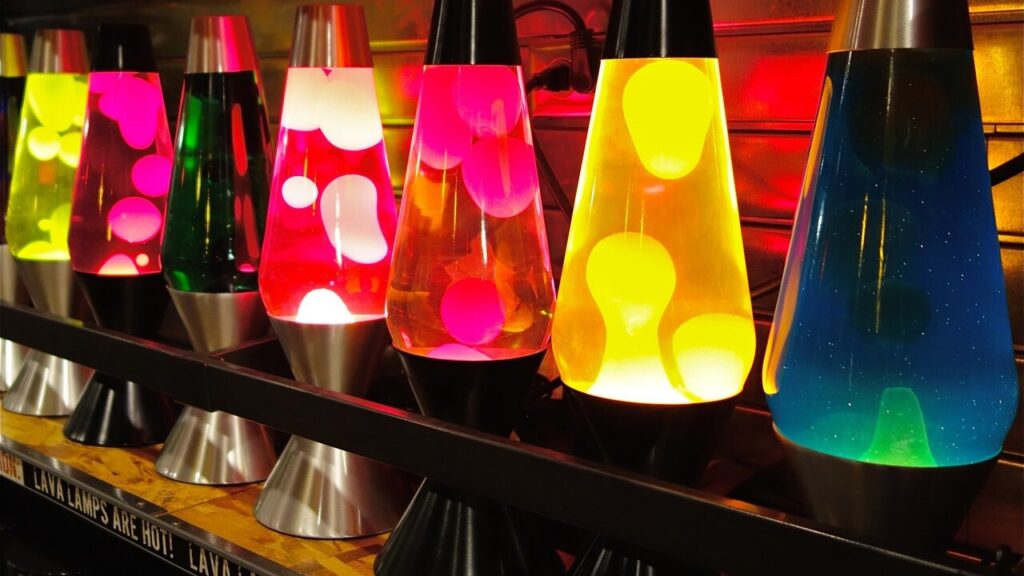
Josh Valcarcel / Wikimedia Commons, Public domain (cropped)
The Moon once seemed dry, still, and geologically finished. Returned rocks, surface instruments, and increasingly detailed orbital maps have instead revealed a layered, changing, and surprisingly complicated neighbor.
These slides follow major discoveries from the first far-side photographs to recent measurements of impacts and global contraction.
1969: The Dark Seas Turned Out to Be Lava
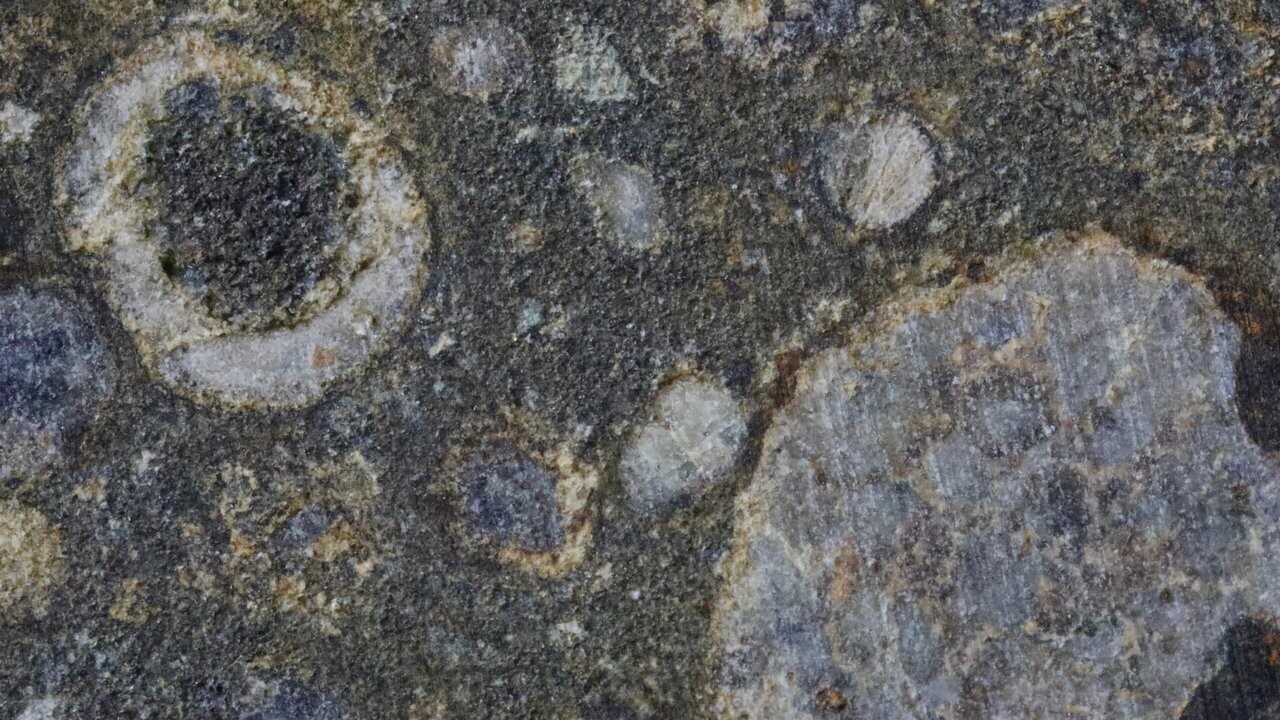
Apollo 11 samples answered a basic question about the Moon’s dark maria. They are ancient volcanic lavas, not seas or deep deposits of dust. Laboratory work showed that these basalts crystallized more than 3.6 billion years ago, preserving an exceptionally old record of volcanism.
Apollo Rocks Tied the Moon to Earth
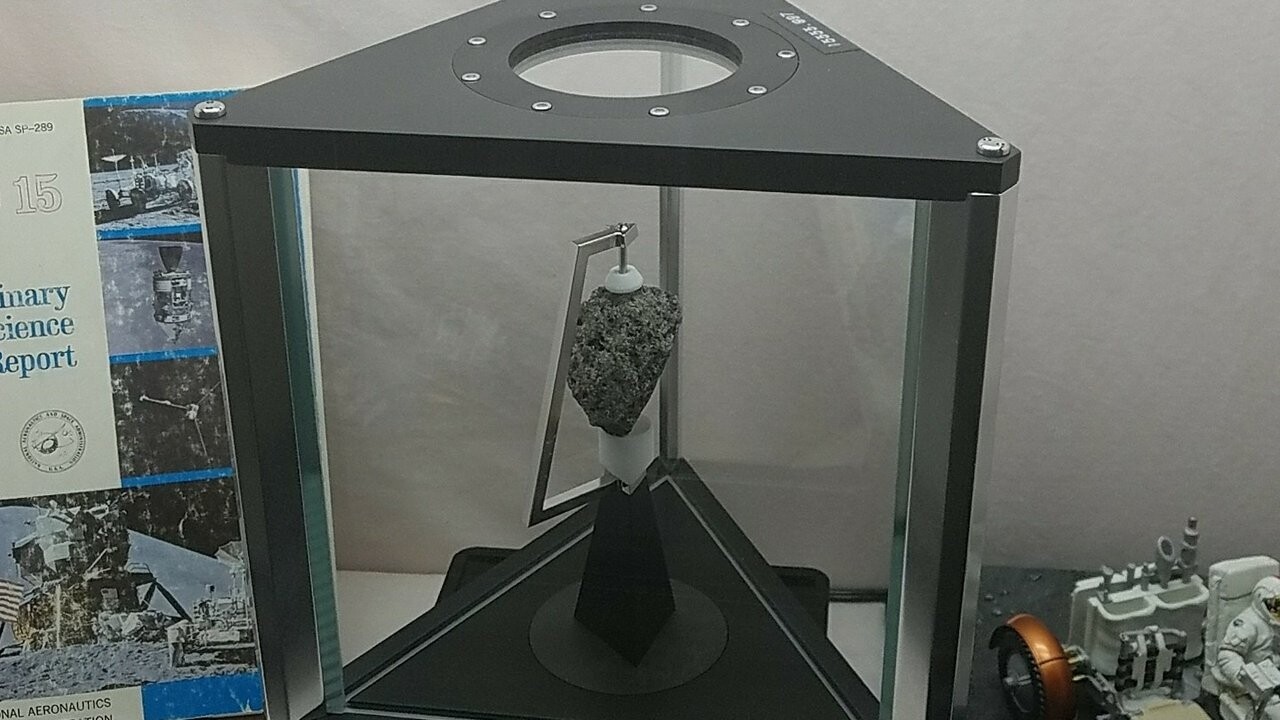
The resemblance between returned lunar samples and material from Earth became a vital clue to the Moon’s origin. The samples indicated that the Moon was once part of Earth, giving scientists physical evidence that the histories of the two worlds are deeply connected.
Apollo Seismometers Found a Quaking Moon
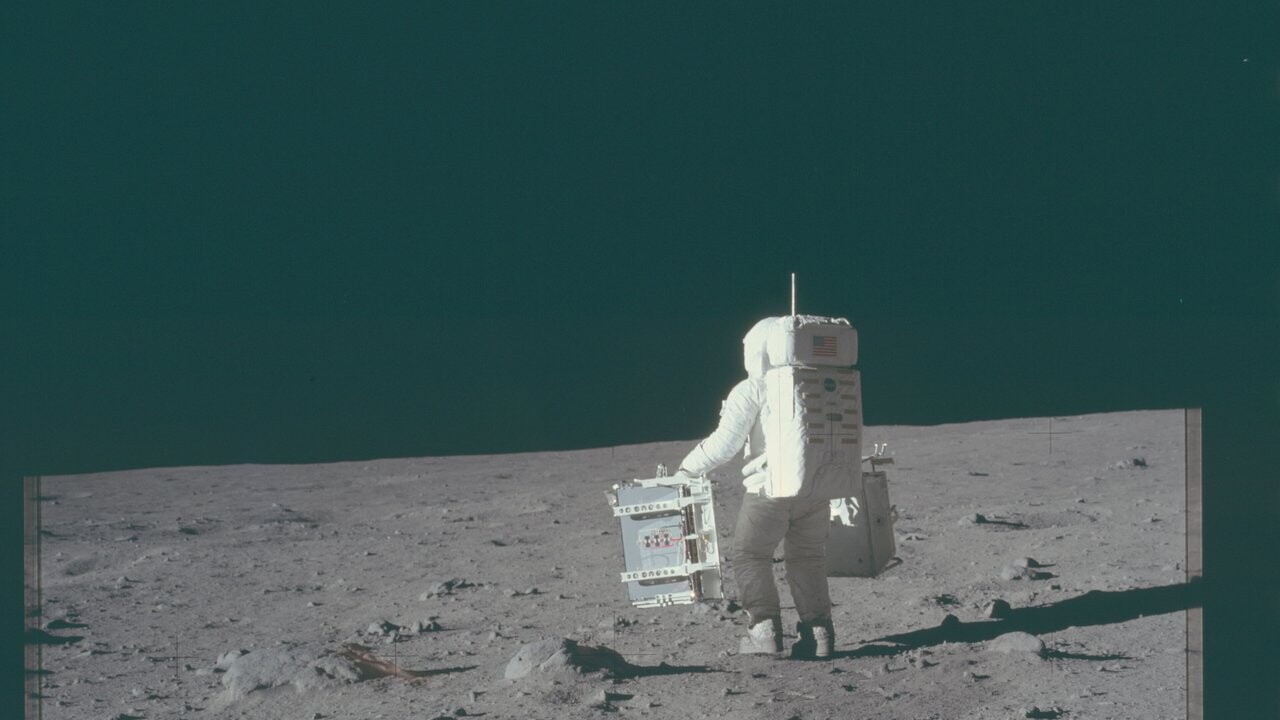
Seismometers placed on the surface by Apollo astronauts revealed that the Moon experiences moonquakes. The finding replaced the image of a completely still world with one that can shake. Those long-running instruments made the lunar interior something scientists could study through vibrations rather than samples alone.
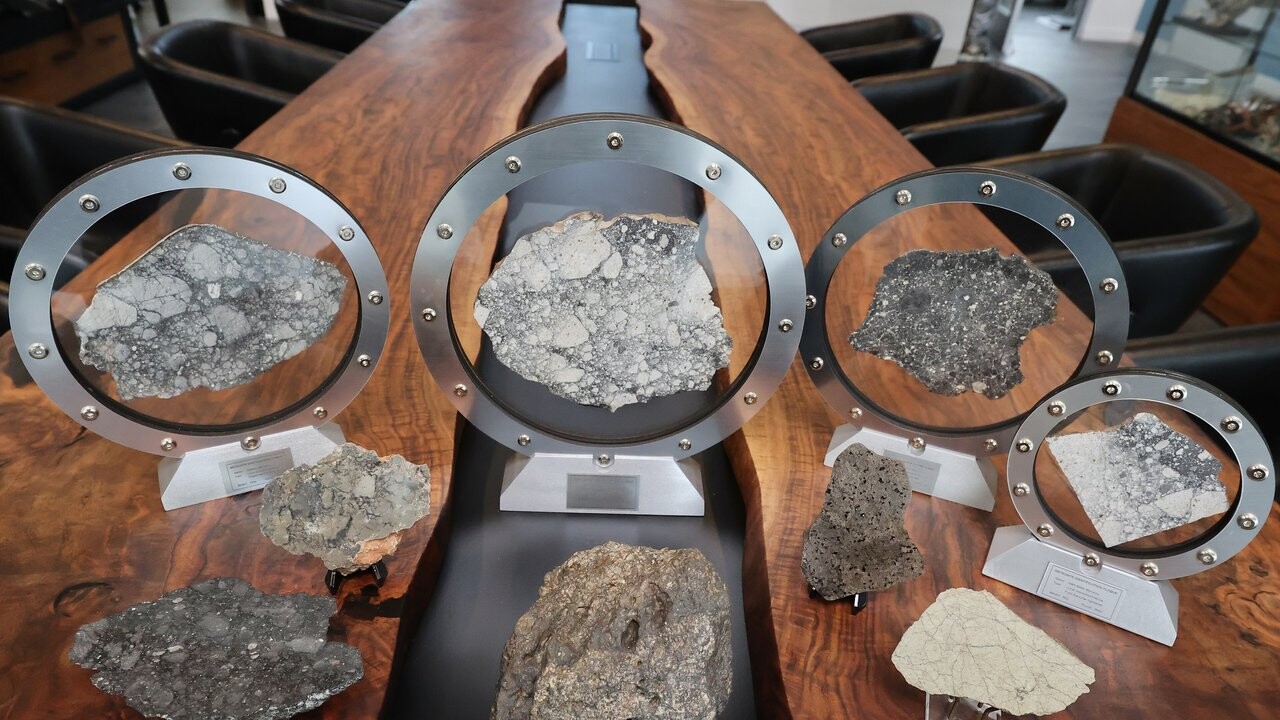
Apollo Rocks Preserved an Ancient Magnetic Field
Magnetized rocks returned by Apollo established that the Moon once had a magnetic field. The samples preserve physical evidence of ancient lunar magnetism and opened a new line of investigation into how conditions inside the Moon changed over time.
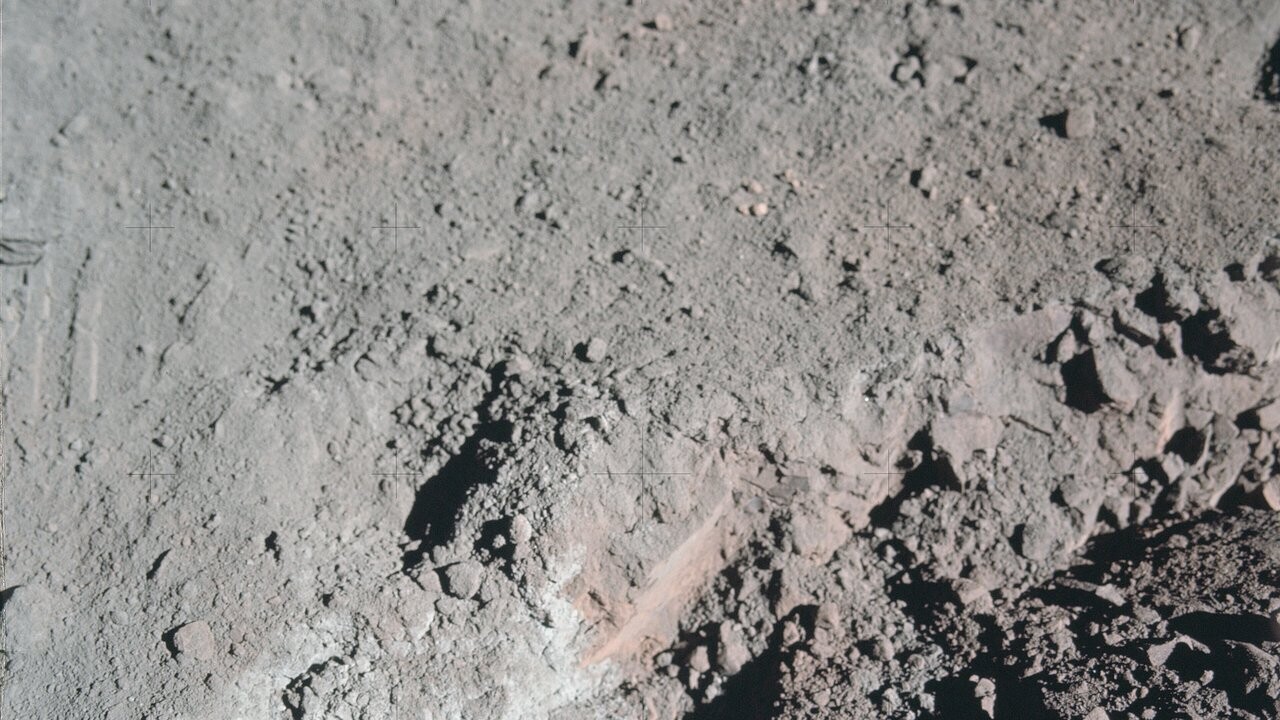
1972: Astronauts Found Orange Lunar Soil
Apollo 17 astronauts discovered orange soil in December 1972. Its unusual color came from a mixture of reddish balls, black balls, and fragments. In a landscape famous for shades of gray, the sample was an immediate visual surprise and a distinctive piece of lunar material.
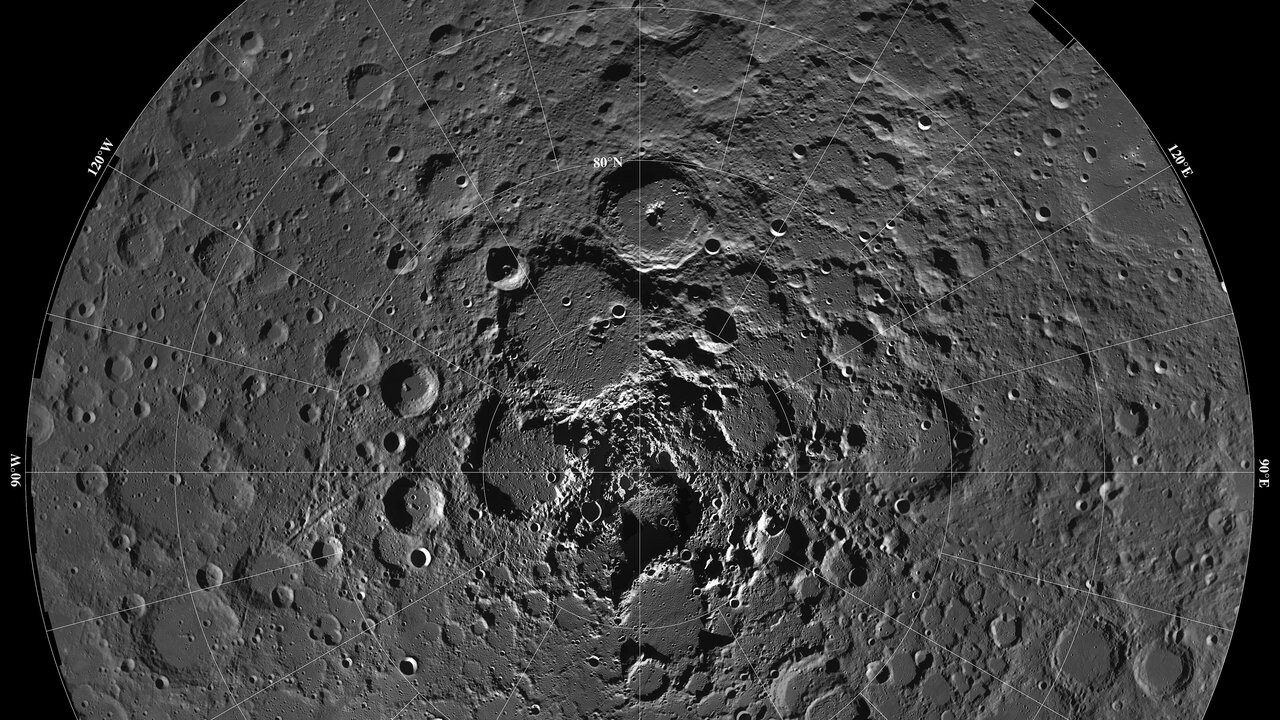
1994: Clementine Raised the Possibility of Polar Ice
Clementine revived the search for lunar water in the 1990s. Data from the mission provided evidence of ice inside a permanently shadowed crater near the south pole. The result made the Moon’s dark polar terrain a compelling target for later investigations.
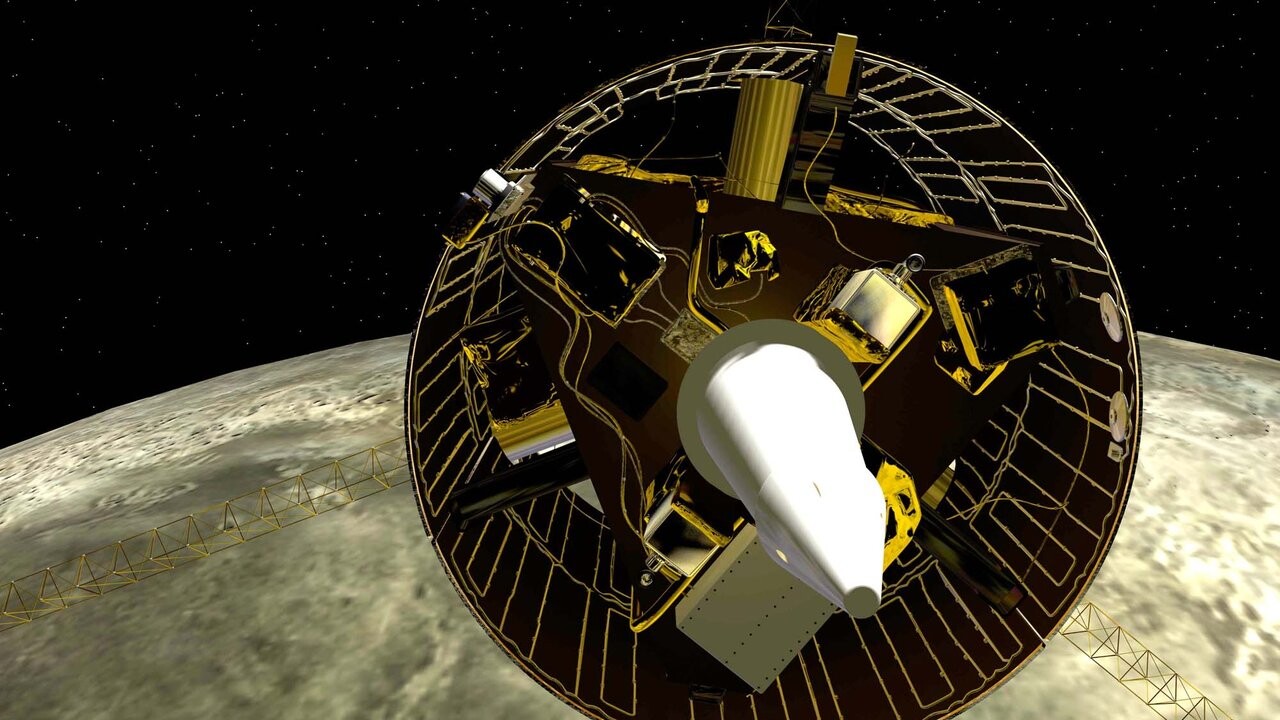
1998: Lunar Prospector Detected Polar Hydrogen
In 1998, Lunar Prospector detected hydrogen at both lunar poles. Hydrogen alone did not prove that ice was present, but the polar result strengthened the case for frozen water and gave later missions a clear question to test.
2008: Old Apollo Glass Revealed Interior Water
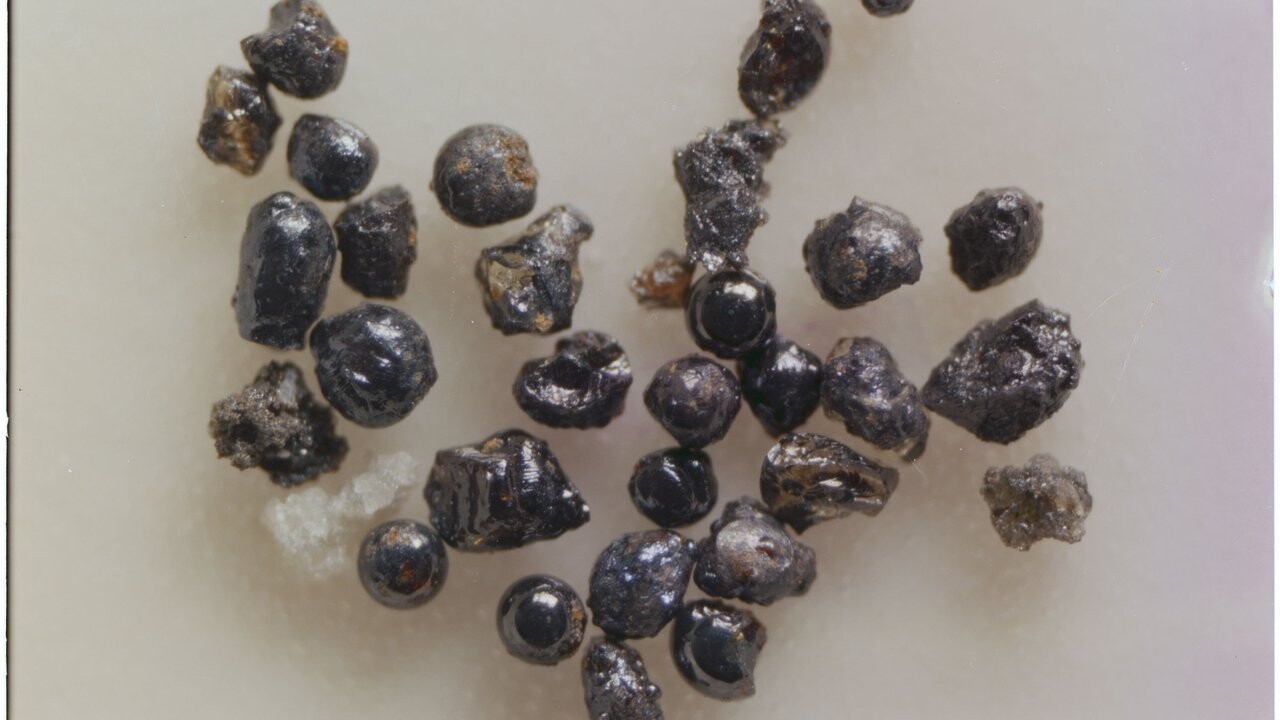
Researchers revisited Apollo samples in 2008 with better laboratory technology and found hydrogen inside tiny beads of volcanic glass. Because the material came from ancient eruptions, the discovery provided evidence that water had once existed inside the Moon, not only on its surface.
2009: Water Molecules Appeared Near the Poles
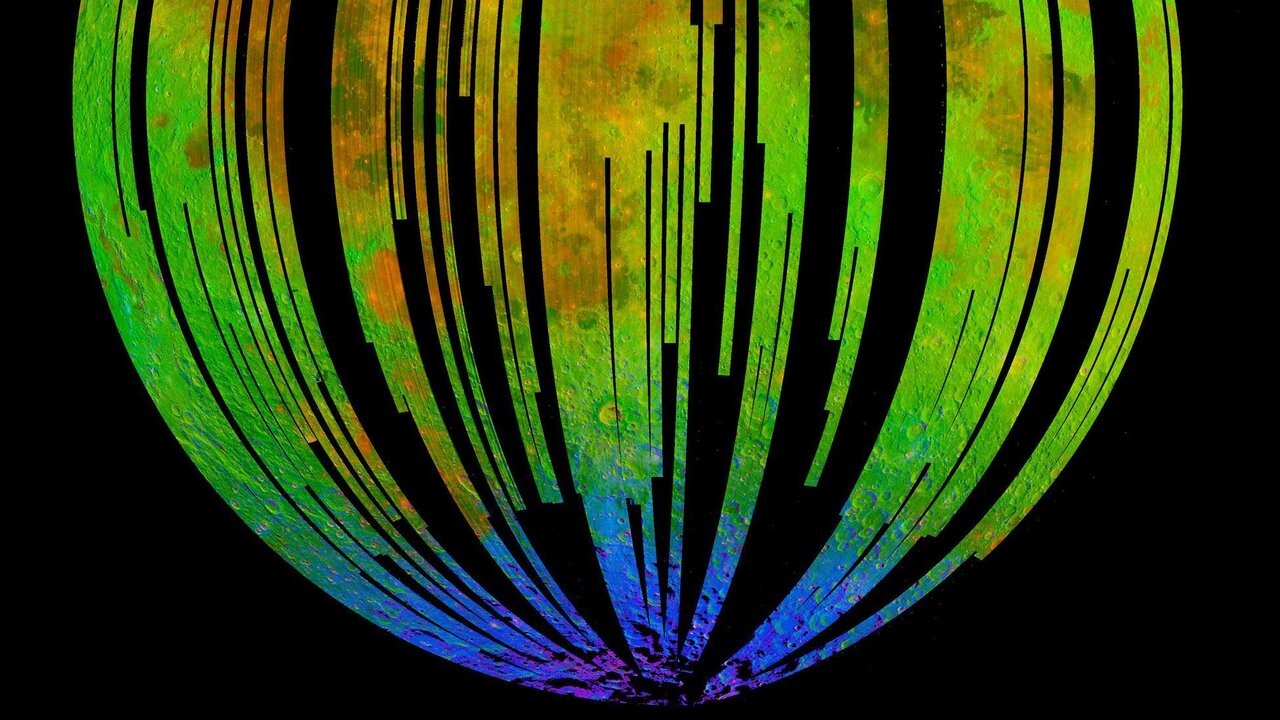
In 2009, the Moon Mineralogy Mapper aboard India’s Chandrayaan-1 found water molecules in the lunar polar regions. The detection added a new kind of evidence to the developing picture of lunar water and directed still more attention toward the Moon’s persistently cold, shadowed terrain.
2011: Apollo Data Exposed a Layered Core
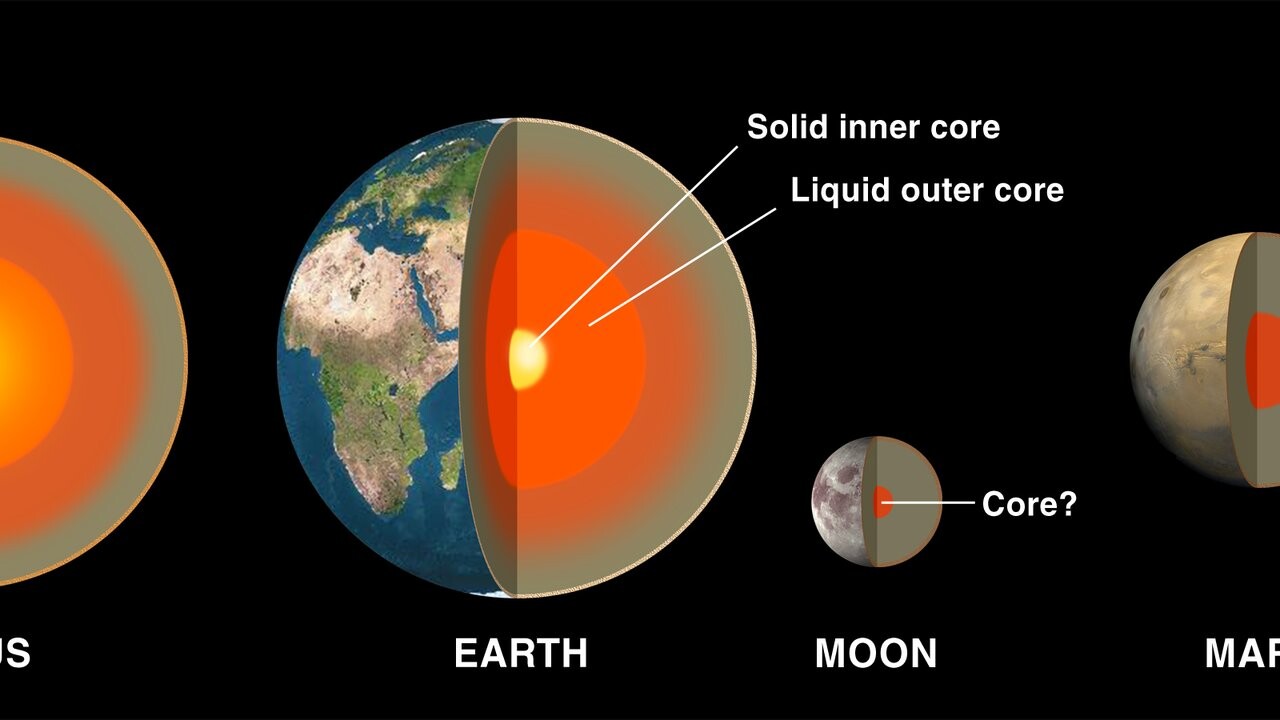
Decades after Apollo, researchers reanalyzed the mission’s seismic records and found evidence for a solid, iron-rich inner core surrounded by a fluid, mostly liquid-iron outer core. Lunar laser-ranging data independently indicated a fluid core, adding another measurement to the picture of a layered interior.
2012: GRAIL Measured a Thinner Crust
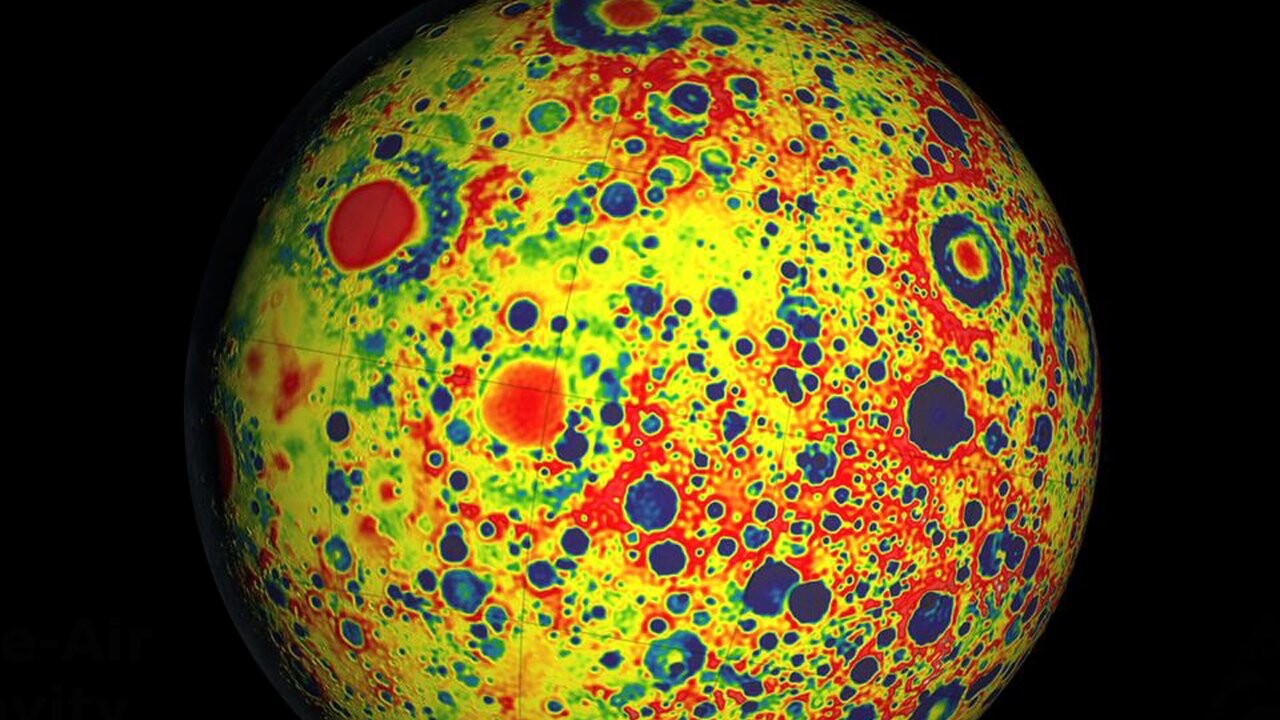
GRAIL measurements placed the Moon’s average crustal thickness between 34 and 43 kilometers. The finding gave scientists a concrete range for one of the most basic dimensions used to describe the lunar interior.
2016: New Craters Appeared Between Photographs
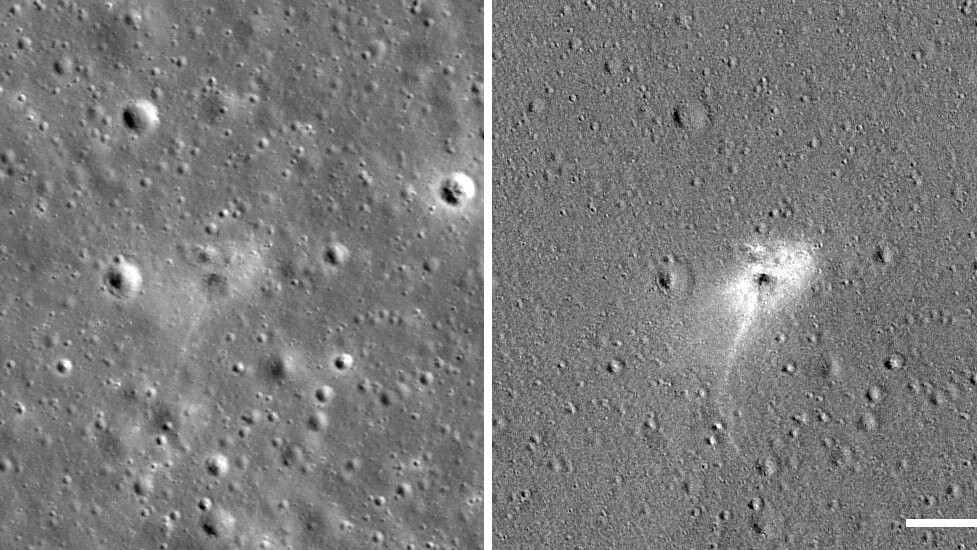
Repeated Lunar Reconnaissance Orbiter images proved that visible change continues on the Moon. By 2016, researchers had identified more than 200 impact craters that formed during the mission. Before-and-after views made recent impacts stand out against terrain that can otherwise appear timeless.
2018: Scientists Confirmed Surface Ice
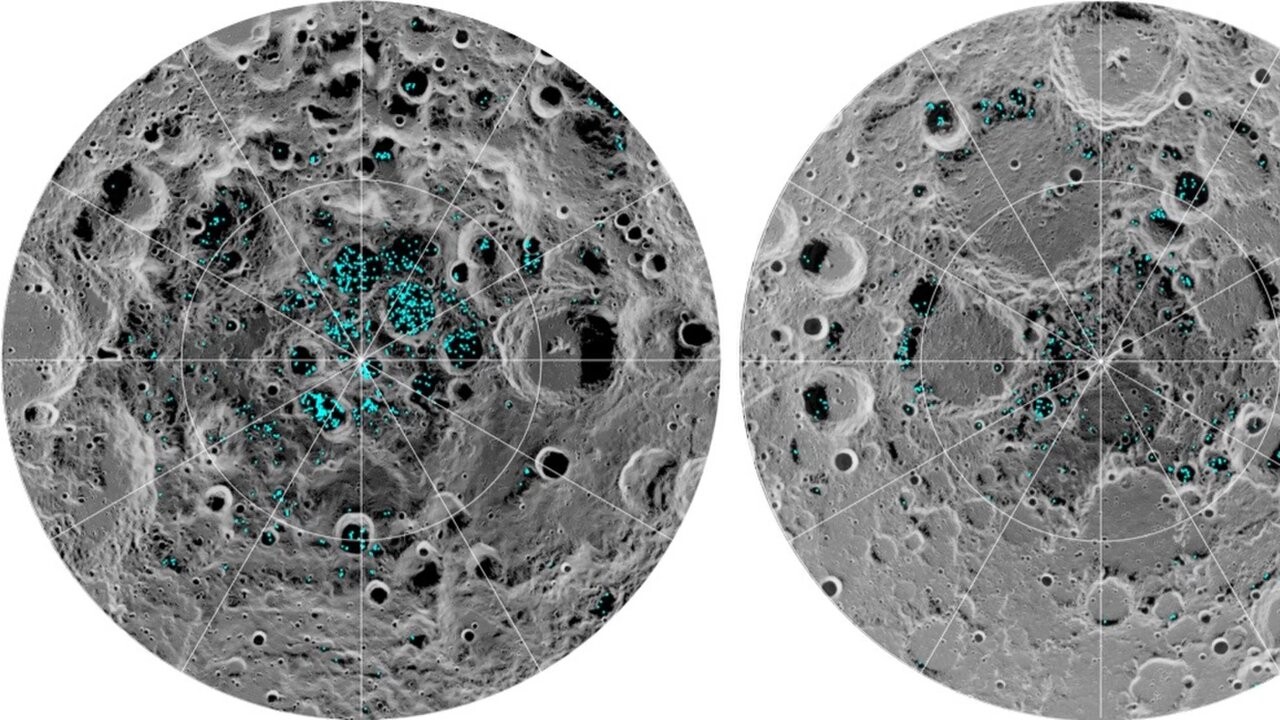
A 2018 analysis of Moon Mineralogy Mapper data produced definitive evidence of water ice on the surface in the darkest and coldest parts of the polar regions. The result moved the evidence beyond broad polar hints by identifying ice at specific locations.
2019: Chang’e-4 Found Possible Mantle Material
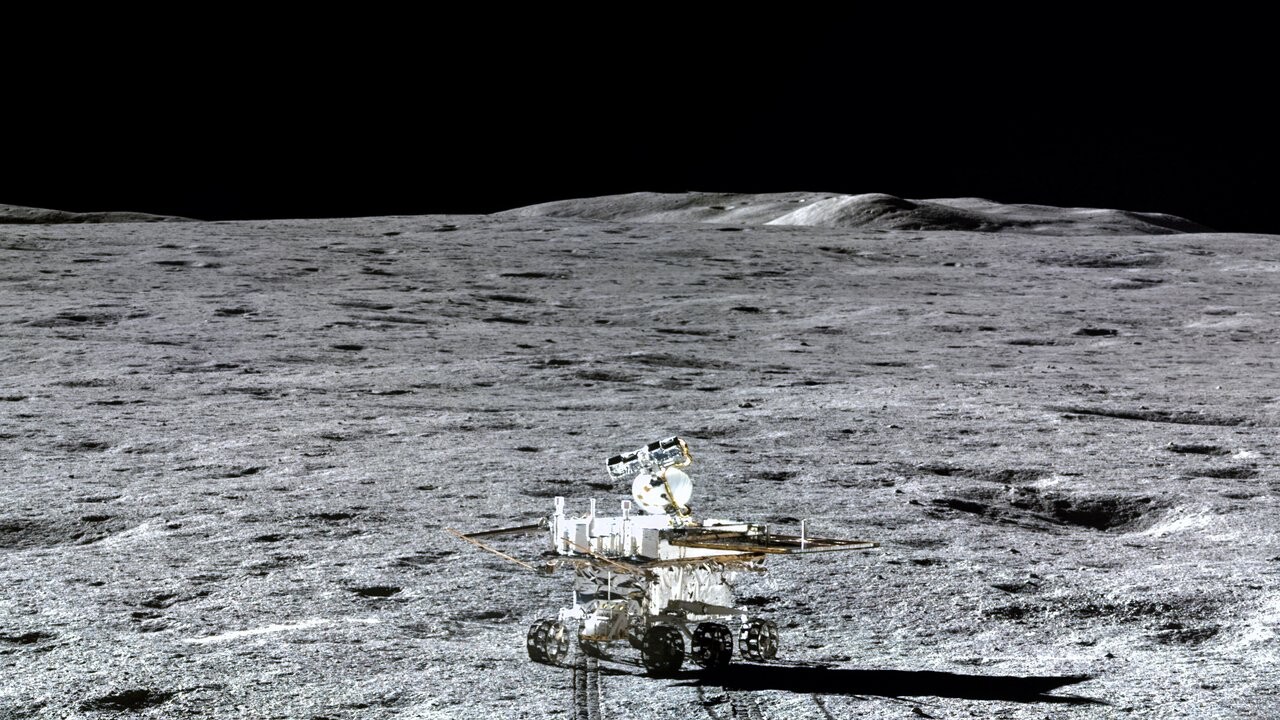
Spectra reported from Chang’e-4 in 2019 indicated the presence of olivine and low-calcium pyroxene. Researchers interpreted those minerals as material that may have originated in the lunar mantle. The cautious wording matters: the measurements suggested a deep source, but did not make it certain.
2020: Water Was Confirmed in Sunlight
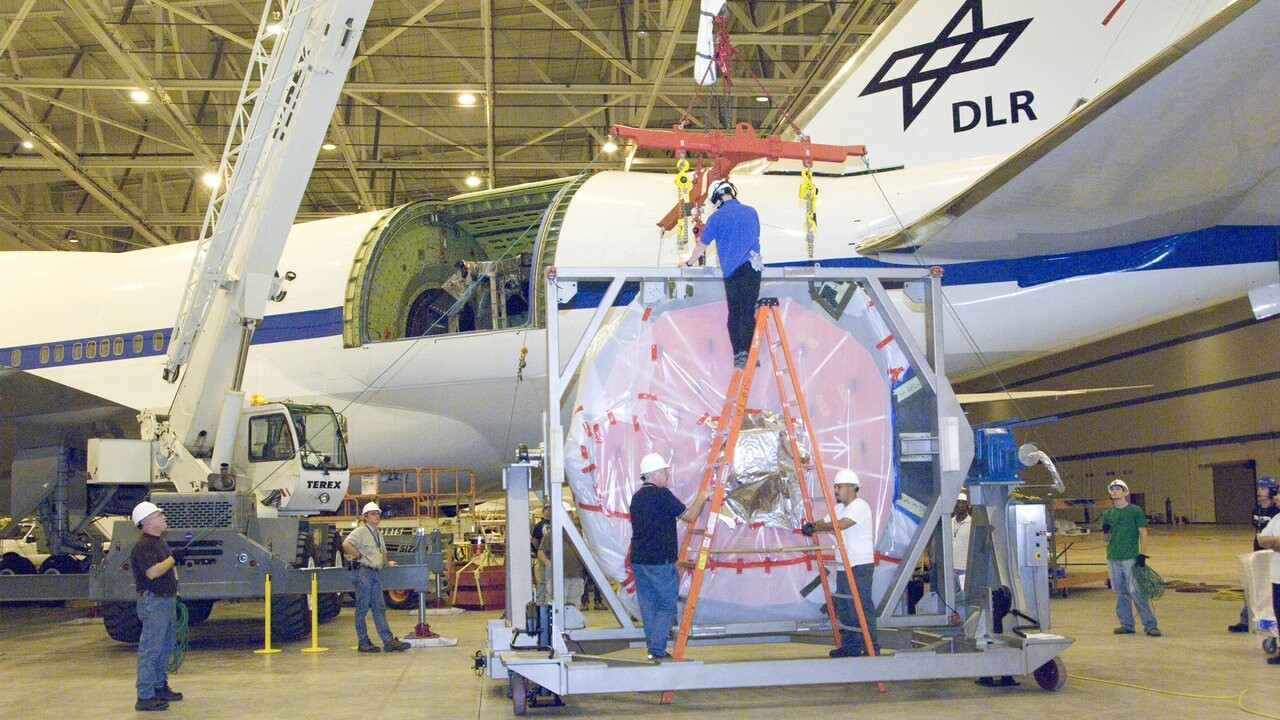
In 2020, the airborne SOFIA observatory confirmed water on the Moon’s sunlit surface for the first time. The result demonstrated that confirmed lunar water was not restricted to permanently dark polar regions and broadened the search beyond the coldest terrain.
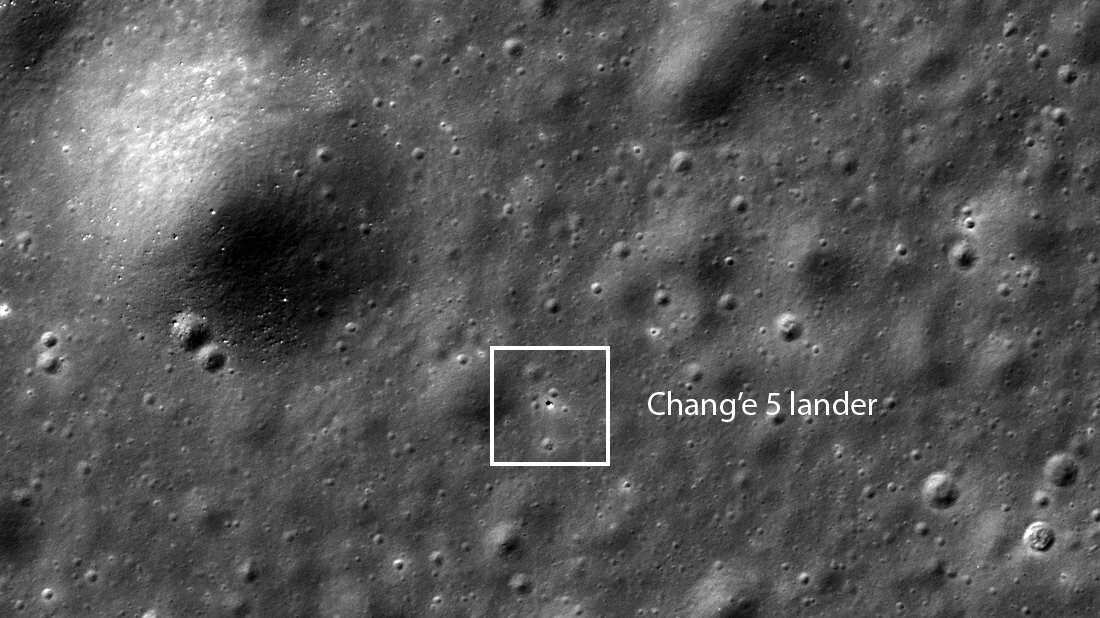
2021: Chang’e-5 Extended the Volcanic Timeline
Chang’e-5 returned mare basalt samples that were dated to about 2 billion years ago. They are among the youngest lunar basalts reported so far, adding a much younger point to the volcanic record represented by samples brought to Earth.
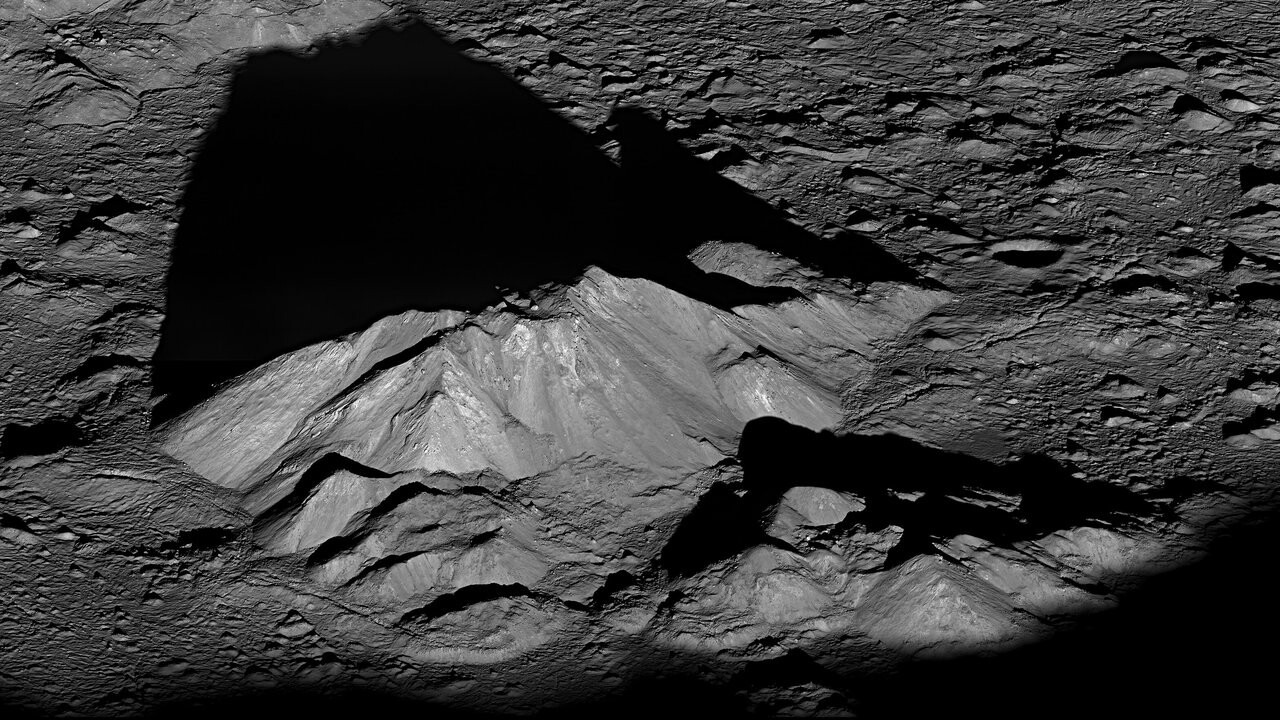
2022: Lunar Pits Held Steady Temperatures
Modeling published in 2022 found that permanently shadowed reaches inside a lunar pit remain near 63 degrees Fahrenheit, or 17 degrees Celsius, with only small changes through the lunar day. The measurement revealed a remarkably steady environment beneath the exposed surface.
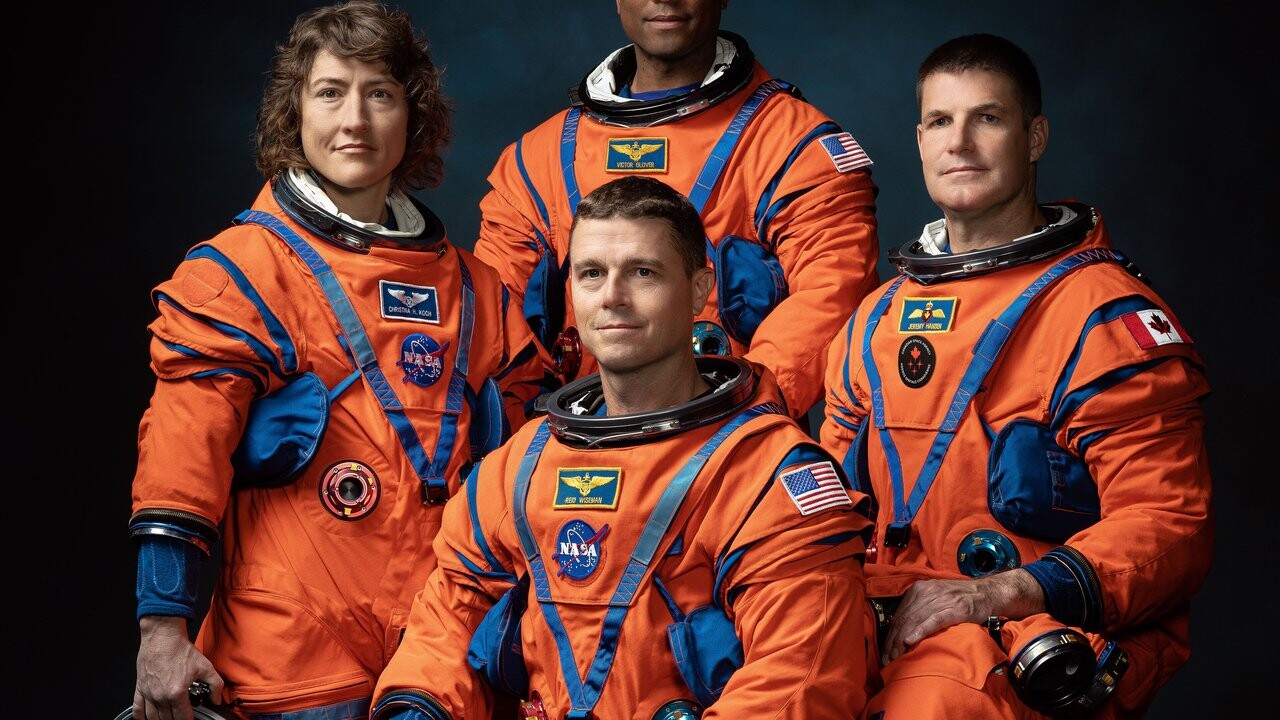
2026: Artemis II Astronauts Saw Impact Flashes
During the April 2026 Artemis II flyby, astronauts reported five extremely faint pinpricks of light from about 46,000 miles away. The flashes were produced by rocky fragments striking the Moon, giving the crew a direct view of small impacts on the lunar surface.
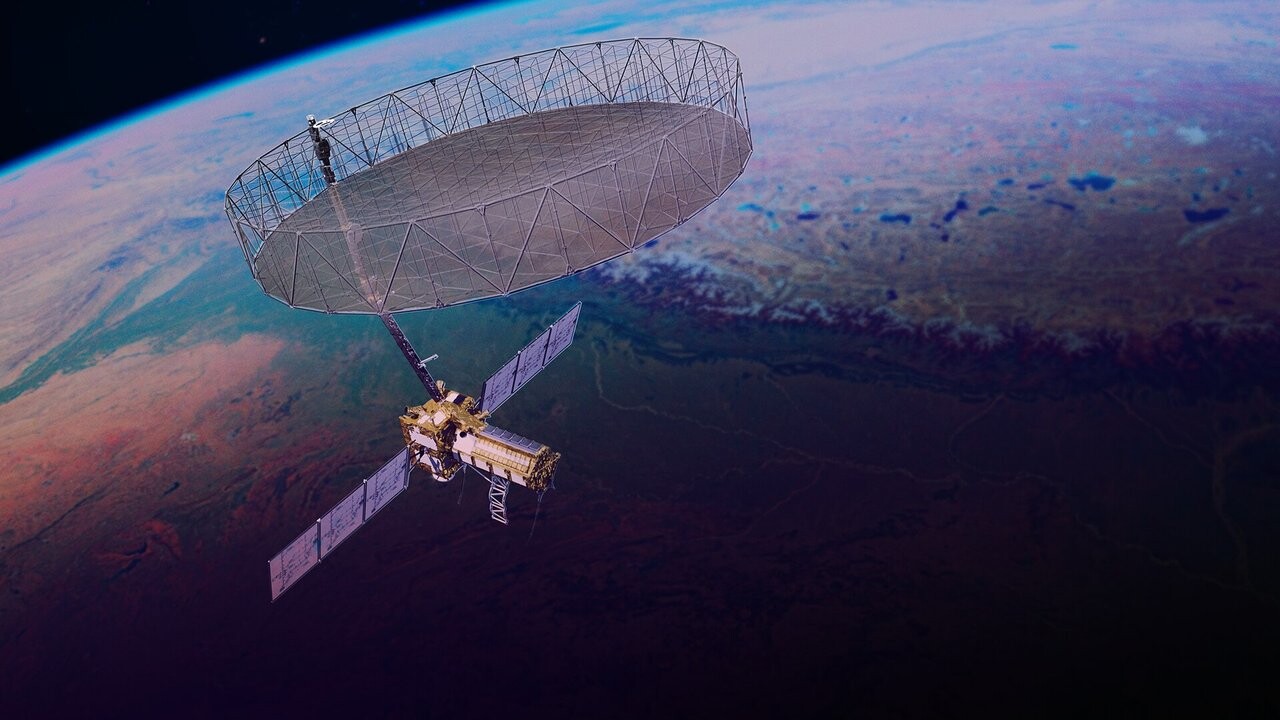
2026: A Record New Crater Came Into View
In 2026, comparison of before-and-after orbital images revealed the largest newly formed crater yet found in the solar system. The discovery showed that even a heavily mapped world can gain a major new feature between surveys.
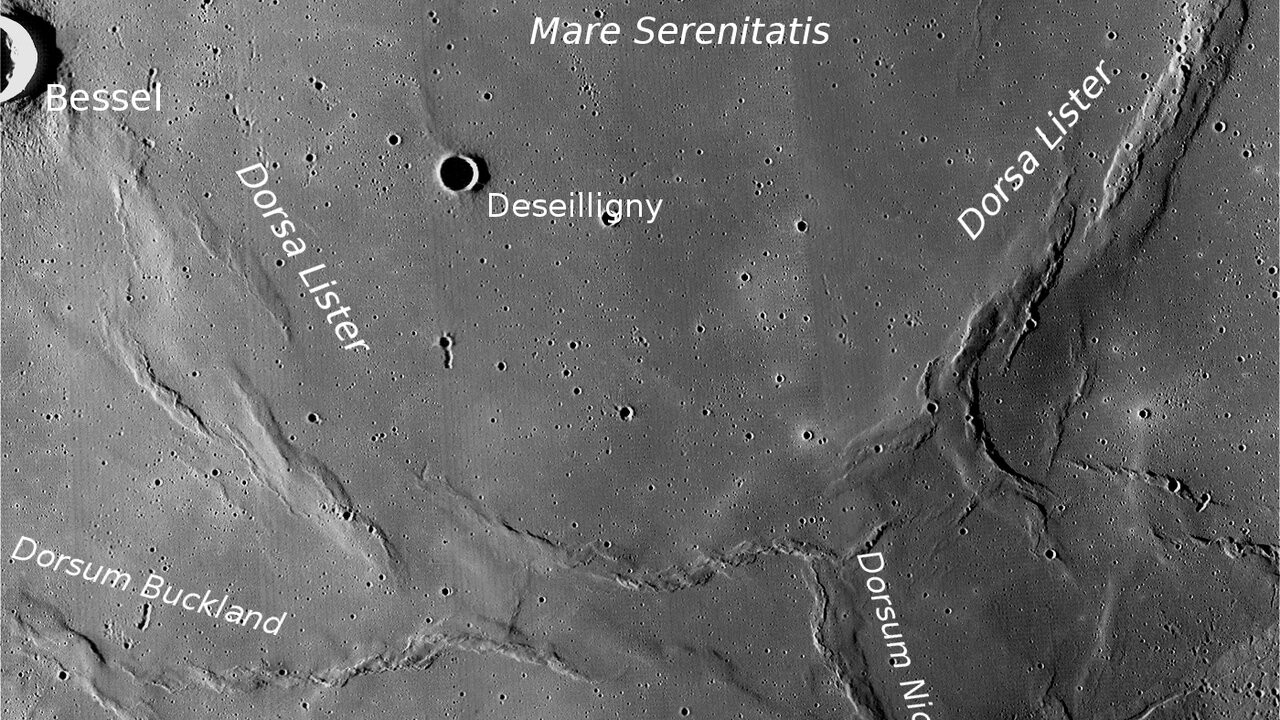
2026: The Moon’s Shrinkage Became Measurable
A study published in October 2026 estimated that measured areal strain corresponded to a reduction of roughly 42 to 46 meters in lunar radius. The result put a concrete number on the Moon’s contraction.
The familiar Moon continues to produce discoveries that reshape its story.
Sources:
- NASA NSSDC — Luna 3 First Far-Side Image
- NASA Technical Reports Server — Mascons
- NASA — Lunar Orbiter 1
- NASA Science — History of Lunar Exploration
- NASA — Apollo 11 Science Results
- NASA Science — Moon Formation
- NASA Science — Moonquakes
- NASA — Ancient Lunar Magnetic Field
- NASA ARES — Apollo 17 Orange Soil
- NASA Science — Clementine
- NASA Technical Reports Server — Lunar Prospector
- NASA Science — Moon Water and Ices
- NASA JPL — Moon Mineralogy Mapper
- NASA Technical Reports Server — LCROSS at Cabeus
- NASA NSSDC — Ice on the Moon
- NASA — Lunar Core Model
- NASA — Apollo Laser Ranging Experiment
- NASA JPL — GRAIL Gravity Map
- NASA — Meteoroid Impacts on the Moon
- NASA JPL — Ice Confirmed at the Moon’s Poles
- Nature — Chang’e-4 Mantle-Derived Materials
- NASA Science — Moon Facts
- Nature — Age of Chang’e-5 Basalts
- NASA — Temperatures Inside Lunar Pits
- ISRO — Chandrayaan-3 Sulfur Measurements
- NASA Science — Evidence of Lunar Caves
- Nature — Chang’e-6 Far-Side Volcanism
- NASA Science — Artemis II Preliminary Lunar Science
- NASA Science — Artemis II Lunar Targeting Plan
- NASA Science — Newly Formed Lunar Crater
- The Planetary Science Journal — Lunar Contraction