The Fashion Rules the Royal Family Is Expected to Follow

Robbie Dale / Wikimedia Commons, CC BY-SA 2.0 (cropped)
Royal clothing can look governed by an invisible rulebook. In reality, written event requirements sit beside ceremonial regulations, inherited customs, and the personal working habits of individual royals.
Using Royal Household guidance, official archives, and expert institutions, these slides move from daytime public dressing through reported customs and into the prescribed clothing of royal ceremonies.
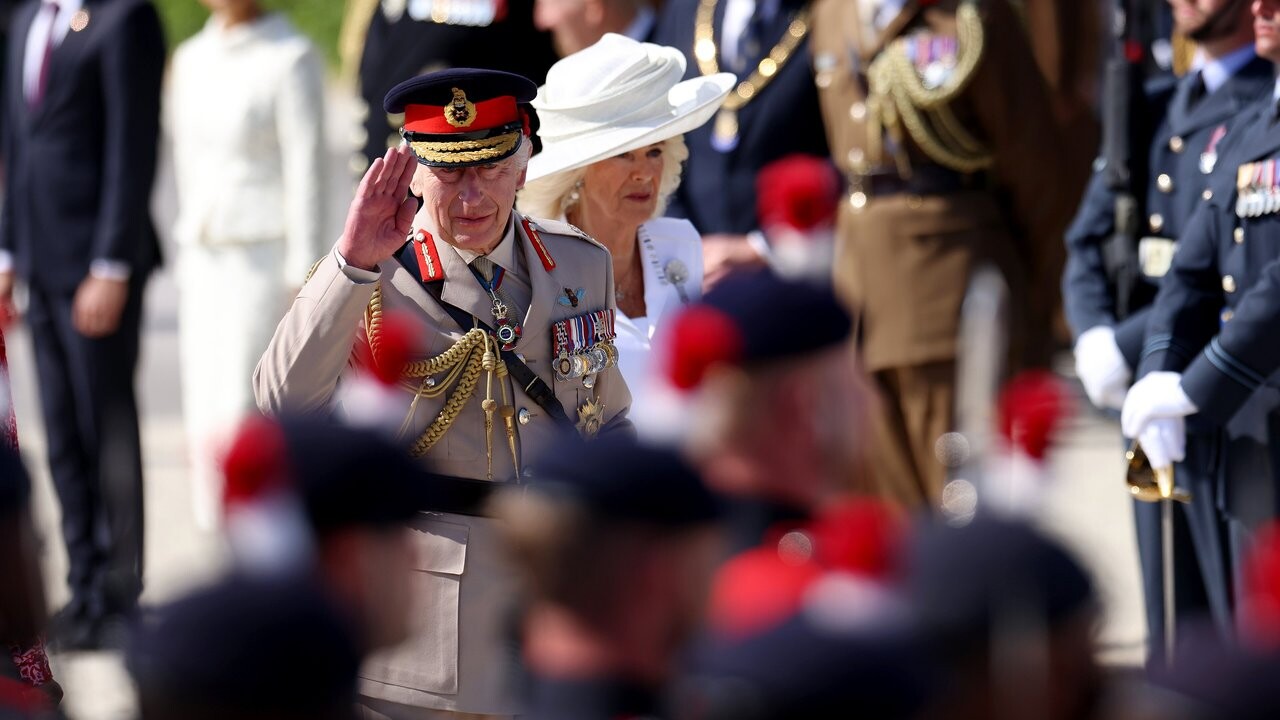
Morning Dress Is a Daytime Formal Option
Palace garden-party guidance lists morning dress and lounge suits as options for men while directing women toward day dress. The alternatives matter: even one of the monarchy’s best-known occasions allows more than one correct approach instead of imposing a single uniform on every guest.
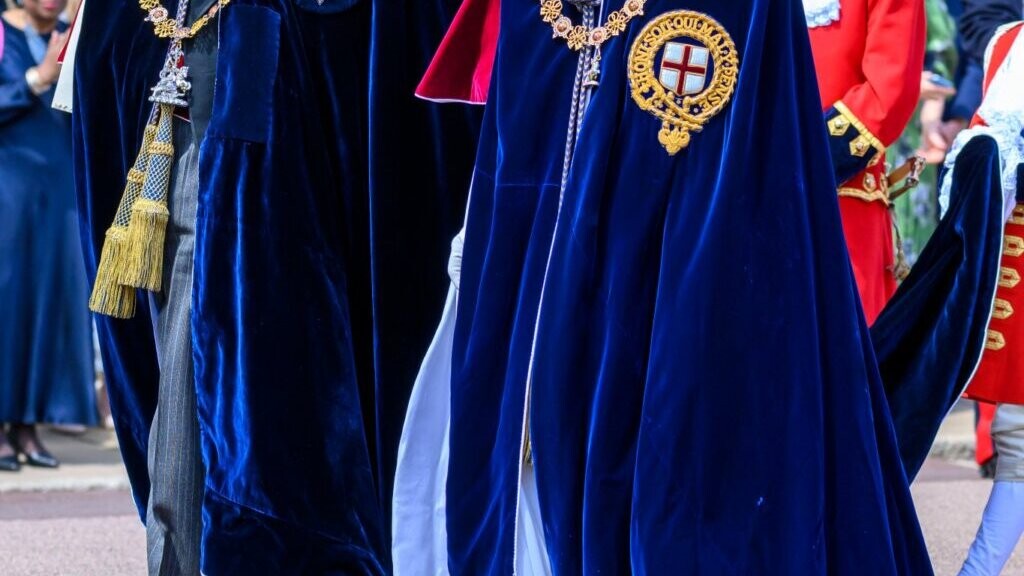
National Dress and Uniform Are Welcome
Palace guidance also says national dress and uniform are often worn at garden parties. This written acknowledgment shows that formal clothing need not mean conventional British tailoring. Several forms of ceremonial, cultural, and civilian dress can therefore appear within the same official setting.
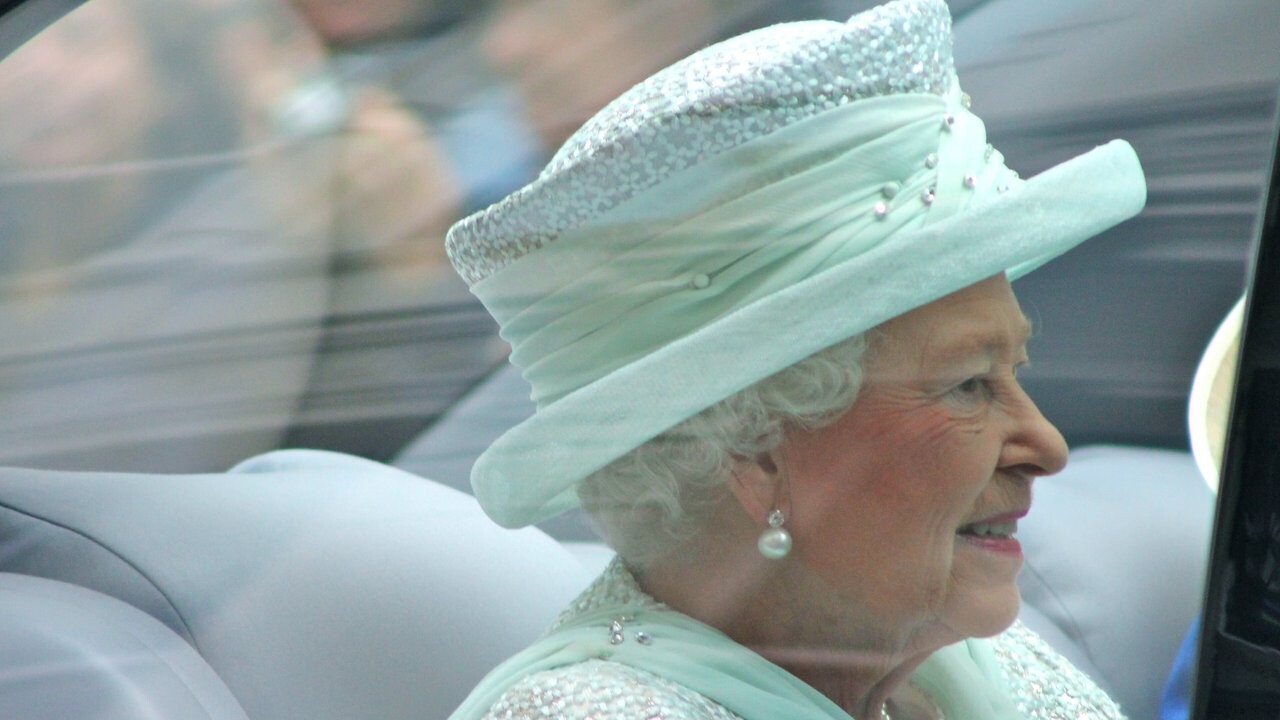
Daytime Hats Reflect Personal Tradition
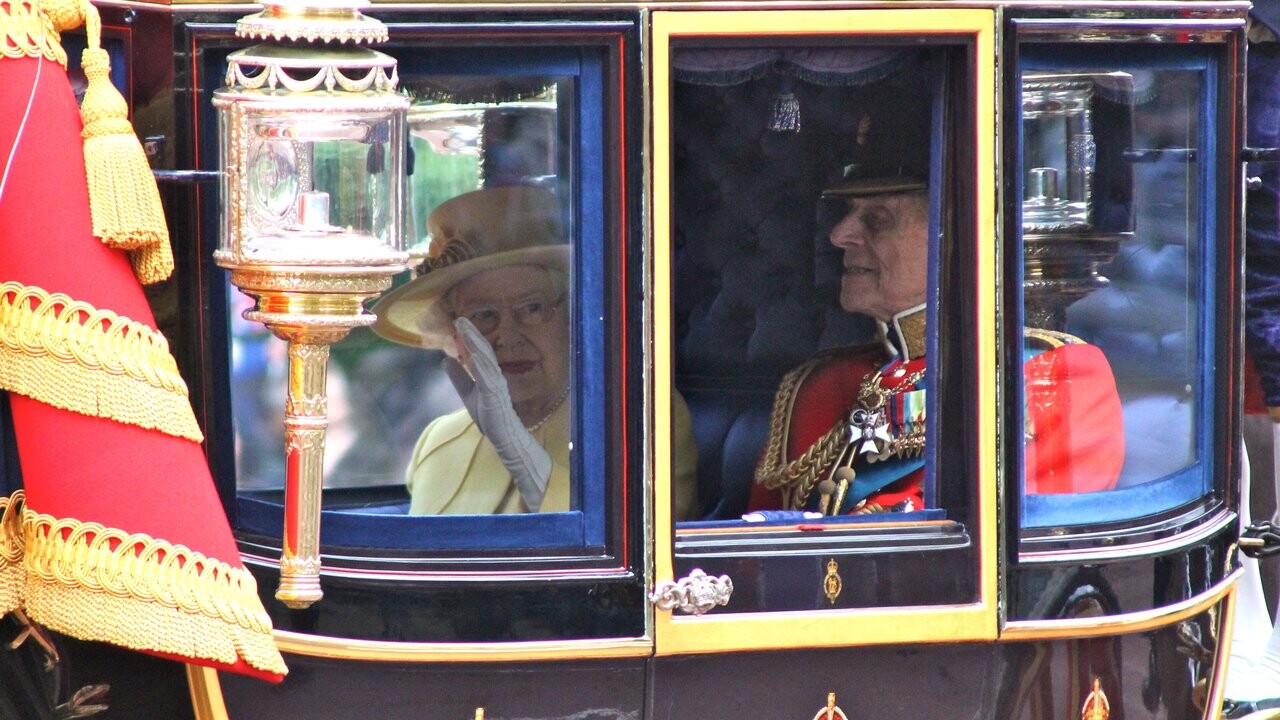
Hats became a signature of Queen Elizabeth II’s public wardrobe, but the evidence describes her personal practice, not a family-wide statute. Royal Collection Trust says she was very rarely seen performing daytime official duties without one. Carefully chosen headwear suited her working style without creating a universal rule for other royals.
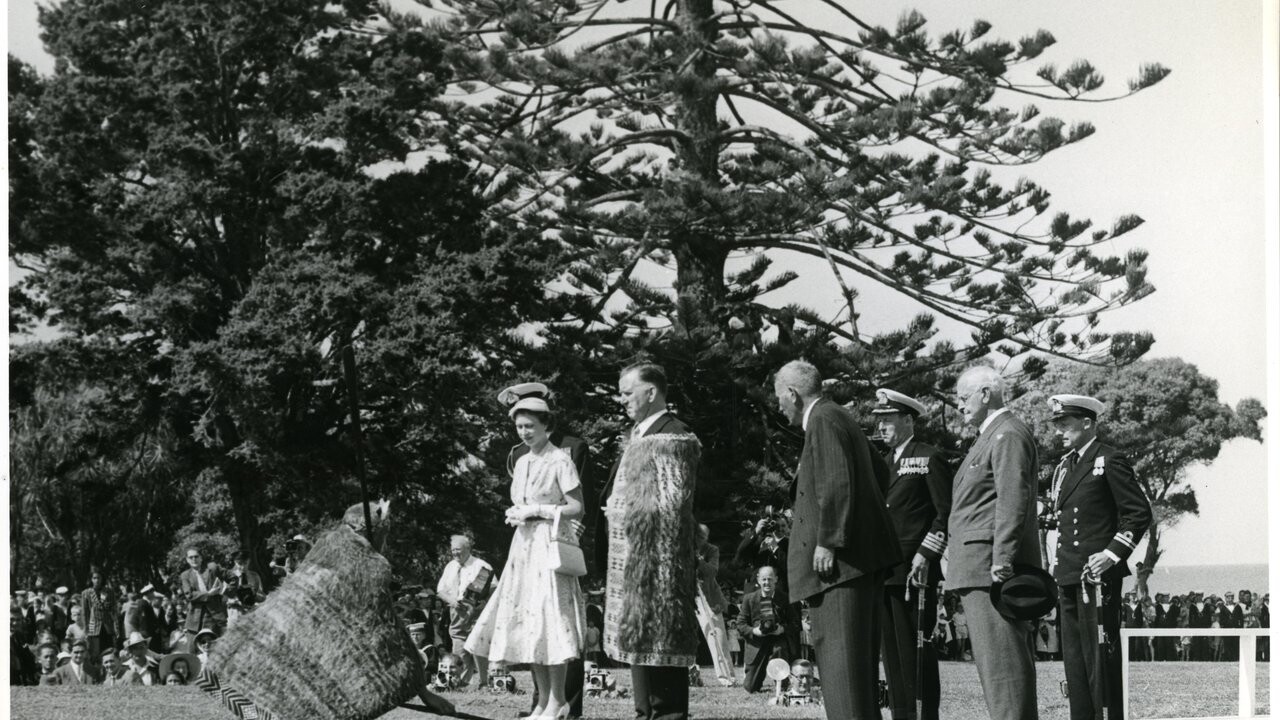
The Queen’s Hats Left Her Face Visible
Royal Collection Trust says Queen Elizabeth II’s hats were designed to leave a clear view of her face. The detail illustrates how her millinery balanced decoration with visibility. It documents a feature of her carefully developed wardrobe rather than a published command that every royal hat must follow.
Bright Colors Became a Signature
Queen Elizabeth II’s vivid daytime clothing became an identifying feature of her public wardrobe. Her official fashion archive describes a brightly colored day dress, coat, and hat as her famous formula. This consistent approach belonged to her working style; it was not a mandatory family protocol.
Brooches Can Honor a Country
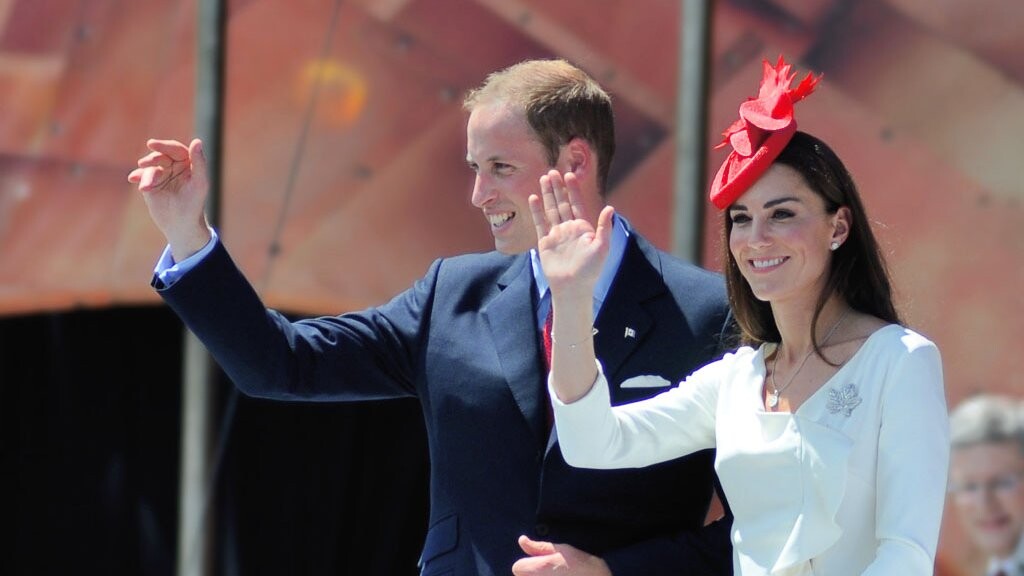
Jewelry can carry a diplomatic message, too. Royal Collection Trust records that Queen Elizabeth II often wore brooches representing Commonwealth emblems when visiting those countries or meeting their representatives. A national motif could make an elegant accessory relevant to the occasion, reflecting a purposeful personal practice rather than compulsory protocol.
Off-Duty Clothes Follow a Different Tradition
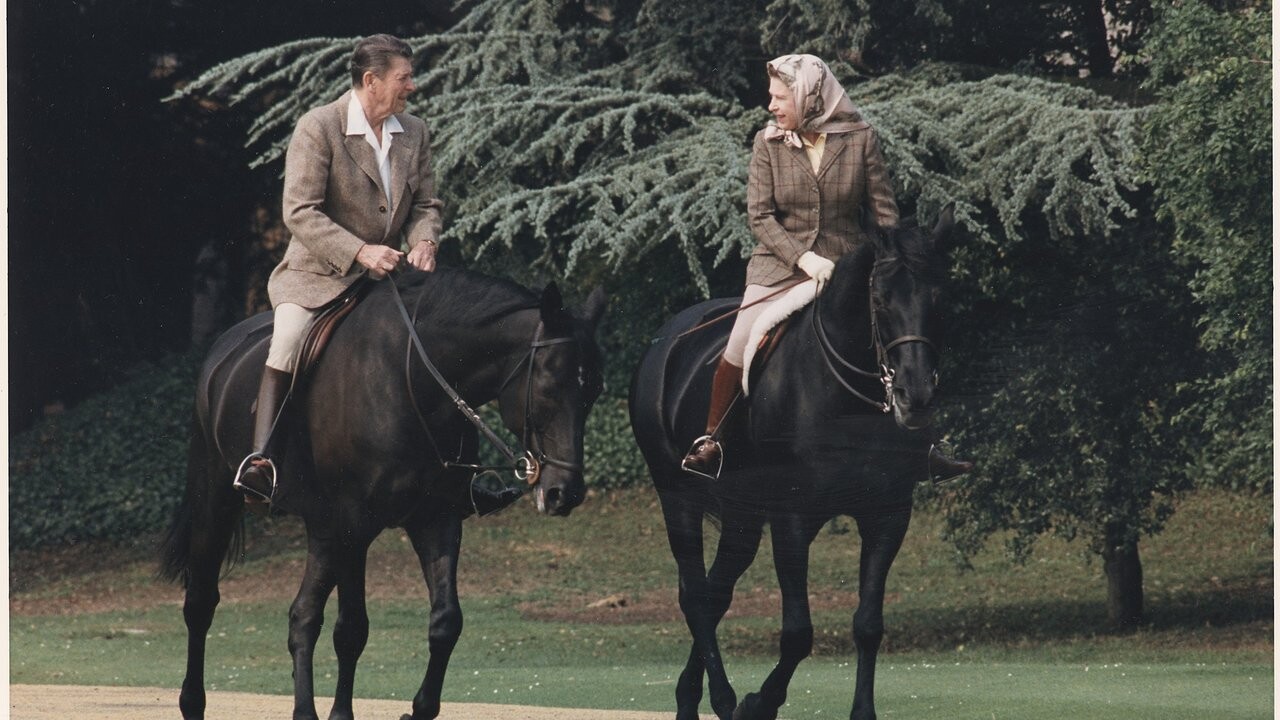
Public ceremony did not require formal palace clothing at every moment. The official archive documents Queen Elizabeth II’s off-duty wardrobe of riding jackets, tweed suits, silk headscarves, and tartan skirts. These country clothes became another recognizable side of her style, reflecting her activities and personal preferences rather than a separate royal dress code.
Hosiery Is Not a Written Edict
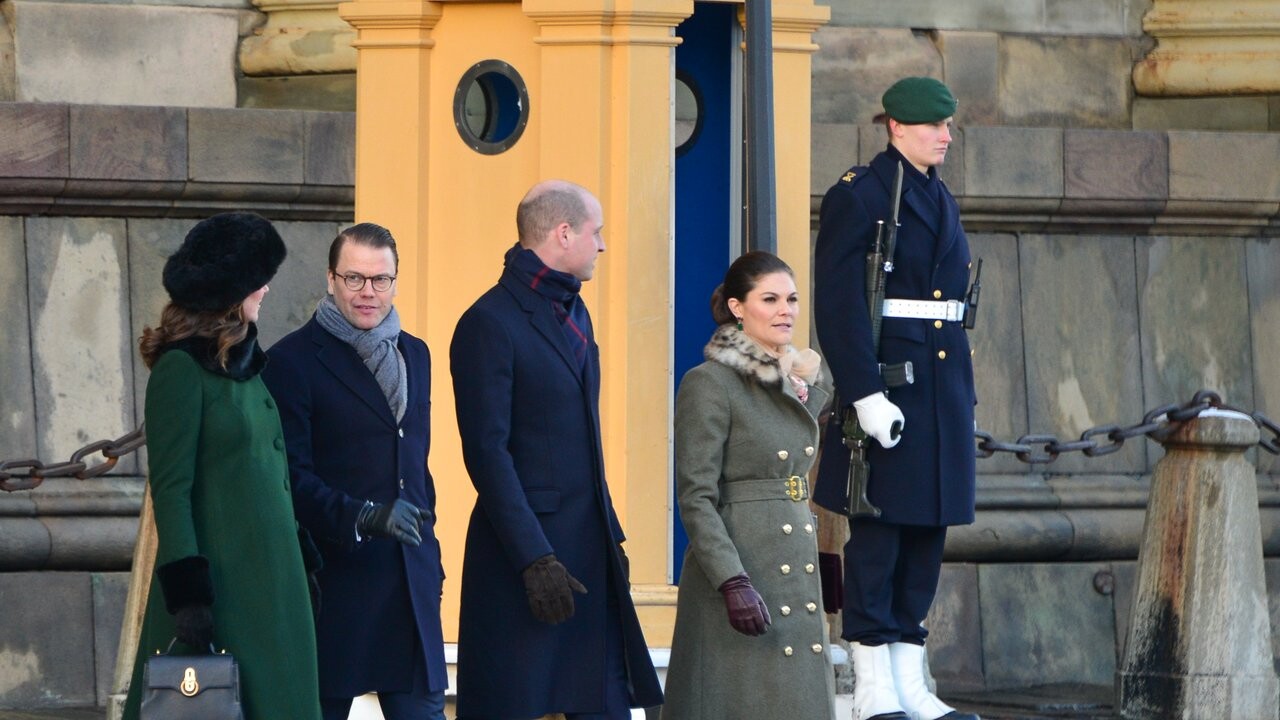
CBS News describes nude hosiery as a long-running royal rumor and reports that there is no official written edict about pantyhose. Without a published palace requirement, hosiery is better described as a reported custom or individual styling choice than a rule every royal woman must obey.
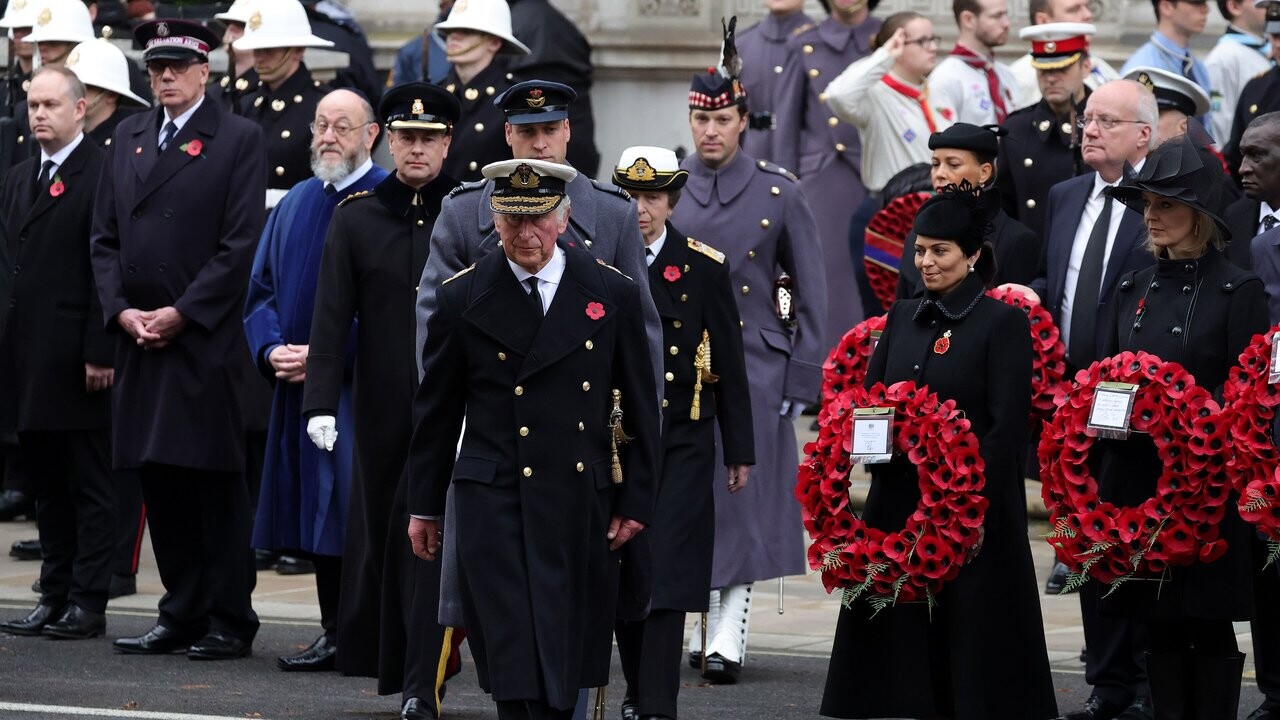
Poppy Placement Is a Personal Choice
The Royal British Legion says there is no right or wrong way to wear a poppy and describes its placement as a personal choice. That guidance leaves room for different positions and styles. Wearing one carries commemorative meaning, but the organization does not prescribe a single correct arrangement for everyone.
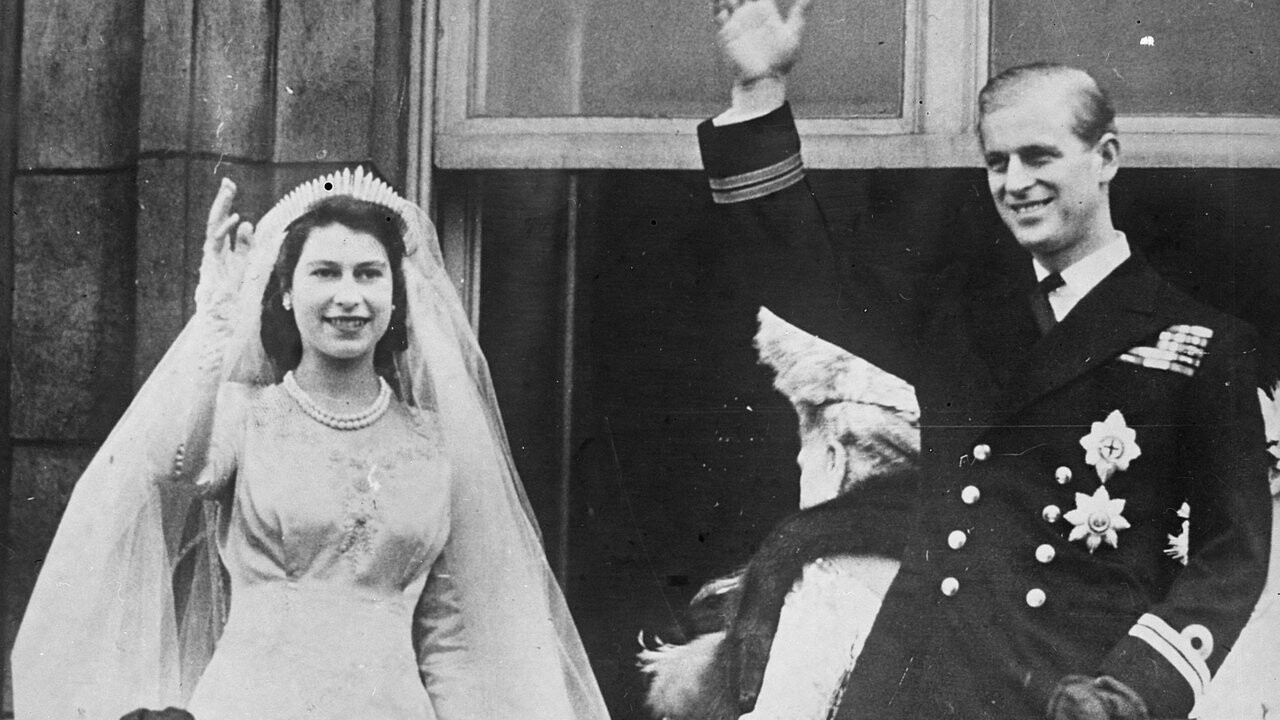
Marriage Shaped Traditional Tiara Etiquette
Christie’s explains that tiaras were customarily worn only by married women and were therefore often presented to brides. It also notes that these conventions have frequently been broken. The link between marriage and tiaras is best understood as an old social custom, not an enforceable royal law governing every wearer or occasion.
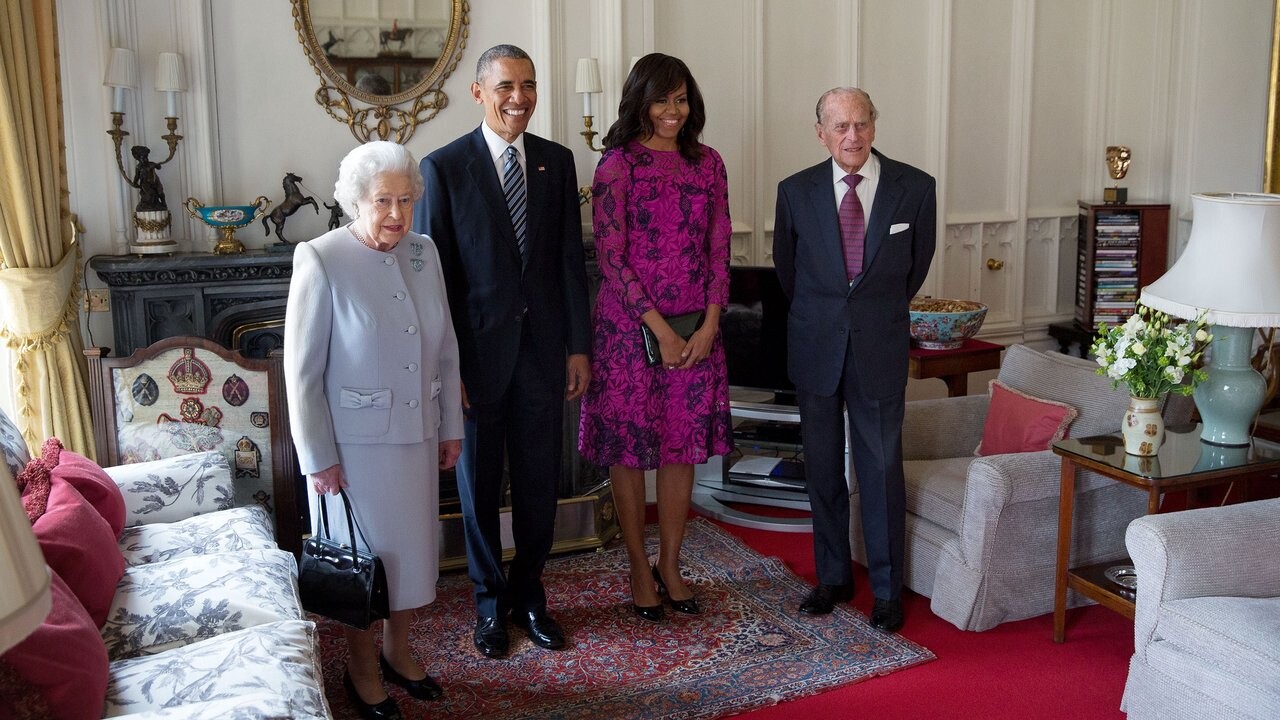
State Banquets Are Tiara Territory
Occasion matters when choosing ceremonial jewelry. Debrett’s identifies state banquets as moments for tiaras and other important pieces, while noting that a tiara is not essential. The event and its dress expectations offer a more useful guide than treating the jewelry as an automatic requirement for every royal evening appearance.
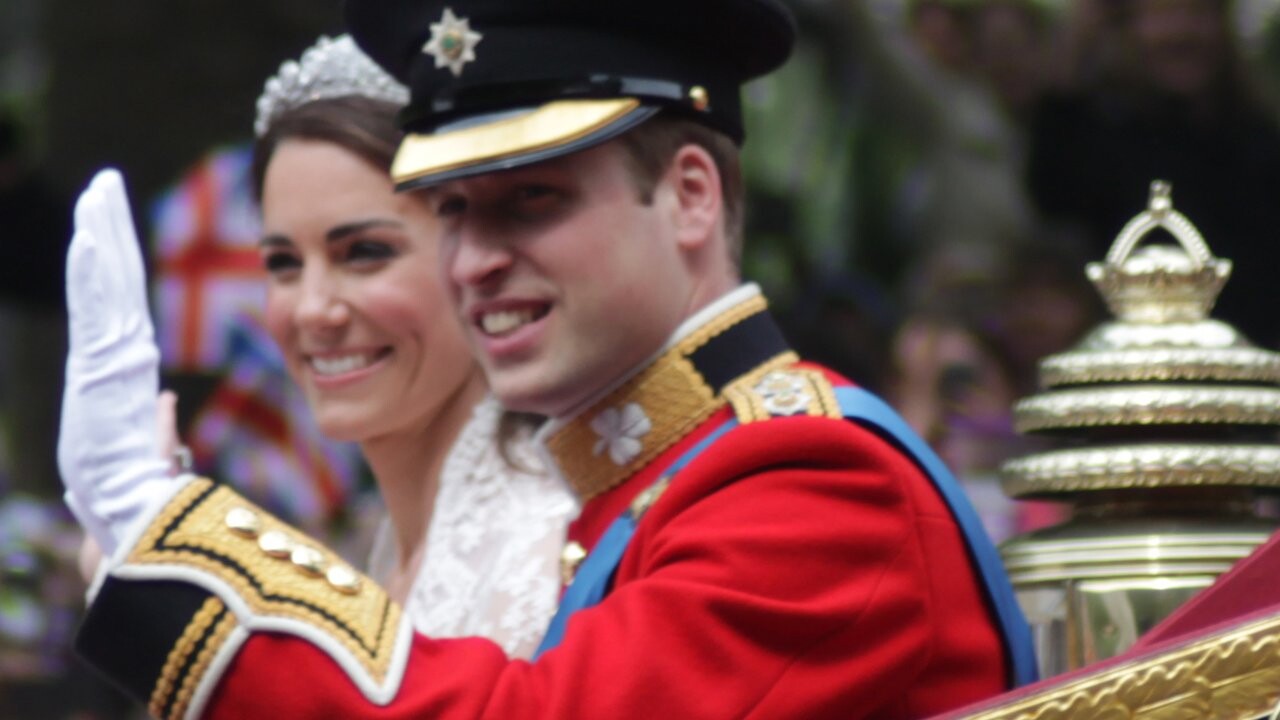
A Wedding Tiara May Be Borrowed
Wearing a royal jewel does not necessarily mean owning it. Royal Collection Trust records that Queen Elizabeth II borrowed a fringe tiara from the Queen Mother for her wedding. Her example shows how a historic piece can be made available for a particular occasion without establishing a broader ownership rule.
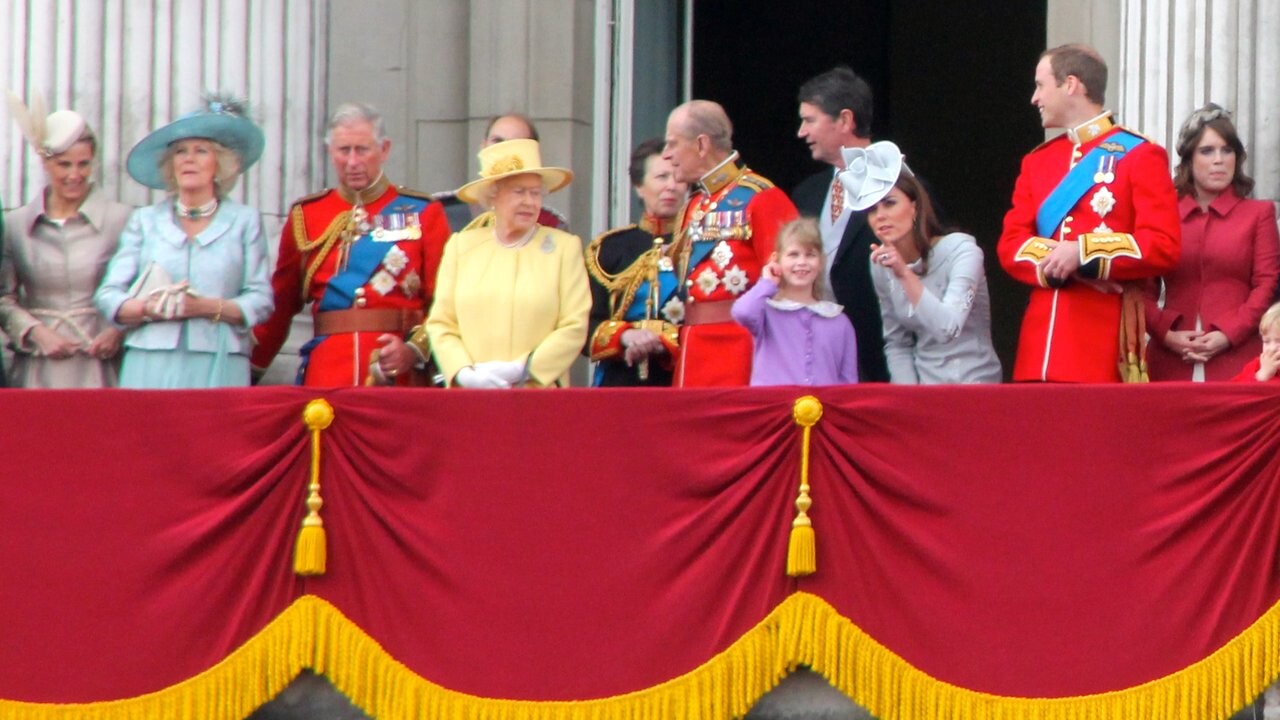
Military Roles Help Explain Ceremonial Dress
The Royal Household says the King and other members of the Royal Family hold various appointments and honorary ranks in the Armed Forces. That context is useful when identifying the uniforms seen at royal ceremonies. Viewers should consider the wearer, role, and occasion instead of treating military dress as decorative fashion.
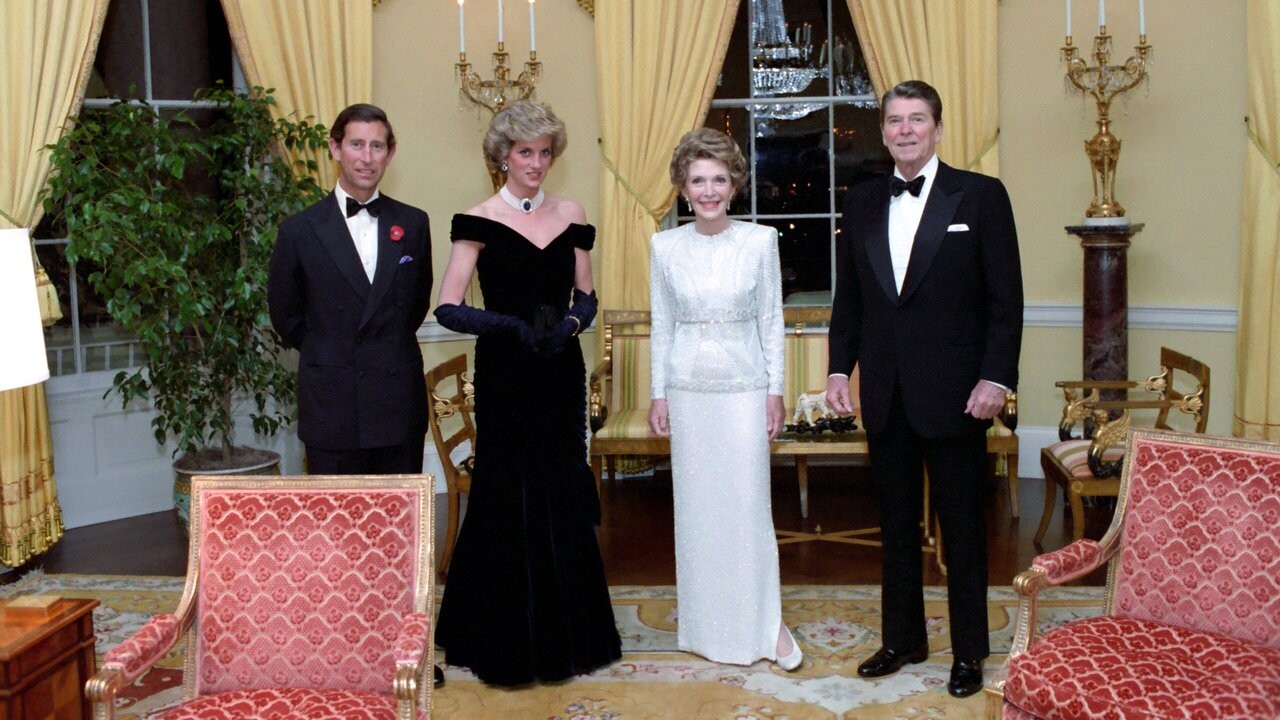
The Garter Sash Has a Set Position
One Royal Household description specifies that the blue sash of the Order of the Garter is worn from the left shoulder to the right side. That instruction concerns a particular insignia, not every medal or decoration. It shows how precise details can accompany formal ceremonial dress.
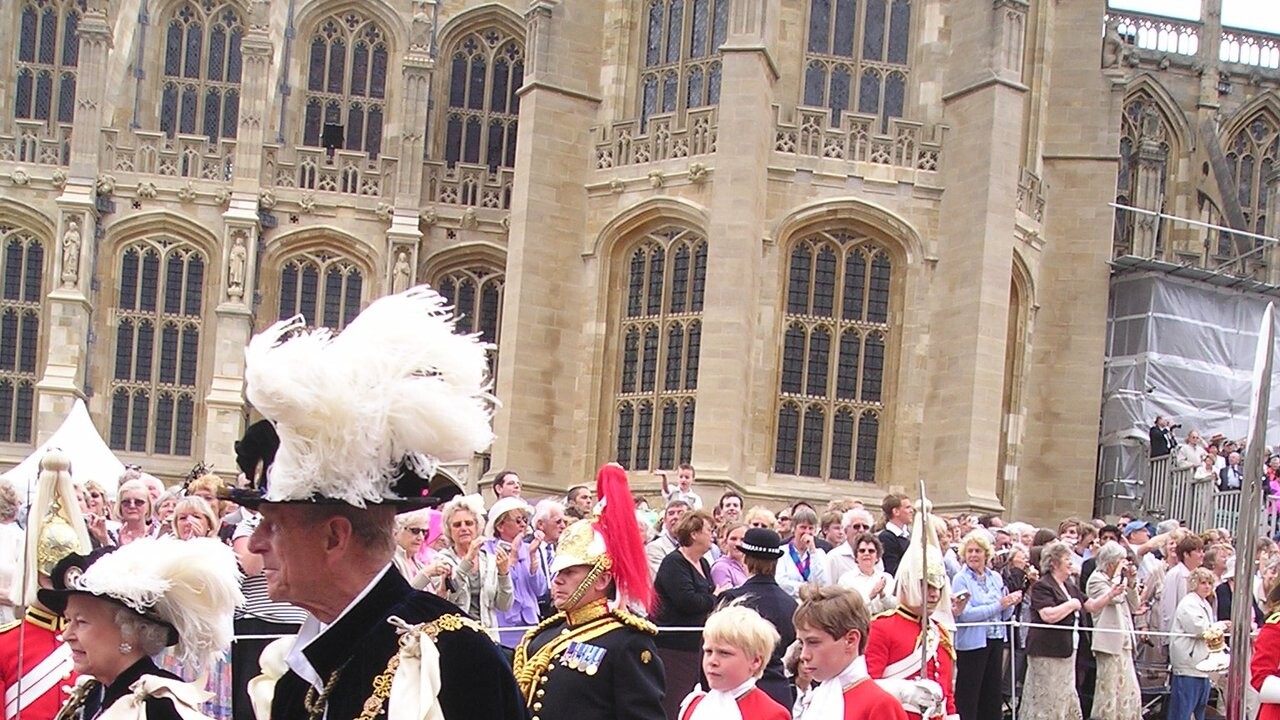
Garter Day Has Its Own Ceremonial Dress
At the Order of the Garter service, the King and the knights process in velvet robes, insignia, and plumed hats. The Royal Household describes this as grand ceremonial dress. These garments belong to a particular order and ritual, unlike the more flexible traditions surrounding everyday public wardrobes.
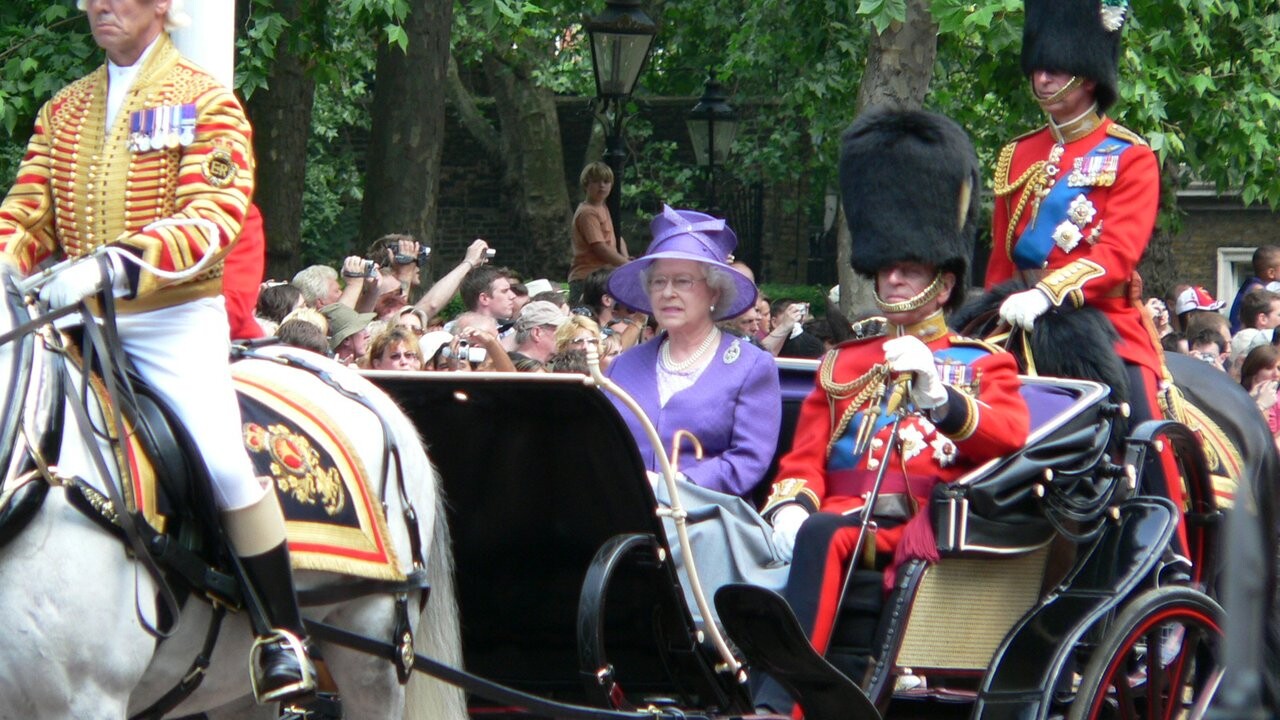
The Thistle Uses Green Robes and White Plumes
The Order of the Thistle has a different visual identity. Its official service features green velvet robes, insignia, and white-plumed hats during the procession in Edinburgh. This is ceremonial clothing for members of the order, not a general Scottish theme applied to the entire Royal Family.
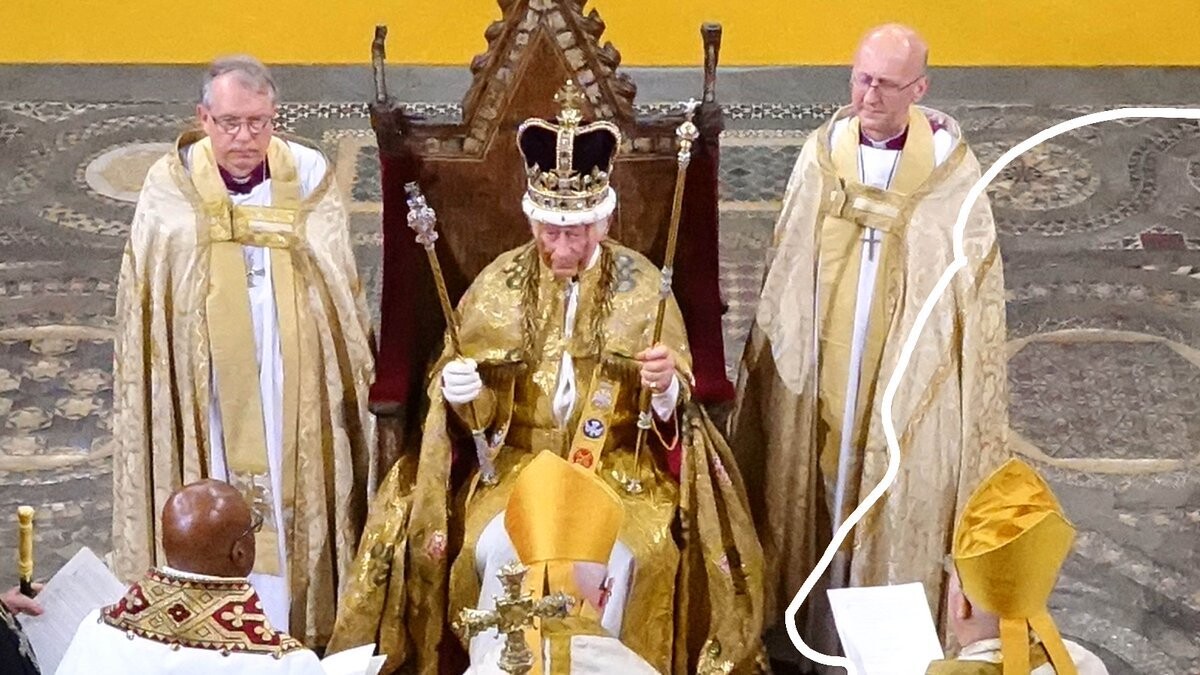
Coronation Garments Follow Custom
Coronation clothing is closely tied to ceremony and tradition. The Royal Household’s guide to King Charles III’s coronation explains that it is customary to reuse the Supertunica and Imperial Mantle. These historic garments are therefore more than contemporary fashion choices; their continued use reflects the customs of the ritual.
Royal dressing is less a single rulebook than a layered language of occasion, office, tradition, and personal choice.
Sources:
- The Royal Family: Garden Parties
- Royal Collection Trust: Queen Elizabeth II, Her Life in Style Transcript
- Royal Collection Trust: Queen Elizabeth II’s Wardrobe
- Royal Collection Trust: Diplomatic Dressing
- Royal Collection Trust: The Queen’s Jewellery
- CBS News: Royal Rules and Customs
- The Royal Family: Mourning
- September Publishing: Queen Elizabeth II Oral History Extract
- Royal British Legion: How Do You Wear Your Poppy
- Christie’s: 10 Things to Know About Tiaras
- Debrett’s: Royal Events
- Royal Collection Trust: Royal Wedding Gifts
- The Royal Family and the Armed Forces
- The Royal Family: Trooping the Colour 2024
- The Royal Family: The Bridegroom and Best Man Uniforms
- The Royal Family: Royal Wedding Outfits
- The Royal Family: The Order of the Garter
- The Royal Family: The Order of the Thistle
- UK Parliament: State Opening of Parliament December 2019
- The Royal Family: Coronation Day






