This chronological gallery follows HBO from a brutal prison drama through candid comedies, political satires, family epics, ambitious fantasies, and intimate adaptations.
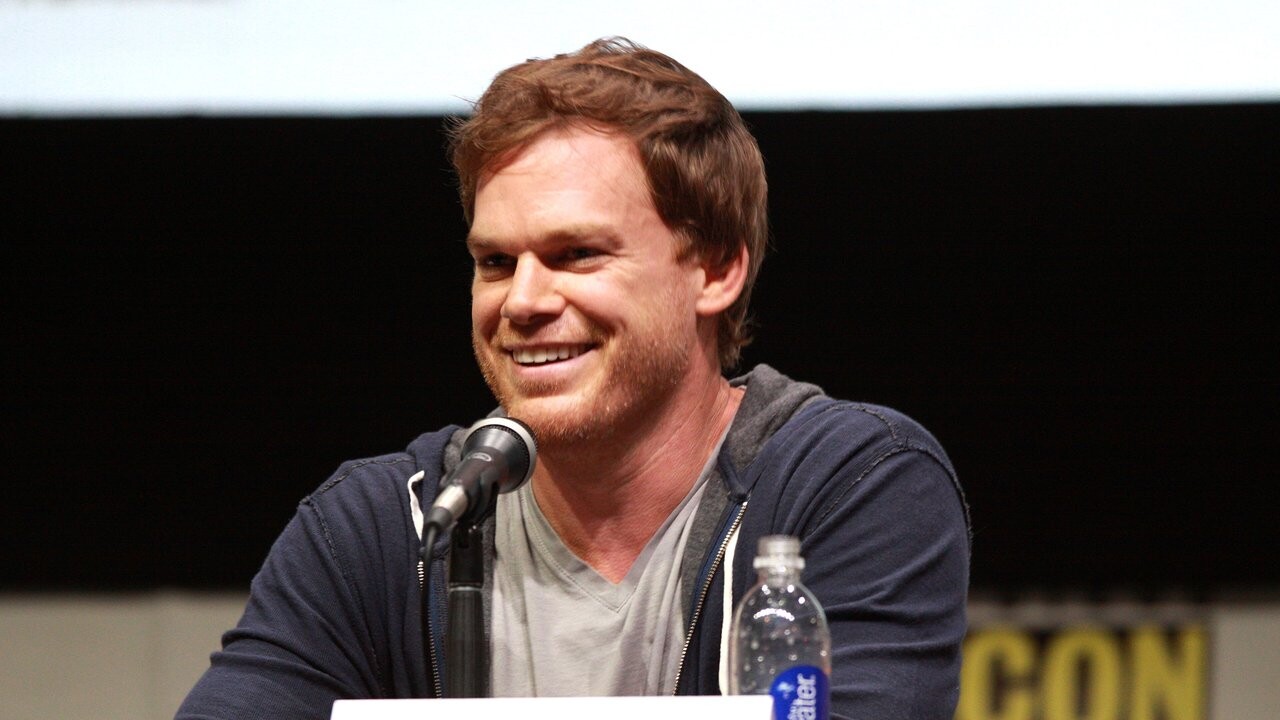
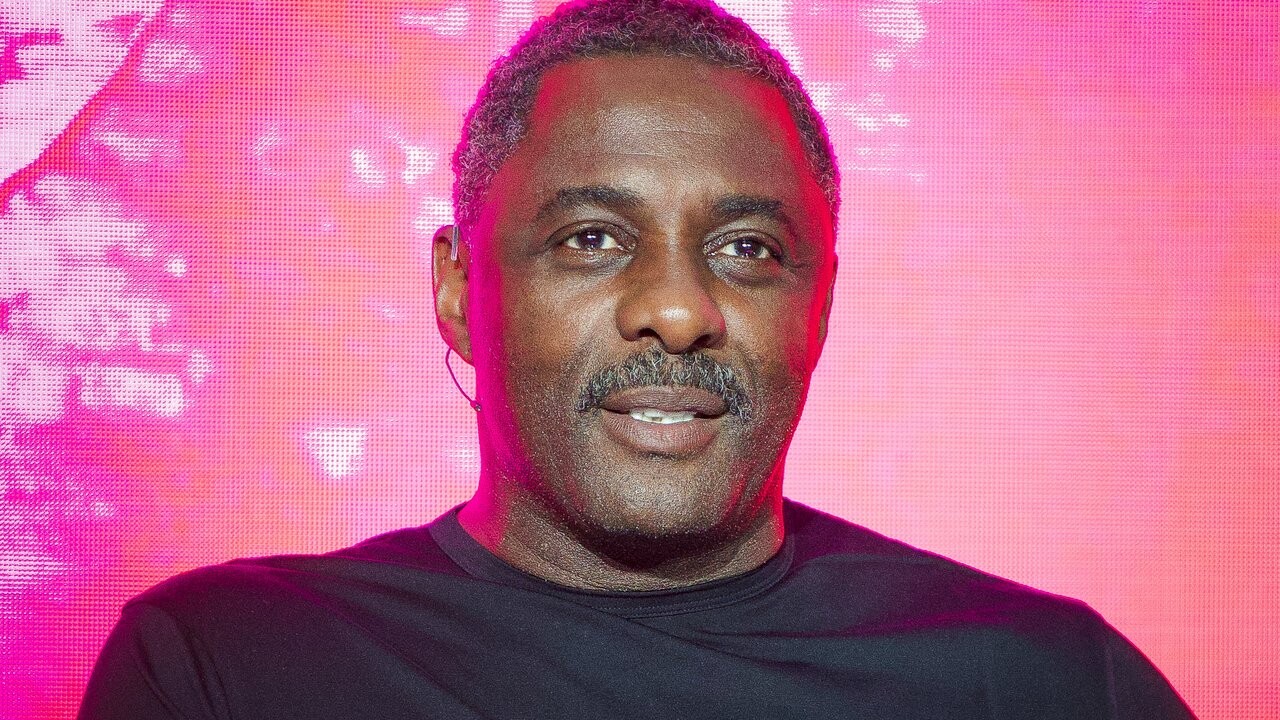
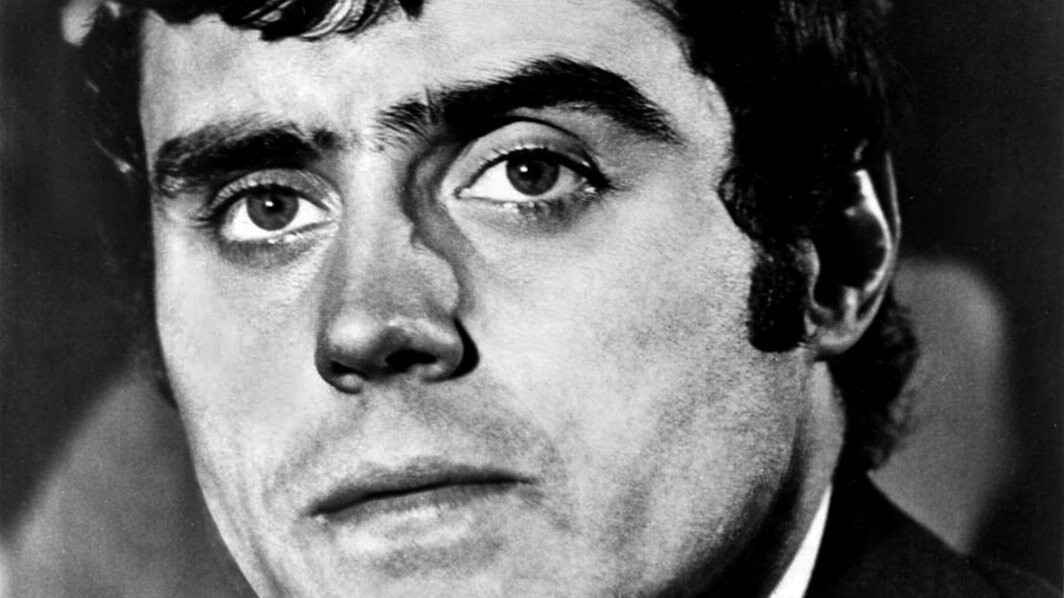
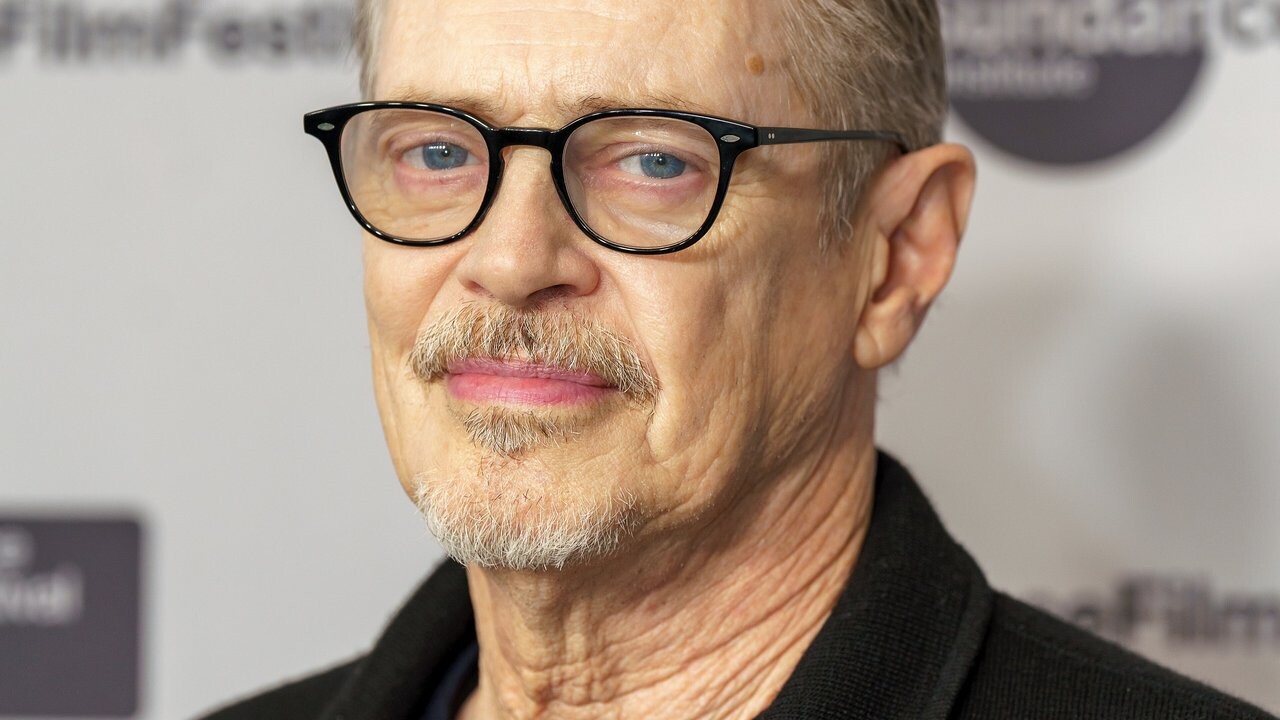
Each slide also suggests a portrait that can represent the show without relying on television stills, posters, or promotional artwork.
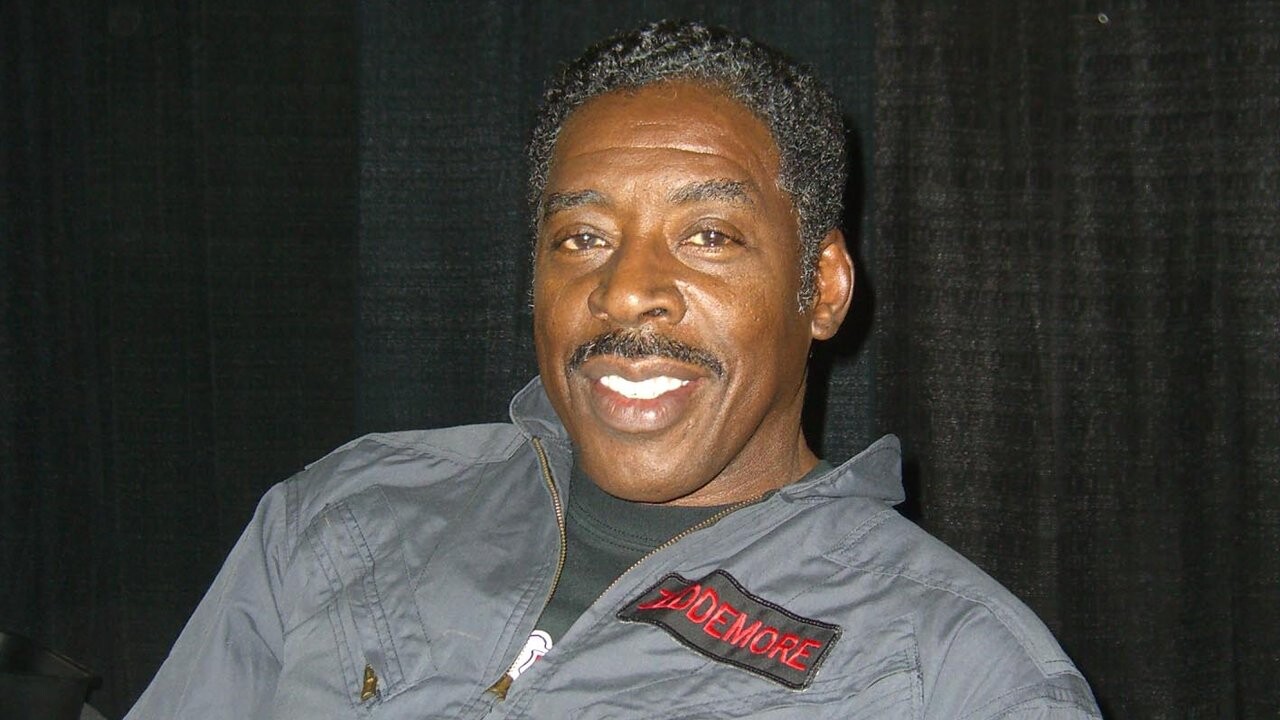
Oz
Oz announced HBO’s appetite for difficult material through a sprawling prison ensemble. Rather than turn incarceration into a simple morality play, the drama made power, fear, loyalty, and survival collide. Ernie Hudson’s steady presence makes him a fitting portrait subject for this uncompromising opening chapter in the channel’s transformation.
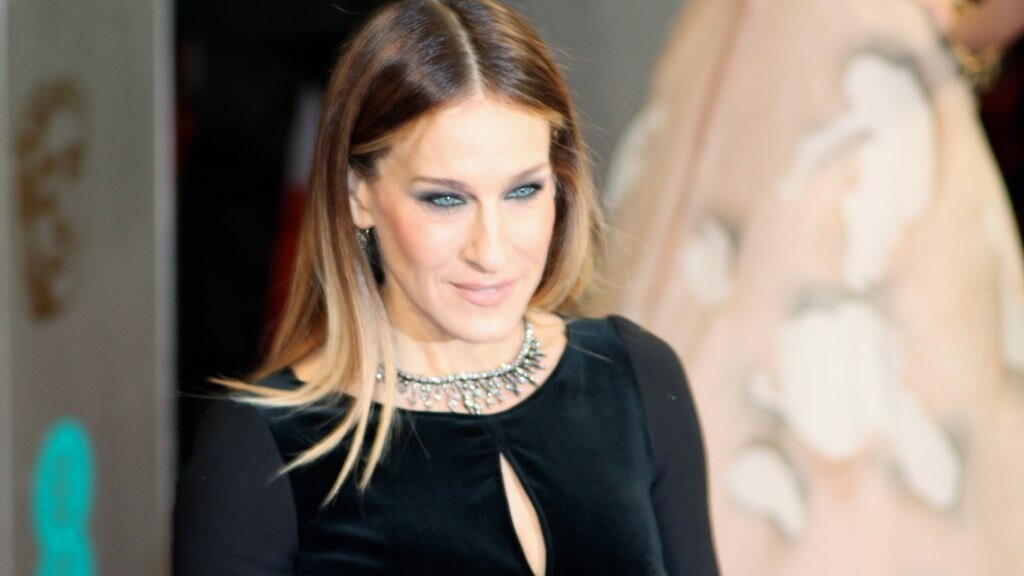
Sex and the City
Sarah Jessica Parker’s Carrie Bradshaw turned friendship, dating, work, and fashion into candid weekly conversation. New York became more than a backdrop as the characters balanced professional ambition with romantic disappointment. The show’s combination of glamour, sharp comedy, and emotional messiness expanded the possibilities of a sophisticated television comedy.
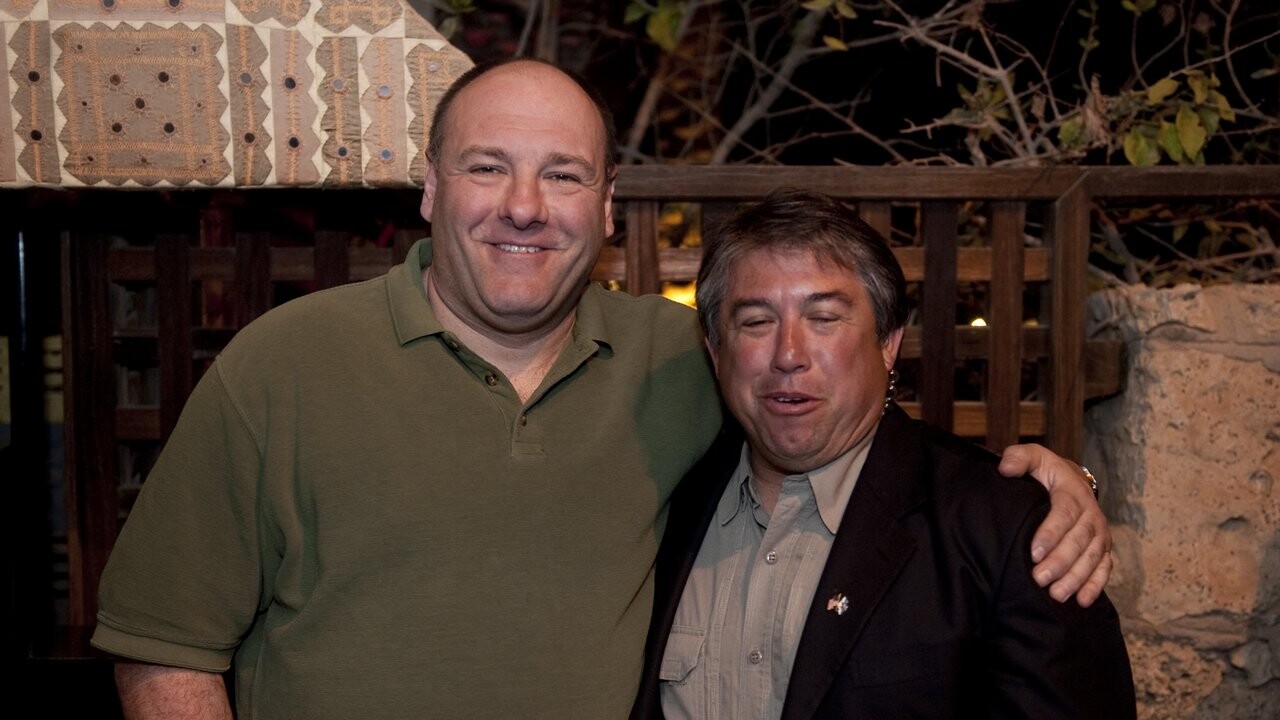
The Sopranos
James Gandolfini gave Tony Soprano a frightening yet vulnerable center, allowing domestic stress, organized crime, and psychotherapy to occupy the same story. The drama’s patient storytelling and moral ambiguity changed expectations for television protagonists. Its historic Outstanding Drama Series Emmy also marked a breakthrough for cable television.
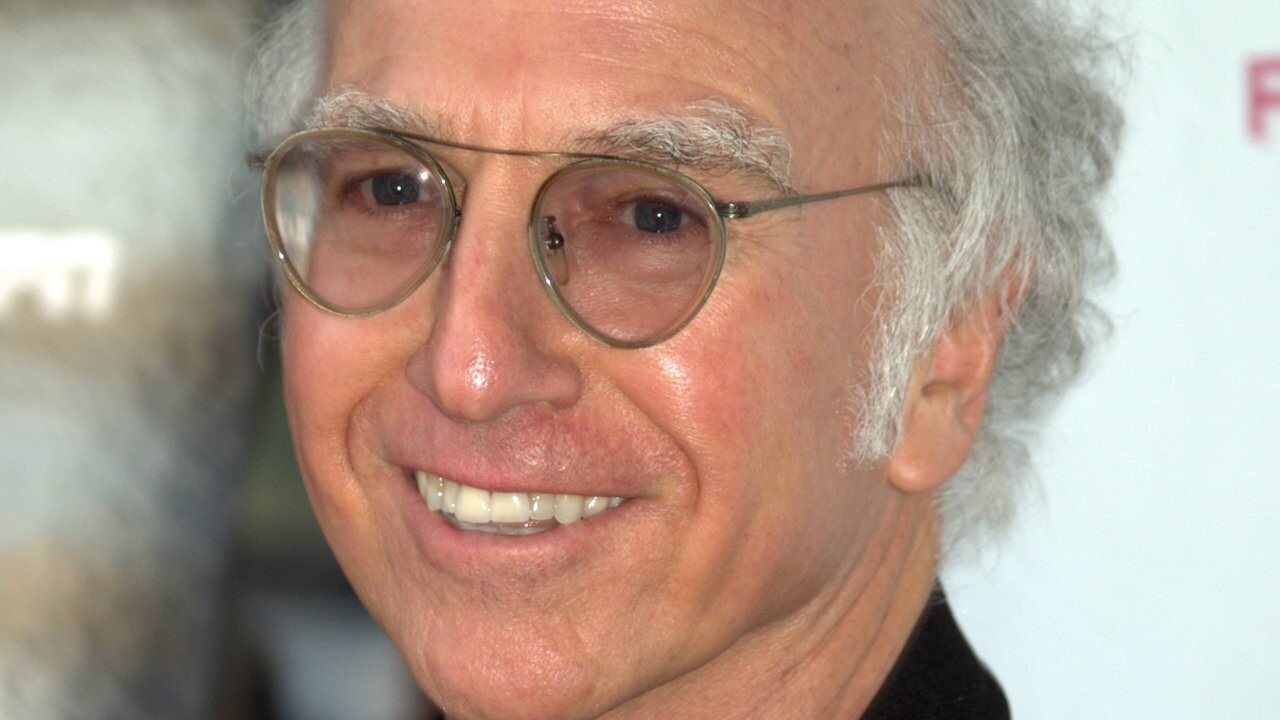
Curb Your Enthusiasm
Larry David built an enduring comedy around social rules, petty grievances, and an exaggerated version of himself. The improvisational approach made awkwardness the engine of every escalating dispute. Across its long run, the series repeatedly turned misplaced confidence, wounded pride, and minor misunderstandings into elaborate comic disasters.
Six Feet Under
Michael C. Hall’s David Fisher helped give this funeral-home family drama its bruised, searching heart. The Fishers’ workplace kept mortality close, but the series continually returned to love, identity, duty, and the awkward business of living. Its humane tone allowed grief and dark comedy to occupy the same room.
The Wire
Idris Elba’s Russell Stringer Bell embodied The Wire’s refusal to divide Baltimore into simple heroes and villains. Creator David Simon widened a police story into a study of labor, schools, politics, journalism, and survival. Its patient, interconnected design earned a Peabody comparison to the complex worlds found in accomplished novels.
Deadwood
Timothy Olyphant brings taut authority to David Milch’s frontier community, where commerce and law emerge through argument, appetite, and violence. The series treats the Western as a story about institutions taking shape in real time. Its ornate, profane language makes civilization sound as rough and improvised as the mining camp itself.
Boardwalk Empire
Steve Buscemi gives Atlantic City ruler Enoch “Nucky” Thompson a watchful, slippery presence. Created by Terence Winter, Boardwalk Empire brings gangster history, political machinery, and lavish period detail together on a cinematic scale. The character’s shifting roles as politician, fixer, and criminal anchor a story extending far beyond the boardwalk.
Game of Thrones
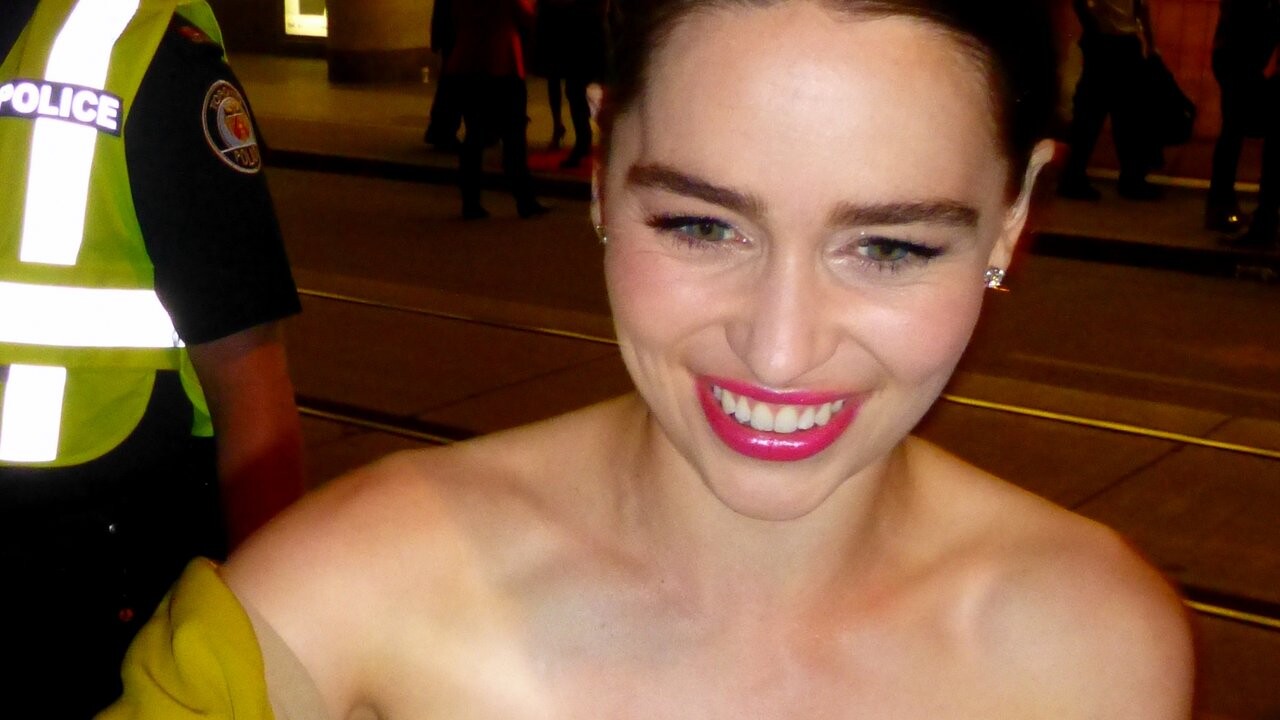
Emilia Clarke’s Daenerys Targaryen became one of the competing centers in this sprawling adaptation of George R. R. Martin’s books. The series transformed dynastic politics, invented history, and dragons into appointment television. Its enormous production scale demonstrated that serialized fantasy could command the cultural conversation surrounding contemporary drama.
Veep
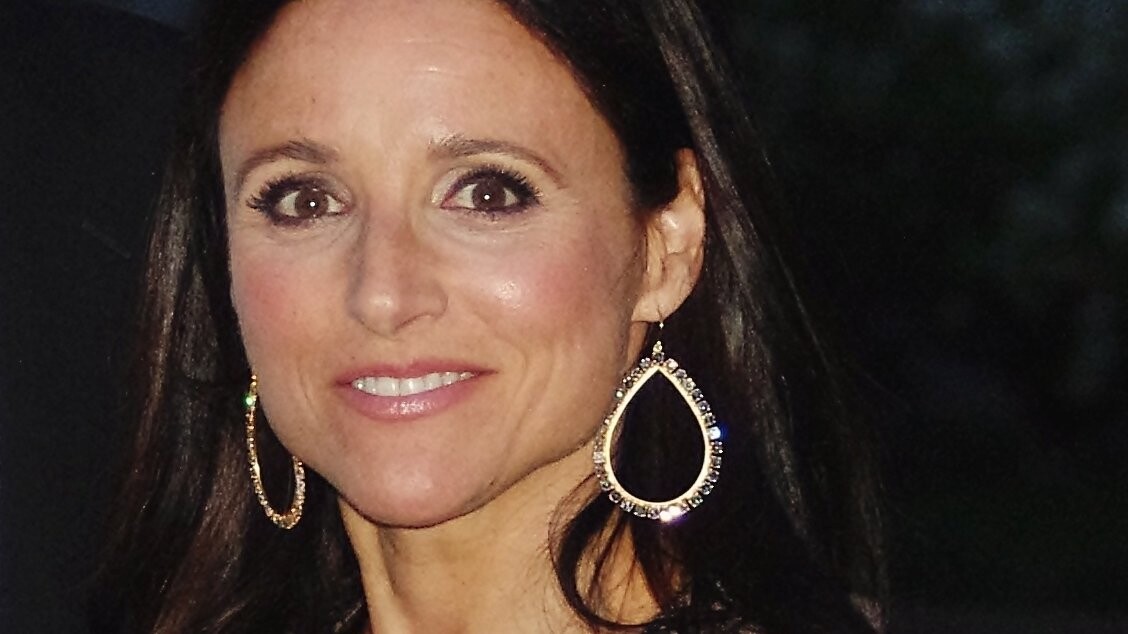
Julia Louis-Dreyfus made Vice President Selina Meyer’s hunger for power both appalling and hilariously precise. Veep stripped political life of noble speeches and replaced them with bruised egos, frantic staff work, and verbal combat. Its rapid pace, elaborate insults, and unsentimental view of ambition sharpened the familiar workplace comedy.
True Detective
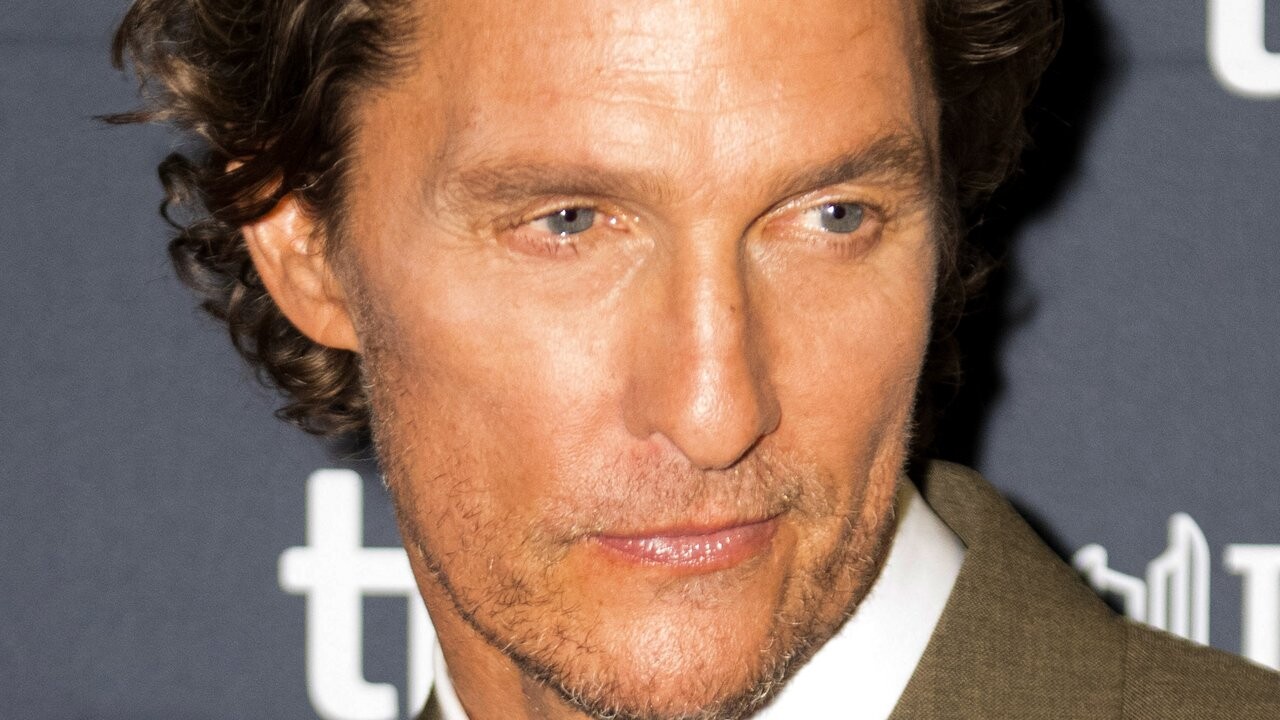
Matthew McConaughey’s Rust Cohle helped establish True Detective as a flexible crime anthology. Its opening story paired philosophical dread with a murder investigation, giving character, atmosphere, and mystery equal weight. That combination of movie-star intensity and sustained visual control blurred the boundary between a television season and a long-form film.
The Leftovers
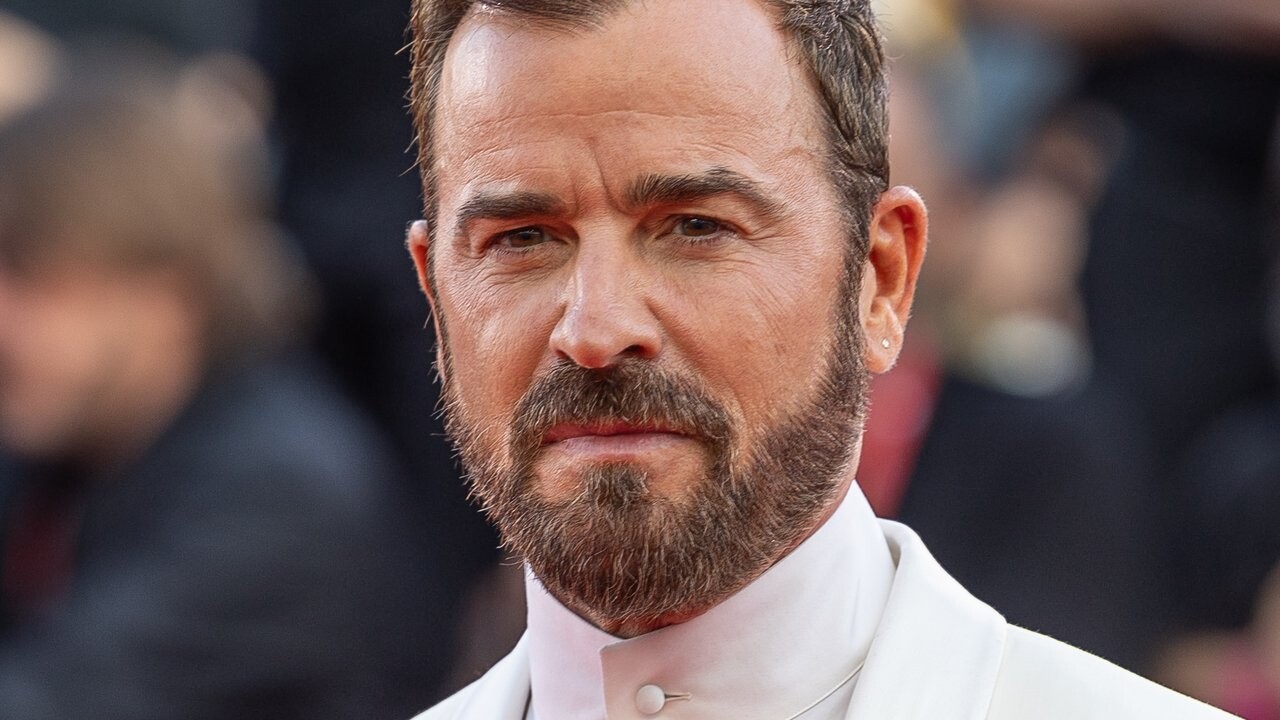
Justin Theroux leads a drama less interested in explaining a mass disappearance than in watching people live beside the unknowable. Creators Damon Lindelof and Tom Perrotta turn grief, faith, love, and doubt into adventurous television. Its emotional reach grows as the storytelling becomes stranger, warmer, and increasingly comfortable with ambiguity.
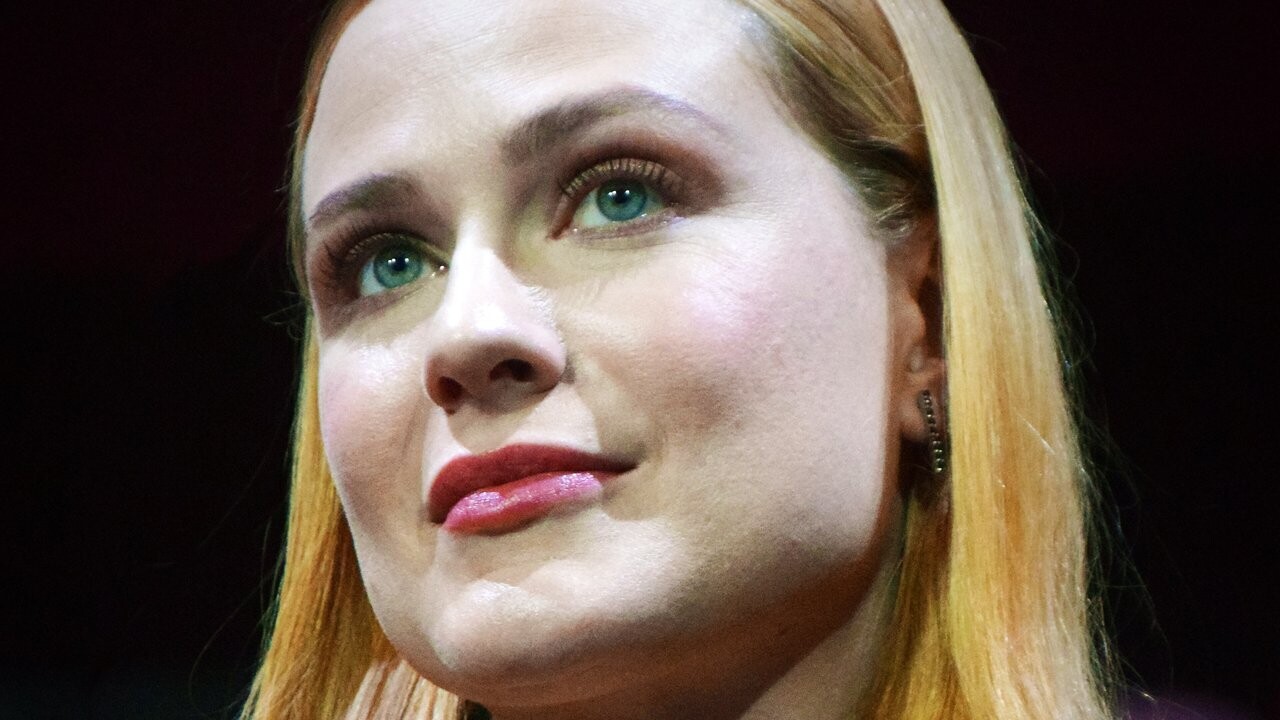
Westworld
Evan Rachel Wood’s Dolores Abernathy gives the android rebellion a face that can appear serene and furious at once. Created for television by Jonathan Nolan and Lisa Joy, Westworld uses a futuristic theme park to examine memory, identity, control, and choice. Its shifting timelines ask viewers to question consciousness alongside the characters.
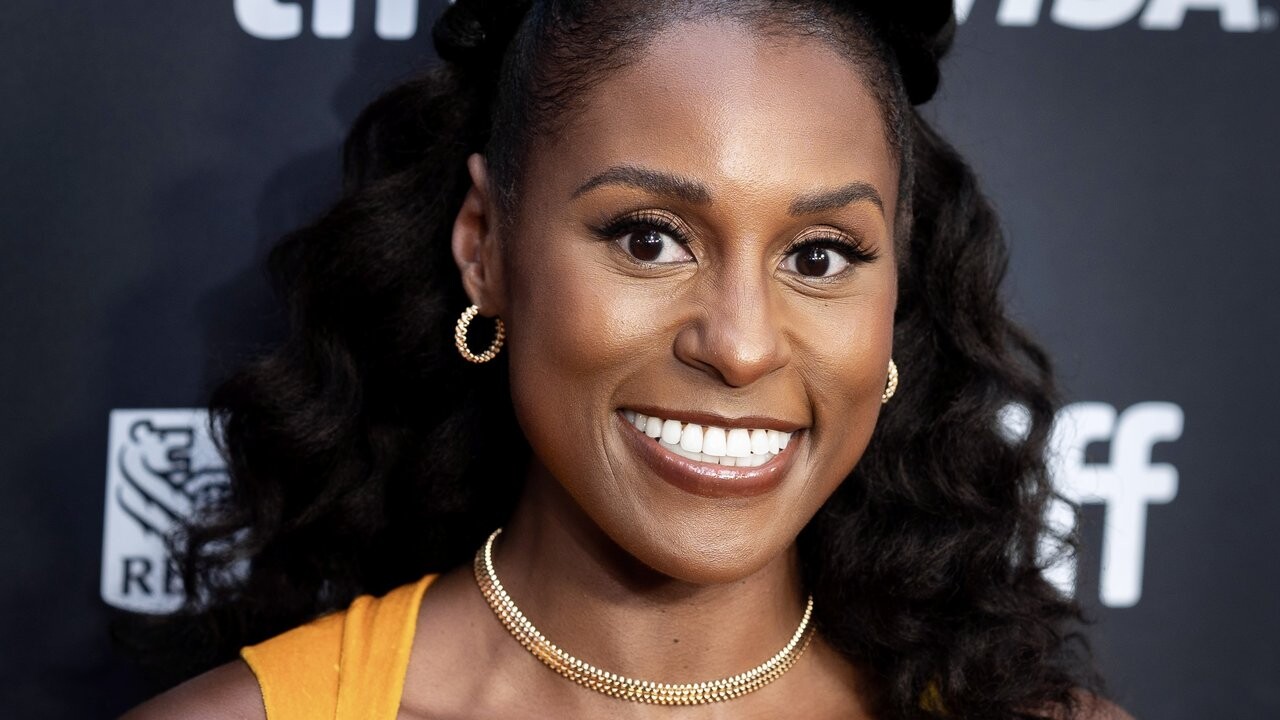
Insecure
Creator and star Issa Rae places an awkward, ambitious Black woman and her closest friendship at the center of a Los Angeles comedy. Its power comes from specificity: work, romance, neighborhoods, music, and private self-talk feel closely observed. Rae keeps friendship central even as careers and relationships shift around it.
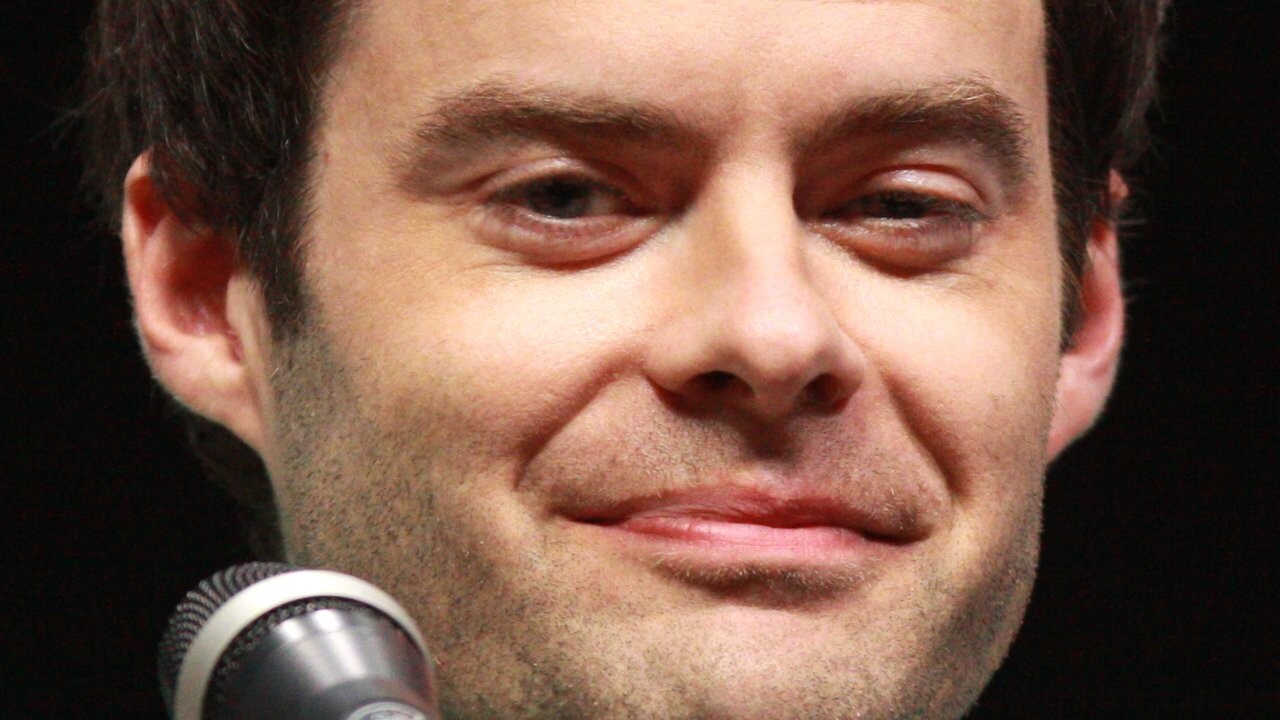
Barry
Bill Hader turns the story of a depressed hitman into a dark comedy about performance, denial, and violence. Barry’s acting ambitions collide with the life he wants to escape, creating room for frantic farce and quiet dread. Hader’s visual direction grows bolder without sacrificing the series’ absurd, unsettling edge.
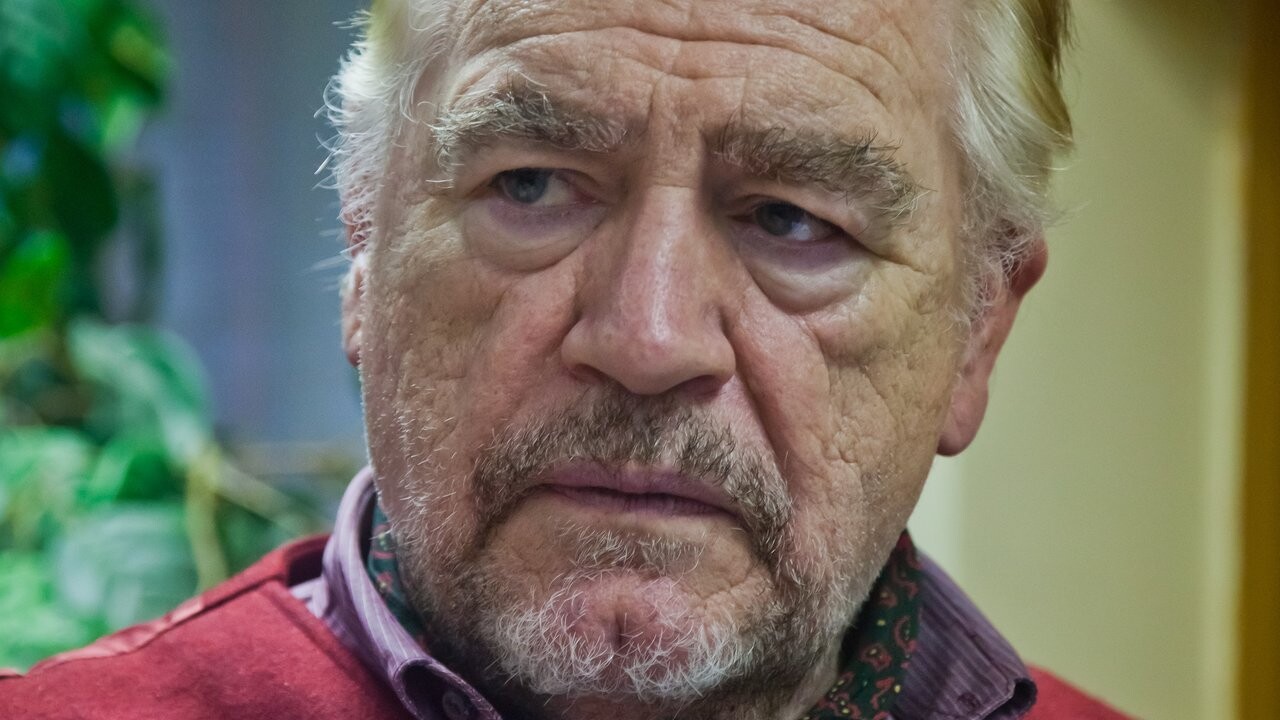
Succession
Brian Cox’s Logan Roy makes family affection and corporate control feel inseparable. Creator Jesse Armstrong builds the drama around four adult children competing for power while craving approval they can never safely receive. Acid dialogue, precise physical comedy, and constantly shifting alliances turn a media dynasty into a painfully recognizable family system.
Euphoria
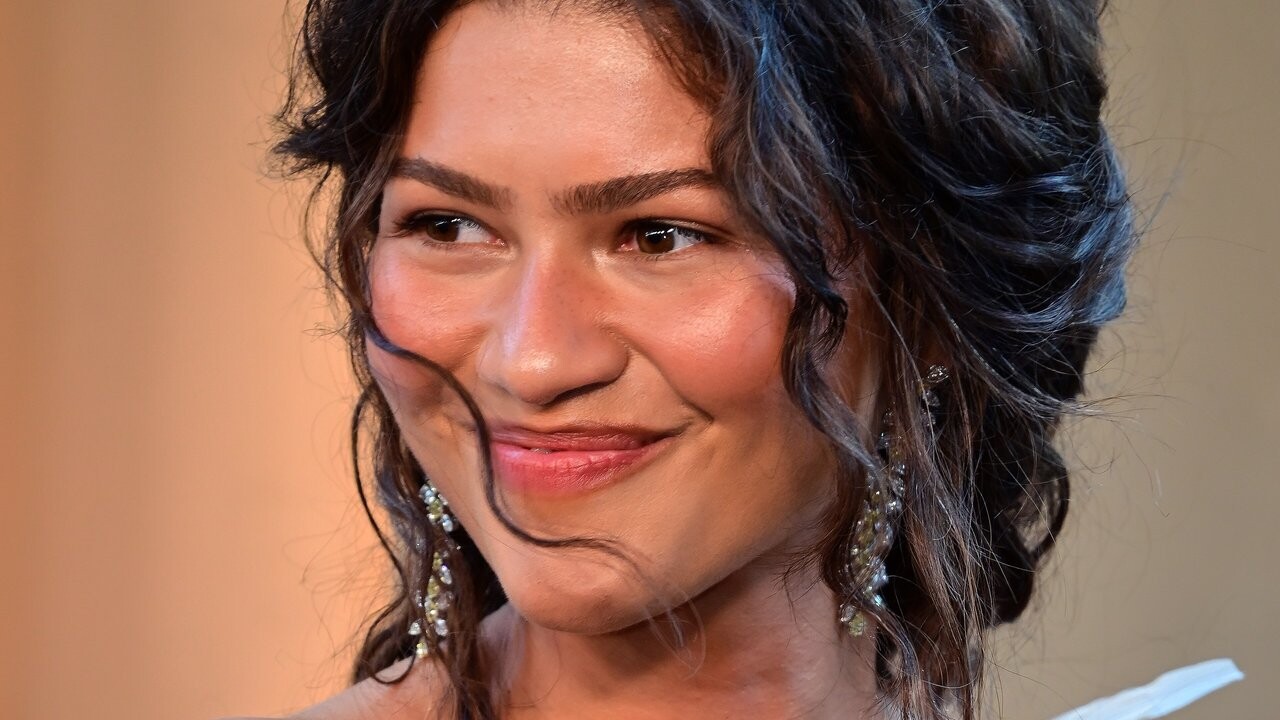
Zendaya anchors Sam Levinson’s intensely stylized drama with a performance that keeps Rue’s addiction, loss, and longing painfully human. Color, music, and subjective camerawork translate adolescent emotion into an unstable visual world. The series confronts youthful fear and contradiction without smoothing away its characters’ most uncomfortable choices.
Watchmen
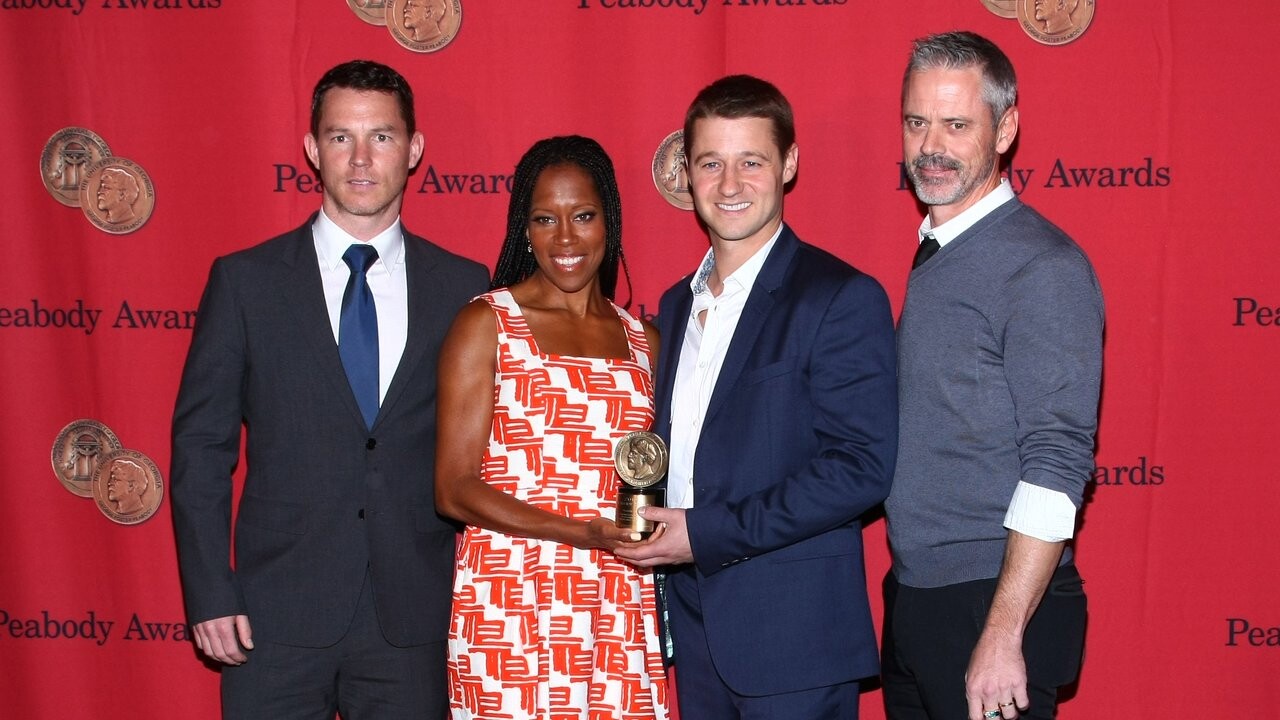
Regina King’s Angela Abar leads an alternate-history drama shaped by the legacy of systemic racism in America. Executive producer and writer Damon Lindelof uses the graphic novel’s world to explore policing, memory, identity, and power. The series engages with its source while constructing a distinct argument of its own.
The White Lotus
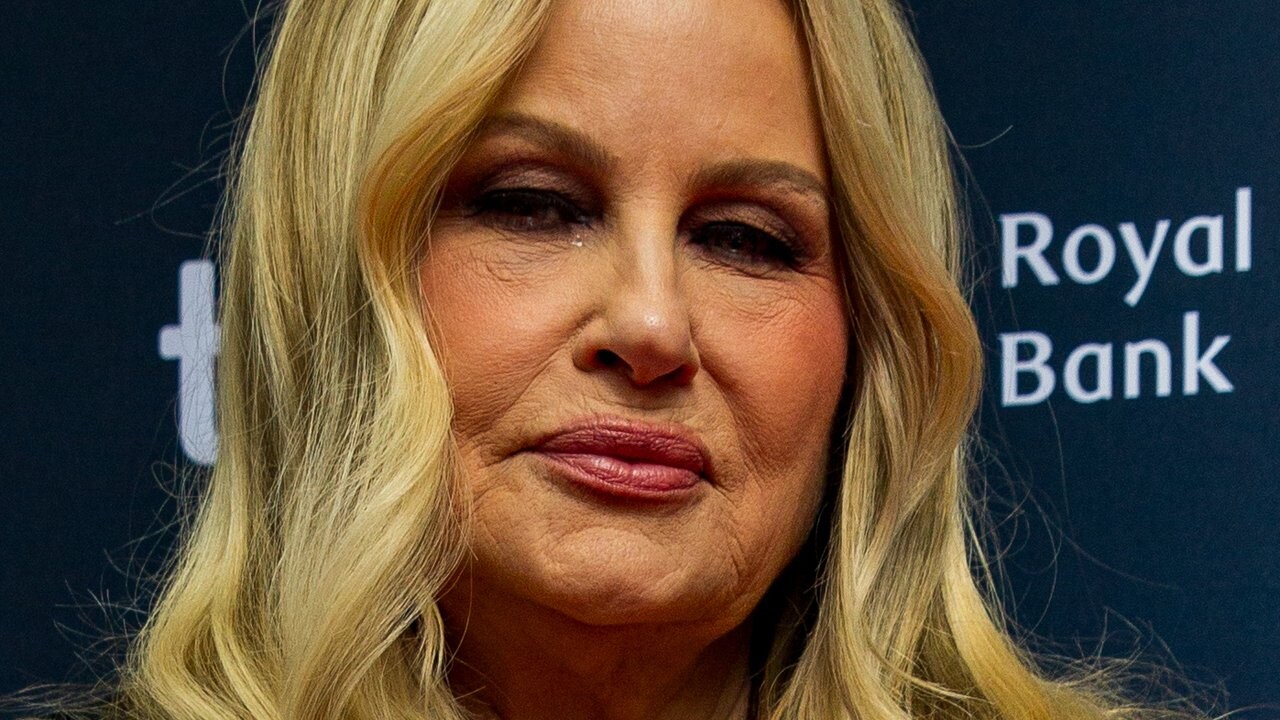
Jennifer Coolidge’s Tanya McQuoid gives Mike White’s resort satire an unmistakably funny and melancholy pulse. Beautiful vacations become pressure cookers for class, desire, self-deception, and labor. By changing locations and introducing new groups of guests and employees, the series created a durable structure for watching privilege unravel in paradise.

The Last of Us
Pedro Pascal’s Joel grounds this post-collapse journey in guarded tenderness rather than spectacle alone. Adapted from Naughty Dog’s video game, the series makes survival an emotional burden shared with Ellie, played by Bella Ramsey. Its strongest moments find intimacy within a dangerous story while preserving the original world’s scale.
Together, these series trace HBO’s evolving approach to ambitious television storytelling.
Sources:
- Television Academy Foundation Interviews: Oz
- HBO: Series
- Television Academy: James Gandolfini
- Television Academy: The Sopranos by the Numbers
- Warner Bros. Discovery Pressroom: Curb Your Enthusiasm Anniversary
- Peabody Awards: Six Feet Under
- Oxford Reference: The Wire
- Television Academy: Idris Elba
- Peabody Awards: The Wire
- HBO Max: Deadwood
- Peabody Awards: Deadwood
- HBO Max Latin America Pressroom: Boardwalk Empire Final Season
- HBO Max: Game of Thrones
- Television Academy: Emilia Clarke
- Television Academy Foundation Interviews: Veep
- Television Academy: Matthew McConaughey
- Peabody Awards: The Leftovers
- Television Academy: Evan Rachel Wood
- Warner Bros. Discovery Pressroom: Westworld Season Four
- Peabody Awards: Insecure
- Warner Bros. Discovery Pressroom: Barry
- Warner Bros. Discovery Pressroom: Succession Season Four Production
- Warner Bros. Discovery Pressroom: Euphoria Renewal
- Warner Bros. Discovery Pressroom: Watchmen
- Warner Bros. Discovery Pressroom: Watchmen Marathon
- Warner Bros. Discovery Pressroom: The White Lotus
- Peabody Awards: The Last of Us
- Warner Bros. Discovery Pressroom: The Last of Us Premiere