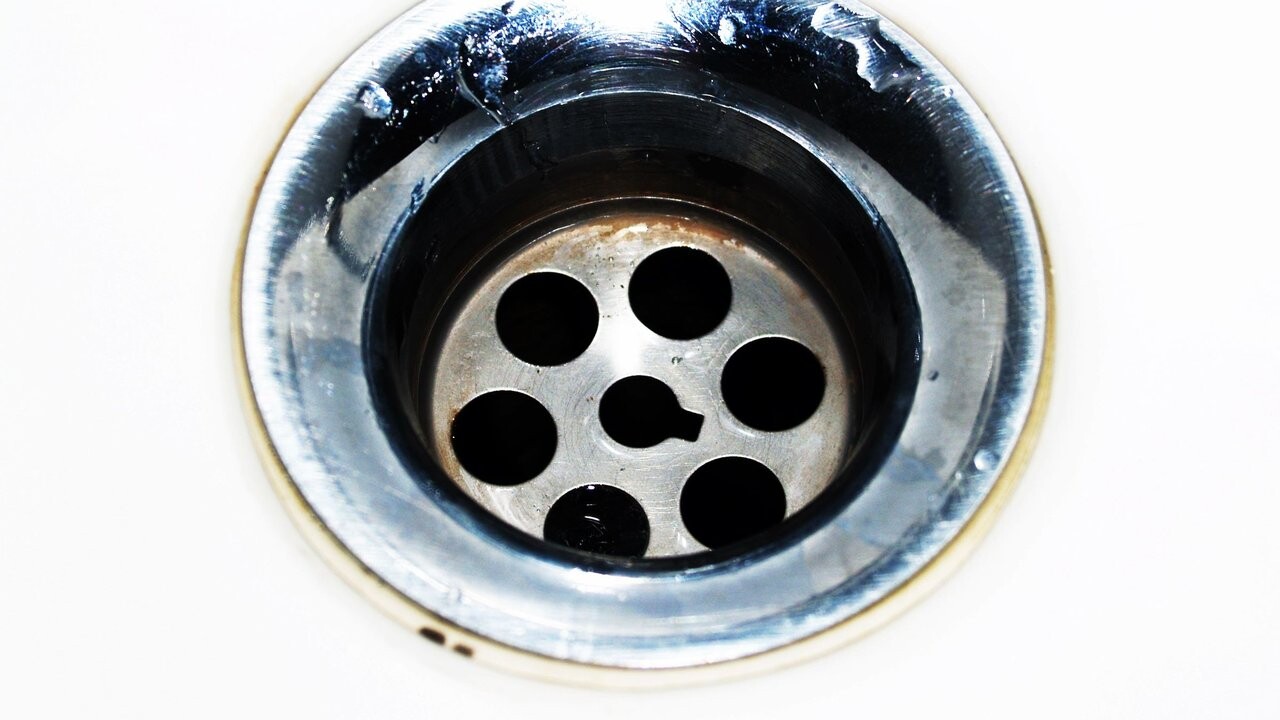
Have you ever looked at the small hole near the top of your bathroom sink and wondered what it does?
It is the overflow opening, and it has two jobs: giving rising water another route to the drain and helping trapped air escape from the plumbing.
Here is how this hidden passage works, why it sometimes smells and how to clean it without turning a small chore into a plumbing project.
What Does the Overflow Hole Do?
The opening serves as a backup route when the regular drain is closed or blocked by the stopper. Behind the sink wall, a concealed passage carries water from the opening to the drain assembly.
The U.S. Patent and Trademark Office describes an overflow design that “bypasses the drain valve to prevent overflow in the sink or bath.” Put simply, rising water gets another way out before it reaches the rim.
The University of Iowa explains that “The overflow drain holes in a sink must be large enough to accommodate the flowrate from the faucet if the drain hole at the bottom of the sink is closed.” That is what the design aims to do, provided the hidden passage is clear and can keep up with the incoming water.
Think of the overflow as added protection, not a reason to leave a running faucet unattended. Soap residue and other buildup can narrow the passage and reduce how much water moves through it.
Does It Also Help the Sink Drain?
Yes. As water enters the drain, the overflow passage gives trapped air a way out and helps the sink drain normally.
A European lavatory-drain patent explains, “The vent hole also allows for air that is present in the drain pipe to exit through the vent hole as water enters the drain.” Without adequate venting, air can become trapped between the drain opening and the pipe trap.
Some bathroom sinks have no visible overflow opening. Ventless designs may handle airflow through larger or specially shaped openings in the drain cover instead.
Why Can the Overflow Hole Smell?
The passage is dark, damp and easy to miss during routine cleaning. Alabama Cooperative Extension notes that overflow holes and pipes are hidden channels that “often trap moisture and organic matter.”
Hair, soap and other residue can build up on drain surfaces, giving bacteria a place to grow. University of Georgia Extension says those bacteria may produce a gas that smells like rotten eggs or sewage.
You can do a quick check to find the source. Fill a clean glass from the faucet, carry it away from the sink and smell the water. If the water itself has no odor, University of Georgia Extension says the smell is probably coming from the drain.
How Can You Clean the Overflow Passage?
Begin with simple mechanical cleaning. Alabama Cooperative Extension says thorough cleaning removes the organic buildup that attracts and feeds drain flies. CDC guidance also says soap, water and scrubbing remove dirt and germs from surfaces.
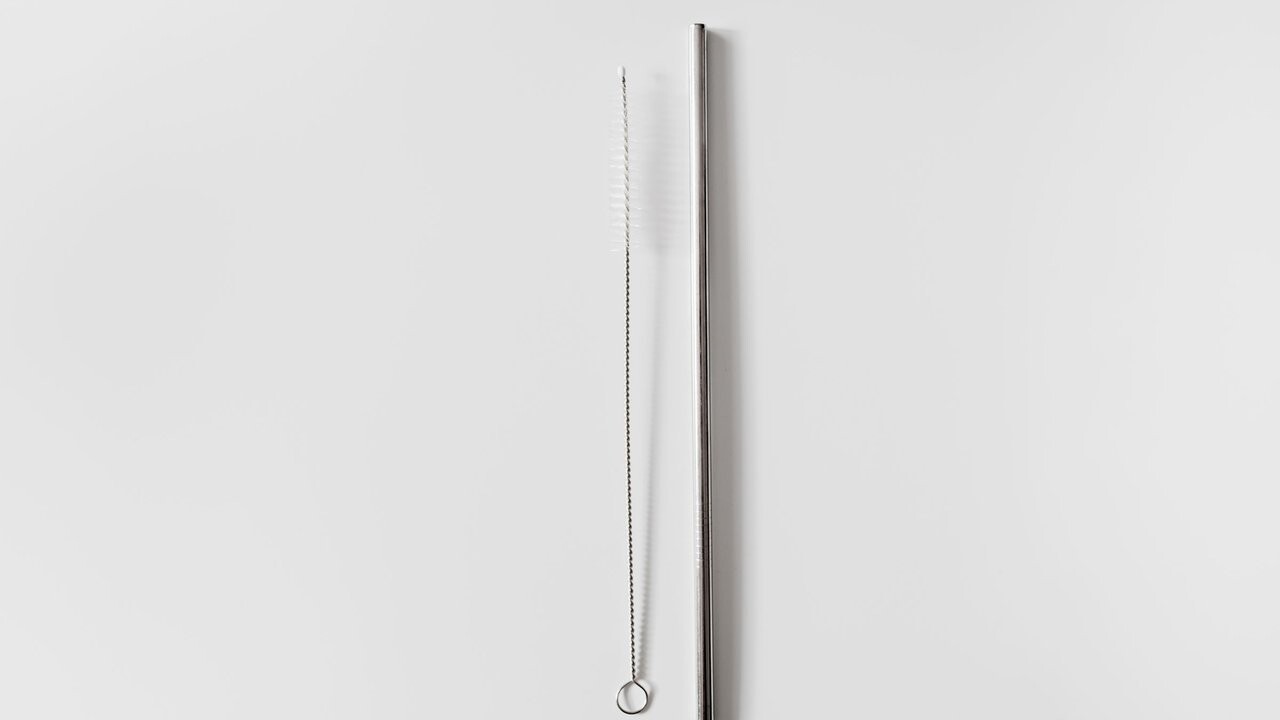
Work gently so you do not scratch the sink or push an object into a bend. You are trying to loosen residue near the opening and rinse the passage, not take the plumbing apart.
- Wash the opening. Apply warm, soapy water with a cloth or small flexible brush. Gently scrub inside the opening, then rinse it with clean water.
- Clean the stopper. If the stopper lifts out easily, remove it and wash away the residue underneath before putting it back.
- Skip harsh mixtures. Alabama Cooperative Extension advises that pouring baking soda, bleach, vinegar or boiling water into a drain is ineffective against drain-fly buildup and may damage the pipe.
- Never combine cleaners. The CDC warns, “Never mix household bleach (or any disinfectants) with any other cleaners or disinfectants.” The mixture may release dangerous vapors.
Always follow the label when using a household cleaner, and let fresh air into the room. For ordinary residue, soap, water and gentle scrubbing may be enough.
When Is It Time to Call a Plumber?
If the smell keeps returning, the sink drains slowly or water will not move through the overflow passage, buildup may be sitting deeper in the plumbing. Alabama Cooperative Extension lists slow drainage, bubbling and foul drain odors as signs of a possible breeding site for drain flies.
Call a plumber when the drain is clogged, you cannot safely reach the hidden passage or water appears beneath the sink while you clean. The same guidance recommends professional help when a clog or breeding source is inaccessible.
You also do not need to take apart the drain trap if bending, gripping tools or reaching inside the vanity feels unsafe. No small maintenance job is worth a fall or a leaking connection.
A little gentle cleaning now and then can keep this small, easily forgotten part of the sink doing its quiet job.
This article is for general information and isn’t a substitute for advice from your doctor.
Sources:
- University of Iowa College of Engineering: Chapter 5 Video Segments
- U.S. Patent and Trademark Office: Class 4 Classification Definitions
- European Patent Office patent record: Lavatory Drain
- University of Georgia Cooperative Extension: Odors in Your Water
- Alabama Cooperative Extension System: Drain Flies in the Home
- CDC: Cleaning and Disinfecting With Bleach