Classic TV Westerns Americans Grew Up With, in Photos

CBS Television / Wikimedia Commons, Public domain (cropped)
For generations of viewers, a familiar theme song, a dusty street, or a rider approaching the horizon could turn an ordinary evening into a trip West.
Arranged by television premiere year, this gallery draws on broadcast archives, museum records, and public-domain images available through Wikimedia Commons.
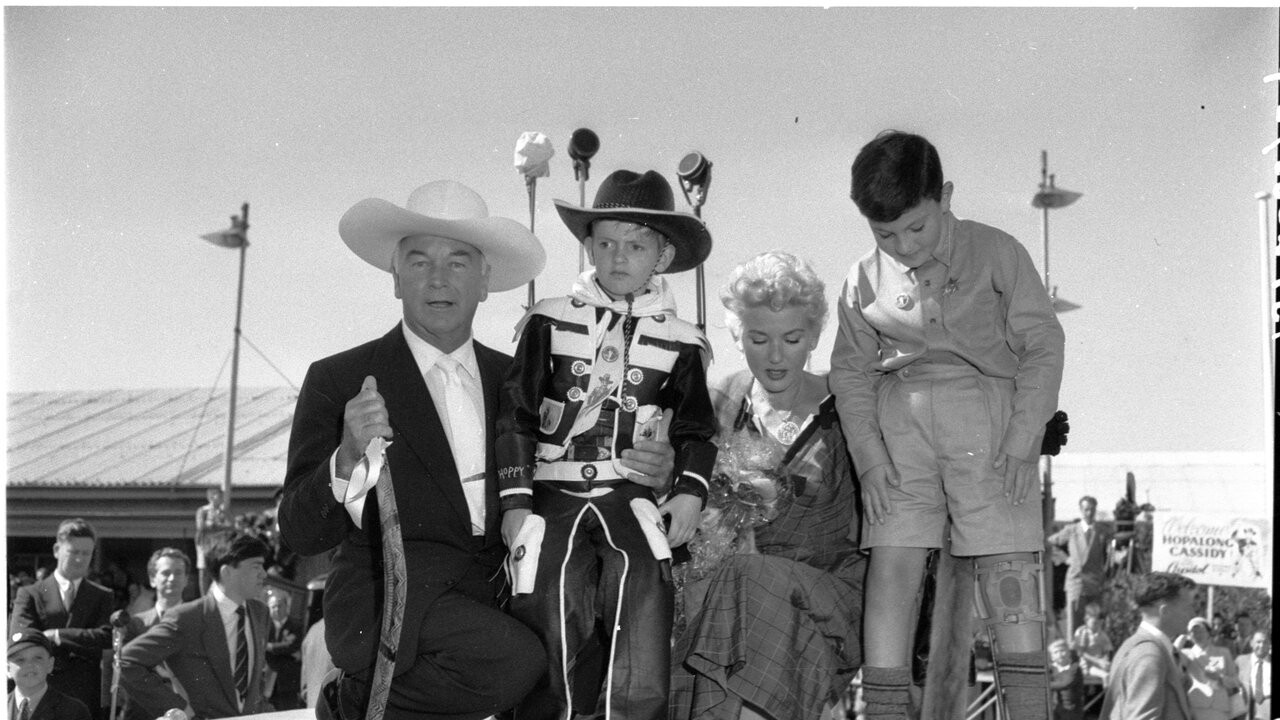
1949: Hopalong Cassidy
On June 24, 1949, Hopalong Cassidy became the first network Western television series. William Boyd brought the title character from film to the small screen, giving early television audiences a frontier hero they already knew and setting an important marker for the boom in TV Westerns that followed.
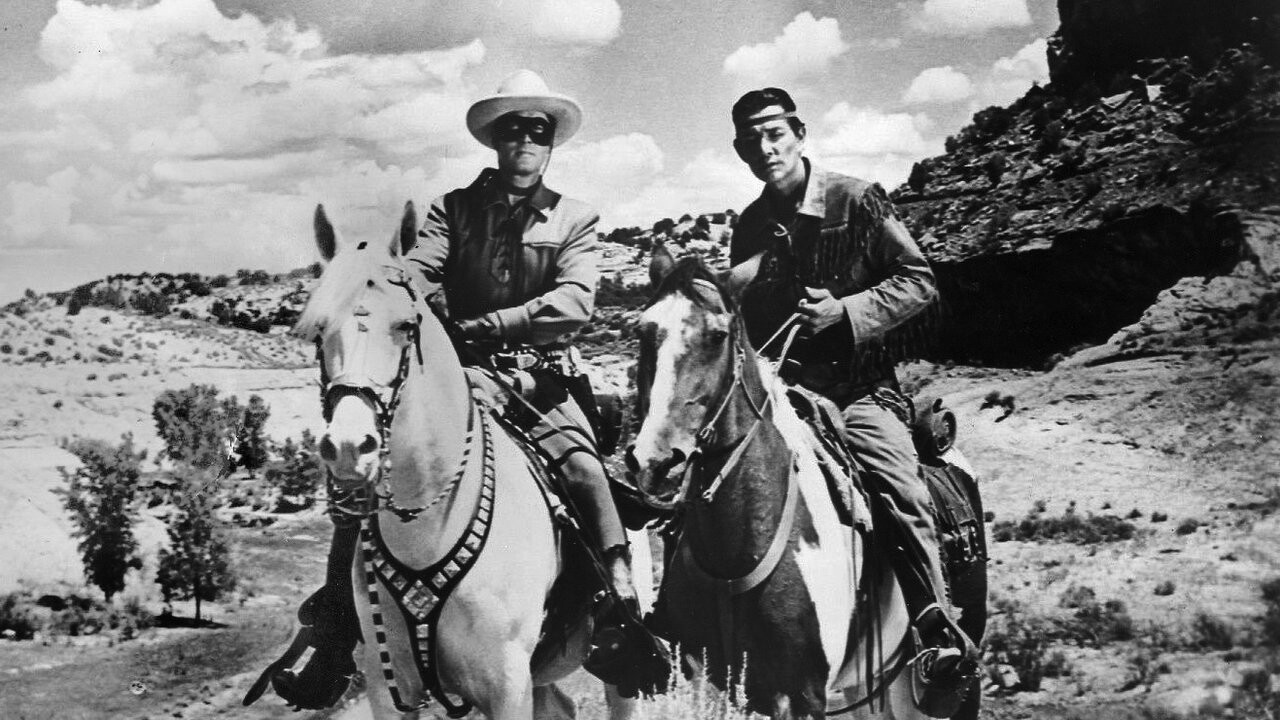
1949: The Lone Ranger
The Lone Ranger moved from radio to ABC in 1949 and remained on television through 1957. Clayton Moore played the masked lawman, while Jay Silverheels appeared as Tonto. Their television adventures extended the life of a character whose radio story had begun at Detroit station WXYZ in 1933.
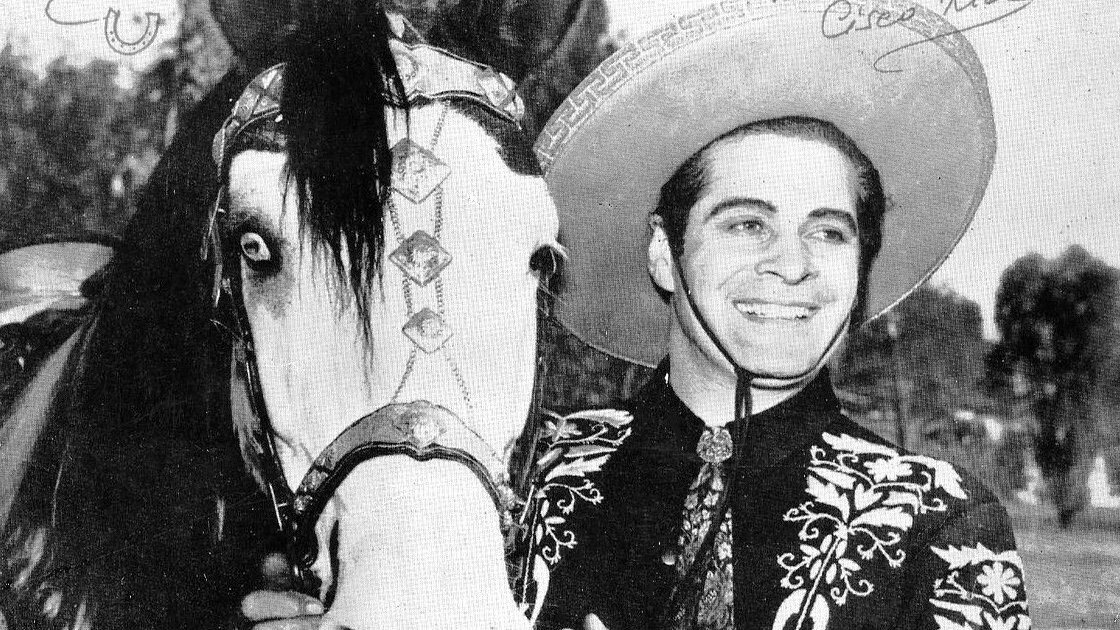
1950: The Cisco Kid
The Cisco Kid ran from 1950 to 1956, with Duncan Renaldo riding as the title character alongside his horse, Diablo. It was the first television series filmed in color, although relatively few viewers could see those colors at the time. The production still gave this early Western a distinctive visual identity.
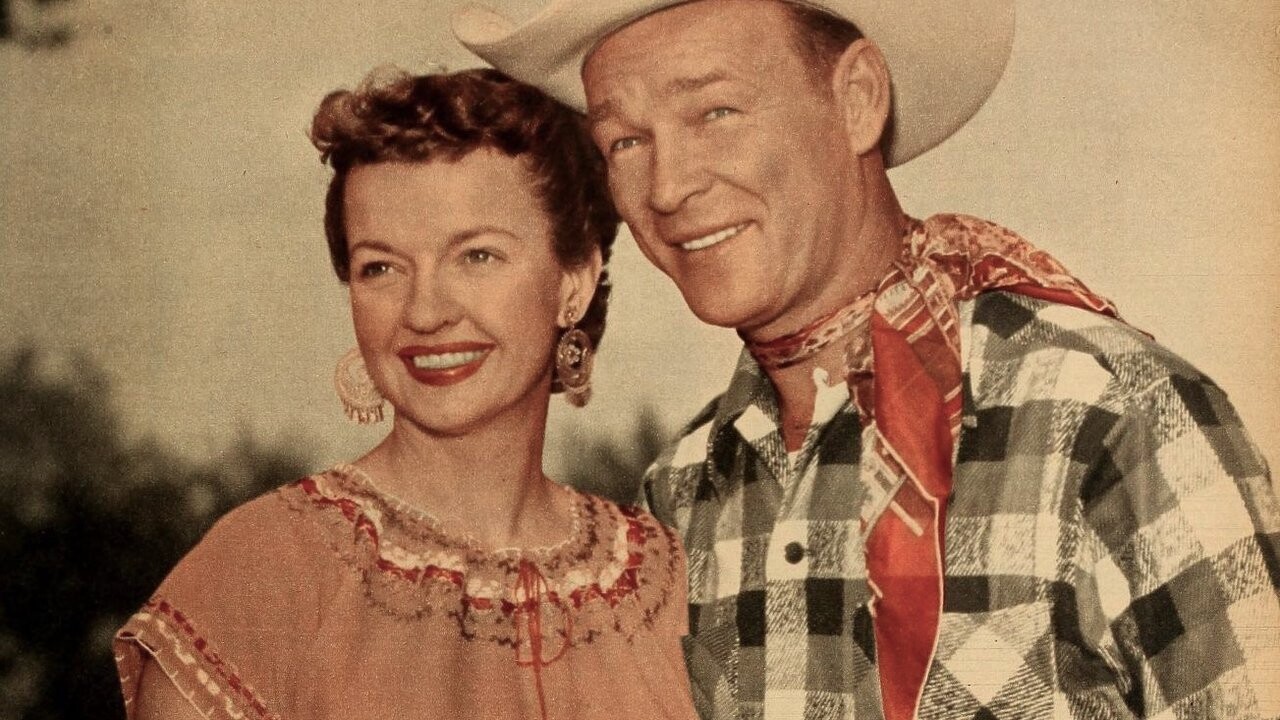
1951: The Roy Rogers Show
The Roy Rogers Show began in 1951 and ran through 1957, bringing Roy Rogers, Dale Evans, and Trigger to NBC viewers. Roy and Dale sang Happy Trails over the closing credits, creating a musical farewell that softened the transition from frontier action back to an ordinary evening at home.
1952: Death Valley Days
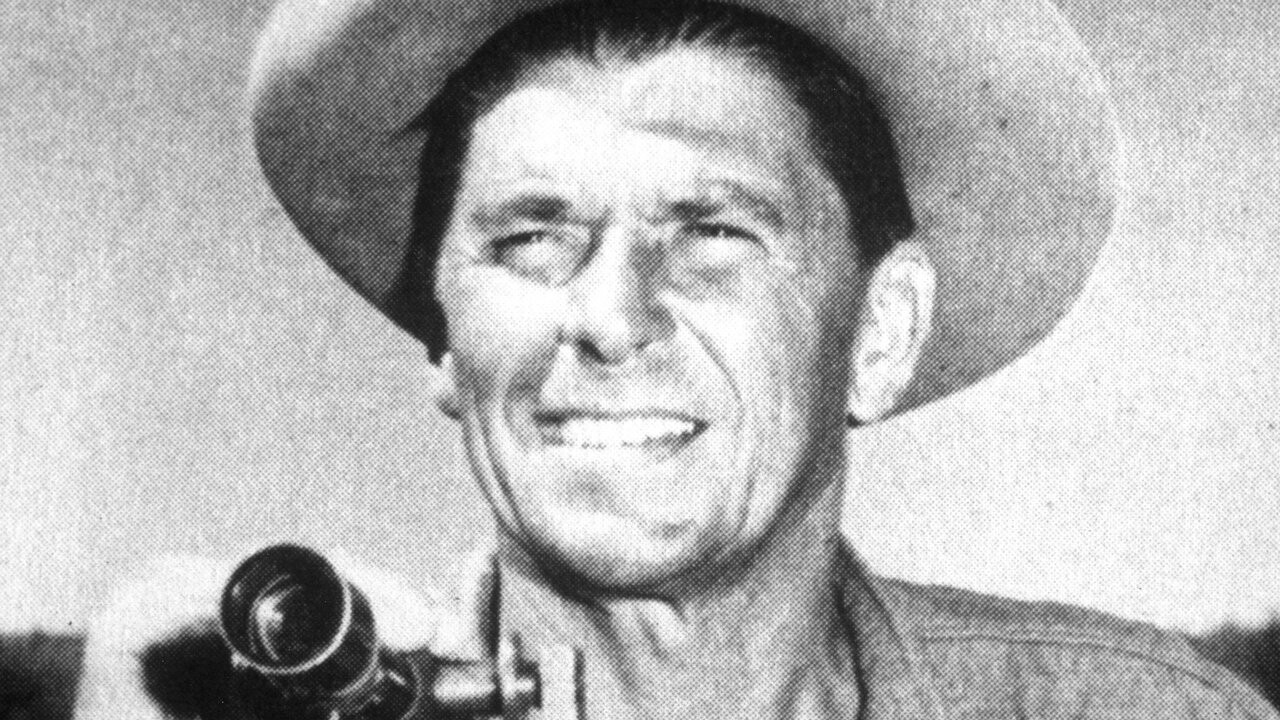
Death Valley Days ran in syndication from 1952 to 1970. The company behind 20 Mule Team Borax created both its radio and television versions to promote products sold under that brand. Ronald Reagan later appeared in episodes, adding another notable chapter to the anthology’s long broadcasting history.
1954: The Adventures of Rin Tin Tin
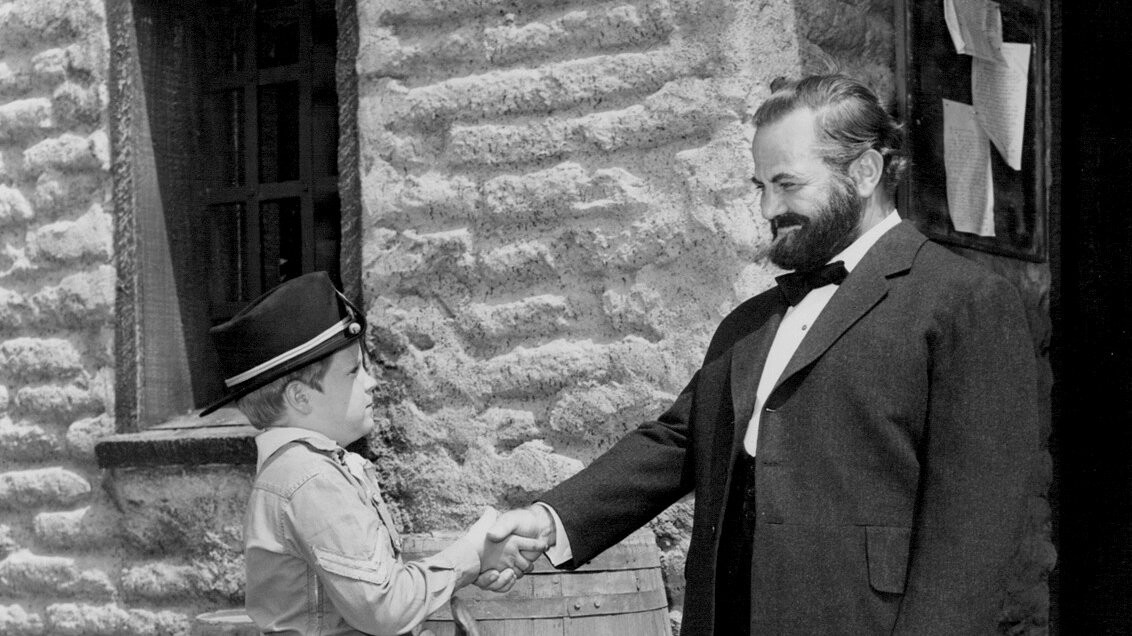
ABC’s The Adventures of Rin Tin Tin ran from 1954 to 1959. Lee Aaker played Rusty, James Brown played Lieutenant Rip Masters, and Rin Tin Tin completed the familiar central trio. Placing a boy and a German shepherd in a cavalry setting gave the series an approachable family perspective on Western adventure.
1955: The Life and Legend of Wyatt Earp
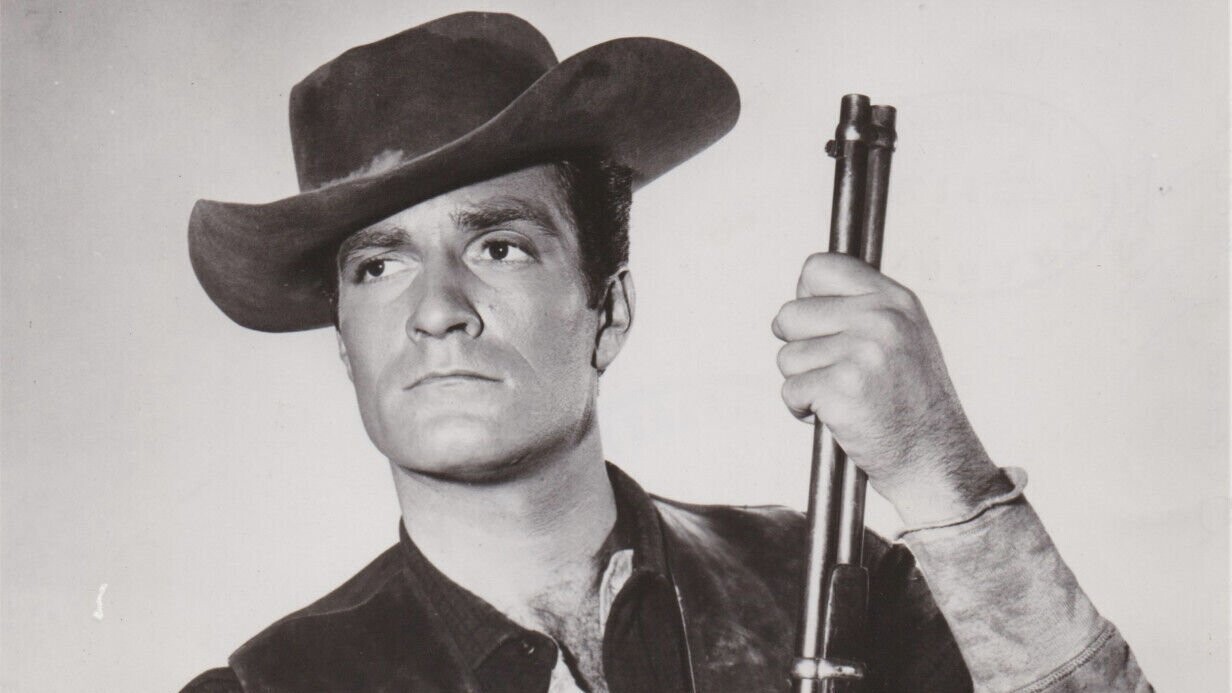
ABC introduced Hugh O’Brian as Wyatt Earp in 1955 and kept the series on the air through 1961. The premiere was titled Wyatt Earp Becomes a Marshal, immediately placing the famous lawman’s badge at the center of the story and establishing the role O’Brian would carry for six years.
1955: Gunsmoke
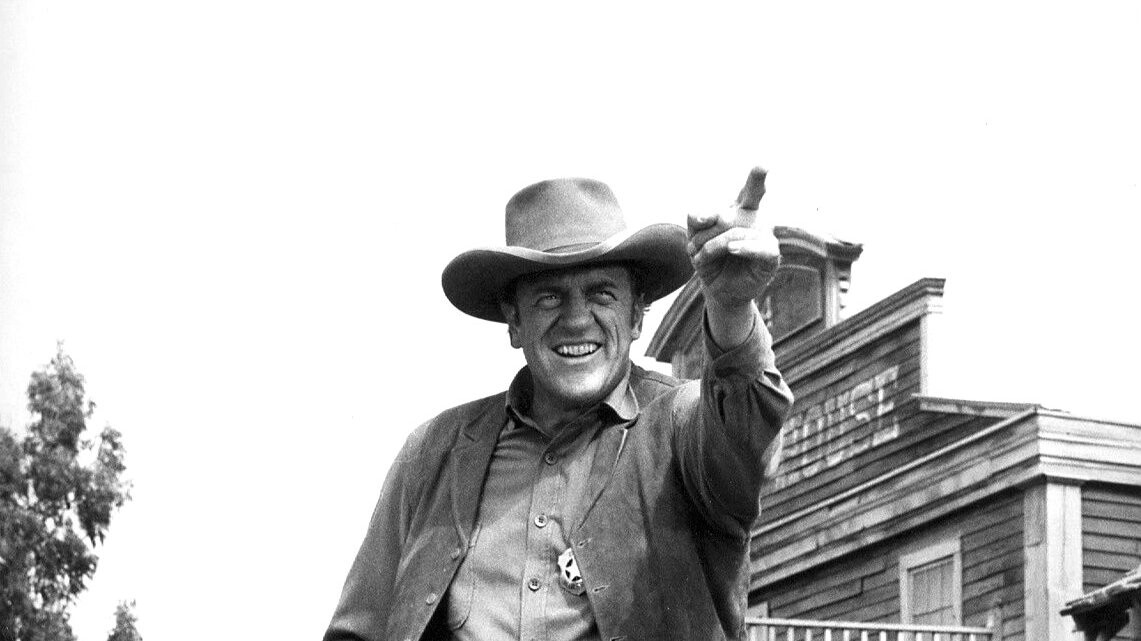
CBS premiered Gunsmoke in 1955 with James Arness as Marshal Matt Dillon, Dennis Weaver as Chester Goode, Milburn Stone as Doc Adams, and Amanda Blake as Kitty Russell. The Dodge City drama continued until 1975. The Library of Congress later described it as television’s longest-running prime-time series with continuing characters.
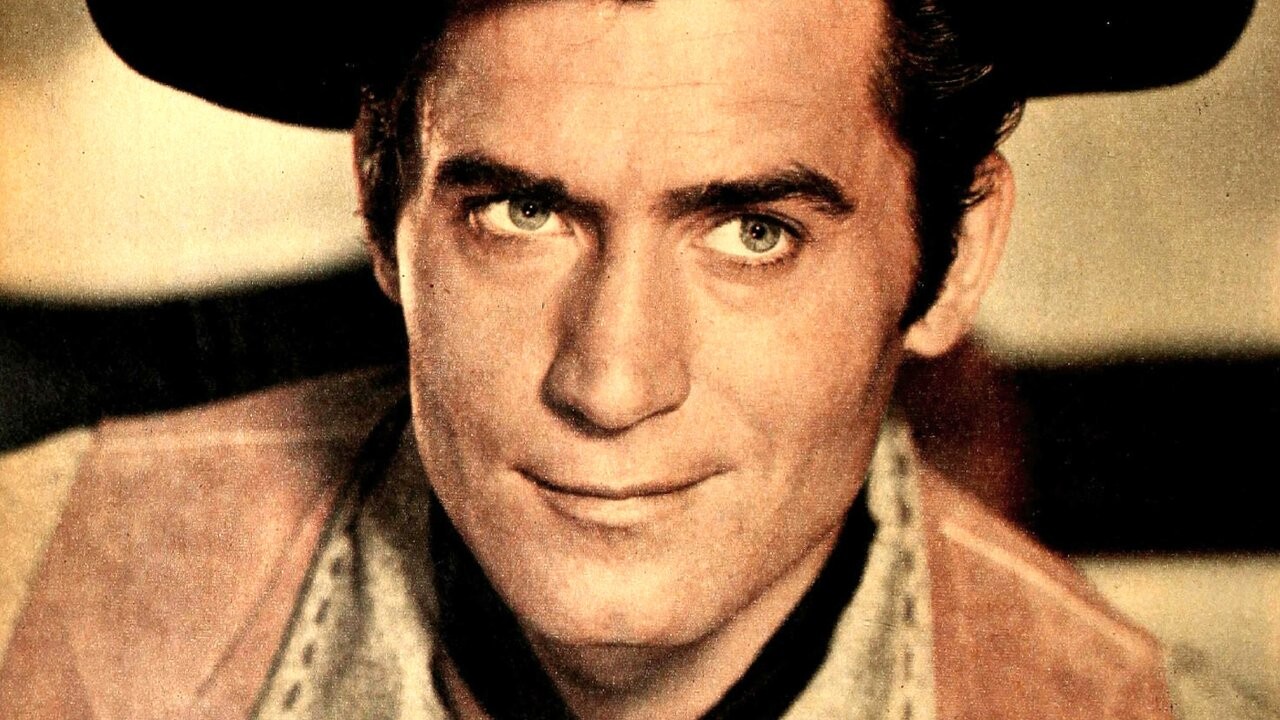
1955: Cheyenne
Clint Walker’s Cheyenne Bodie began roaming ABC in 1955, and the series continued through 1963. Cheyenne became the first successful television series produced by Warner Bros. It was also the first hour-long Western on television, giving its stories more room than the half-hour format common during the period.
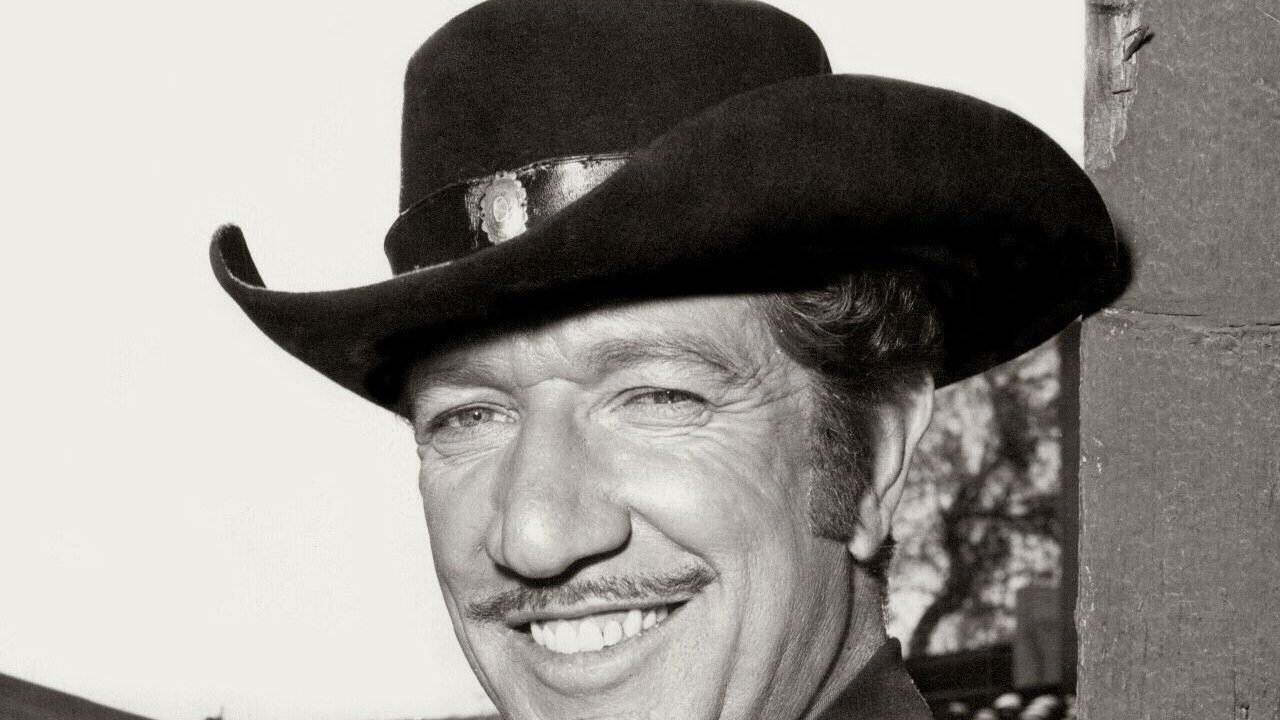
1957: Have Gun – Will Travel
CBS aired Have Gun – Will Travel from 1957 to 1963, with Richard Boone playing Paladin. The series gave its title character a polished presence that distinguished him from many television gunfighters of the period. Its premiere also featured music by acclaimed film composer Bernard Herrmann.
1957: Wagon Train
Wagon Train premiered on NBC in September 1957 and drew its initial inspiration from John Ford’s film Wagon Master. Ward Bond appeared as Seth Adams, while Robert Horton played Flint McCullough. The changing travelers and continuing westward journey provided a durable framework that carried the series through eight seasons.
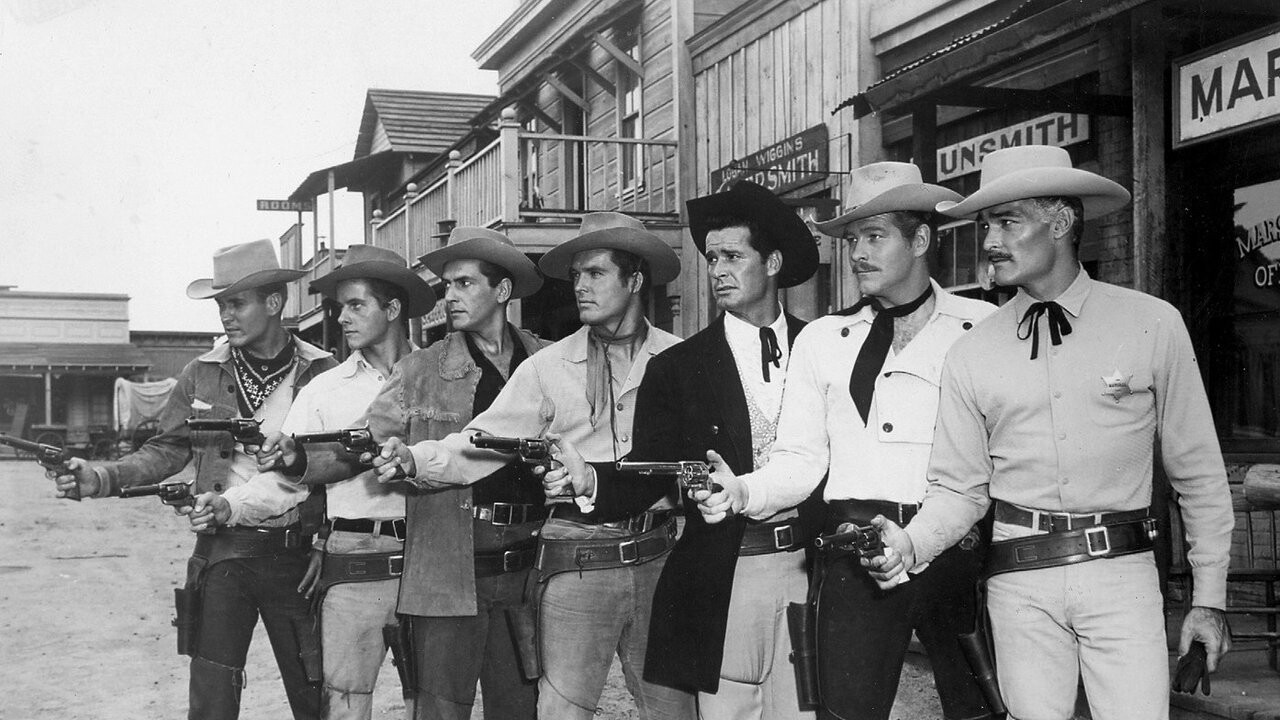
1957: Maverick
Maverick ran from 1957 to 1962 and featured James Garner and Jack Kelly as gambling brothers Bret and Bart Maverick. Its playful attitude toward Western conventions helped it stand apart from more solemn frontier dramas. It also became the only program ever to receive the Emmy for Best Western Series.
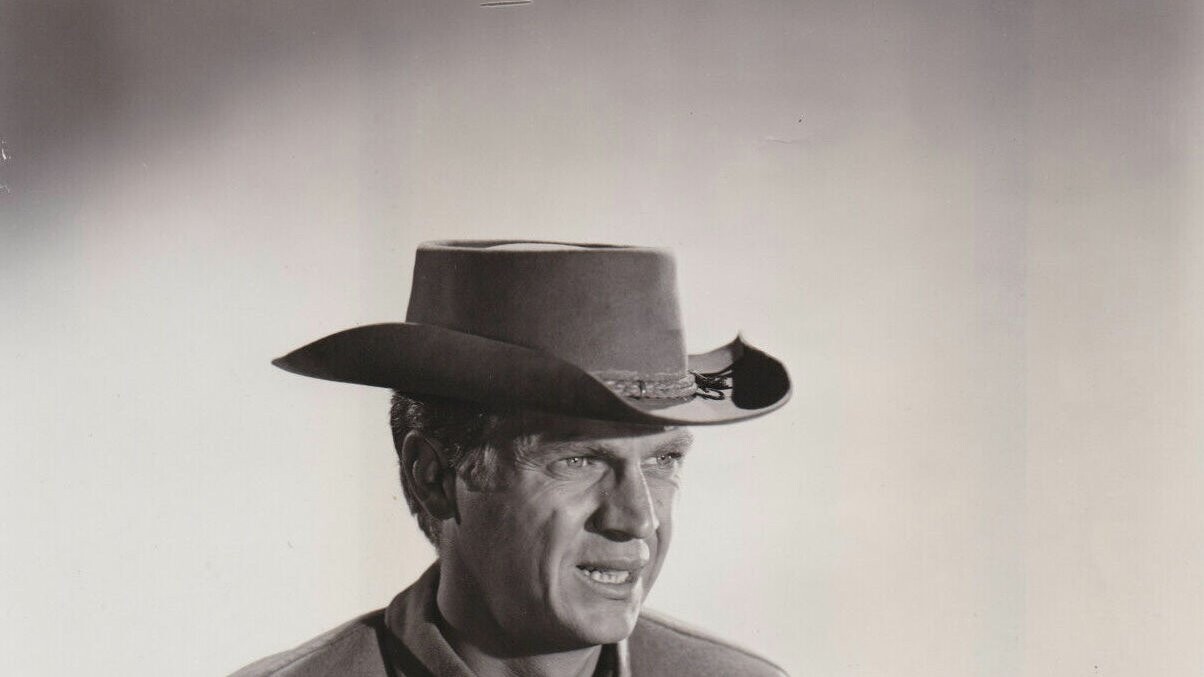
1958: Wanted: Dead or Alive
CBS aired Wanted: Dead or Alive from 1958 to 1961, starring Steve McQueen as bounty hunter Josh Randall. The occupation kept Randall moving from one dangerous assignment to another instead of tying him to a ranch or sheriff’s office. McQueen’s restrained performance gave the compact stories a hard, watchful edge.
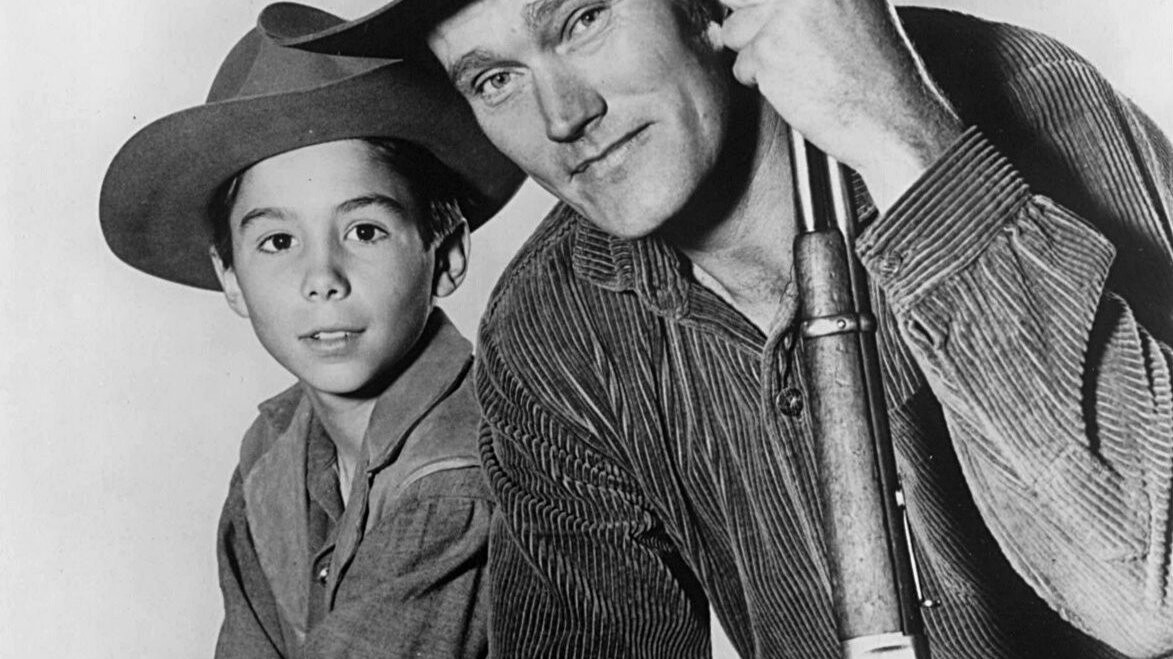
1958: The Rifleman
The Rifleman ran on ABC from September 30, 1958, to April 8, 1963, with Chuck Connors and Johnny Crawford appearing together in the series. Its mixture of frontier action and family responsibility was unusual for its time. Television Academy materials identify it as the first series about a widowed parent raising a child.
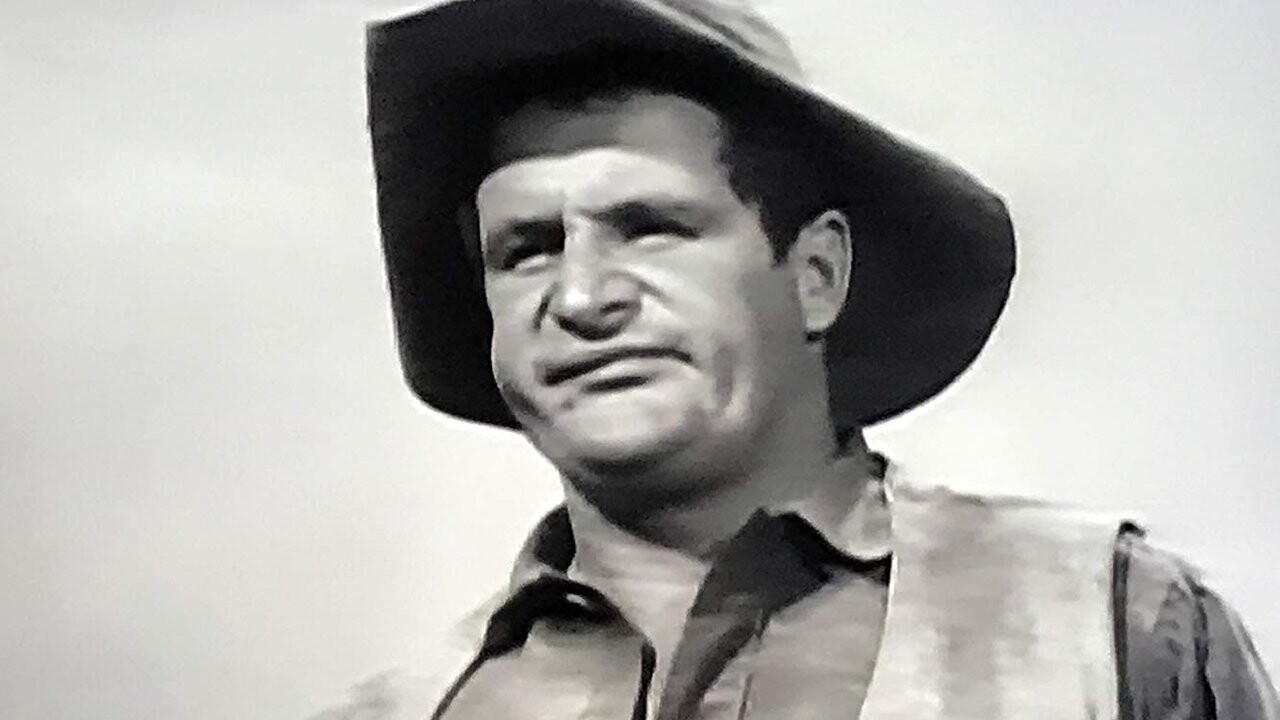
1959: Rawhide
CBS carried Rawhide from 1959 to 1966, with Eric Fleming as trail boss Gil Favor and Clint Eastwood as Rowdy Yates. The series produced 217 black-and-white episodes, giving Eastwood years to develop the quiet, watchful screen presence that audiences would later recognize in his Western films.
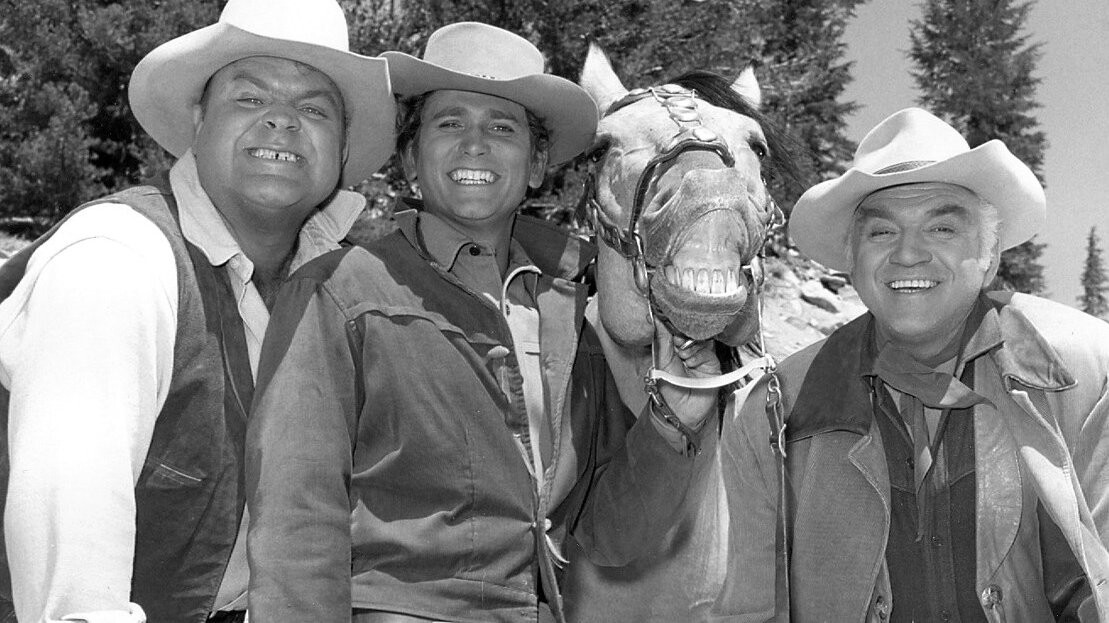
1959: Bonanza
NBC’s Bonanza ran from 1959 to 1973 and followed the Cartwright family. Lorne Greene played Ben, Pernell Roberts played Adam, Dan Blocker played Hoss, and Michael Landon played Little Joe. The family drama arrived with another distinction: Bonanza was the first regularly broadcast television series made in color.
1962: The Virginian
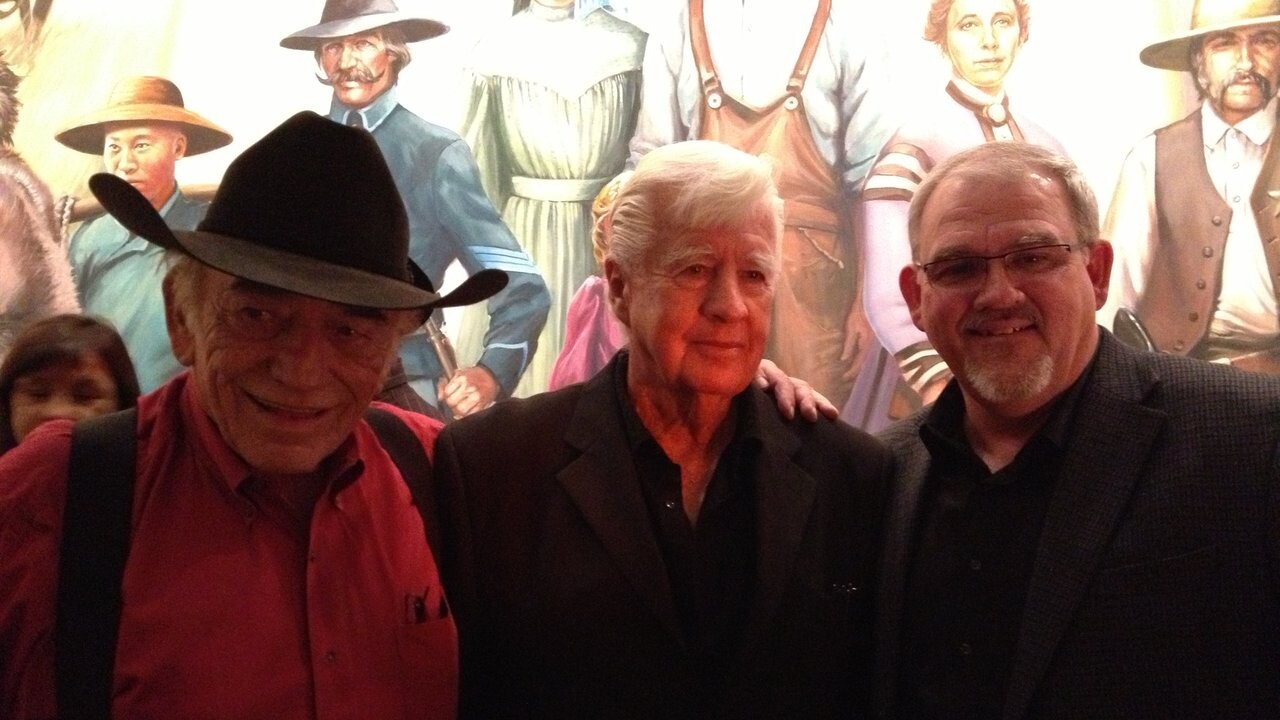
NBC aired The Virginian from 1962 to 1971. James Drury appeared as the title character, while Doug McClure played Trampas. The series was the first Western broadcast in weekly 90-minute installments, an expansive format that allowed its ranch stories and visiting characters to unfold at unusual length.
1964: Daniel Boone
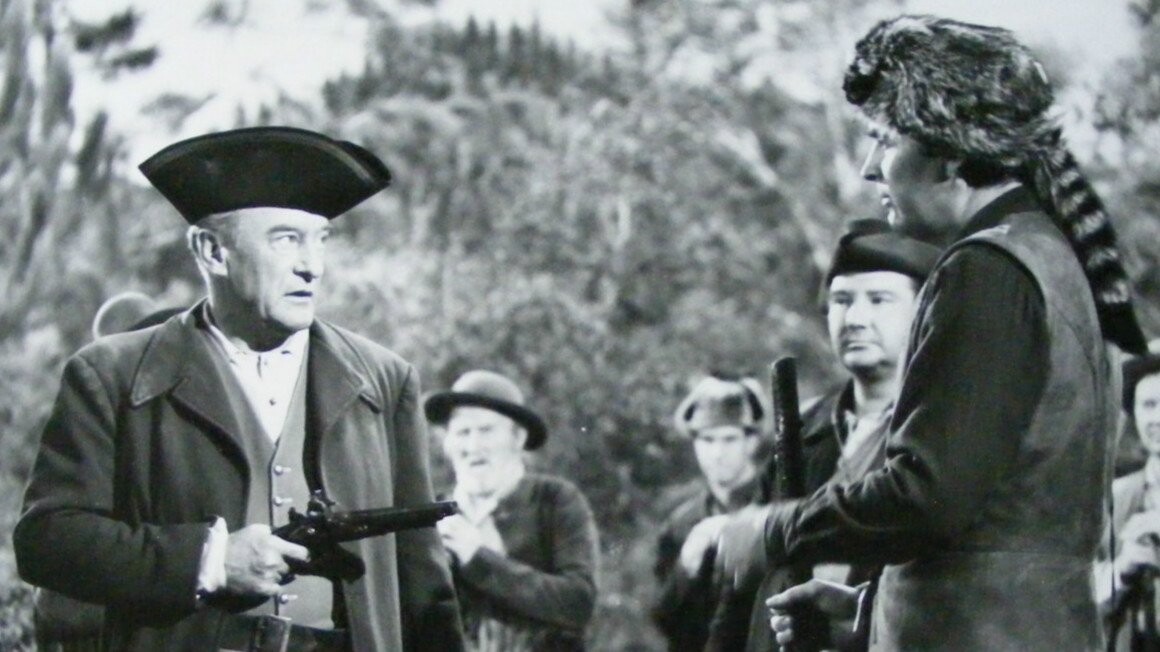
NBC’s Daniel Boone ran from 1964 to 1970, with Fess Parker playing the Kentucky frontiersman and Ed Ames appearing as Mingo. Parker had already played Davy Crockett in Walt Disney’s television anthology, helping launch a national craze, so his return to another famous frontier role felt immediately familiar.
1965: The Big Valley
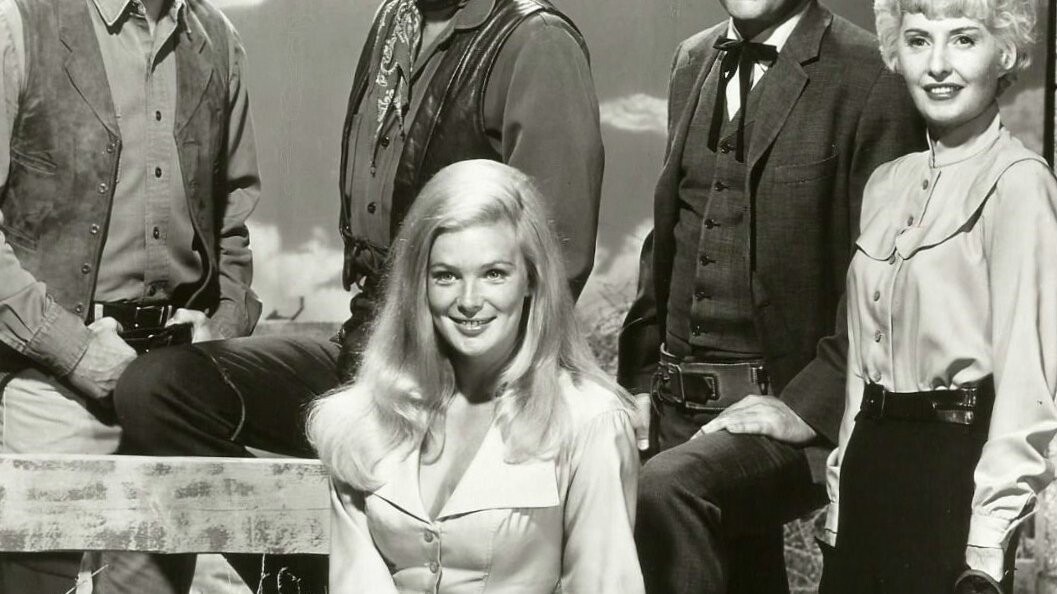
ABC aired The Big Valley from 1965 to 1969. Barbara Stanwyck led the Barkley family as Victoria, with Richard Long, Peter Breck, Lee Majors, and Linda Evans among the principal cast. Stanwyck’s refusal to portray Victoria as fragile gave the California ranch drama a notably commanding woman at its center.
1965: The Wild Wild West
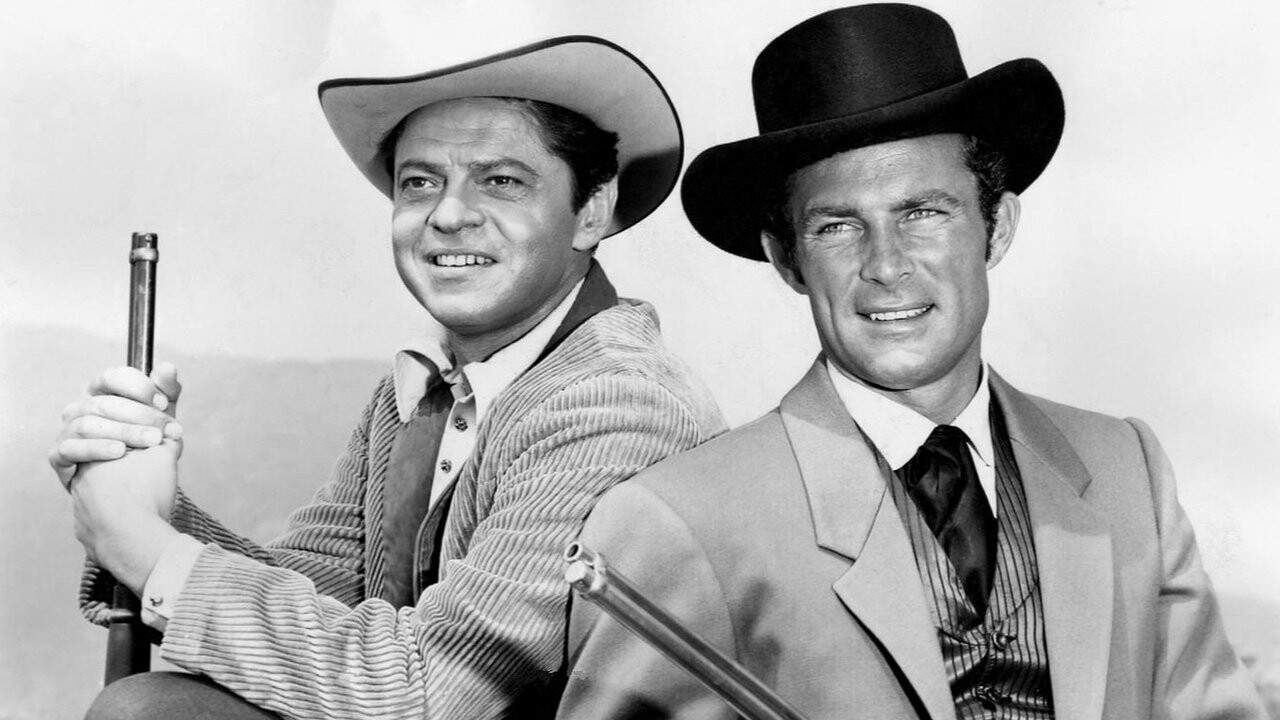
CBS ran The Wild Wild West from 1965 to 1969, pairing Robert Conrad’s Jim West with Ross Martin’s Artemus Gordon. The Paley Center classifies the program as both a Western and an action-adventure drama. That combination allowed the series to stretch familiar frontier conventions in playful and imaginative directions.
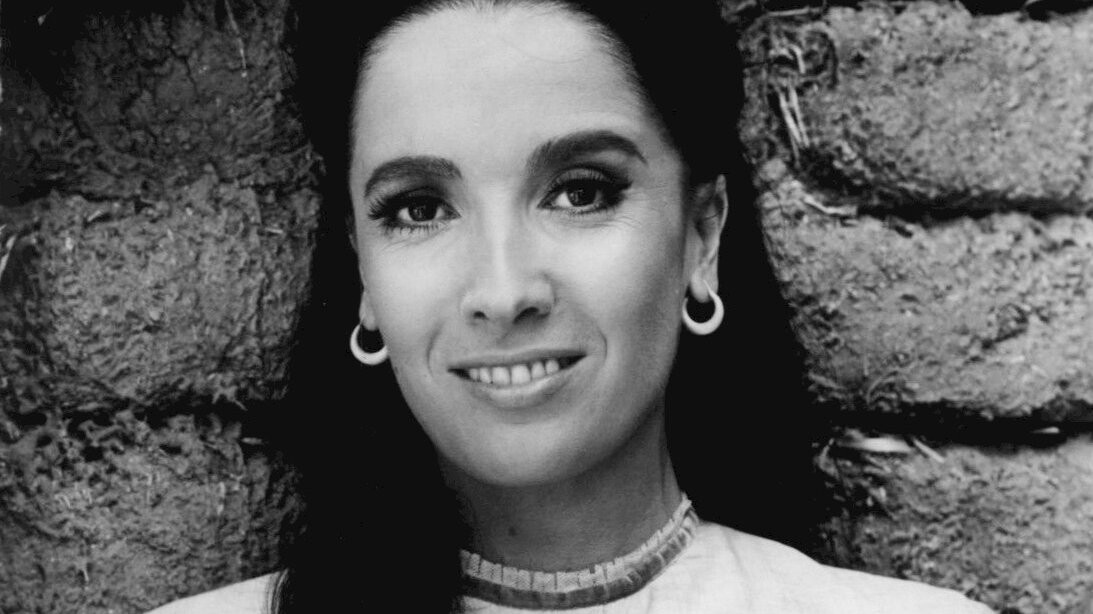
1967: The High Chaparral
NBC’s The High Chaparral ran from 1967 to 1971, with Leif Erickson, Cameron Mitchell, Linda Cristal, and Henry Darrow in prominent roles. Bonanza creator David Dortort created the series. Exterior filming at Old Tucson and nearby Saguaro National Park gave the ranch drama an unmistakably arid Arizona setting.
These Westerns made the television frontier feel like a weekly meeting place for families across the country. Which of them do you remember best?
Follow The HyperHive on MSN for more stories like this.
Sources:






