What Did Stephen Hawking Predict About the End of the World?

NASA/Paul Alers / Wikimedia Commons, Public domain (cropped)
Did Stephen Hawking really predict when the world would end?
No. Hawking discussed several dangers that could threaten humanity, but he never offered one firm doomsday date. The timelines in his remarks were warnings, estimates, or projections intended to encourage action.
Here is what he said about artificial intelligence, space settlement, climate change, aliens, and humanity’s future, along with the context that dramatic headlines often leave out.
Did Hawking Give the World an Expiration Date?
Hawking’s remarks were warnings, not a single prophecy. He discussed different risks in different settings, and he often paired a frightening possibility with a way people might respond.
That context matters. After presenting one of his starkest scenarios, Hawking said, “But I am an optimist.” He believed humanity could recognize risks and change course. His point was not that disaster was certain, but that ignoring serious dangers would reduce the time available to address them.
What Did He Say About Artificial Intelligence?
The BBC published an interview with Hawking on December 2, 2014, after the launch of new software designed to help him communicate. In it, he warned that the development of full artificial intelligence “could spell the end of the human race.”
The word “could” is essential. Hawking was describing a possible future danger, not announcing a timetable or claiming that the computer programs then in use had begun a countdown to extinction. His warning concerned what might happen if advanced AI eventually moved beyond human control.
Why Did He Say Humans Should Leave Earth?
At the Oxford Union on November 14, 2016, Hawking encouraged continued space exploration. He said humanity might not survive another thousand years “without escaping beyond our fragile planet.”
In the BBC’s 2017 film Expedition New Earth, he offered a more urgent planning goal. Hawking said that preparations for survival beyond Earth should be in place “within 100 years.”
Neither statement predicted the moment Earth would be destroyed. The thousand-year remark expressed a broad concern about humanity’s long-term survival, while the 100-year timeline concerned preparation. Hawking’s argument was that establishing a human presence beyond Earth would be difficult and should begin before an emergency made it necessary.
Was Earth Really Going to Become a Ball of Fire?
In a video address to the Tencent WE Summit in Beijing, Hawking projected the population and electricity-use trends he described forward to 2600. He said the population would be standing shoulder to shoulder and electricity consumption would make Earth “glow red hot.”
The preceding sentence said exponential growth could not continue into the next millennium. Hawking then called the projected result untenable and said he believed humanity could avoid it.
In other words, 2600 illustrated where the trends might lead if extended far into the future. It was not a scheduled astronomical event or a fixed date for Earth’s destruction. The scenario was dramatic because Hawking wanted his audience to consider the consequences of continuing on the same path.
What Did He Say About Aliens and Climate Change?
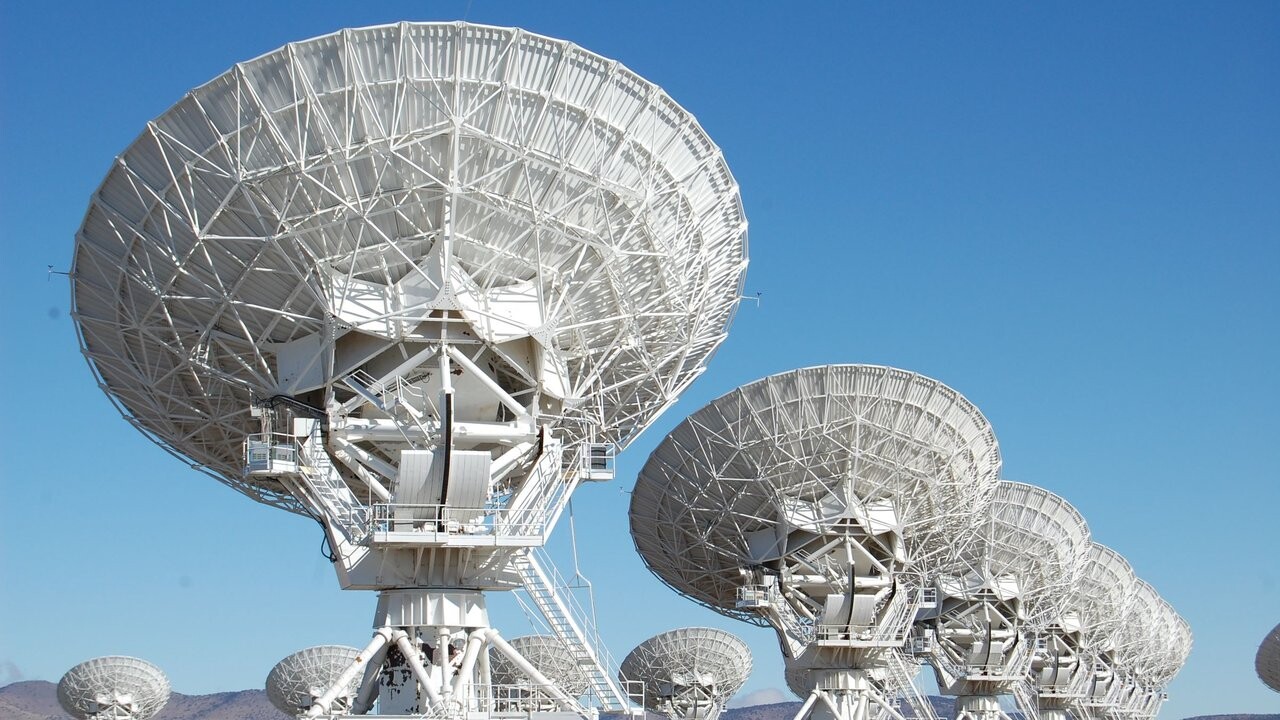
Hawking discussed possible alien contact in his 1996 lecture Life in the Universe. He supported efforts to listen for signals but said people should be “wary of answering back” until humanity had developed further. He compared meeting a more advanced civilization to the original inhabitants of America meeting Columbus.
This was a caution about replying to a hypothetical signal, not a claim that hostile visitors were approaching Earth. Hawking considered the search worthwhile while urging restraint about actively announcing humanity’s presence.
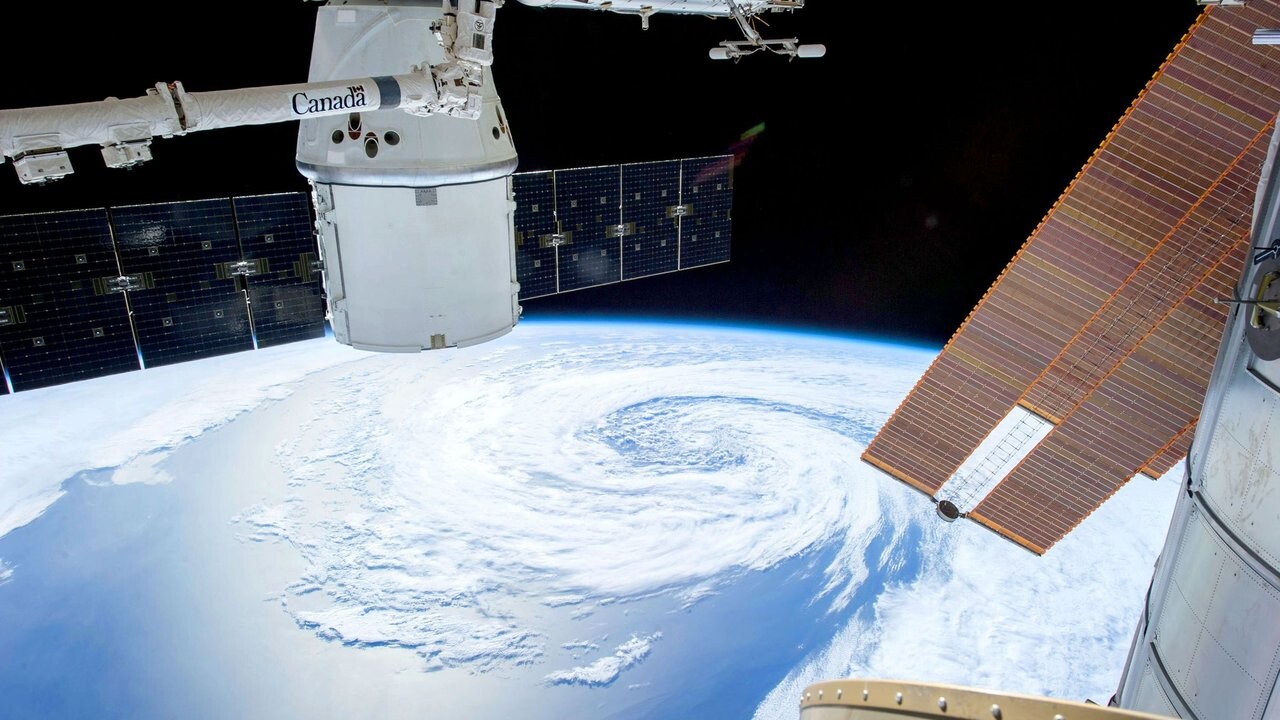
In a BBC interview published on July 2, 2017, Hawking warned that global warming could approach an irreversible tipping point. He criticized the United States’ withdrawal from the Paris climate agreement and said climate change was a danger “we can prevent if we act now.” Once again, he presented the outcome as dependent on human choices rather than fate.
What Did His Final Book Cover?
Brief Answers to the Big Questions went on sale on October 16, 2018, after Hawking’s death. The publisher presented it as a posthumous work containing his final thoughts on major questions about the universe and humanity.
Its subjects included whether artificial intelligence would outsmart humans, whether humanity would survive on Earth, and whether people should colonize space. Those questions reflect the theme running through Hawking’s public warnings: understanding a danger is a reason to prepare for it, not proof that a single, unavoidable deadline exists.
Hawking’s message was less a countdown than a request to use knowledge and foresight while our choices still matter. Which of his warnings do you believe deserves the most attention today?
Follow The HyperHive on MSN for more stories like this.
Sources: