America in the 1940s, in Rare Color Photos

Palmer, Alfred T., photographer / Wikimedia Commons, Public domain (cropped)
Color brings the past unusually close. Work clothes, painted storefronts, farm fields, and factory machinery look less like distant history and more like places a family might remember.
The Library of Congress says FSA and OWI photographers made approximately 1,600 color photographs between 1939 and 1944. Most FSA color images were Kodachrome slides. Drawn from those public-domain records, this gallery moves chronologically from rural life to wartime industry.
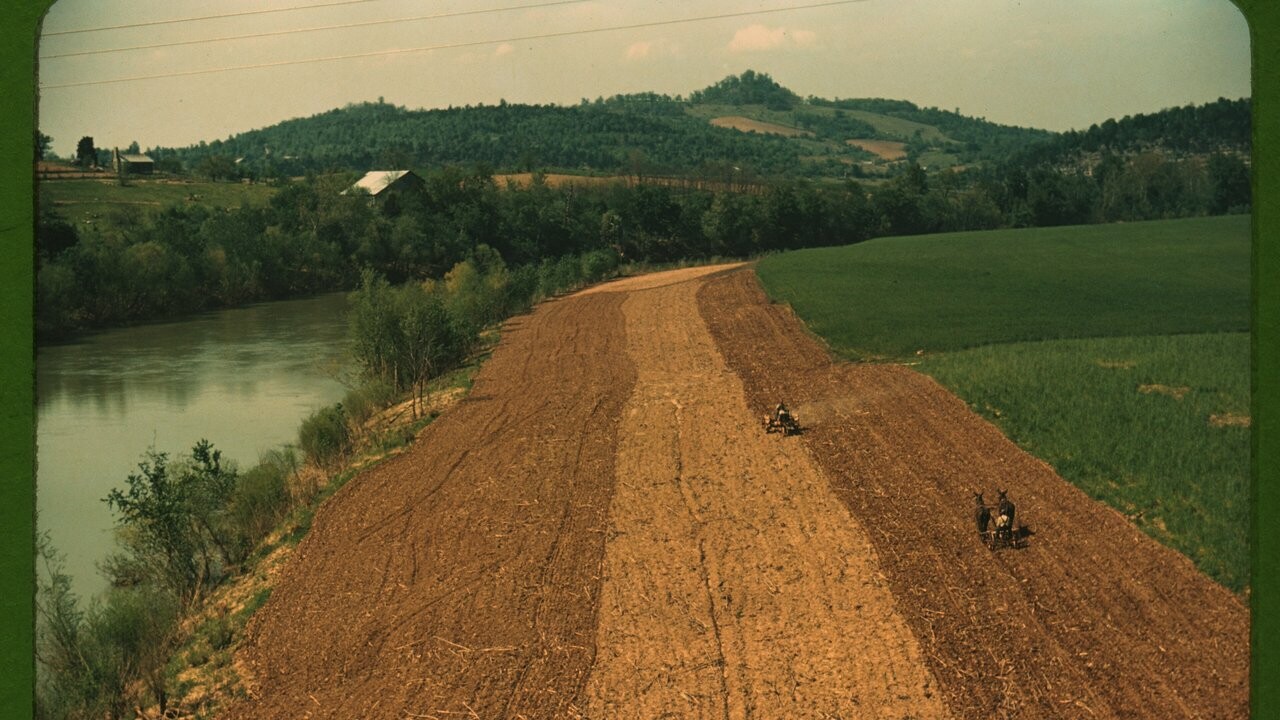
May 1940: Planting Corn in Tennessee
In May 1940, Marion Post Wolcott photographed corn being planted beside a river in northeastern Tennessee. The subject is ordinary farm labor, yet color gives the earth and surrounding landscape an immediacy that monochrome cannot. It is a quiet beginning to a decade that would soon transform American work.
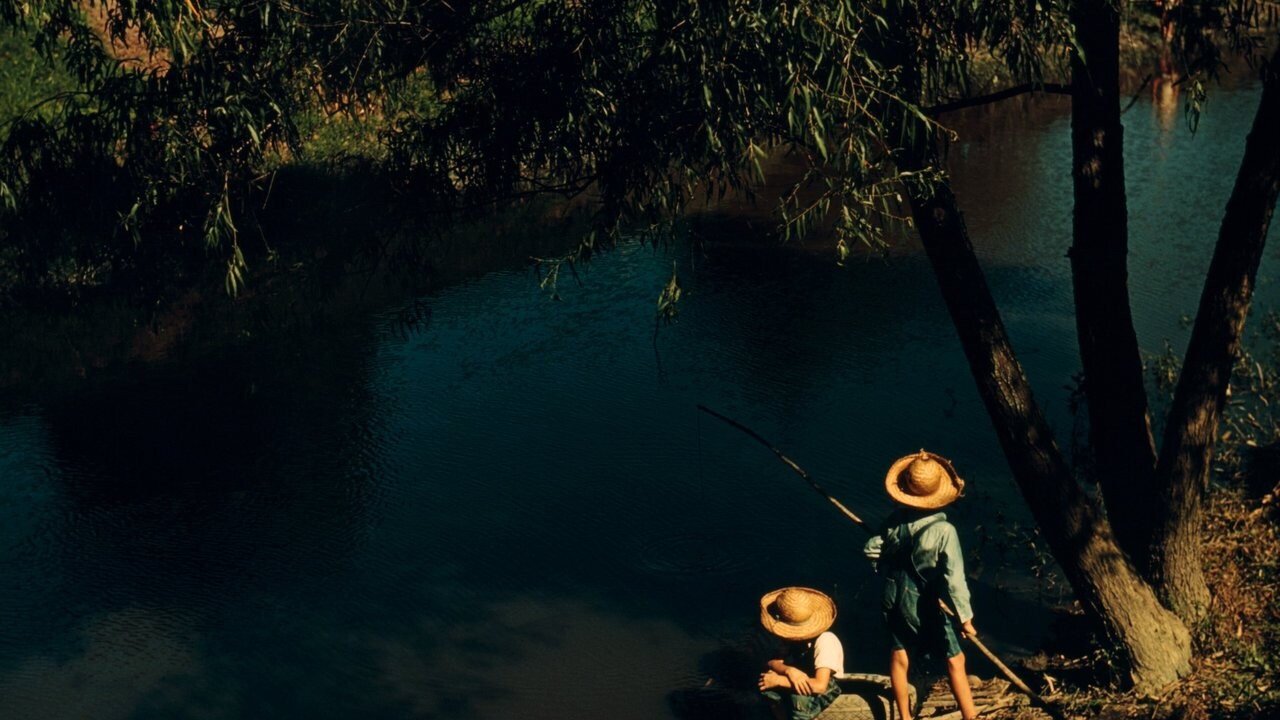
June 1940: Fishing in a Louisiana Bayou
Marion Post Wolcott photographed boys fishing near Schriever, Louisiana, in June 1940. Their familiar pastime offers a small window into childhood beside the bayou. A stretch of water, patient company, and the possibility of a catch were enough to fill an afternoon.
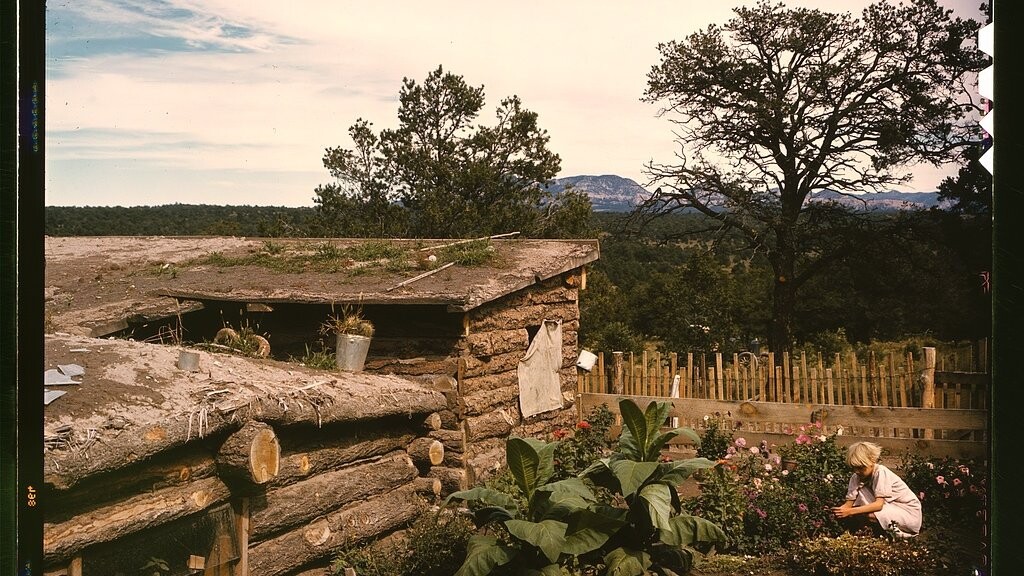
September 1940: A Garden in Pie Town
Russell Lee photographed the garden beside homesteader Jack Whinery’s dugout home in Pie Town, New Mexico, in September 1940. The subject is less dramatic than a grand landscape but more intimate. A household garden speaks to daily persistence and the careful work of making a home in demanding country.
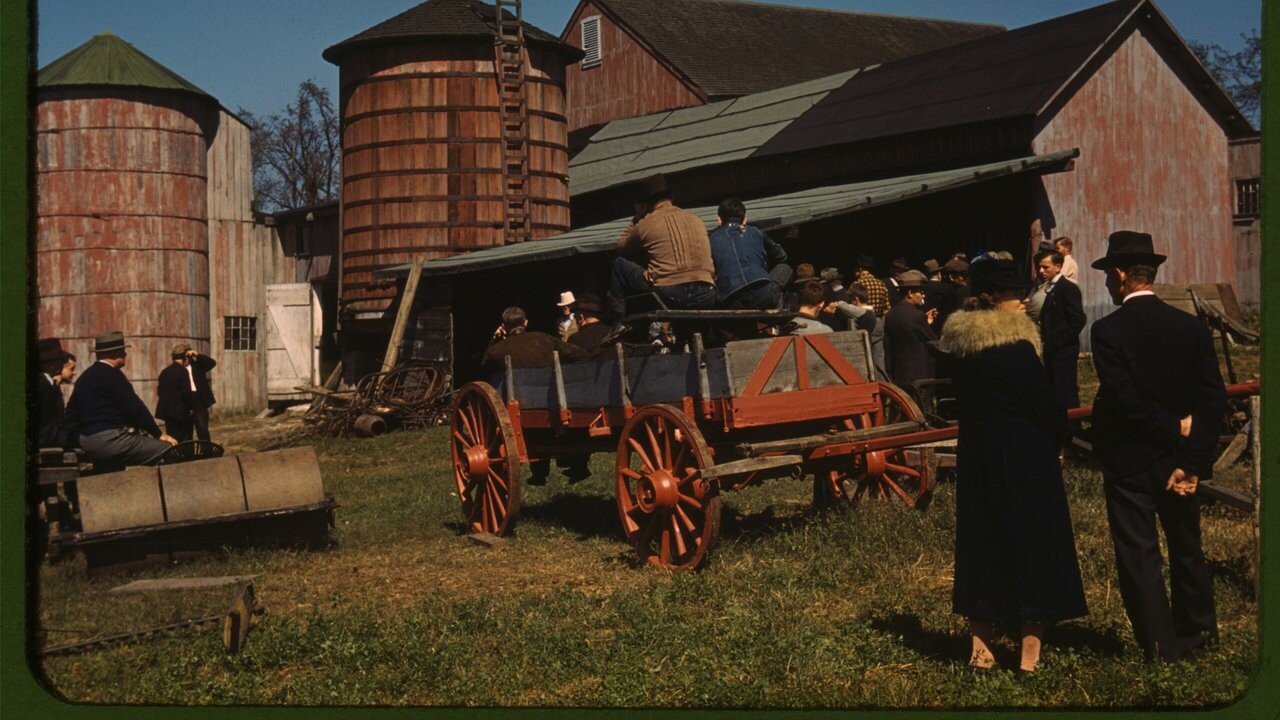
September 1940: A Farm Auction in Connecticut
Jack Delano documented a farm auction in Derby, Connecticut, in September 1940. An auction could be practical, social, or bittersweet, depending on why possessions were changing hands. Delano’s color record preserves a recognizable rural gathering centered on tools, property, conversation, and the uncertain value of familiar things.
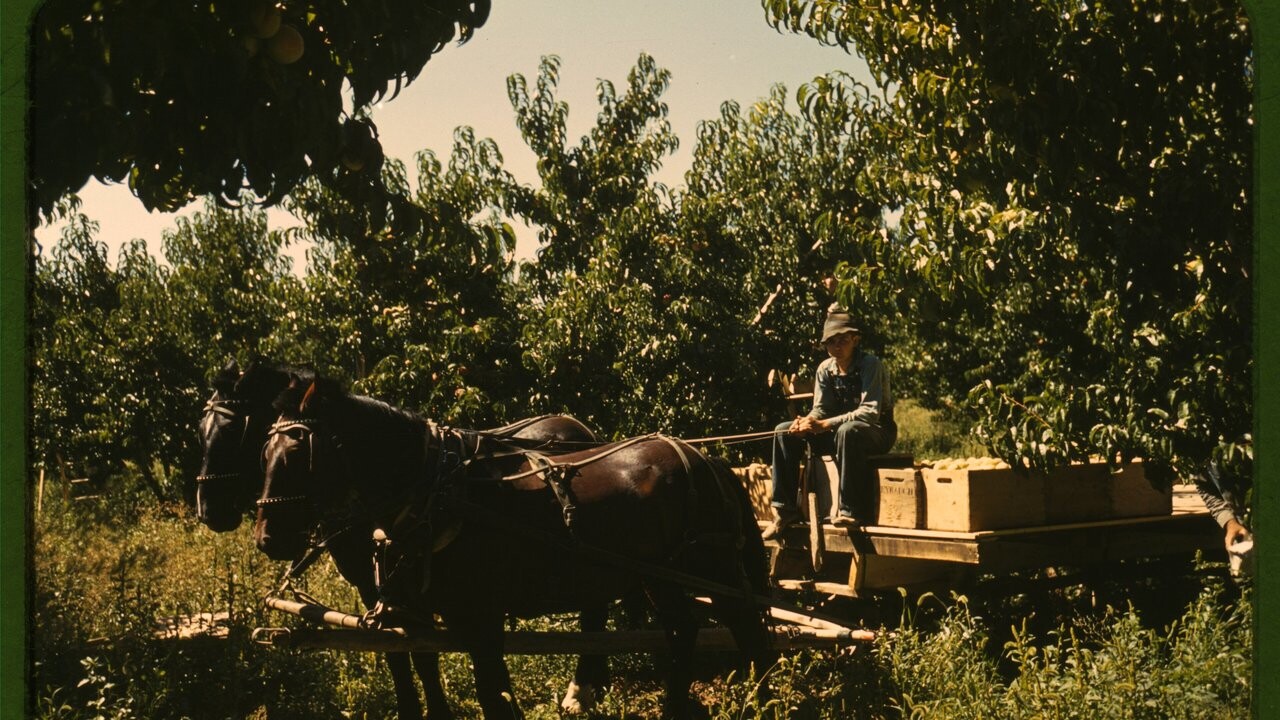
September 1940: Colorado Peaches Head to Market
Russell Lee photographed crates of peaches being hauled from an orchard to a shipping shed in Delta County, Colorado, in September 1940. The image connects the harvest to the wider marketplace. Before shoppers saw the fruit, workers had already picked, packed, lifted, and moved each crate.
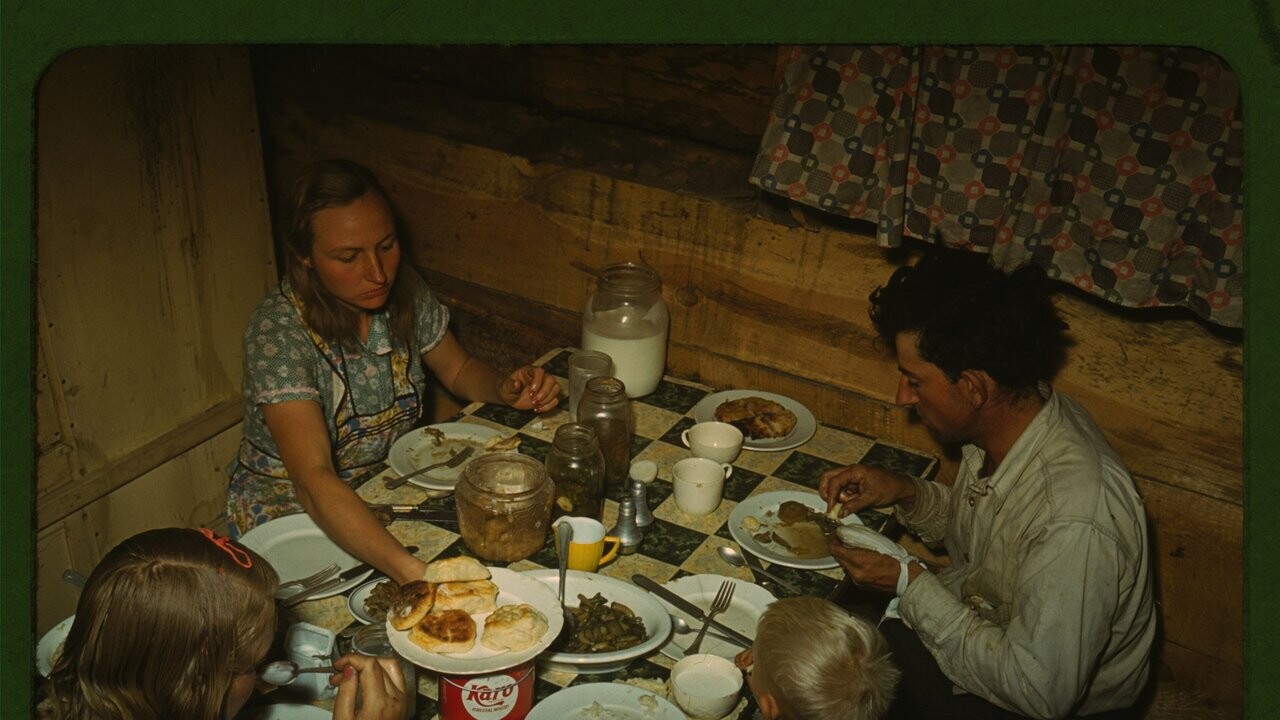
October 1940: Dinner With the Caudill Family
In October 1940, Russell Lee photographed the Faro Caudill family eating dinner inside their dugout home in Pie Town, New Mexico. The modest meal turns a broad story about homesteading into something personal. Whatever the house was made from, the family table remained a center of domestic life.
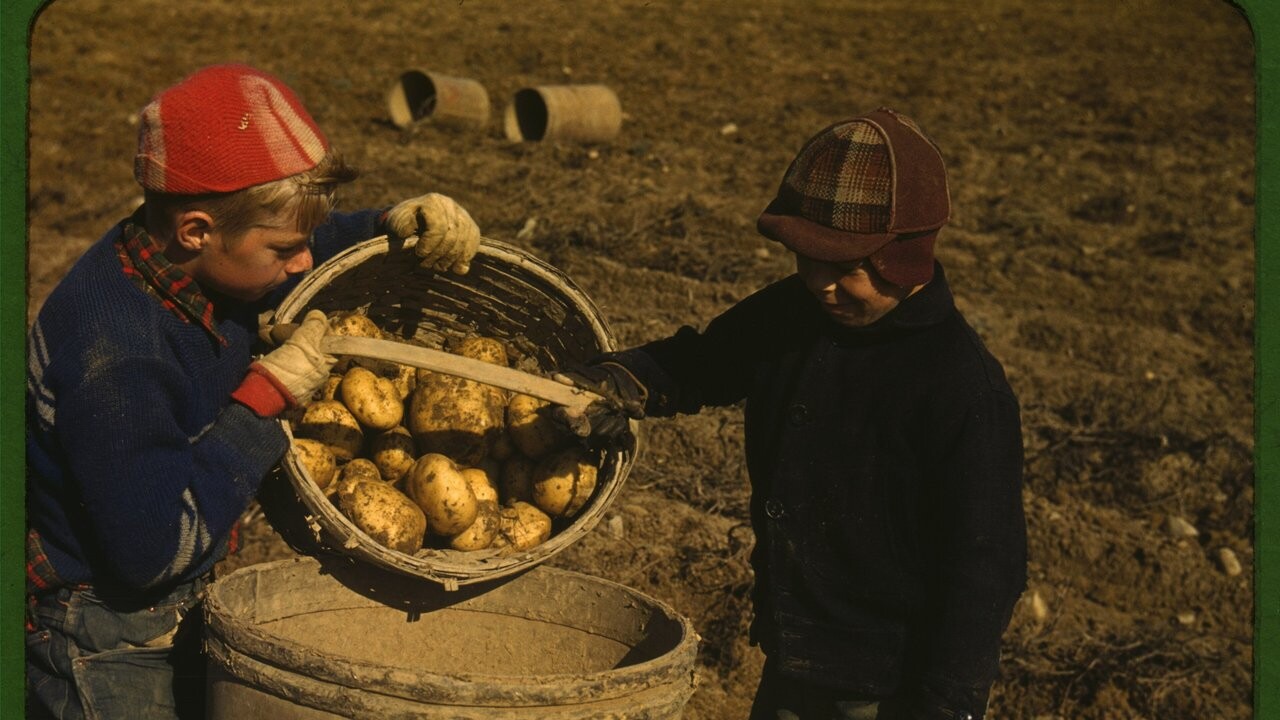
October 1940: Maine’s Potato Harvest
Jack Delano photographed children gathering potatoes near Caribou in Aroostook County, Maine, in October 1940. The harvest was not an abstract agricultural statistic for these young workers. It was physical, seasonal labor, and Delano’s color image makes the field feel like a lived place rather than a distant chapter.
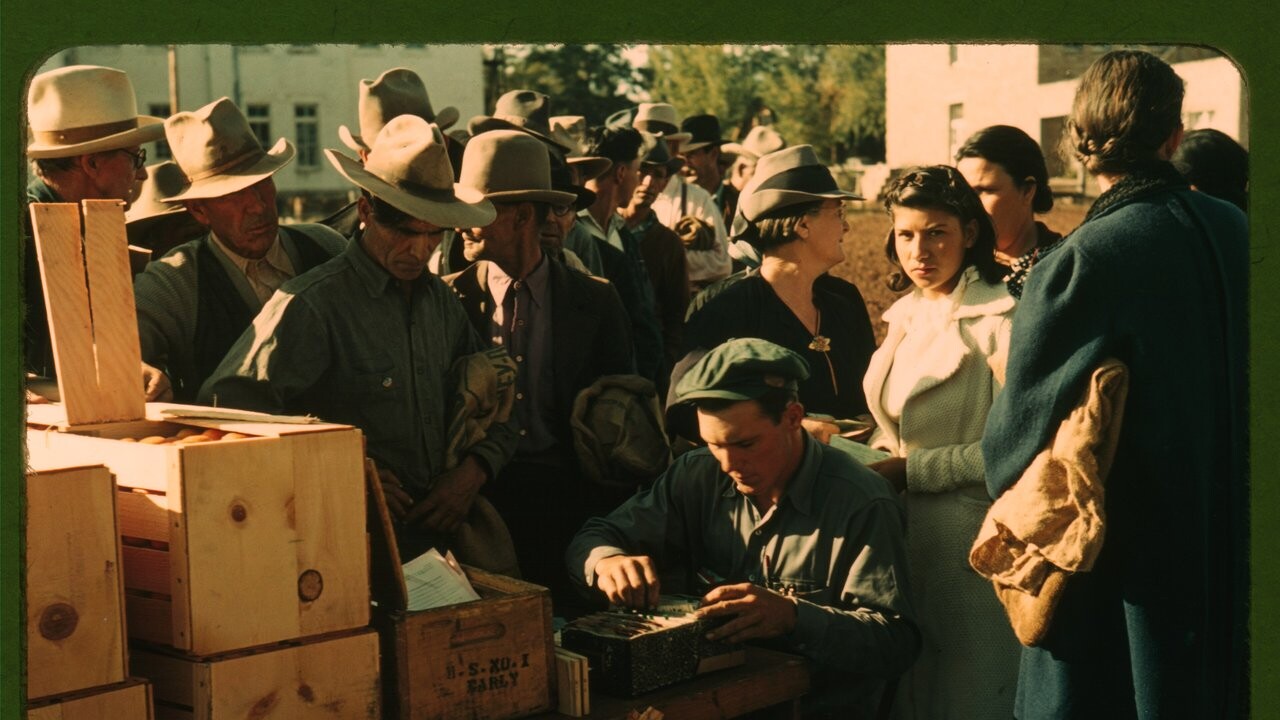
October 1940: Food Relief in Arizona
Russell Lee documented the distribution of surplus commodities in St. Johns, Arizona, in October 1940. Behind the administrative language were ordinary households collecting food. The photograph shows assistance at its most concrete: goods changing hands at a distribution point serving people in a small community.
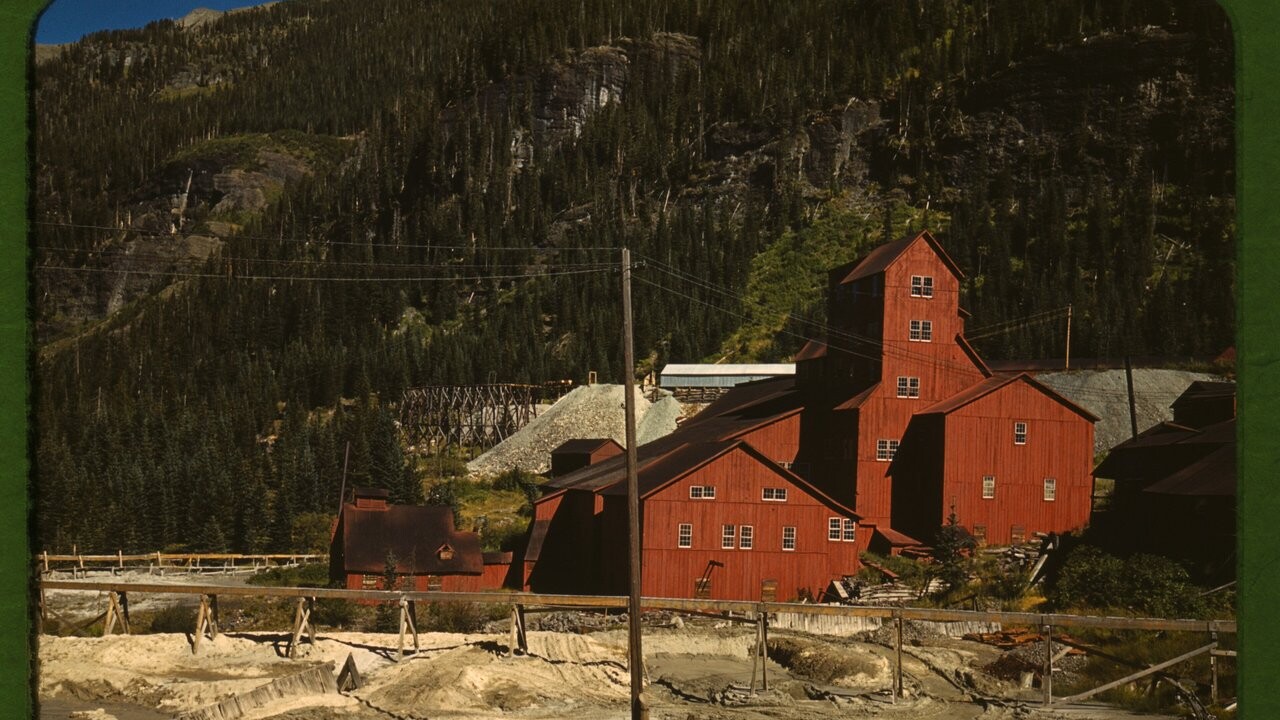
October 1940: The Camp Bird Mine in Colorado
Russell Lee photographed the mill at the Camp Bird Mine in Ouray County, Colorado, in October 1940. The facility occupied a very different landscape from the surrounding farms. The image reminds us that rural America also included industrial work, heavy equipment, and communities shaped by underground resources.
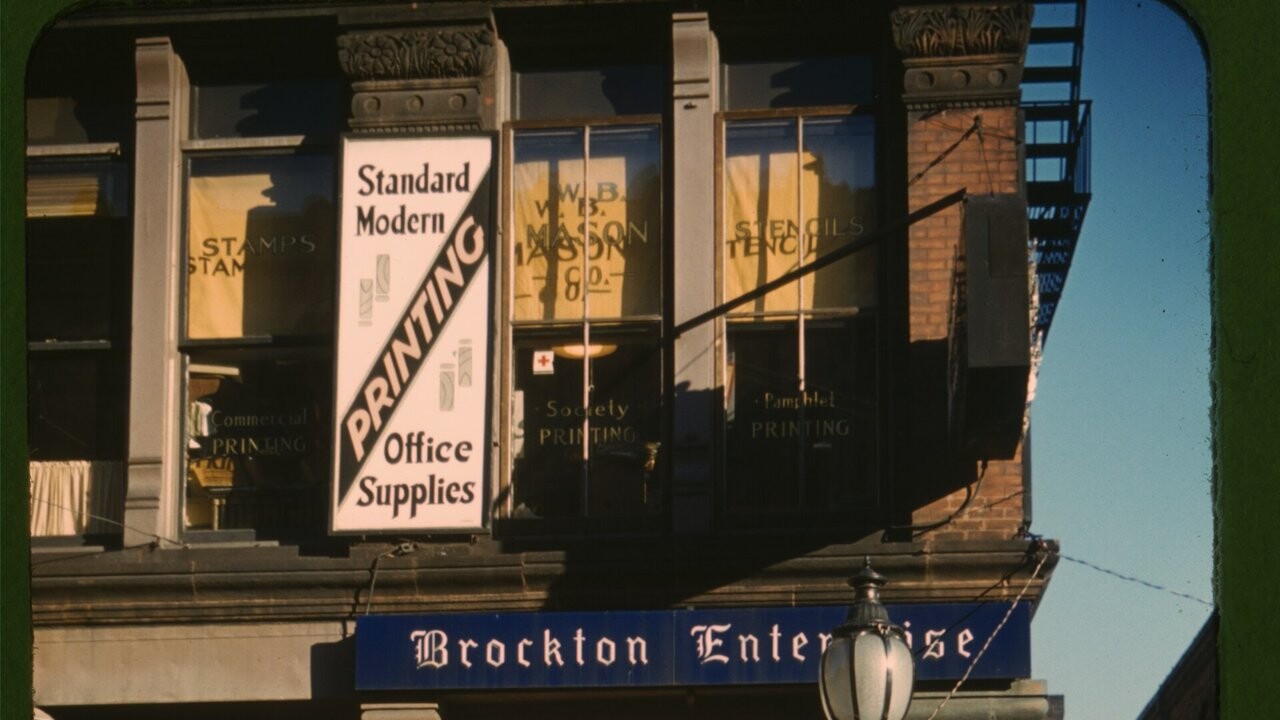
December 1940: Brockton Reads the Headlines
Jack Delano photographed men reading posted headlines outside the Brockton Enterprise newspaper office in Massachusetts in December 1940. The street-corner ritual feels almost vanished now. Shared news drew readers to the same window and briefly turned an ordinary sidewalk into a community gathering place.
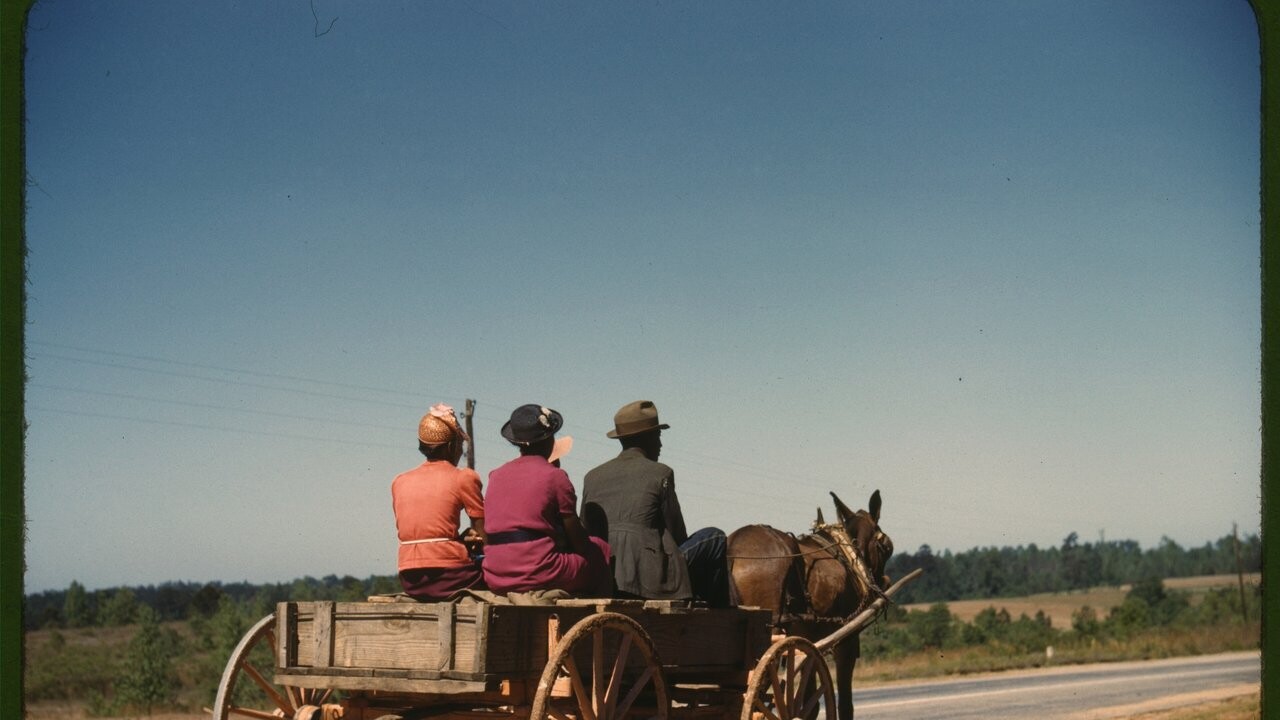
May 1941: Saturday in Greene County
Jack Delano photographed people going to town on a Saturday afternoon in Greene County, Georgia, in May 1941. The trip suggests the weekly rhythm of rural life, when errands also created a chance to see neighbors. Town was more than a destination; it was part of the social calendar.
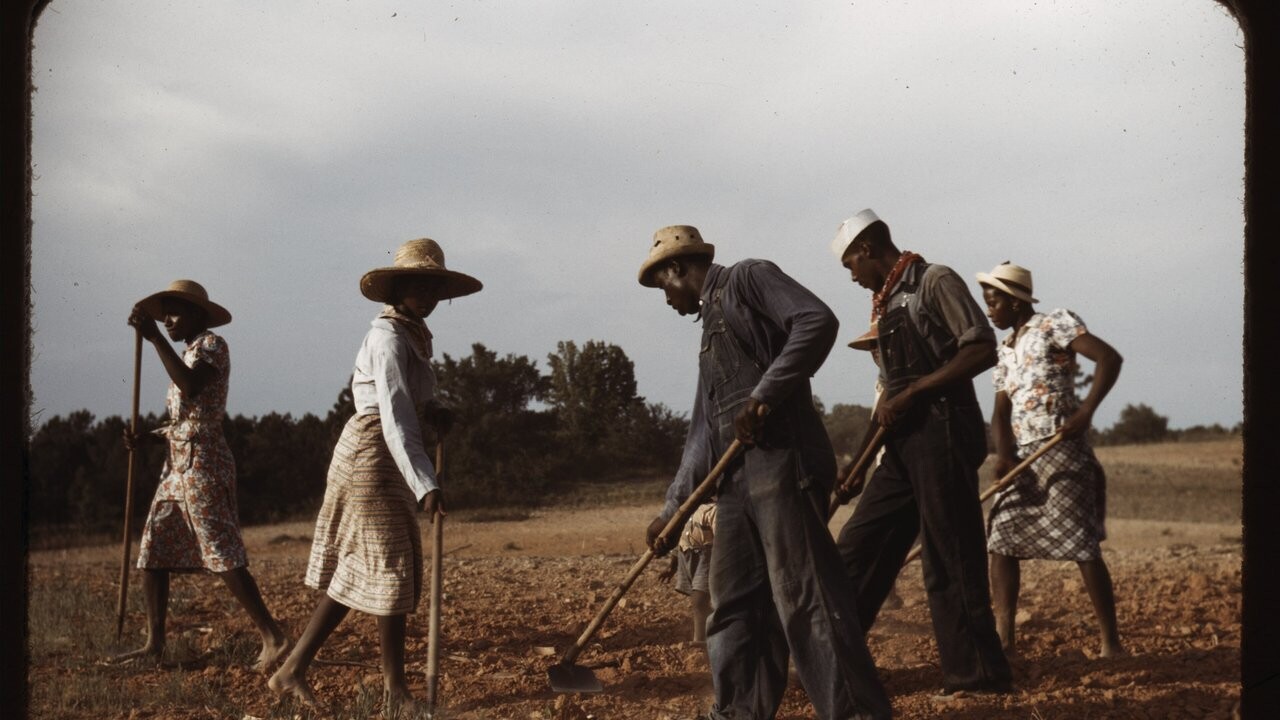
June 1941: Chopping Cotton Near White Plains
In June 1941, Jack Delano photographed workers chopping cotton on rented land near White Plains, Georgia. The plain caption carries a complicated human story of labor and landholding. Color does not soften the work, but it makes the people and field harder to hold at history’s usual distance.
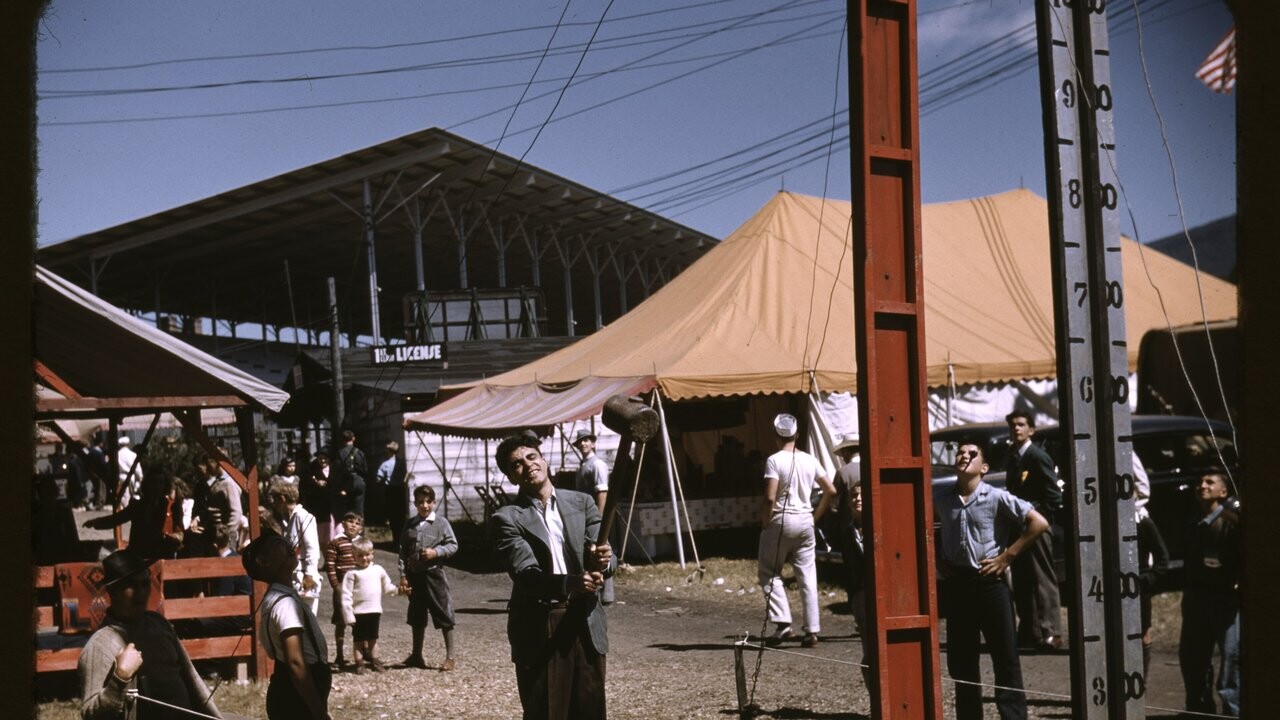
September 1941: The Vermont State Fair
Jack Delano visited the Vermont State Fair in Rutland in September 1941. Farm shows, midway attractions, food, and conversation brought rural families together beyond the routines of home. His color work preserves the fair as an experience: a temporary town built around display, pleasure, and community.
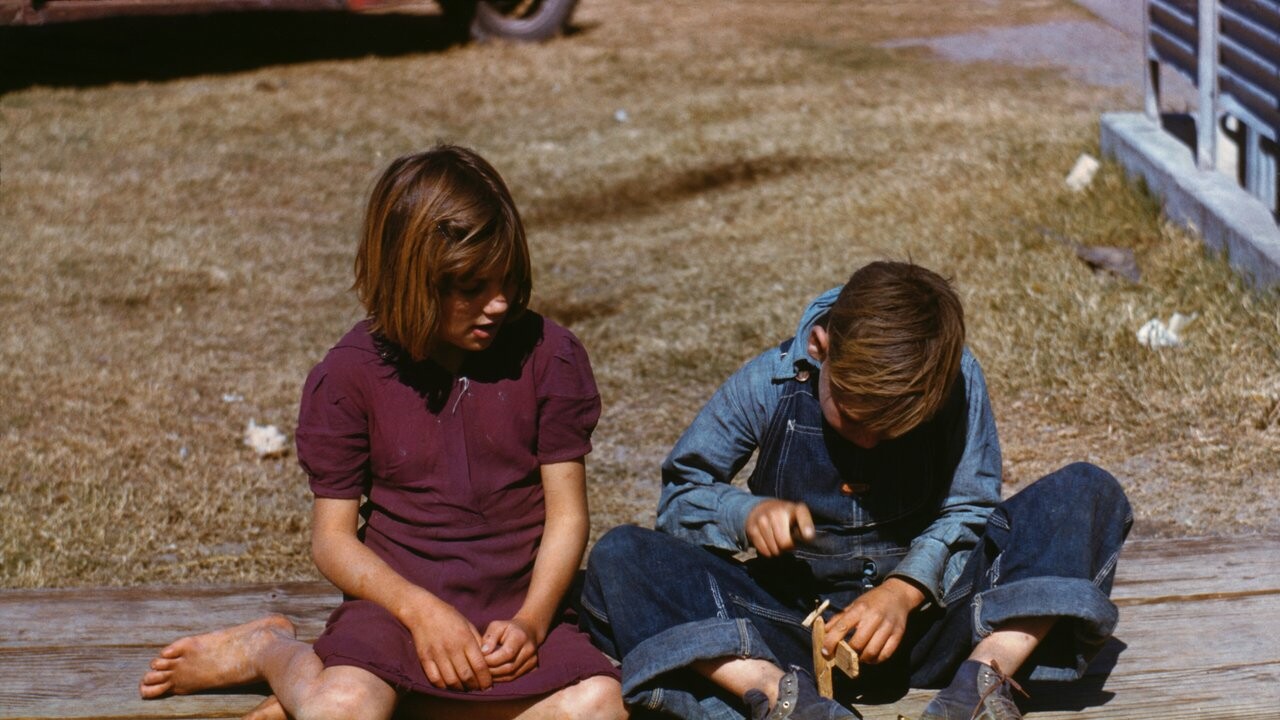
January 1942: A Model Airplane in Robstown
Arthur Rothstein photographed a boy building a model airplane while a girl watched at an FSA camp in Robstown, Texas, in January 1942. The small project echoes the decade’s fascination with aviation. It is also a tender childhood scene built around concentration, curiosity, and careful work by hand.
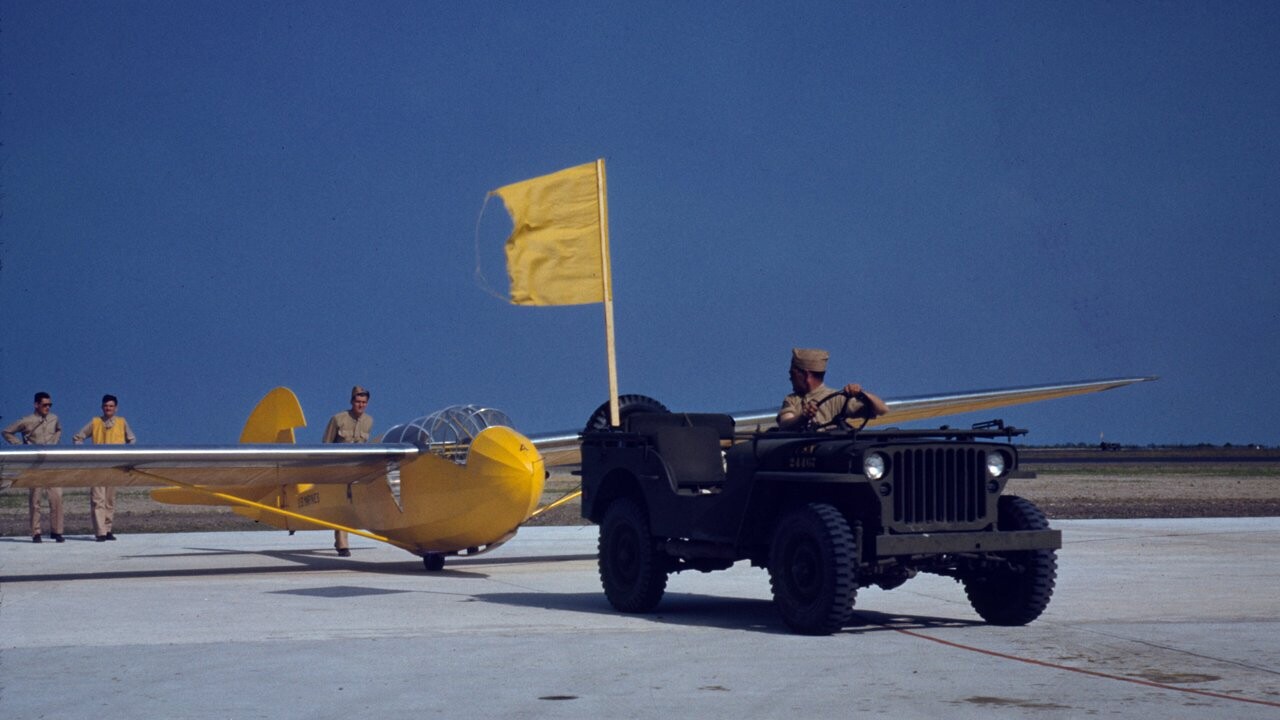
May 1942: A Marine Glider at Parris Island
Alfred T. Palmer photographed a Marine glider at Page Field on Parris Island, South Carolina, in May 1942. The quiet aircraft represents the specialized equipment behind wartime mobilization. Palmer’s color transparency makes the glider feel newly manufactured rather than like a faded relic already consigned to a museum.
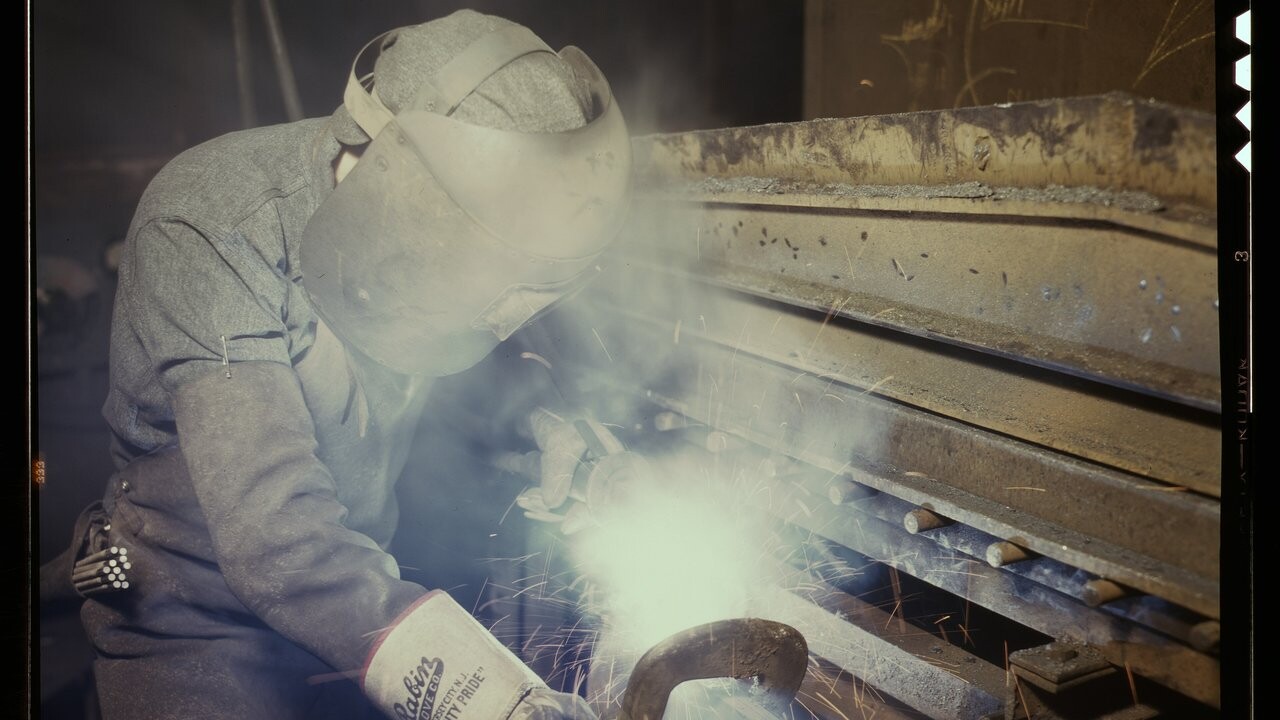
June 1942: Welding Ship Boilers in Chattanooga
In June 1942, Alfred T. Palmer photographed a welder making ship boilers at Combustion Engineering in Chattanooga, Tennessee. The image turns wartime production into an individual act of skilled labor. Large industrial goals still depended on workers controlling heat, metal, and tools one demanding task at a time.
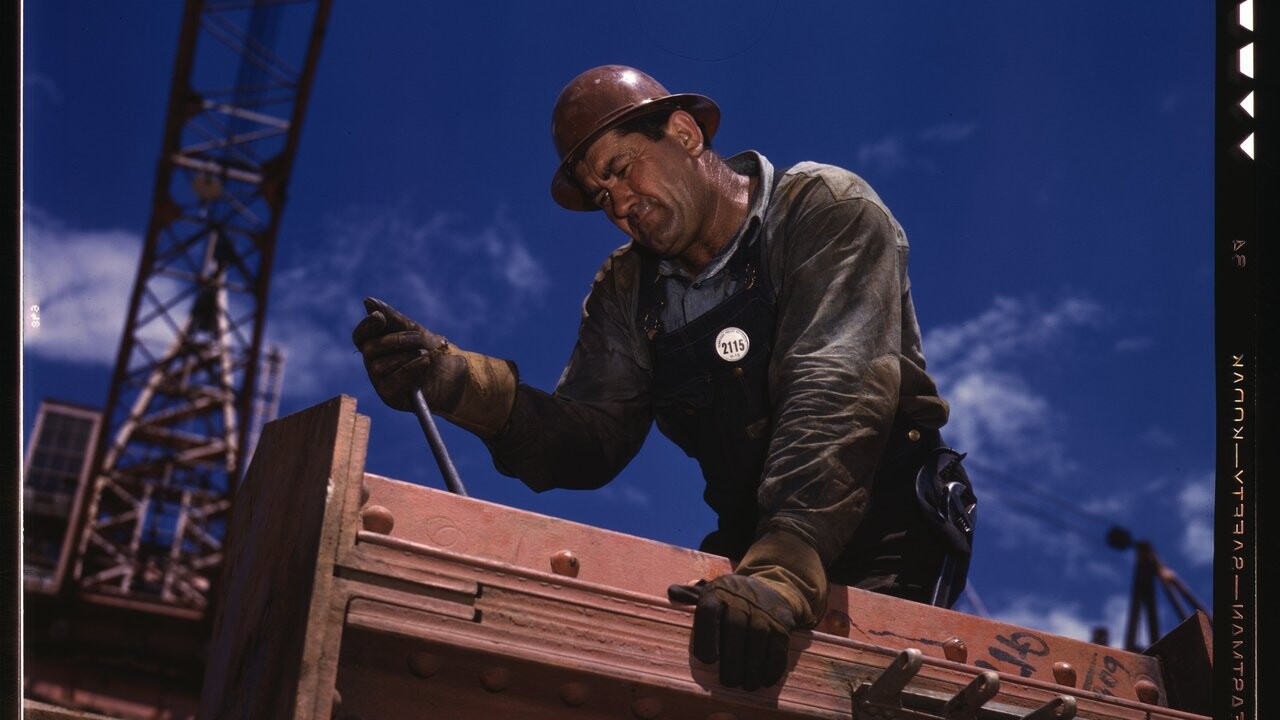
June 1942: Building Douglas Dam
Alfred T. Palmer documented construction at the Tennessee Valley Authority’s Douglas Dam in June 1942. Dam building joined engineering, heavy labor, and an immense landscape. The color photograph restores the project’s sense of newness, when raw materials and unfinished structures belonged to the present rather than the past.
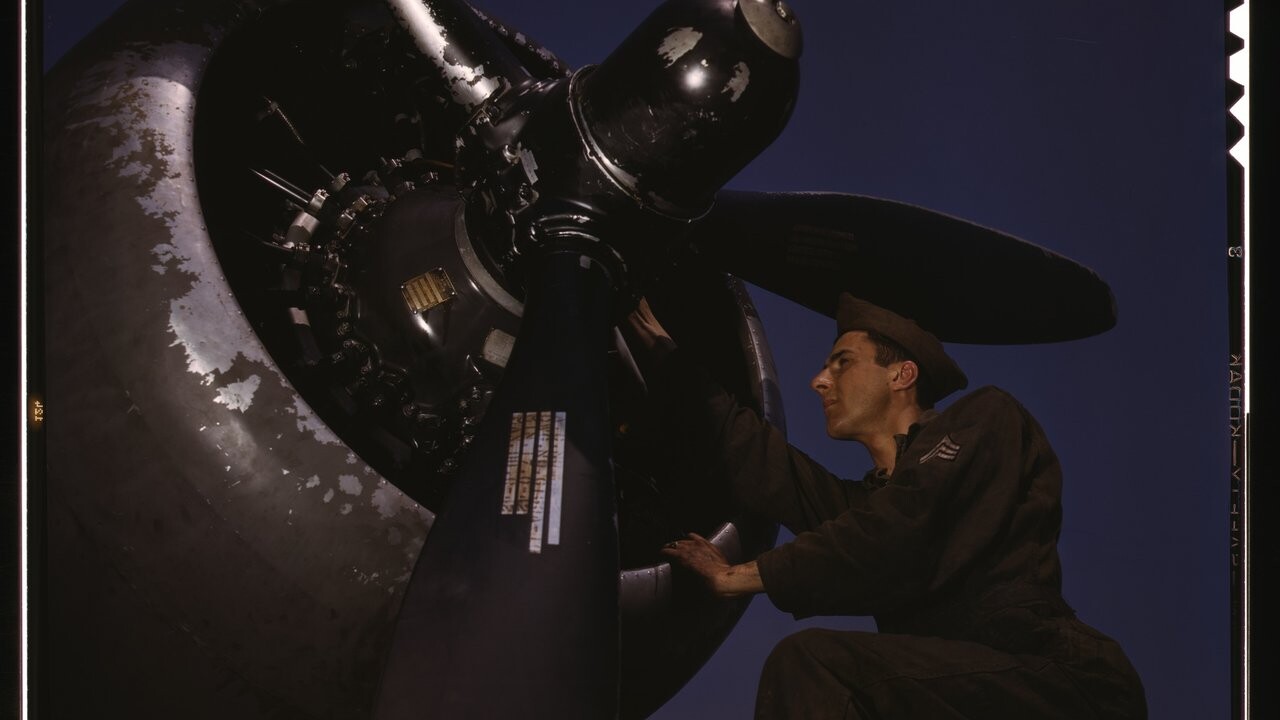
July 1942: Servicing a Bomber at Langley Field
Alfred T. Palmer photographed an A-20 bomber being serviced at Langley Field, Virginia, in July 1942. Aircraft required attention on the ground as surely as skill in the air. The image highlights the essential work of inspection, repair, preparation, and keeping complex machinery ready.
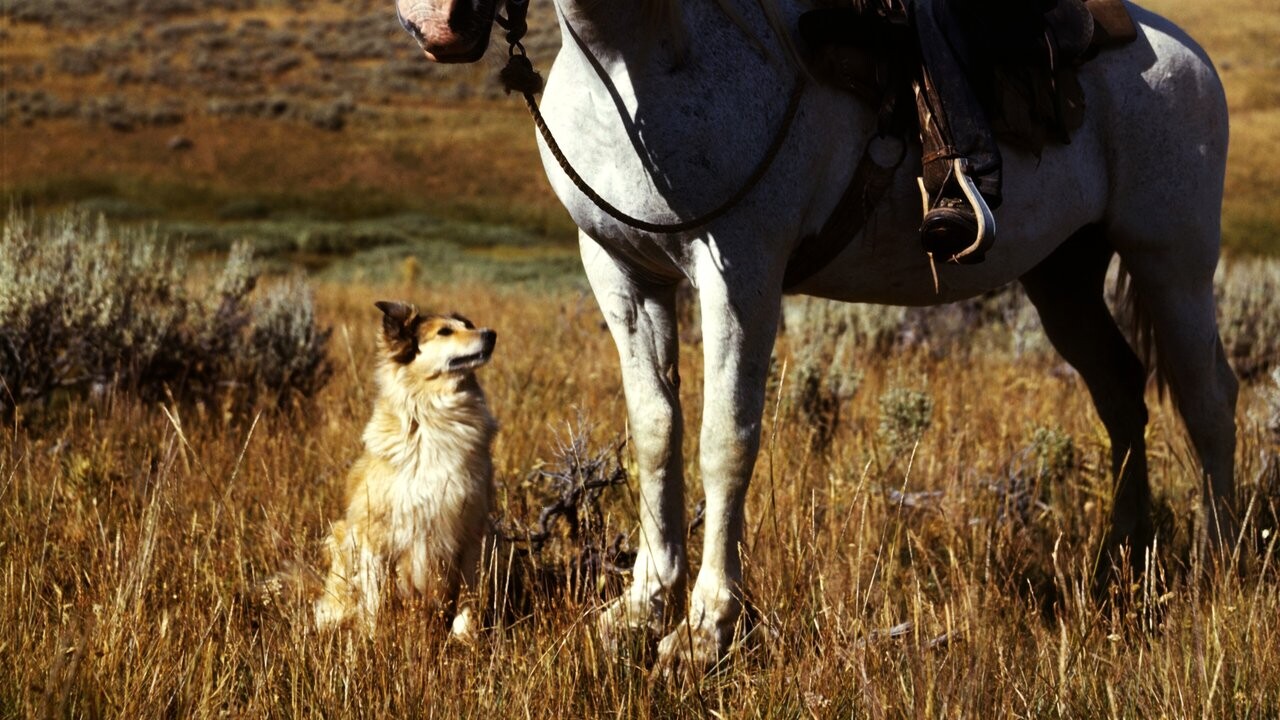
August 1942: A Montana Shepherd
Russell Lee photographed a shepherd with his horse and dog on Montana’s Gravelly Range in August 1942. While factories expanded elsewhere, this partnership of person, animal, and open land continued. The scene captures both the solitude of range work and the companionship that helped make it possible.
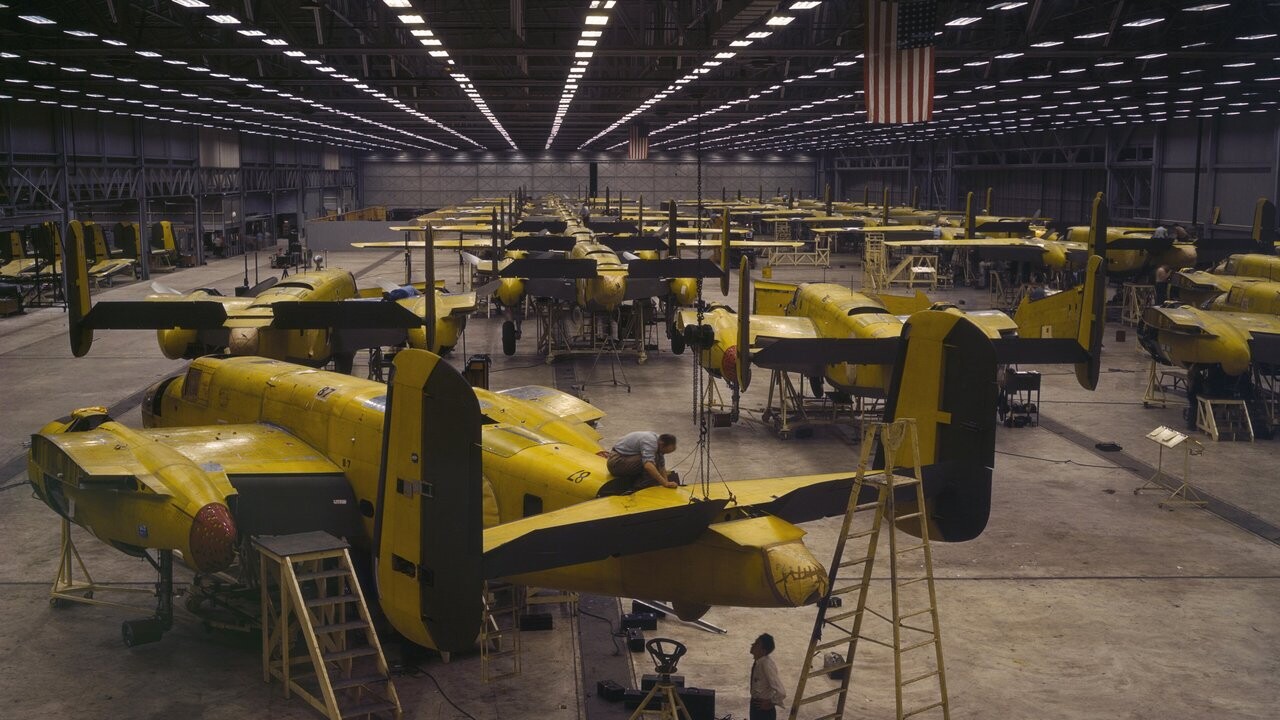
October 1942: Building B-25 Bombers in Kansas
Alfred T. Palmer photographed B-25 bombers being assembled at North American Aviation in Kansas City, Kansas, in October 1942. The factory scene shows how a finished aircraft emerged through many coordinated jobs. Color emphasizes the material reality of production: painted metal, machinery, work clothes, and an enormous indoor workspace.
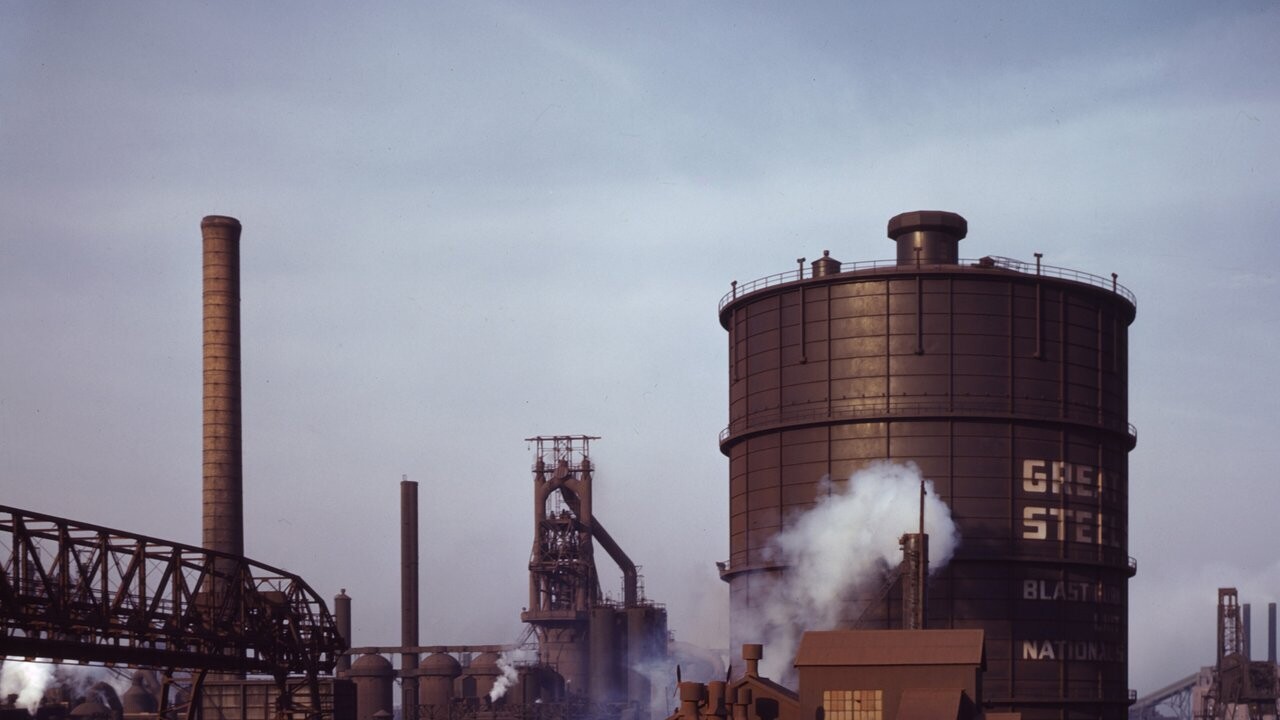
November 1942: Detroit’s Hanna Furnaces
Arthur S. Siegel photographed the Hanna furnaces of the Great Lakes Steel Corporation in Detroit in November 1942. Coal, iron ore, furnaces, and workers formed an industrial landscape unlike any small-town main street. The image conveys the scale and physical weight behind the nation’s expanding wartime production.
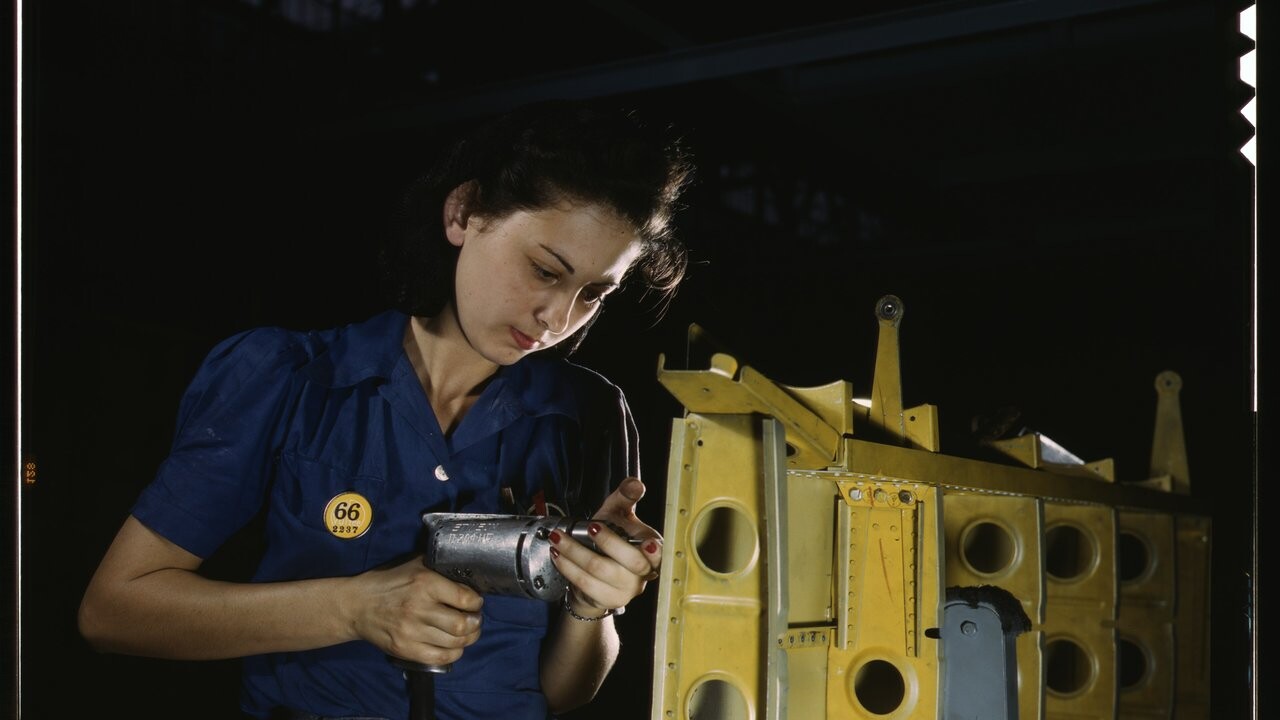
February 1943: A Woman Works on a Dive Bomber
In February 1943, Alfred T. Palmer photographed a woman operating a hand drill while working on a Vengeance dive bomber at Vultee-Nashville in Tennessee. Her concentration brings wartime production down to one exacting task. The aircraft was assembled through countless such moments of skilled, hands-on work.
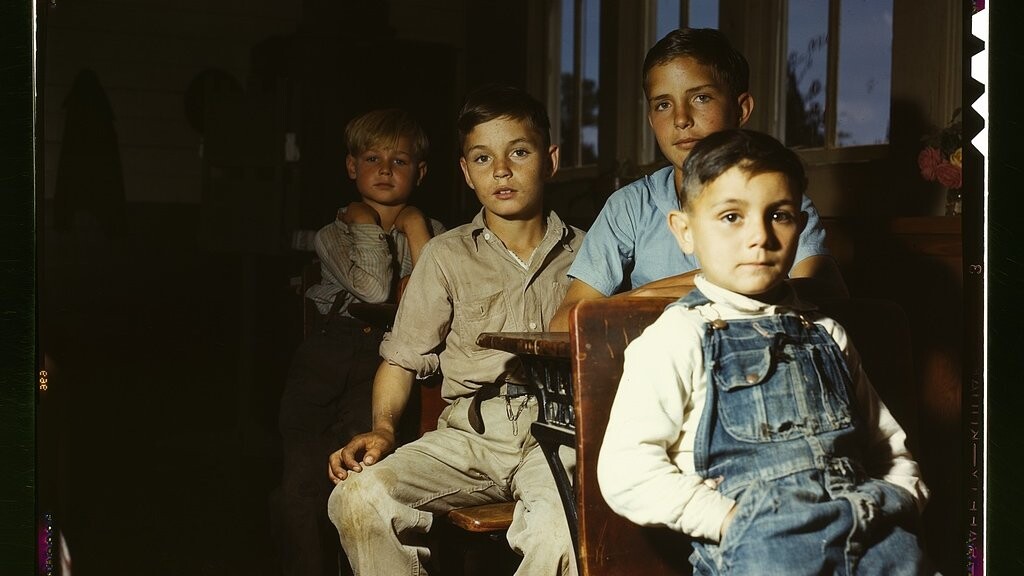
April 1943: Rural Schoolchildren in Texas
John Vachon photographed rural schoolchildren in San Augustine County, Texas, in April 1943. After factories, bombers, and heavy industry, the classroom scene returns the gallery to everyday life. Children still learned together while the country mobilized, carrying familiar routines through a period of enormous national change.
Together, these colors make the decade feel less remote and its people more recognizably human. Which scene brings back the strongest memory or family story for you?
Follow The HyperHive on MSN for more stories like this.
Sources:






