Have you ever wondered how two people can stay married for 70 years?
The answer often comes down to ordinary choices made again and again: treating each other as friends, handling conflict with care, and showing up through changing jobs, growing families, health problems, and quiet afternoons at home.
Long-married elders, relationship researchers, and record-setting couples offer a practical picture of what can help a marriage last.
Is There Really One Secret?
Cornell University’s Legacy Project gathered advice from more than 700 elders, including people married for 60 years or longer. Common themes appeared across their stories, but no single habit can guarantee a lasting marriage.
Guinness World Records lists David Jacob Hiller and Sarah Davy Hiller as having the longest marriage ever, at 88 years and 349 days. Herbert and Zelmyra Fisher, another couple recognized by Guinness, were married for 86 years and 290 days.
The Fishers did not offer a neat formula. They said, “There’s no secret to our marriage, we just did what was needed for each other and our family.” Their answer emphasizes steady responsibility and care rather than one grand romantic gesture.
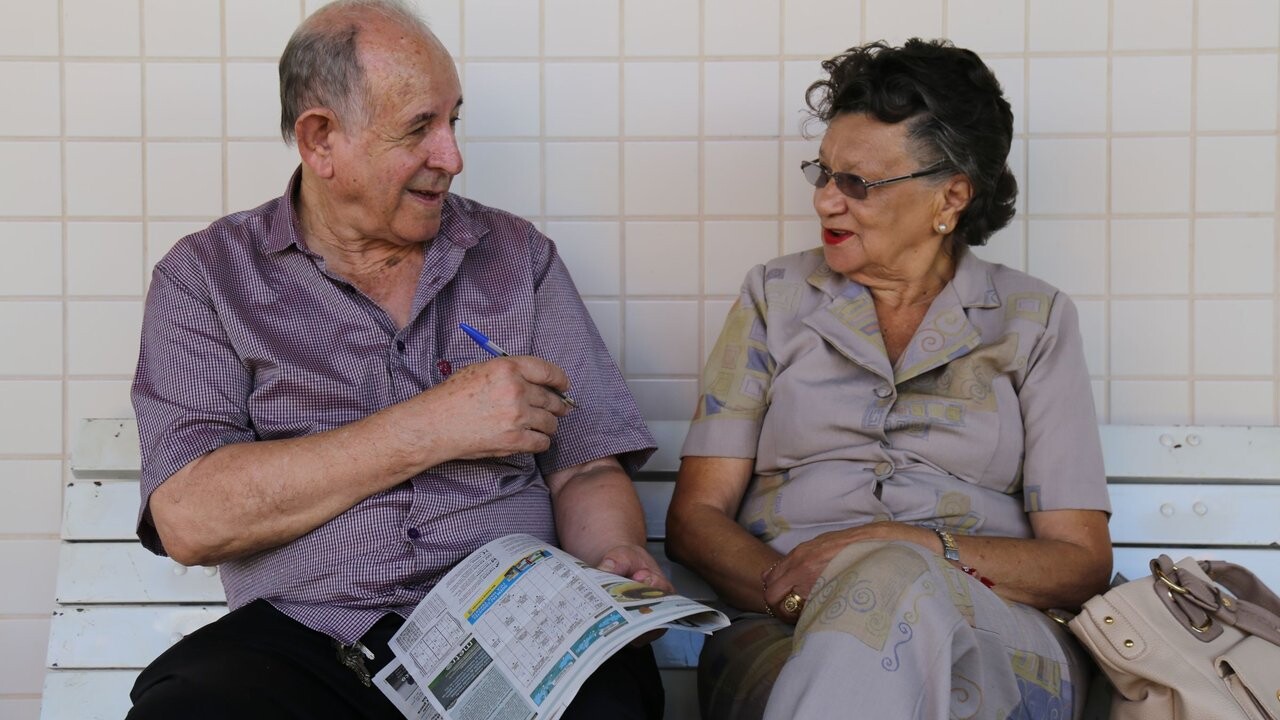
Why Does Friendship Matter?
When Cornell researchers asked people in long marriages for their secret, a common answer was, “I married my best friend.” Participants described that friendship in practical terms: enjoying each other’s company, sharing interests, relaxing together, and talking openly.
Research described by the Gottman Institute also found that the quality of a couple’s friendship was important for understanding conflict. Friendship does not prevent every disagreement, but it can provide a stronger foundation for facing one.
Over decades, worries, interests, routines, and opinions change. Staying curious helps spouses grow together instead of assuming they already know everything about the person across the breakfast table.
Is Conflict a Sign of Failure?
A long marriage is not a conflict-free marriage. Cornell’s elders offered a direct lesson: “fights are inevitable; it’s how we handle them that matters.” A disagreement can remain one difficult conversation rather than becoming a verdict on the entire relationship.
The Gottman Institute describes the ability to rebound from conflict and return to a positive conversation as a marker of a couple’s emotional regulation. Repair does not require pretending the disagreement never happened. It means finding a way to reconnect after tension.
That repair can be simple: listen without planning a comeback, acknowledge your part, lower your voice, or return to the subject when both people are calmer. The aim is to discuss the problem without treating your spouse as the problem.

Which Everyday Habits Help?
The Gottman framework turns broad ideas such as love and loyalty into practical behavior. None of these habits can promise a 70th anniversary, but each offers a concrete way to care for a marriage today.
- Stay curious. Ask about your spouse’s current worries, hopes, and daily experiences instead of assuming you already know.
- Show appreciation. Notice a thoughtful act and say why it mattered, even if it was something as ordinary as making coffee or handling an errand.
- Listen first. Let your partner finish speaking, then check that you understood before offering your answer.
- Share a purpose. Talk about what you want your marriage and family to stand for, including the legacy you hope to leave.
These habits are modest, which is part of their strength. Trust becomes visible through a long history of dependable moments, not only through rare displays of romance. A question asked with genuine interest or a sincere word of thanks can make care part of the daily routine.
Is Commitment the Whole Story?
Cornell’s elders said marriages go through difficult periods. They described commitment as a reason to keep working through those periods, but commitment was not the only ingredient. It stood beside friendship, respect, honest conversation, and a willingness to repair hurt.
The length of a marriage alone cannot tell an outsider whether it is healthy. Commitment does not require accepting abuse or danger. The U.S. Office on Women’s Health states, “Abuse is never OK.” Its guidance encourages anyone experiencing abuse to reach out to someone they trust.
A long, caring marriage involves more than two people remaining under one roof. It asks both spouses to notice each other, adapt together, and make room for each person to feel heard and valued. Some seasons will demand patience, while others will invite celebration. The shared task is to meet those changes as partners rather than strangers.
A 70-year marriage is built one ordinary day at a time, through friendship, attention, repair, and care. What ordinary habit has helped you and your partner stay close over the years?
Follow The HyperHive on MSN for more stories like this.
Sources: