Have you wondered why friends sometimes fade away after your husband dies?
For some widows, the answer has little to do with anything they did wrong. A husband’s death can disrupt couple-based friendships, overturn familiar routines, and leave everyone unsure how to act.
Here is why these relationships may change, what research shows, and how widows can begin finding connection again without rushing their grief.
How Common Is Losing Friends After Widowhood?
Some widows lose contact with friends, but that does not mean everyone disappears. The National Institute on Aging lists the death of a family member as a major life change that may increase the risk of loneliness and social isolation.
One study used 19 waves of Australian survey data from 749 widowed people and a comparison group of about 8,000 married people. Spousal death was associated with greater loneliness, even as interactions with friends and relatives outside the home increased.
That contrast matters. A woman may have more social contact while still feeling profoundly alone. Other people cannot replace the person who shared her home, history, and everyday decisions.

Why Do Couple Friendships Change?
Many friendships are built around two couples sharing dinners, card games, vacations, or church events. After one husband dies, the familiar group no longer fits together in the same way. Invitations may slow because friends do not know whether the widow wants to attend alone or whether including her will feel awkward.
A small interview study of 10 bereaved spousal caregivers, eight of whom were women, found that social connections shifted during caregiving and widowhood. One participant said, “I think when you lose a spouse, you lose a lot of friends.”
One person’s experience cannot represent every widow, but her words capture a painful question: Were these friends attached to her, to her husband, or mainly to the couple they formed together?
Why Do Some Friends Step Back?
Friends may care deeply but feel helpless around grief. The Hospice Foundation of America says, “Even close family and friends may be uncomfortable talking about your loss, but most want to be supportive.”
Some people worry that mentioning the husband will cause more pain. Others offer quick reassurance because they do not know how to sit with sadness. Some wait for the widow to make the first call, while she may be waiting for them to show that she still belongs.
From the widow’s side, that silence can feel like another rejection. A direct request can help a willing friend understand whether she needs conversation, company, or practical help.
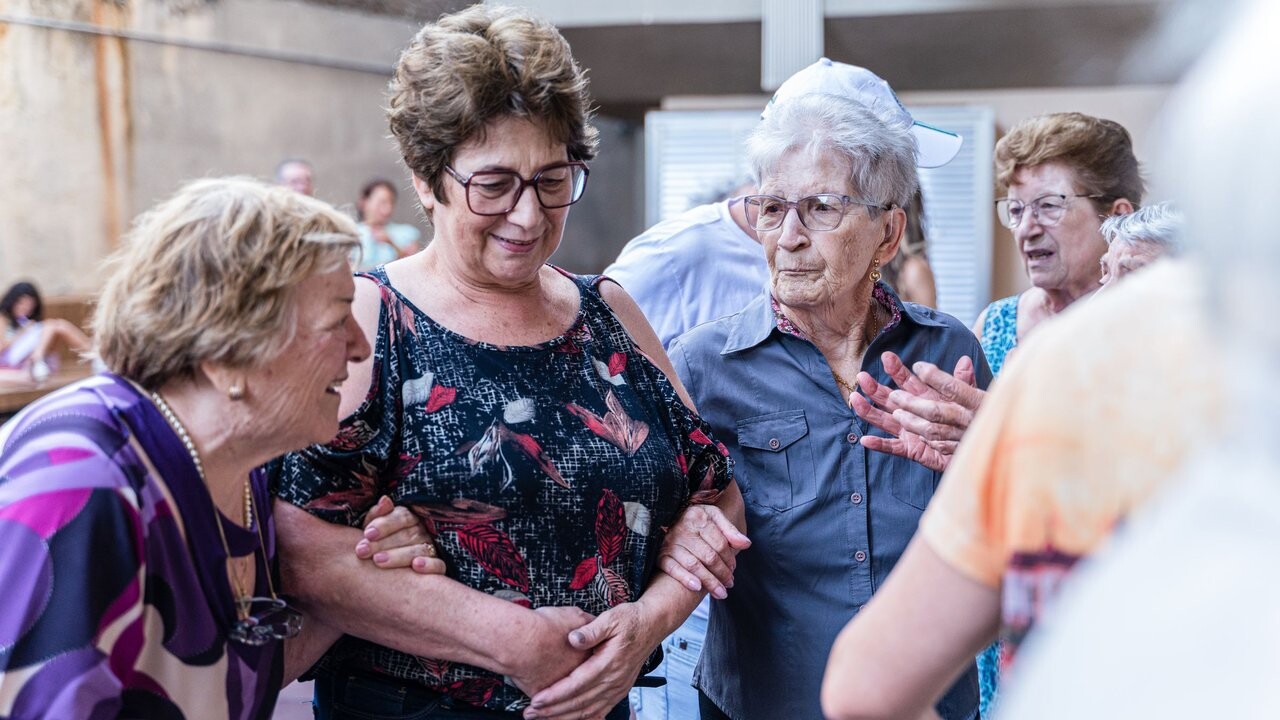
Can Grief Make a Widow Withdraw?
Social plans can feel exhausting after a death, especially when a woman has spent months or years caregiving. In the small caregiver study, participants withdrew from community activities because of the stress and physical demands of caregiving.
All 10 participants later reported taking some time alone to recharge, although the amount varied from one day to two years. The Hospice Foundation of America advises, “Move forward at your own pace.”
Needing quiet is not the same as rejecting friendship. Still, friends may assume a widow wants to be left alone long after she is ready for company. Telling one trusted person that her needs have changed can reopen that door.
What Can Help Widows Reconnect?
Reconnecting does not mean replacing a husband or pretending the old life never existed. It means making room for relationships that fit the life a widow has now.
In a study of 322 older widows, researchers observed three ways social networks changed: Women formed new ties, revived dormant ones, or strengthened existing relationships. Each path can begin with one small step.
- Ask for one thing. Instead of saying you need help, invite a trusted friend to take a walk, share lunch, or call on a particular evening.
- Find widow peers. The National Institute on Aging says grief groups give bereaved people a way to help one another. AARP also reports that groups focused on a particular loss, including the death of a spouse, can be especially helpful.
- Call a hospice. Medicare-certified hospice providers must offer grief support to bereaved family members, although services vary. Some hospices also help community members whose loved ones were not in their care.
- Return Somewhere Familiar. Ask a faith community, senior center, community center, or hospital whether it offers grief counseling or other resources. A familiar setting may make the first visit easier.
- Meet Through an Activity. Restart a hobby, take a class, or try a community activity where people already share an interest.
The first group or gathering may not feel right. One expert quoted by AARP says finding a beneficial support group may require trying two or three.
If grief feels unmanageable or everyday functioning remains seriously affected, a grief counselor or another trained professional can provide individual support. Reaching out is not a judgment on how well someone is grieving.
Friendships after loss may look different, but different does not have to mean empty. Which change in your friendships surprised you most, and what helped you feel included again?
Follow The HyperHive on MSN for more stories like this.
Sources: