
Hoaxes endure because they expose something deeply human: a marvelous story can sometimes outrun skepticism. Some were playful pranks, while others embarrassed scientists, publishers, governments, and museums.
Ordered from oldest to newest, these slides draw on museum collections, government archives, university records, broadcaster histories, and peer-reviewed research.
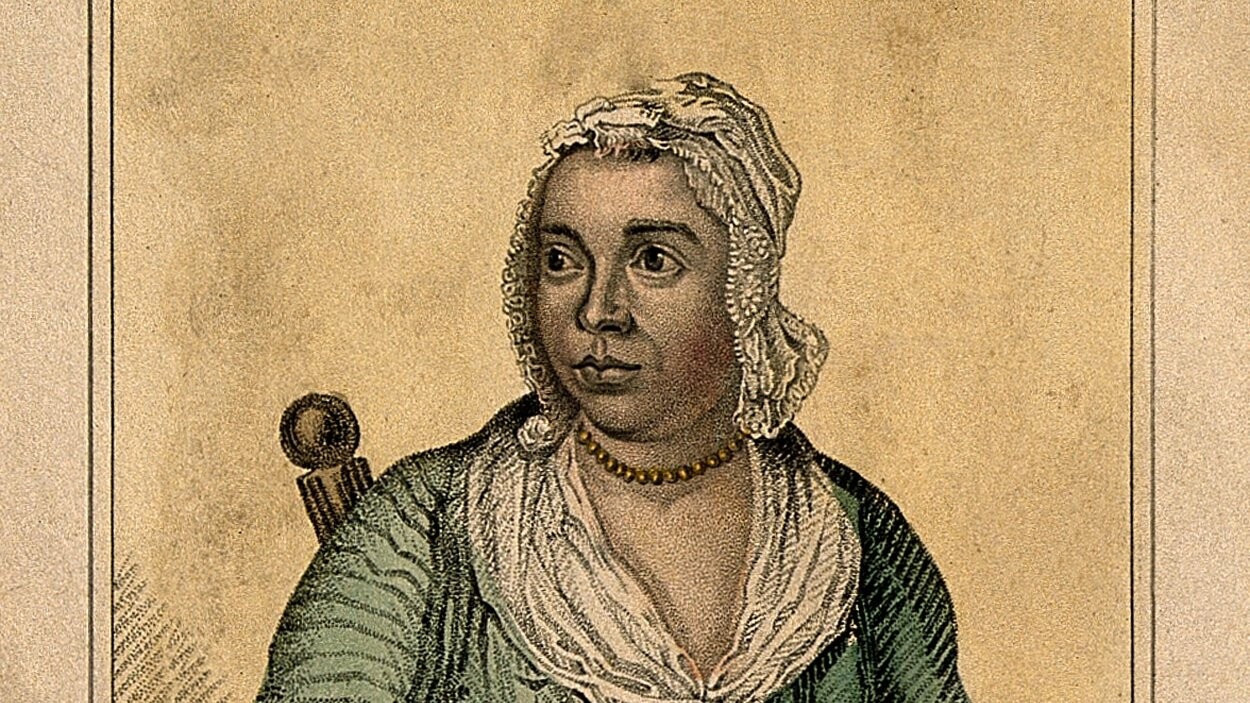
1726: Mary Toft’s Rabbit Births
In 1726, Mary Toft of Surrey claimed that she had given birth to rabbits. The story spread across England and drew intense scrutiny. Under threat of an operation intended to settle the matter, she admitted the deception, was arrested as a cheat, and was sent to Bridewell prison.
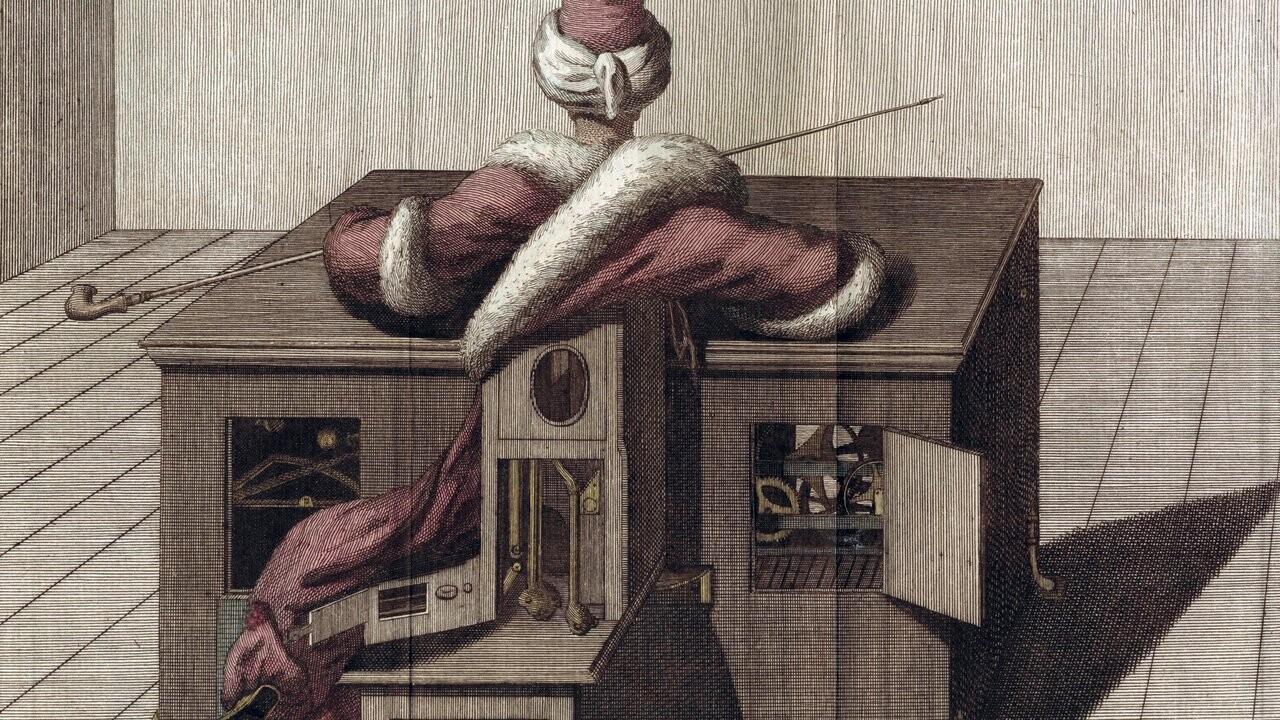
1770: The Mechanical Turk
Hungarian inventor Wolfgang von Kempelen unveiled an automaton in 1770 that appeared able to play chess. The turbaned figure impressed audiences, but its intelligence came from a skilled human chess player concealed inside the cabinet. Many observers correctly suspected that the celebrated machine was a clever deception.
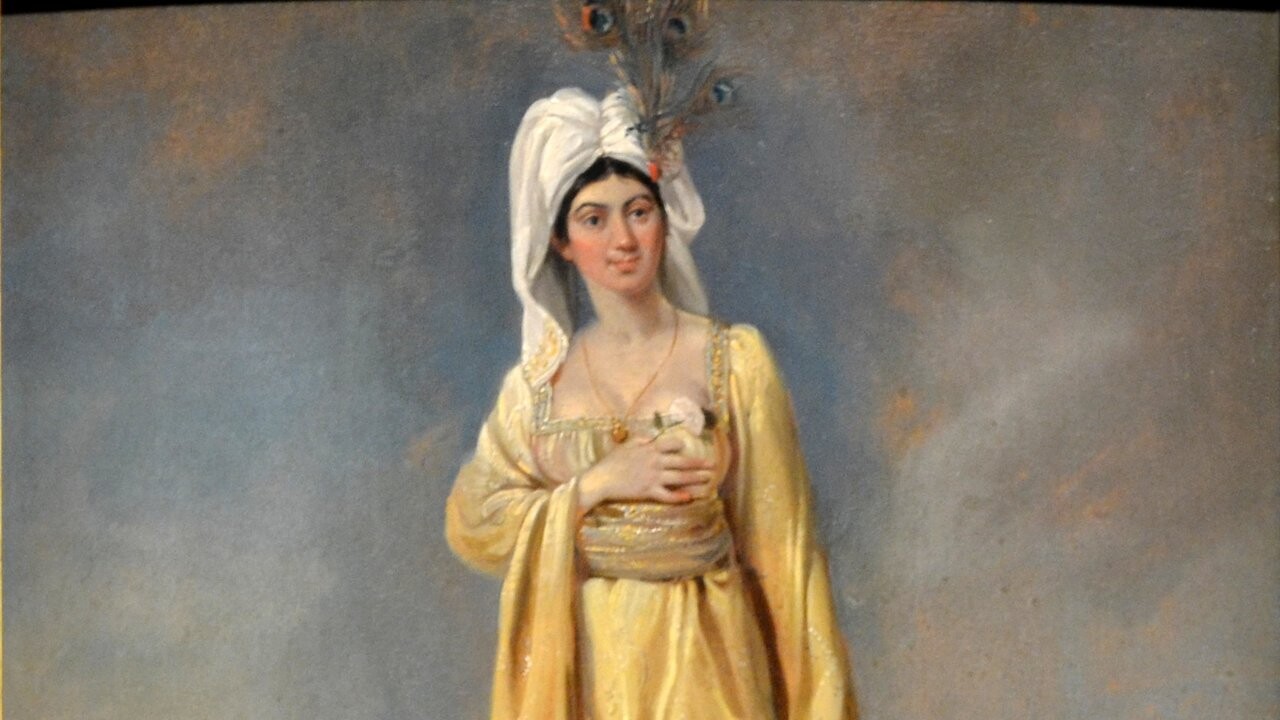
1817: Princess Caraboo
A strangely dressed woman arrived in Gloucestershire in 1817 speaking a language she had invented. She persuaded her hosts and the public that she was a high-ranking visitor from the East Indies. The supposed Princess Caraboo was eventually exposed as Mary Baker, the daughter of a Devonshire cobbler.
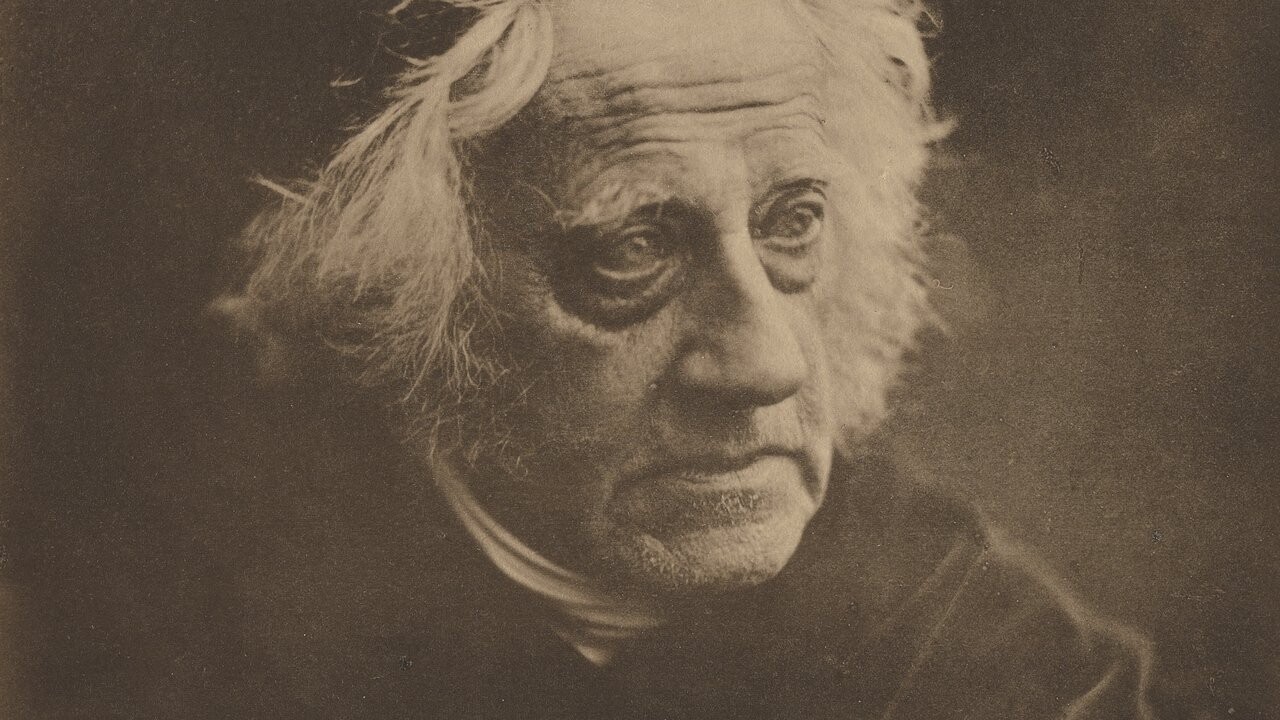
1835: The Great Moon Hoax
In 1835, New York’s Sun published reports claiming that astronomer John Herschel had discovered lunar animals, including winged “man-bats.” Writer Richard Adams Locke had invented the reports, but the story spread across continents. Its popularity was so great that the newspaper’s owner prevented Locke from promptly exposing the fiction.
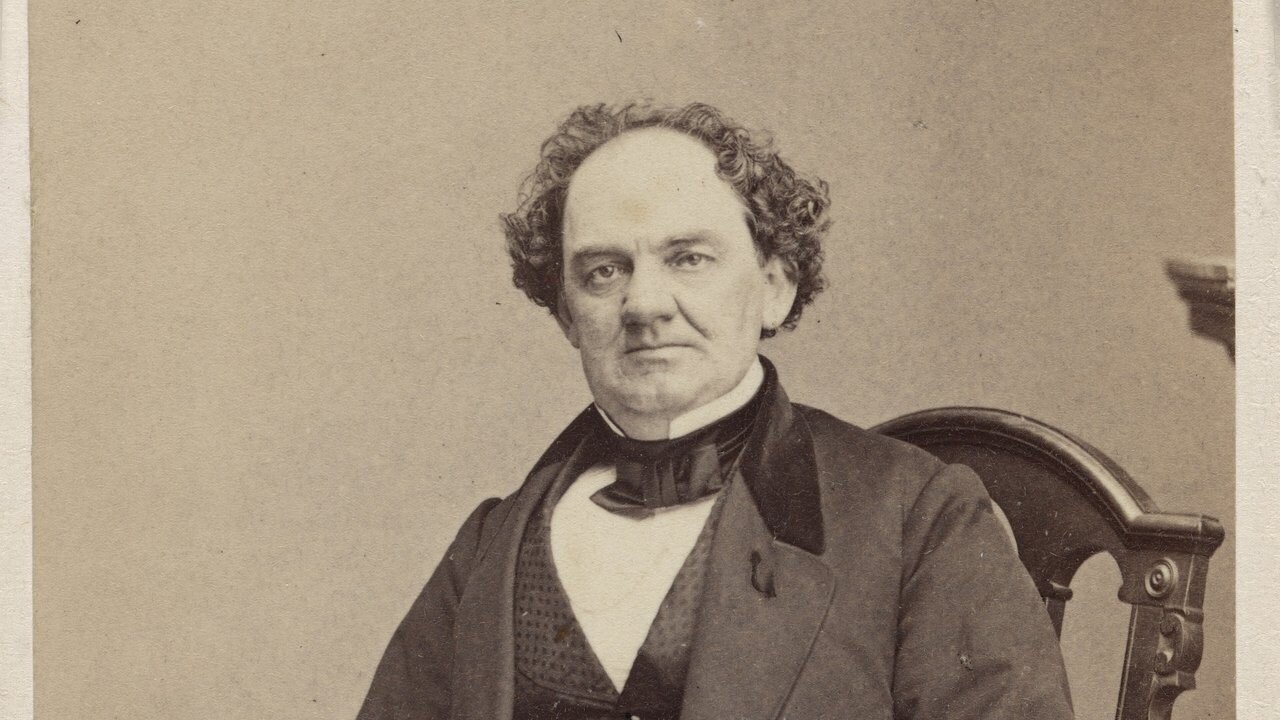
1842: Barnum’s Feejee Mermaid
P. T. Barnum displayed a Feejee Mermaid at his American Museum in New York in 1842. William Clift of the Royal College of Surgeons had already examined the specimen in London and declared it fake. Barnum nevertheless revived public interest by fabricating a colorful backstory for the shriveled attraction.
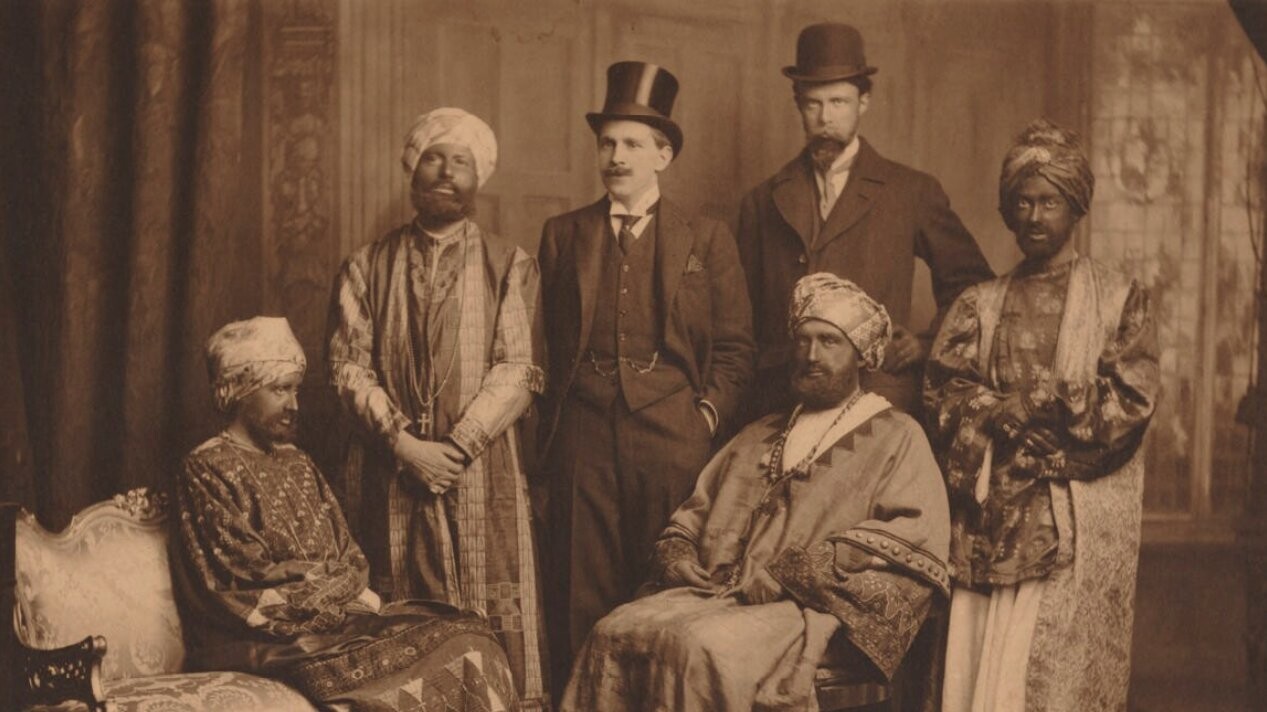
1910: The Dreadnought Hoax
On February 10, 1910, a group of friends disguised themselves as an Abyssinian royal delegation and toured the British battleship HMS Dreadnought. Virginia Stephen, later known as Virginia Woolf, joined the party. Exposure of the prank caused public controversy, official embarrassment, and a parliamentary inquiry.
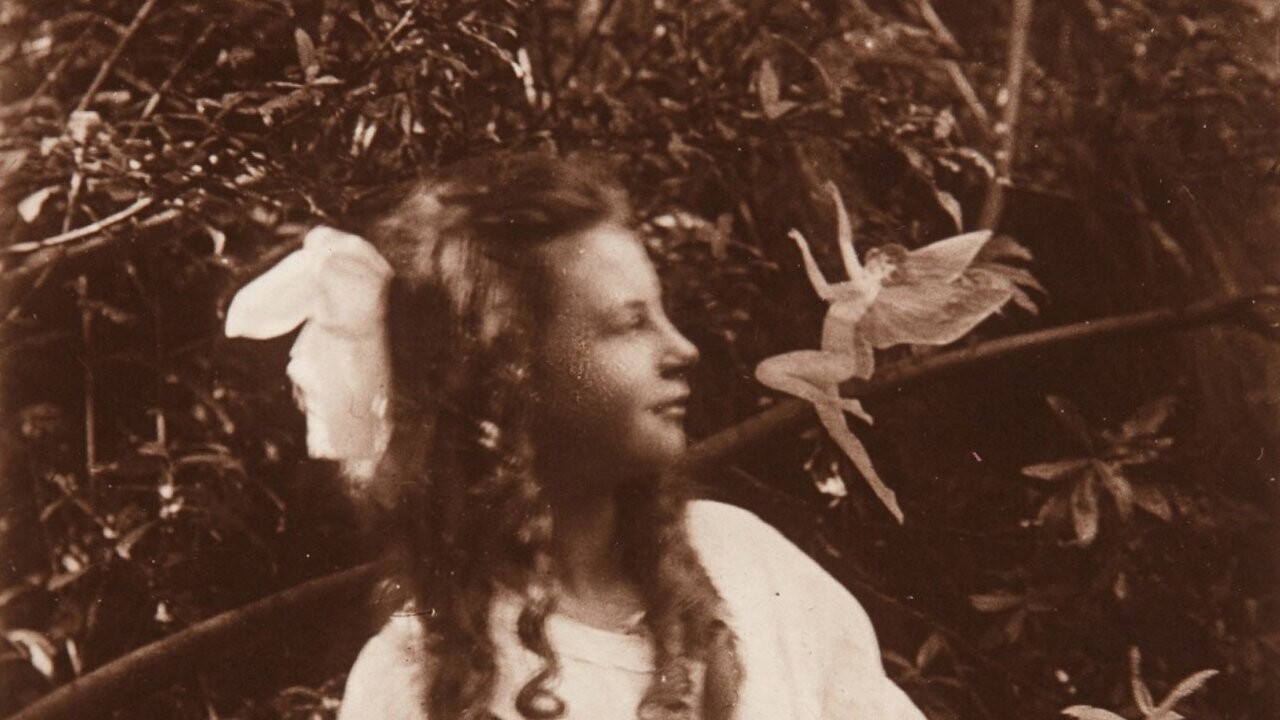
1917–1983: The Cottingley Fairies
Elsie Wright and Frances Griffiths photographed apparent fairies in a Yorkshire garden. Arthur Conan Doyle reproduced the pictures in his 1922 book The Coming of the Fairies, helping them reach audiences worldwide. In 1983, the women admitted that the photographs were fakes made with cardboard cutouts.
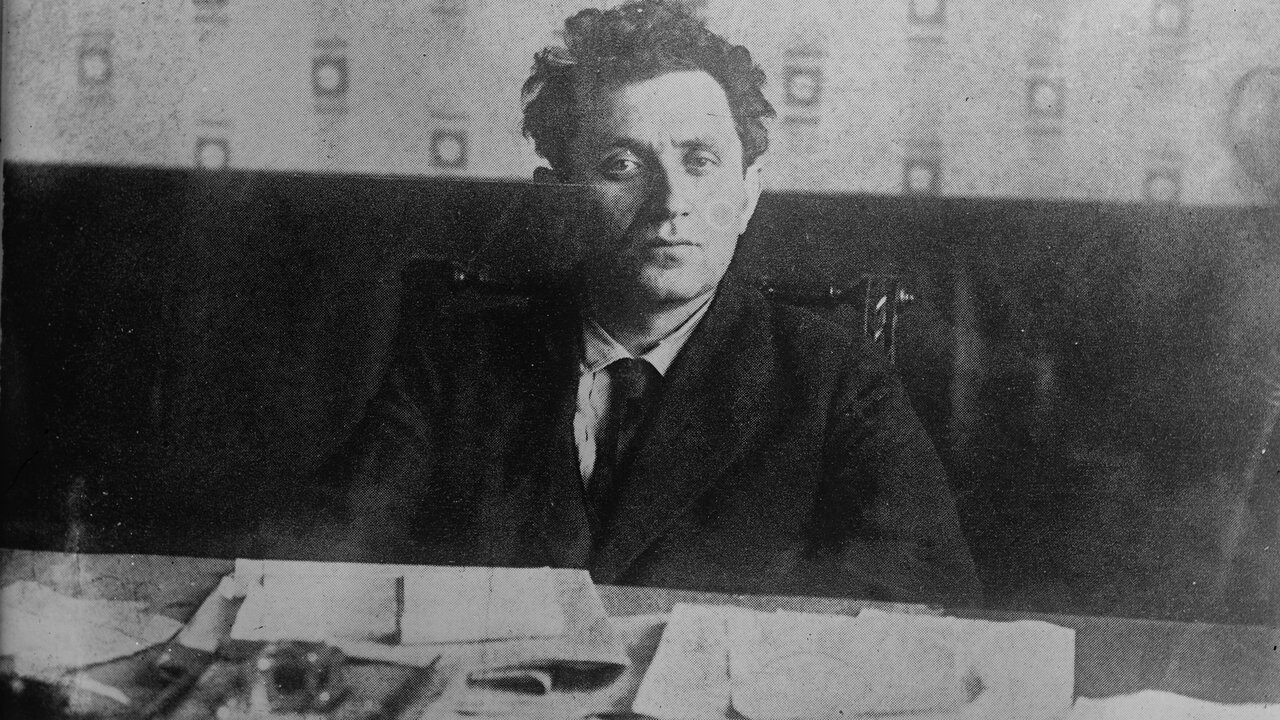
1924: The Zinoviev Letter
A letter attributed to Soviet official Grigory Zinoviev appeared during Britain’s 1924 general election campaign. It was used to discredit the Labour Party and damaged Prime Minister Ramsay MacDonald’s anti-Communist standing. Britain’s National Archives now describes the document as a political spoof created to undermine Labour.
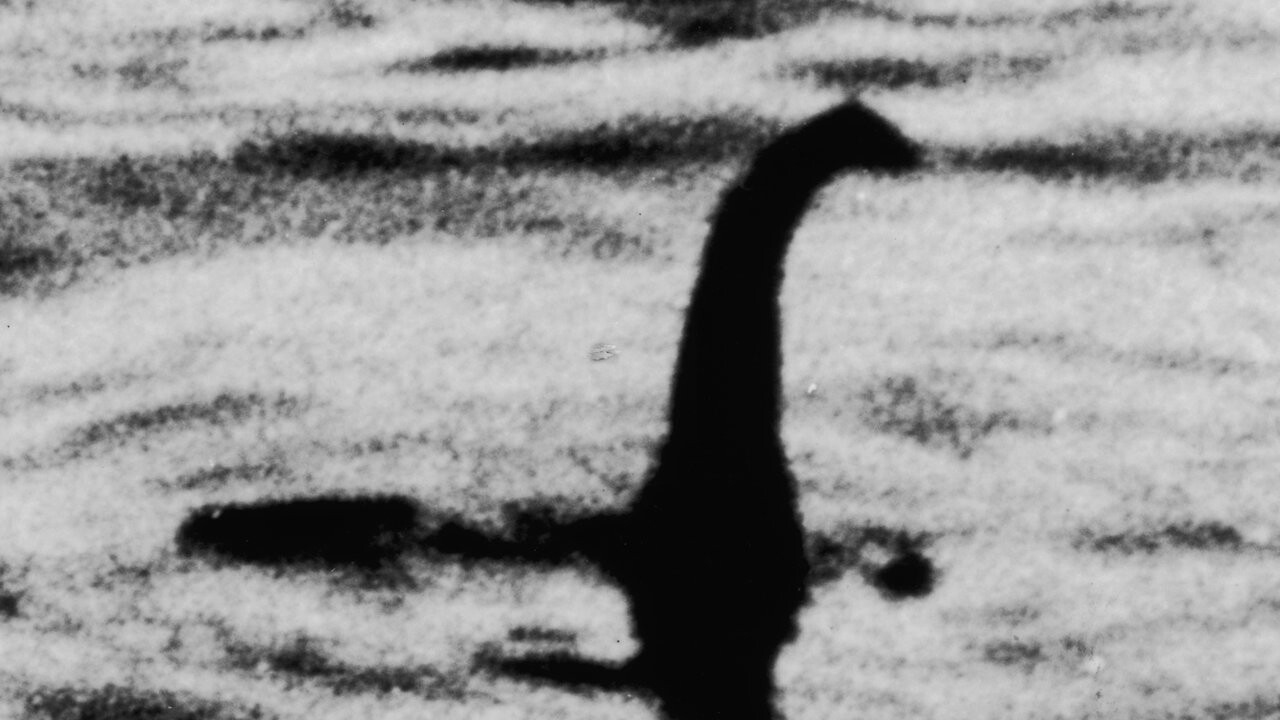
1934–1994: The Surgeon’s Photo of Nessie
The grainy Surgeon’s Photo became a famous image of the supposed Loch Ness Monster. According to an account revealed decades later, its apparent long-necked creature was a model made by attaching a neck to a toy submarine. The story behind the photograph was widely reported in 1994.
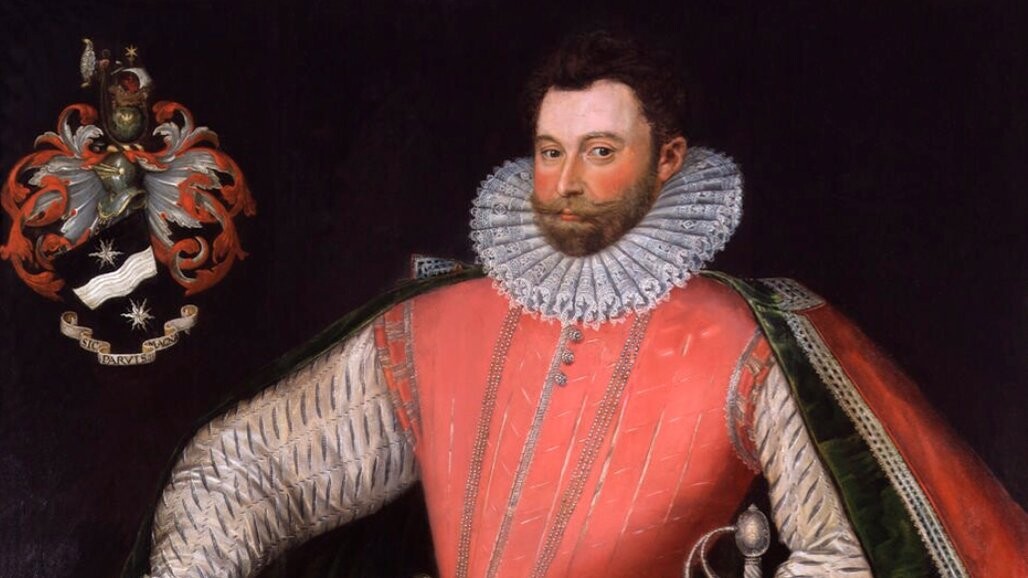
1936–1977: Drake’s Plate of Brass
A brass plate found near San Francisco Bay in 1936 appeared to support explorer Francis Drake’s claim to California. Tests conducted in 1976 found a chemical composition resembling twentieth-century brass rather than sixteenth-century metal. A UC Berkeley account published in March 1977 concluded that the plate was a modern creation.
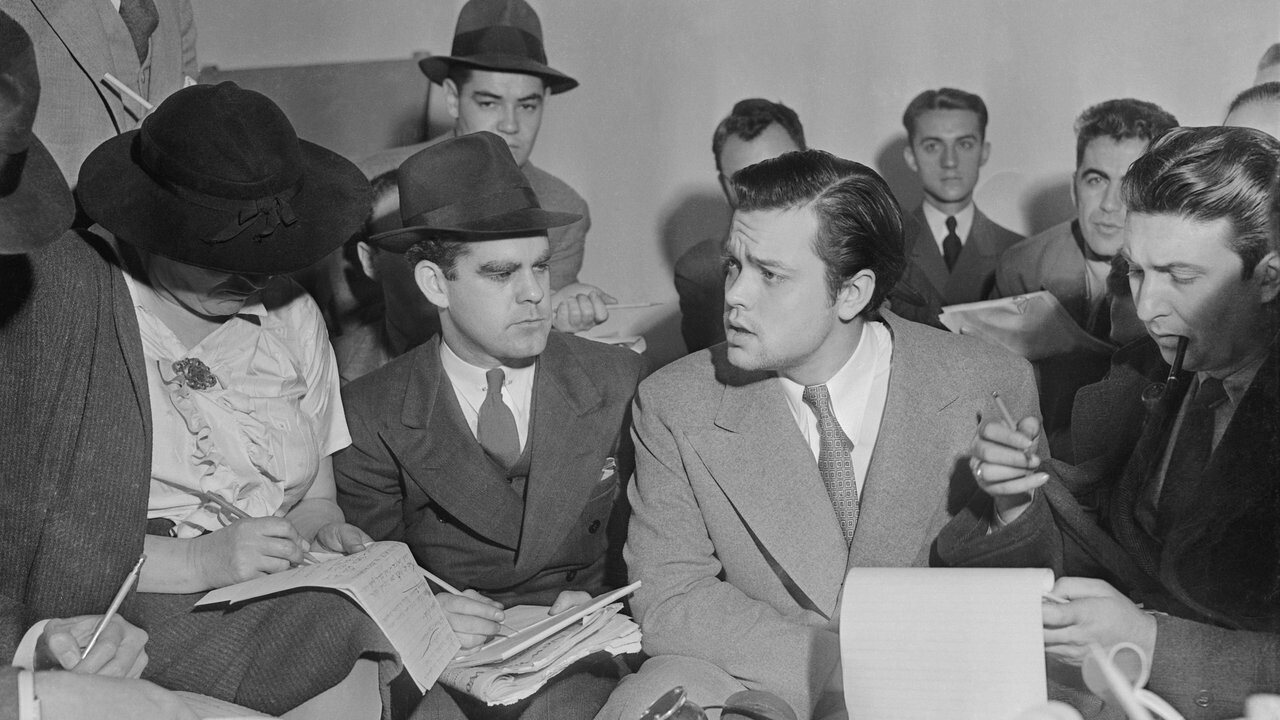
1938: The War of the Worlds Panic
On October 30, 1938, Orson Welles presented a radio adaptation of The War of the Worlds using realistic news-style reports. Despite repeated notices that the broadcast was fictional, some listeners believed an alien invasion was unfolding in New Jersey. Sensational newspaper coverage later helped create the legend of widespread panic.
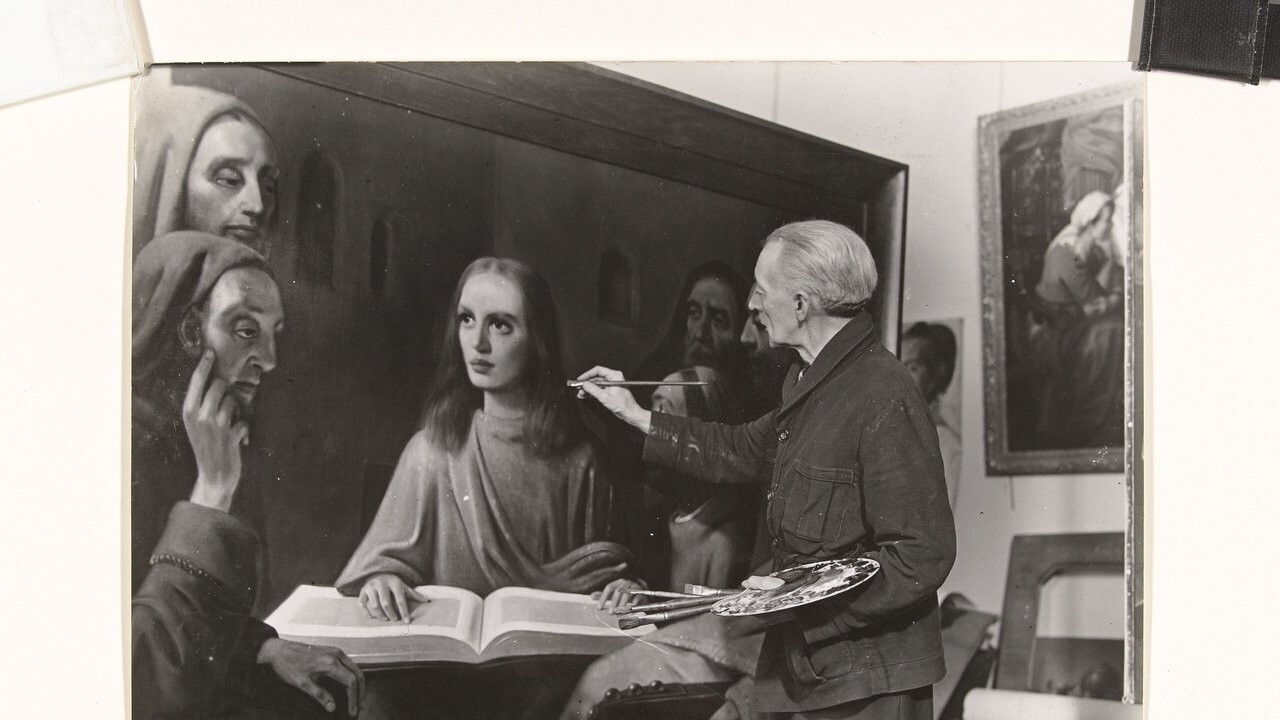
1945: Van Meegeren’s Fake Vermeers
After the Netherlands was liberated in 1945, painter Han van Meegeren was arrested when the history of a supposed Vermeer owned by Nazi leader Hermann Göring led investigators to him. In his defense, Van Meegeren declared that he had forged that painting and several other works attributed to Vermeer.
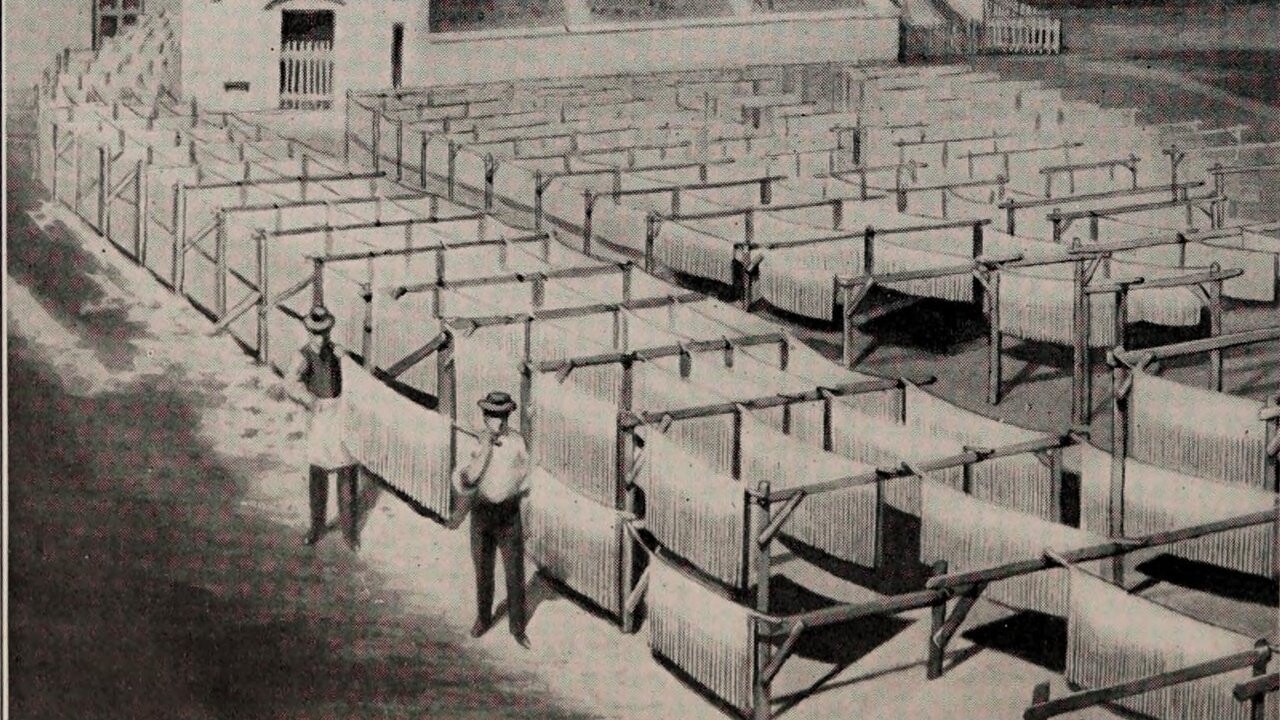
1957: The BBC Spaghetti Harvest
On April Fools’ Day in 1957, the BBC broadcast a report showing people harvesting spaghetti from plants. The segment was filmed in Switzerland and narrated with calm authority by respected broadcaster Richard Dimbleby. Hundreds of viewers were taken in and contacted the BBC to ask how they could grow their own spaghetti.
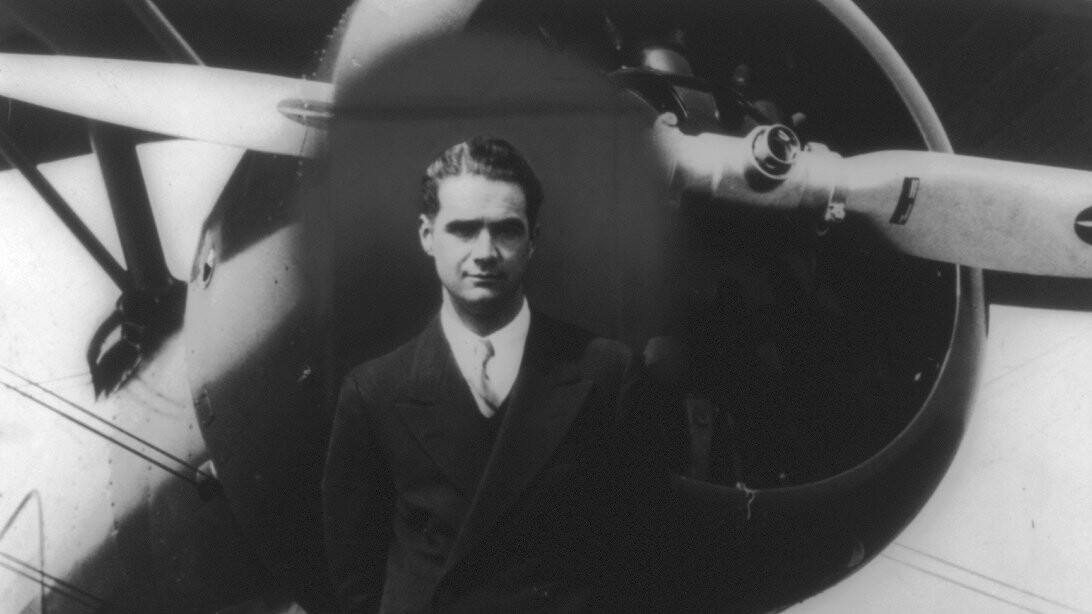
1972: The Fake Howard Hughes Autobiography
Writer Clifford Irving convinced a major publisher that he had worked with reclusive billionaire Howard Hughes on an autobiography. Irving later admitted that he had falsely claimed to be communicating with Hughes. In March 1972, he pleaded guilty to conspiring to defraud the publisher with the fake book.
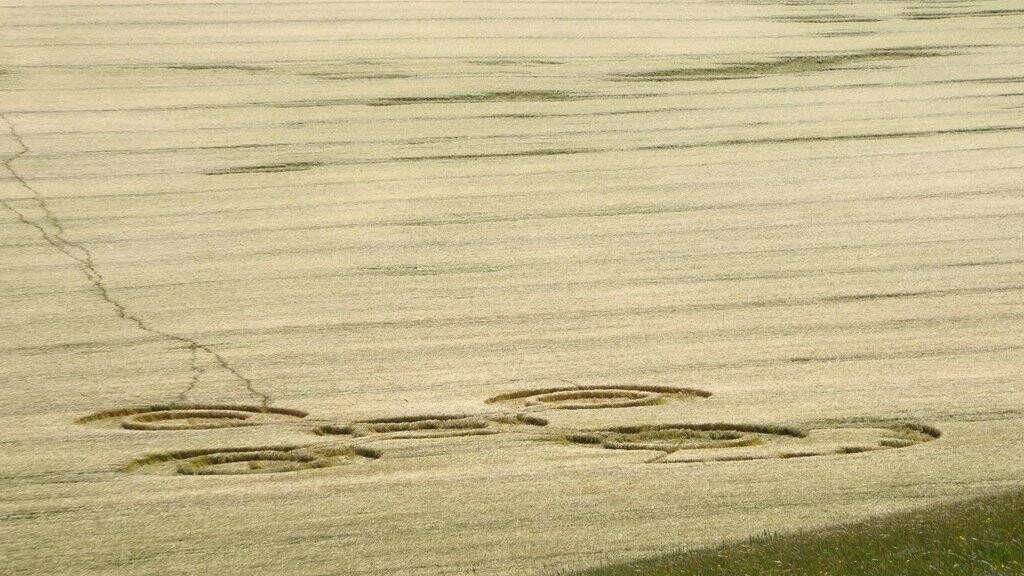
1976: The Crop Circle Makers
In 1976, Doug Bower and Dave Chorley created a circular “flying saucer nest” in a wheat field in Wiltshire. Their handiwork grew into a cultural phenomenon, encouraging explanations involving unusual weather, hidden forces, and extraterrestrial visitors. Later makers developed the basic idea into increasingly elaborate landscape designs.

1983: The Hitler Diaries
German magazine Stern presented volumes said to contain Adolf Hitler’s private diaries in April 1983. Specialists found bindings, thread, paper, and ink that could not have come from the claimed period, as well as historical and chronological errors. Germany’s Federal Archives announced on May 6 that the diaries were forged.
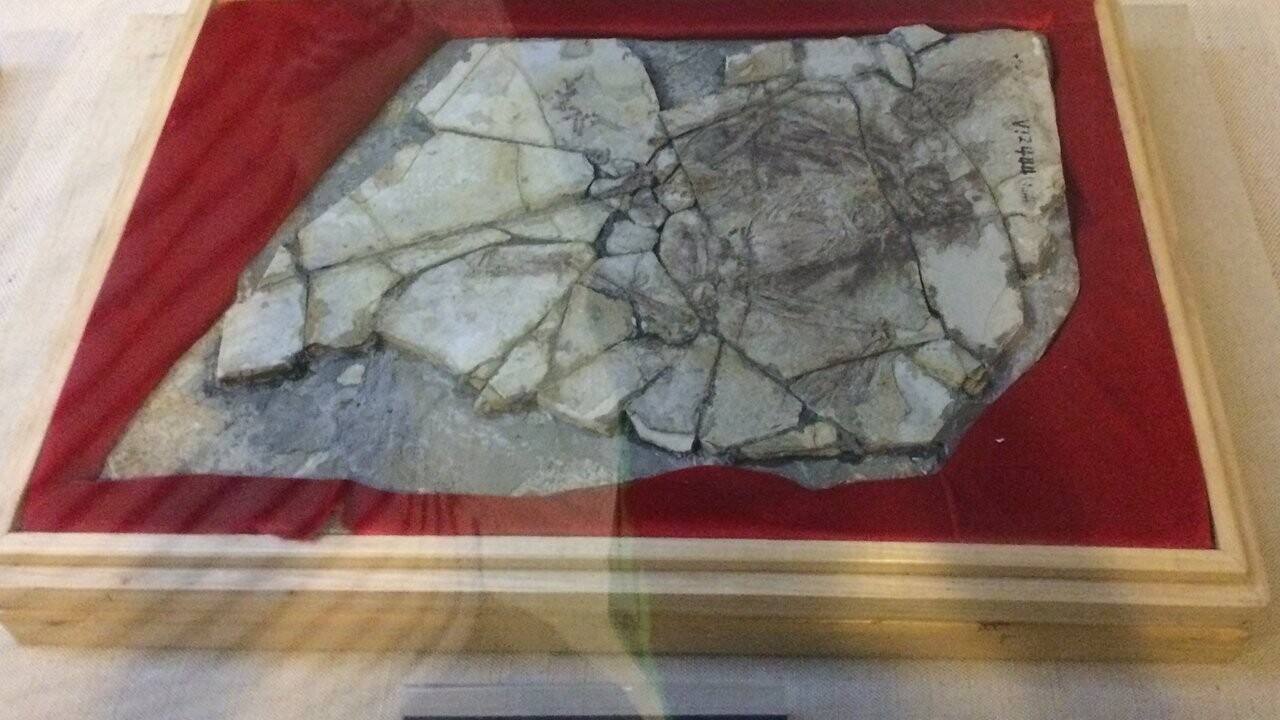
1999: The Archaeoraptor Fossil
In 1999, National Geographic unveiled Archaeoraptor as a birdlike dinosaur fossil from China. It was later exposed as a forgery combining bones from a primitive bird and a non-flying dinosaur. Researchers used high-resolution computed tomography to map the specimen’s fractures, materials, and deceptive construction.
These hoaxes show how authority, hope, and a persuasive story can temporarily overpower doubt. Which of these deceptions do you remember hearing about first?
Follow The HyperHive on MSN for more stories like this.
Sources:






