
Last words fascinate us because a brief remark can seem to capture an entire life. Yet memory, repetition, and a good story often improve the line long after the speaker is gone.
These slides move chronologically through eyewitness accounts, original documents, museum research, and archival records. When a familiar version is uncertain or probably invented, that uncertainty is part of the story.
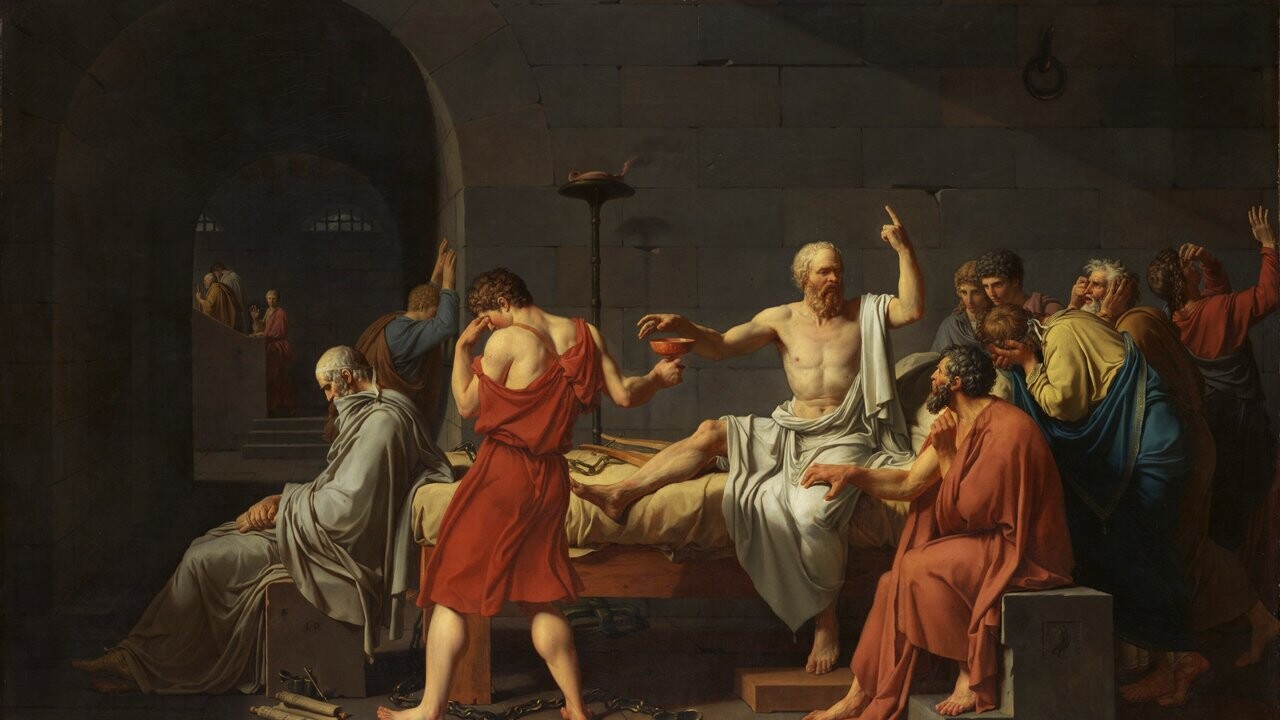
Socrates: A Final Debt to Asklepios
In Plato’s Phaedo, Socrates’ last utterance is a practical request: “Crito, I owe the sacrifice of a rooster to Asklepios; will you pay that debt and not neglect to do so?” The dialogue explicitly identifies the sentence as his last, giving this ancient account a clear textual basis.
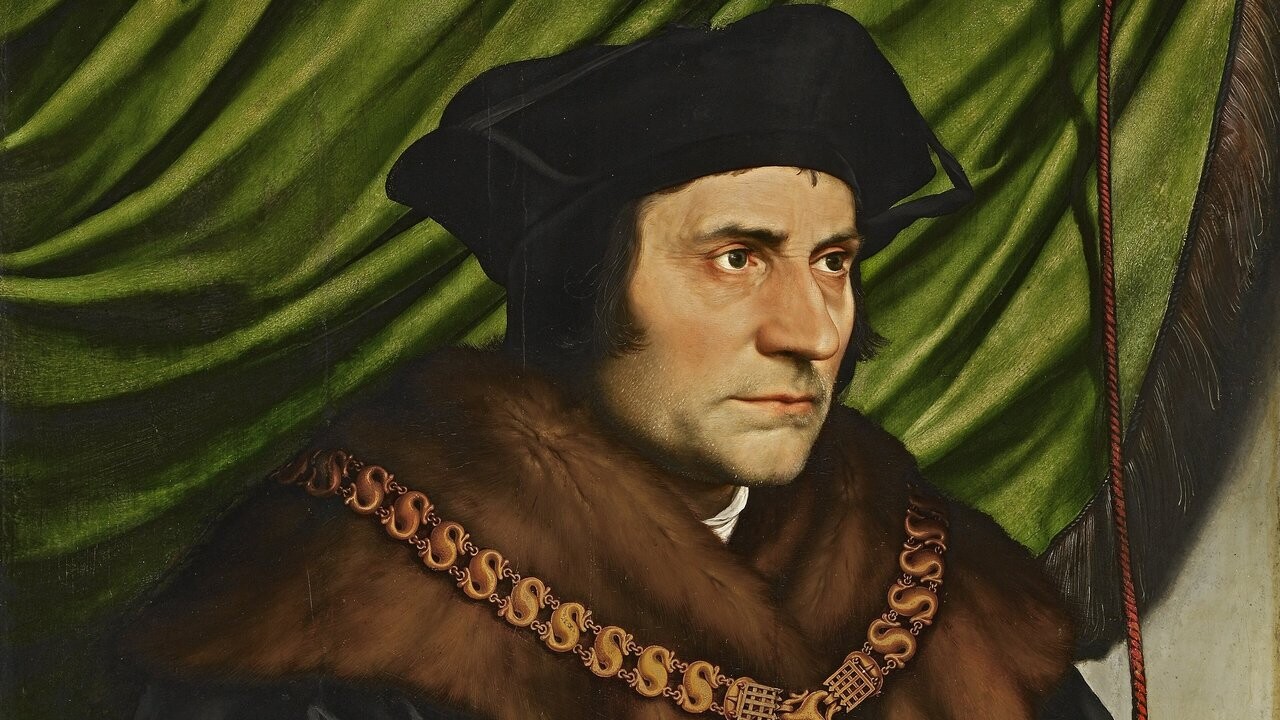
Thomas More: The King’s Servant and God’s First
At his execution, Thomas More was reported to have proclaimed himself “the King’s good servant but God’s first.” The British Library account places the declaration on Tower Hill before his beheading. The compact contrast between royal service and religious conviction is the part of the scaffold scene that the record preserves.
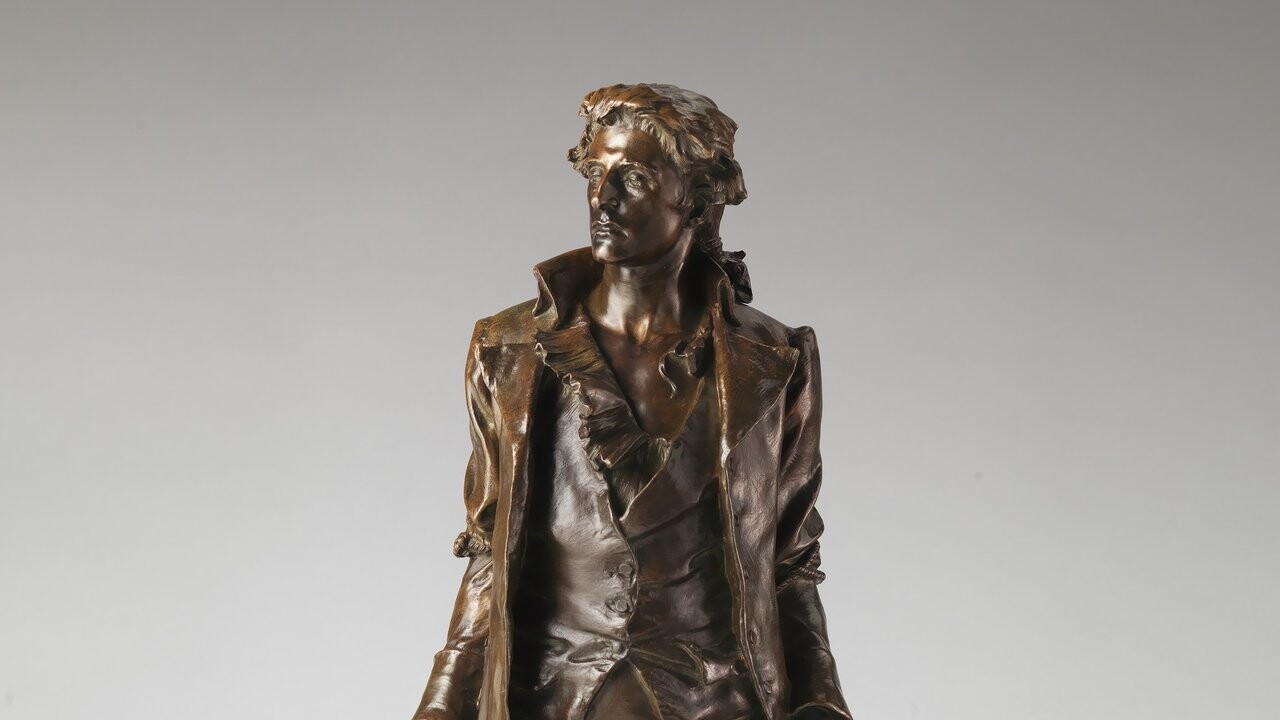
Nathan Hale: A Famous Line Without Contemporary Proof
Nathan Hale’s “I only regret that I have but one life to lose for my country” is central to American memory. A Library of Congress review, however, says no contemporary evidence preserves those exact words. It is a fitting expression of Hale’s sacrifice, but the surviving record does not justify presenting it as verbatim.
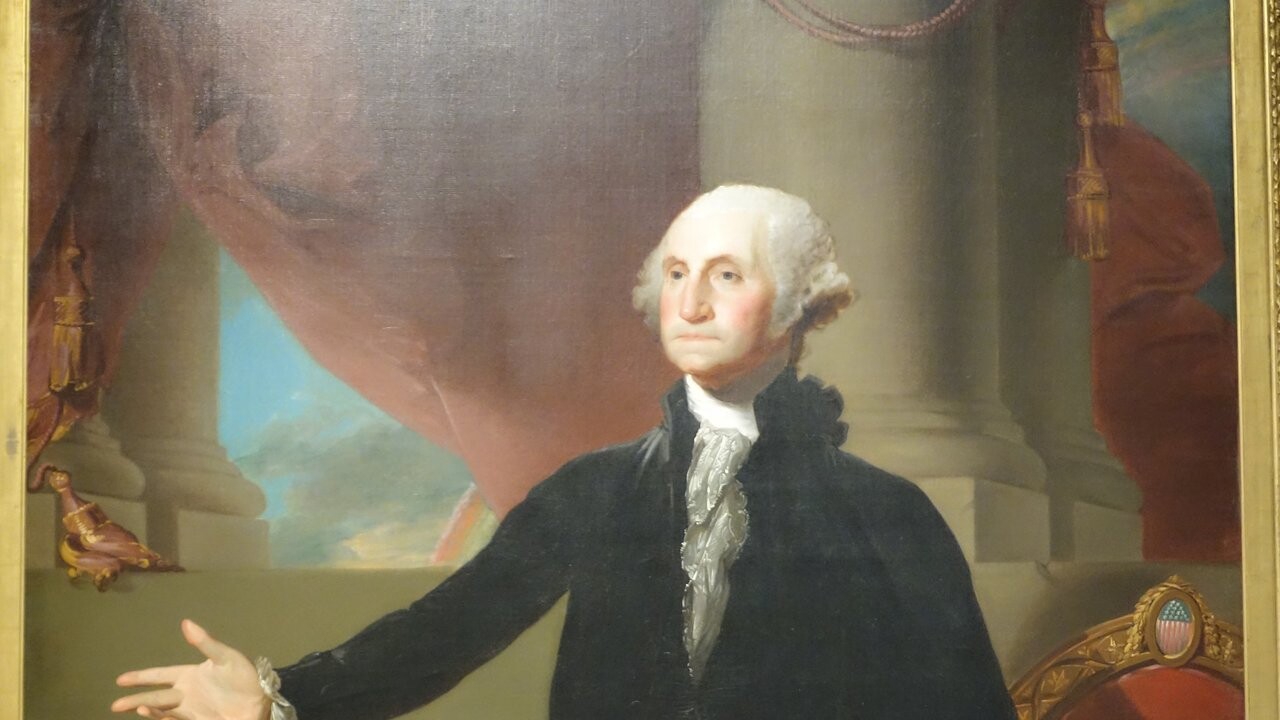
George Washington: A Quiet Confirmation
George Washington’s secretary, Tobias Lear, recorded a quiet final exchange about burial arrangements. After asking whether his instructions were understood and receiving confirmation, Washington replied, “Tis well.” Lear’s record ties the words directly to the exchange, making the modest reply more secure than many polished sayings attached to famous deaths.
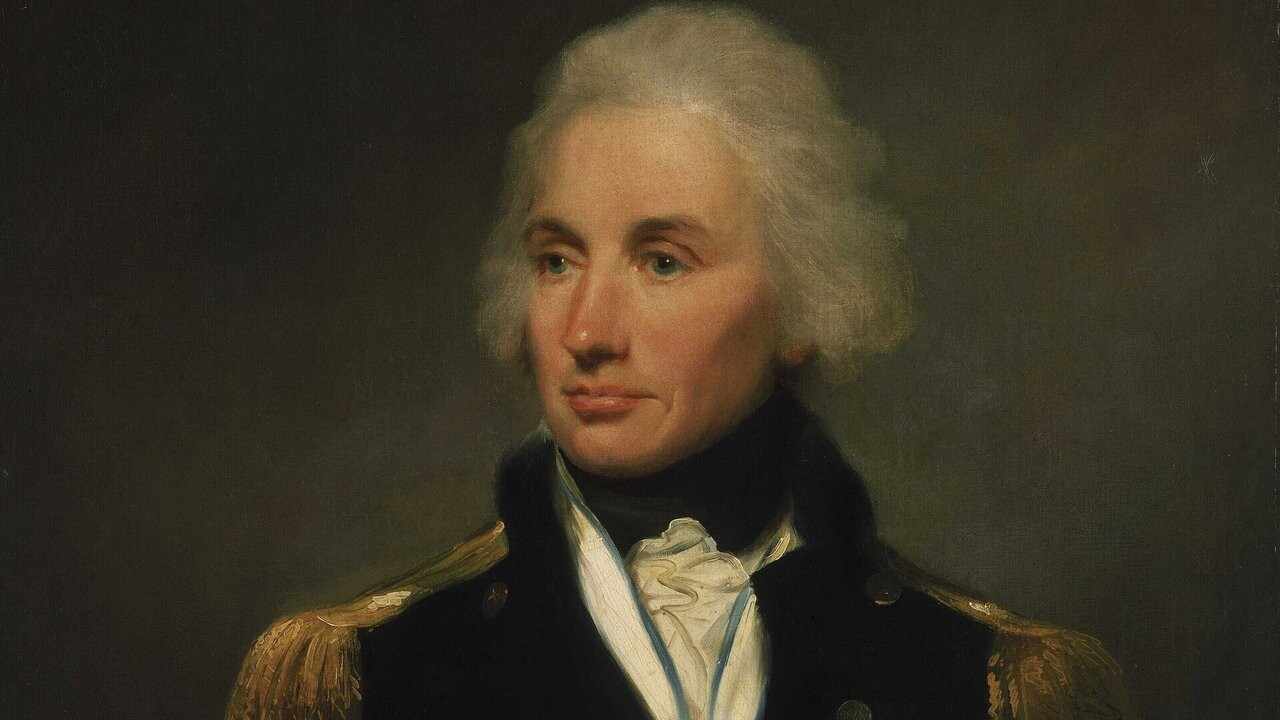
Horatio Nelson: Duty to the End
Horatio Nelson’s shipboard surgeon recorded his last words as “Thank GOD, I have done my duty;” The unusual capitalization and semicolon belong to the source. The phrase survives not merely as patriotic legend, but in the narrative of a surgeon who attended Nelson during his final hours.
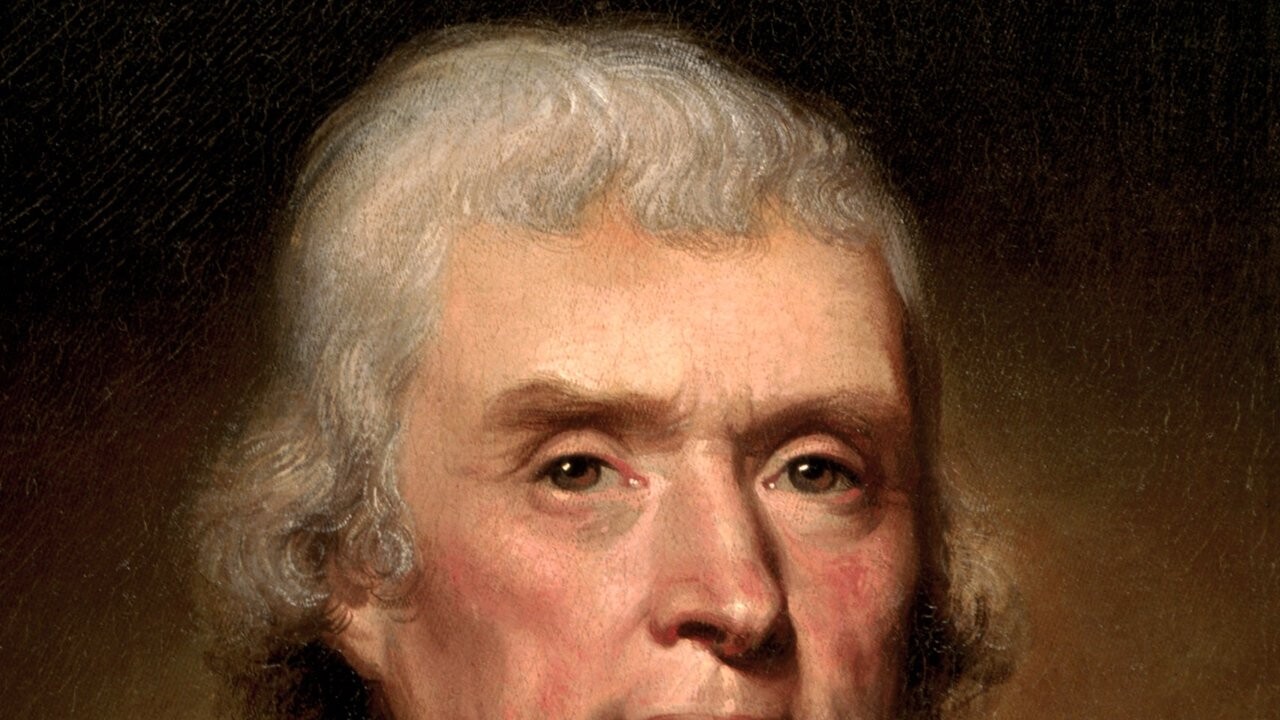
Thomas Jefferson: The Mundane Words Came Later
Thomas Jefferson is often remembered as asking whether Independence Day had arrived. Monticello identifies a later reply to his doctor, “No, doctor, nothing more,” as his last recorded words, while emphasizing that no one can know his absolute final words with certainty. The distinction separates a familiar patriotic story from the surviving record.
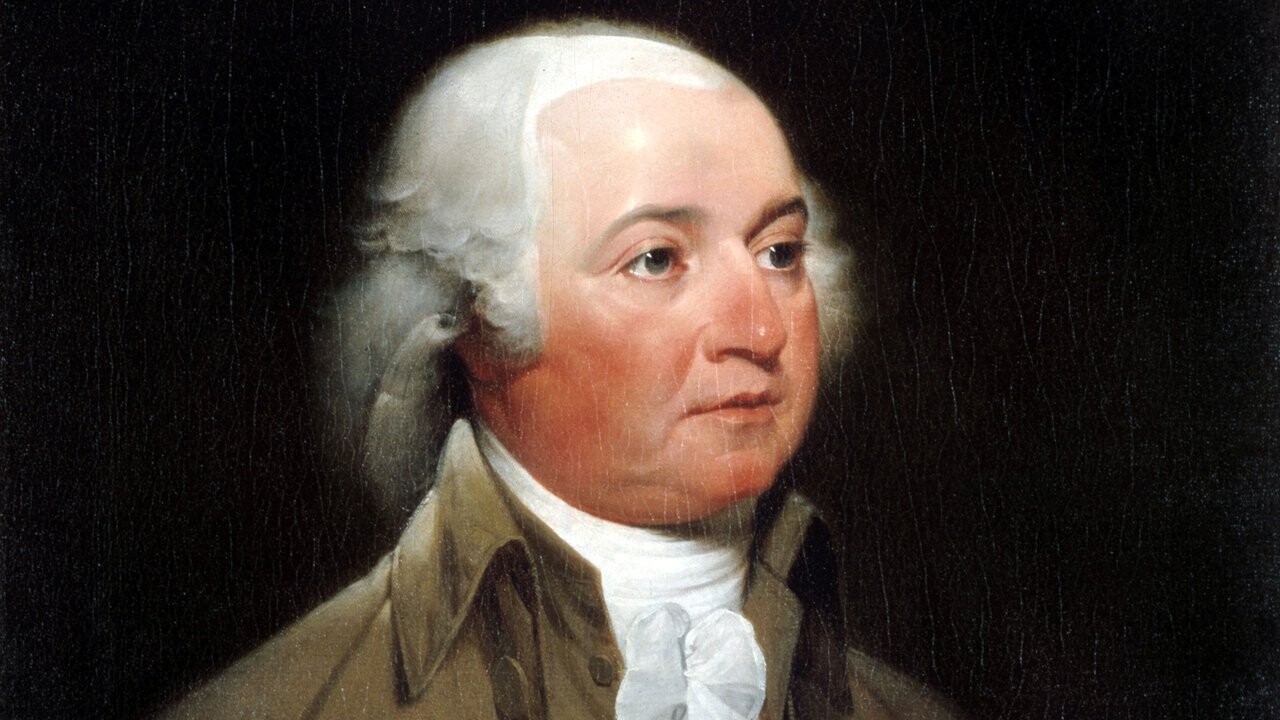
John Adams: Jefferson Survives
John Adams reportedly gathered enough strength to proclaim, “Thomas Jefferson survives.” He did not know that Jefferson had died earlier that day. The Miller Center identifies the sentence as Adams’ last words before he fell into a coma, preserving one of history’s most poignant coincidences without embellishing the brief remark.
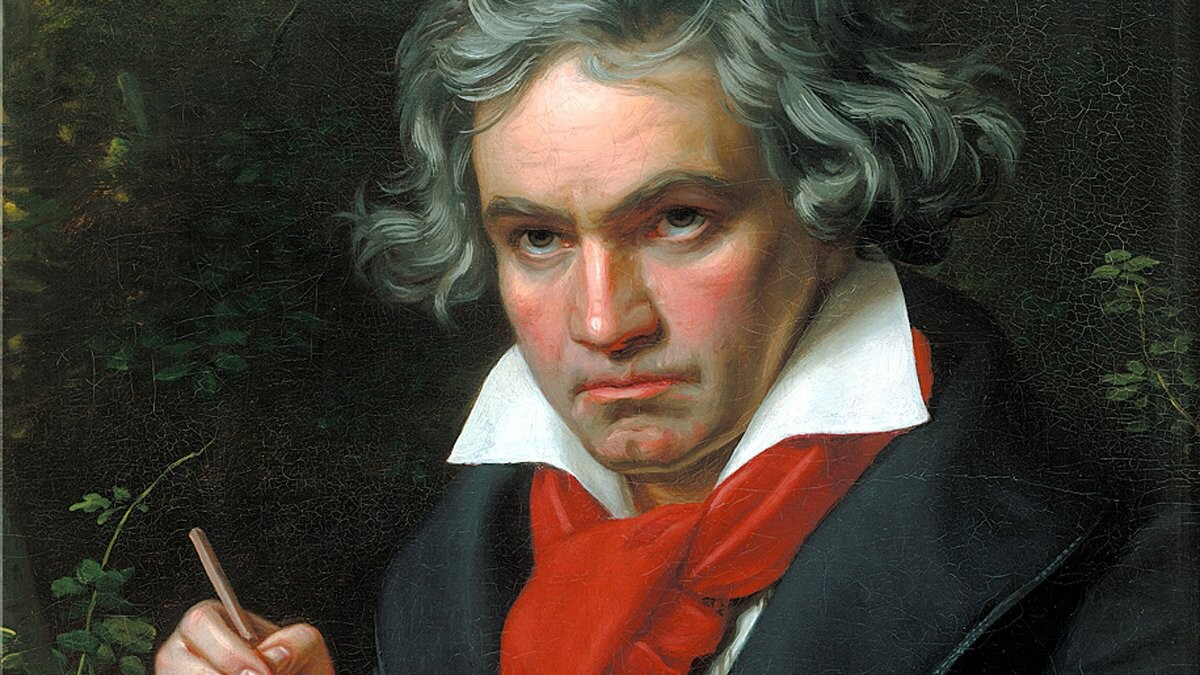
Ludwig van Beethoven: Too Late
A letter sent after Ludwig van Beethoven’s death says he looked at newly arrived bottles, called their timing a pity, and said they were too late. Beethoven-Haus Bonn labels this account attributed, not certain. That caution matters because a vivid deathbed scene can become firmer in retelling than its documentary basis allows.
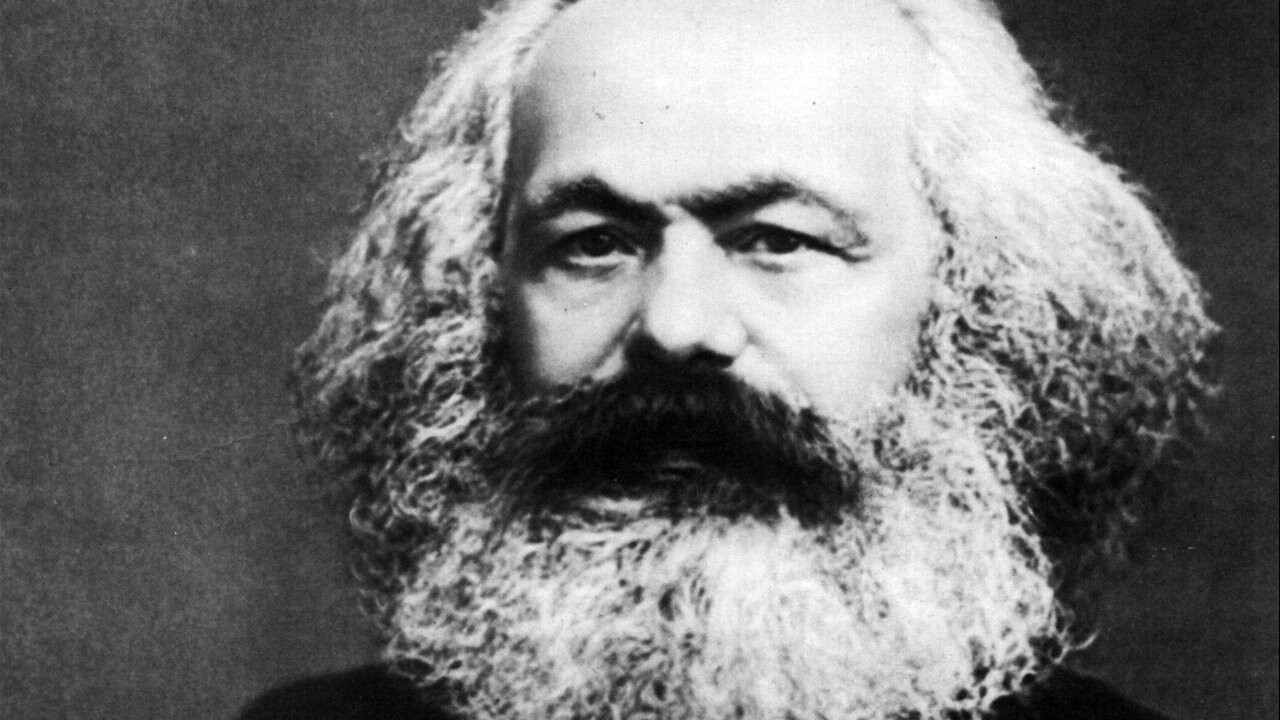
Karl Marx: The Clever Quip Lacks Contemporary Support
A contemporary account says Karl Marx had been alone for scarcely two minutes when he was found dead in his armchair. It records no dramatic exchange about the foolishness of last words. Although that does not establish everything Marx may have said earlier, the popular quip cannot be presented as a witnessed final statement.
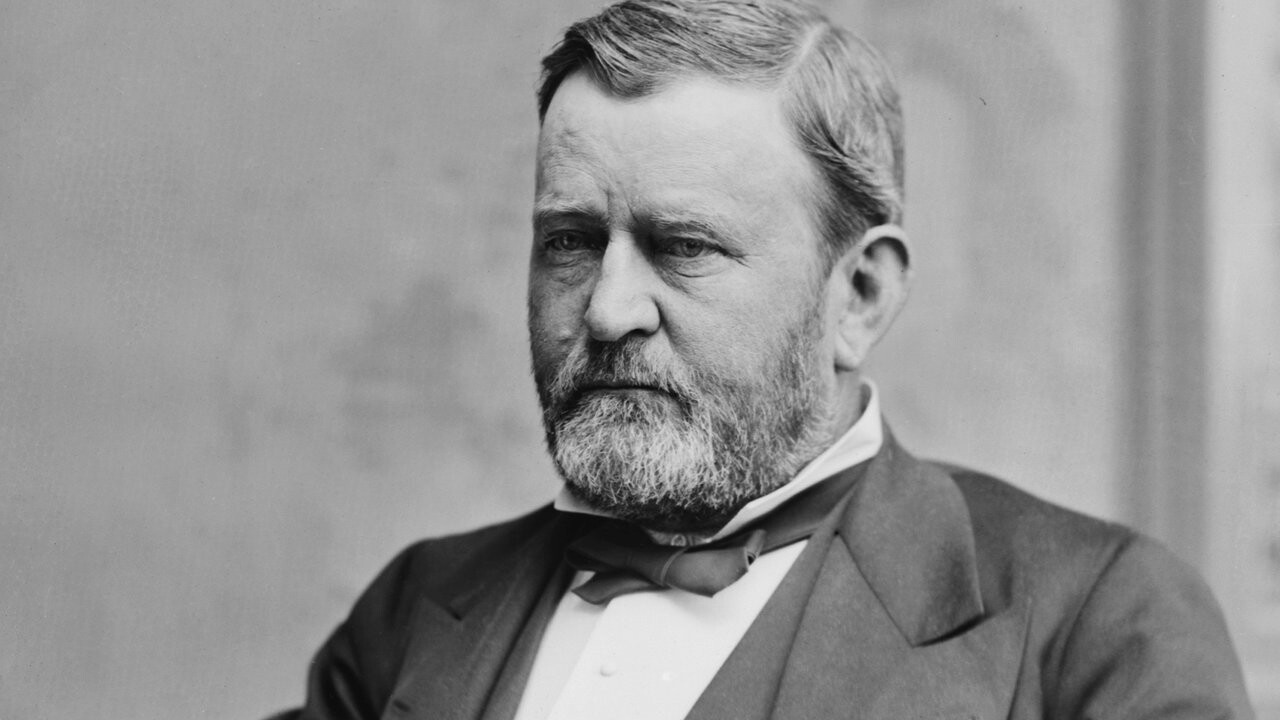
Ulysses S. Grant: A Simple Request for Water
At Grant Cottage, an account from Ulysses S. Grant’s caregivers preserves a final request: “water.” Henry Wetmore responded by wetting a towel and placing it on Grant’s lips for relief. The small act of care gives the scene a physical immediacy that a polished farewell could never provide.
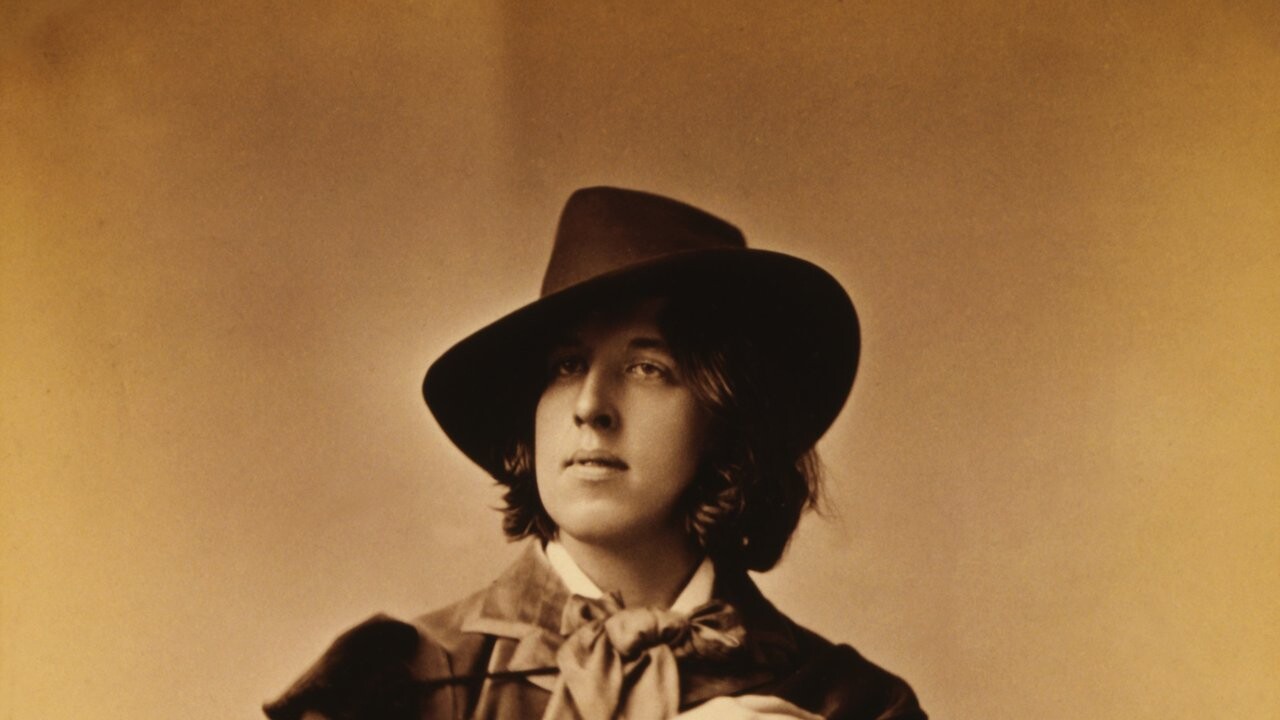
Oscar Wilde: The Wallpaper Line Came Too Early
Oscar Wilde is said to have declared, “My wallpaper and I are fighting a duel to the death. One or the other of us has got to go.” The Academy of American Poets notes that he lived for weeks afterward, while a scholarly editor declined to vouch for the story’s accuracy. It should not be treated as a verified final remark.
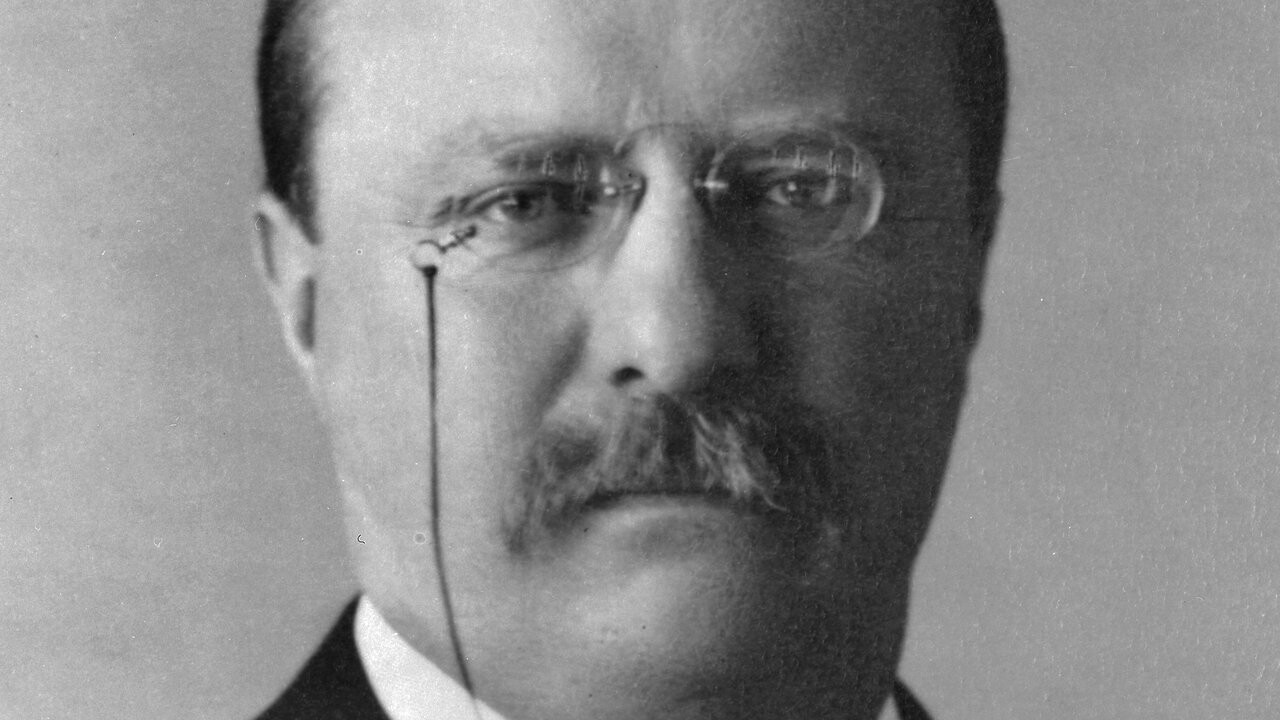
Theodore Roosevelt: A Request to Turn Out the Light
Theodore Roosevelt’s final words were domestic and unadorned: “Please put out the light.” The Theodore Roosevelt Center says he spoke them to his valet, James Amos, on January 6, 1919. Nothing in the sentence reaches for a grand political message; it is simply a request made at home.
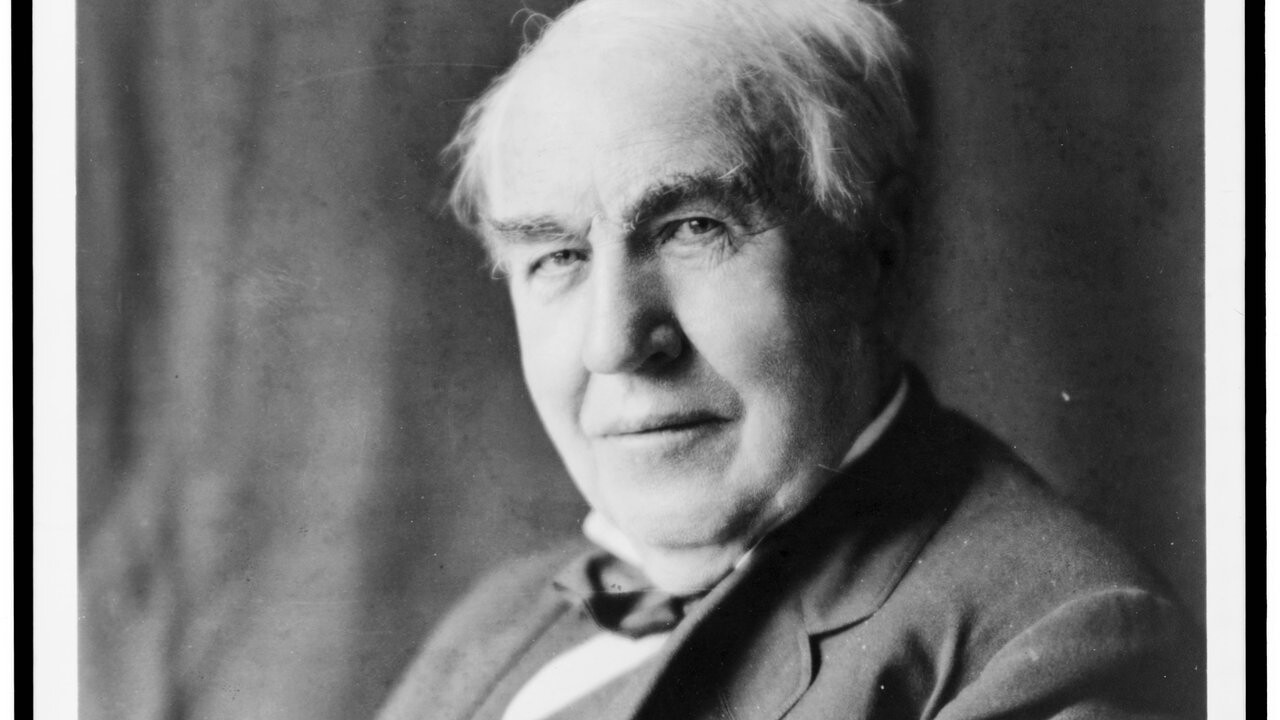
Thomas Edison: Beauty Over There
Thomas Edison’s last audible words were recorded as “It is very beautiful over there.” A National Park Service newsletter about his home and laboratory gives that wording in its account of his final illness. The record does not explain what Edison saw or intended, leaving interpretation separate from the documented sentence.
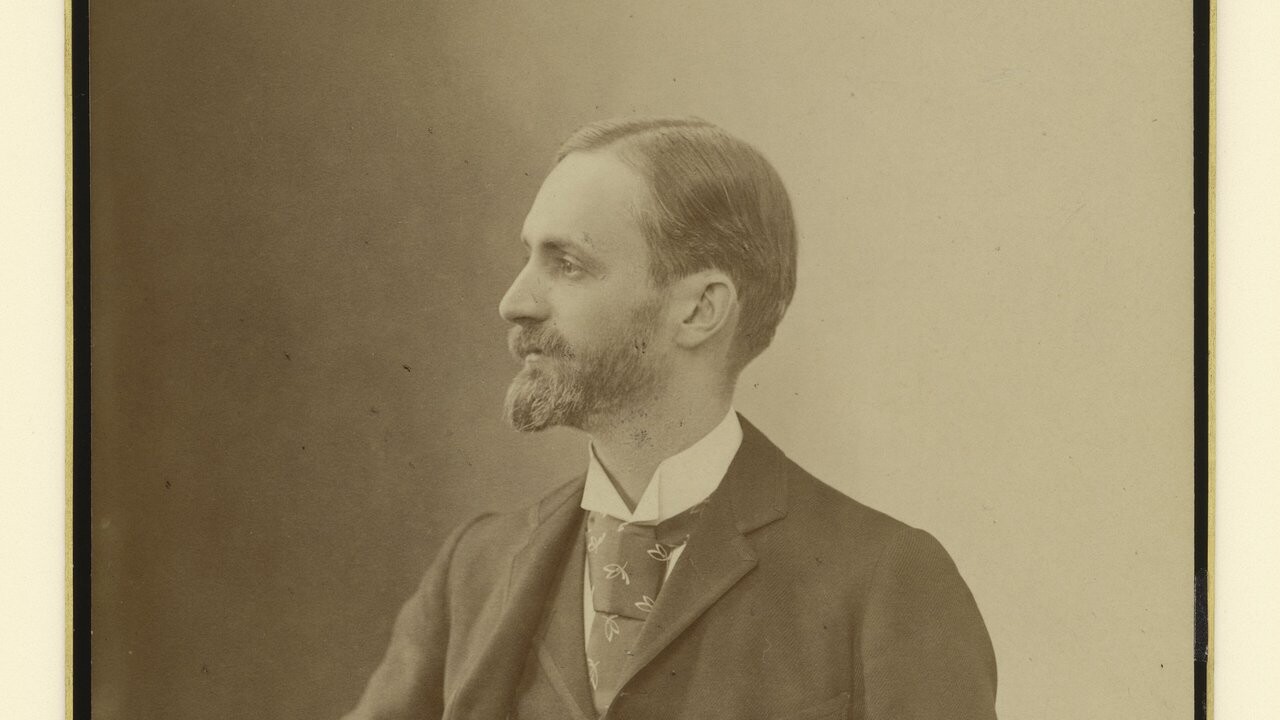
George Eastman: A Written Farewell
George Eastman left a brief suicide note reading, “My work is done why wait?” In a public-broadcasting interview at Eastman House, his biographer confirmed that the sentence was the note. Its brevity records a decision, but it does not explain the full experience behind it.
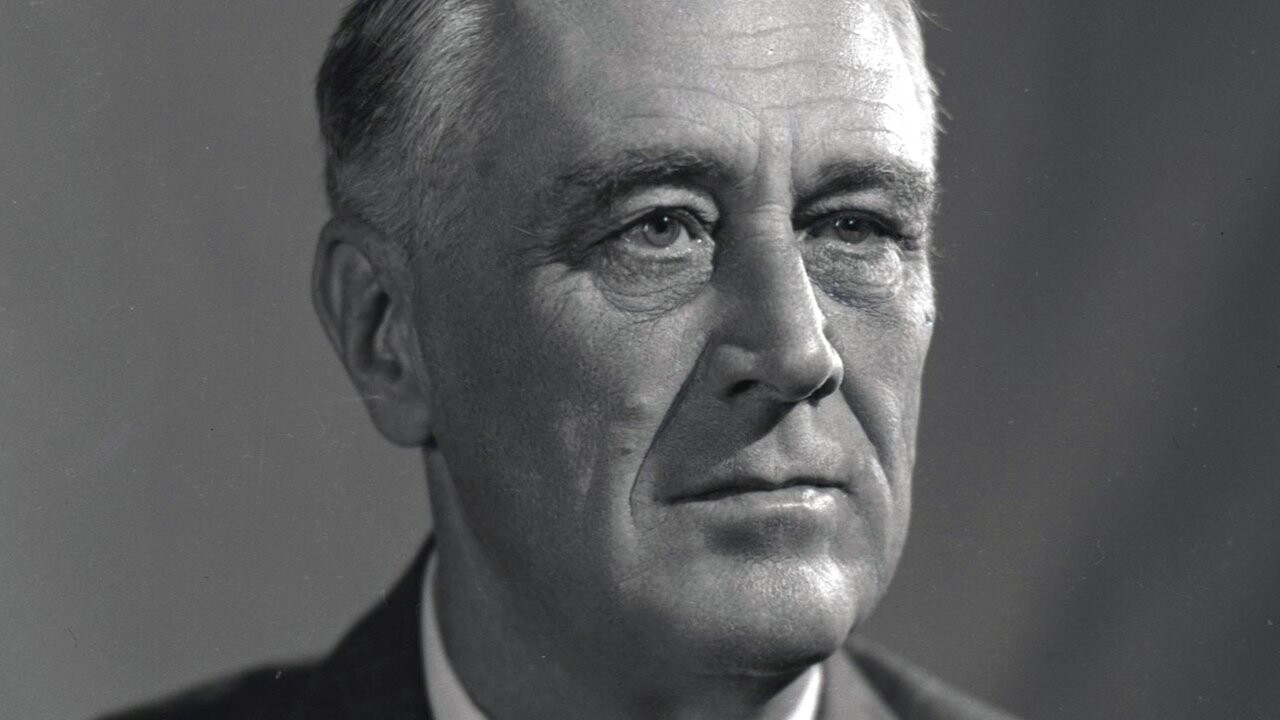
Franklin D. Roosevelt: A Sudden Pain
Franklin D. Roosevelt was sitting for a portrait when he said, “I have a terrific pain in the back of my head.” The National Park Service account says he then slumped forward, collapsed, and never regained consciousness. Its detailed chronology makes the statement a well-supported final remark rather than a later piece of political folklore.
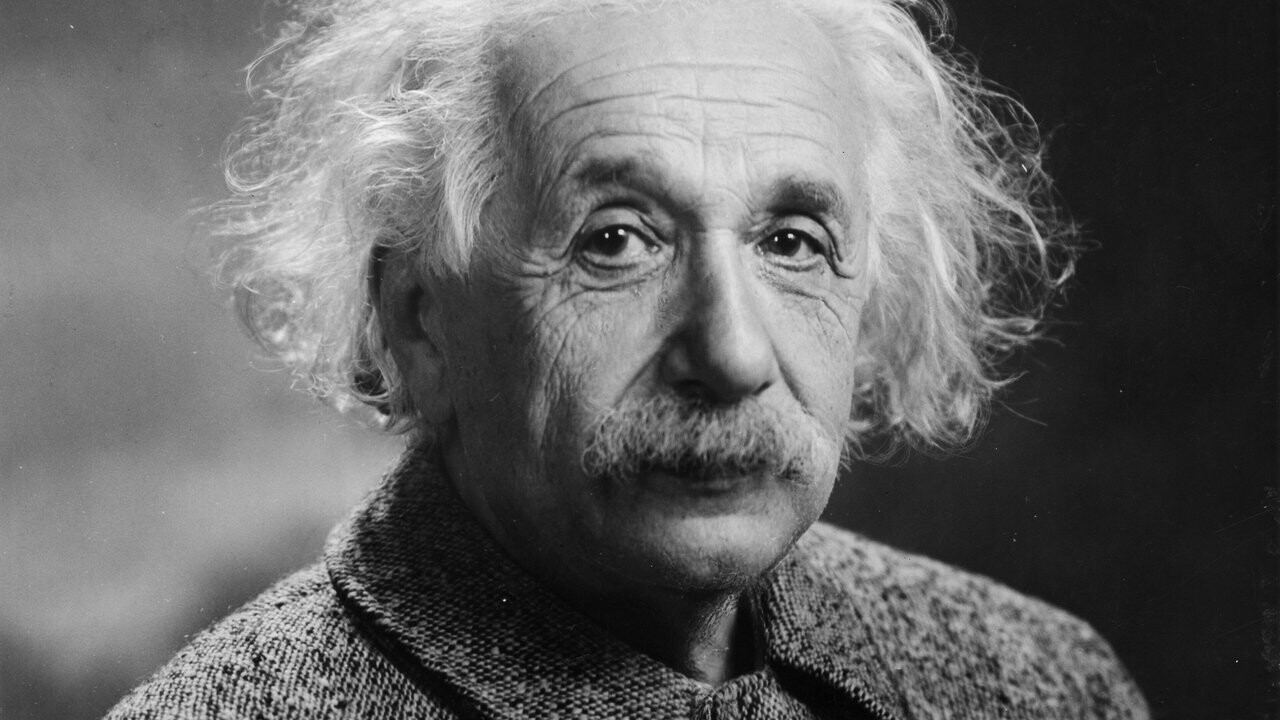
Albert Einstein: Words No One Could Translate
Albert Einstein spoke in German near the end of his life, but the nurse beside him did not understand the language. A NASA educational history and a later broadcast account both preserve that failure of communication. The honest conclusion is not a memorable quotation, but the fact that Einstein’s final words remain unknown.
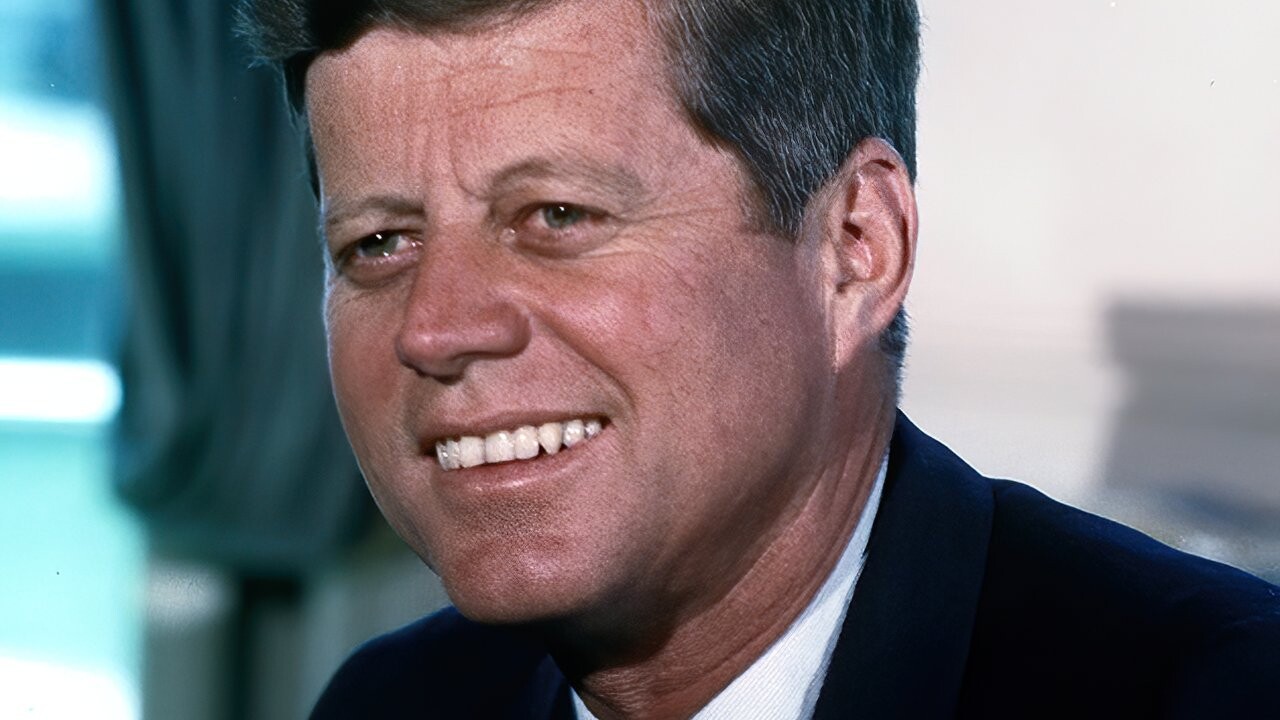
John F. Kennedy: A Reply Recalled Uncertainly
Jacqueline Kennedy testified that she thought her husband replied, “No, you certainly can’t,” but added that she did not know whether she remembered hearing it or had read it later. Her candor leaves the familiar line plausible, yet uncertain, so it should not be presented as a definitive final quotation.
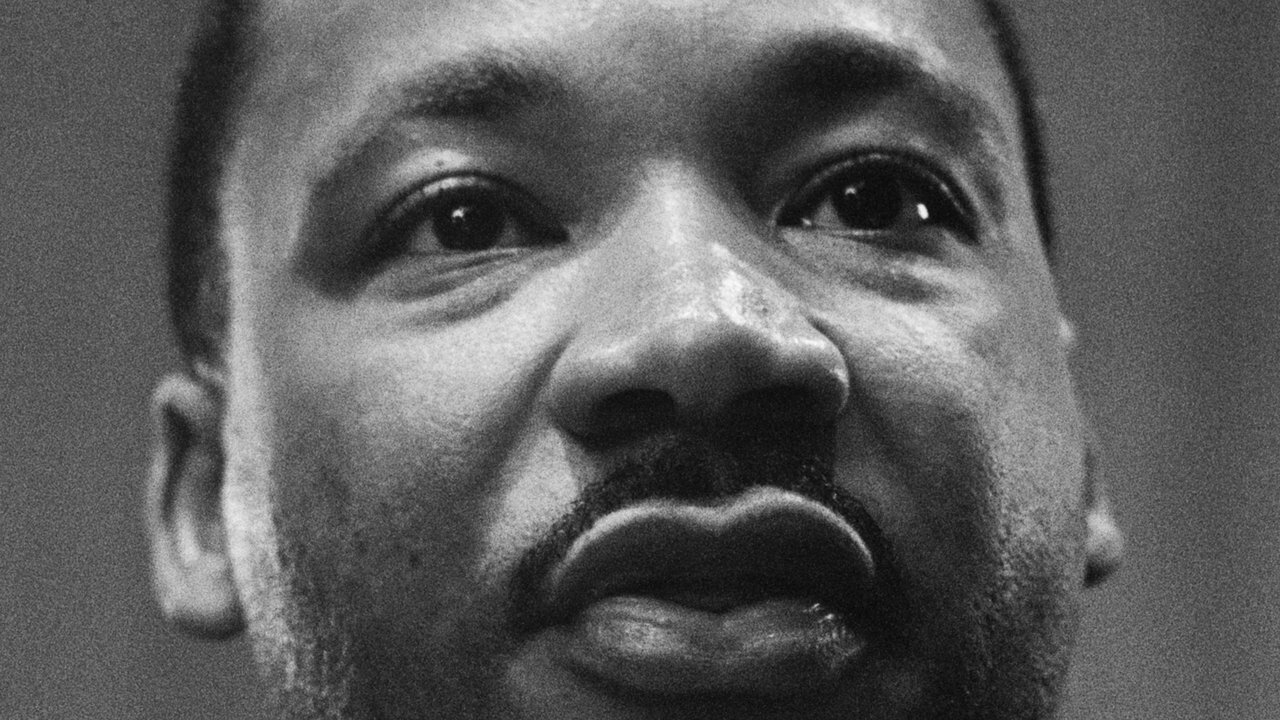
Martin Luther King Jr.: A Request for a Favorite Song
Martin Luther King Jr. called to musician Ben Branch, “Ben, make sure you play ‘Precious Lord, Take My Hand’ at the meeting tonight. Sing it real pretty.” An official investigation preserved the exchange in its account of King’s final minutes. The ordinary request joined music, faith, and the evening’s planned gathering.
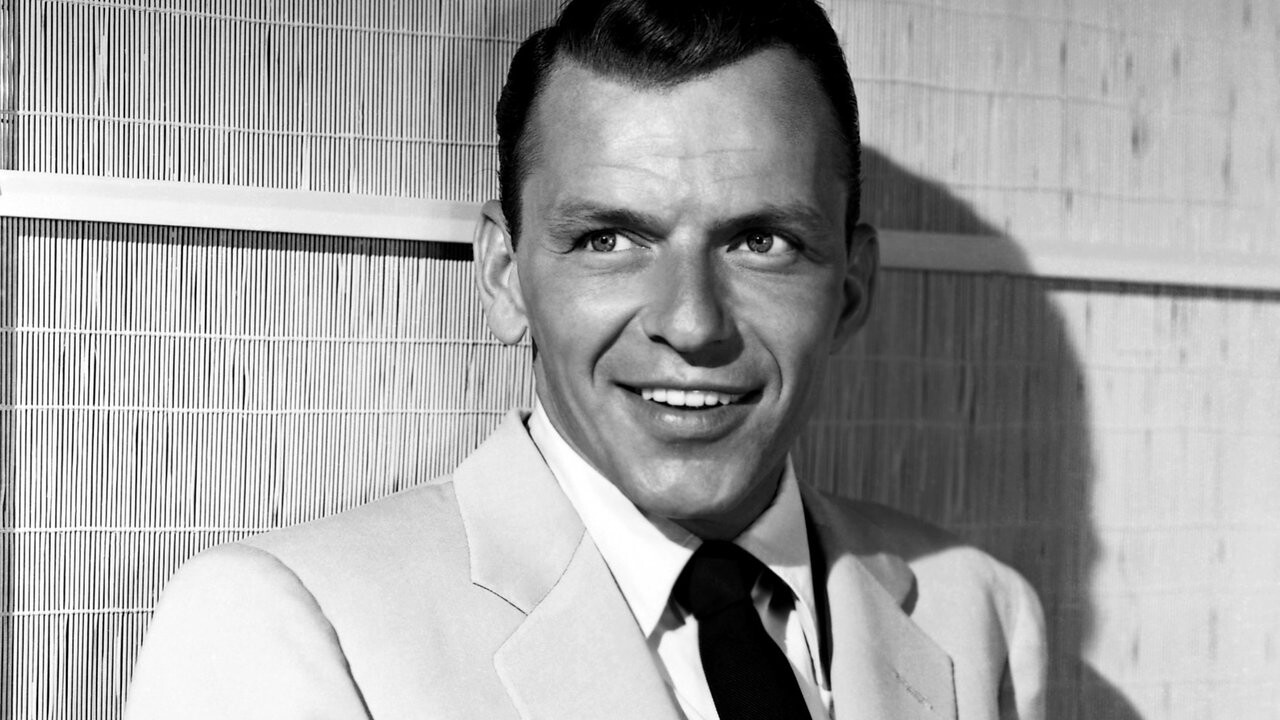
Frank Sinatra: A Brief Admission
Frank Sinatra’s final words were reportedly “I’m losing.” PBS described them as words to his wife, while CBS said his children identified the same phrase as his last. Those family-based reports give the line a clearer trail than many celebrity deathbed sayings, though the careful word “reportedly” still matters.
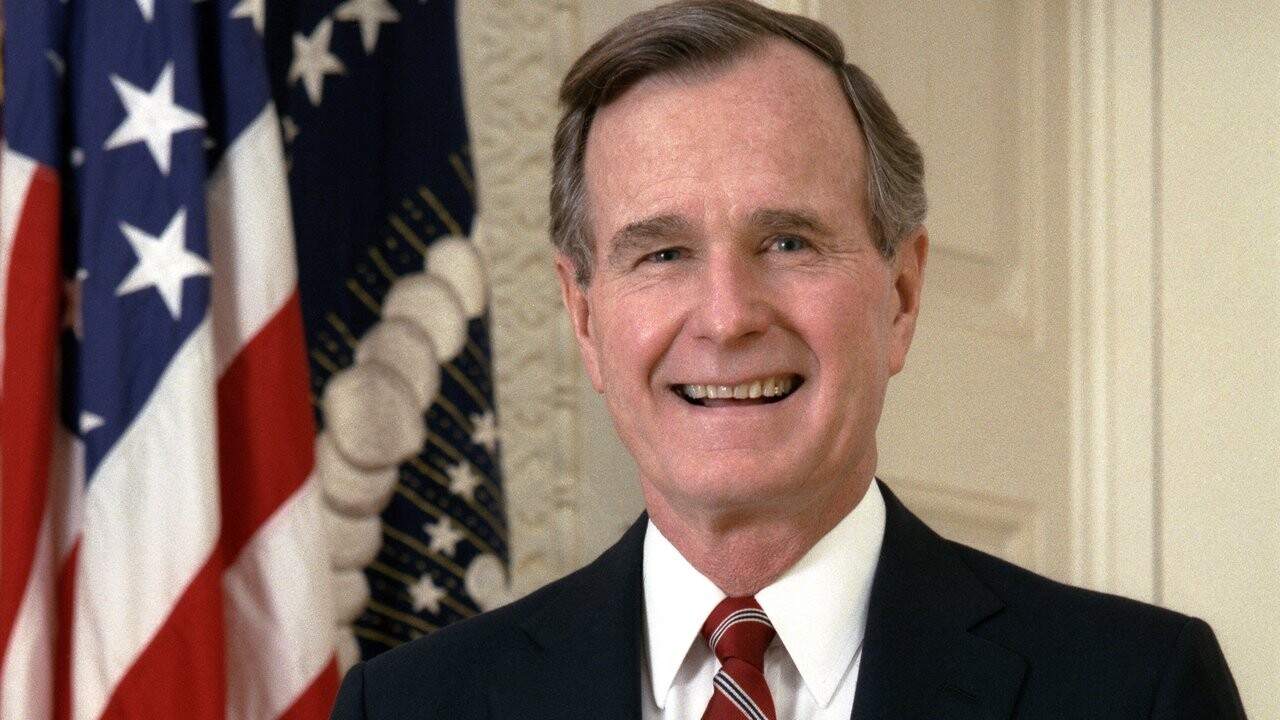
George H. W. Bush: A Son’s Last Call
When George W. Bush called after learning that his father had little time left, he said that he loved him and that he had been a wonderful father. George H. W. Bush answered, “I love you, too.” His son later repeated the exchange in a public eulogy, providing direct family testimony for the former president’s final words.
The strongest accounts often preserve ordinary needs, affection, or unfinished thoughts rather than perfect speeches. Which of these accounts most changed the way you think about a familiar quotation?
Follow The HyperHive on MSN for more stories like this.
Sources:






