The Secret White House Tapes: What Six Presidents Recorded

Carol M. Highsmith / Wikimedia Commons, Public domain (cropped)
From Franklin D. Roosevelt through Richard Nixon, recordings from six administrations created an extraordinary audio record of the presidency. The surviving material ranges from formal press conferences and policy meetings to telephone calls and private conversations.
Moving chronologically, this gallery uses records from the National Archives, presidential libraries, and the Miller Center’s Presidential Recordings Program to show how each administration approached recording differently.
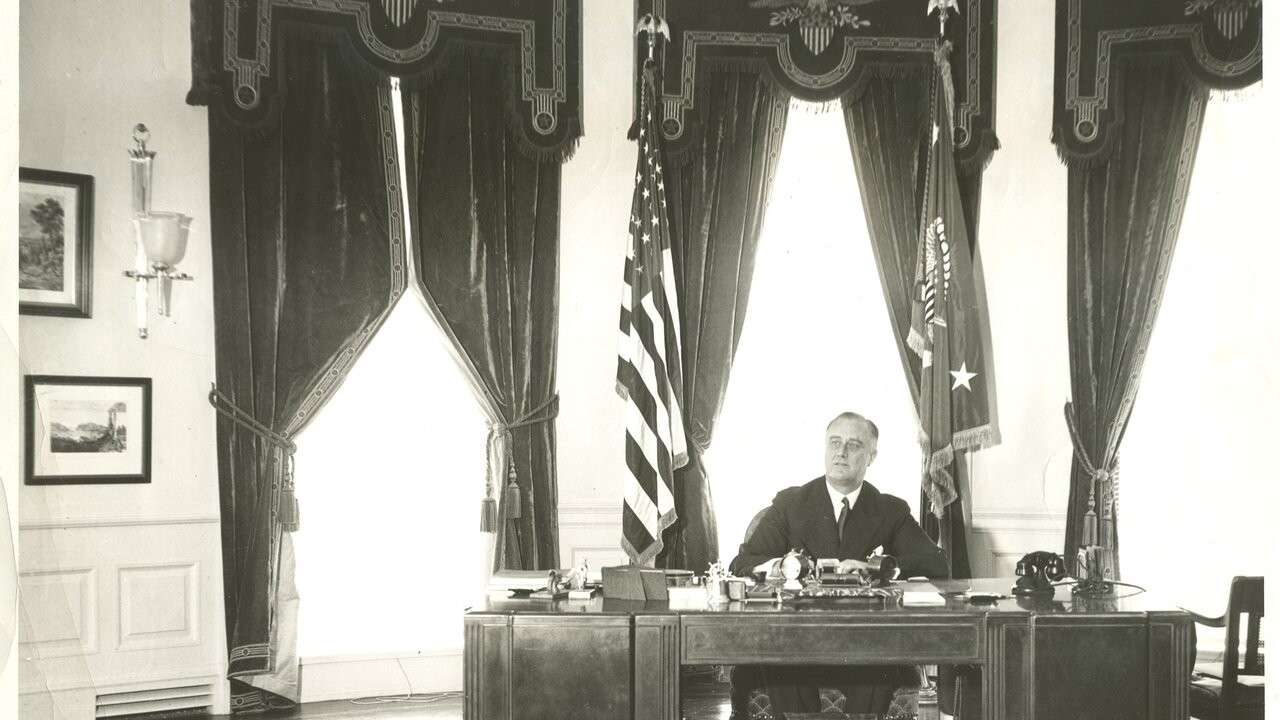
1940: Roosevelt Installs the First System
Franklin D. Roosevelt became the first president to install a White House recording system. Placed beneath the Oval Office during the summer of 1940, the equipment was intended to capture press conferences. His short experiment established a practice that continued, in changing forms, across five more administrations.
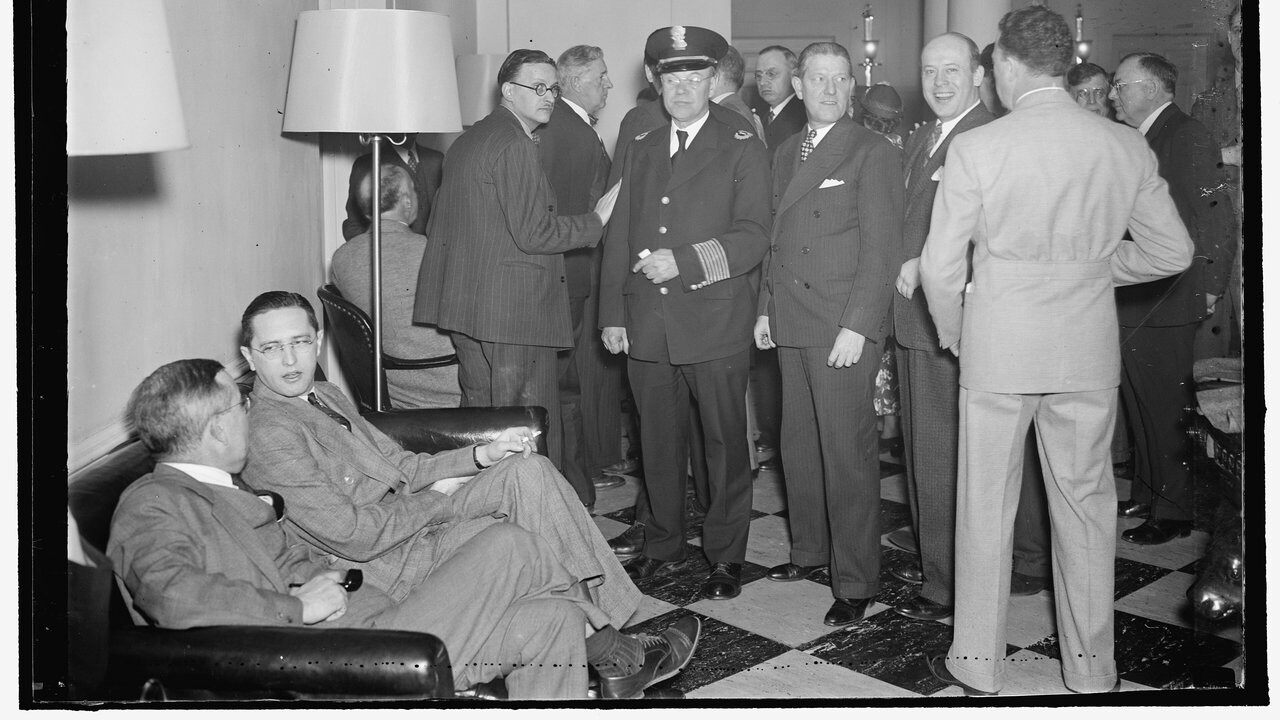
Fourteen Press Conferences Survive
The Roosevelt Library identifies fourteen recorded presidential press conferences. Its collection description dates the unique Oval Office recordings from August 23 through November 8, 1940. Conversations with people visiting Roosevelt’s office also survive, showing that the machine captured more than his formal exchanges with reporters.
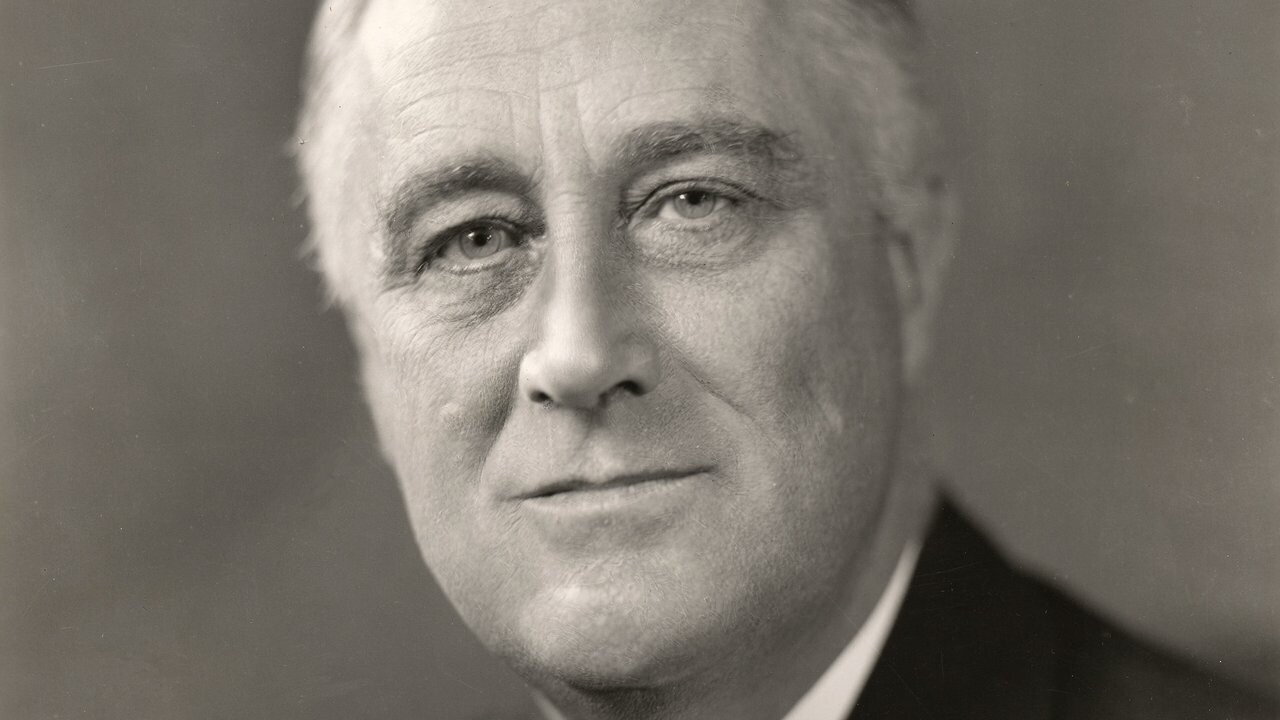
Roosevelt Records a Military Rights Discussion
On September 27, 1940, Roosevelt’s equipment captured a conference in his office about African Americans in the armed forces. The library catalog describes the recording as eight minutes long. Its survival demonstrates how a system intended for press conferences also preserved a significant policy discussion.
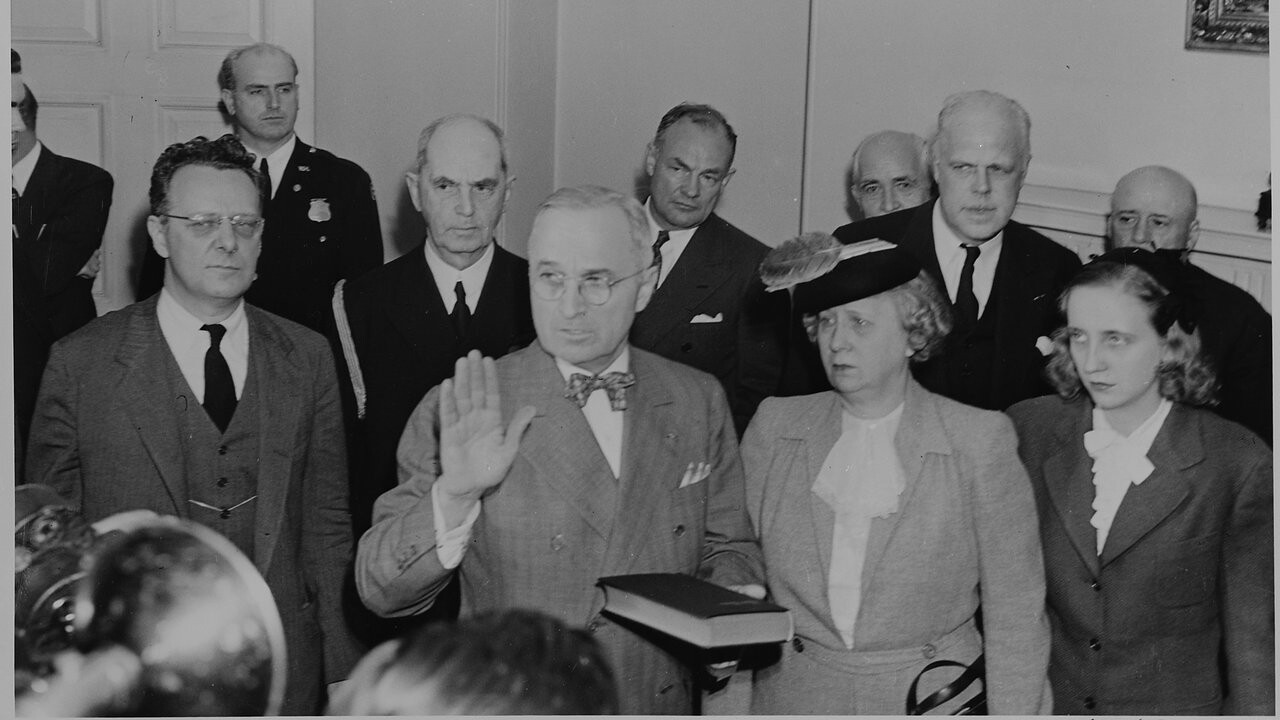
1945: Truman Inherits Roosevelt’s Machine
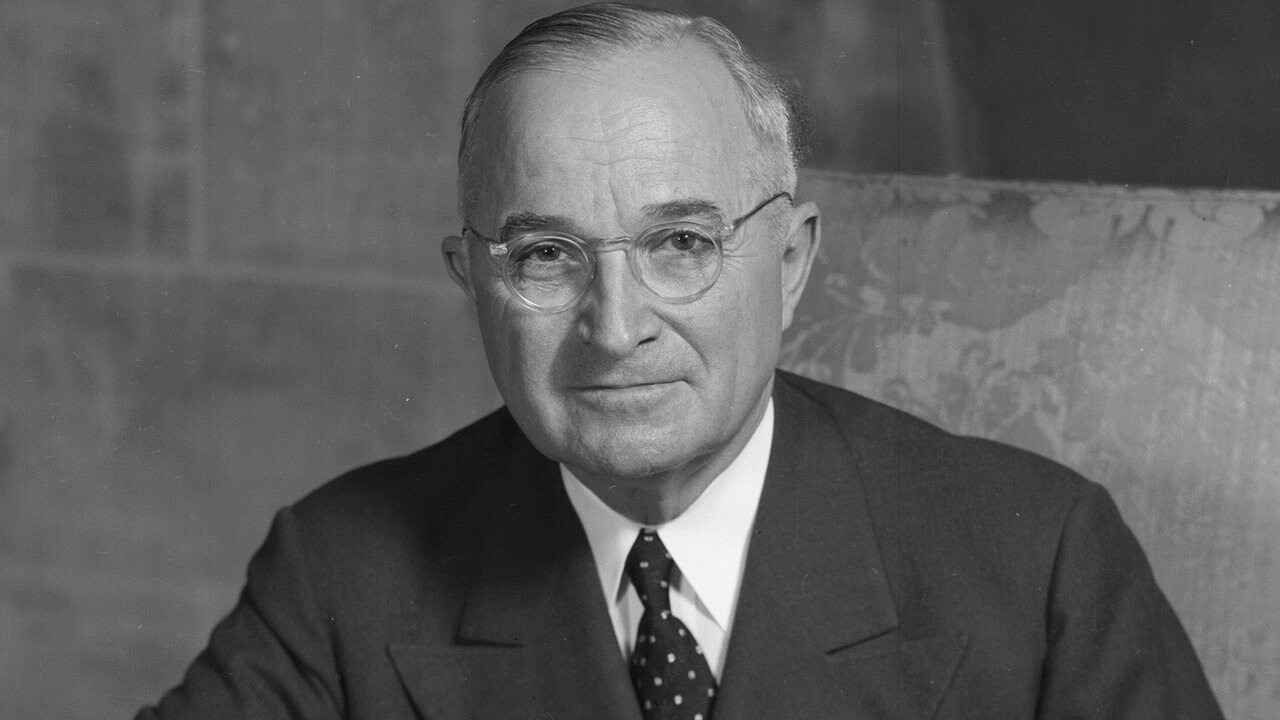
When Harry S. Truman became president on April 12, 1945, he inherited the RCA continuous-film machine used by Roosevelt. The equipment connected the two administrations in an unexpected way: a recording experiment begun under one president remained in place when his successor entered the Oval Office.
Truman Records an Oval Office Press Conference
A surviving recording includes Truman’s May 23, 1945, Oval Office press conference. The Truman Library says the press conference can be heard fairly plainly, although the recording is otherwise poor. This comparatively clear segment offers listeners a direct sense of how Truman addressed reporters early in his presidency.
Other Truman Fragments Are Hard to Hear
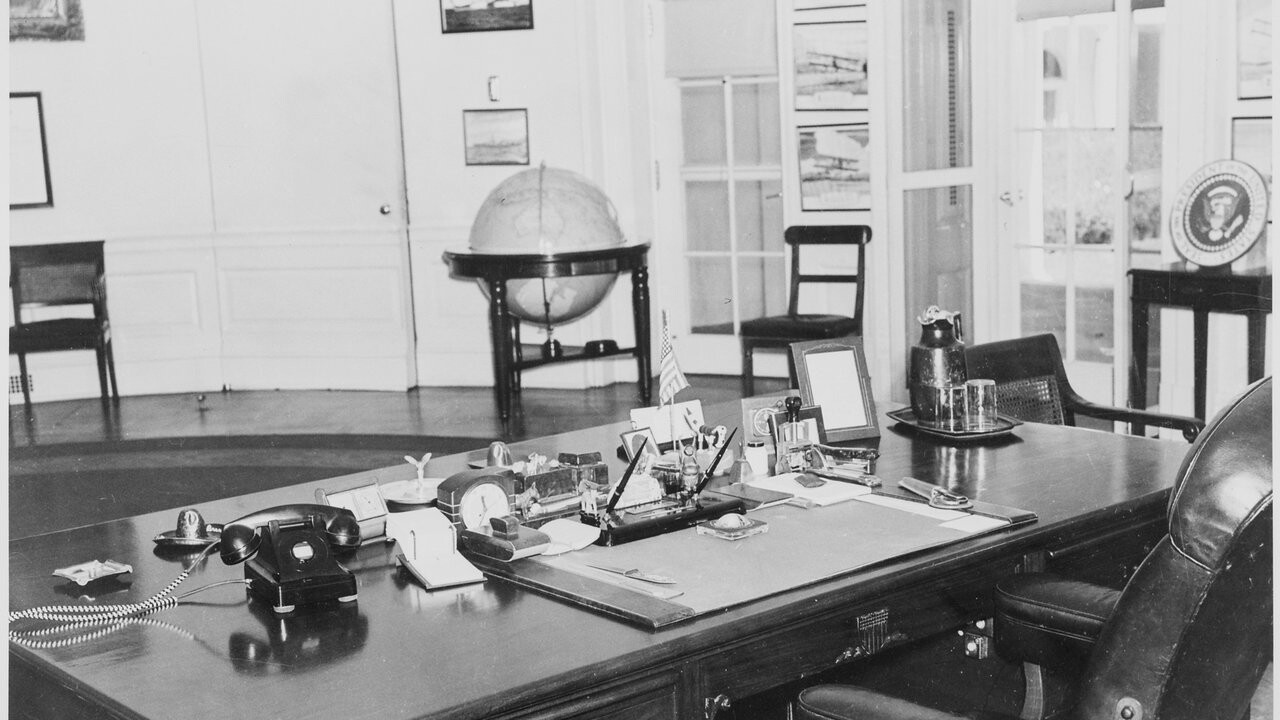
The same Truman recording contains additional conversation fragments that the library describes as difficult to understand. Its catalog also says Oval Office recordings were made from 1945 through 1948 with a Memovox machine. Together, these fragments form a limited and uneven record rather than a comprehensive presidential archive.
Eisenhower Records Oval Office Meetings
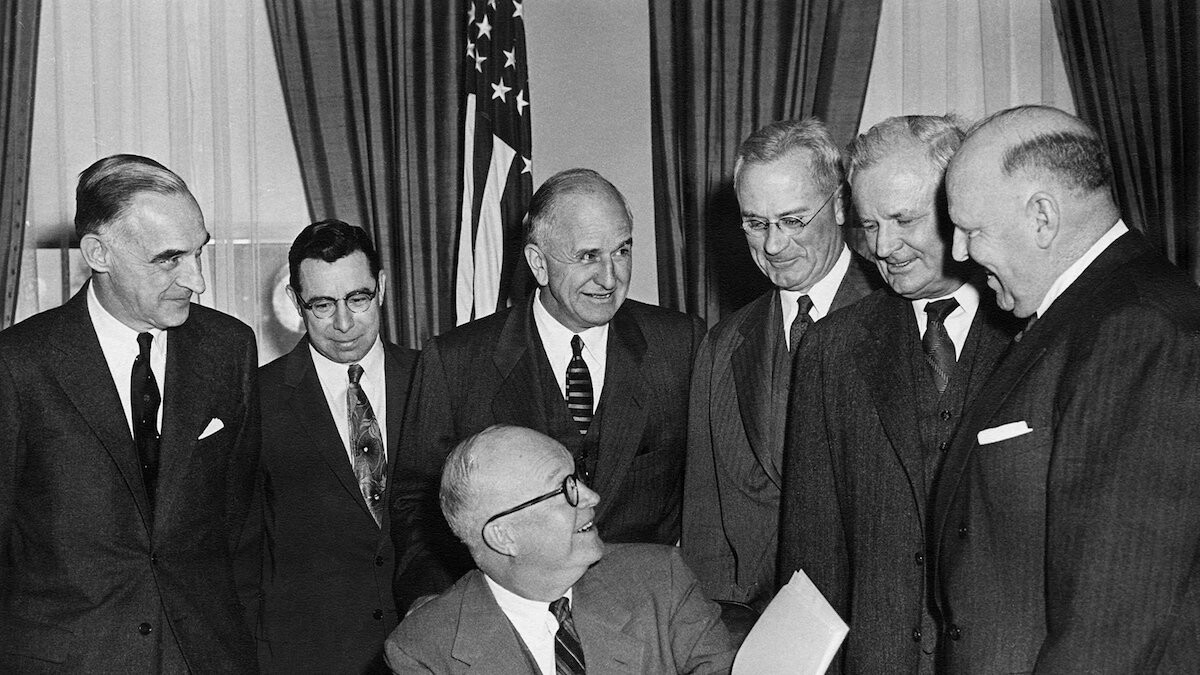
Eisenhower secretly recorded at least twenty-five Oval Office meetings during his presidency. The Eisenhower Library’s surviving Dictabelts date from January 4 through March 5, 1955, and include conversations with lawmakers, press secretary James Hagerty, party chairman Leonard Hall, business leader Paul Hoffman, and other visitors.
Kennedy Records a Call With Ross Barnett
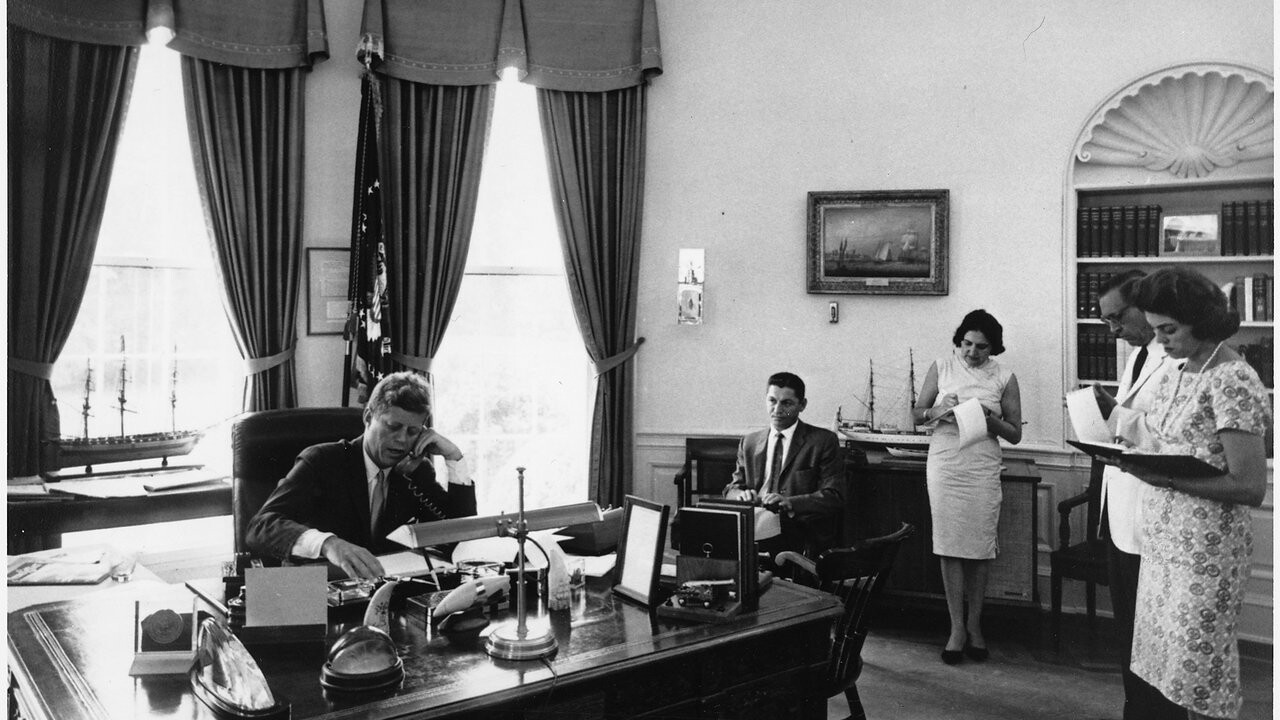
A Kennedy Library resource guide identifies a secretly recorded conversation involving President Kennedy, Attorney General Robert F. Kennedy, and Mississippi Governor Ross Barnett. The recording places three central officials on the same call, giving researchers a direct primary source instead of a later reconstruction of their exchange.
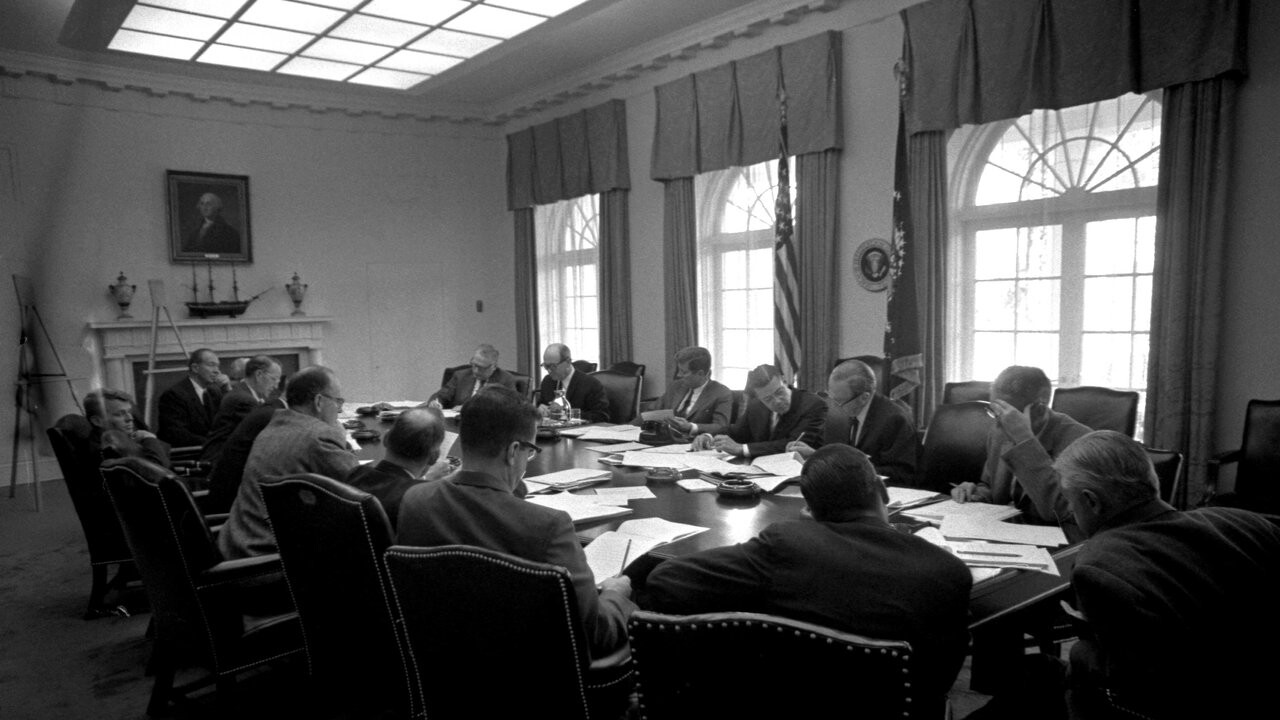
Cuban Missile Crisis Tapes Preserve Competing Options
Recordings from the Cuban Missile Crisis preserve advisers considering two principal courses: an airstrike followed by invasion, or a naval quarantine backed by the possibility of further military action. Hearing those alternatives discussed captures the difficult choices facing the administration during one of Kennedy’s defining foreign-policy crises.
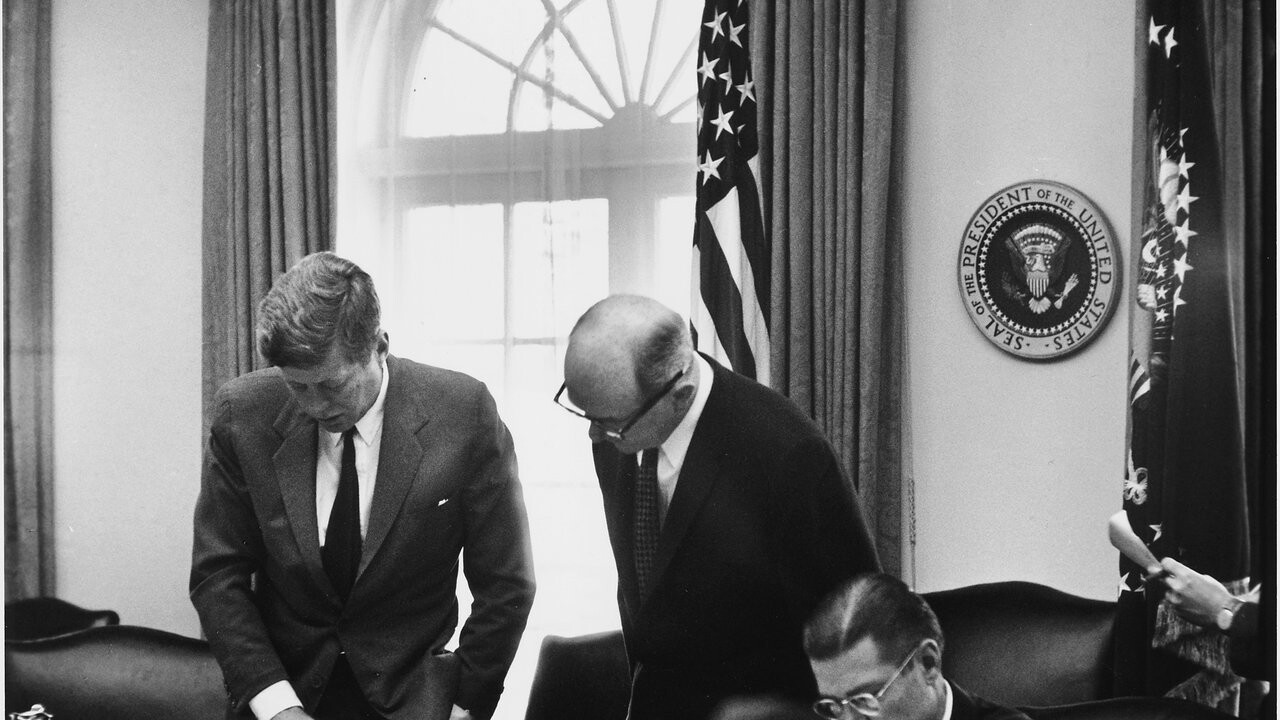
Kennedy and McNamara Appear on a May Tape
Meeting Tape 85.4 is dated May 7, 1963, and identifies Kennedy and Defense Secretary Robert McNamara as participants. The catalog information establishes who was present and when. Any broader conclusion about their policies or intentions requires careful use of the recording and its complete transcript.
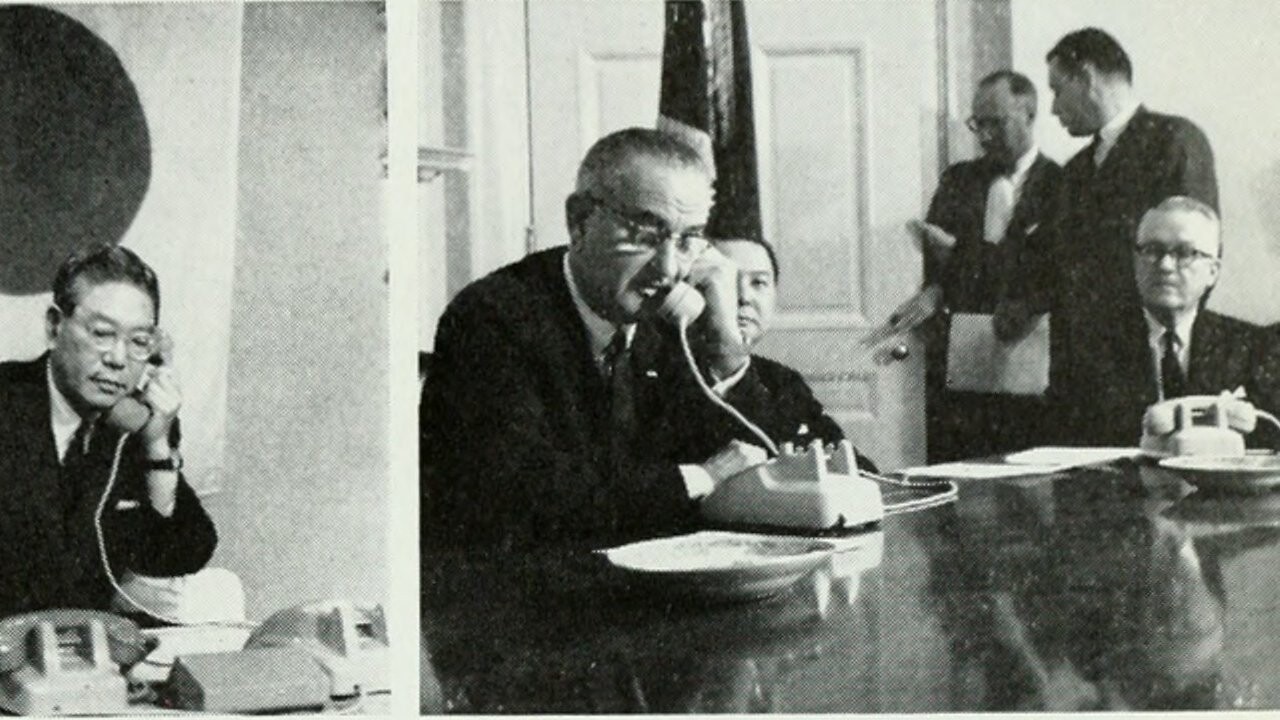
Johnson Records Thousands of Telephone Calls
Lyndon B. Johnson recorded approximately 9,420 telephone conversations totaling more than 643 hours. The immense volume preserves presidential work through words, pauses, and tones of voice, offering a perspective that written memoranda and appointment calendars cannot reproduce by themselves.
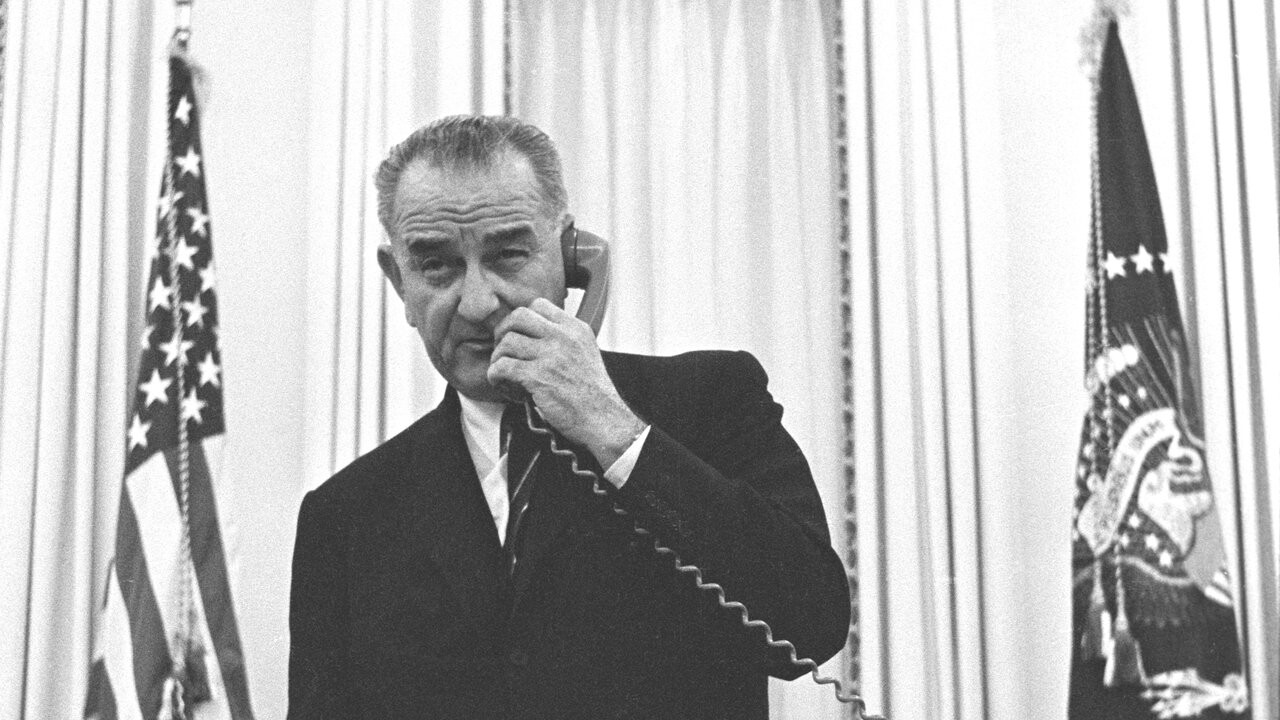
Johnson Seeks Complete Recording Coverage
Johnson gradually had Dictaphones installed in several locations because he wanted complete coverage. That expansion made recording part of his regular presidential routine rather than an occasional experiment. The resulting archive follows discussions across a broad range of people and subjects throughout his time in office.
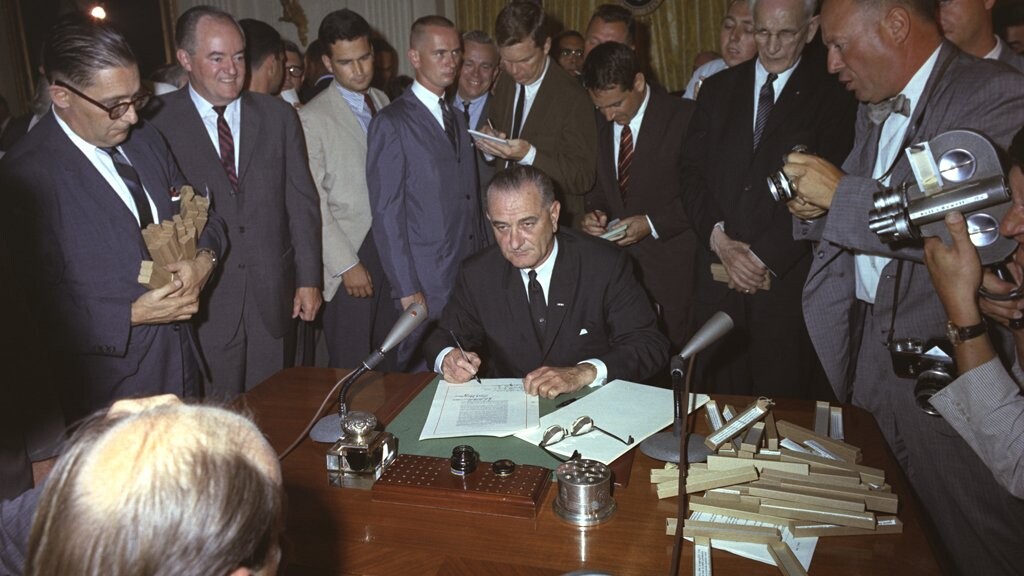
A Civil Rights Call Tracks Senate Passage
One documented sequence surrounding the Civil Rights Act ends with Johnson receiving word that seventy-three senators had voted for the bill. The moment shows how presidential recordings can preserve political developments as they reached the White House, linking private conversations with a major public legislative milestone.
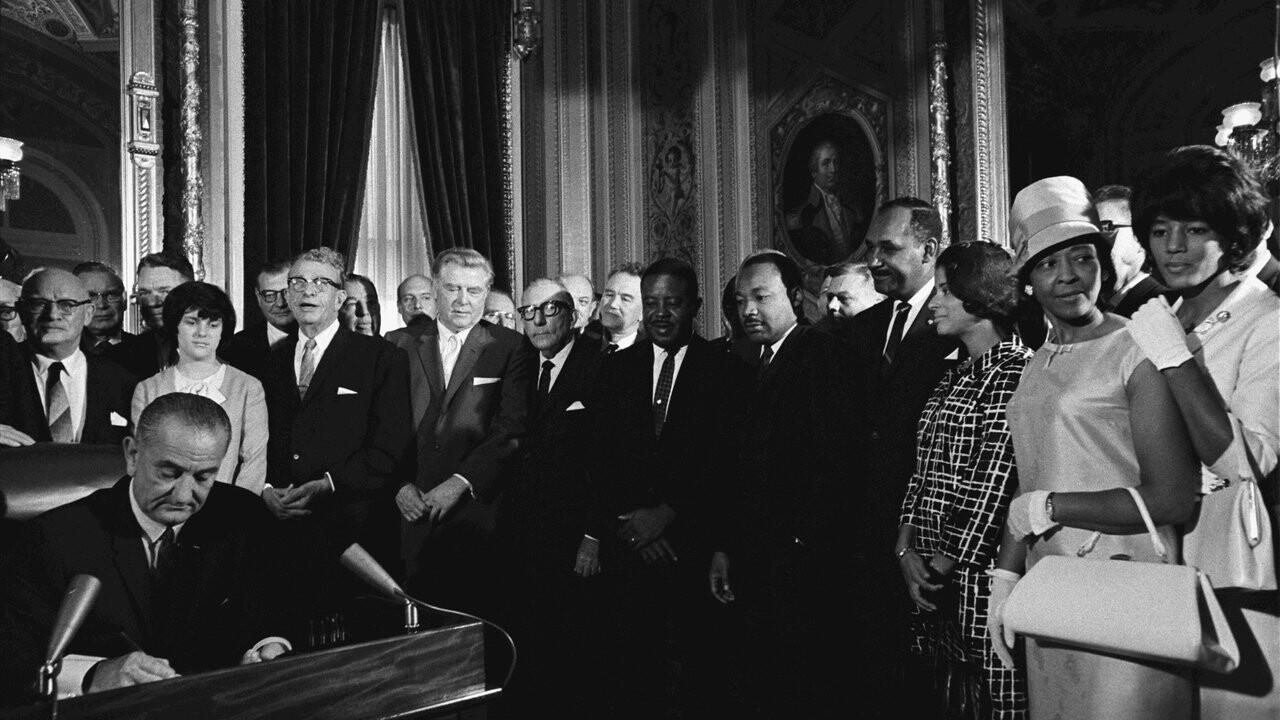
Johnson and King Discuss Voting Rights
On January 15, 1965, Johnson and Martin Luther King Jr. discussed strategies for passing voting-rights legislation. The LBJ Library says Johnson specifically asked King to highlight the worst voting-rights injustices. Their call preserves direct evidence of a president and civil rights leader discussing how to build public support.
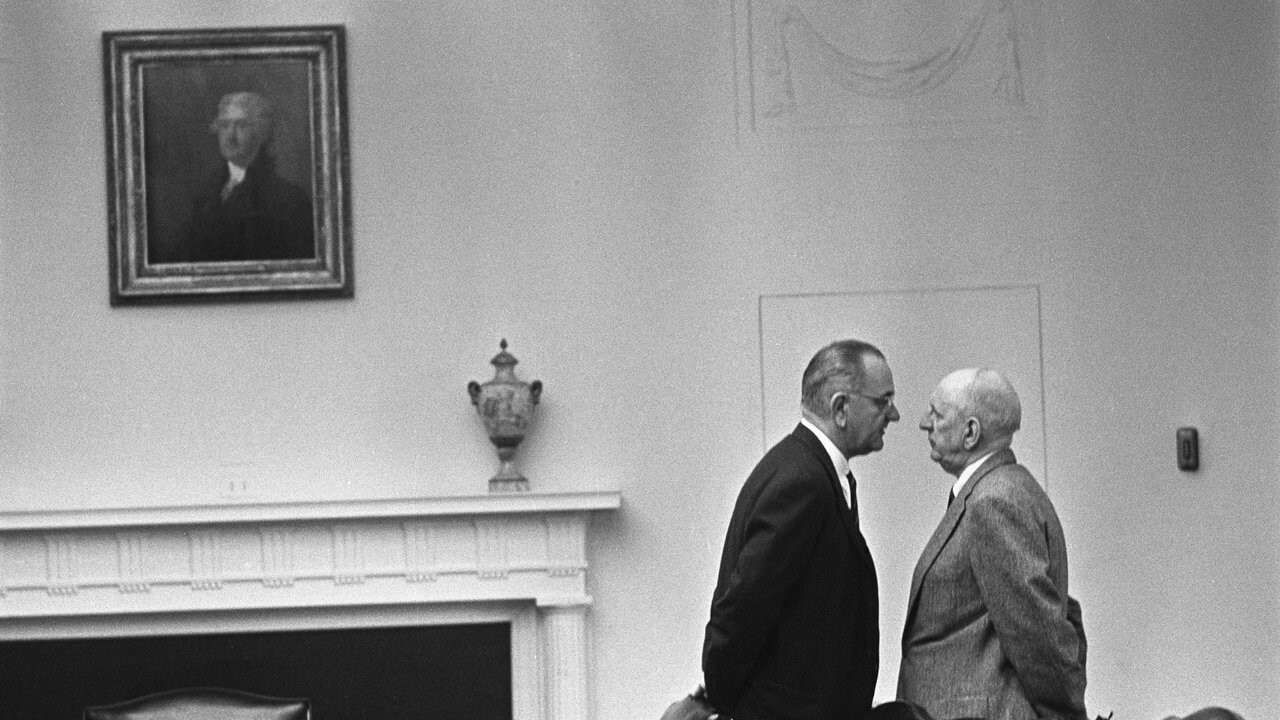
Johnson Calls Richard Russell About Vietnam
On May 27, 1964, Johnson and Senator Richard Russell spoke about the situation in Vietnam. The cataloged call gives listeners a dated record of the president consulting an influential senator as Vietnam demanded increasing attention.
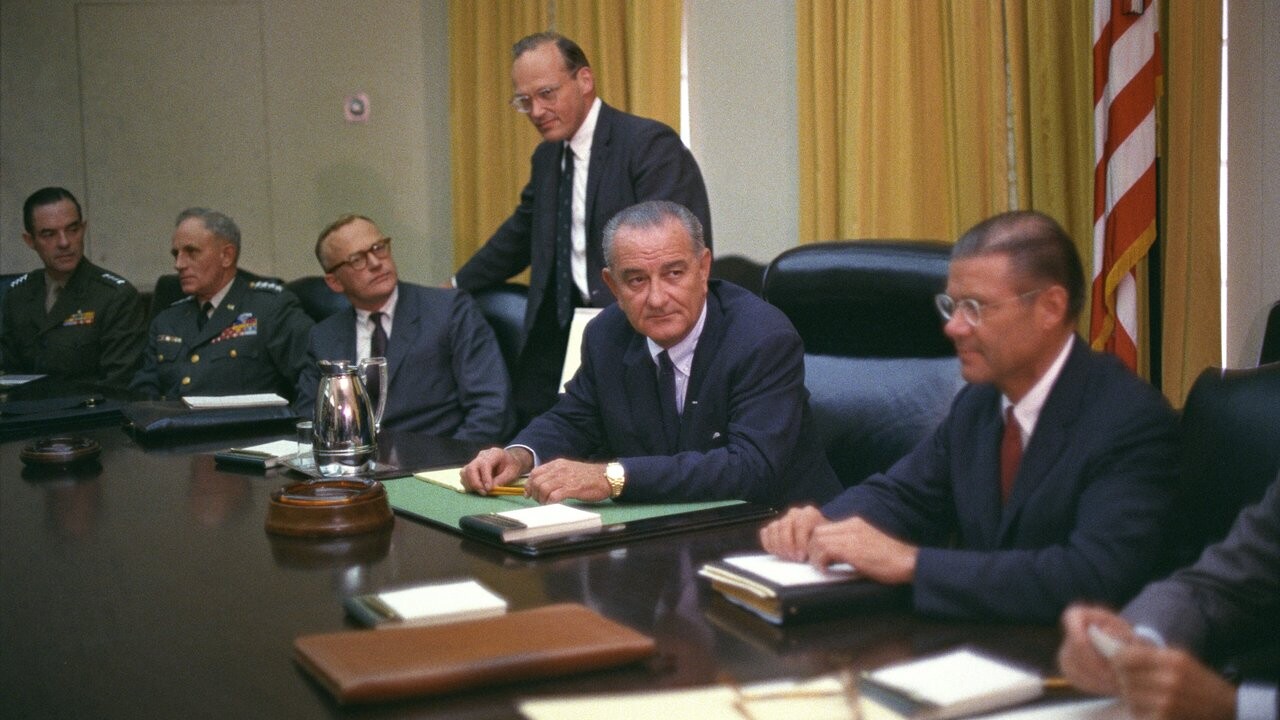
Johnson Adds a Meeting Series
Johnson’s surviving meeting-recording series contains 143 analog tapes documenting seventy-seven meetings. Those figures distinguish the series from his much larger telephone archive. The recordings expanded the kinds of presidential exchanges preserved, adding group discussions to the extensive record already created through Johnson’s calls.
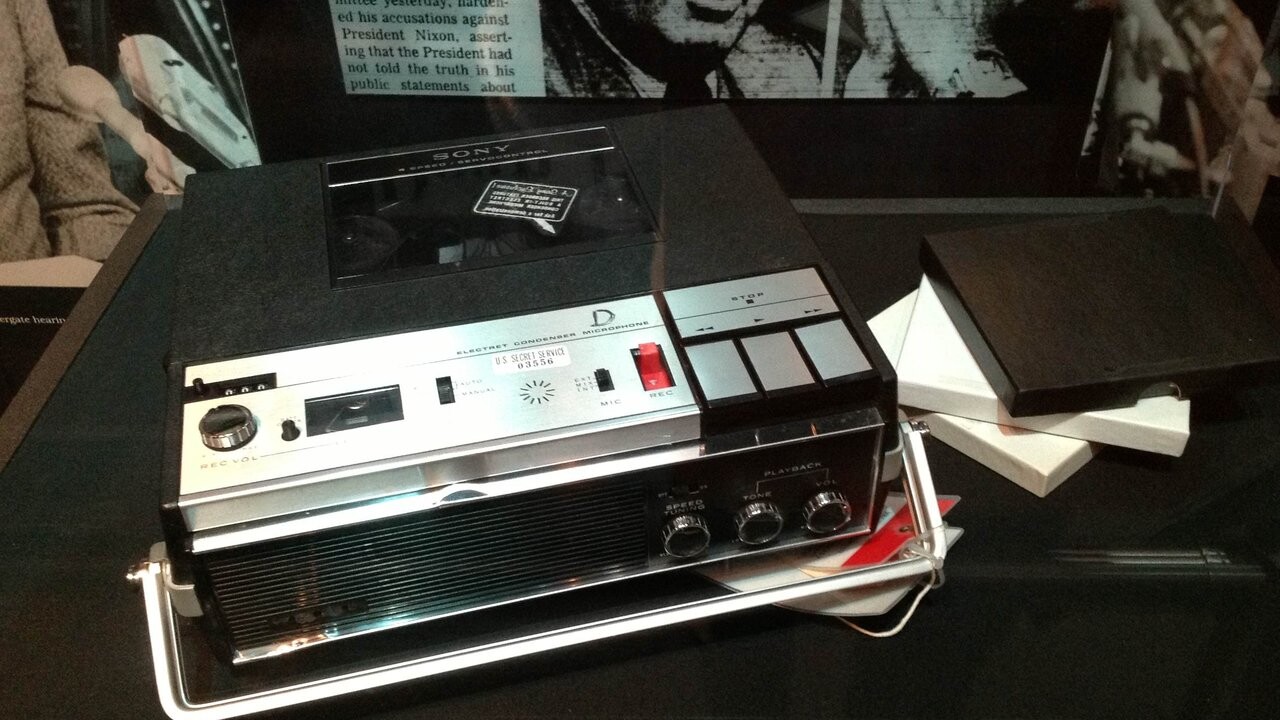
1971: Nixon Activates His Secret System
Richard Nixon’s first recorded conversation on his secret White House system occurred on February 16, 1971. His sound-activated network used Sony 800 and Uher 5000 machines and accumulated about 3,400 hours of discussion during its two years of operation, far exceeding the earlier presidential collections.
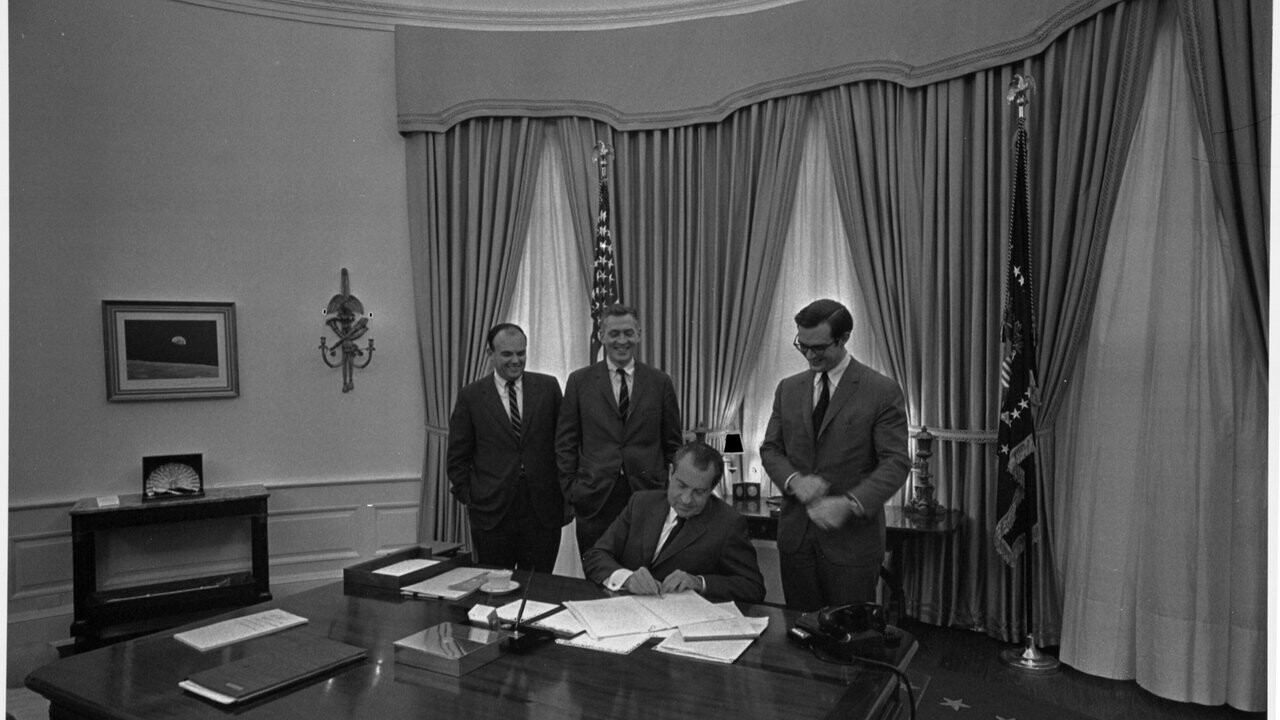
Nixon Expands Recording Across His Workspaces
The first Nixon devices served the Oval Office and Cabinet Room. The network later expanded to his Executive Office Building office, several telephones, the Lincoln Sitting Room, and Aspen Lodge at Camp David. Each addition widened the system’s reach beyond the rooms where it had begun.
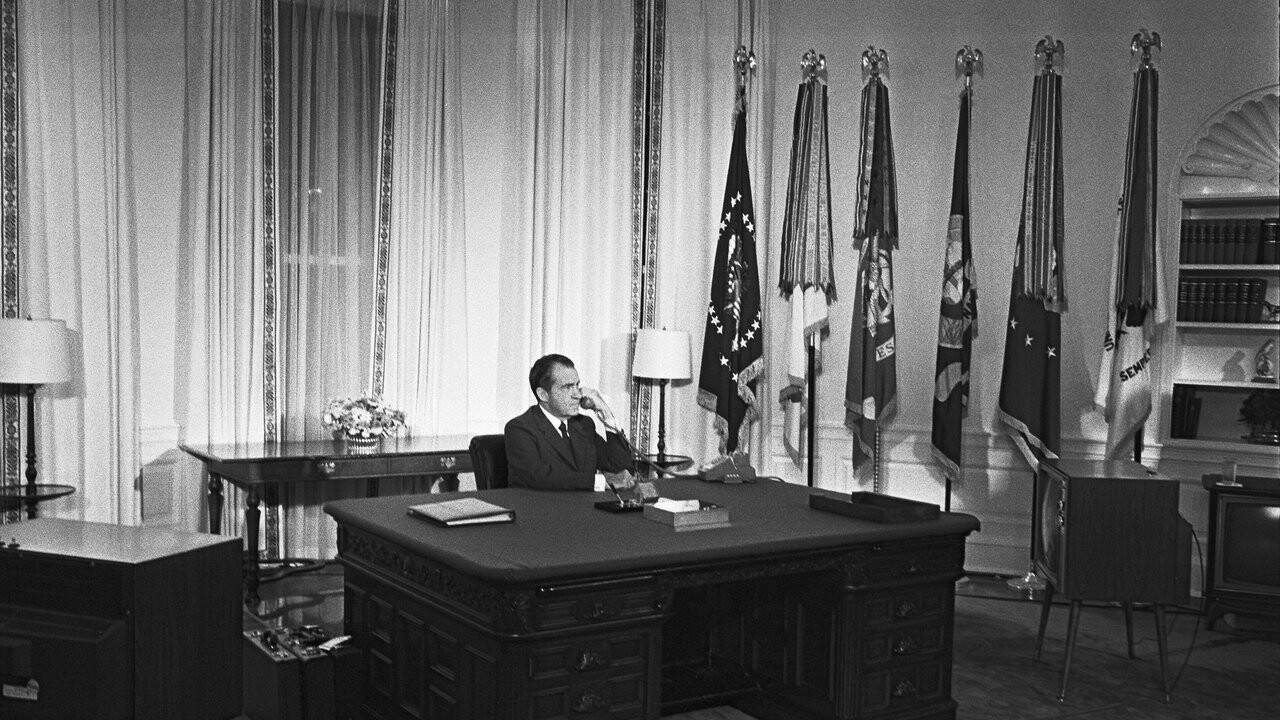
Nixon Creates an Almost Complete Daily Record
Once operating, Nixon’s system produced what his presidential library calls an almost complete record of his daily conversations. That record continued until the equipment was shut down in July 1973. Its breadth preserved formal meetings, telephone calls, casual exchanges, and the rhythms of everyday presidential work.
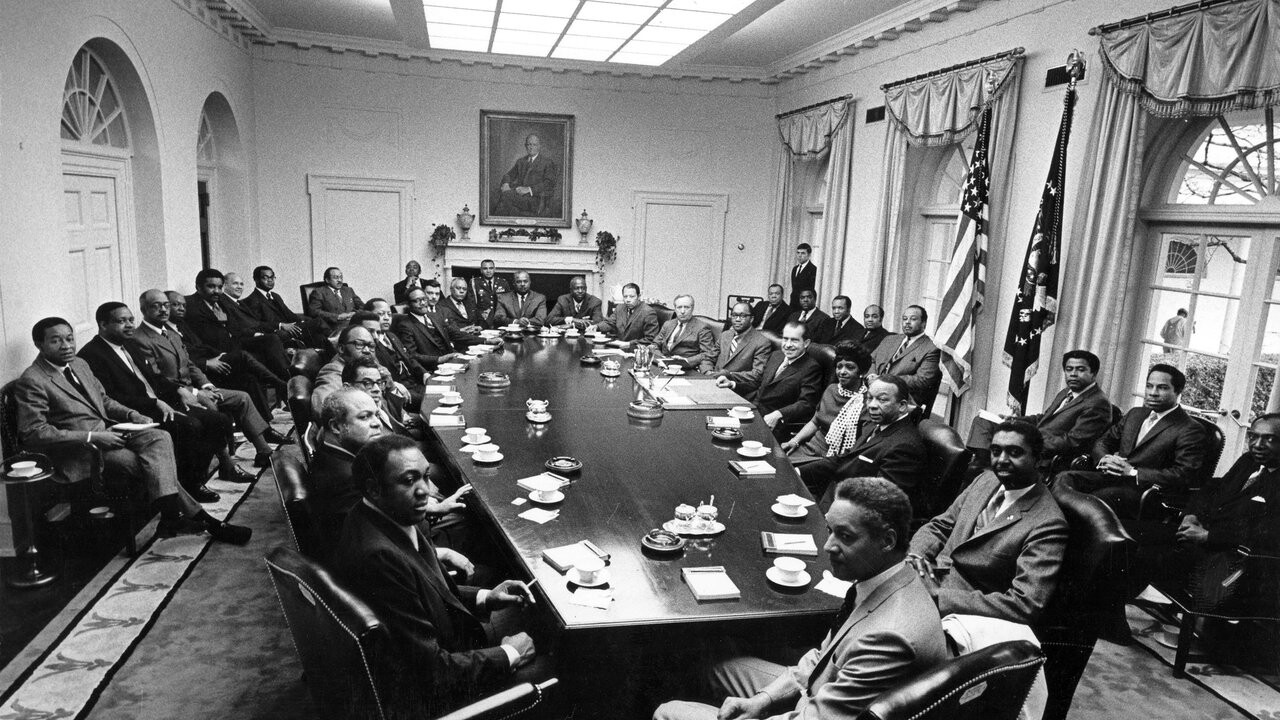
Nixon Rejects Intrusive Note-Taking
The Nixon administration tried several methods for documenting meetings, including note-takers and post-meeting debriefings. Nixon rejected those approaches as intrusive and unable to capture conversational detail. Because aides believed he might forget to operate a manual recorder, the eventual system relied heavily on voice activation.
A Watergate Tape Becomes the Smoking Gun
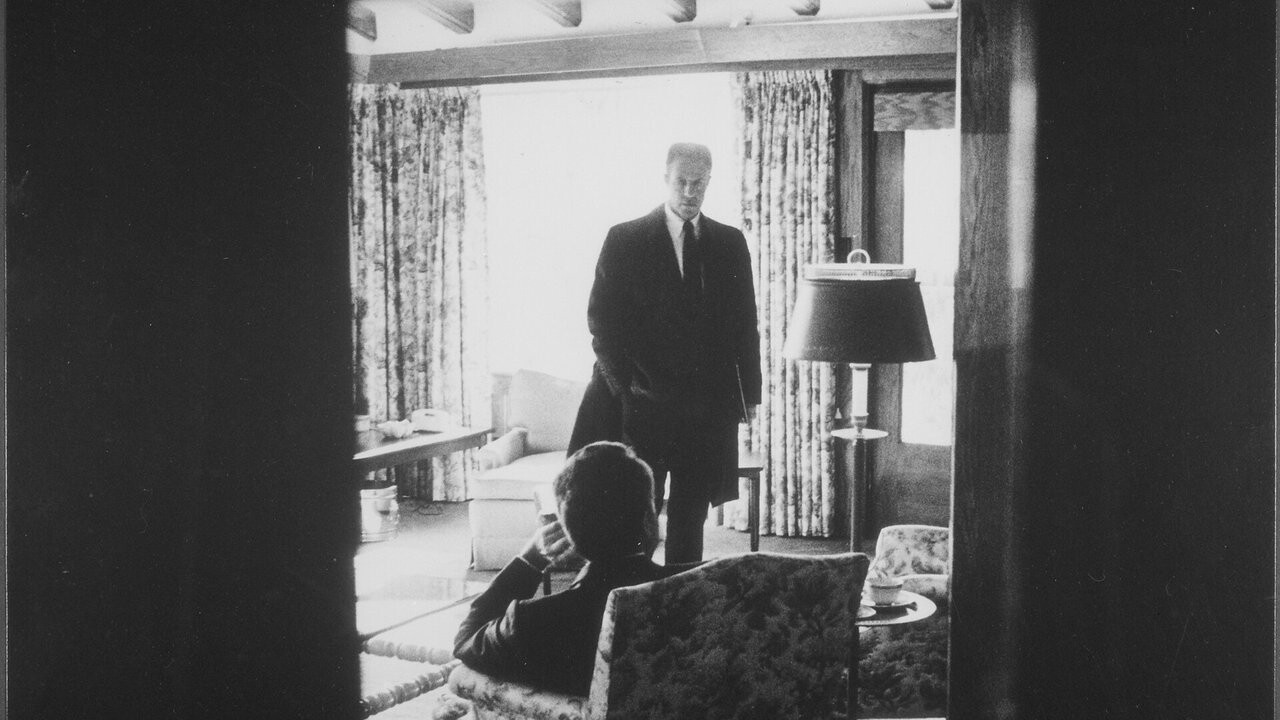
In a June 23, 1972, conversation later called the Smoking Gun tape, Nixon and H. R. Haldeman discussed having the CIA ask the FBI to halt its investigation of the Watergate break-in. The exchange became the most consequential recording within a much larger archive documenting Nixon’s presidency.
Together, these recordings reveal how presidential history can sound before it is polished into speeches, memoirs, and official explanations. Which recording would you most want to hear in full?
Follow The HyperHive on MSN for more stories like this.
Sources:






_Pres._Roosevelt%27s_press_conference_LCCN2016871539.jpg)


