Presidential Relatives Who Embarrassed the White House

Bernard Gotfryd / Wikimedia Commons, Public domain (cropped)
Presidents inherit the glare of office, and their relatives share it. A business arrangement, rebellious gesture, or family disagreement can become a national story, even when the president did nothing wrong.
This gallery moves broadly from the early republic to the modern media age. It draws on congressional reports, presidential libraries, federal archives, museums, universities, and established news organizations, with care taken to distinguish documented conduct from allegation and political theater.
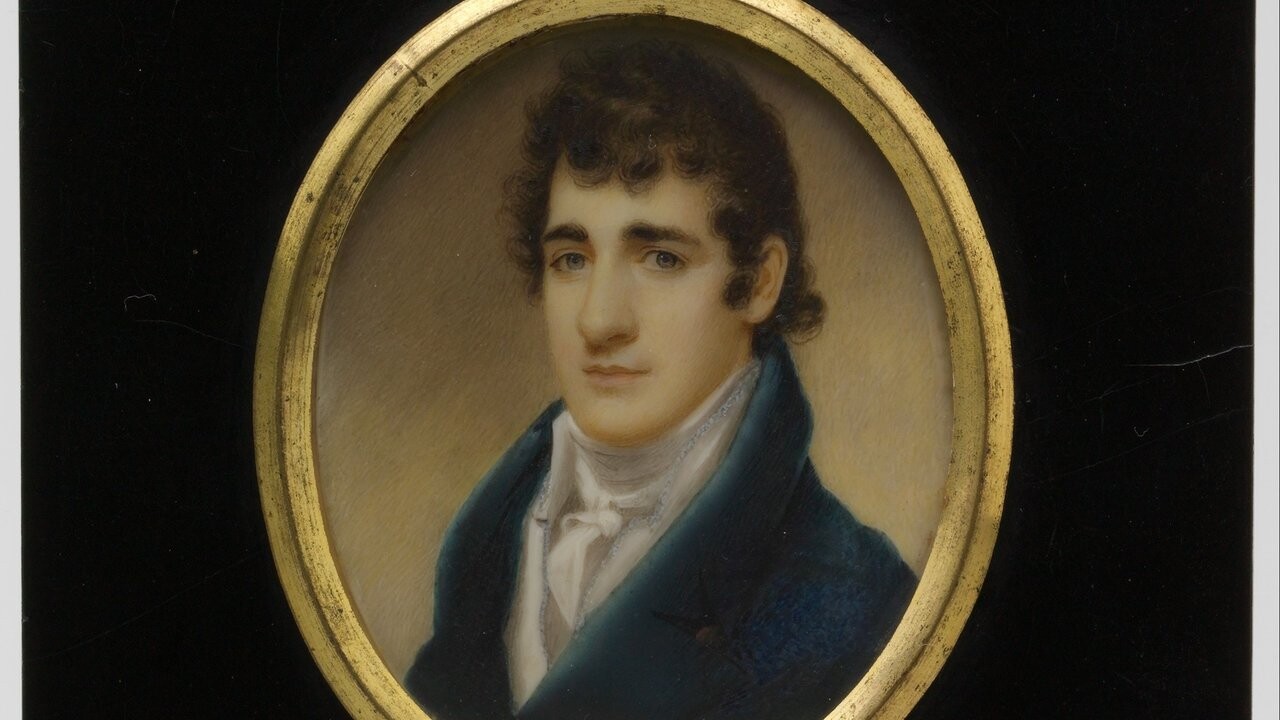
John Payne Todd’s Costly Return
When John Payne Todd returned from Europe, he carried more than $6,500 in debt. That burden became part of the Madison family’s historical record, showing how a relative’s private finances could shadow a household identified with public service. The problem also foreshadowed deeper financial strain after James Madison’s death.
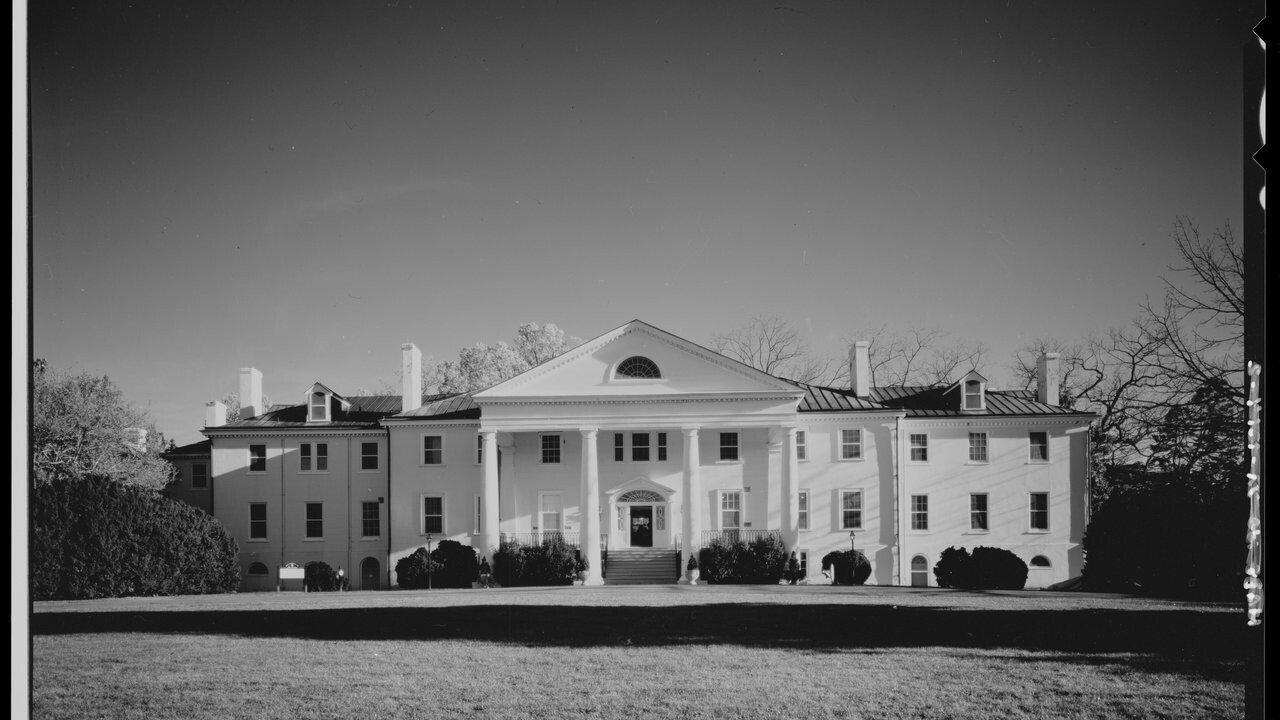
John Payne Todd’s Debts Reach Montpelier
After James Madison’s death, John Payne Todd’s continuing debts weighed heavily on Dolley Madison. A university finding aid says she was forced to sell Montpelier, the family plantation, to pay them. The loss turned an adult son’s financial troubles into a lasting consequence for one of the early republic’s best-known families.
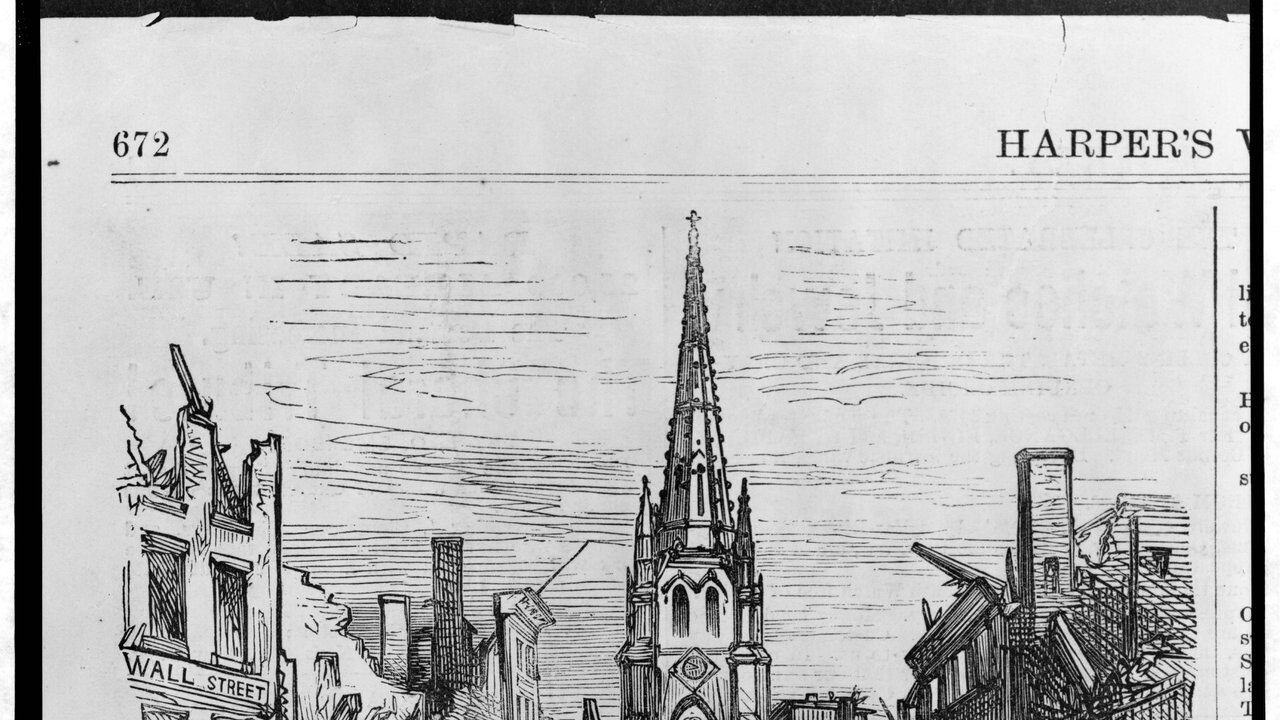
Abel Corbin and the Gold Corner
Financiers Jay Gould and James Fisk used Abel Corbin, Ulysses S. Grant’s brother-in-law, to approach the president while pursuing their gold scheme. The effort culminated in the financial panic remembered as Black Friday. Corbin’s family connection illustrated how proximity to a president could give private actors an appearance of influence.
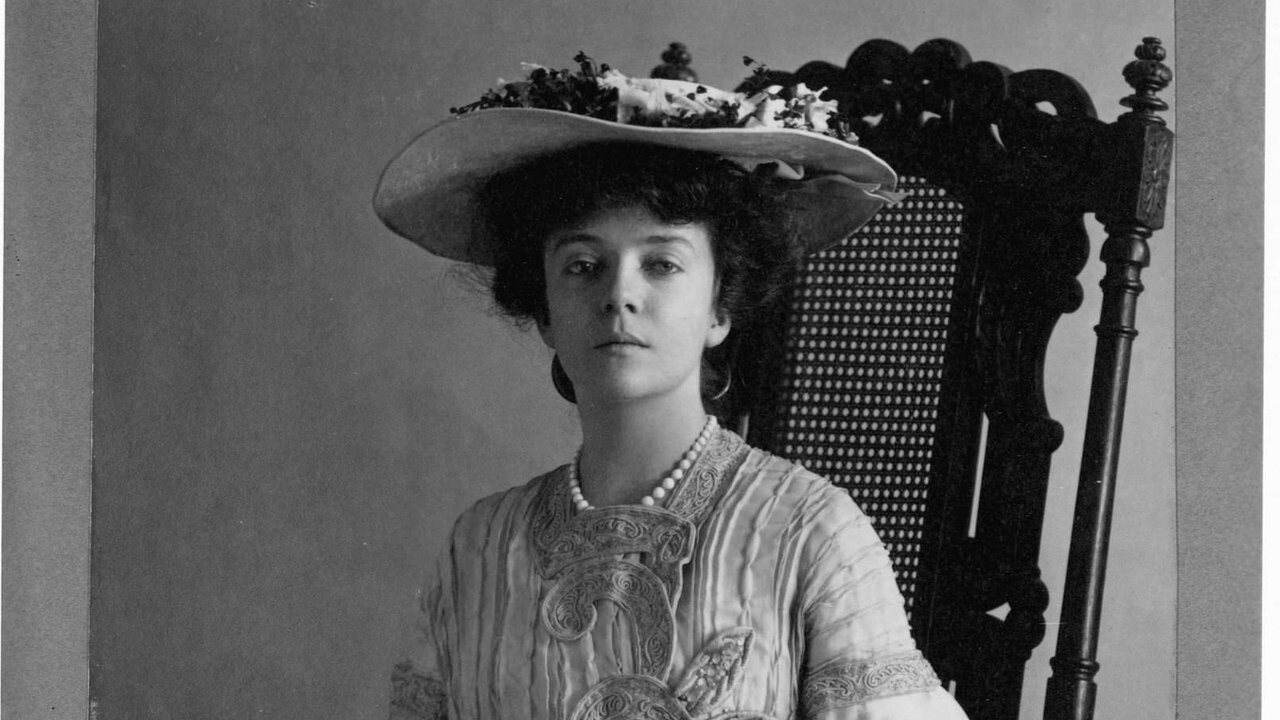
Alice Roosevelt Takes to the Roof
When Theodore Roosevelt prohibited Alice Roosevelt from smoking under his roof, she found a literal workaround and smoked atop the White House. The story endured because it captured her independent streak and the era’s restrictive expectations for presidential daughters. What amused many Americans still created an etiquette problem for her father.
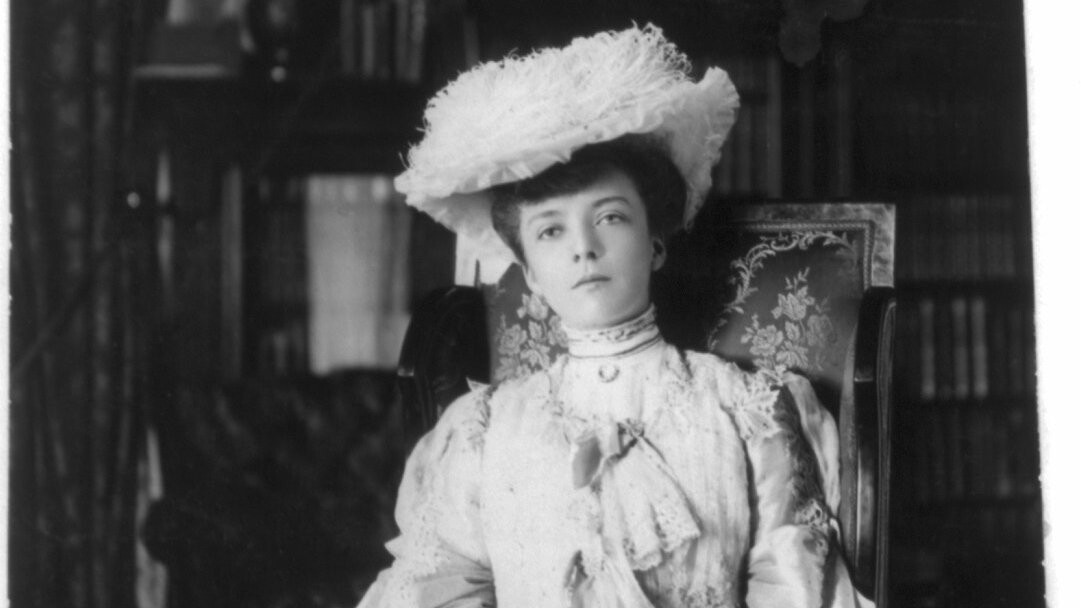
Alice Roosevelt’s Snake and Racecourse Bets
Alice Roosevelt also carried a pet snake and bet at horse races, behavior that fascinated newspapers and unsettled polite society. These were not crimes, and later generations have often admired her refusal to conform. For the Roosevelt White House, however, each colorful outing risked becoming another headline about a first daughter who resisted control.
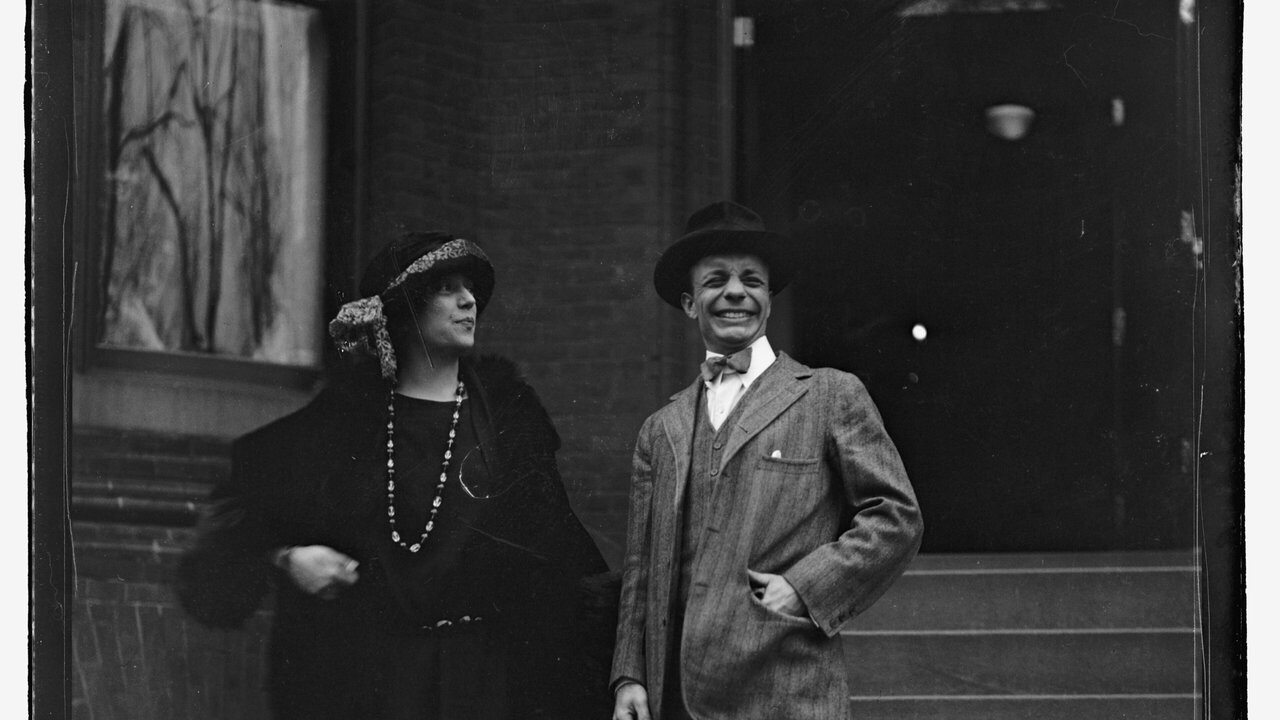
Alice Roosevelt Behind the Wheel
According to Smithsonian Magazine, driving without a chaperone, dancing publicly, and slipping whiskey into dry parties added to Alice Roosevelt’s celebrity. Her behavior was judged through the restrictive standards applied to young women of her time, which helps explain the commotion. The attention showed that presidential relatives could become national celebrities long before television entered American homes.
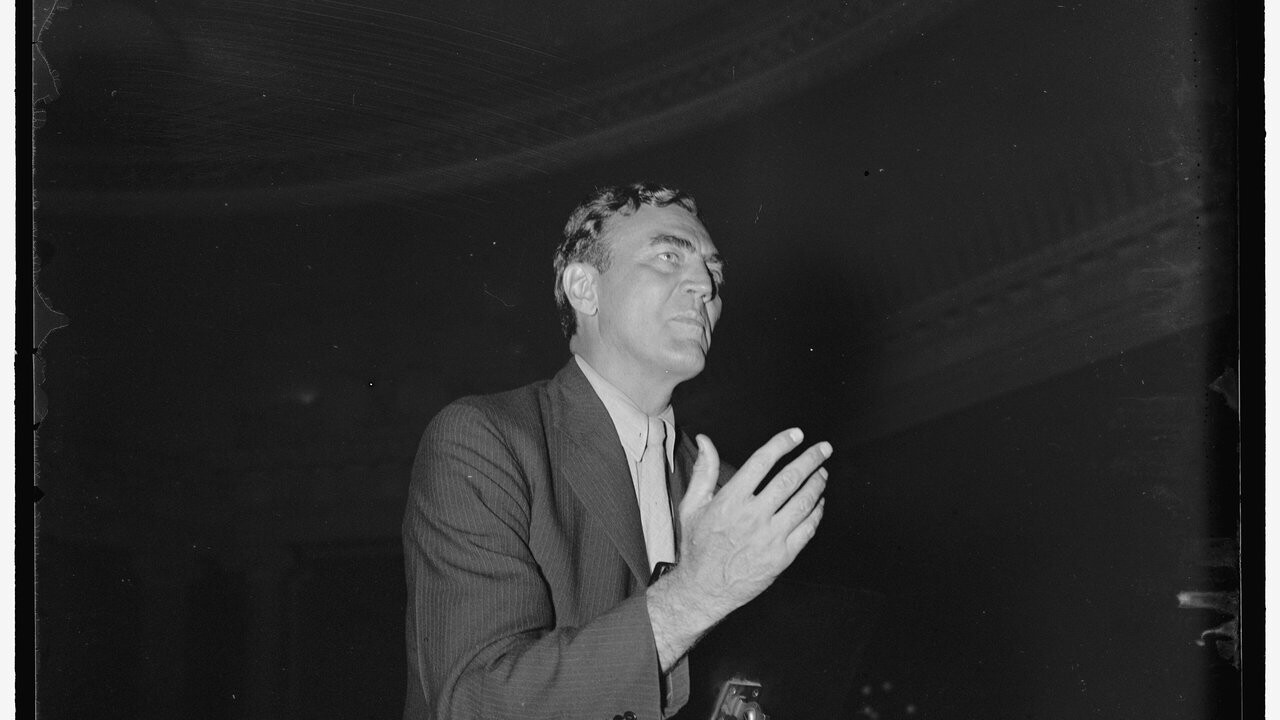
James Roosevelt’s Insurance Questions
TIME reported that James Roosevelt worked in insurance before joining the White House staff. He acknowledged that being the president’s son helped him obtain insurance business. That admission did not prove misconduct, but it showed why an otherwise conventional career could attract suspicion when a parent occupied the nation’s most powerful office.
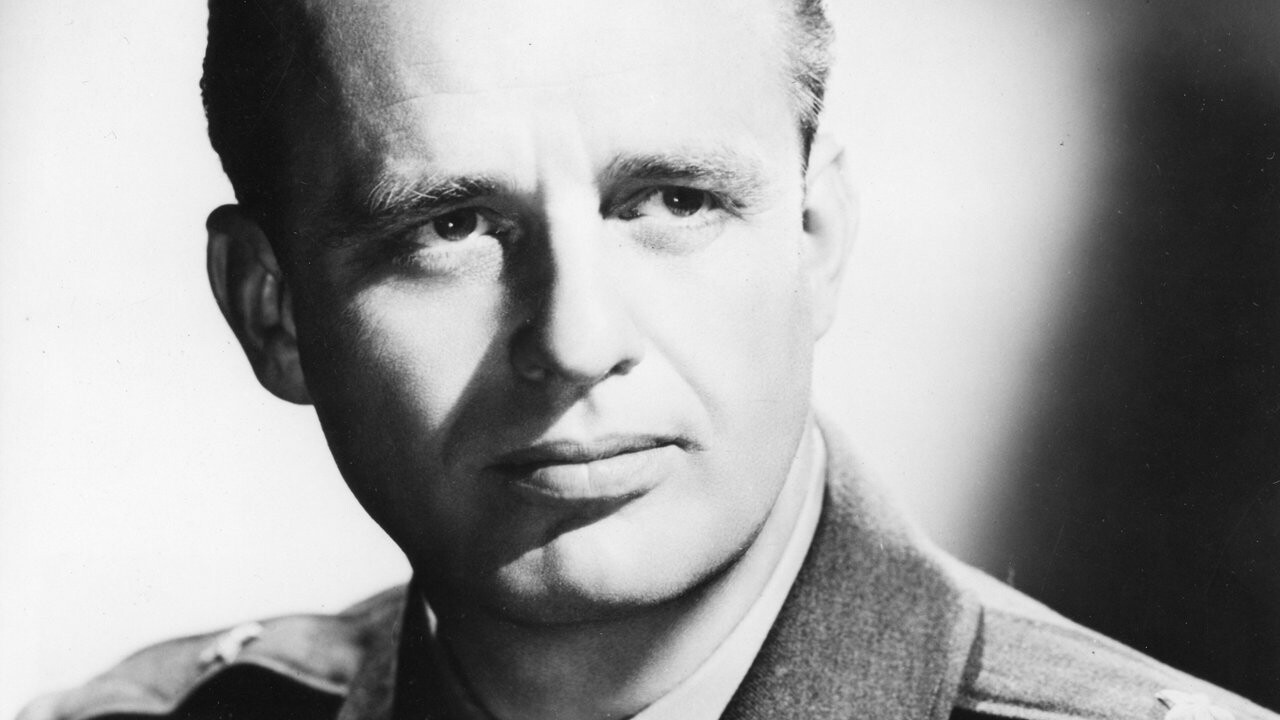
Elliott Roosevelt Faces an Aircraft Inquiry
Elliott Roosevelt appeared during a 1947 Senate hearing into improprieties in wartime aircraft procurement. The National Archives describes Roosevelt and Senator Owen Brewster as answering influence-peddling charges. The highly public proceeding placed a presidential son’s contacts and judgment at the center of a dispute involving military purchasing and aircraft executive Howard Hughes.
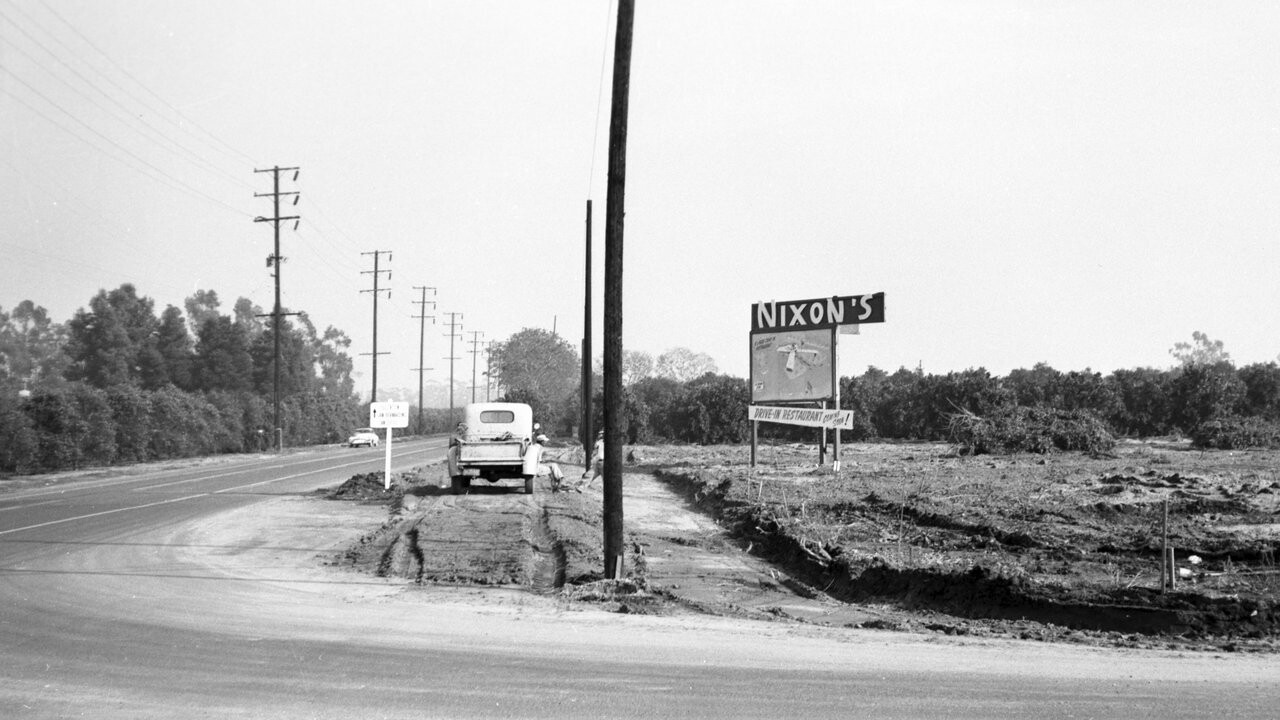
Donald Nixon’s Hughes Loan
According to the Los Angeles Times, Donald Nixon obtained a $205,000 loan from the Howard Hughes business empire in 1956, before his brother Richard became president, and the arrangement later became a presidential campaign issue. Its documented existence created an appearance problem by linking a candidate’s close relative to one of the country’s most prominent and politically connected businessmen.
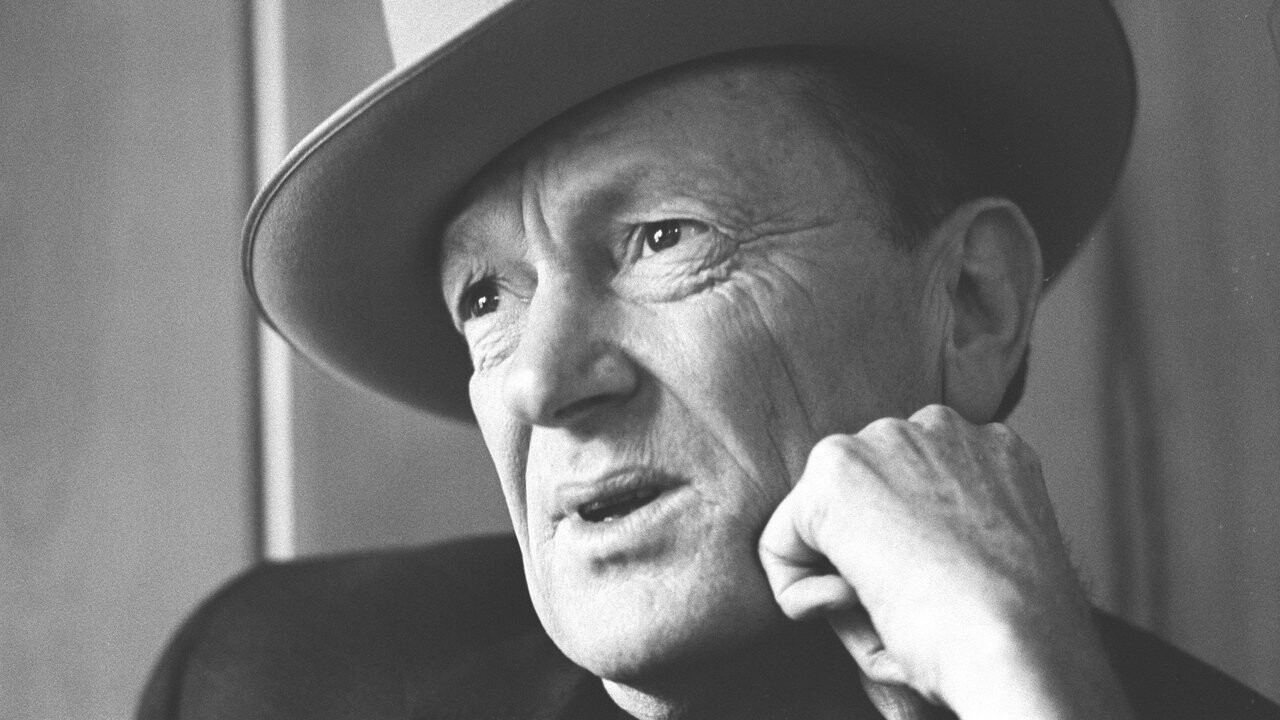
Sam Houston Johnson Under the Spotlight
Lyndon Johnson employed his younger brother, Sam Houston Johnson, as an aide while serving as Senate majority leader. A Congressional Record entry later identified Sam as a clerk to the Conference of Democratic Senators. His employment became part of the broader debate over whether powerful officials should place relatives in government jobs.
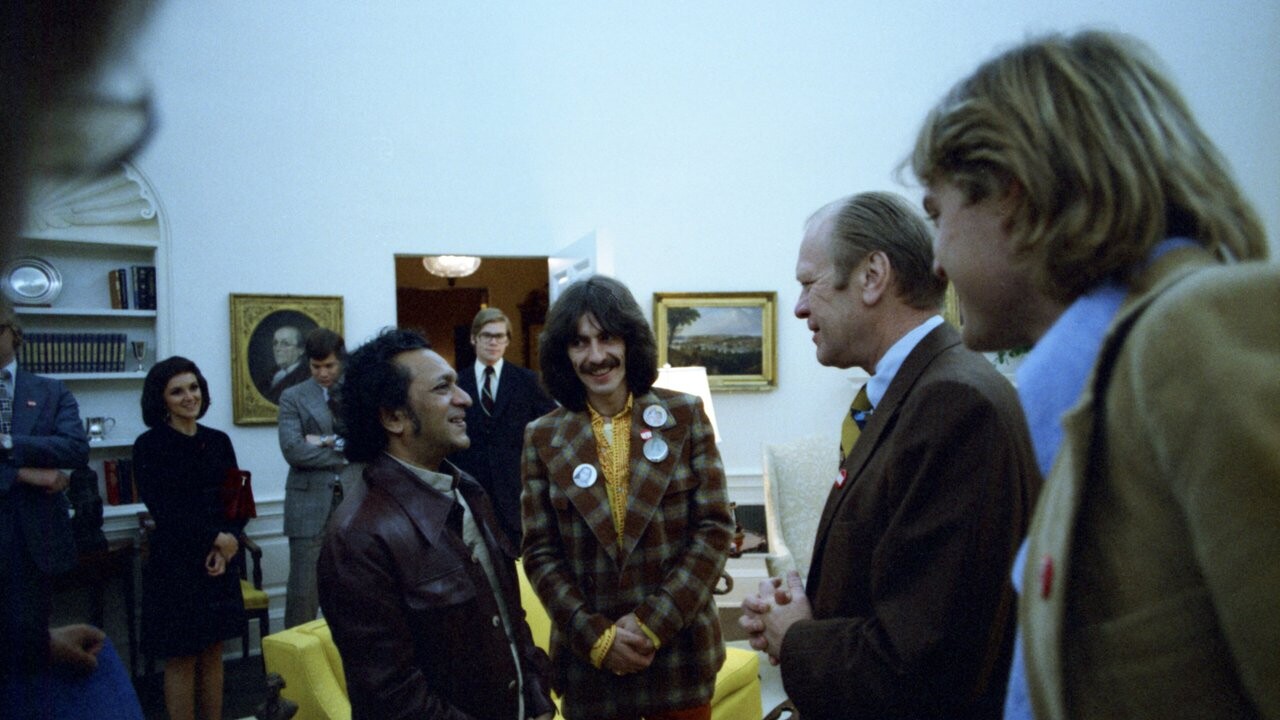
Jack Ford Chooses Candor
Jack Ford created an awkward moment by acknowledging that he had used marijuana. Gerald Ford said he had never used it himself but refused to chastise his son publicly. The president’s measured response made the episode a revealing example of a father handling a family problem without turning his son into a political prop.
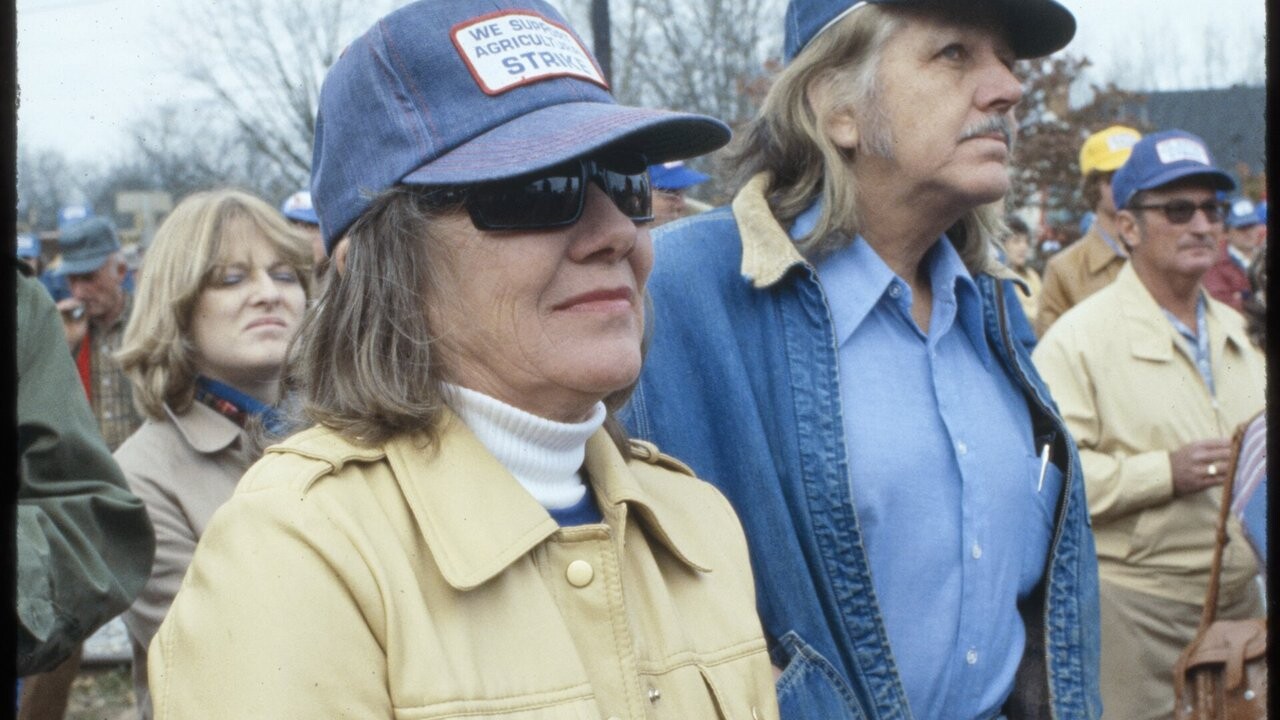
Gloria Carter Spann and the Harmonica
Jimmy Carter’s sister Gloria Carter Spann supplied one of the gentler episodes in this history. A University of Virginia account says she was arrested in 1979 after refusing to stop playing her harmonica in an Americus, Georgia, restaurant. The incident became a national oddity but involved neither corruption nor consequential official misconduct.
Billy Carter Registers Over His Libya Work
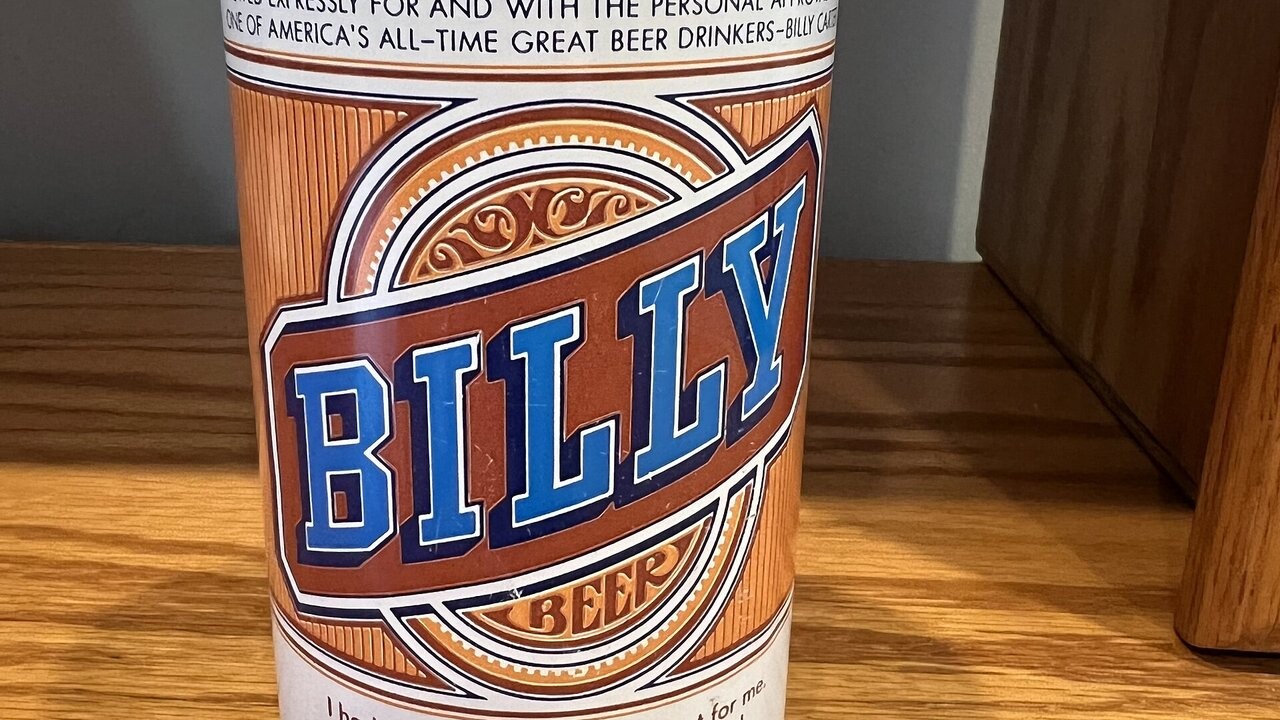
Billy Carter’s contacts with Libya became a serious political problem for his brother’s administration. A Justice Department report says that, under the terms of a final judgment, Billy filed a foreign-agent registration statement. The episode raised questions about whether a president’s brother might appear to carry official influence despite holding no government authority.
The Senate Draws a Line Around Billy Carter
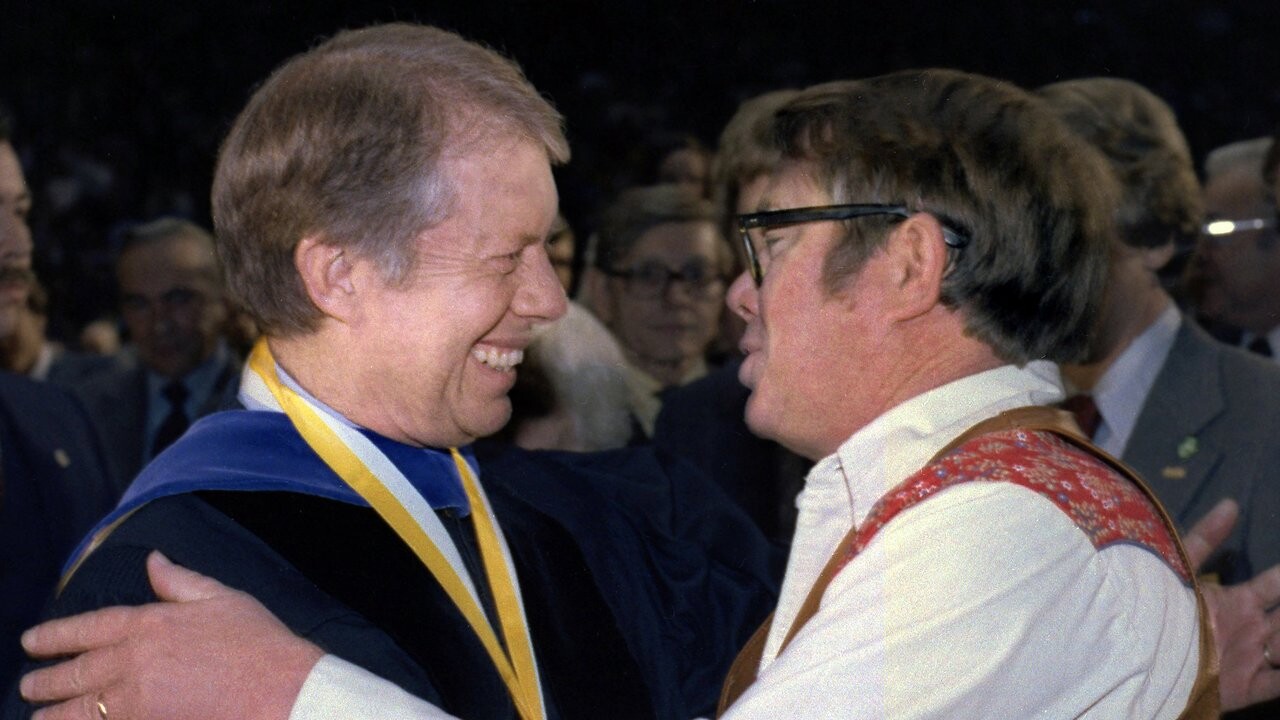
A White House statement on the Senate inquiry’s final report said Billy Carter had no influence on United States policy or government action concerning Libya. It also said the subcommittee found no wrongdoing. Those conclusions did not erase the political damage, but they distinguished poor boundaries and troubling appearances from presidential intervention in national policy.
Neil Bush Receives a Regulator’s Order
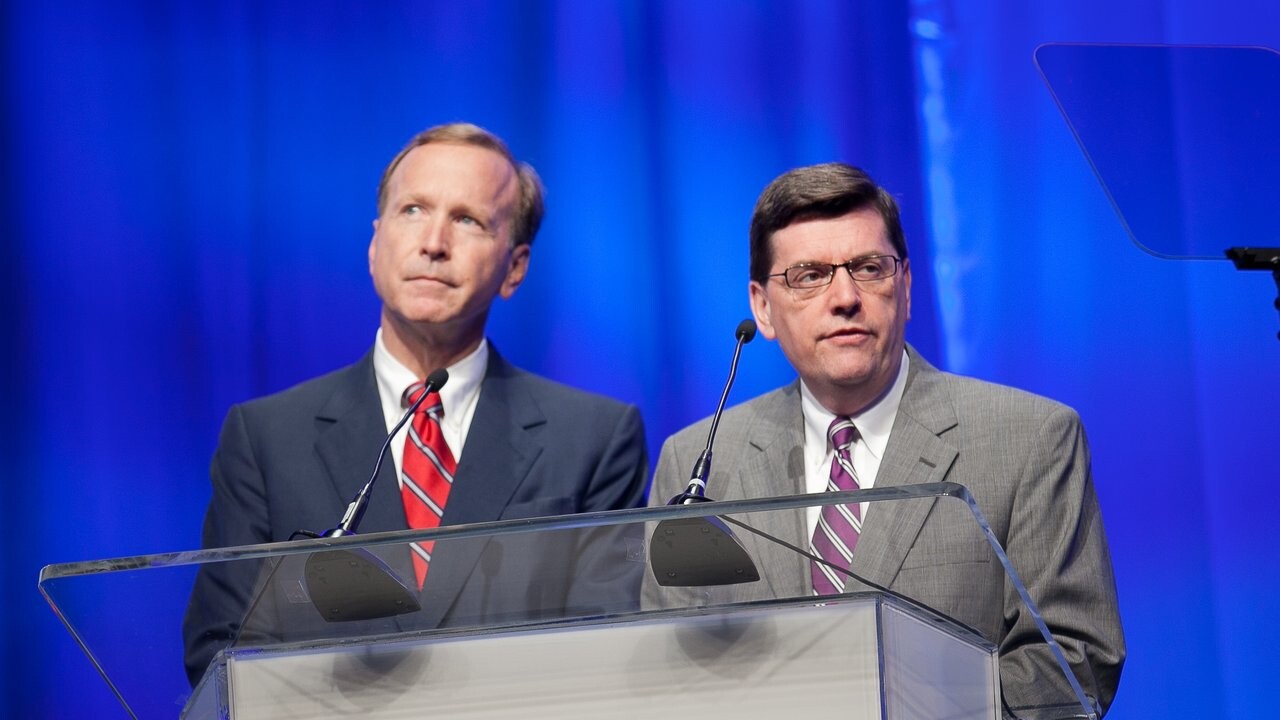
Neil Bush’s role at Silverado brought a formal regulatory rebuke while his father, George H. W. Bush, was president. Federal thrift regulators issued a cease-and-desist order addressing conflicts of interest, unsafe or unsound practices, and fiduciary duties. The timing turned a bank director’s conduct into a political problem for the White House.
Roger Clinton Appears on the Pardon List
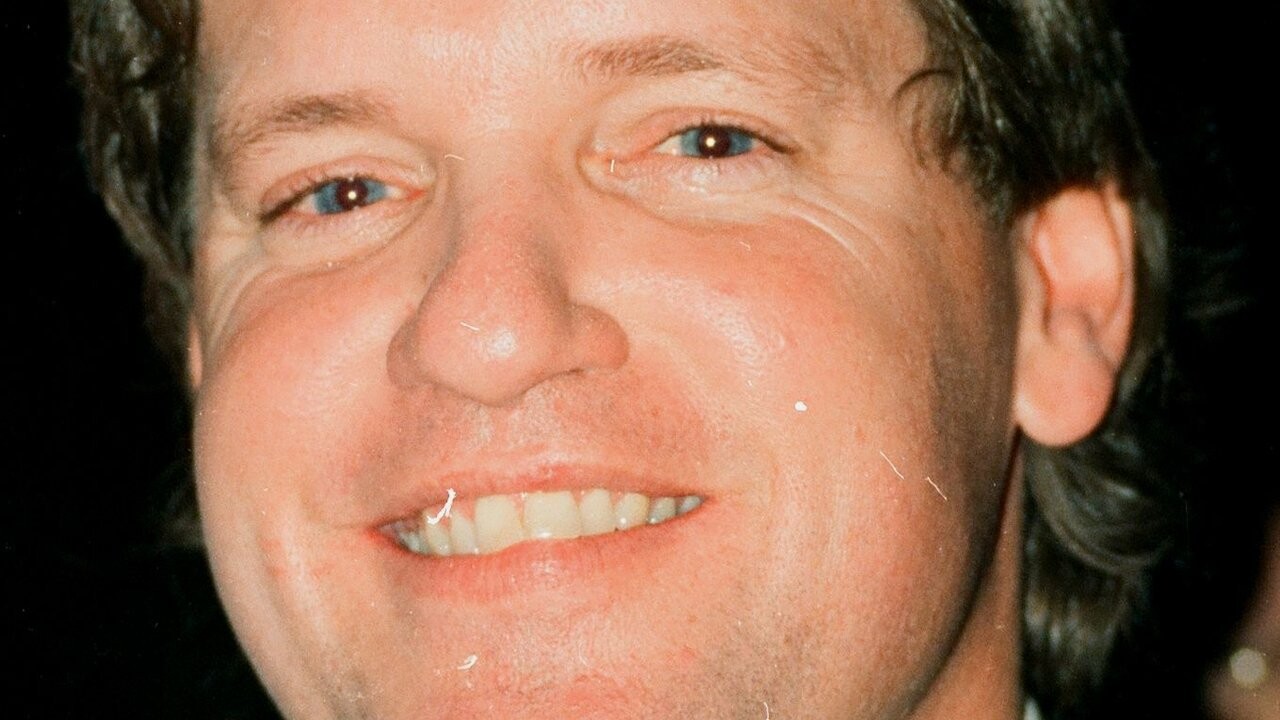
Roger Clinton, Bill Clinton’s half-brother, had a federal conviction for conspiracy to distribute cocaine. Near the end of his presidency, Bill Clinton granted him a pardon. The Justice Department’s official list records the offense, making clemency for a close relative an unmistakable appearance problem for the departing administration.
Presidential families make history under pressures few private families ever face, and a fair record must preserve both accountability and proportion. Which of these episodes do you remember best?
Follow The HyperHive on MSN for more stories like this.
Sources:






