Old Hollywood Scandals the Studios Kept Quiet: What the Record Confirms

Unknown. / Wikimedia Commons, Public domain (cropped)
Old Hollywood sold immaculate stars, but private lives rarely matched the publicity. Surviving records show how studios managed damaging stories, sometimes even after courts reached very different conclusions.
These slides move chronologically from 1921 to 2007. The evidence comes from court reporting, government and library archives, later admissions, and carefully attributed biographies. The suggested images favor freely available historical photographs.
1921: A Party Becomes a National Scandal
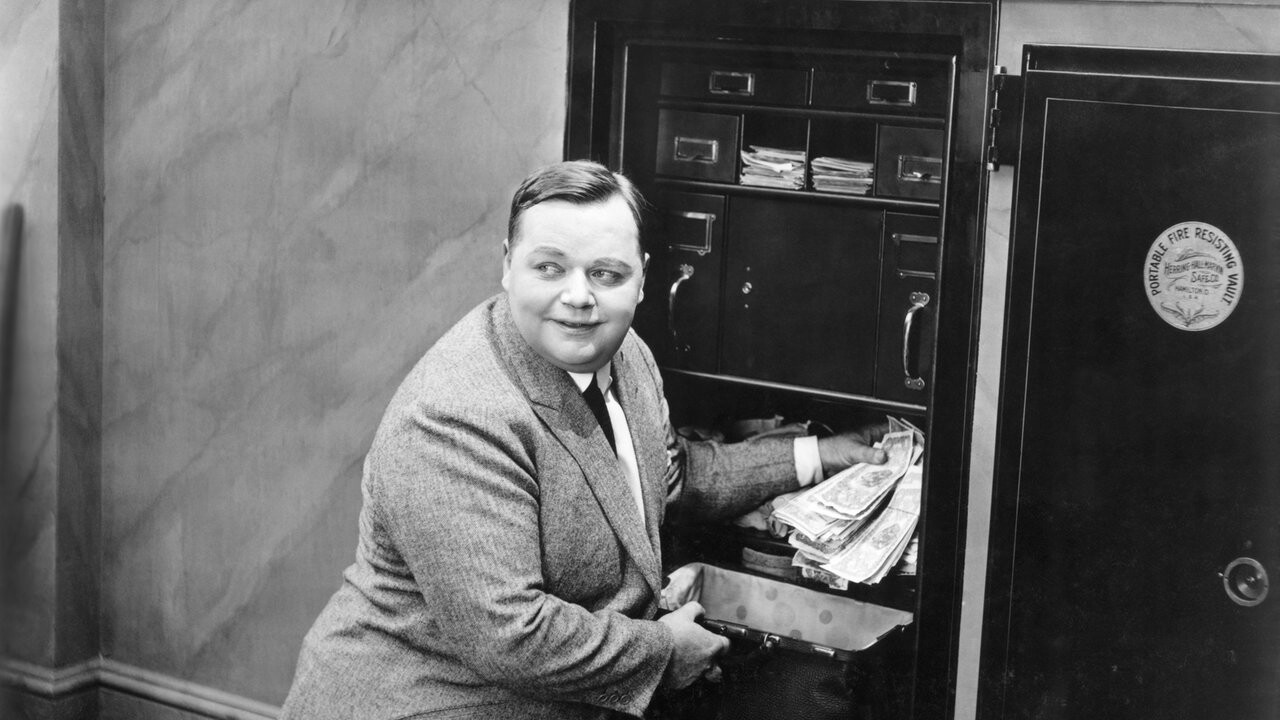
According to Smithsonian Magazine, Roscoe Arbuckle attended a Labor Day party at San Francisco’s St. Francis Hotel on September 5, 1921. Actress Virginia Rappe became ill, and she died four days later from a ruptured bladder. The episode quickly became one of early Hollywood’s most damaging national scandals.
1921: Charges Arrive Before a Verdict
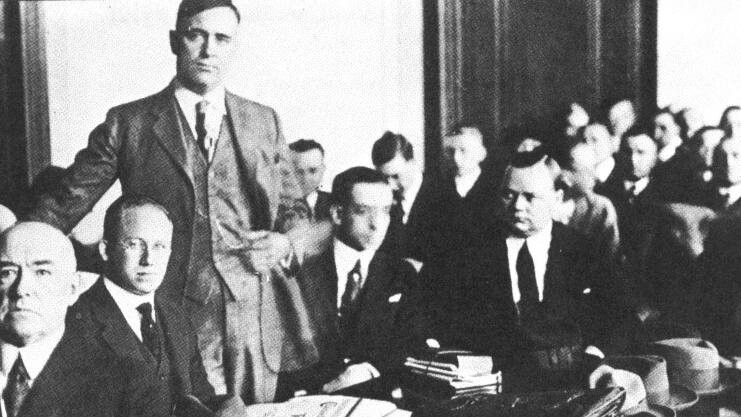
According to the Library of Congress, Arbuckle was charged with first-degree murder and rape in September 1921 and released on $5,000 bail. Prosecutors later tried him for manslaughter, the charge on which the third jury acquitted him. Keeping those stages separate prevents the opening accusations from being mistaken for the case’s final legal outcome.
1922: Three Trials End in Acquittal
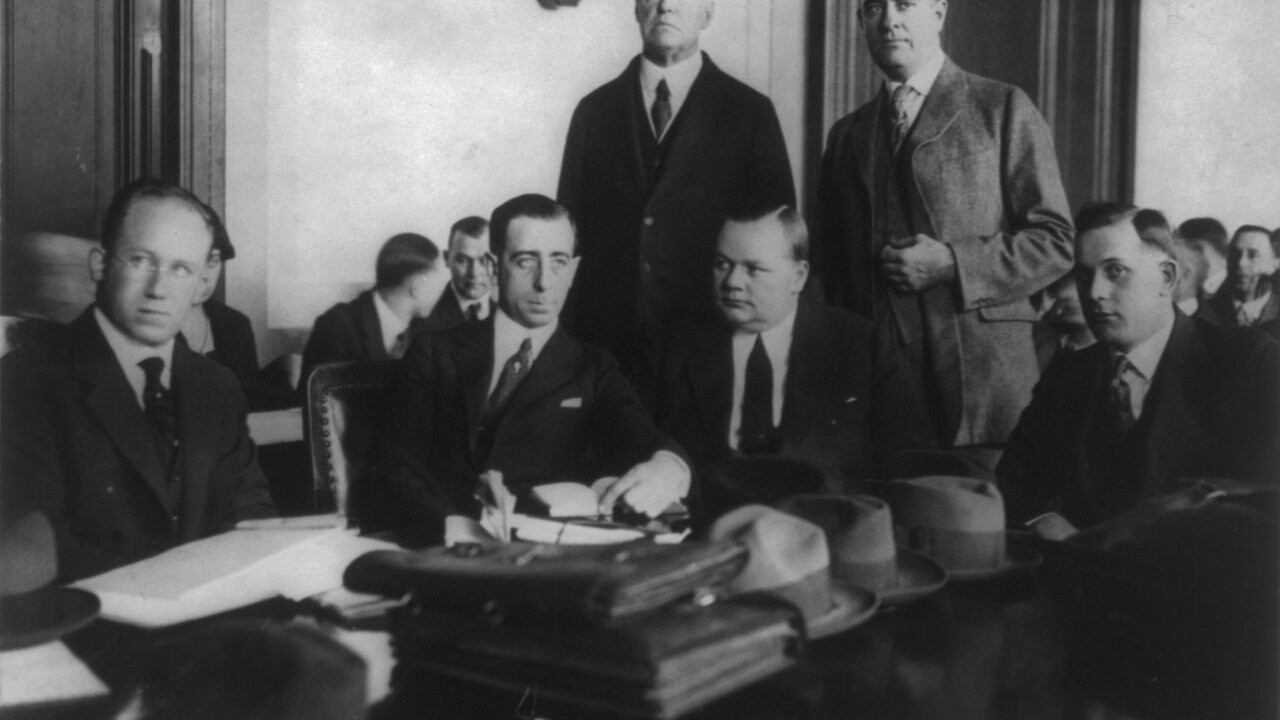
The Library of Congress records that Arbuckle faced three trials. The first two ended with hung juries, while the third brought an acquittal. The verdict ended the criminal case, but it could not undo the intense publicity or immediately restore his place in an industry increasingly concerned about its public image.
1922: The Jury Goes Beyond Not Guilty
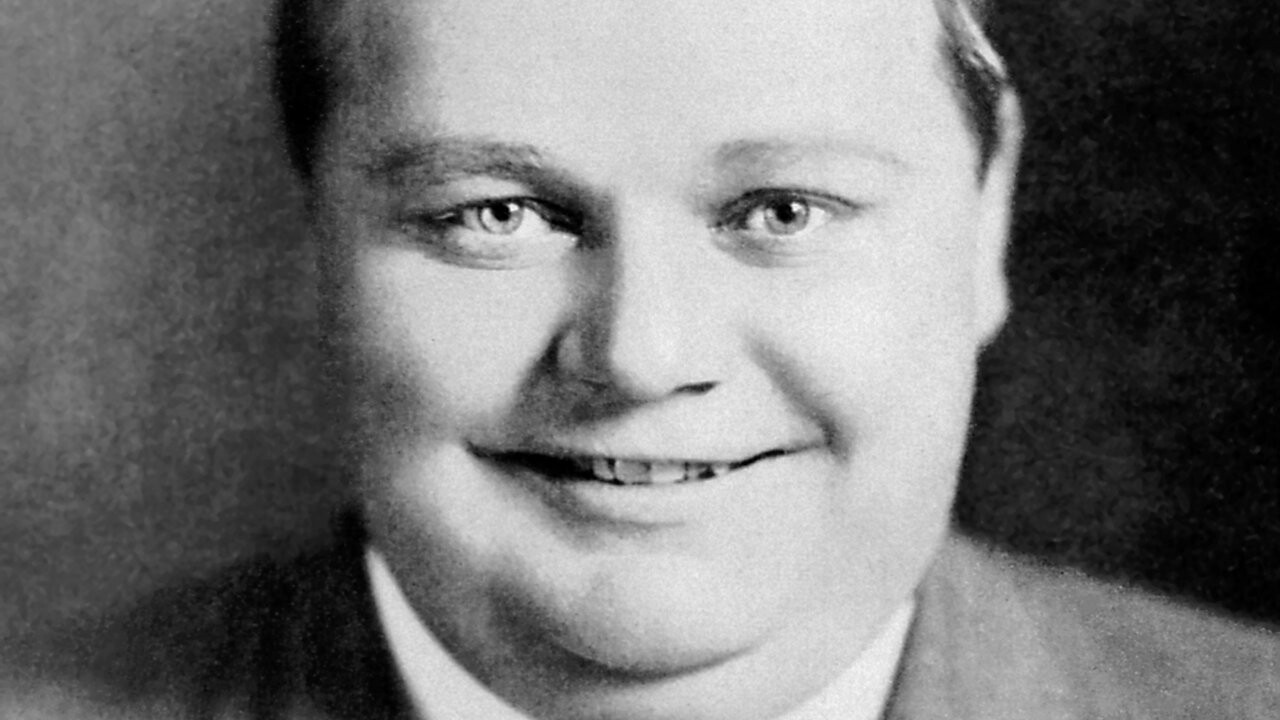
Smithsonian Magazine reports that the third jury acquitted Arbuckle on April 12 after deliberating for five minutes. Jurors used most of that time to prepare a statement declaring that he had suffered a great injustice and that the evidence did not connect him to a crime. Their unusual intervention could not reverse the public reaction.
The 1920s: Contracts Concentrate Studio Power
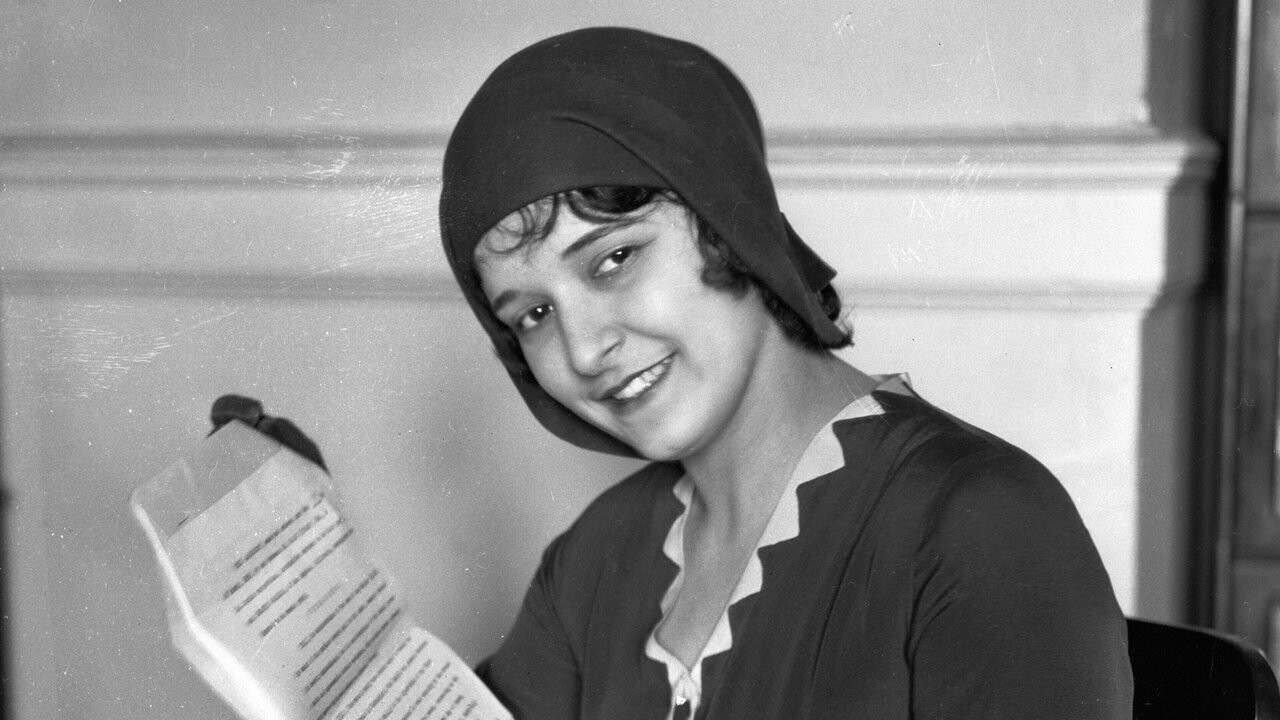
The Law Library of Congress says studio-system actors commonly signed exclusive contracts lasting approximately seven years. Such long commitments tied performers’ careers to a single company and strengthened the studios’ influence over their public images. Protecting a manufactured screen persona consequently became part of protecting the company’s investment.
MGM Builds a Quiet Information Network
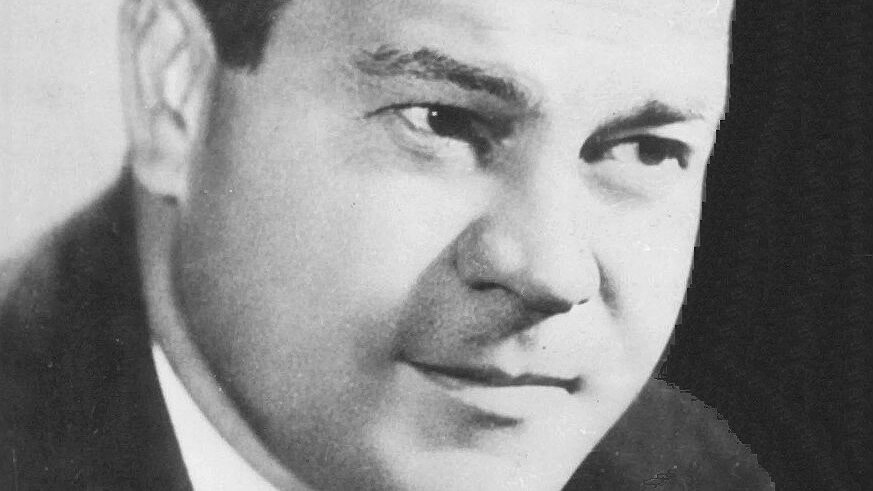
According to Fleming’s findings, as summarized by Smithsonian Magazine, Mannix and Strickling gathered reports from studio drivers, waiters, and janitors. They read private telegrams, bribed police officers, and manipulated information. The account depicts scandal management as an organized operation built around surveillance and control of what reached the public.
1932: Paul Bern’s Death Becomes an MGM Crisis
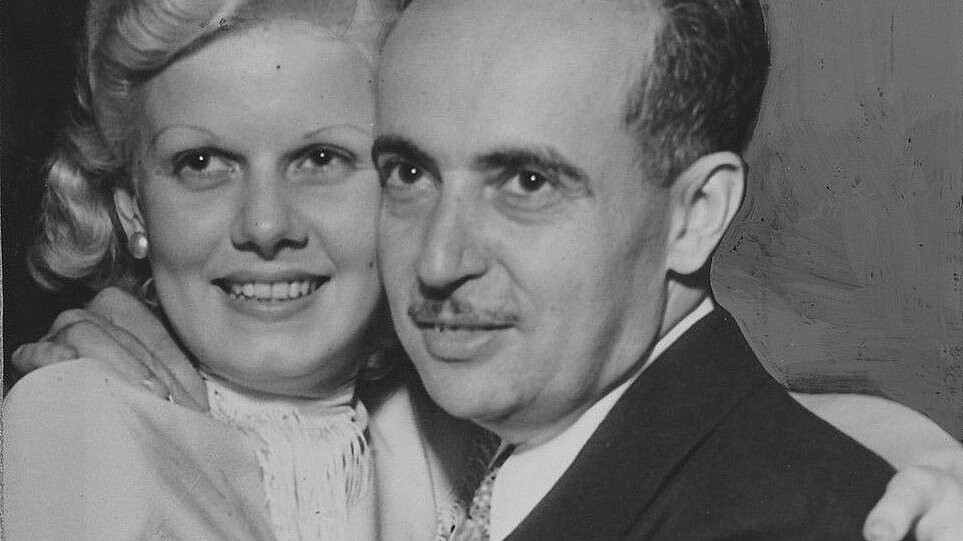
A contemporary Associated Press report preserved by the University of Iowa says producer Paul Bern was found fatally shot at his Beverly Hills home on September 5. His wife, Jean Harlow, was at her mother’s home that night. The district attorney accepted a message attributed to Bern as evidence that he had died by suicide.
1933: A Second Inquiry Still Says Suicide
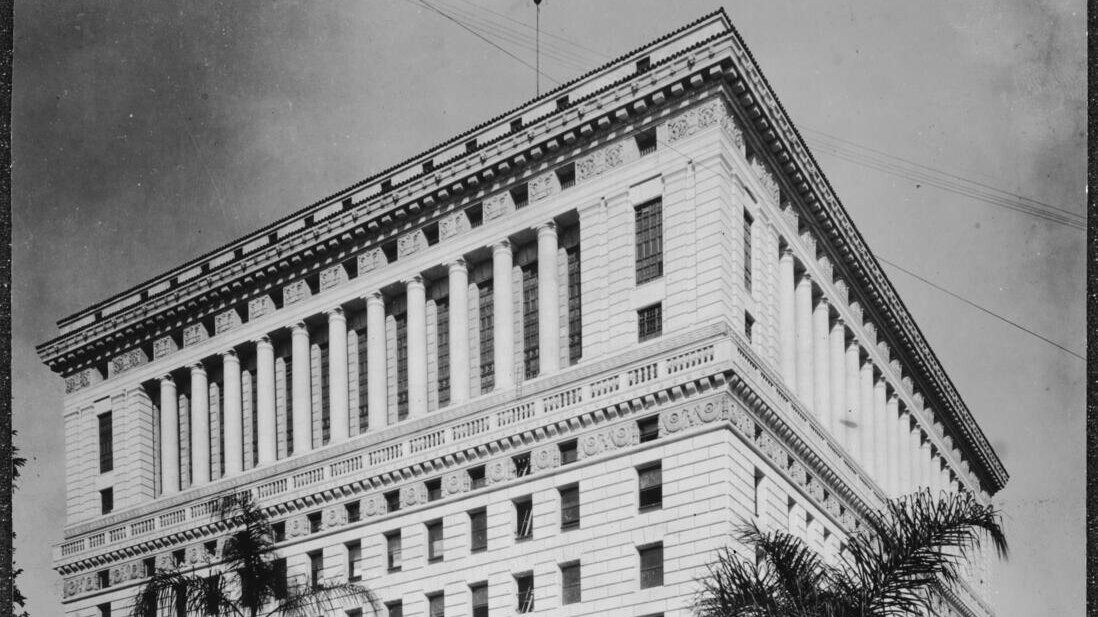
The Associated Press reported that a renewed inquiry questioned 50 people, including servants, detectives, and undertakers. Investigators also examined Bern’s message and wound. The district attorney again accepted suicide, placing that conclusion in county records for a second time. Later theories did not overturn the official determination.
1935: Loretta Young Vanishes From View
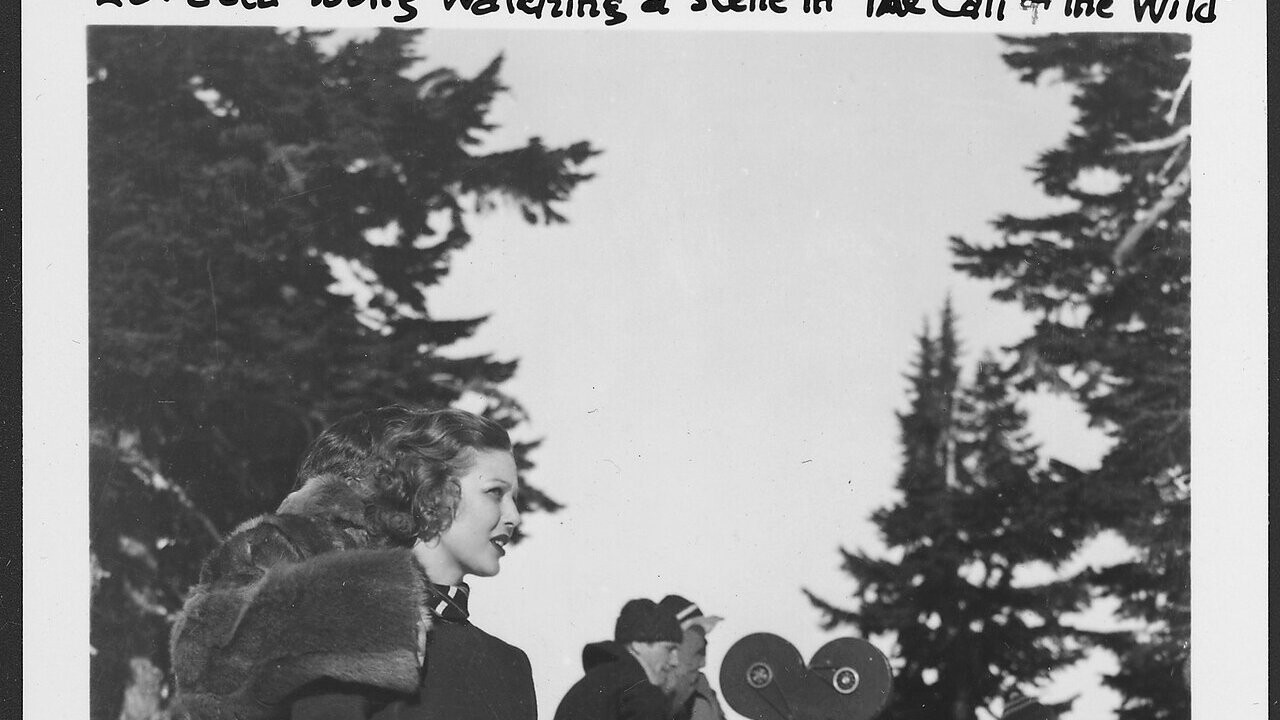
Young’s authorized biography said she became pregnant after a post-filming encounter with Clark Gable, her married Call of the Wild co-star. Smithsonian Magazine, citing Fleming, reported that Mannix and Strickling helped hide Young during the pregnancy. Her withdrawal from public view protected a secret that could have threatened both stars’ carefully maintained images.
1935: Judy Garland Signs With MGM
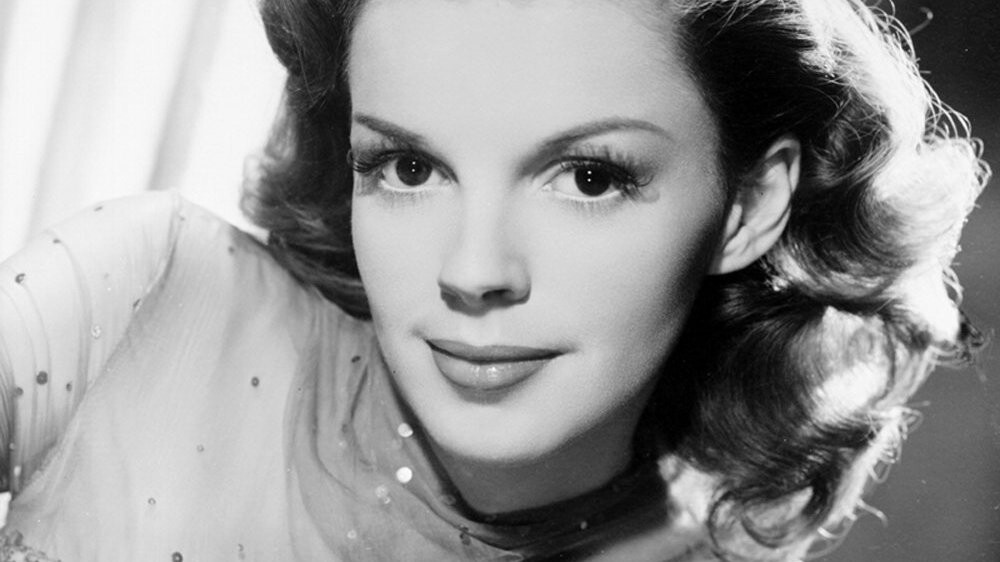
The PBS American Masters timeline records that Judy Garland signed a seven-year MGM contract on September 16, 1935, starting at $100 per week. The agreement placed a gifted young performer inside a studio system whose long, exclusive contracts gave companies immense influence over developing careers.
Studio Era: MGM Uses Pills to Maintain the Pace
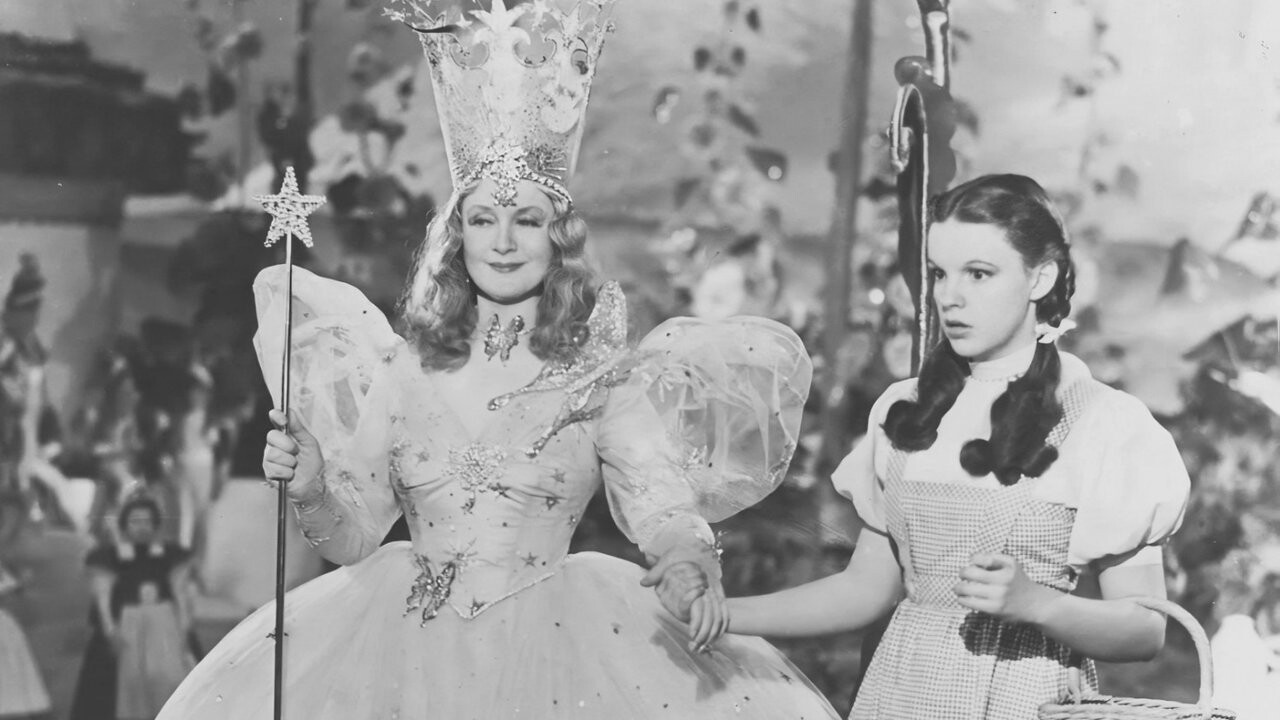
Time reported that MGM supplied young performers with amphetamines to sustain them through demanding production schedules and barbiturates to make them sleep. The account presents the drugs as tools used by the studio to regulate its workforce, rather than as private habits hidden from management.
1948: The Studio System Meets Antitrust Law
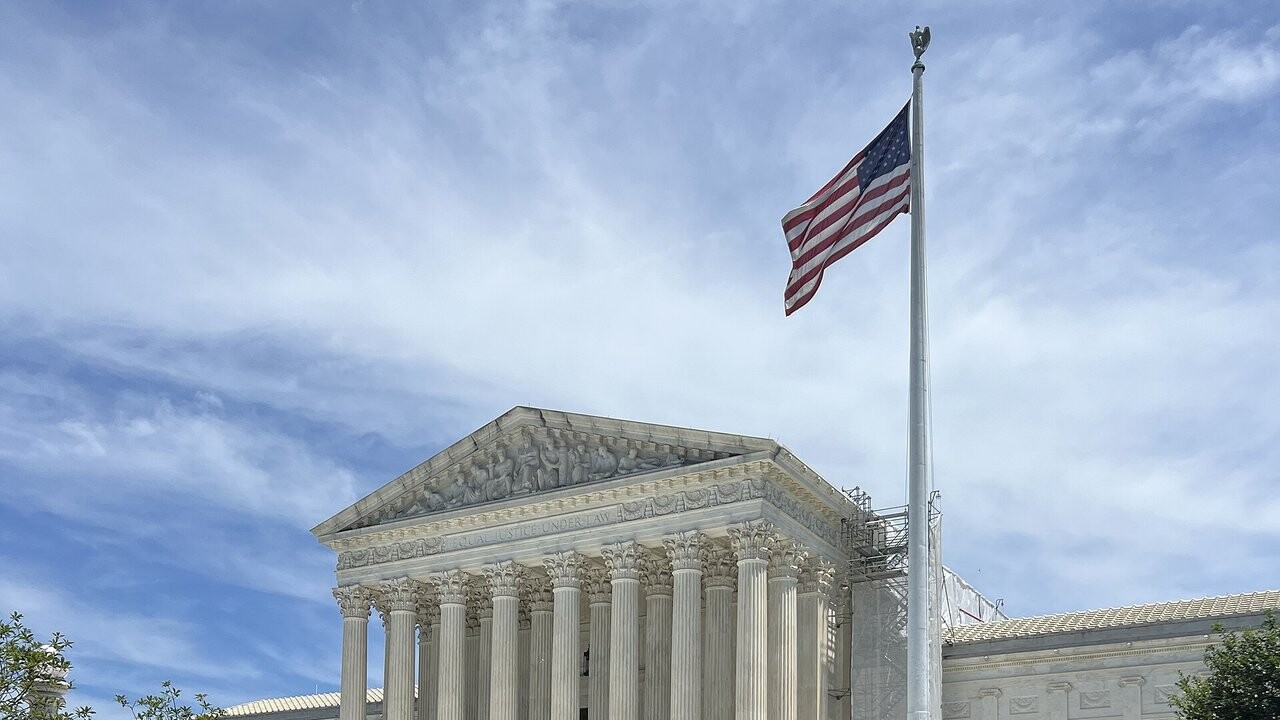
The Justice Department says the Supreme Court sustained antitrust findings against major film companies in 1948. The resulting Paramount Decrees required five defendants that owned theaters to separate film distribution from exhibition. The ruling addressed business practices, but it also weakened the centralized studio structure that had supported the old publicity system.
1950: MGM Releases Garland
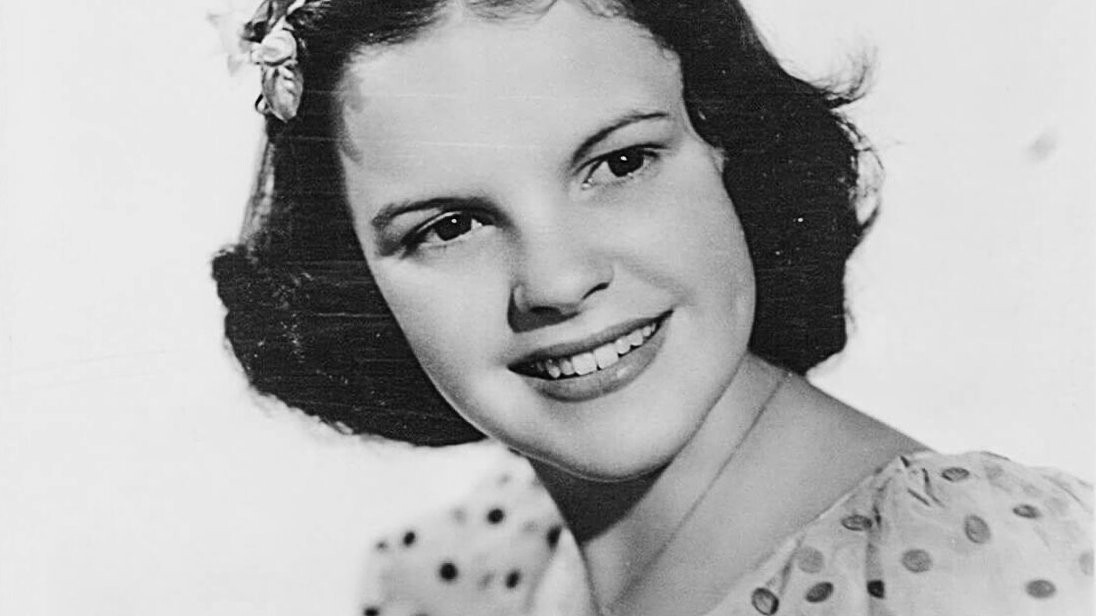
The PBS American Masters timeline records that MGM released Garland from her contract on September 29, 1950. The decision ended her long relationship with the studio, but not her career. Her later success onstage and onscreen showed that MGM’s control had never defined the limits of her talent or audience appeal.
1955: Rock Hudson Marries Phyllis Gates
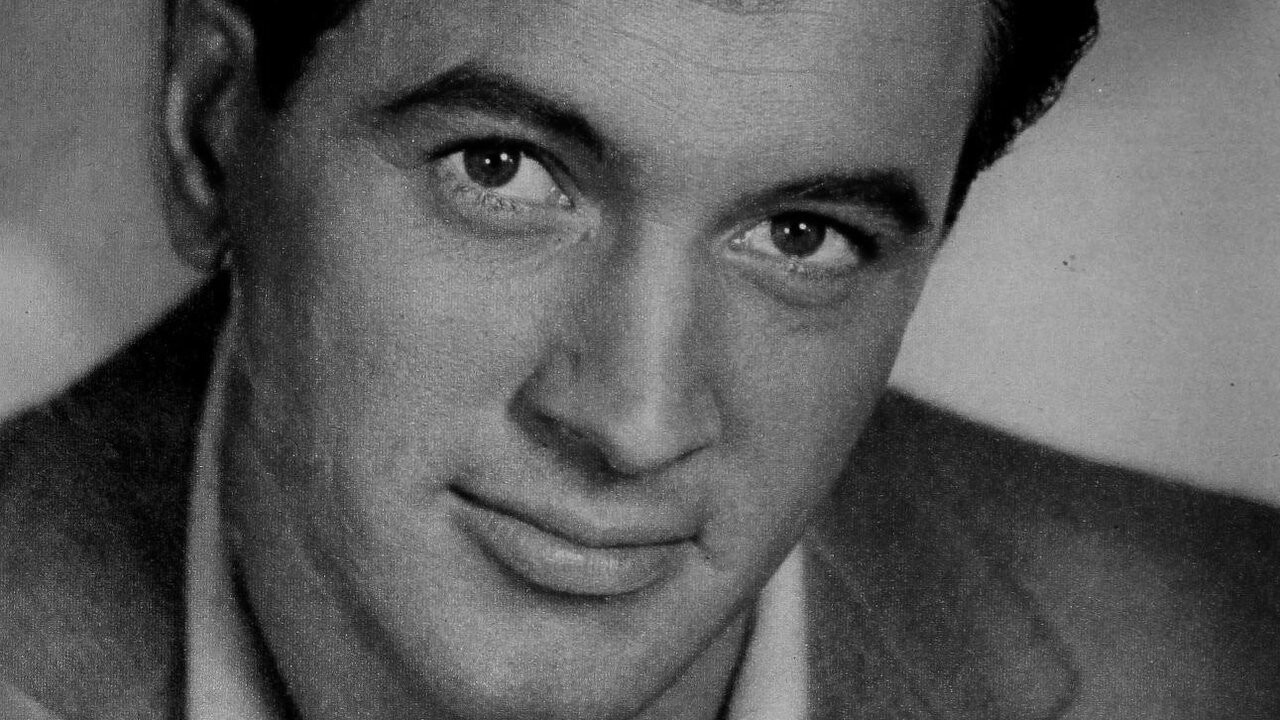
Time reported that Universal arranged Rock Hudson’s 1955 marriage to Phyllis Gates after a scandal magazine threatened to expose his sexuality. Biographical accounts also credit agent Henry Willson with planning the wedding to quiet rumors.
1958: The Hudson Marriage Ends
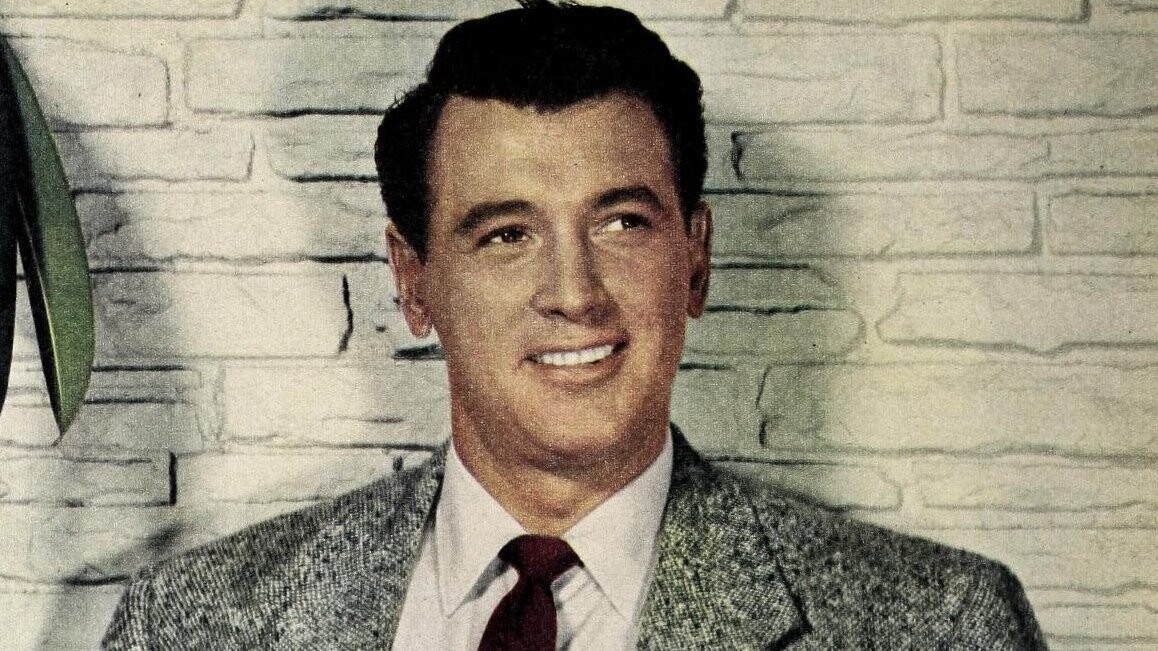
The Los Angeles Times reported that Gates filed for divorce in April 1958, alleging mental cruelty. Hudson did not contest the filing. Their marriage had lasted approximately three years, during which publicity presented an ideal domestic image sharply different from the relationship Gates later described.
2000: Young’s Authorized Biography Confirms It
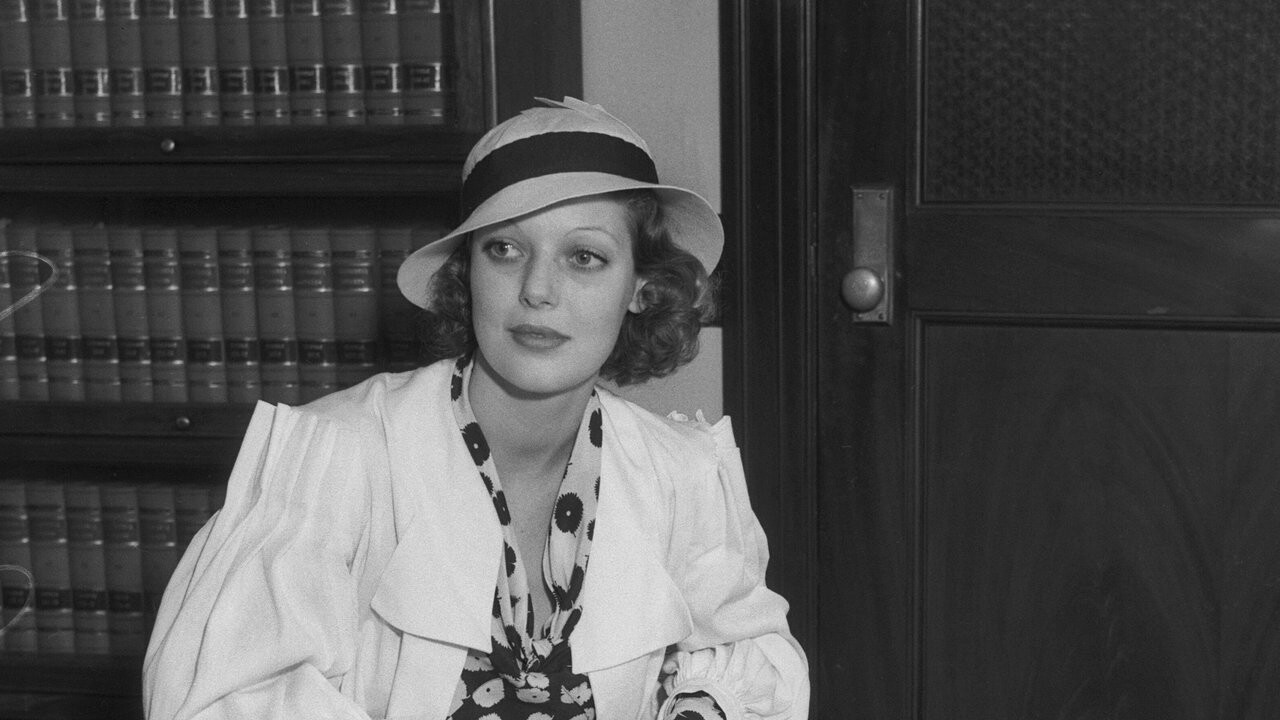
ABC News reported that Young admitted before her death that Lewis was her biological daughter with Gable. The authorized biography Forever Young confirmed the long-secret relationship and went on sale three months after Young’s death. Its publication supplied the acknowledgment Young had withheld publicly during Lewis’s childhood and much of her adult life.
The surviving record shows both the reach of the studio publicity machine and the limits of the stories it created. Which of these records most changed how you see studio-era Hollywood?
Follow The HyperHive on MSN for more stories like this.
Sources:






