FBI Files on Famous Stars: What the Record Confirms

dconvertini / Wikimedia Commons, CC BY-SA 2.0 (cropped)
A famous name in an FBI file does not necessarily mean that person was suspected of a crime. Some records concern security inquiries, while others document threats, name checks, correspondence, or passing references in unrelated cases.
This gallery follows the earliest dated material in roughly chronological order. Its claims come from released FBI Vault records, while the photo suggestions favor freely usable images from Wikimedia Commons, the Library of Congress, and the National Archives.

1922: Charlie Chaplin’s Two Types of Files
According to the FBI Vault, the Chaplin release combines two different matters. One was a White Slave Traffic Act investigation involving interstate prostitution. The other was a domestic security file concerning his reported ties to communist organizations. The released documents range from 1922 to 1978.

1940: The Army Asked About Albert Einstein
The file shows that the War Department asked the FBI in 1940 for information about Albert Einstein while scientists were being considered as advisers. The wider release includes background inquiries, concern about his politics and atomic energy, and an investigation of a close associate suspected of being a foreign intelligence agent.

1941: Orson Welles and Hollywood Politics
According to the FBI’s description, Orson Welles was investigated over possible ties to communist activity in Hollywood. Most of the file covers 1941 through 1949, although the release also contains one document from 1976. The description establishes the investigation’s focus without proving that Welles belonged to the Communist Party.

1942: Ernest Hemingway’s Wartime Intelligence Work
The Hemingway release is unusual because its central subject was work performed for the United States. According to the FBI, most of the file concerns Ernest Hemingway’s intelligence activity for the U.S. Embassy in Havana, Cuba, between 1942 and 1944. The collection contains documents dated through 1974.
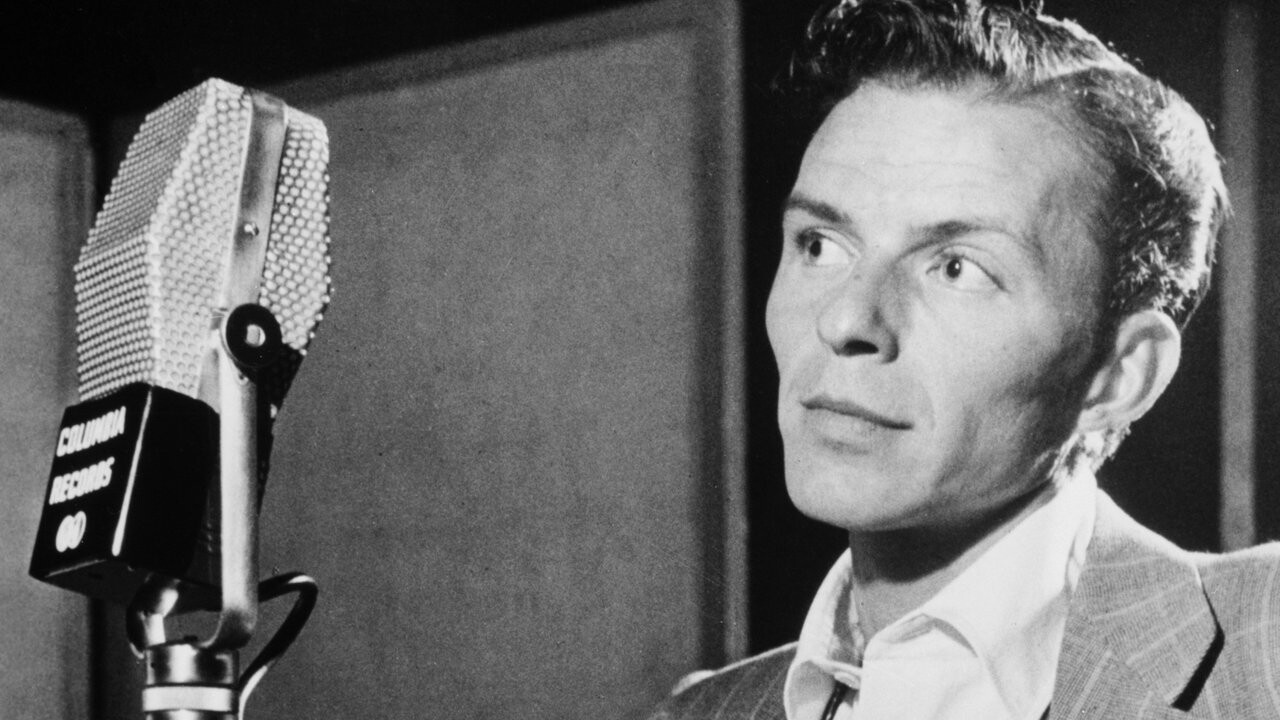
1943: Frank Sinatra Appears Across Many Files
The FBI says Frank Sinatra appears in files dated from 1943 to 1985 for several reasons. Agents investigated extortion attempts directed at him, recorded contacts with subjects of racketeering inquiries, and collected information about his early involvement with the Communist Party in Hollywood. Those references do not all represent investigations of Sinatra.

1947: Bettie Page Was Mentioned, Not Investigated
The distinction between a file reference and an investigation is especially clear with Bettie Page. The FBI says it did not investigate her. Her name instead appeared in inquiries involving interstate transportation of obscene materials, a San Francisco crime survey, and a passing counterintelligence reference. The released material dates from 1947 to 1957.

1949: Extortion Attempts Against Elizabeth Taylor
According to the FBI Vault, Elizabeth Taylor’s release contains 154 pages covering 1949 through 1987. The files document multiple extortion attempts against the actress that the Bureau investigated. In this case, her presence in the records largely reflects crimes or threatened crimes directed at her, rather than suspicion focused on Taylor herself.
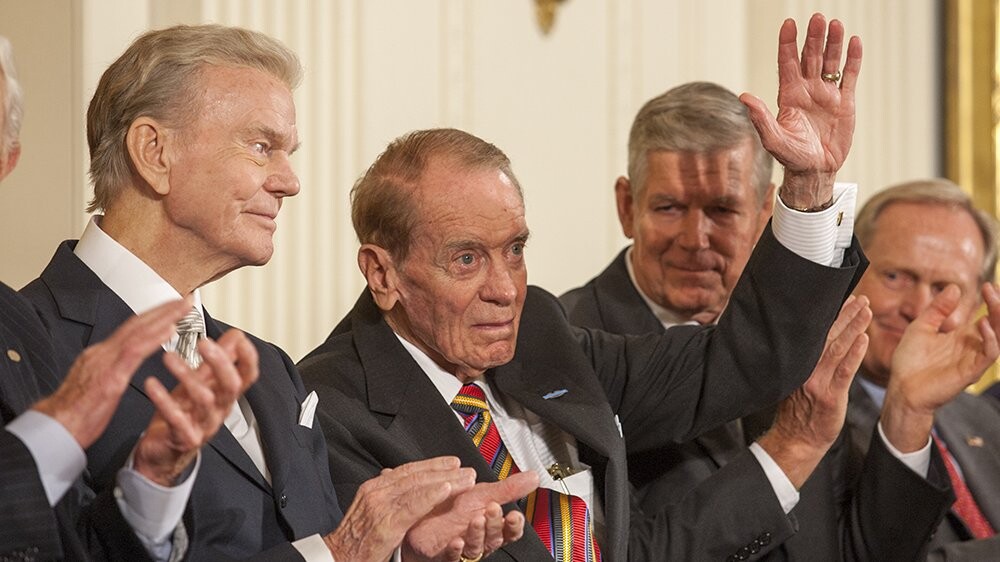
1951: Paul Harvey Entered a Restricted Area
The FBI says broadcaster Paul Harvey became the subject of an Atomic Energy Act investigation in 1951 after entering a restricted U.S. facility while pursuing a story. His records also contain a background investigation from 1983. The first inquiry therefore arose from his reporting activity, not from his broadcasts.

1951: Josephine Baker’s Immigration and Security Records
According to the FBI, Josephine Baker’s documents run from 1951 to 1966. They largely concern immigration and security questions connected to her association with communist proponents and related organizations. The description records the focus of the files, but an association mentioned in an investigative record does not by itself establish wrongdoing.

1952: Why a Lucille Ball Security Case Opened
An FBI office memorandum says the Lucille Ball case opened after information surfaced that she had registered to vote in 1936 while expressing a Communist Party preference. The record explains what prompted the inquiry, but that registration detail alone does not show what conclusions readers should draw about Ball.

1956: Elvis Presley Was Not Investigated
The FBI explicitly says Elvis Presley was not investigated. His name nevertheless appears in records spanning 1956 to 1980 because the Bureau investigated extortion attempts against him, received complaints about his music and stage presentation, and handled correspondence about his wish to meet Director J. Edgar Hoover. Concerned letters did not lead to an investigation of Presley.
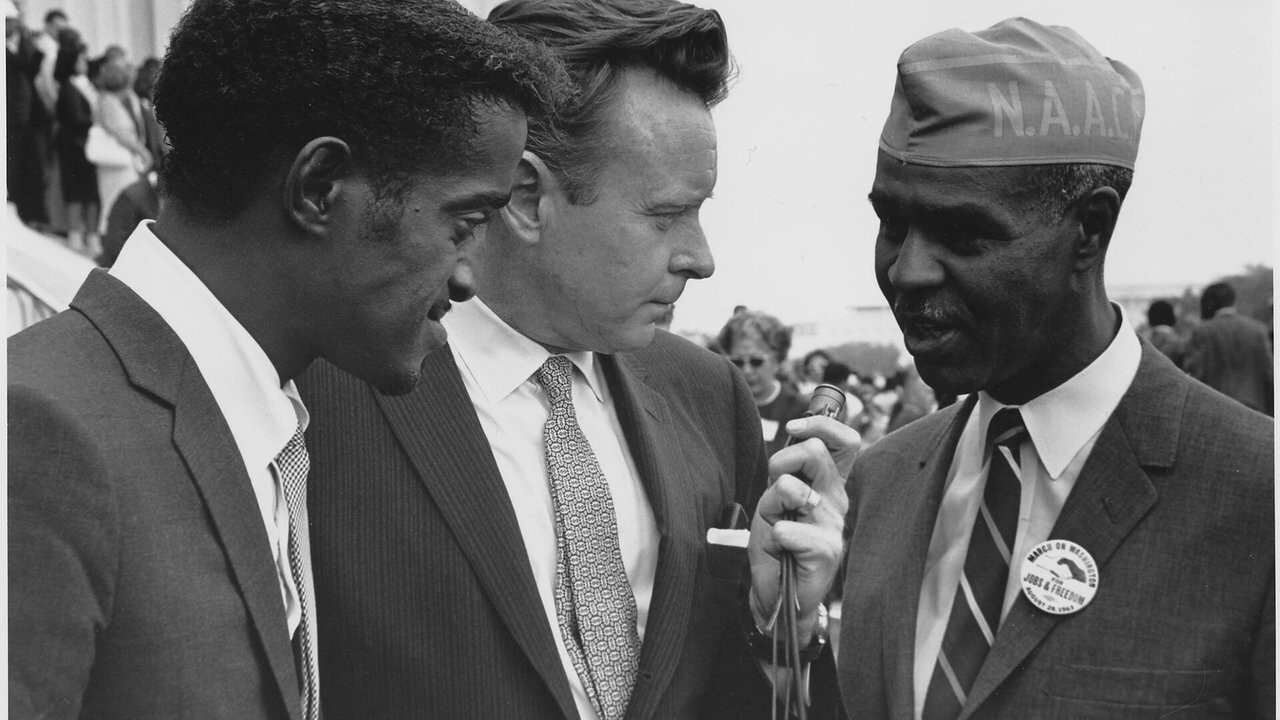
1961: Sammy Davis Jr. Faced Security and Extortion Files
The FBI’s description calls Sammy Davis Jr. a civil rights proponent and says he became the subject of a limited domestic security investigation. The Bureau also investigated two extortion attempts targeting him. The release contains limited material about a newspaper’s kidnapping allegation, and its documents span 1961 through 1976.
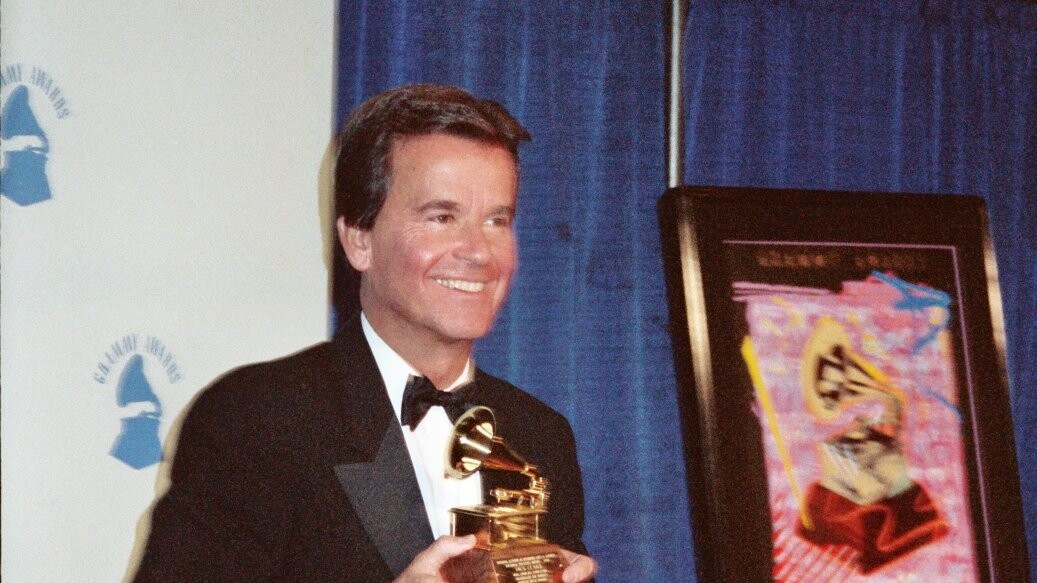
1962: Threats Against Dick Clark
The Dick Clark materials concern investigations conducted in 1962 and 1985 into threats of violence against Clark and other people. His file therefore reflects the Bureau’s response to reported threats, not an inquiry into his television career or business activities. The distinction places Clark in these records as a potential target.
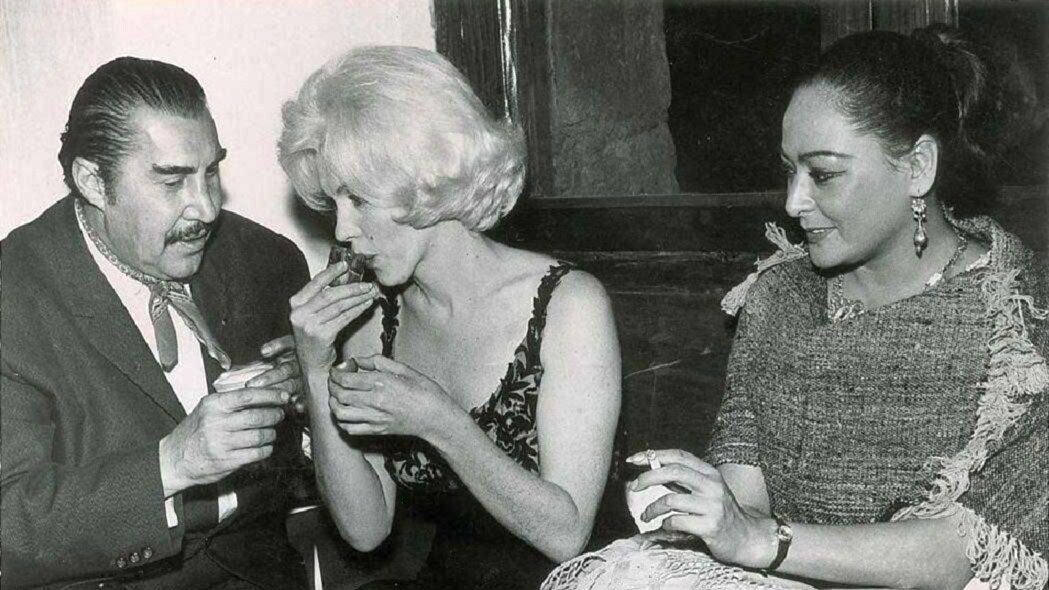
1962: A Report About Marilyn Monroe in Mexico
A released FBI memorandum dated March 6, 1962, relayed information from a source about Marilyn Monroe’s recent visit to Mexico. The document says she reportedly associated closely with members of the American Communist Group in Mexico. That wording matters: the memorandum records what a source reported, and it does not establish that Monroe committed a crime.
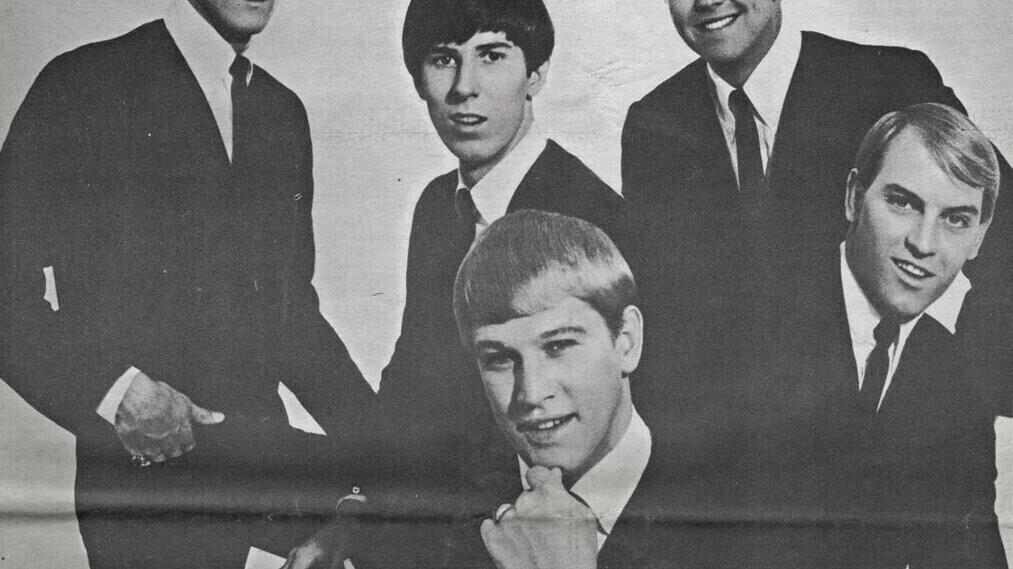
1964: The FBI Listened for Obscenity in Louie Louie
The FBI examined whether anyone connected with the Kingsmen’s recording of Louie Louie had violated laws against interstate transportation of obscene material. The limited inquiry ran from February through May 1964. According to the Bureau’s summary, investigators found no evidence of obscenity.

Rock Hudson’s File Was a Name Check
The released Rock Hudson material is a useful warning against assuming every FBI record represents surveillance. A summary in the released file states that Hudson had not been the subject of an FBI investigation.
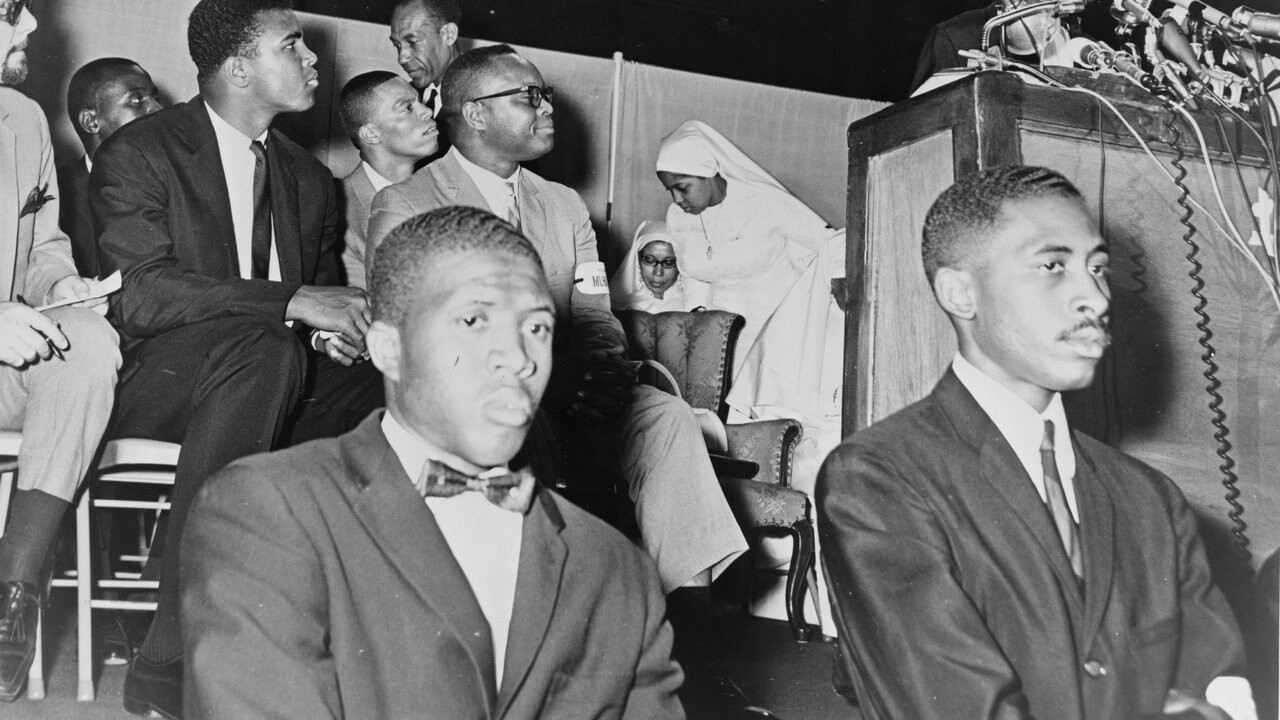
1966: Muhammad Ali and the Nation of Islam
The FBI describes its Muhammad Ali release as material showing his relationship with the Nation of Islam in 1966. The wording is narrower than saying every document came from a separate investigation of the boxer. The Vault identifies Ali, born Cassius Clay, as an Olympian, professional boxer, and public figure.
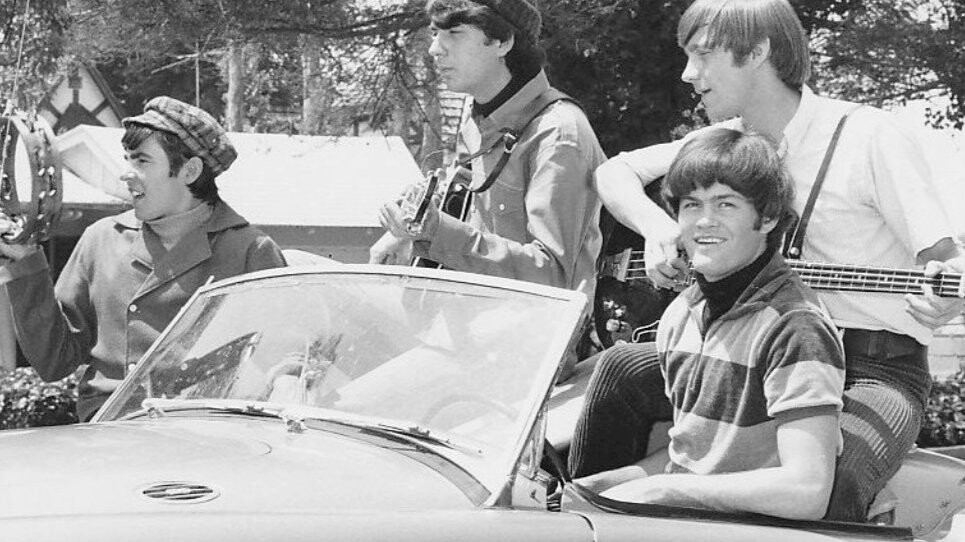
1967: The Monkees Entered an Antiwar File
The FBI says references to the Monkees appear in two places. One is a 1967 Los Angeles Field Office memorandum concerning anti-Vietnam War activity. The other document is entirely redacted. The available description confirms that the band was mentioned in Bureau records, but it does not say the group became the subject of a full investigation.
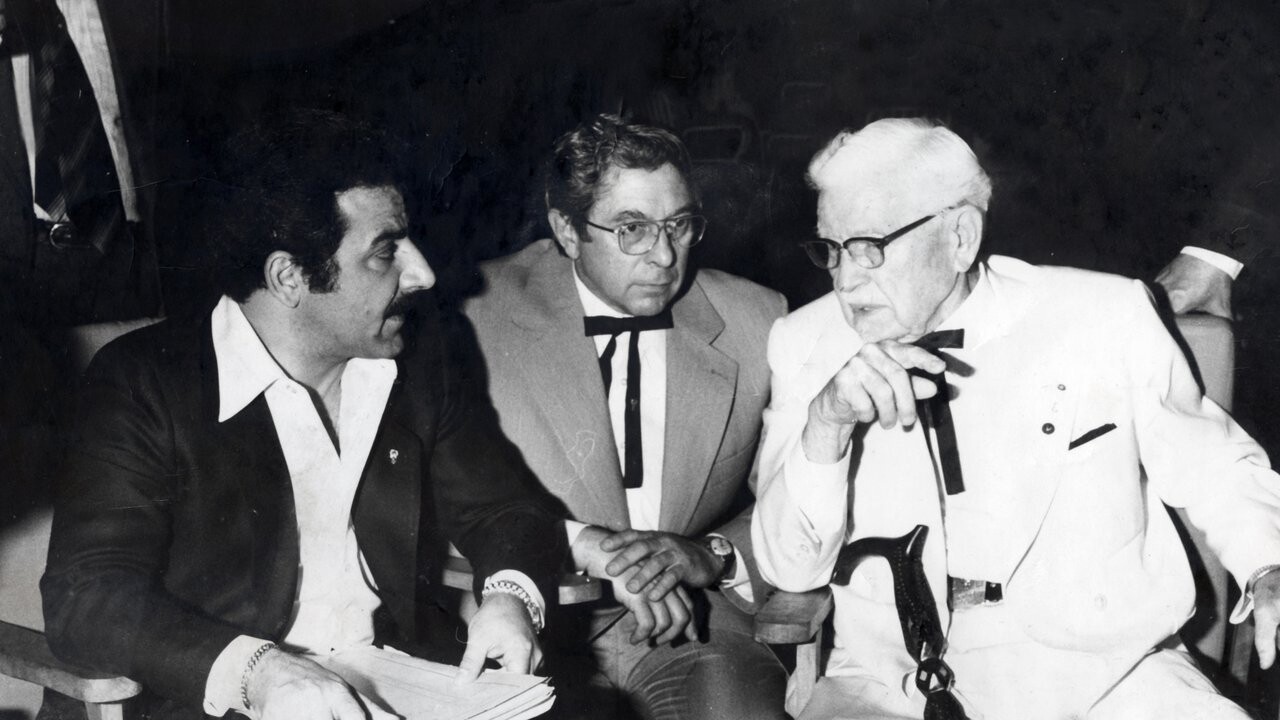
1967: Colonel Sanders, Correspondence, and a Threat
Harland David Sanders appears in a compact FBI release containing documents from 1967 and limited correspondence from Sanders. The file also includes a 1974 extortion threat against him. In that episode, Sanders was the target of the threat rather than the suspected offender.
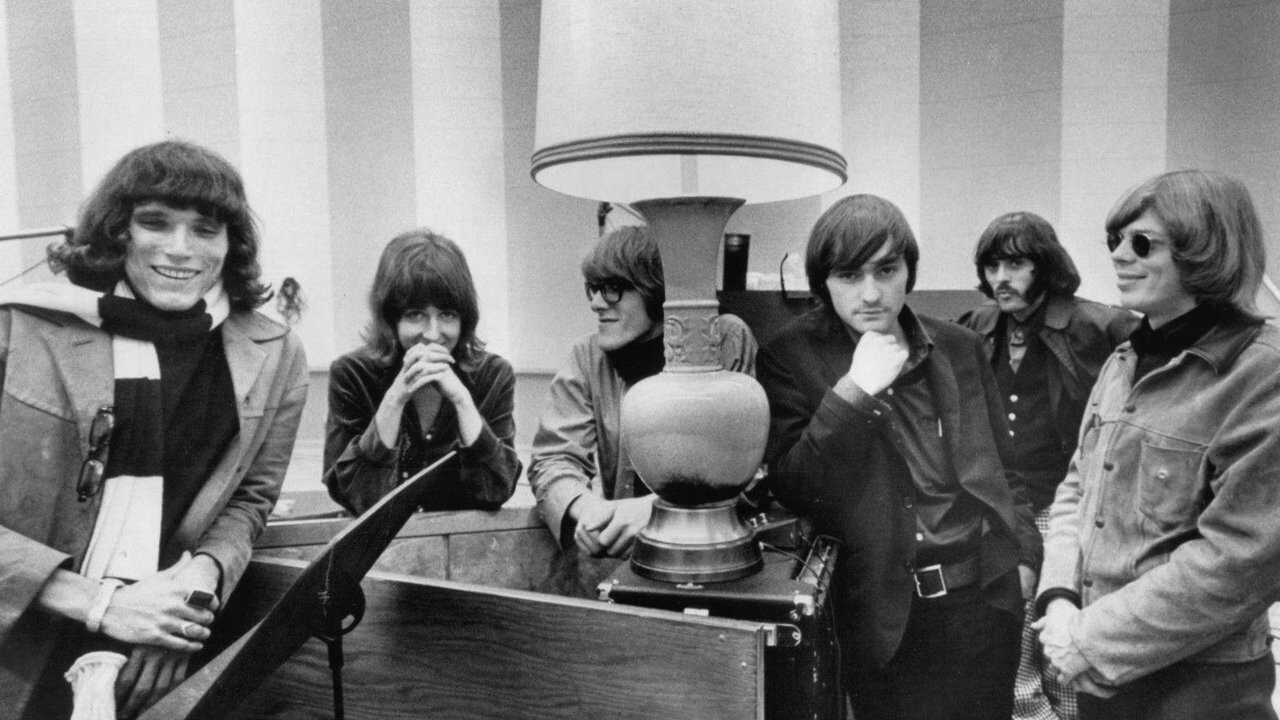
The 1970s: Jefferson Airplane and Demonstration Concerts
The FBI Vault says Jefferson Airplane was examined in connection with concerts at demonstrations during the 1970s. Its description mentions a Youth International Party event related to a campaign to impeach President Richard Nixon, along with alleged involvement with anarchist groups through demonstration concerts. The word alleged is important because the page describes claims, not established conclusions.

The Late 1960s and 1970s: John Lennon’s Records
The first portions of John Lennon’s release contain material from investigations mentioning his connections to antiwar and related organizations in the late 1960s and early 1970s. Other references were released later, including a 1978 investigation of a violent threat against him. His file therefore combines political references with a case in which Lennon was the threatened party.
The released records show that an FBI file could begin with political concern, a background request, a public complaint, or a threat against the celebrity. Which of these files most changed how you think about what it meant to appear in the FBI’s records?
Follow The HyperHive on MSN for more stories like this.
Sources:






