Things You Probably Remember From a 1960s Christmas

BakedintheHole / Wikimedia Commons, CC0 (cropped)
A 1960s Christmas filled the house with bright metal, colored lights, paper cards, familiar television voices, and foods that seemed to appear only in December. Even one small detail can bring the whole room back.
This gallery moves from the tree and living room to holiday mail, shopping, television, music, gifts, food, church, and the annual family picture. Its details come from museum collections, postal archives, company records, and historical broadcasts.
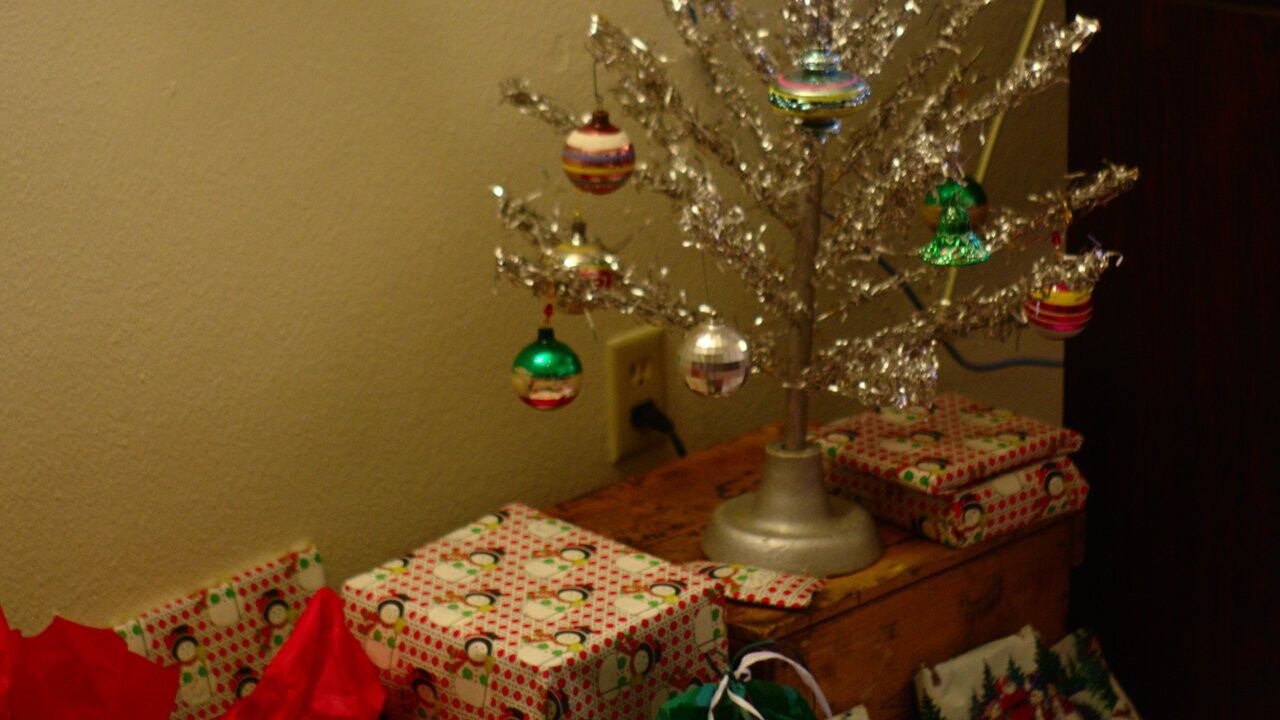
The Space-Age Aluminum Tree
An aluminum tree could make an ordinary living room look futuristic. Its silver branches reflected every nearby color, while the open shape left room for a few carefully chosen ornaments. Whether your family loved it or considered it strange, this unmistakably modern tree was difficult to ignore.
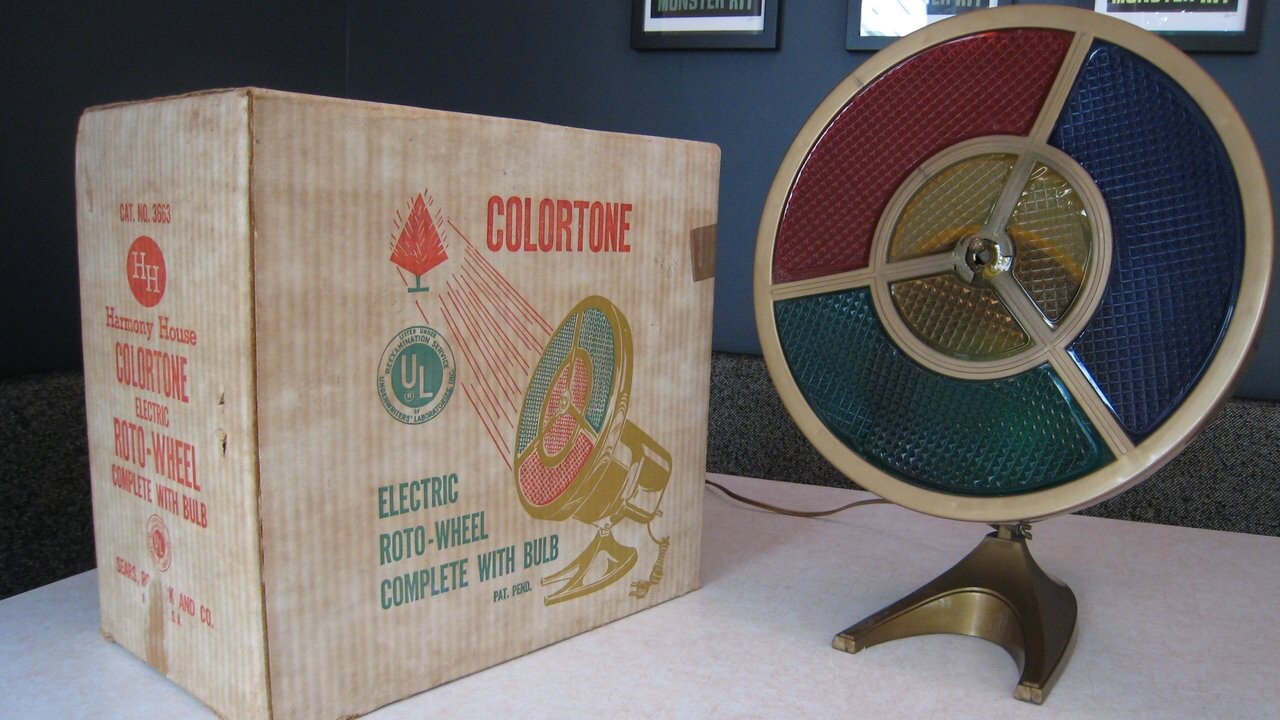
The Slowly Turning Color Wheel
Instead of wrapping an aluminum tree in electric lights, families could point a revolving color wheel toward it. The plastic sections sent blue, red, green, and gold light across the reflective branches. Watching the tree change color without anyone touching it felt like a little Christmas show in the living room.
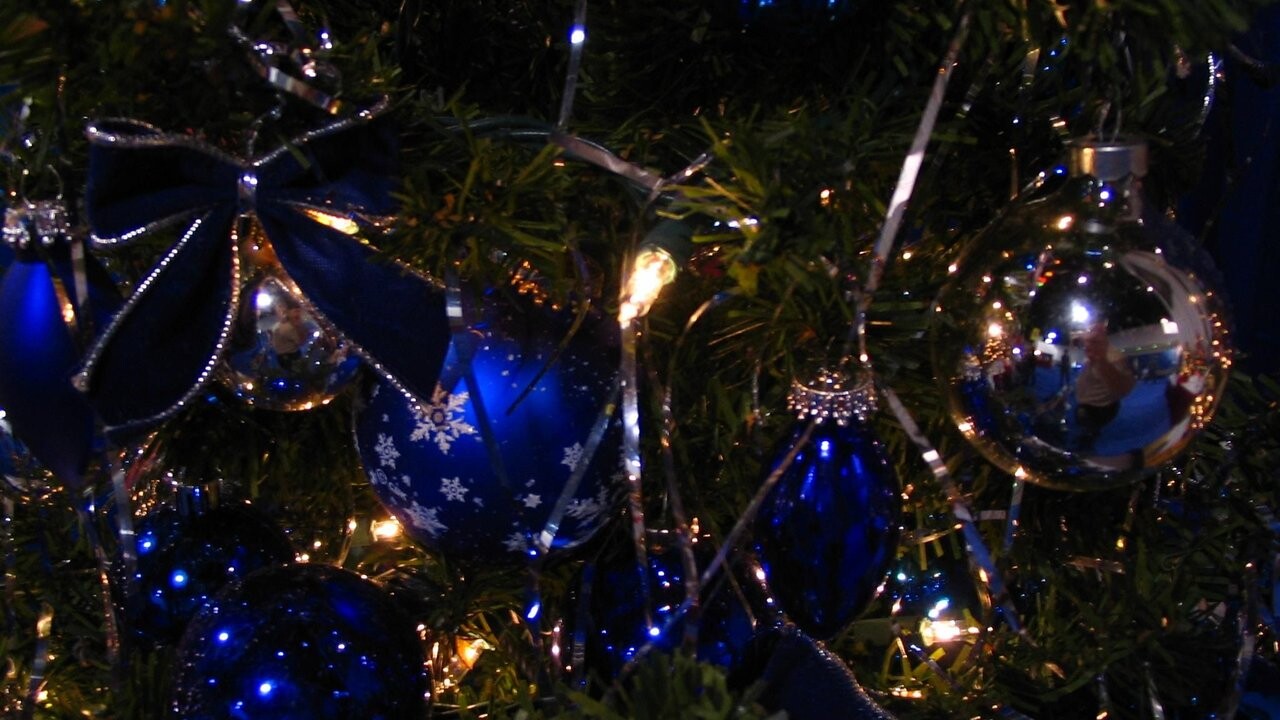
A Few Ornaments in One Bold Color
Aluminum trees did not need to be covered from trunk to tip. A handful of shiny blue or red balls created a cleaner, more modern look. The restrained decorating allowed the silver branches and changing light to remain the main attraction, especially after the room lights were lowered.

The Smell of a Fresh Scotch Pine
Plenty of families remained loyal to a real tree, and Scotch pines were a favored choice. Bringing one indoors added the unmistakable scent of fresh needles and resin. Decorating became a family project, followed by daily checks for fallen needles and reminders to keep water in the stand.
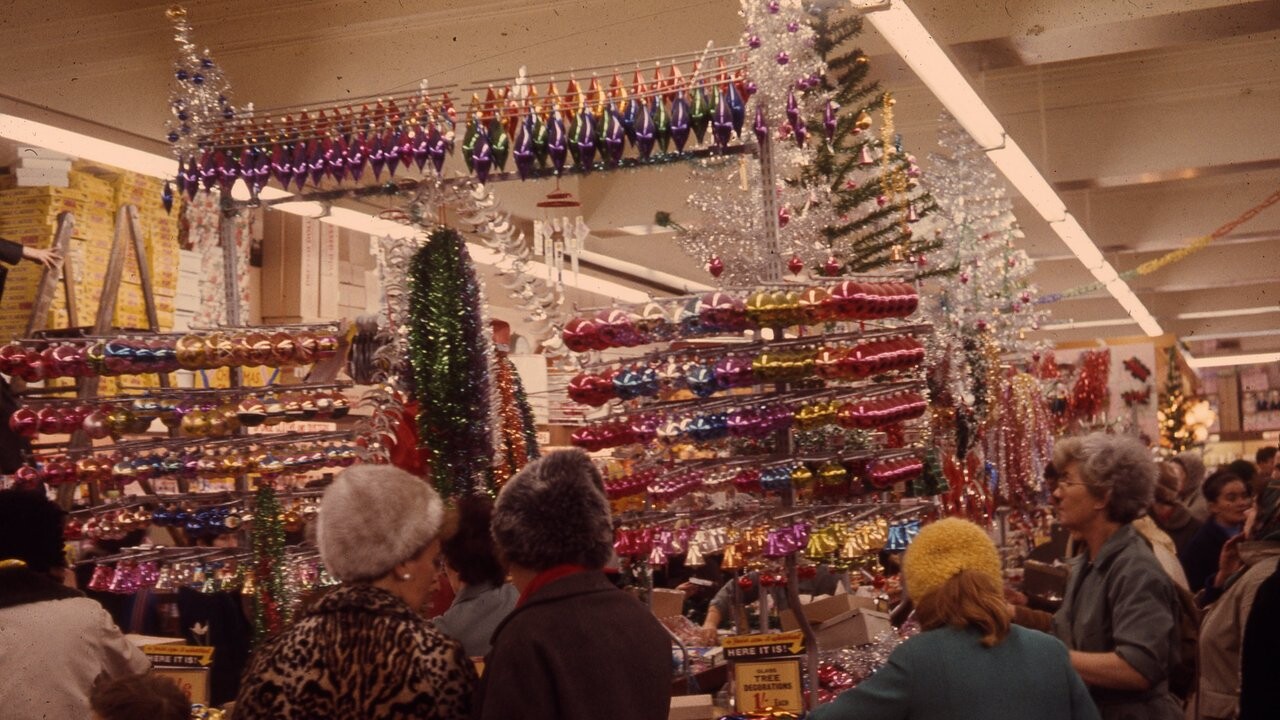
Fragile Shiny Brite Ornaments
Opening the ornament box required careful hands. Colorful glass balls from Shiny Brite were familiar decorations, but one slip could leave a sparkling mess on the floor. Surviving ornaments returned year after year, gathering memories as they moved from a parent’s tree to a grown child’s home.
Tinsel Hung One Strand at a Time
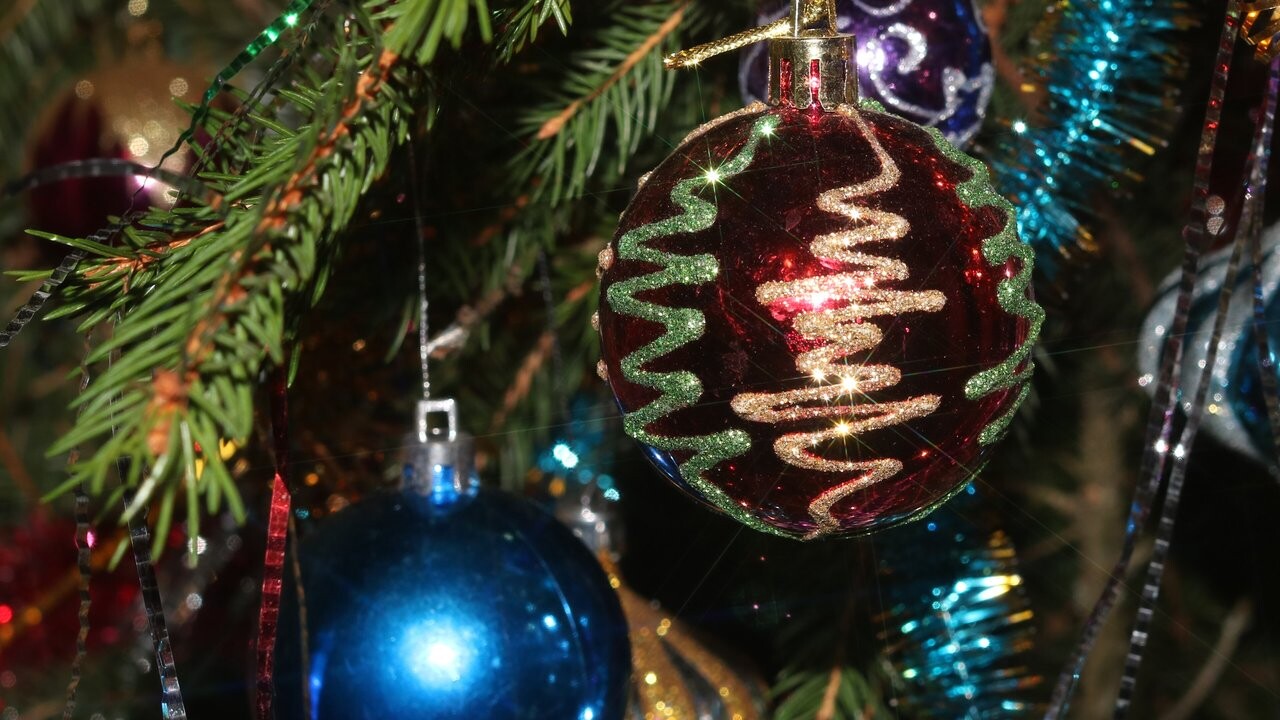
Those long, shiny icicles looked best when someone patiently placed them strand by strand. Children were not always so careful, of course, and a tempting handful could land on one branch. Properly spread out, tinsel caught the tree lights and moved slightly whenever someone walked past.
Bubble Lights Warming Up
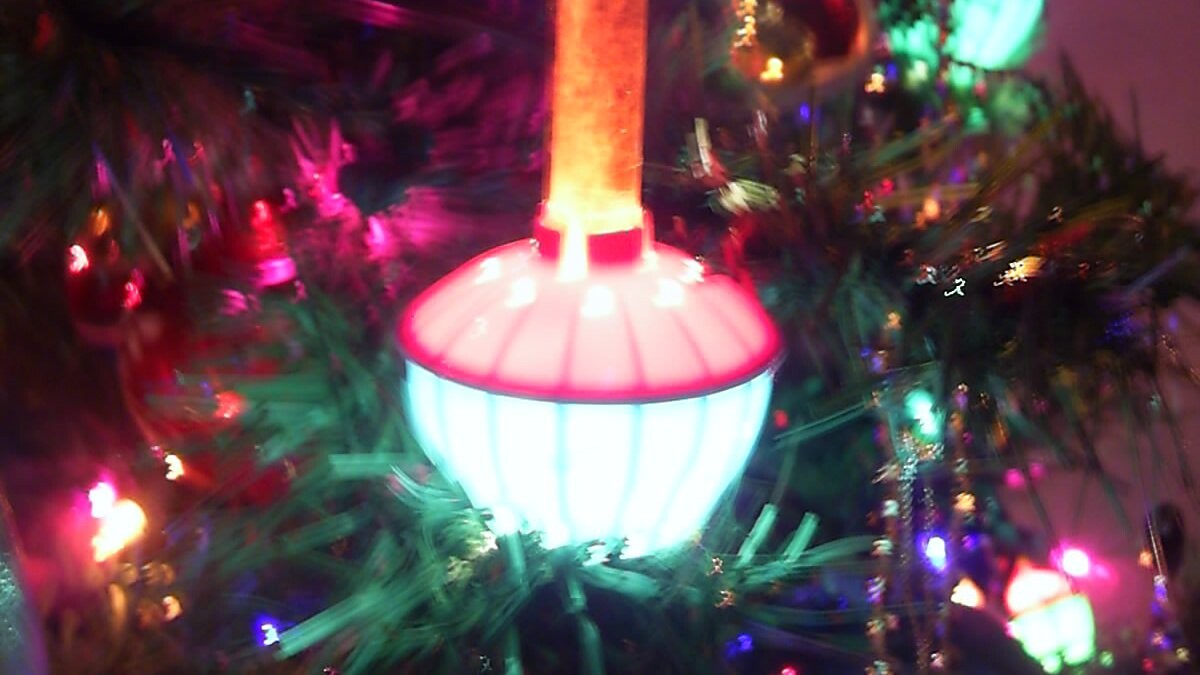
Bubble lights offered more than a steady glow. Once the lamps warmed, colored liquid appeared to bubble inside their upright tubes. NOMA introduced its famous version in 1946, and the decoration remained fashionable well into the 1960s. Waiting for the first bubble to rise was part of the fun.
Christmas Cards Strung Across the Room
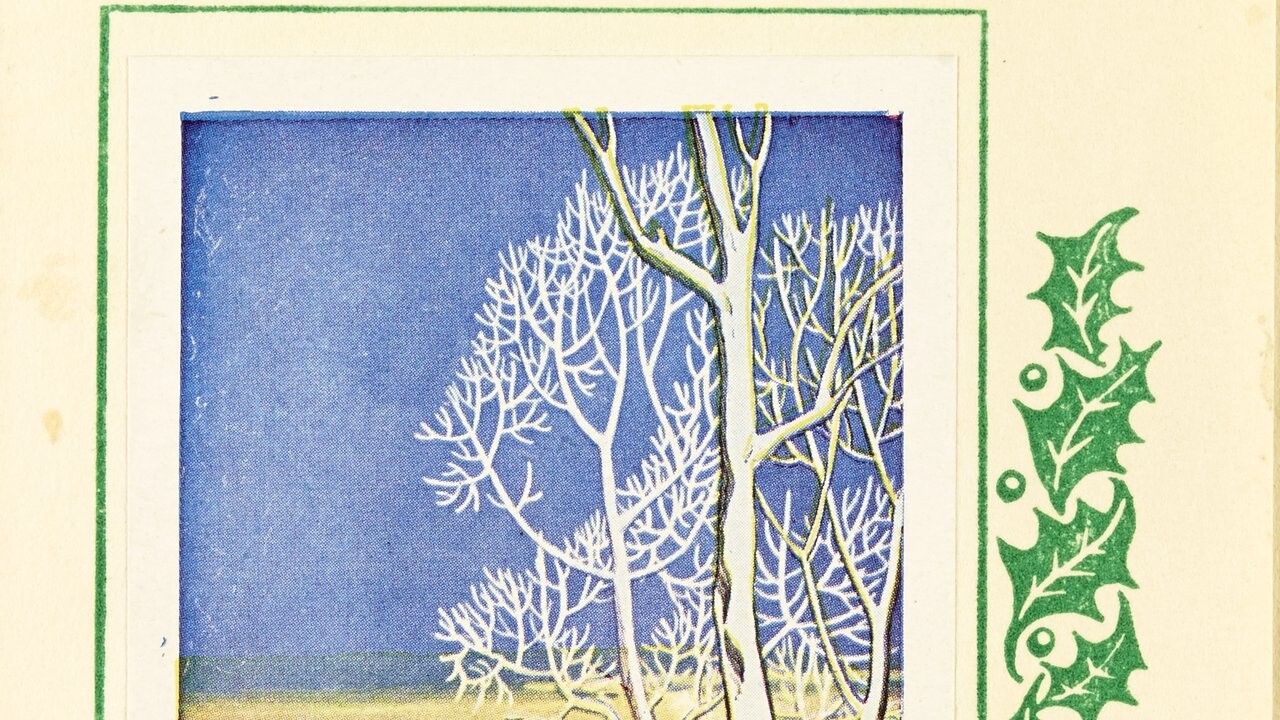
Holiday cards did more than carry greetings. They became decorations on mantels, mirrors, television sets, and special clotheslines stretched across a wall. The Henry Ford preserves a card-display clothesline from about 1964, complete with pins for fastening each new arrival as December mail accumulated.
1962: The First U.S. Christmas Stamp
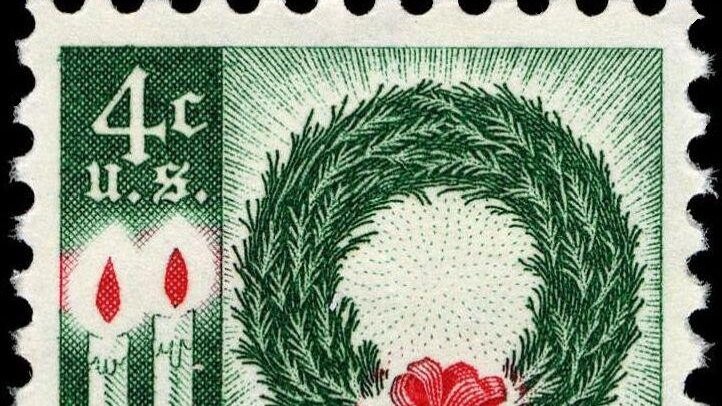
Christmas envelopes gained a new finishing touch when the first United States Christmas stamp appeared in 1962. The four-cent stamp pictured two candles beside a holly wreath. Choosing the year’s holiday design soon became another small ritual before cards were addressed, sealed, and carried to the mailbox.
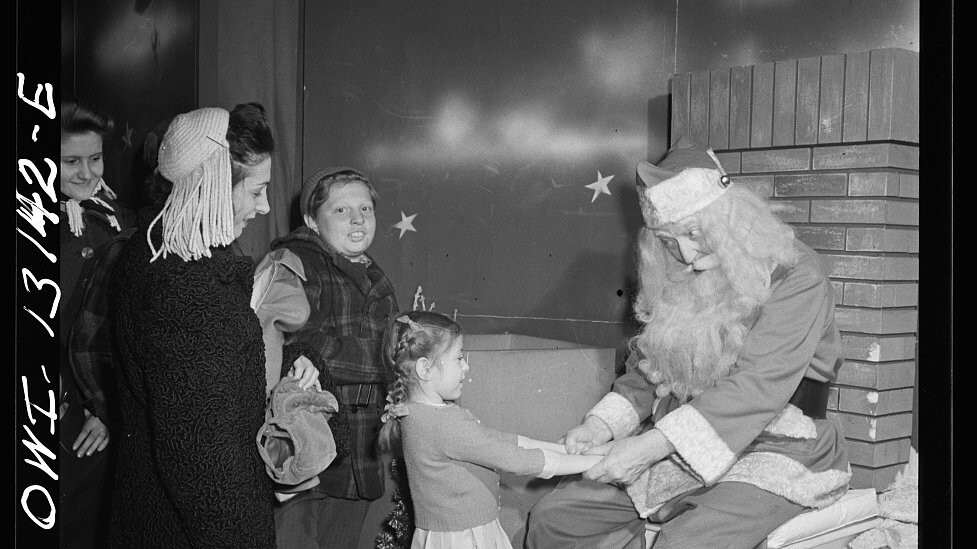
The Department Store Santa Visit
A visit to Santa could mean polished shoes, a special outfit, a long line, and one important conversation. Macy’s says it was the first retailer to welcome Santa into a store. The resulting photograph often became a family keepsake.
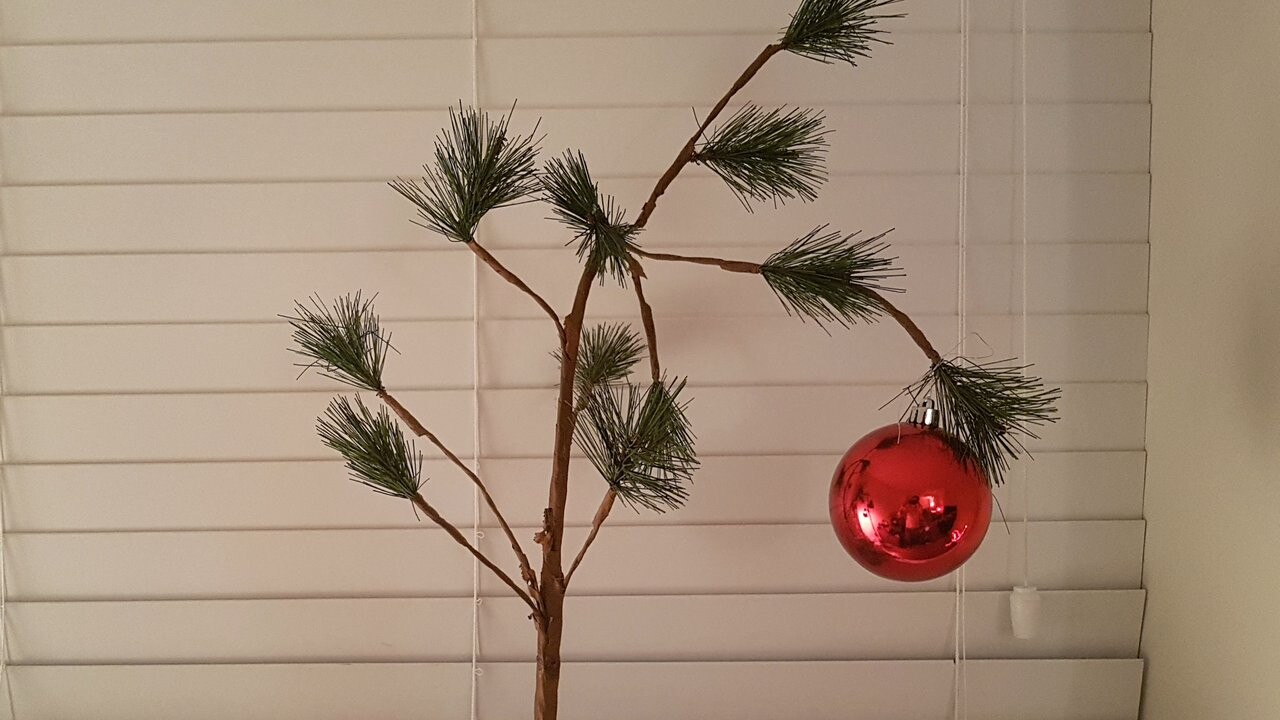
1965: A Charlie Brown Christmas
A Charlie Brown Christmas premiered on CBS on December 9, 1965, as the first animated Peanuts television special. Its small tree, quiet pauses, children’s voices, and jazz score looked and sounded different from louder holiday entertainment. Settling down to watch it became a cherished part of the season.
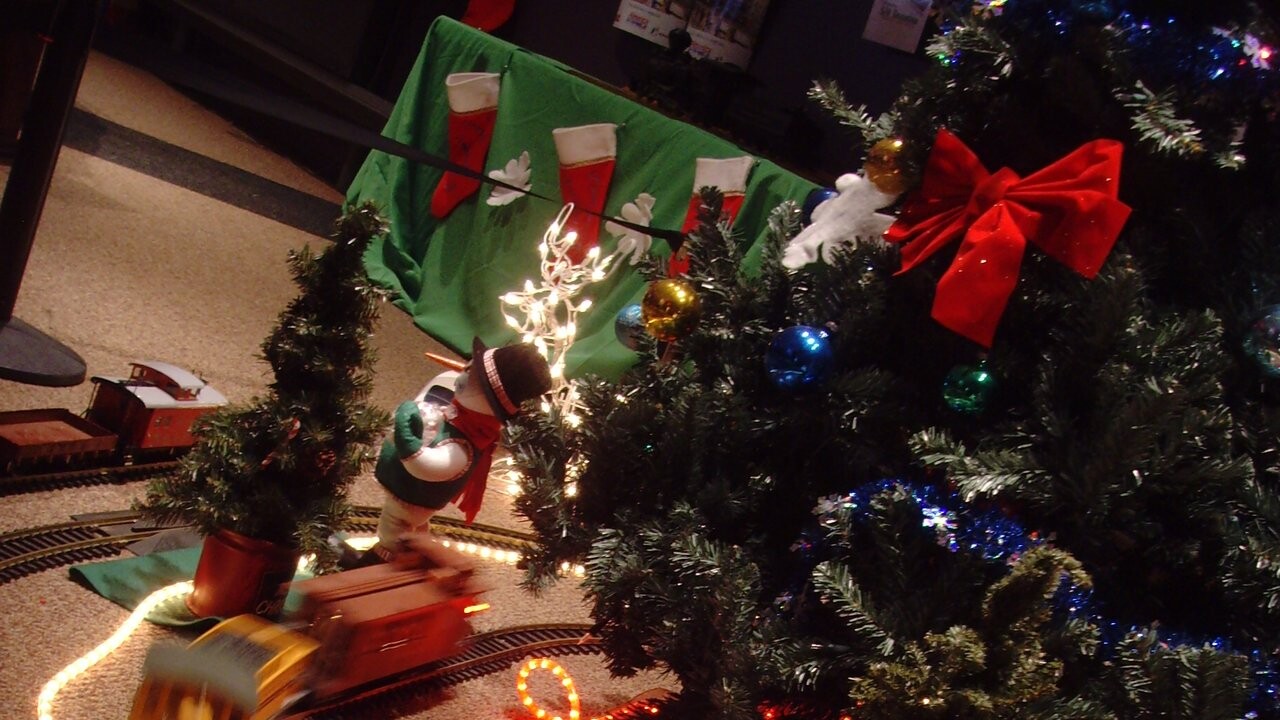
A Lionel Train Around the Tree
A Lionel train circling beneath the tree could fascinate children and adults equally. The locomotive disappeared behind presents, returned beside the tree stand, and continued making its miniature rounds. Lionel’s advertising closely connected its trains with Christmas, helping the layout become both a coveted gift and a seasonal decoration.
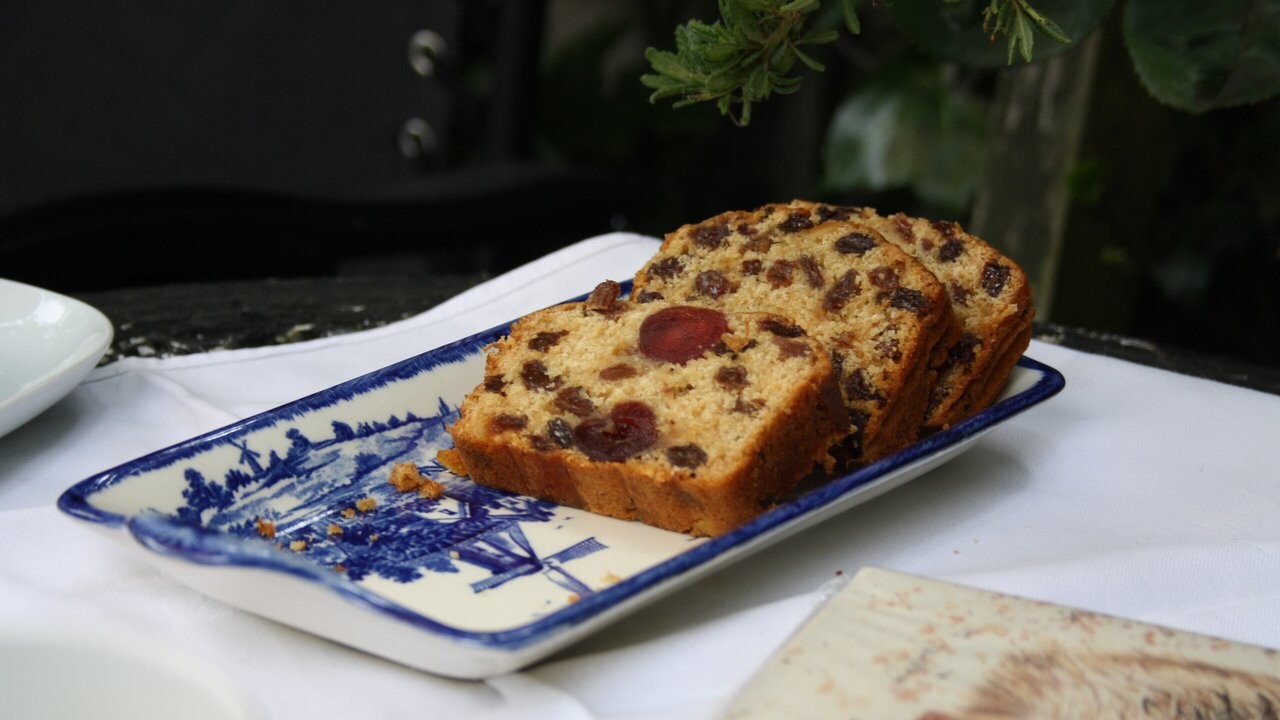
The Fruitcake That Waited for Christmas
Fruitcake was made for anticipation. A baker could prepare it ahead of the holiday, wrap it carefully, and put it away so the flavors had time to mellow. Whether your family treasured it, tolerated it, or quietly passed it along, the dense seasonal loaf was difficult to mistake for anything else.
1964–1965: Early Americana Decorations
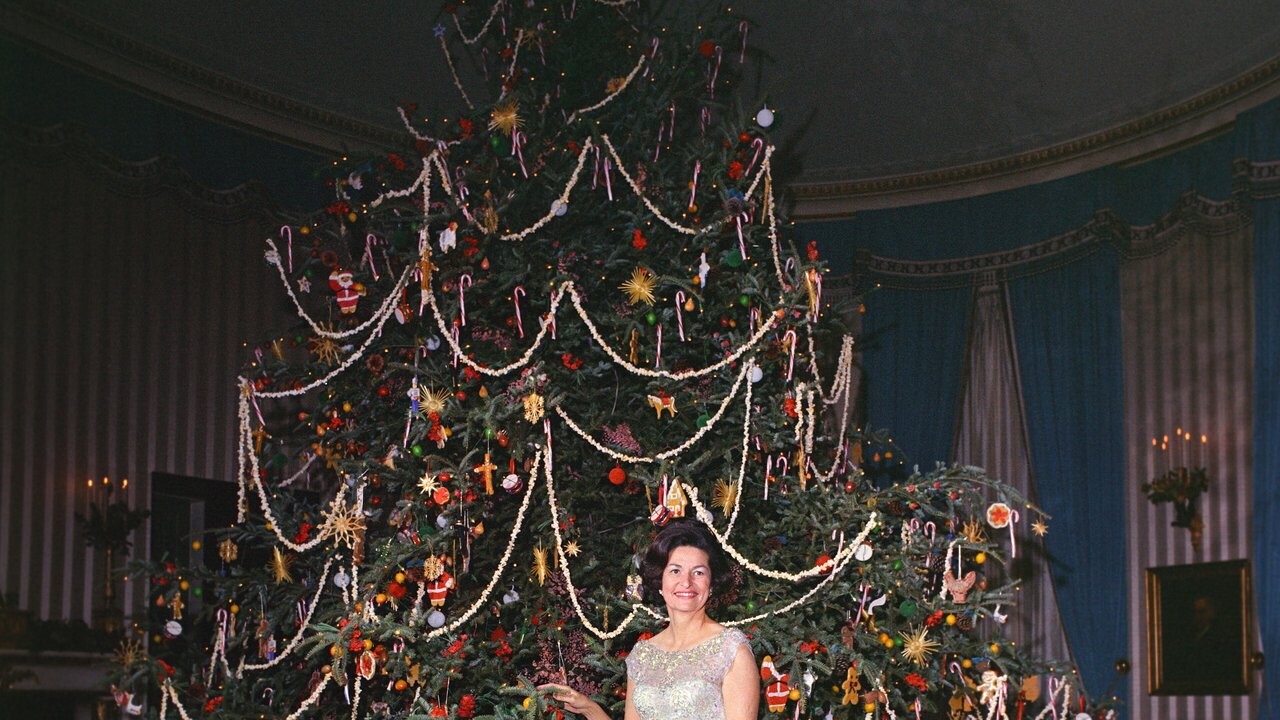
Homemade decorations could look as festive as anything from a store. Lady Bird Johnson chose an Early Americana theme for White House Christmas celebrations in both 1964 and 1965. Toy soldiers and gingerbread ornaments helped create a warm, handcrafted look that families could echo around their own trees and kitchen tables.
Children in the Church Christmas Pageant
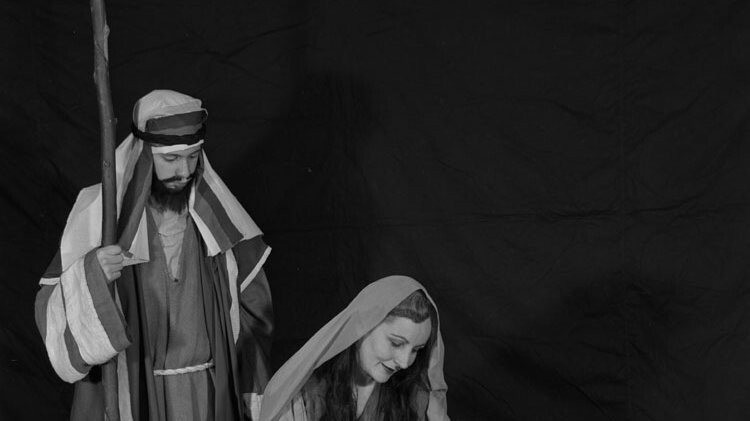
For many churchgoing families, the pageant was a December milestone. Children became angels, shepherds, or wise men, sometimes in costumes assembled from robes, towels, and sheets. A Library of Congress record describes a Christmas pageant showing the Annunciation, the birth of Jesus, and the adoration of the Magi.
Caroling From Door to Door
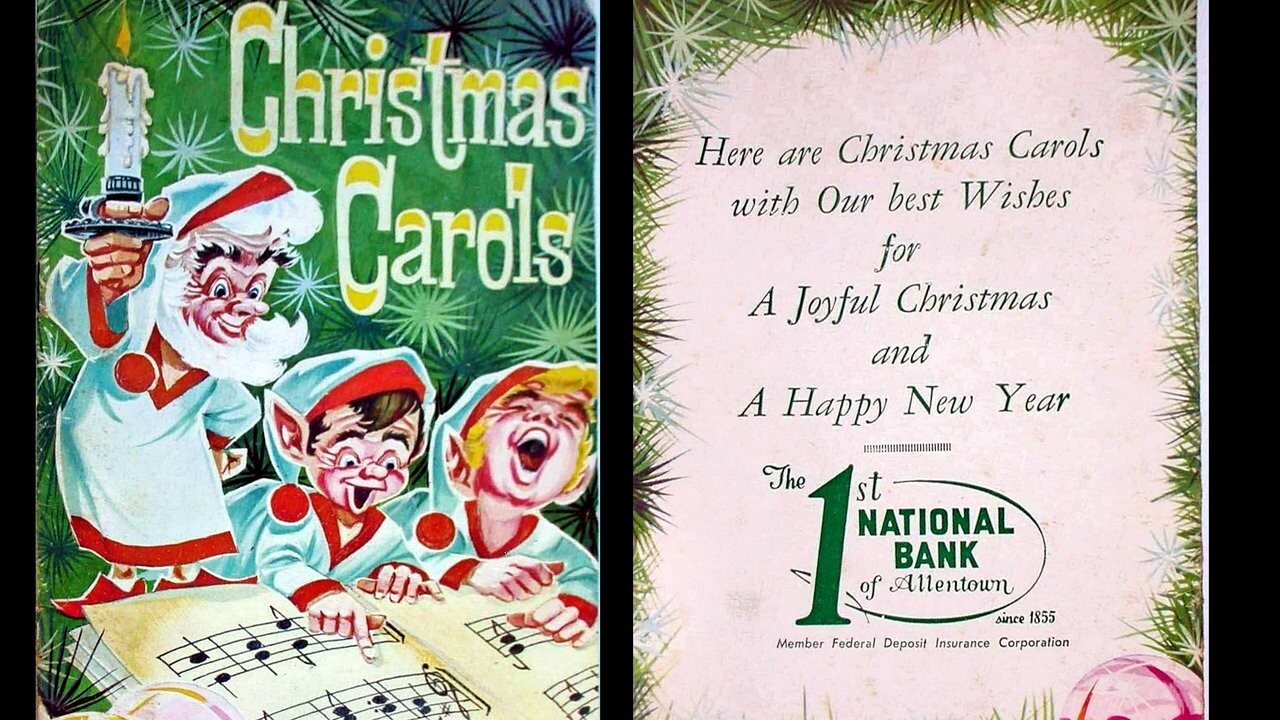
Caroling brought the holiday beyond the living room. A small group might walk between neighboring homes, singing familiar verses in the cold before stepping inside to warm up. The Library of Congress notes an early-1900s revival of street caroling and the singing of Christmas music in churches across the country.
The Annual Family Christmas Picture
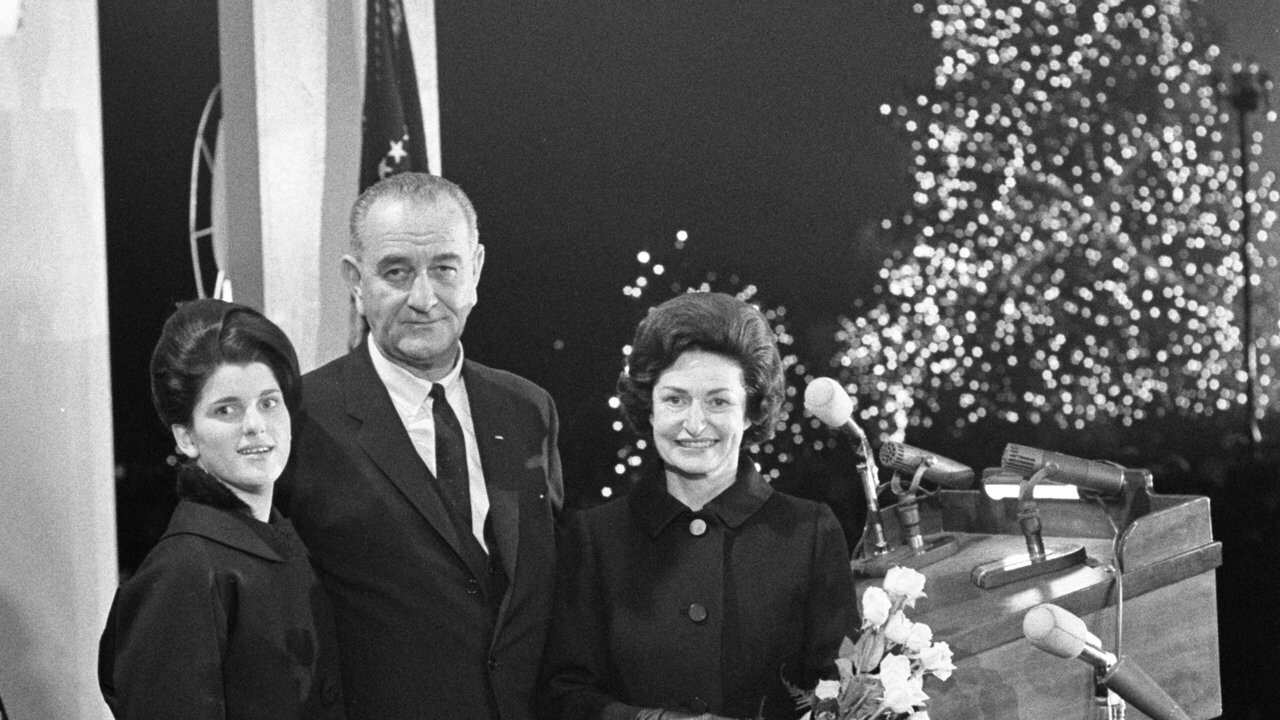
Before everyone could instantly review a photograph, the family Christmas picture required patience and faith. Children were arranged near the tree, someone set the camera, and the result might not be seen until after the holidays. Even a crooked pose or closed pair of eyes could become part of the memory.
The details changed from house to house, but these small rituals made the season feel unmistakably close. Which of these Christmas memories comes back most clearly for you?
Follow The HyperHive on MSN for more stories like this.
Sources:






