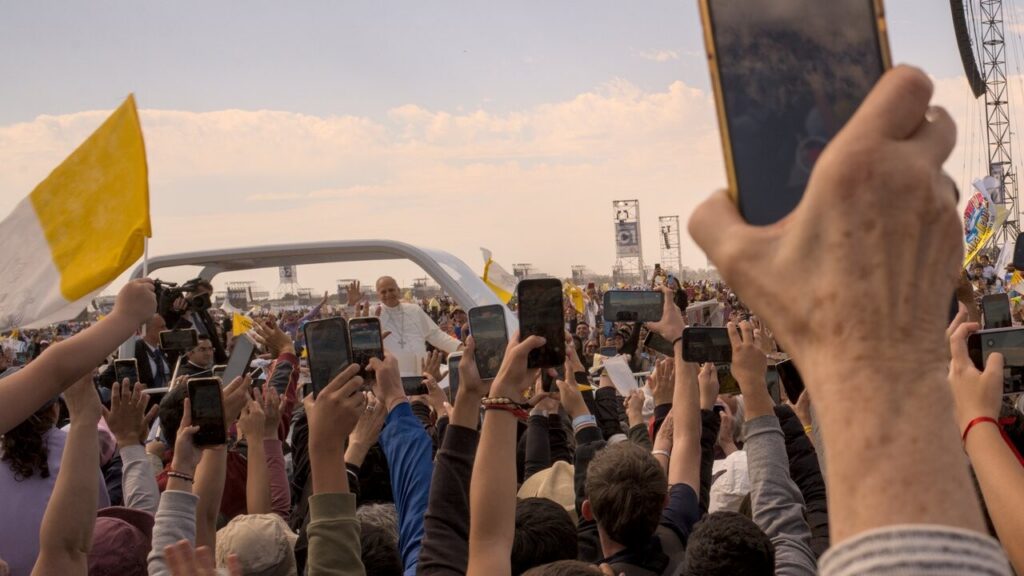
Trump Calls for Nuclear Arms Reductions at APEC Summit

The White House / Wikimedia Commons, Public domain (cropped)
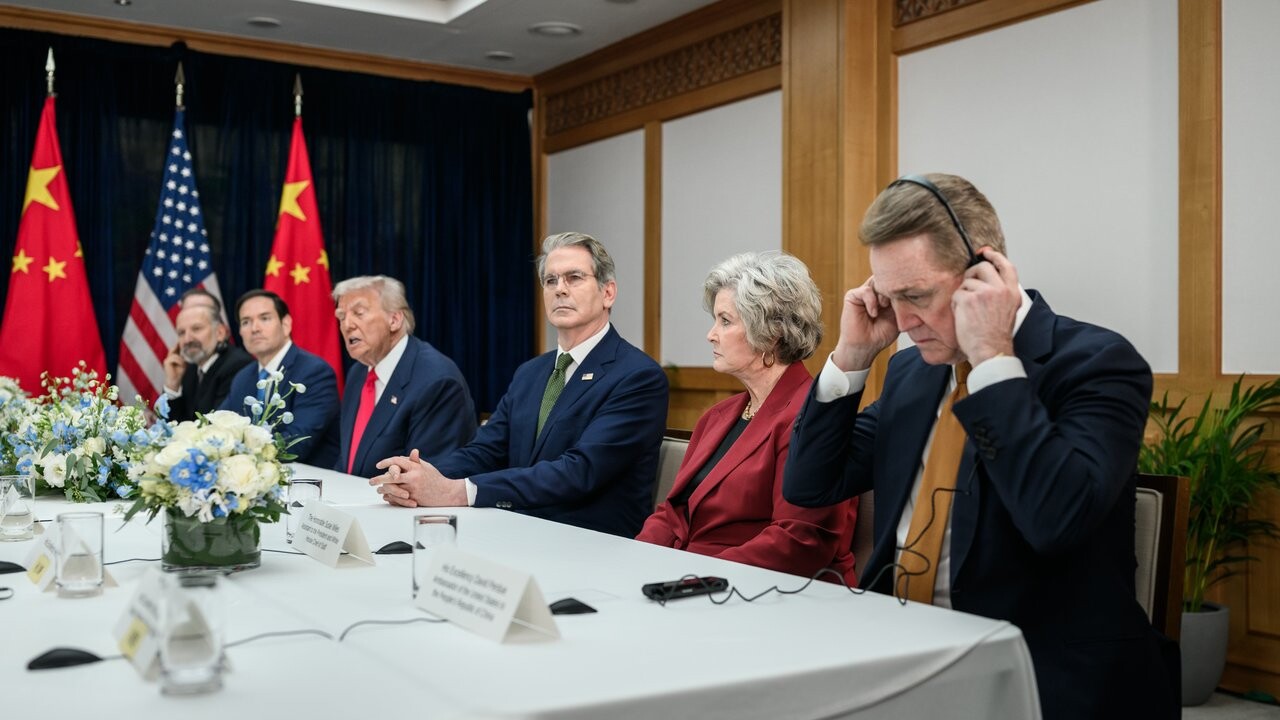
President Donald Trump called on the United States, China, and Russia to discuss reducing the number of nuclear weapons and lowering the risk that they will be used. He spoke on Nov. 19, 2026, during a meeting with Chinese President Xi Jinping and Russian President Vladimir Putin in Shenzhen, China.
China’s Foreign Ministry described the summit as the first face-to-face meeting among the three countries’ leaders. It came after New START, the latest strategic arms-control treaty between Washington and Moscow, expired on Feb. 5, 2026.
What Did Trump Say?
“We are really making history,” Trump said as the meeting began, according to Reuters. He said the three countries were uniquely positioned to discuss reducing the world’s nuclear weapons and lowering the risk that they would be used.
Trump presented the session as an opportunity to begin a conversation among the three nuclear powers. Reuters described the gathering as unprecedented and reported that analysts considered major agreements unlikely because of disagreements over nuclear weapons, Ukraine, Iran, and trade.
The meeting brought the leaders together at a time when Washington has been seeking an arms-control framework broader than New START. Trump did not announce a replacement treaty in his opening remarks.
How Did Xi and Putin Respond?
AP reported that Xi said the discussions would focus on promoting world peace. According to AP, Chinese state broadcaster CCTV said Xi advocated prohibiting and destroying nuclear weapons and building a world without them.
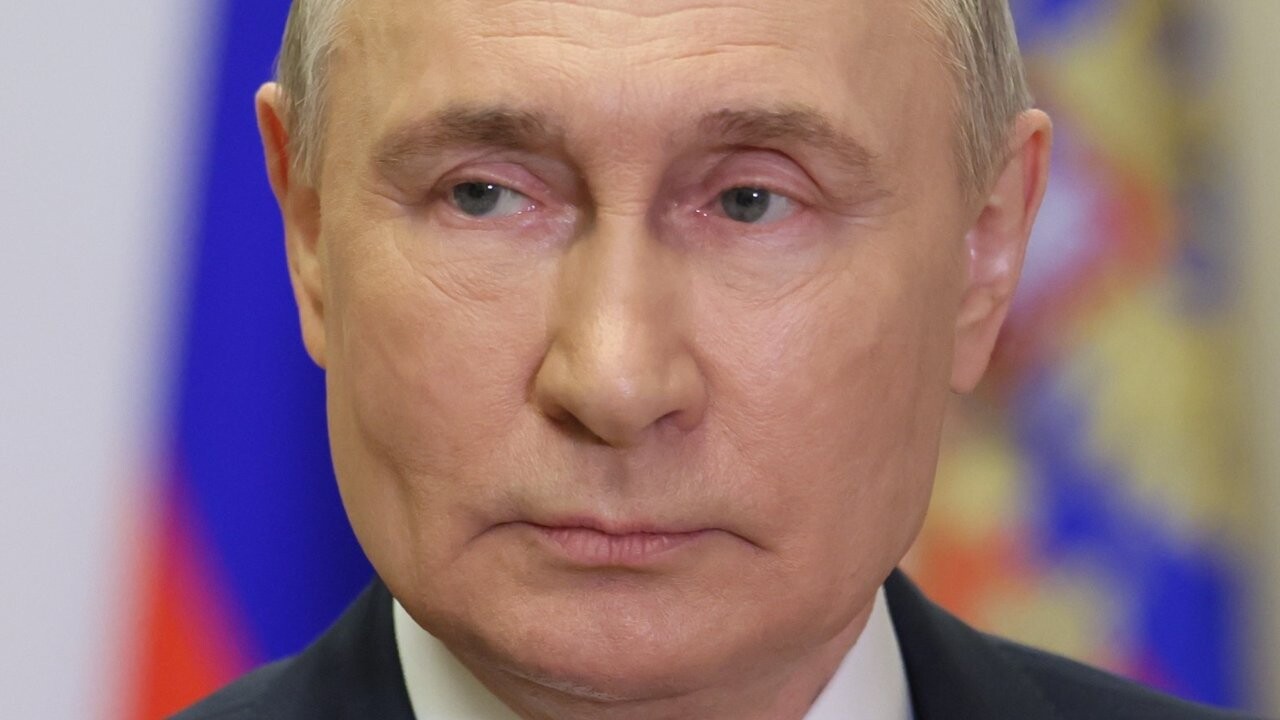
Putin said the countries shared responsibility for maintaining international peace, according to AP. Reuters reported that he also cited shared interests in resolving regional conflicts, including the war in Ukraine.
The leaders’ remarks placed nuclear risk and international security at the center of the meeting, although each emphasized different priorities.
What Is Confirmed So Far?
AP reported that the three-way talks concluded after more than an hour. China’s Foreign Ministry had described the gathering as the first face-to-face meeting among the Chinese, Russian, and U.S. heads of state.
The talks took place on the sidelines of the APEC Economic Leaders’ Meeting in Shenzhen. APEC said its wider agenda included trade, artificial intelligence, and economic resilience.
The nuclear discussion was one part of a broader meeting that also covered international conflicts. Reuters reported that Putin raised Ukraine, while AP said the leaders discussed the wars in Ukraine and Iran.
Why Does New START Matter?
New START expired on Feb. 5, 2026, according to France’s Foreign Ministry, which described it as the latest strategic arms-control treaty between the United States and Russia. An archived U.S. State Department page said the countries had previously extended the treaty through Feb. 4, 2026.
Reuters reported after the treaty expired that the United States wanted a broader arms-control agreement involving China as well as Russia. China has said direct talks between Washington and Moscow would be more appropriate because their nuclear arsenals are larger.
The Shenzhen meeting therefore opened a possible path toward wider discussions involving all three countries. Turning that opening into an agreement would require the governments to settle difficult questions about weapons limits, verification, and their differing security priorities.
The next test will be whether the three governments continue the discussion and begin sustained arms-control negotiations. What practical step would you most like the leaders to pursue to reduce nuclear risk?
Follow The HyperHive on MSN for more stories like this.
Sources: