Four Lessons From the Federal Government’s Disinformation Fight

The U.S. Supreme Court building in Washington, D.C., in April 2018. John Brighenti from Rockville, MD, United States / Wikimedia Commons, CC BY 2.0 (cropped)
Federal officials regularly communicated with social media companies about COVID-19 and election-related misinformation. The plaintiffs in Murthy v. Missouri alleged that some contacts amounted to government censorship, while the record also showed that platforms made many moderation choices for their own reasons.
On June 26, 2024, the Supreme Court found that the plaintiffs lacked standing to seek an injunction. The justices did not decide whether the disputed conduct violated the First Amendment.
A consent decree in the case restricts three federal agencies for 10 years.
Lesson 1: Persuasion and Coercion Are Different
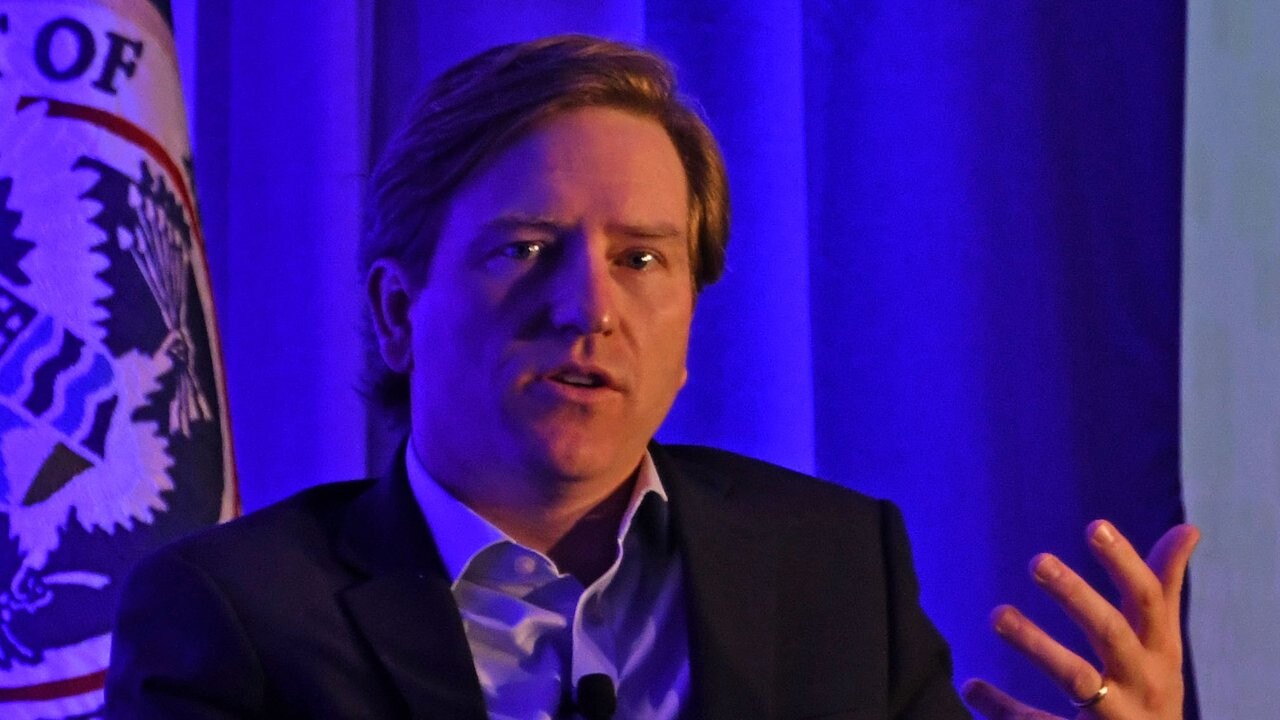
The decree restricts the Office of the Surgeon General, the Centers for Disease Control and Prevention, and the Cybersecurity and Infrastructure Security Agency from threatening social media companies with legal, regulatory, or economic punishment to suppress protected speech posted by the plaintiffs.
The government may still provide information that companies are free to use or reject. Officials also may describe posts as inaccurate, wrong, or contrary to the administration’s position, as long as those statements are not paired with a threat of punishment. The key boundary in the decree is between communicating a view and using government power to compel a result.
Lesson 2: A Label Does Not Cancel Free-Speech Protection
The decree states that calling speech misinformation, disinformation, or malinformation does not automatically make it constitutionally unprotected. In other words, applying a disputed label does not, by itself, settle whether the government may restrict speech.
The agreement still lets the government investigate crimes and national-security threats. It expressly preserves the federal government’s authority to investigate and prosecute criminal activity and threats to national security.
Lesson 3: Standing Turns on Traceability
The Supreme Court focused on whether these plaintiffs could seek forward-looking relief. They needed to show a substantial risk of future injury that could be traced to federal defendants and addressed by an injunction. The Court concluded that they had not met that burden.
The justices also said the platforms had independent incentives to moderate content and often exercised their own judgment. That finding made it harder to trace the platforms’ decisions to federal officials.
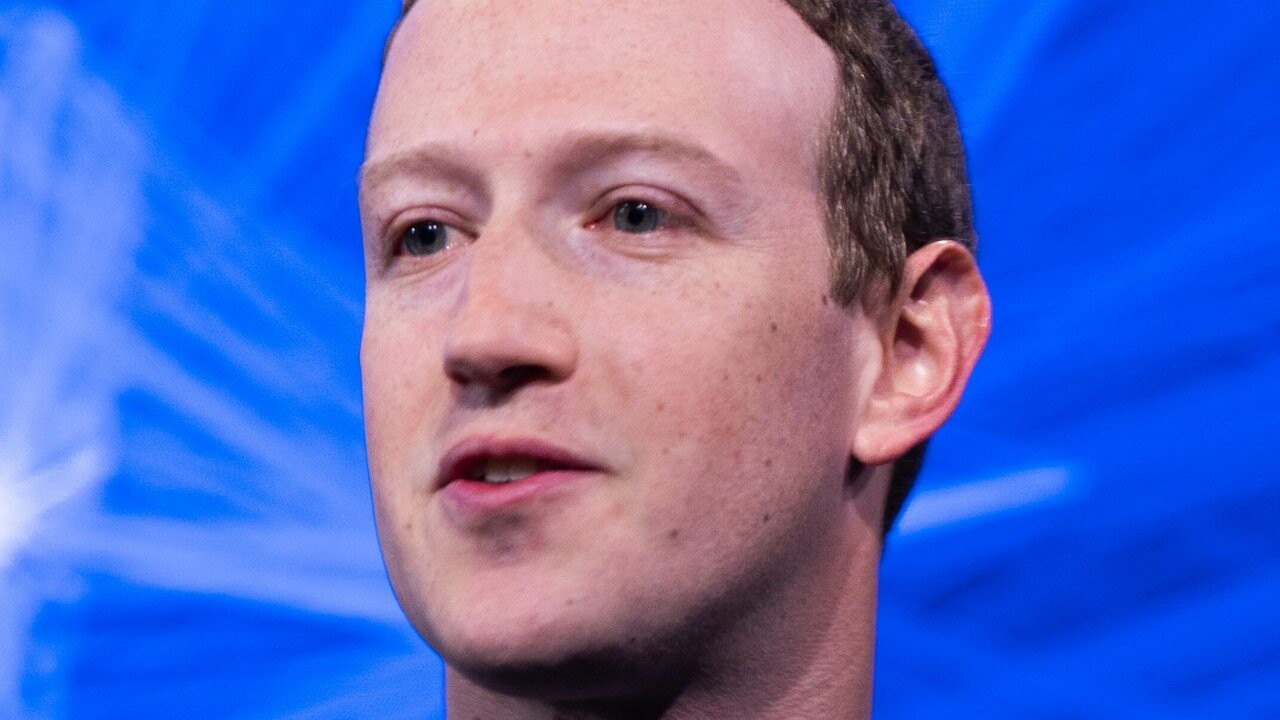
Separately, Meta CEO Mark Zuckerberg said in an August 2024 letter to House Judiciary Committee Chair Jim Jordan that senior Biden administration officials repeatedly pressured Meta’s teams for months over certain COVID-19 content, including humor and satire. The letter presented Zuckerberg’s account of those interactions after the Court had issued its ruling.
Lesson 4: The Settlement Is Not a Verdict on Every Claim
The consent decree creates enforceable rules, but it explicitly says it is not evidence or an admission about the truth or validity of the plaintiffs’ allegations. A court-approved settlement resolves litigation without necessarily deciding which side would have prevailed on the merits.
The restrictions are also narrow: They cover the plaintiffs’ social media content and do not extend to content posted by nonparties. Separately, a Department of Homeland Security inspector general report said CISA stopped working directly with social media companies to counter disinformation after the 2022 election. The agency instead focused on resources that educate election partners and help them identify disinformation.
The decree establishes a 10-year boundary for three agencies, but future disputes will still depend on the specific conduct, speakers, platforms, and requested legal remedy. Where do you think the line should be between a government warning and government pressure?
Follow The HyperHive on MSN for more stories like this.
Sources: