
Have you ever looked down and wondered why your toenails seem thicker and more yellow than they used to?
Normal aging can cause both changes, but toenail fungus can look similar. The challenge is knowing when to manage your nails carefully at home and when to ask a health care professional for help.
Here is what these changes can mean, how to trim thick nails safely, and when to call a podiatrist.
What Changes in Toenails With Age?
Age can change how a toenail grows, feels, and looks. MedlinePlus says nails grow more slowly with age and may become dull and brittle. Their color can also shift from translucent to yellowed and opaque.
Toenails may become thicker than they were in younger years. Mayo Clinic associates this thickening with slower growth of the nail plate.
Notice which nails are affected, whether their appearance continues to change, and whether you have discomfort. Yellow color or extra thickness alone cannot establish the cause because aging and fungal infection can produce similar-looking nails.

Could It Be Toenail Fungus?
Yes. Toenail fungus is common among older adults. The American Academy of Dermatology reports that about 50% of people older than 70 develop nail fungus.
The medical name for nail fungus is onychomycosis. Mayo Clinic explains that slower nail growth with age makes it easier for fungus to become established in the nail bed.
An infected nail can grow thicker and turn white or yellow. It may also become brittle or crumbly.
Because aging can also cause yellowing and thickening, avoid assuming that every discolored nail is fungal. A health care professional can evaluate a nail when its cause is uncertain. Meanwhile, keeping your feet clean and dry can help prevent fungal nail infections.
Why Do Diabetes and Circulation Matter?
The American Podiatric Medical Association says people with diabetes, circulatory problems, or immune-deficiency conditions are especially prone to fungal nails. This does not mean that every yellow nail is infected, but it is a reason to pay close attention to changes.
The CDC says diabetes can damage blood vessels and nerves in the legs and feet, contributing to healing problems.
The National Institute of Diabetes and Digestive and Kidney Diseases recommends checking your feet every day. Examine the nails, the surrounding skin, the soles, and the spaces between your toes. Ask for help if you cannot inspect every area comfortably.
How Can You Trim Thick Toenails Safely?
If you can see, feel, and comfortably reach your feet, use good lighting and sit in a stable position before trimming. Work slowly, keep the clipper under control, and stop if you cannot cut the nail without getting close to the skin.
- Soften Them First. For thick, difficult toenails, the American Academy of Dermatology advises mixing one teaspoon of salt into a pint of warm water and soaking the nails for 5 to 10 minutes.
- Cut Straight Across. Trim each toenail straight across instead of rounding deeply into the corners. This reduces the chance of developing an ingrown toenail.
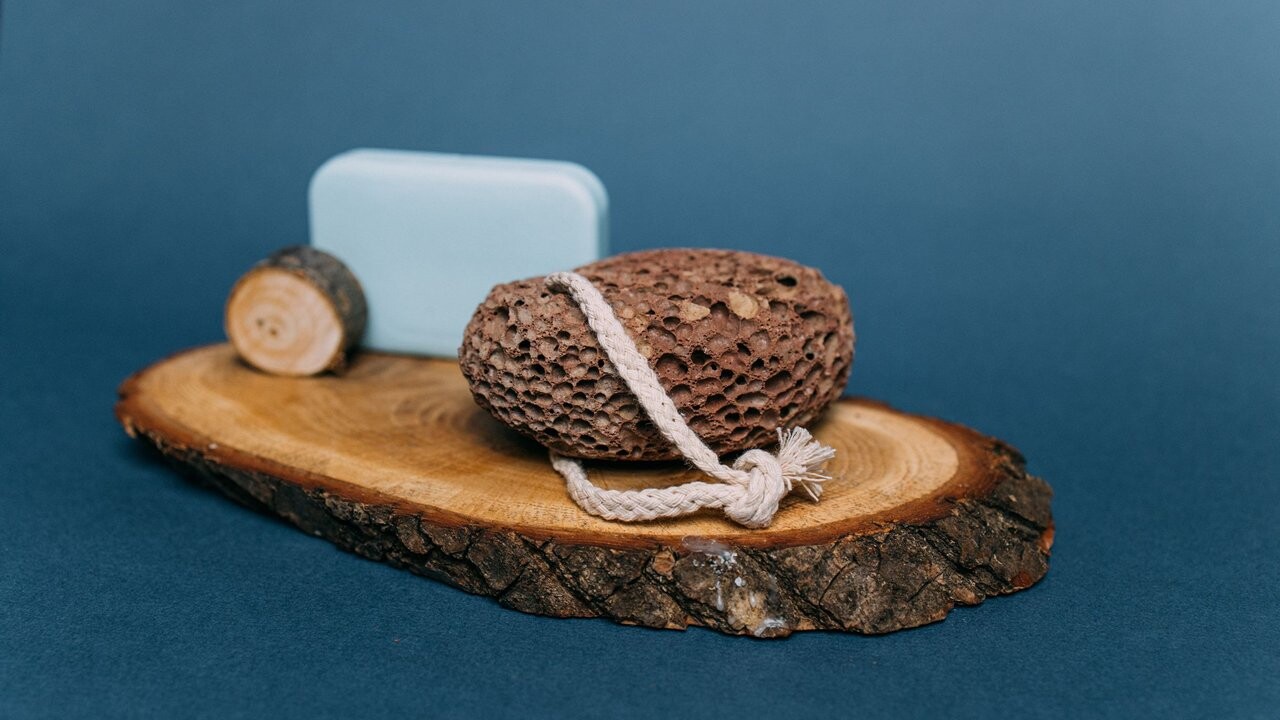
- File Rough Edges. Use an emery board or nail file to smooth uneven areas. Gentle filing can keep a rough edge from catching on socks.
Do not force a clipper through a nail that is too tough to manage. The NHS recommends seeing a podiatrist if your nails are too hard to cut or you cannot reach them safely. Professional trimming may be more comfortable than struggling at home.
When Should You See a Podiatrist?
Contact a health care provider if self-care has not helped and a nail becomes increasingly discolored, thickened, or misshapen. Swelling or pain around a nail and difficulty walking are also reasons to seek medical advice.
People with diabetes should be especially cautious. NIDDK advises having a foot doctor trim your toenails if they are thick or yellowed or if you cannot see, feel, or reach your feet. Do not try to work around poor visibility or reduced sensation with sharp tools.
A podiatrist can examine the nail and perform a laboratory test to determine the cause of suspected fungal changes. Testing provides more information than judging the nail by its appearance alone.
Thick or yellow toenails are common with age, but careful trimming and timely professional help can make them easier to manage. How have your toenails changed as you have gotten older?
This article is for general information and isn’t a substitute for advice from your doctor.
Follow The HyperHive on MSN for more stories like this.
Sources:



