Presidents Who Survived Assassination Attempts: What the Record Confirms

Francisco Diez from New Jersey, USA / Wikimedia Commons, CC BY 2.0 (cropped)
Assassination attempts often acquire dramatic details in the retelling. This gallery follows the documented record chronologically, distinguishing sitting presidents from Theodore Roosevelt, a former president, and Franklin D. Roosevelt, who was president-elect.
The account draws on the National Archives, presidential libraries, Congress, the National Park Service, and the Smithsonian. The suggested images favor non-graphic portraits, historic buildings, artifacts, and official photographs.
1835: The First Known Attempt
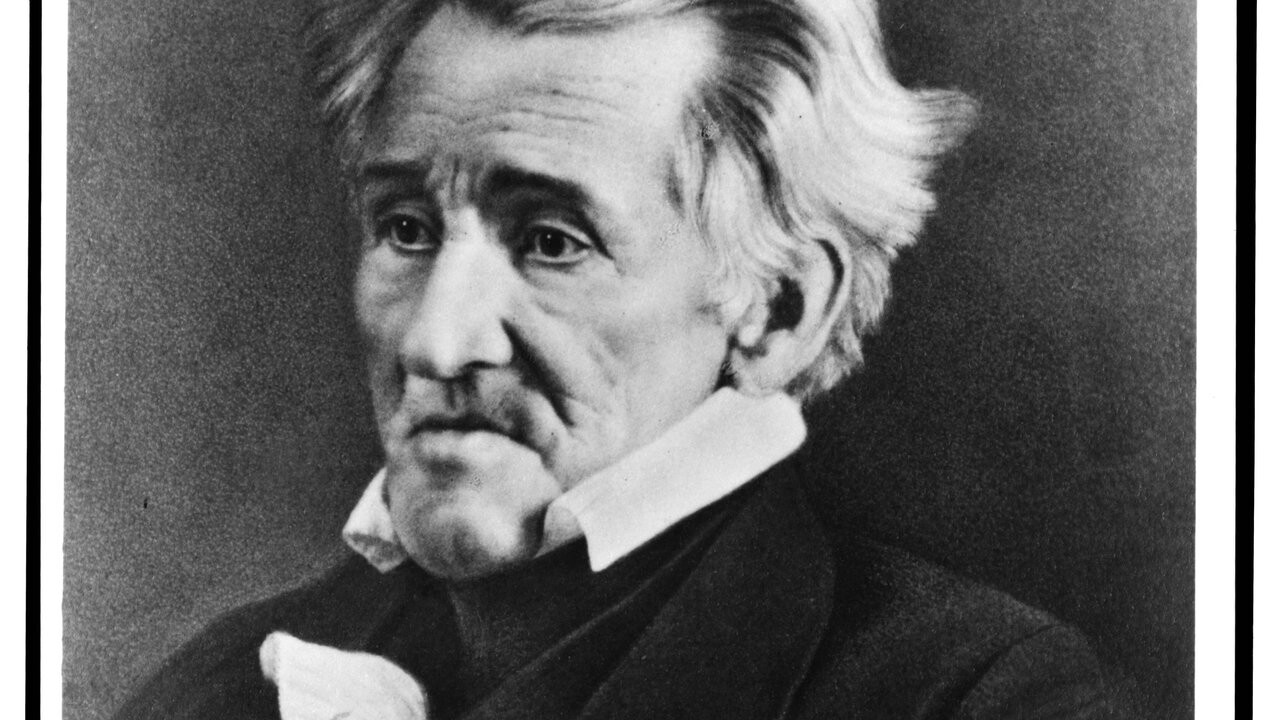
On January 30, 1835, Richard Lawrence tried twice to kill President Andrew Jackson. Jackson survived what the U.S. Senate identifies as the first known attempt to assassinate an American president, beginning a grim category in the documented history of the presidency.
A Funeral at the Capitol
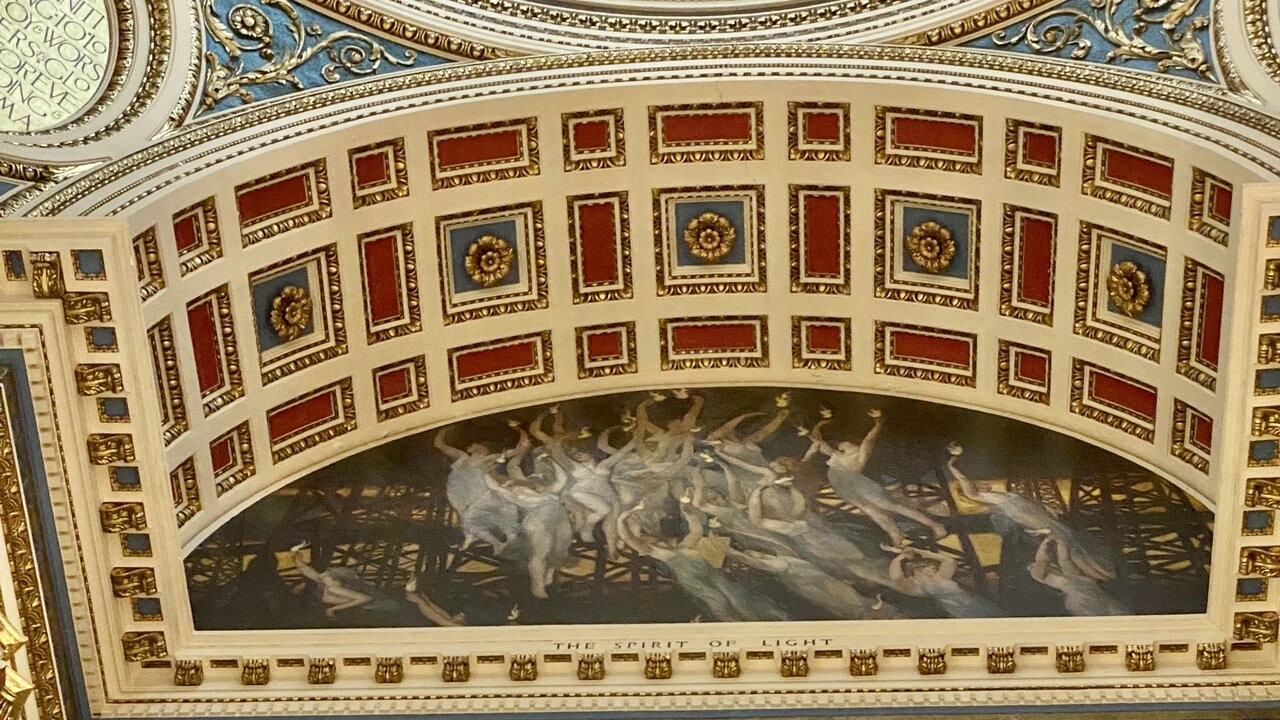
Jackson was attending a congressional funeral at the U.S. Capitol. Lawrence hid behind a pillar near the entrance to the Rotunda and waited for the president to approach. The setting placed the confrontation inside the nation’s central legislative building rather than at the White House.
Two Pistols, Two Misfires
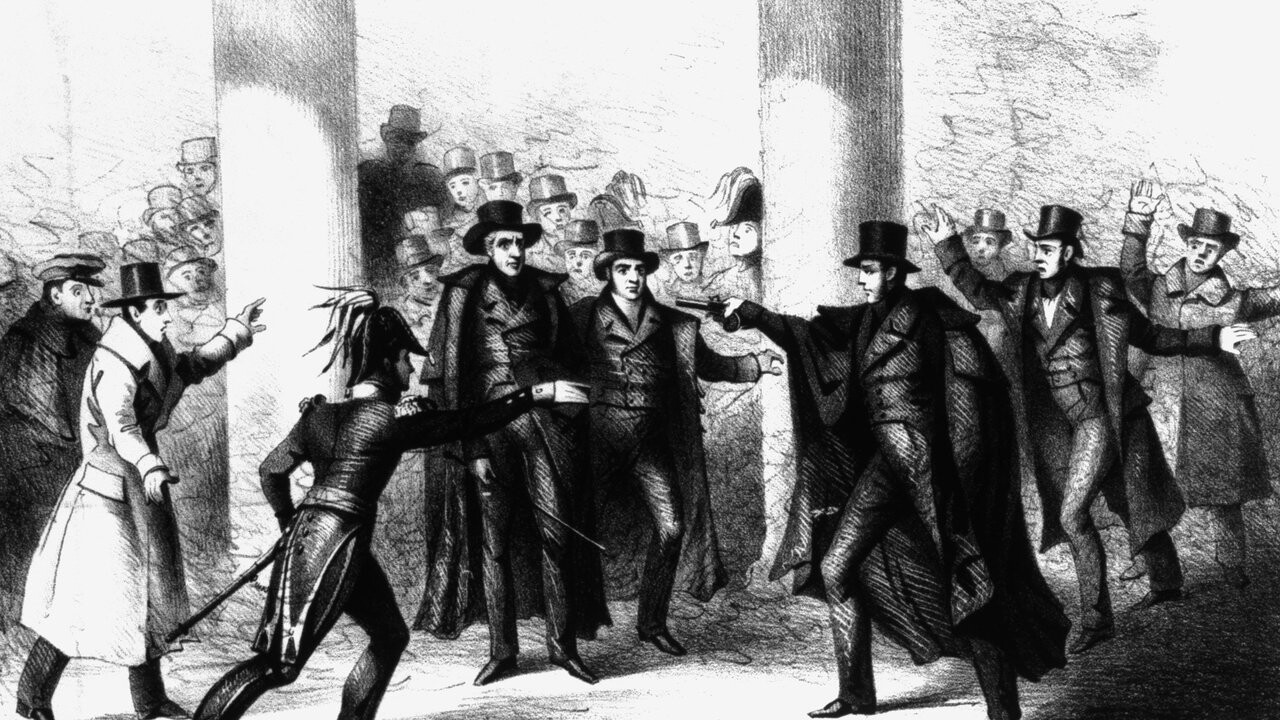
Both of Lawrence’s pistols misfired, according to the Library of Congress timeline. Jackson then defended himself with his cane before bystanders restrained Lawrence. Those details form the documented core of the story without relying on claims about impossible odds or divine intervention.
Myth: A Political Conspiracy
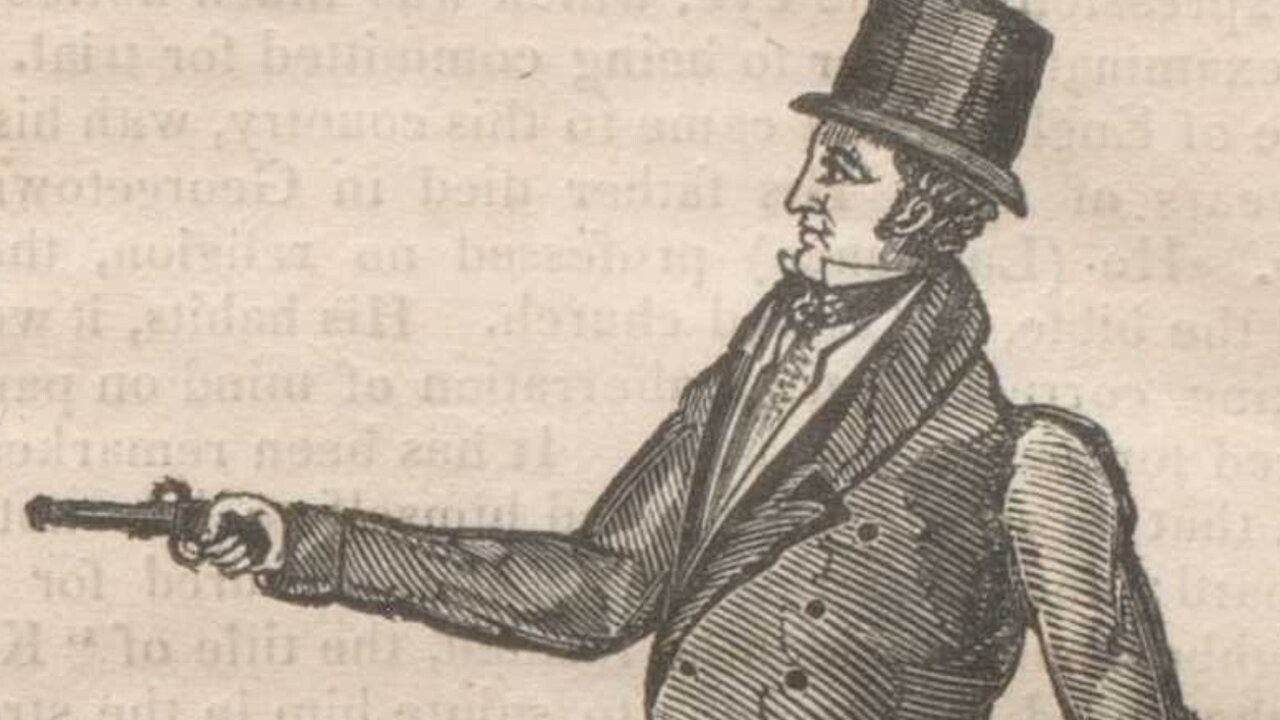
Partisan conspiracy theories circulated after the attack, but later scholarship concluded that Lawrence acted alone. A jury subsequently found him not guilty by reason of insanity. The surviving record therefore supports an individual attack, not the political plot imagined by Jackson’s allies and opponents.
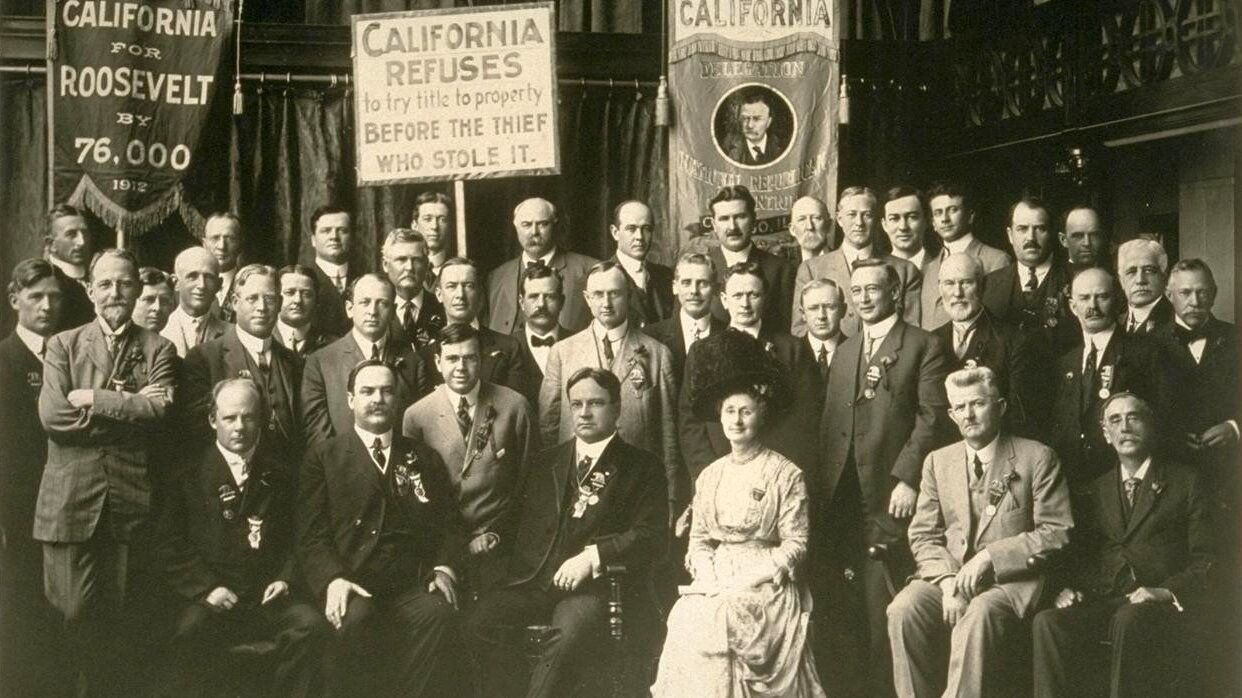
1912: A Former President on Campaign
Theodore Roosevelt was a former president campaigning for another term when John Schrank shot him on October 14, 1912. Roosevelt’s status matters: this was an attack on a presidential candidate who had previously occupied the White House, not on the sitting president.
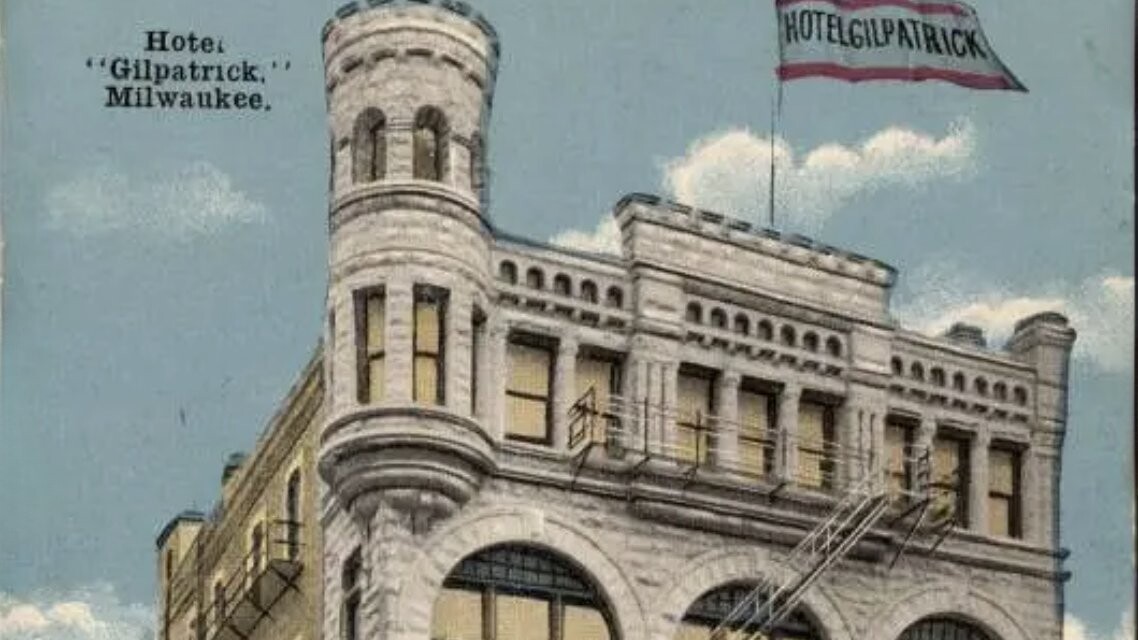
The Shooting Outside a Milwaukee Hotel
Schrank shot Roosevelt outside the Gilpatrick Hotel in Milwaukee as the candidate headed to a speech at the Milwaukee Auditorium. A stenographic copy acquired by the Library of Congress records the address Roosevelt delivered from the stage after he was wounded.
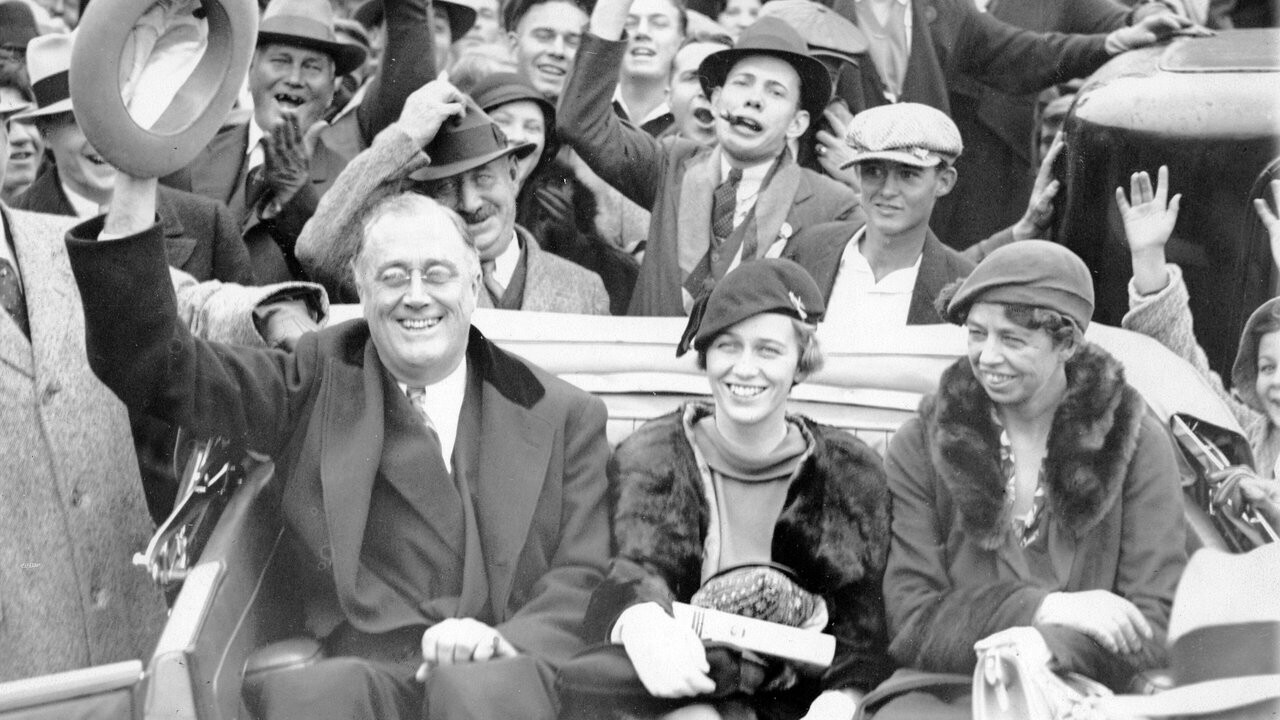
1933: President-Elect, Not Yet President
Franklin D. Roosevelt was president-elect when he became the target of an attack in 1933. He had won the election but had not yet been inaugurated. His presidential library also notes that no assassination attempt occurred after he took office.
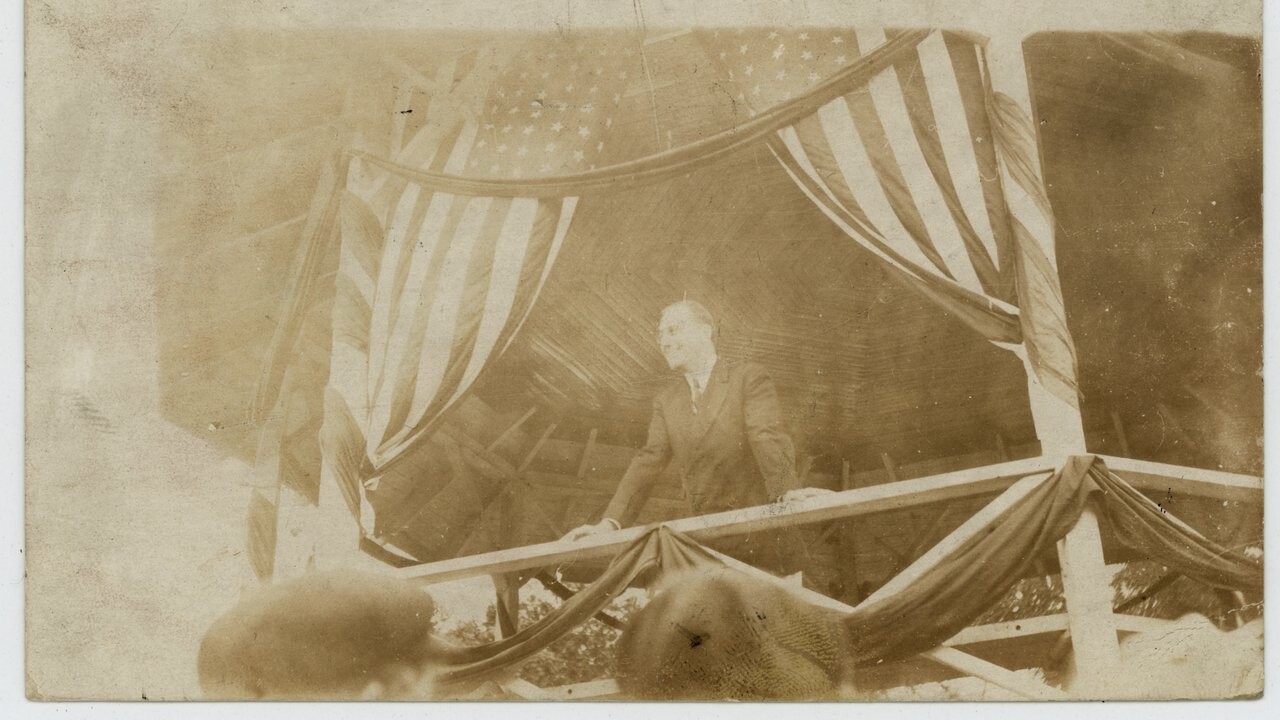
Bayfront Park And An Open Car
Roosevelt attended a reception at Miami’s Bayfront Park on February 15, 1933. He addressed the gathered supporters from the back seat of an open automobile. The park, the crowd, and the exposed vehicle formed the setting for the shooting that followed.
The Shots Missed Roosevelt
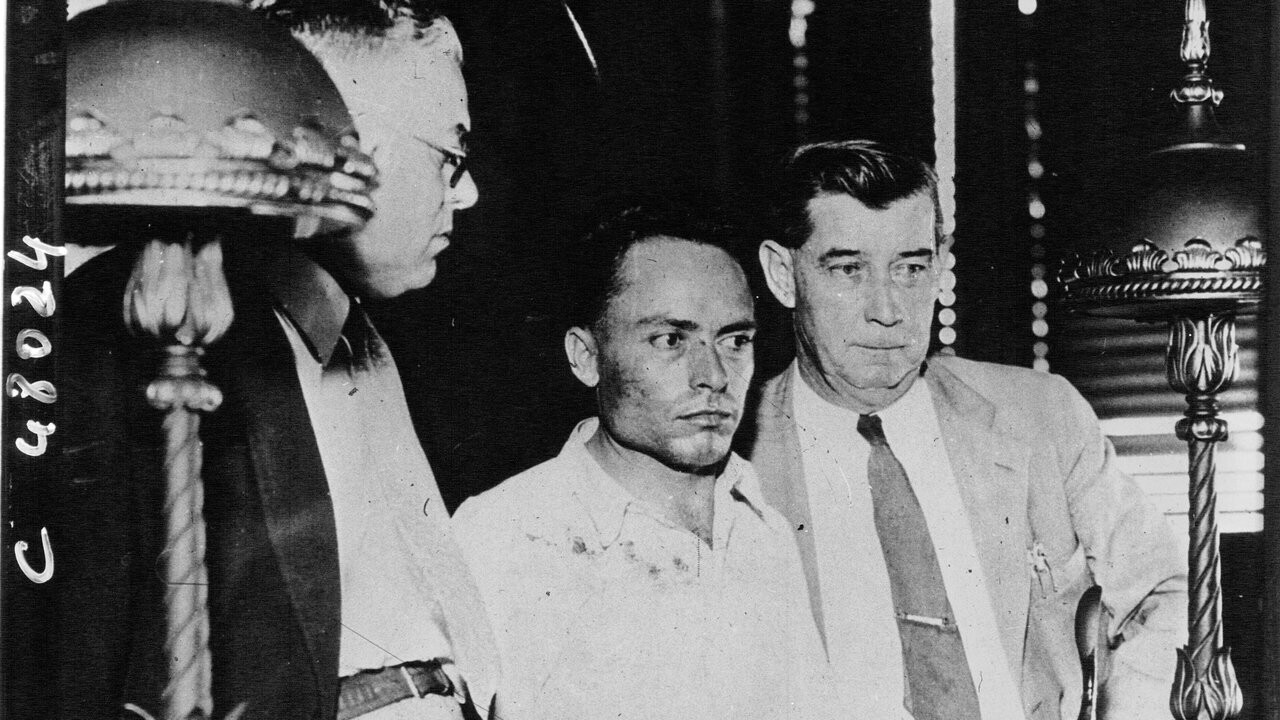
Giuseppe Zangara fired five rounds toward Roosevelt, but all missed the president-elect. The National Archives reports that no evidence of accomplices or conspiracy emerged. It describes newspaper speculation that Chicago Mayor Anton Cermak was the intended target as wholly undocumented.
Anton Cermak Was Mortally Wounded
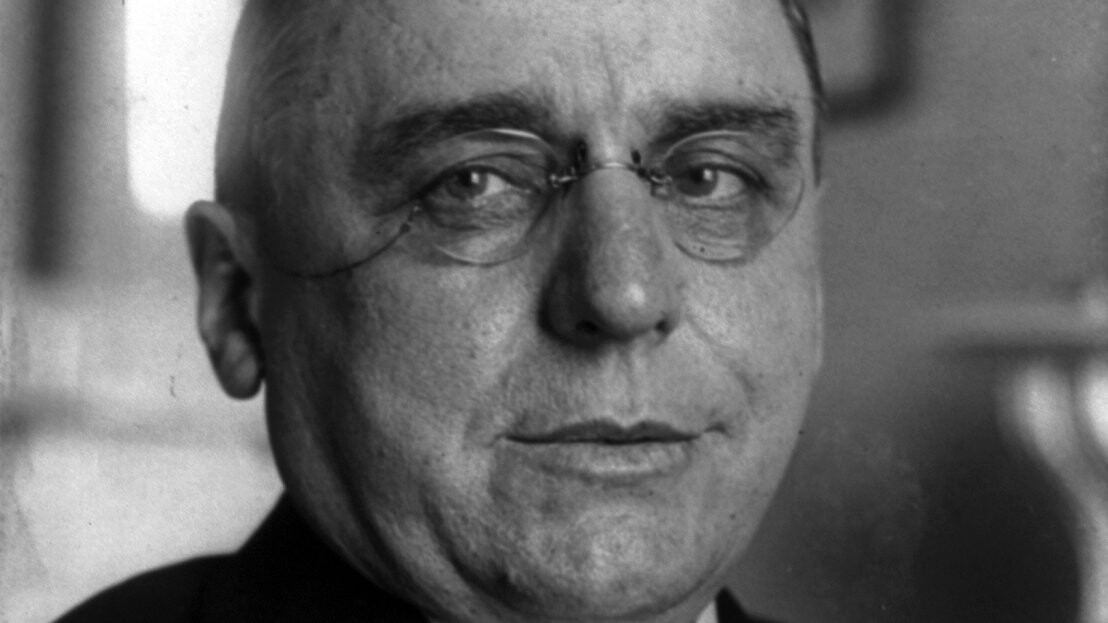
Although Roosevelt was not hit, Zangara mortally wounded Cermak and injured other people at the gathering. Cermak was taken to Jackson Memorial Hospital, where he died on March 6. The failed attempt on a president-elect consequently became a fatal attack on another public official.
1950: Blair House Became The Presidential Home
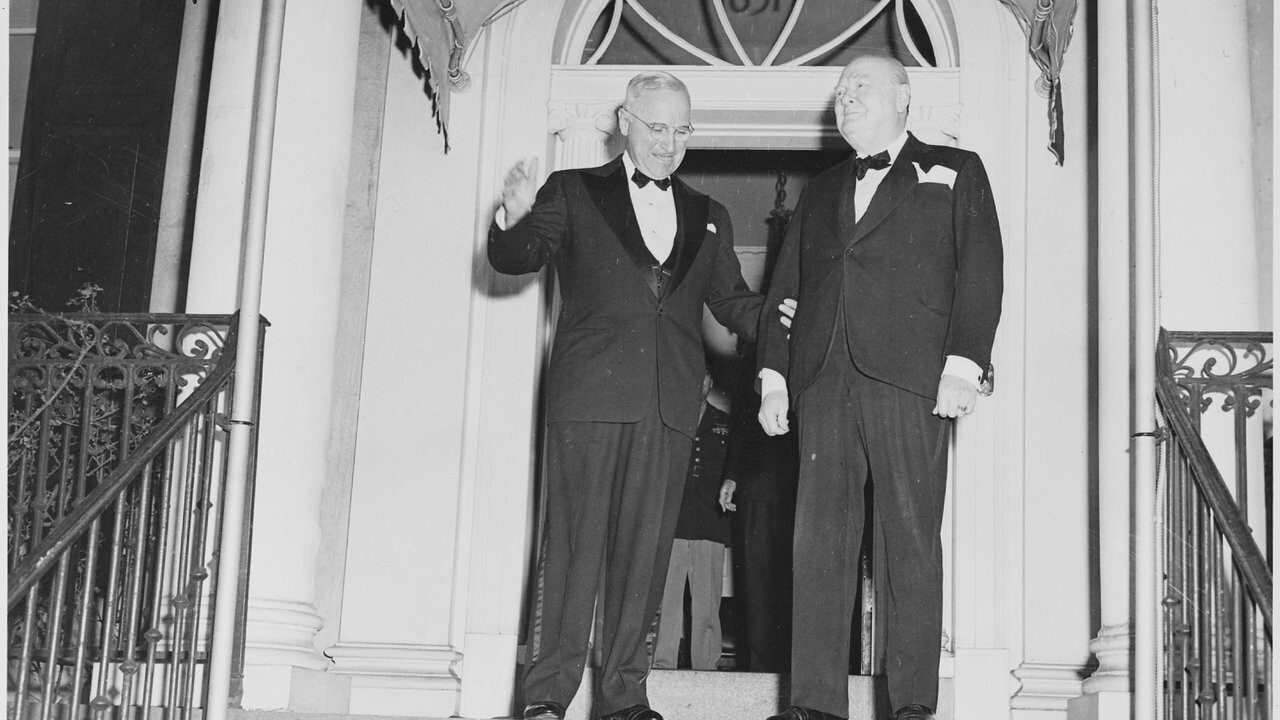
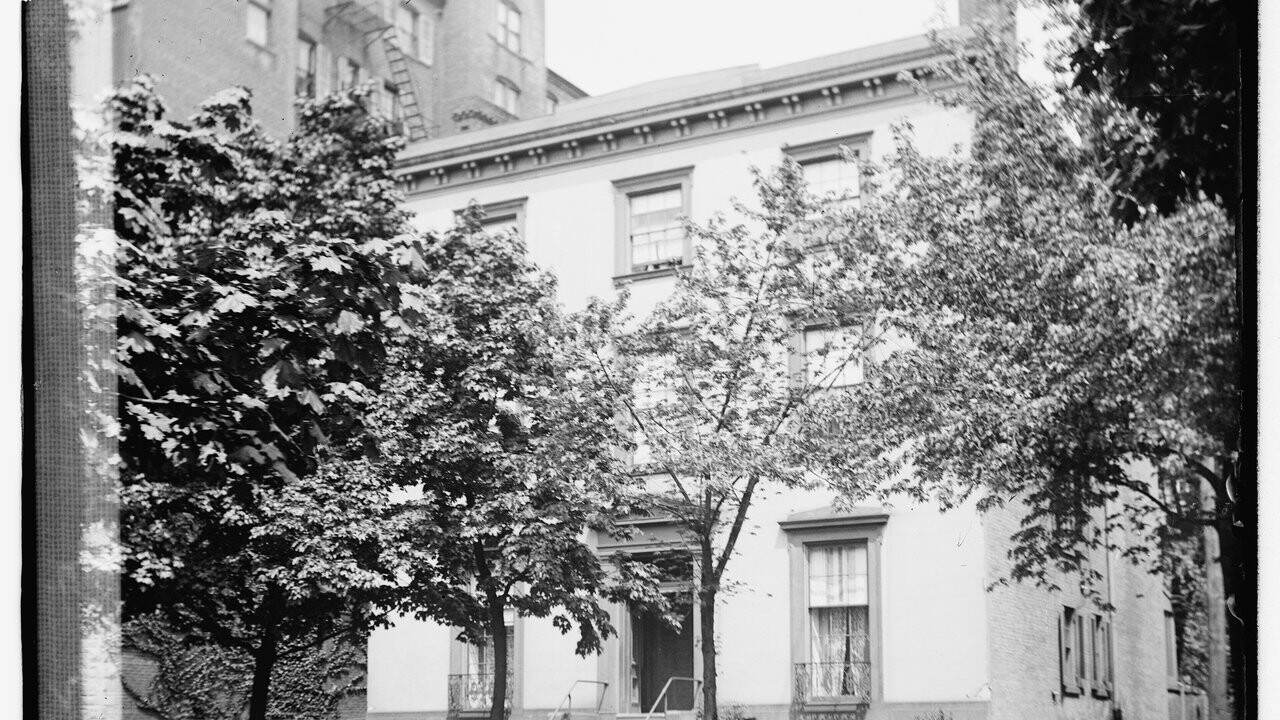
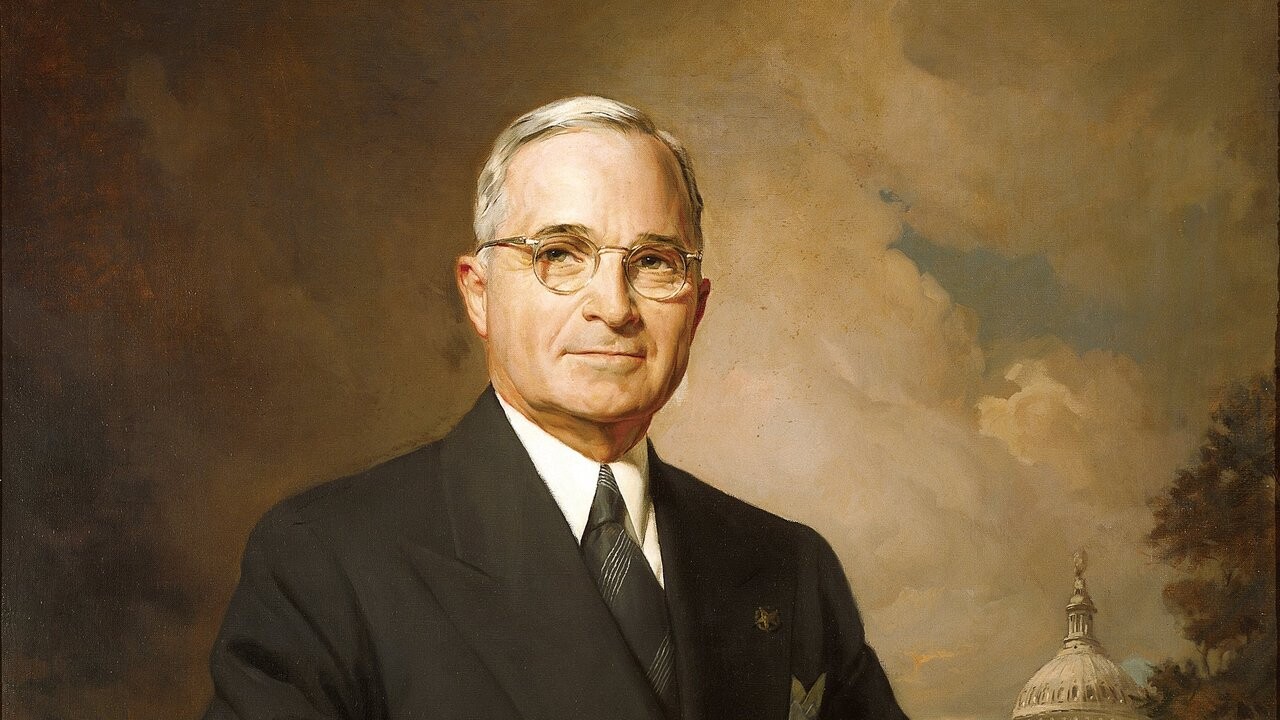
Harry Truman lived at Blair House while the White House underwent major renovations. The temporary presidential residence stood across Pennsylvania Avenue from the White House. That location explains why the next attempt unfolded outside Blair House rather than at the customary presidential home.
Two Men Tried To Enter
On November 1, 1950, two armed Puerto Rican nationalists attempted to enter Blair House while Truman was staying there. They engaged White House Police officers in a gunfight outside the residence. The attackers never roamed through the building or reached the president.
The President Was Upstairs
Truman was upstairs during the attack. The assailants were stopped before gaining entry, and the president was not harmed. Keeping those details together conveys the genuine danger while correcting the more cinematic impression that Truman confronted armed attackers inside his temporary residence.
1975: The Sacramento Attempt
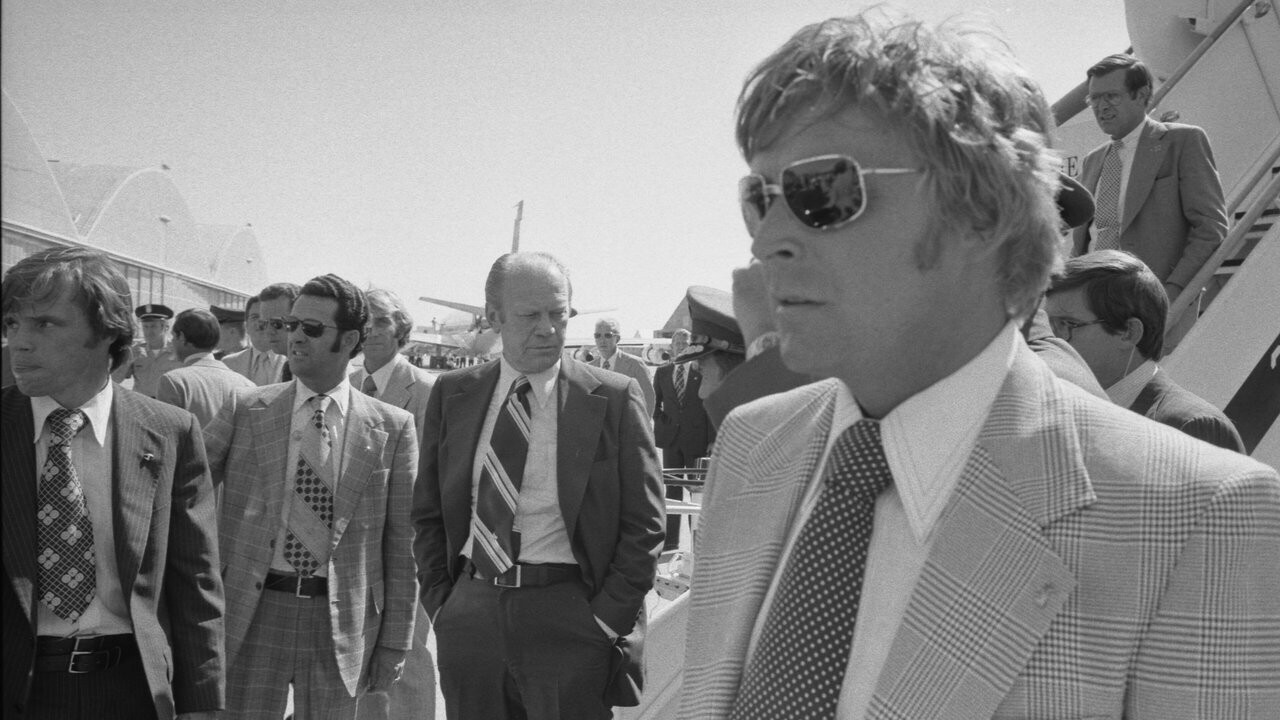
Lynette Fromme attempted to assassinate President Gerald Ford in Sacramento, California, on September 5, 1975. Ford was walking toward the California State Capitol when the confrontation occurred. The date and location are preserved in the Ford Presidential Library’s records and artifact descriptions.
A Secret Service Agent Intervened
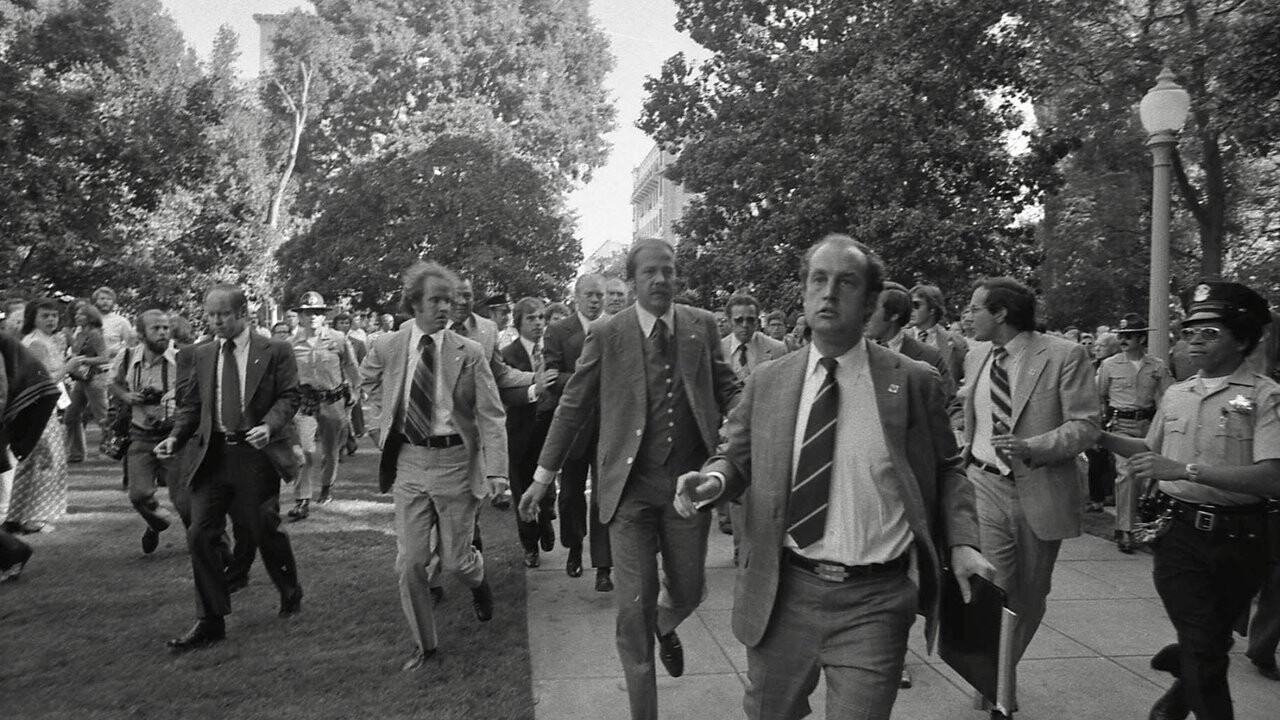
Secret Service agent Larry Buendorf intervened at close range and was credited with saving Ford’s life. The Ford library also preserves photographs of agents rushing the president toward the California State Capitol, providing a direct, non-graphic visual record of the immediate response.
A Second Attempt Later That Month
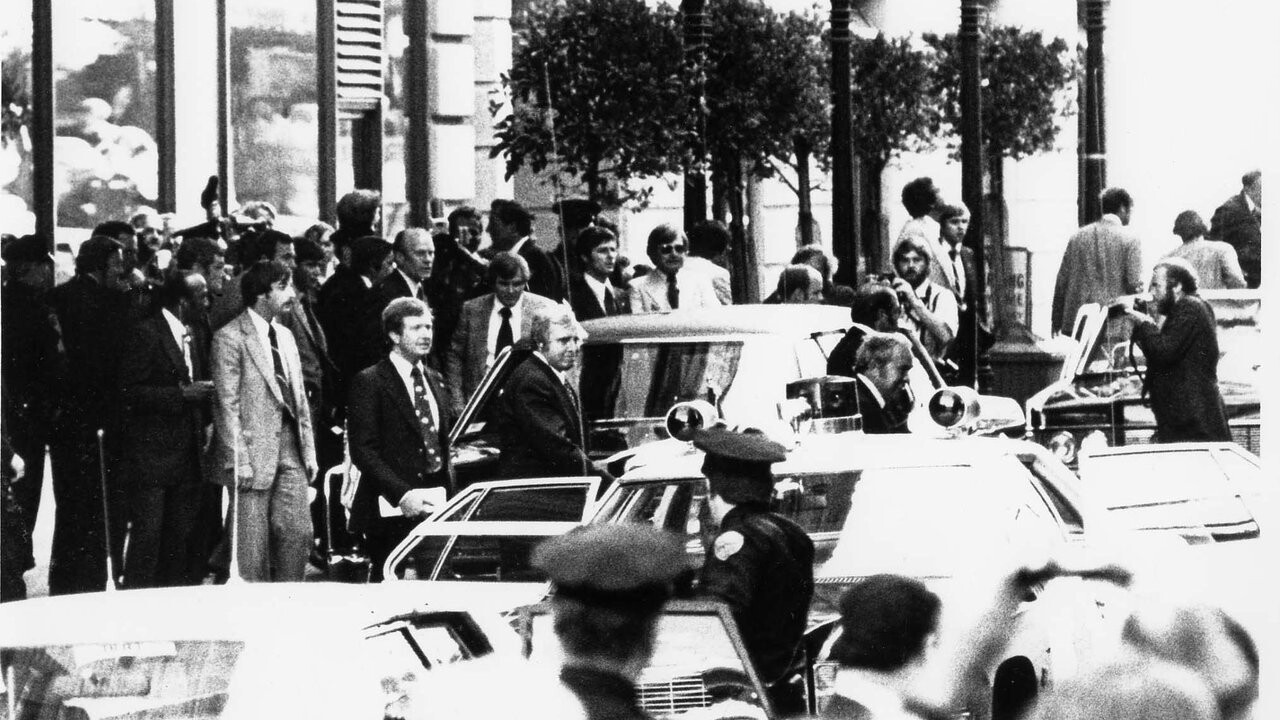
Sara Jane Moore made a second attempt on Ford in San Francisco on September 22, 1975. Her first shot narrowly missed. The episode came less than a month after the Sacramento attempt, making Ford the target of two separate attacks during the same month.
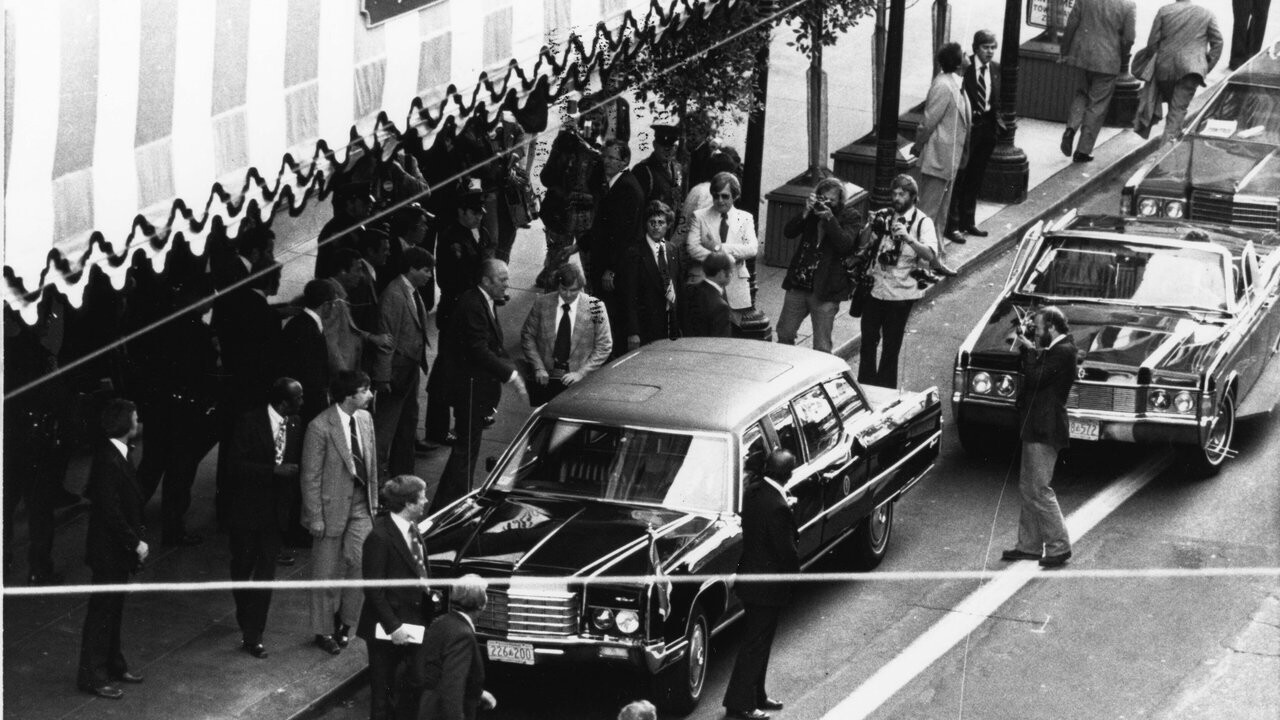
A Bystander Deflected The Second Shot
When Moore tried to fire again, bystander Oliver Sipple grabbed her arm, causing the shot to miss Ford. His intervention came from within the crowd rather than the presidential protective detail. That distinction is an important part of the documented sequence in San Francisco.
1981: Early In Reagan’s Presidency
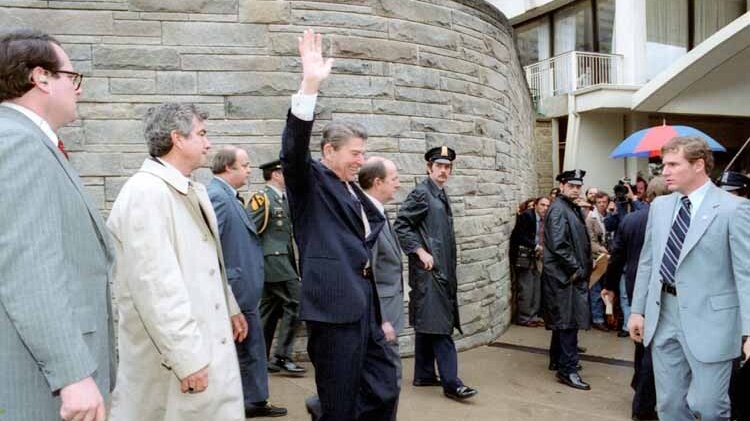
John Hinckley attacked Ronald Reagan outside the Washington Hilton Hotel on March 30, 1981, only 69 days into Reagan’s presidency. The president had just addressed a conference of the Building and Construction Trades Department and was walking toward his motorcade.
The Ricochet That Hit Reagan
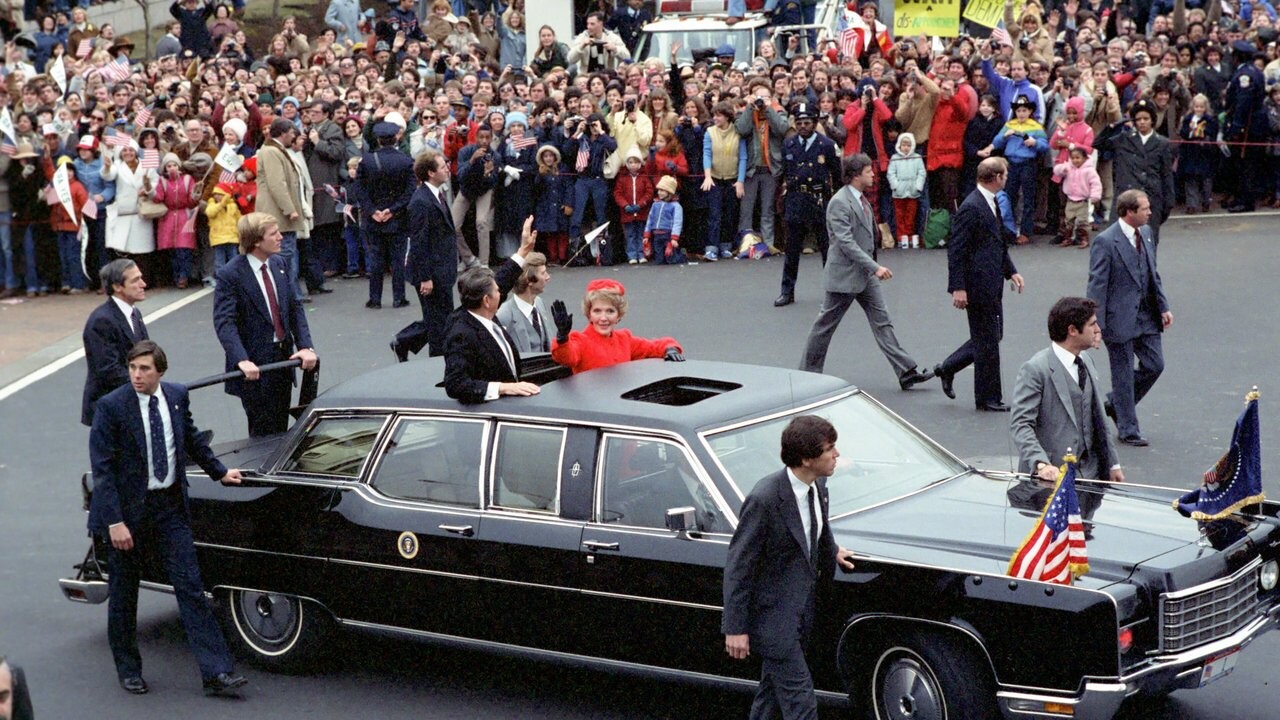
The sixth bullet struck the presidential limousine and ricocheted into Reagan beneath his left arm. The vehicle was therefore more than an escape route: it became part of the documented ballistic path that left the president wounded and in need of hospital treatment.
Reagan Returned To The White House
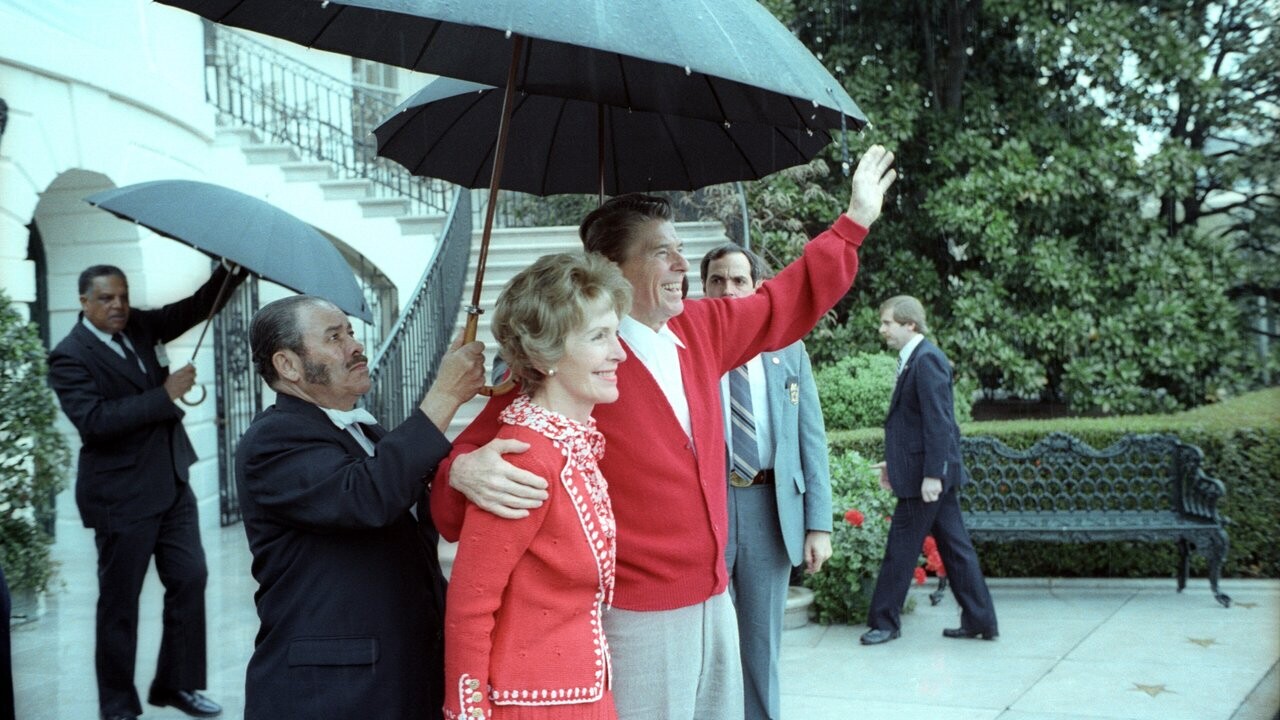
Reagan left George Washington University Hospital and returned to the White House on April 11, 1981. The Reagan library’s photo collection documents his departure and homecoming, offering a non-graphic closing image centered on his recovery rather than a staged recreation of the shooting.
The confirmed record is dramatic enough without embellishment. Which part of this history surprised you most?
Follow The HyperHive on MSN for more stories like this.
Sources:






