Classic TV Game Shows Americans Grew Up With

NBC Television / Wikimedia Commons, Public domain (cropped)
Game shows made living rooms feel like studios. Viewers guessed occupations, recognized songs, priced merchandise, and debated answers alongside contestants they had only just met.
These slides move from television’s early years through the colorful formats of the 1970s, tracing how familiar rules, memorable personalities, and simple ideas became enduring entertainment.
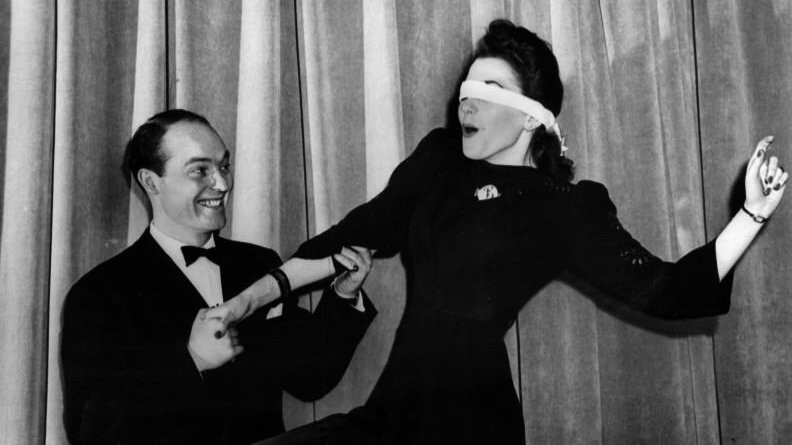
1950: Truth or Consequences Returns to Television
Truth or Consequences returned to television in 1950 after continuing on radio. Its premise mixed quiz questions with comic stunts, so a missed response could quickly become part of the entertainment. The format made contestants’ reactions central and established an energetic style that later audience-participation shows would continue exploring.
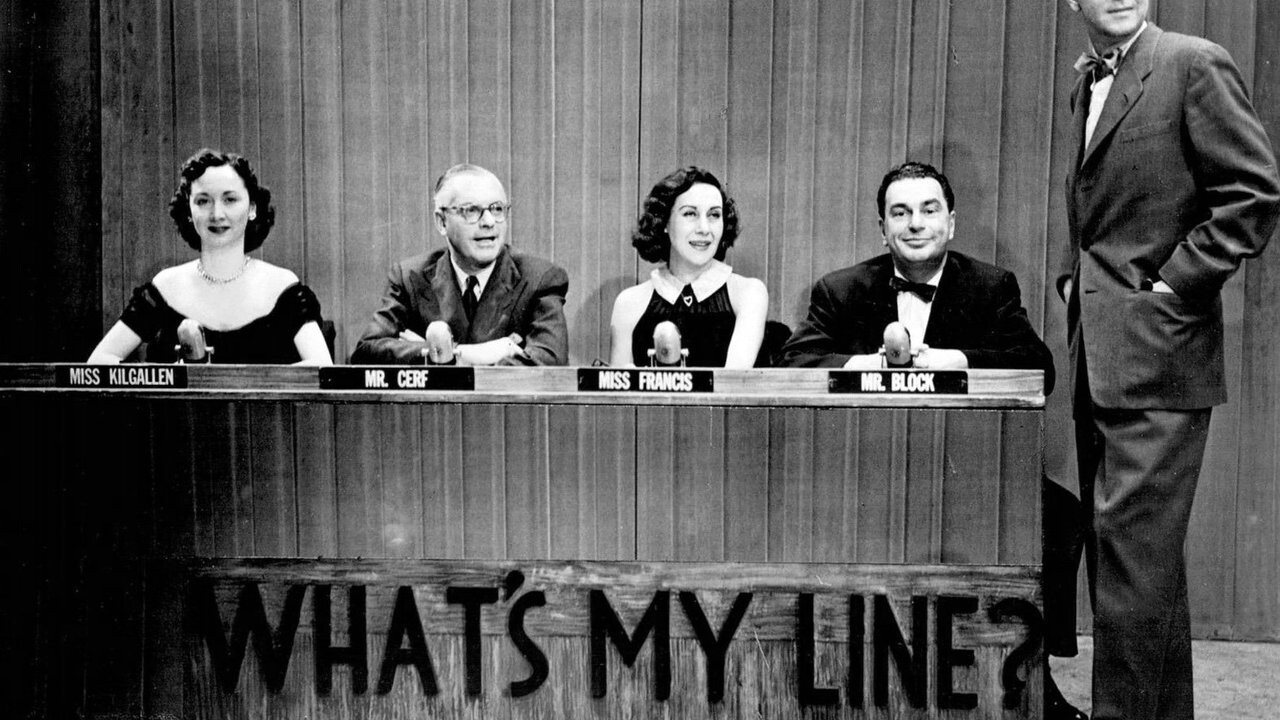
1950: What’s My Line? Starts Asking Questions
What’s My Line? debuted on CBS in 1950 with John Daly as host. Four panelists asked yes-or-no questions to determine a contestant’s occupation. The orderly format left plenty of room for personality, careful deduction, and playful exchanges, proving that thoughtful questions could be just as engaging as elaborate prizes.
1950: Groucho Marx Bets on Conversation
You Bet Your Life moved to NBC radio and television in 1950. Groucho Marx hosted alongside announcer George Fenneman, but the program’s real attraction was often the conversation surrounding the quiz. Groucho’s teasing questions and sharp reactions made each encounter feel less like an examination and more like an unpredictable comedy routine.
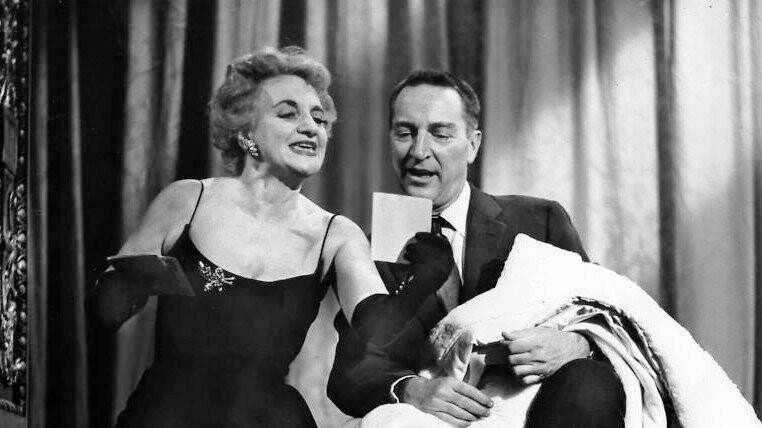
1952: I’ve Got a Secret Invites Everyone to Guess
I’ve Got a Secret debuted on CBS in 1952 with Garry Moore. Four panelists used timed yes-or-no questions to uncover an interesting accomplishment from a contestant’s life. The straightforward rules invited viewers to investigate alongside the panel, while unusual stories and lively personalities kept each round from feeling like the one before it.
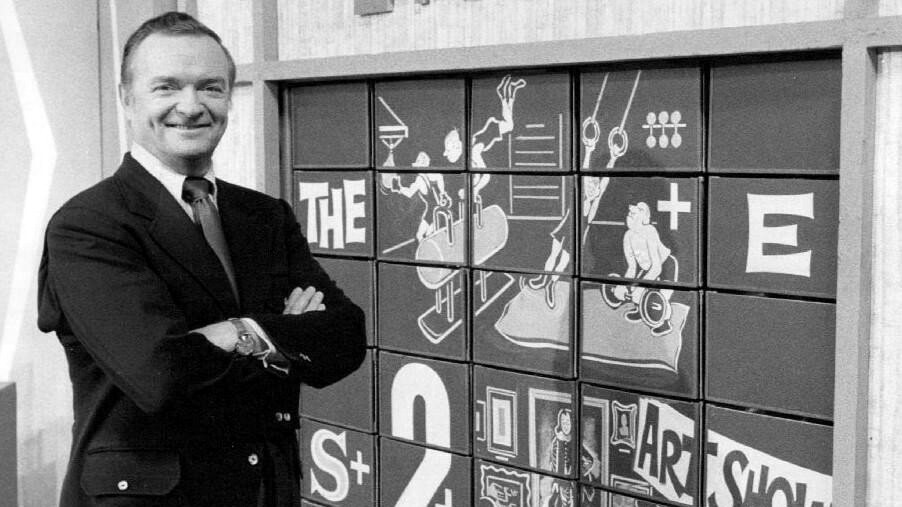
1958: Concentration Makes Memory the Main Event
Concentration came to American television in 1958. Its central idea replaced ordinary matching cards with prizes that contestants needed to pair. Each selection encouraged viewers to remember what had appeared earlier, turning the display into a shared mental challenge and making a familiar memory exercise feel perfectly suited to television.
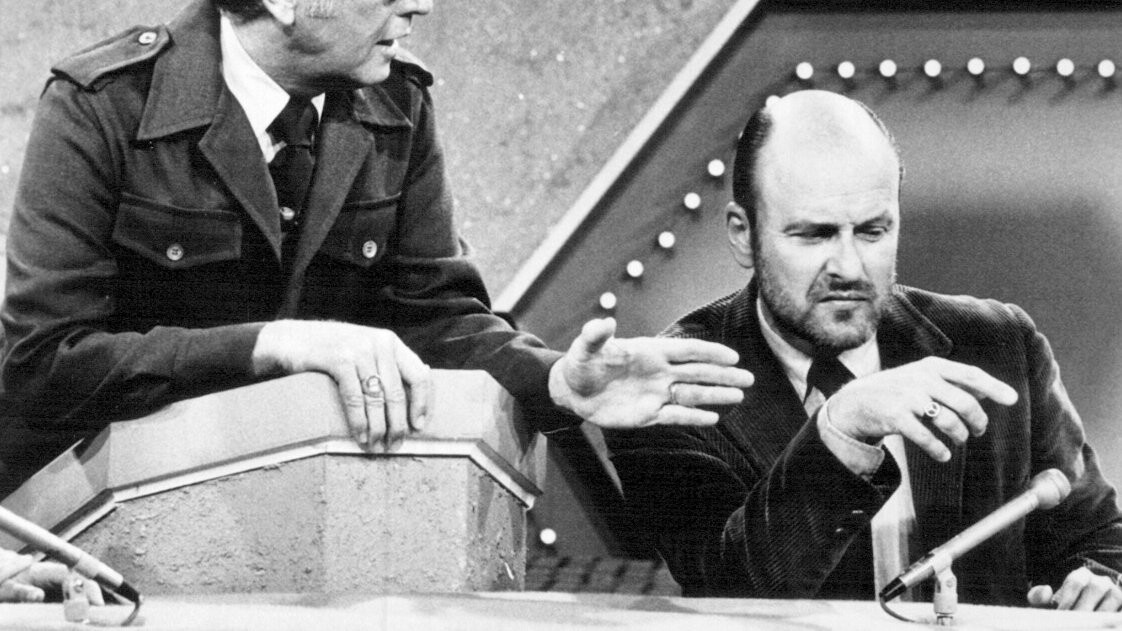
1961: Password Pairs Celebrities and Contestants
Password premiered in 1961 with Allen Ludden. Two teams, each consisting of a celebrity and a contestant, competed in a spare format built around language and association. Betty White met her future husband, Ludden, through the show, adding a lasting personal connection to one of television’s most recognizable partnerships.
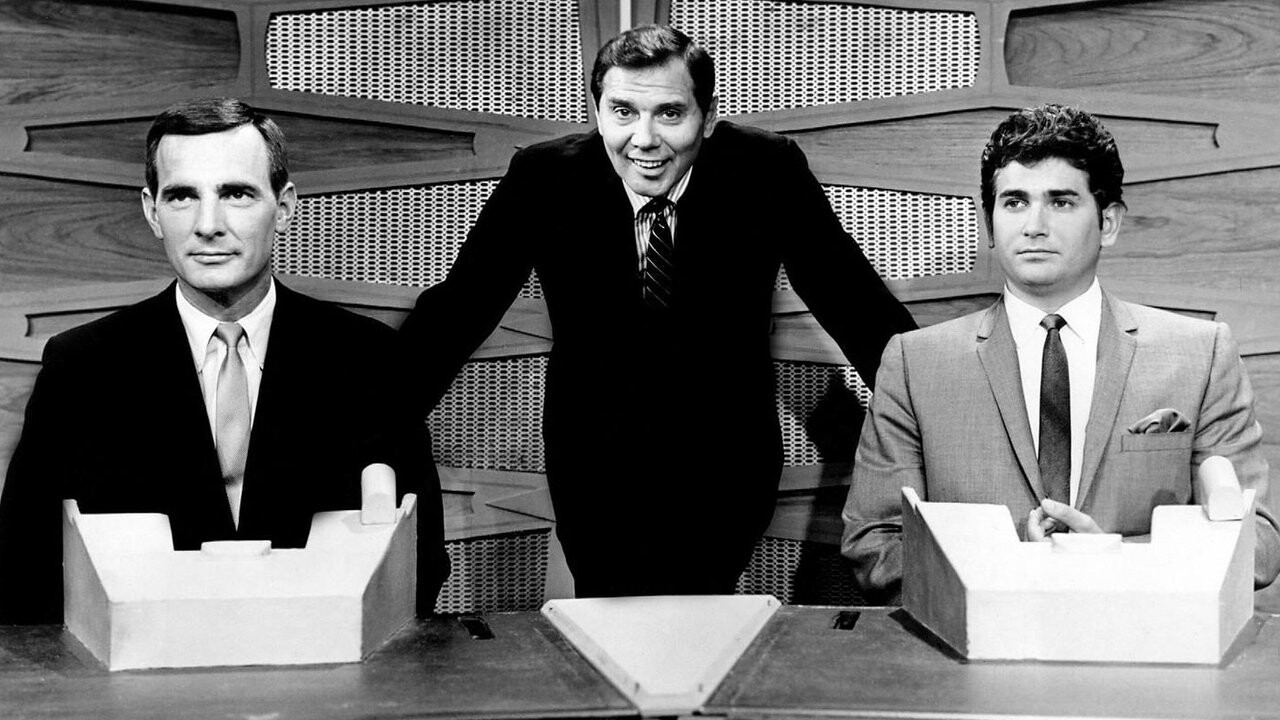
1962: Match Game Begins Its First Run
Match Game began a successful run in 1962 that lasted through 1969. Usually hosted by Gene Rayburn, it asked contestants to match answers supplied by celebrities. The pleasure came from seeing whether people with different backgrounds and personalities could somehow arrive at the same response from a short prompt.
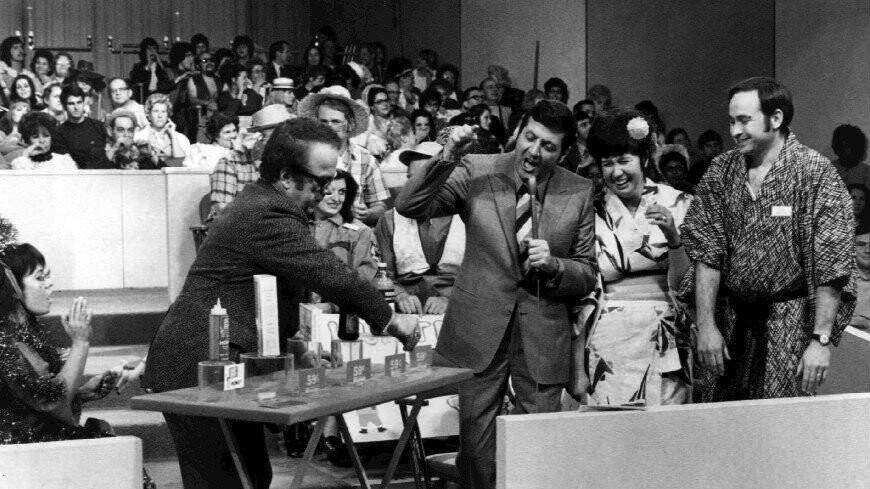
Let’s Make a Deal Rewards Standing Out
Monty Hall was the host and co-creator of Let’s Make a Deal. Audience members used colorful costumes and handmade signs to attract his attention, turning the crowd into part of the spectacle. Before any deal began, contestants had already learned the program’s first lesson: being memorable could be as valuable as being lucky.
1965: The Dating Game Hides the Choices
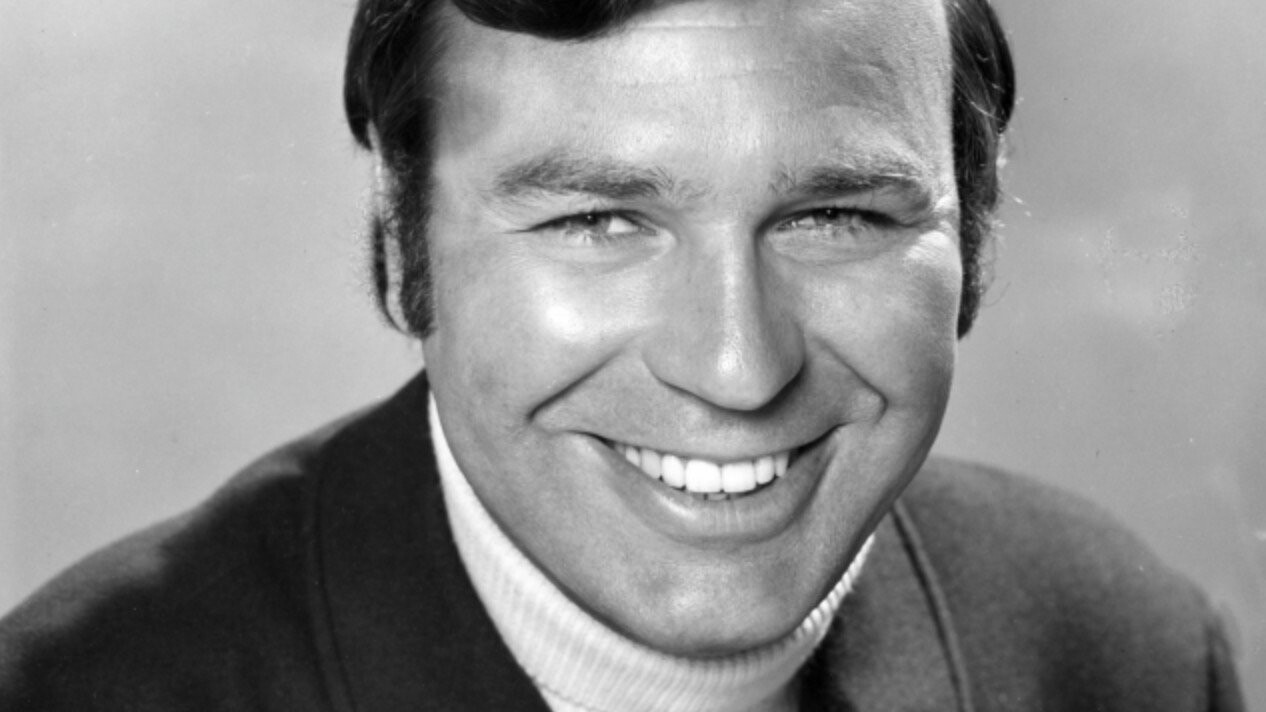
The Dating Game first aired on ABC in 1965. Its typical setup had a bachelorette question three bachelors who remained hidden from her view. The separation shifted attention toward conversation, timing, and personality, while the playful prompts gave viewers enough information to form opinions about which unseen participant might be selected.
1966: Hollywood Squares Builds a Celebrity Grid
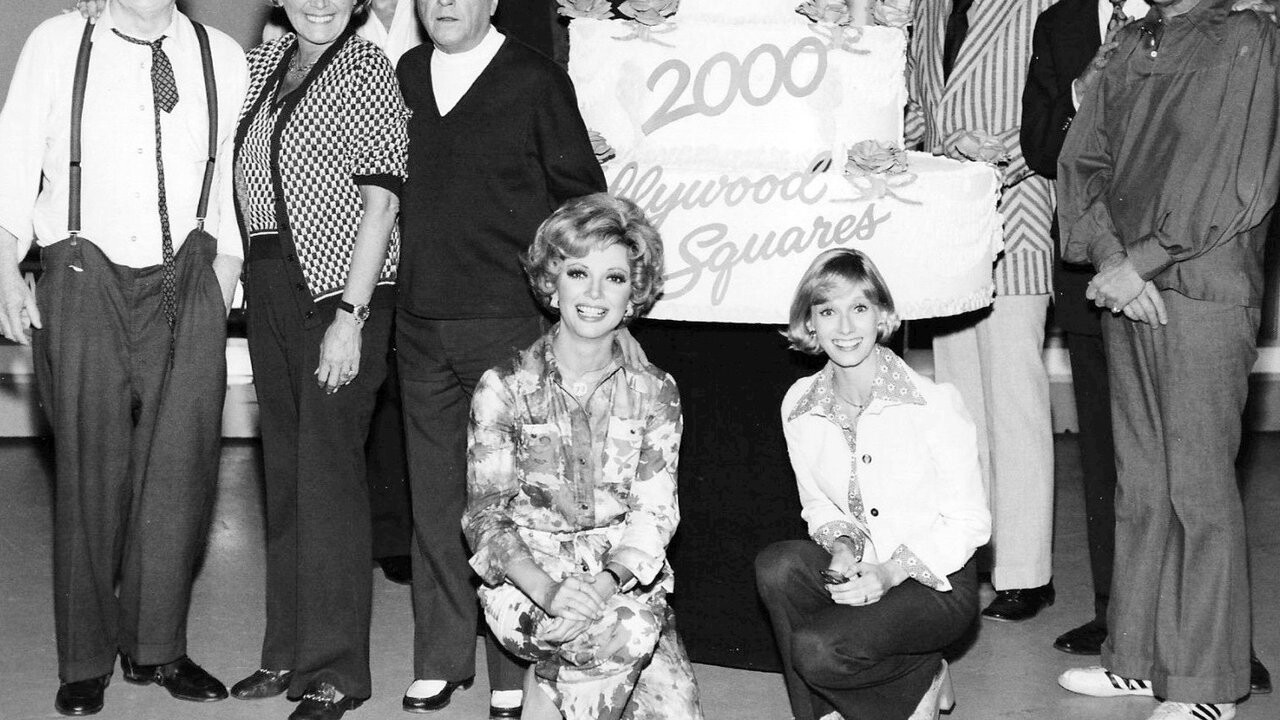
Hollywood Squares debuted on NBC in 1966 with Peter Marshall. Its central image came from a tic-tac-toe grid filled with celebrity names, transforming a pencil-and-paper game into a recognizable television setting. The layout gave every participant a clear place in the action and made the board itself part of the show’s identity.
1972: The New Price Is Right Revives a Favorite
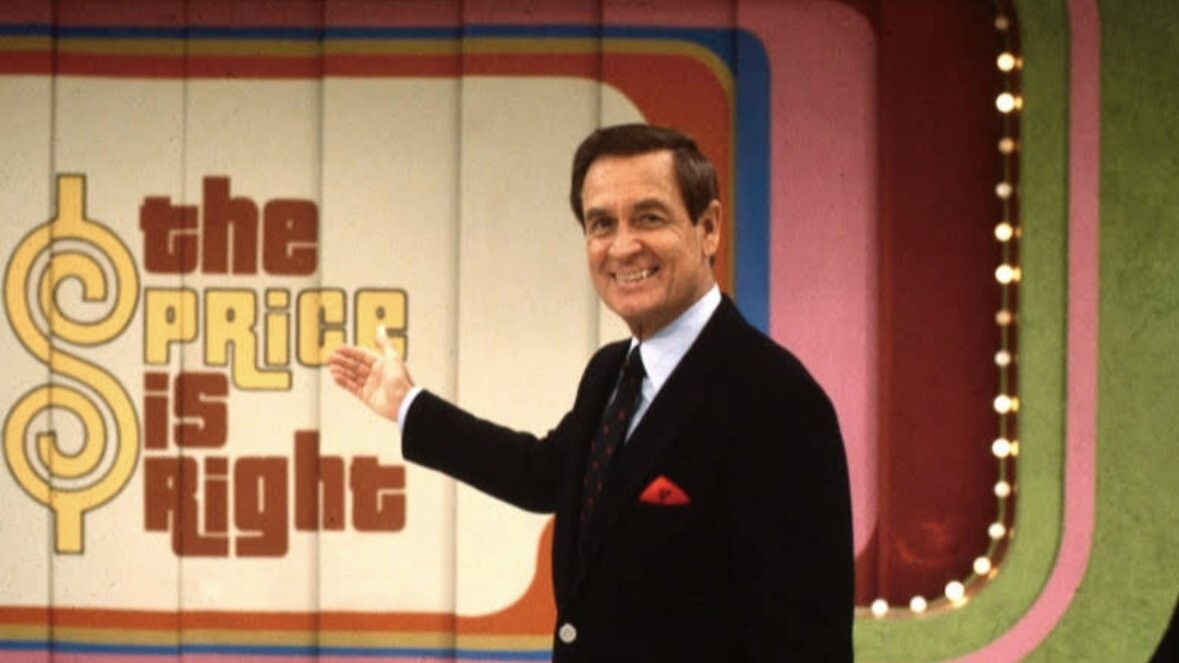
The New Price Is Right debuted in 1972, reviving a format built around estimating the value of merchandise. Its title clearly announced both continuity and change: the familiar pricing idea remained, but the presentation felt ready for a new television era. Once again, knowledge gathered in stores and catalogs became a competitive advantage.
The Joker’s Wild Adds Flash to Trivia
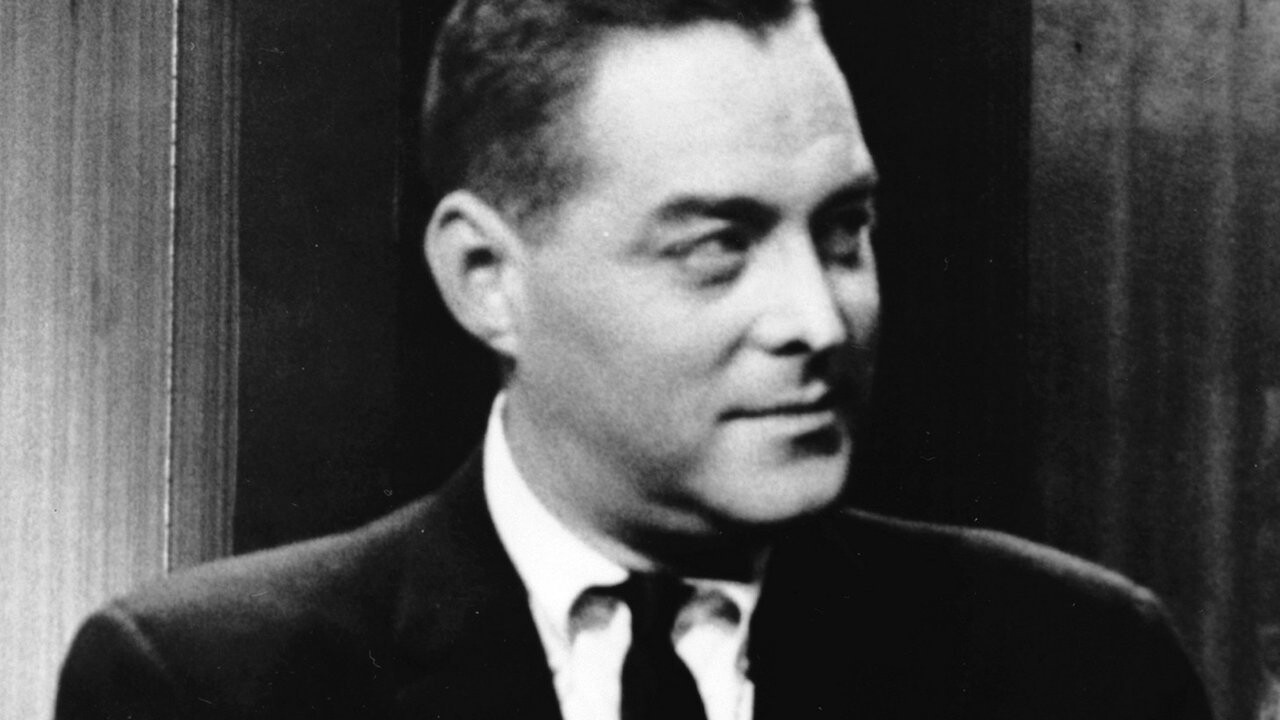
The Joker’s Wild starred Jack Barry and belonged to a period when game shows embraced larger sets, vivid colors, flashing lights, and synthesized soundtracks. Those production choices brought a sense of motion to the studio even before a contestant answered, giving straightforward trivia the atmosphere of a bright, fast-moving casino game.
Pyramid Makes Every Description Count
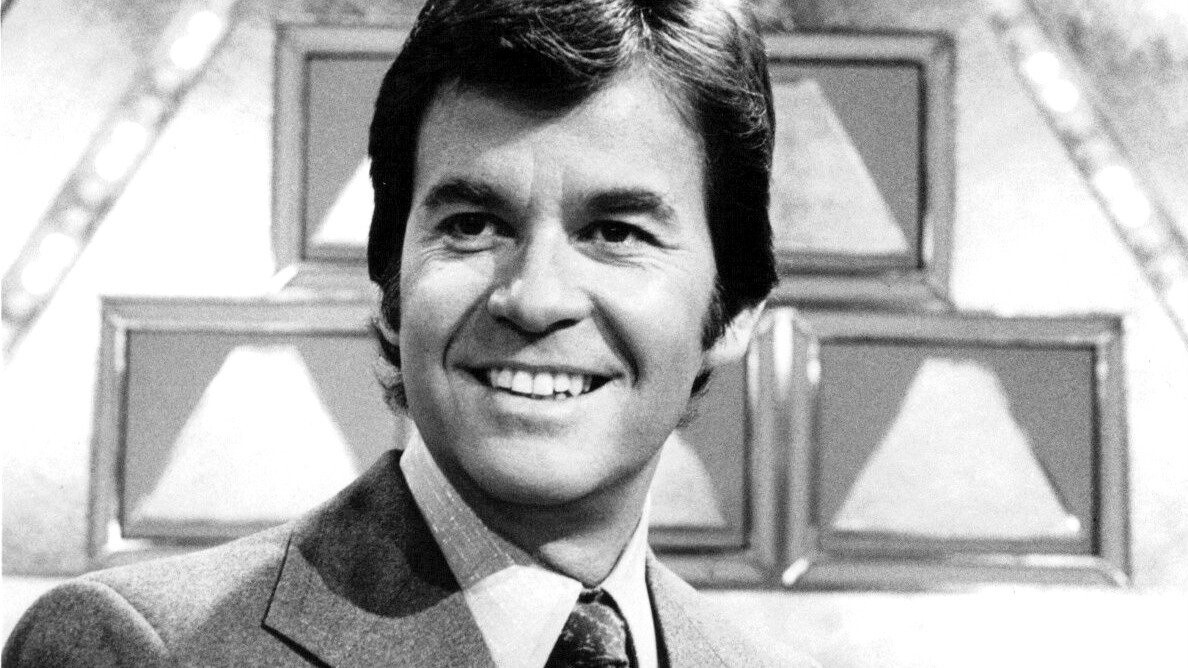
The $10,000 Pyramid starred Dick Clark and asked contestants to identify words or phrases from descriptions supplied by teammates. Because every clue could help or confuse, ordinary vocabulary became a source of mounting pressure.
1975: Wheel of Fortune Starts Spinning
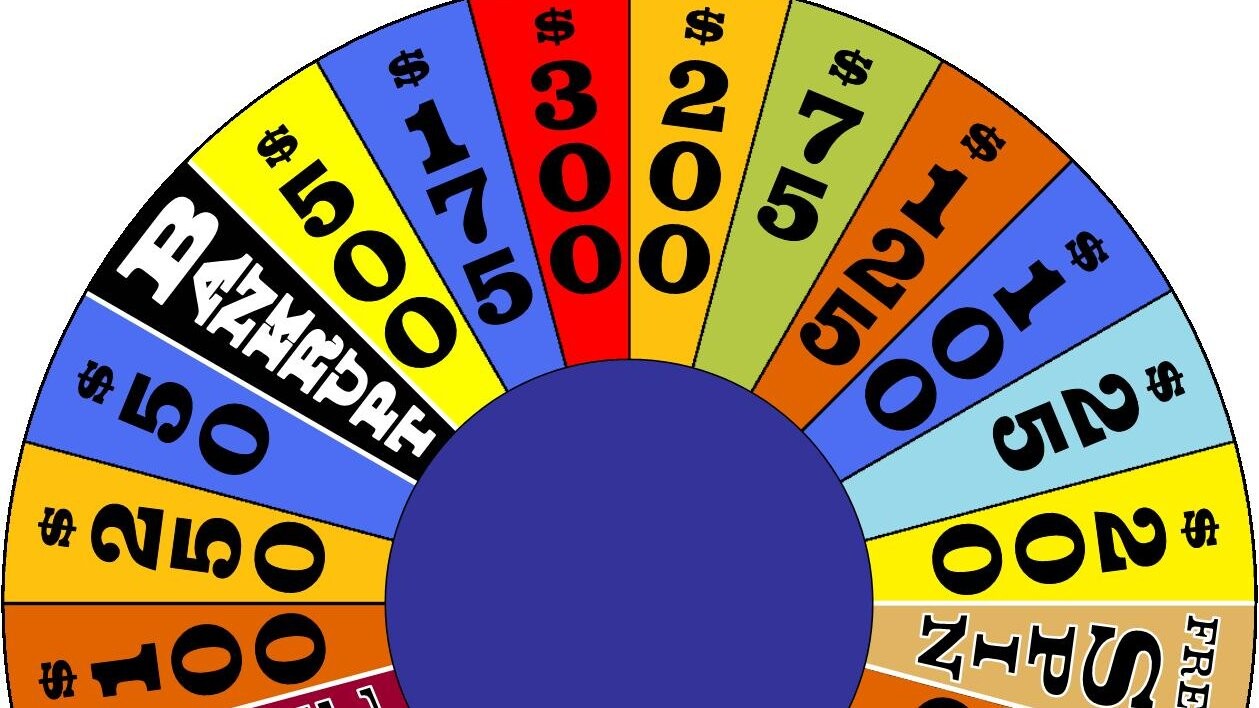
Wheel of Fortune premiered on NBC in 1975 and featured Chuck Woolery and Susan Stafford during its early era. Merv Griffin conceived the game as a combination of Hangman and roulette. Contestants spun for values, selected letters, and solved phrases, giving viewers several opportunities to recognize an answer before the board was complete.
1976: The Gong Show Welcomes the Unexpected
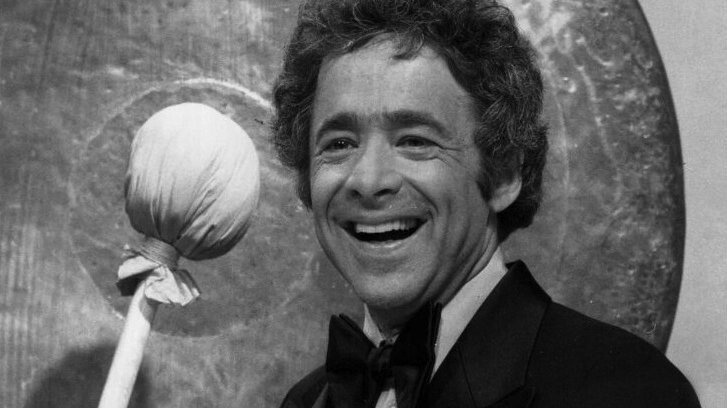
The Gong Show debuted on NBC in 1976. Performances continued only as long as the judges allowed, since a strike of the show’s famous gong could bring an act to an abrupt conclusion. That simple possibility created suspense, encouraged unpredictability, and made the judges’ reactions nearly as entertaining as whatever was happening onstage.
These shows turned ordinary clues, prices, songs, and hunches into shared family rituals. Which one do you remember playing along with at home?
Follow The HyperHive on MSN for more stories like this.
Sources:






