Presidents Who Served in the Military, in Photos

or not provided / Wikimedia Commons, Public domain (cropped)
Military service shaped future presidents through command, defeat, survival, and work far from combat. This gallery moves chronologically from the founding generation through George H. W. Bush.
The stories come from federal archives, military history offices, presidential libraries, and the National Park Service. The suggested images highlight archival portraits and service photographs preserved in those collections.
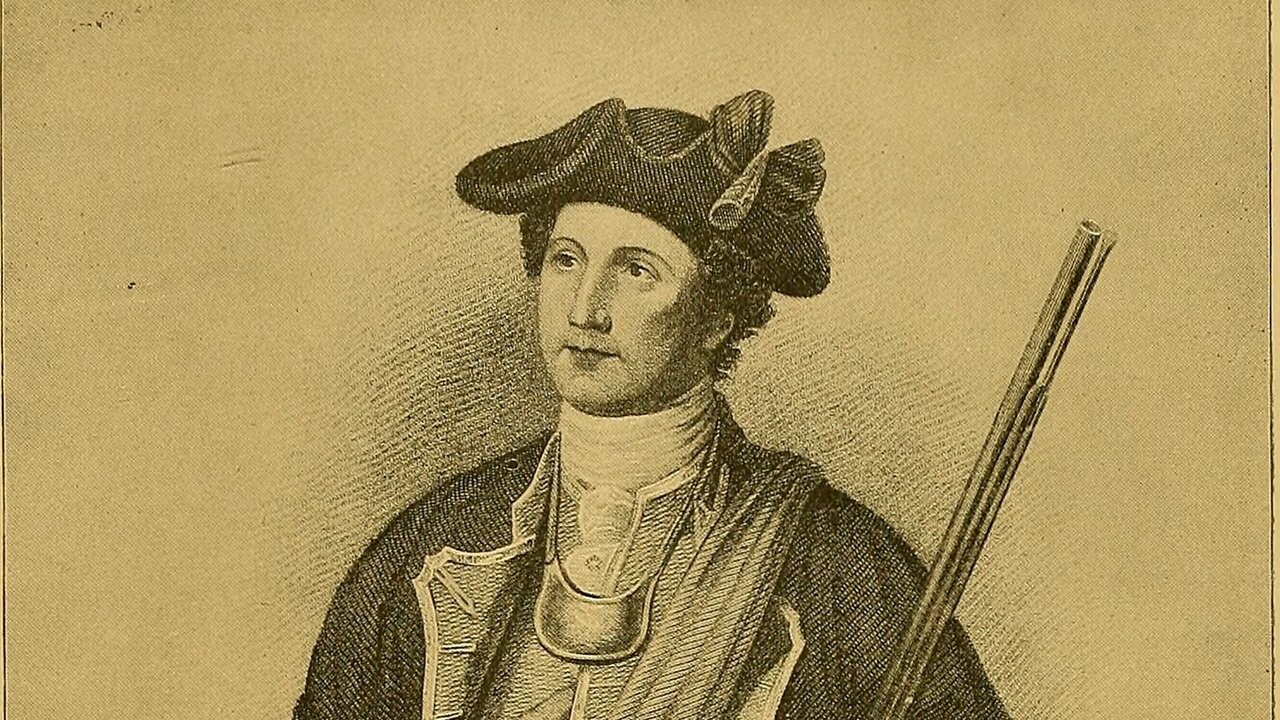
George Washington: From Surrender to Commander
George Washington took command of his troops in Cambridge, Massachusetts, on July 3, 1775. Years earlier, the Virginia officer had surrendered at Fort Necessity, the only time in his life that he surrendered an army. That contrast, from an early defeat to Revolutionary command, gives his military story a striking arc.
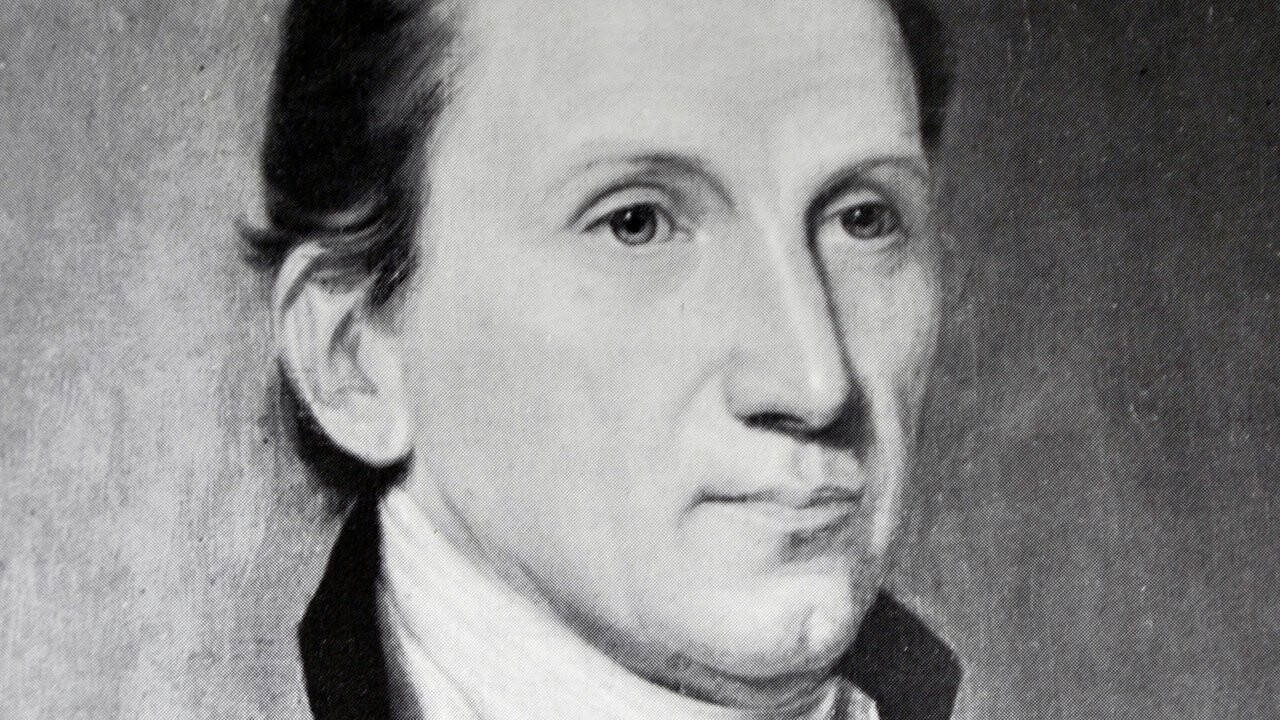
James Monroe: Wounded at Trenton
James Monroe fought alongside George Washington in New York, New Jersey, and Pennsylvania before rising to lieutenant colonel. At 18, he was wounded at the Battle of Trenton. His progress from a wounded young officer to a senior rank gave the future president direct experience of the Revolution’s dangers and demands.
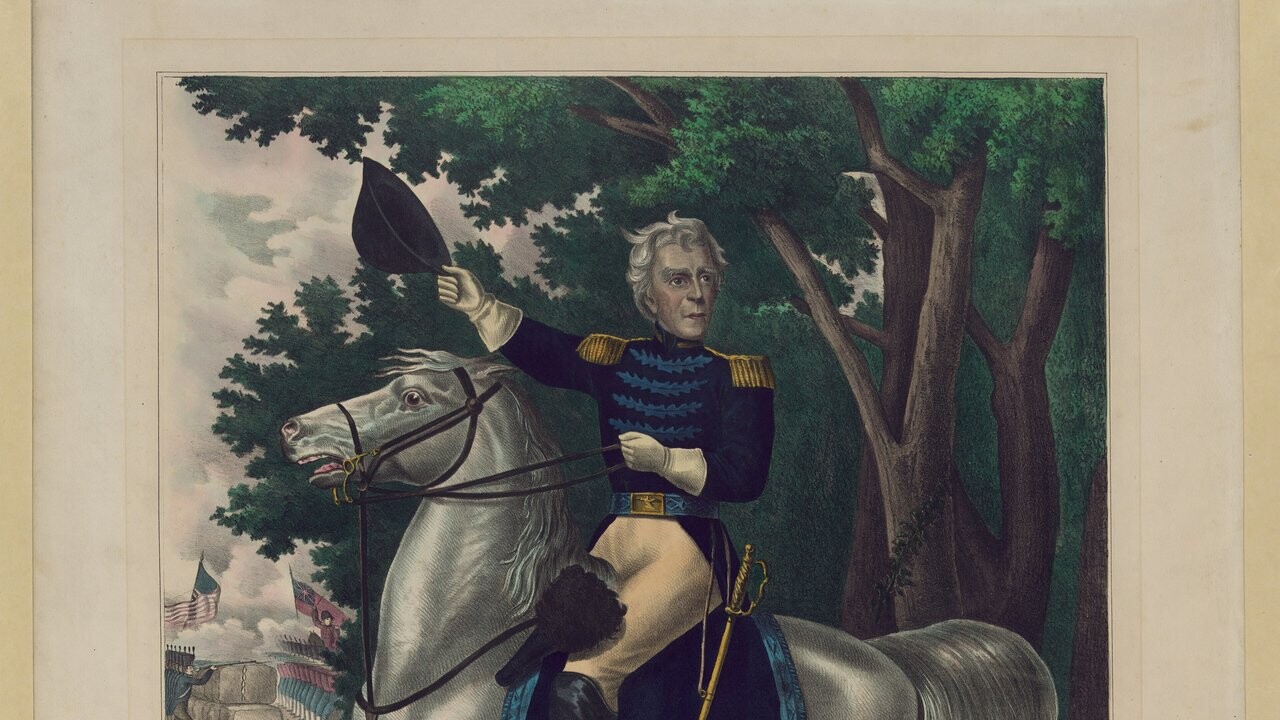
Andrew Jackson: The Making of Old Hickory
During a difficult march home, Andrew Jackson gave his horses to sick soldiers and walked beside his men. His willingness to share their hardships helped inspire the nickname Old Hickory. Jackson’s victory over Creek forces at Horseshoe Bend later brought him a major generalship and strengthened the military reputation that followed him into politics.
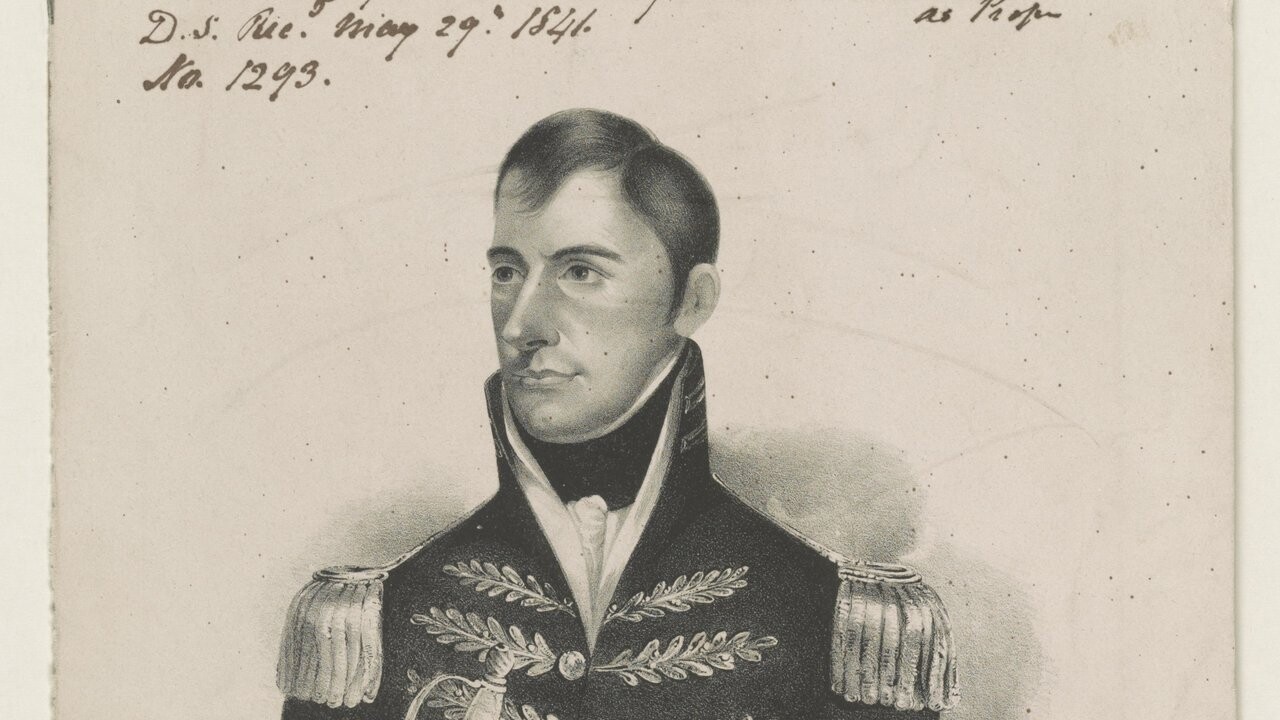
William Henry Harrison: From Aide to Major General
William Henry Harrison joined the Army at 18 in the early 1790s and later became an aide to Major General Anthony Wayne. During the War of 1812, he was appointed major general. Those distinctions helped make his military record a defining part of the public image he carried into presidential politics.
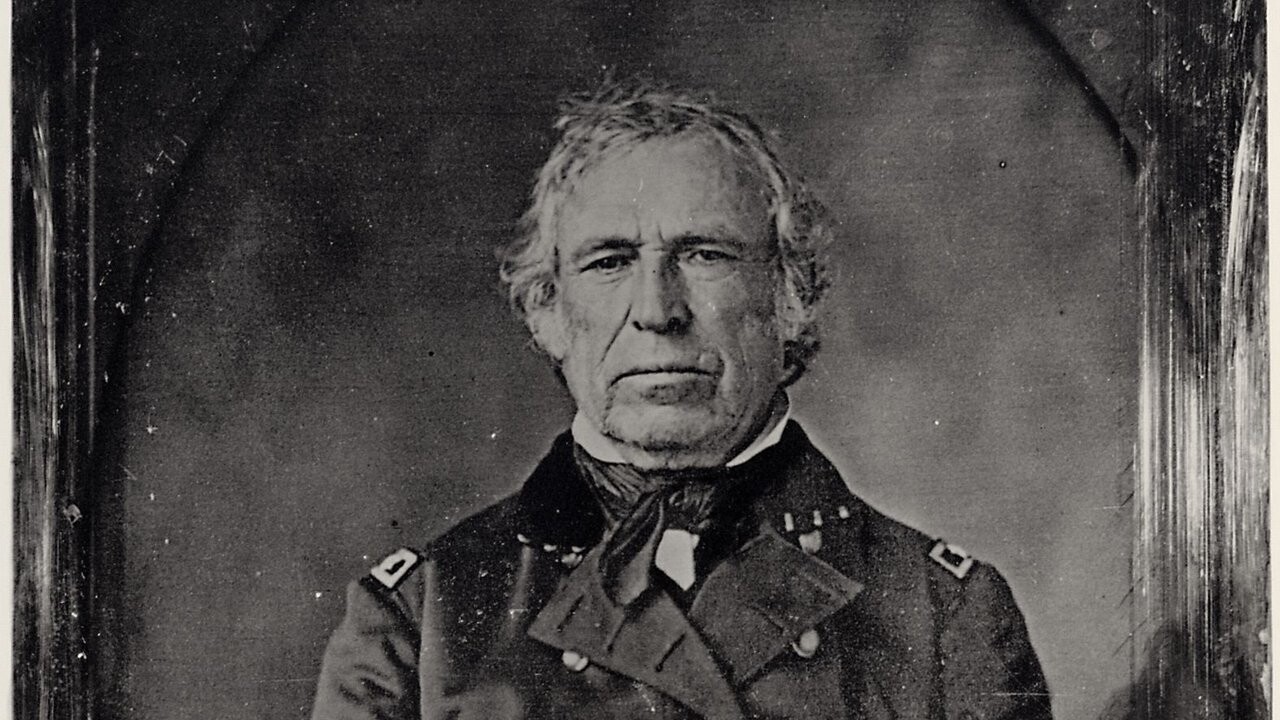
Zachary Taylor: Victory at Buena Vista
Zachary Taylor faced Antonio López de Santa Anna at Buena Vista and won despite being badly outnumbered. The victory made his battlefield reputation easy to translate into a presidential image: a steady commander who had prevailed against a larger force in one of the defining battles of his career.
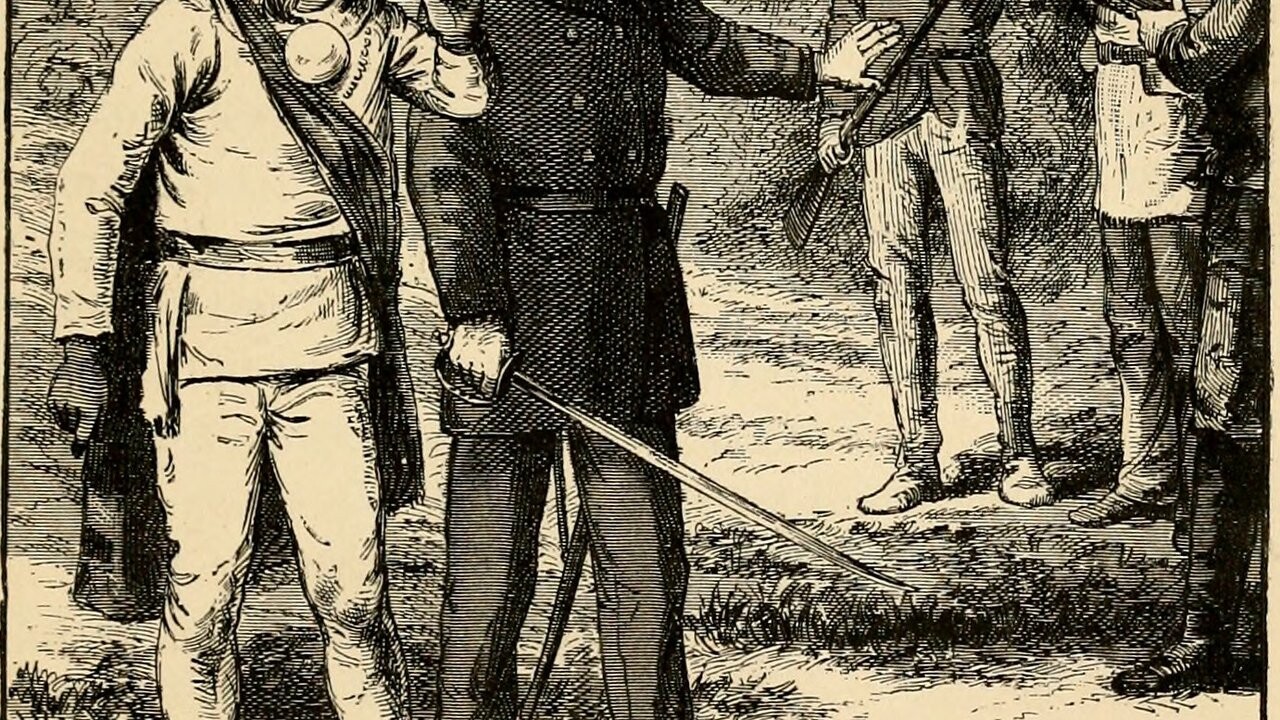
Abraham Lincoln: A Militia Captain
Abraham Lincoln served in the Illinois militia during the Black Hawk War. His company elected him captain, although he completed three months without seeing action. Lincoln later remembered that election with unusual satisfaction, making the brief experience a personally important chapter of his early life even without a battlefield engagement.
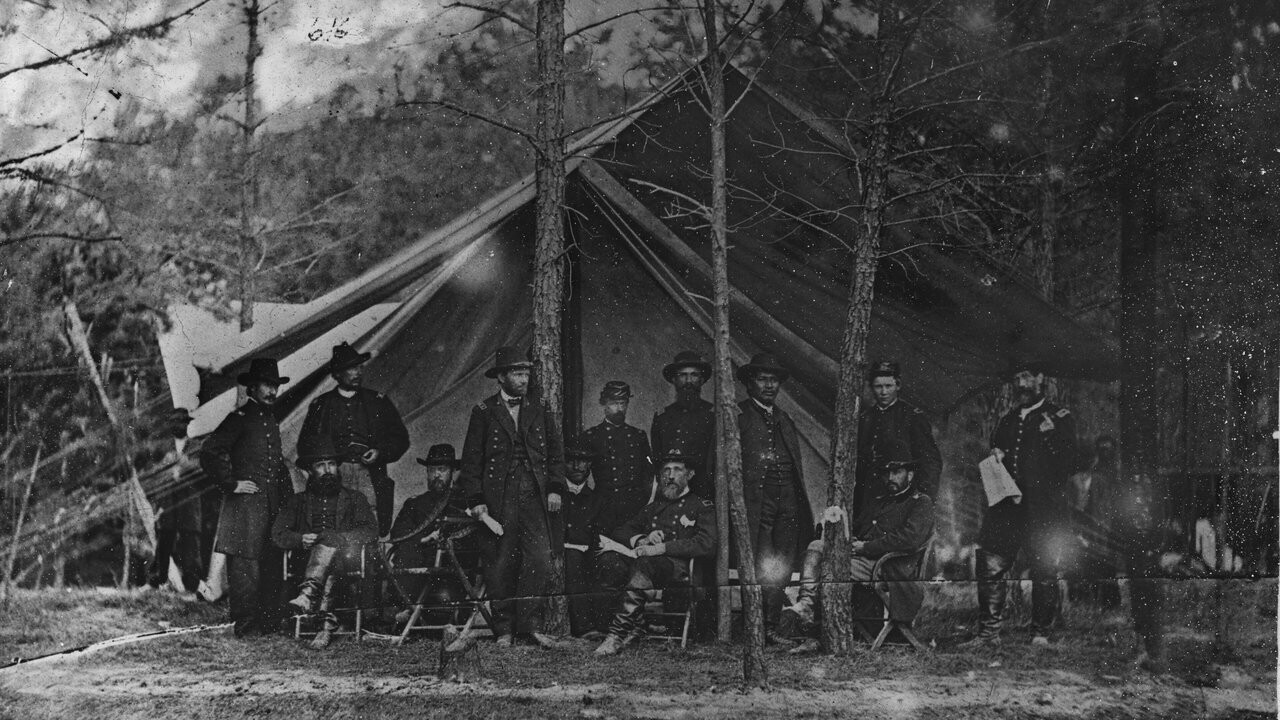
Ulysses S. Grant: The Road to Appomattox
In March 1864, Abraham Lincoln promoted Ulysses S. Grant to lieutenant general and placed him in command of all Union armies. At Appomattox the following year, Grant’s surrender terms allowed Confederate officers to retain their arms and permitted officers and soldiers to keep their horses, easing the defeated troops’ return home.
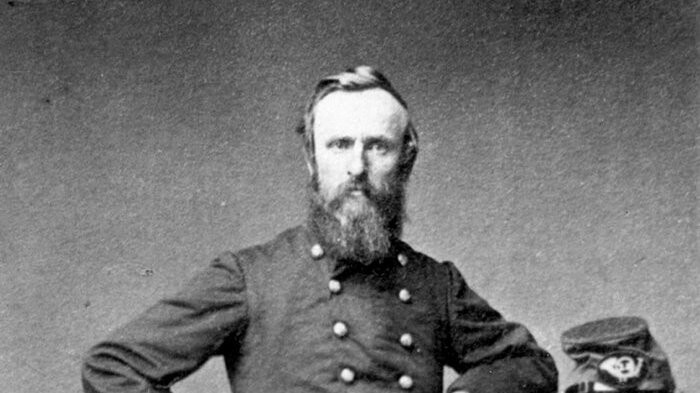
Rutherford B. Hayes: Wounded at South Mountain
Rutherford B. Hayes entered the Union Army as a major and rose to brevet major general. He was wounded at the Battle of South Mountain during the Antietam Campaign, then returned to military service. His wartime progression from field officer to general became a prominent part of his record before the presidency.
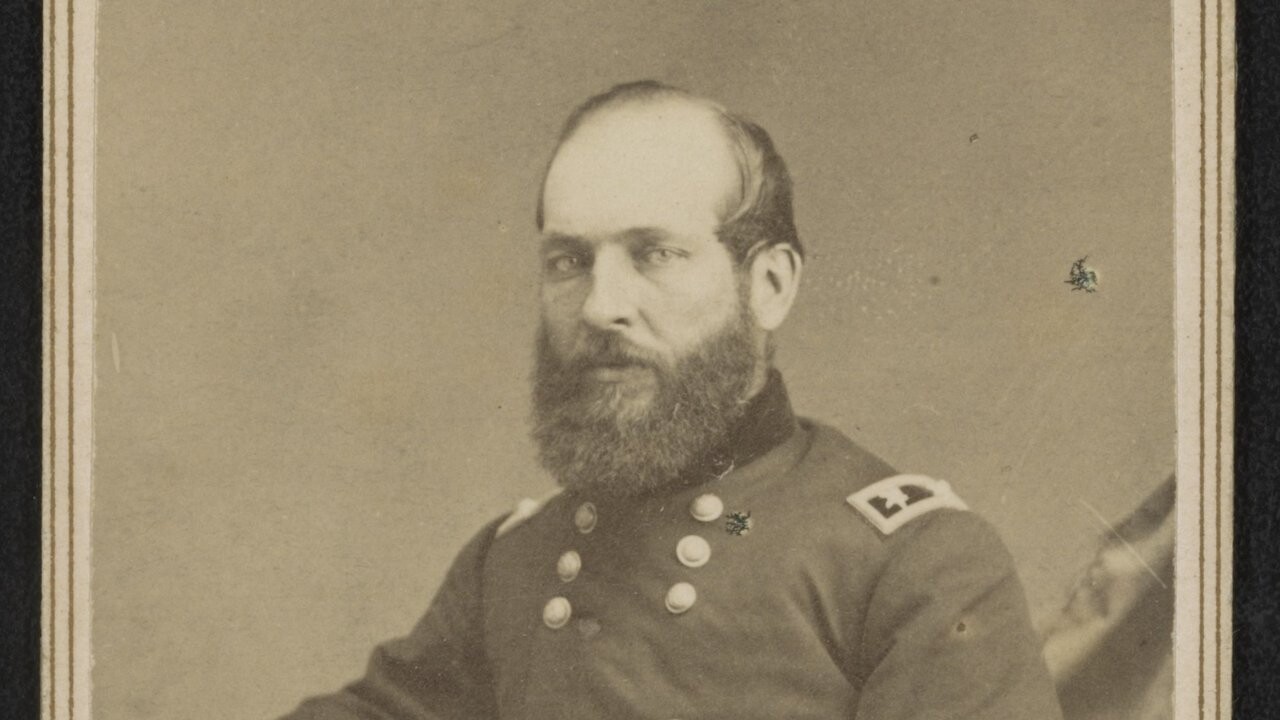
James Garfield: The Return at Chickamauga
James Garfield was among the few Union generals who returned to the battlefield at Chickamauga. He assisted General George Thomas as troops evacuated the field, and his work helped earn him a brevet promotion to major general. The episode captures the future president moving toward danger while a battered army struggled to withdraw.
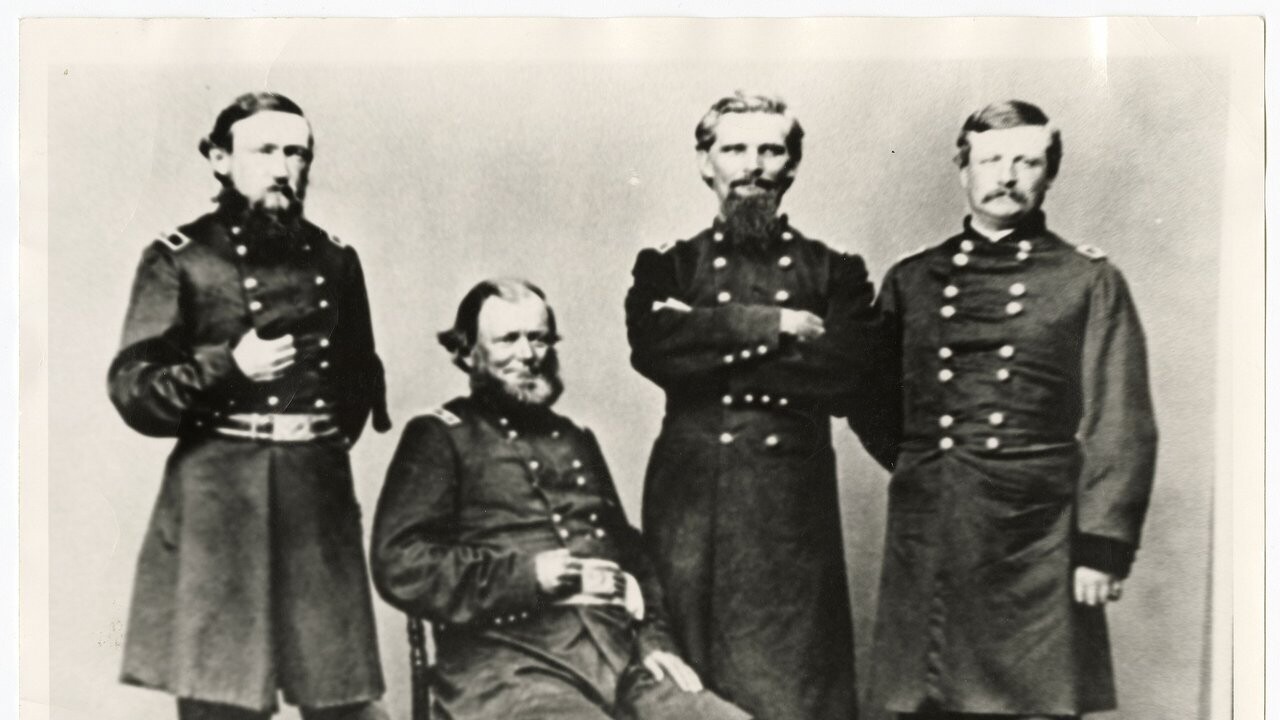
Benjamin Harrison: From Soldier to General
Benjamin Harrison finished the Civil War with the rank of brigadier general. He remained in the Army until June 1865 after marching in Washington’s Grand Review, the immense public procession honoring Union forces. His appearance there closed a military chapter that later became central to his public biography.
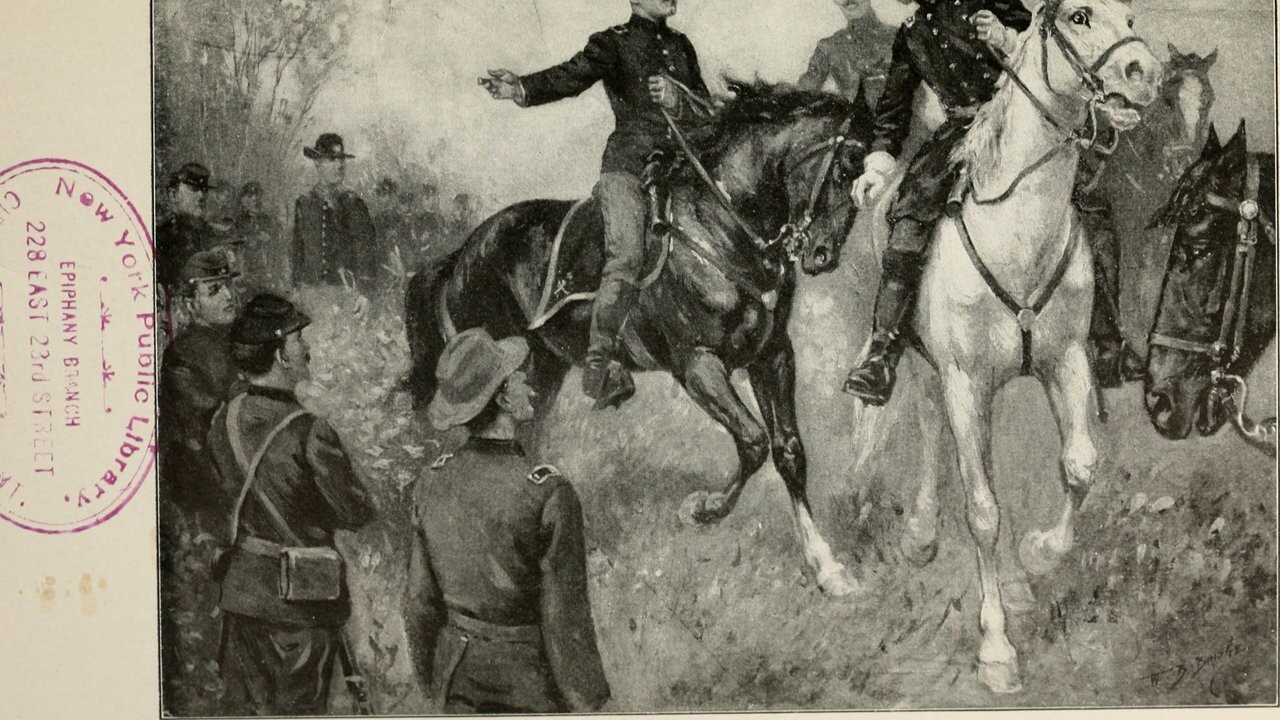
William McKinley: Coffee at Antietam
William McKinley began the Civil War as a private in the 23rd Ohio Infantry and finished as a brevet major. At Antietam, the commissary sergeant personally served hot coffee and warm food to the regiment. A monument at the battlefield commemorates this practical act of service during an exhausting day of combat.
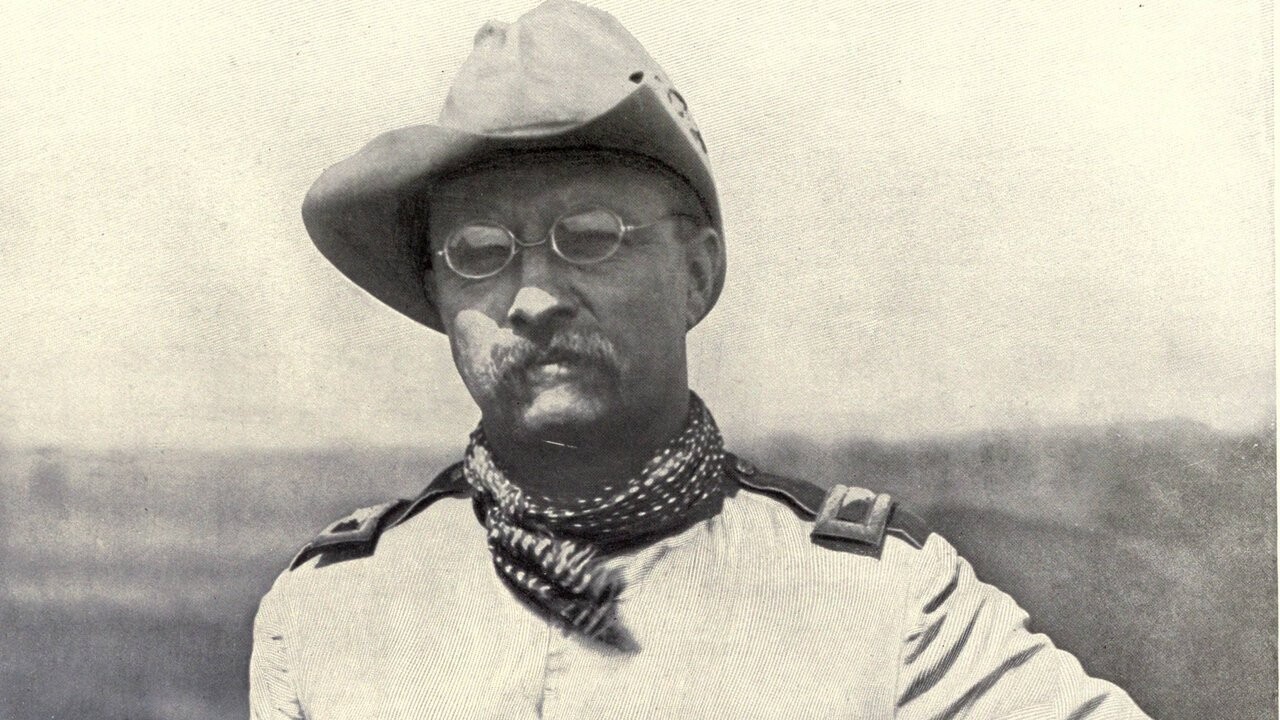
Theodore Roosevelt: The Rough Riders’ Charge
Theodore Roosevelt received a lieutenant colonel’s commission and helped form the Rough Riders during the Spanish-American War. On July 1, 1898, he led a charge up Kettle Hill during the fight for the San Juan Heights. The highly visible action became the defining military image of his energetic public persona.
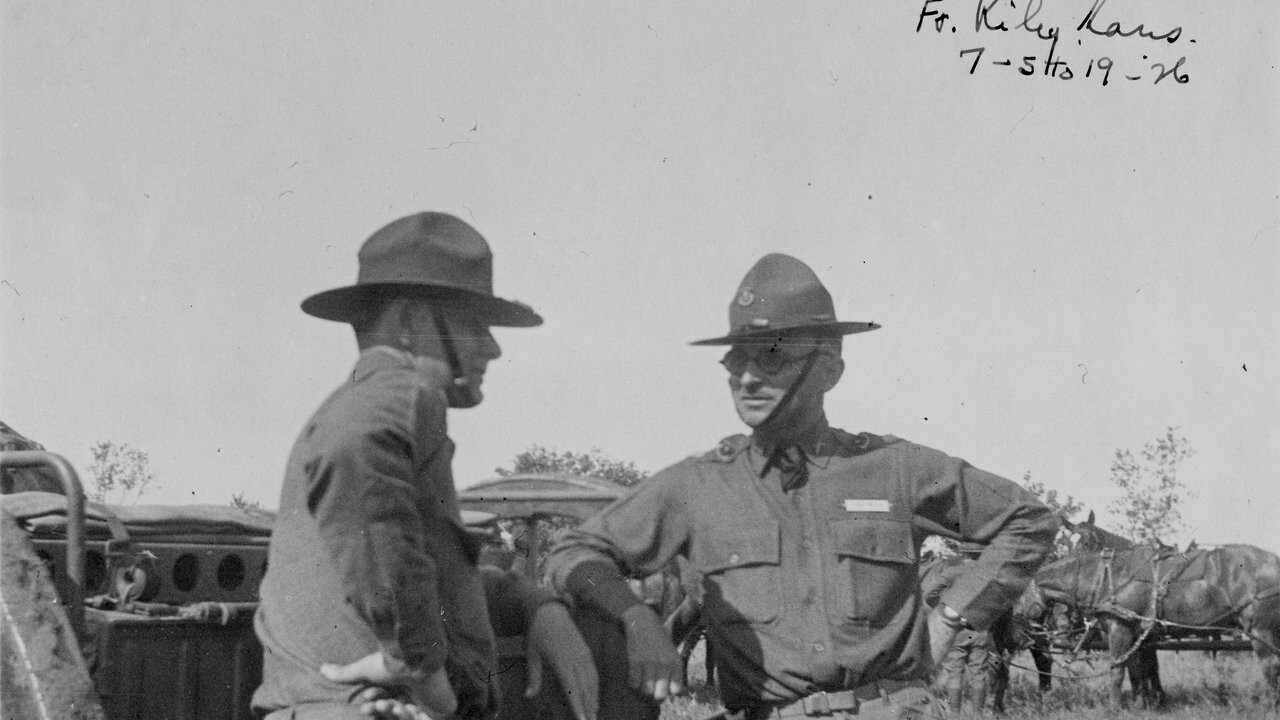
Harry Truman: Captain of Battery D
Harry Truman was promoted to captain and given command of Battery D in the 129th Field Artillery during World War I. The unit’s first experience under fire became known as the Battle of Who Run. Commanding the battery gave Truman an early test of leadership under pressure and lasting ties to his soldiers.
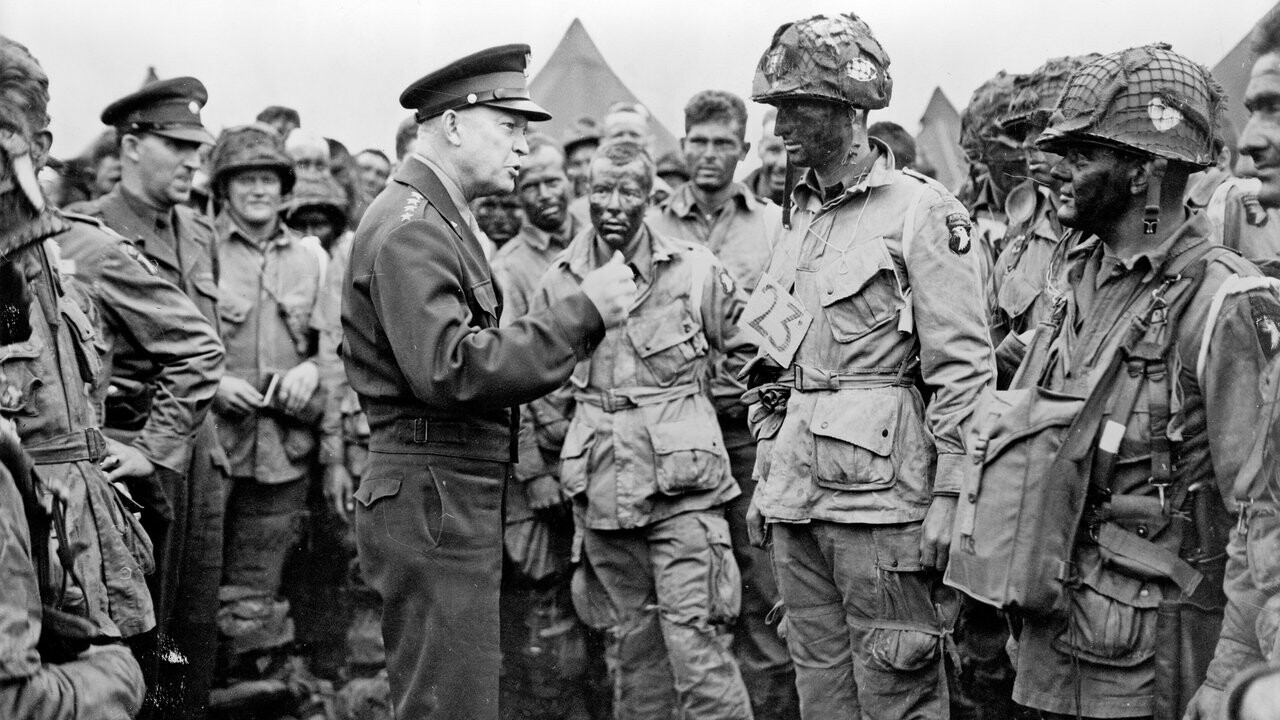
Dwight Eisenhower: Supreme Commander
After leading the Allied campaign in North Africa, Dwight D. Eisenhower turned his attention to planning the invasion of Normandy. On June 6, 1944, he commanded the forces carrying out that invasion. The immense operation placed the career Army officer at the center of one of World War II’s pivotal moments.
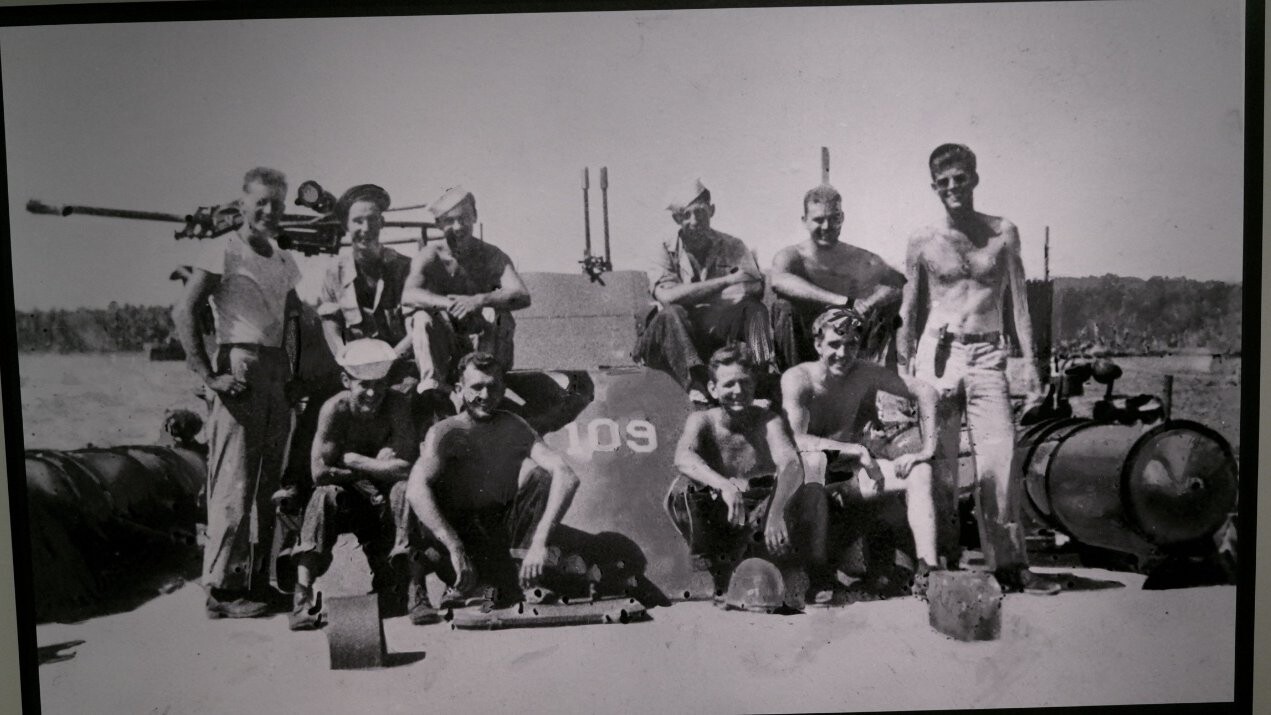
John F. Kennedy: Survival After PT-109
Lieutenant junior grade John F. Kennedy commanded PT-109 in the Pacific during World War II. After the patrol boat was lost, Kennedy directed his crew’s rescue efforts and rescued three survivors, including the badly burned Patrick McMahon. The ordeal became the most enduring account of Kennedy’s wartime service.
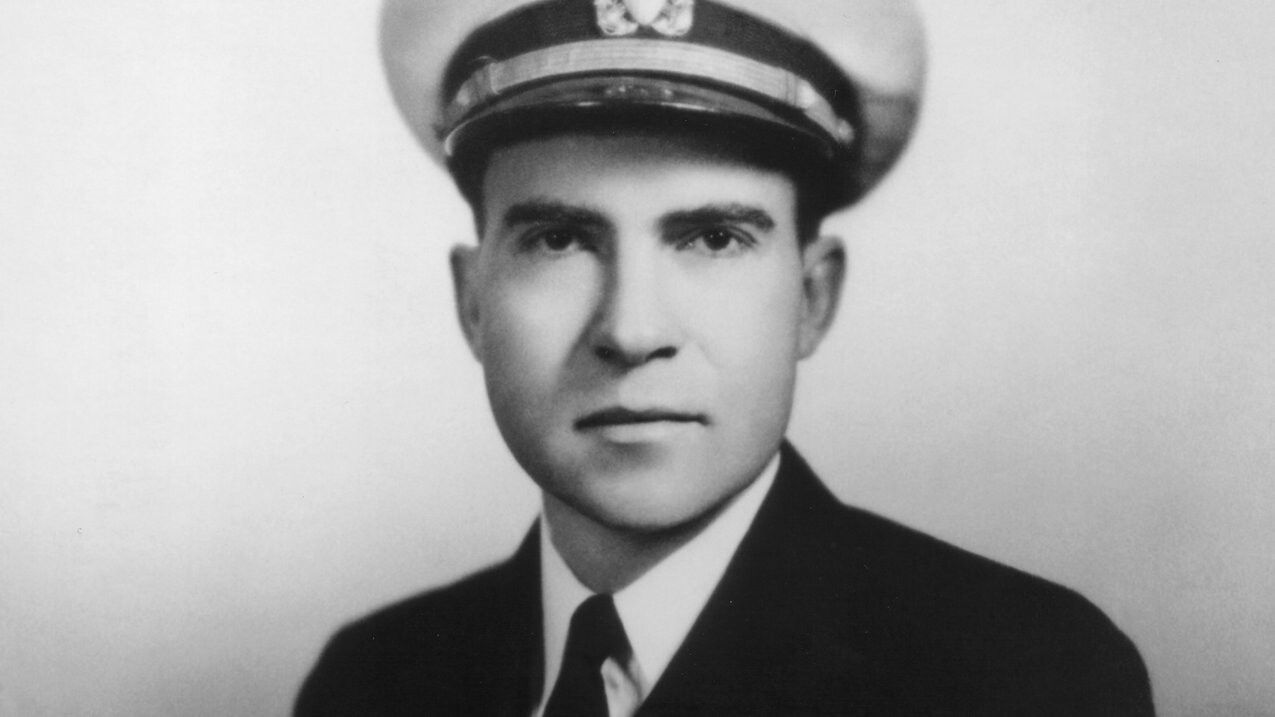
Richard Nixon: Moving the Pacific War
Richard Nixon served with the South Pacific Combat Air Transport Command during World War II and later attained the rank of commander in the Naval Reserve. His unit prepared flight plans and cargo manifests, then supervised the loading and unloading of transport aircraft. The work kept personnel and supplies moving through the Pacific theater.
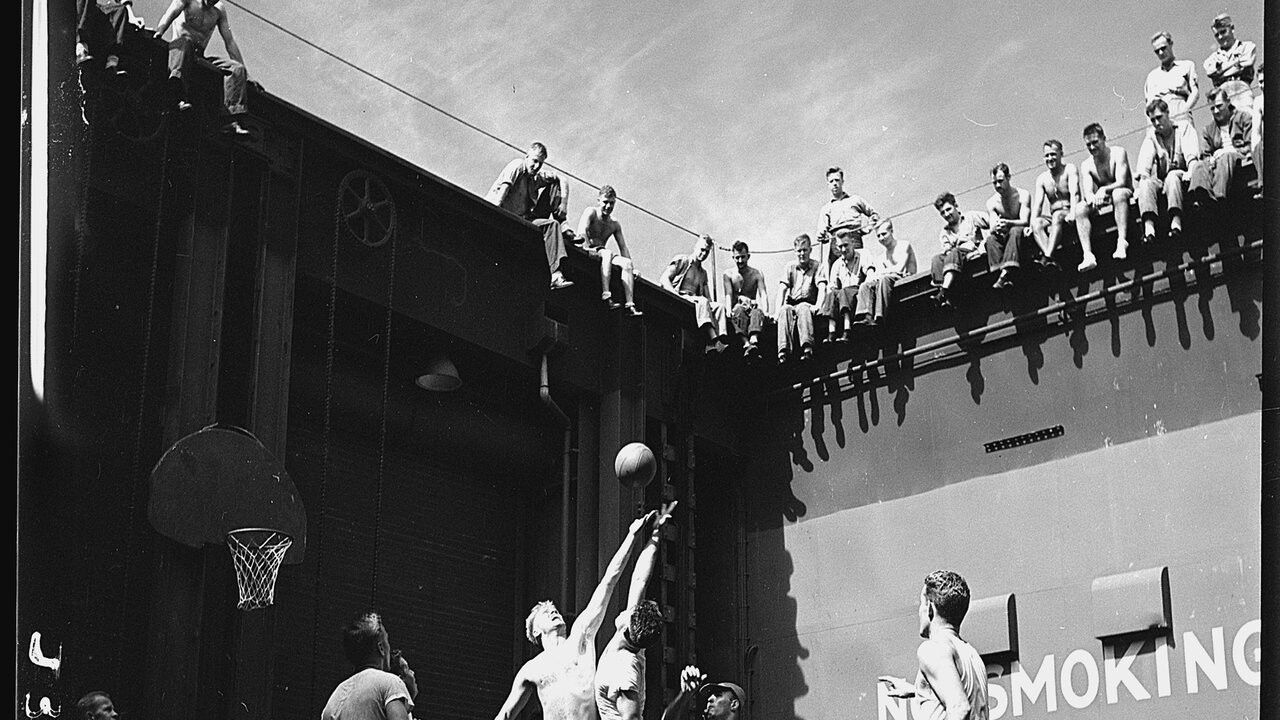
Gerald Ford: A Typhoon Aboard Monterey
Gerald Ford served aboard the light aircraft carrier USS Monterey during World War II. His closest encounter with death came during a vicious typhoon rather than from enemy fire. Ford left active duty in 1946 as a lieutenant commander and stayed in the inactive Naval Reserve until 1963.
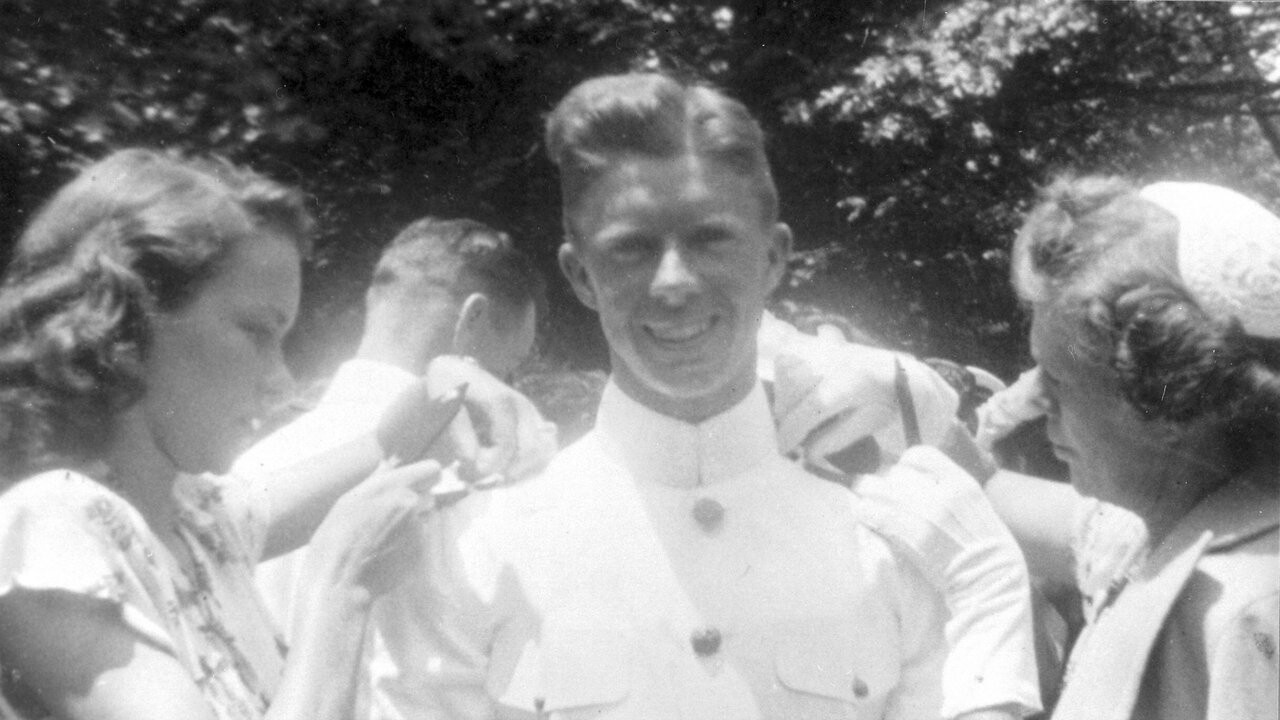
Jimmy Carter: Preparing for the Nuclear Navy
Jimmy Carter became a submariner, served with the Atlantic and Pacific fleets, and rose to lieutenant. Admiral Hyman Rickover then selected him for the nuclear submarine program. The assignment placed the future president near one of the Navy’s most technically demanding new fields during its formative years.
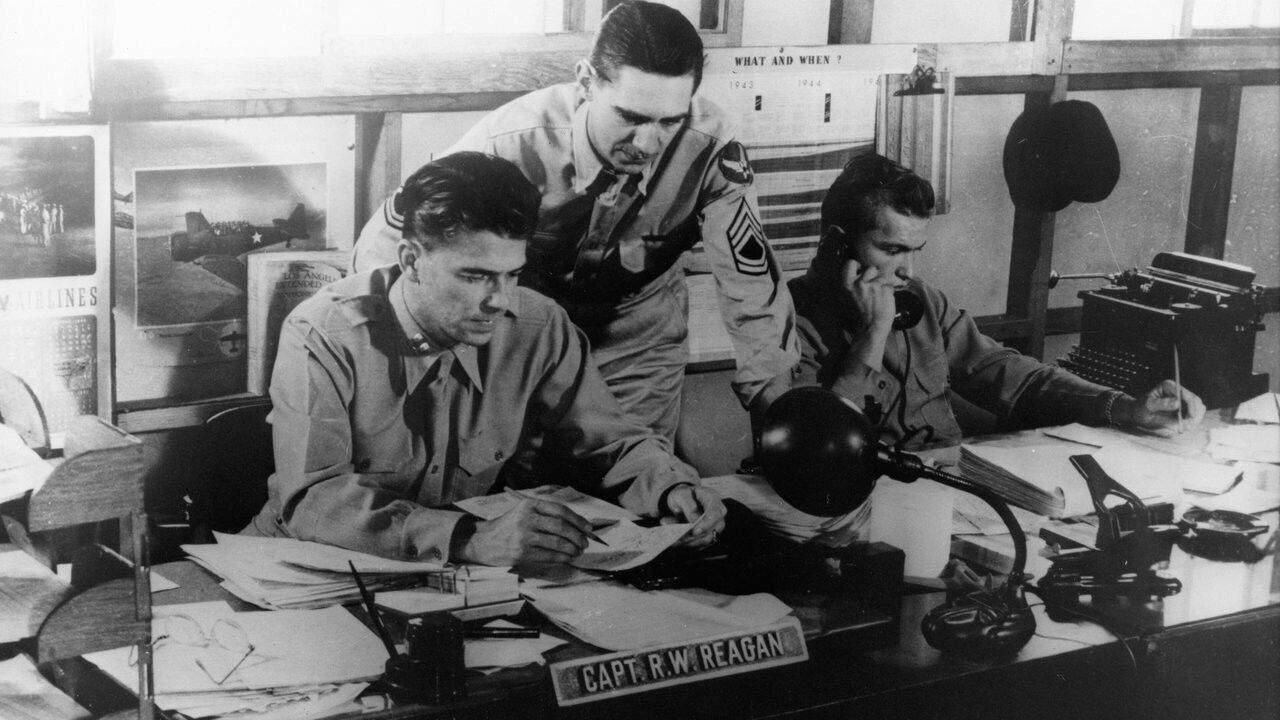
Ronald Reagan: Training Films for Wartime
Ronald Reagan served with the First Motion Picture Unit of the United States Army Air Forces during World War II. Producing training films was one of the unit’s responsibilities, and Reagan narrated and acted in several. By the war’s end, his units had produced some 400 training films for the Army Air Forces.
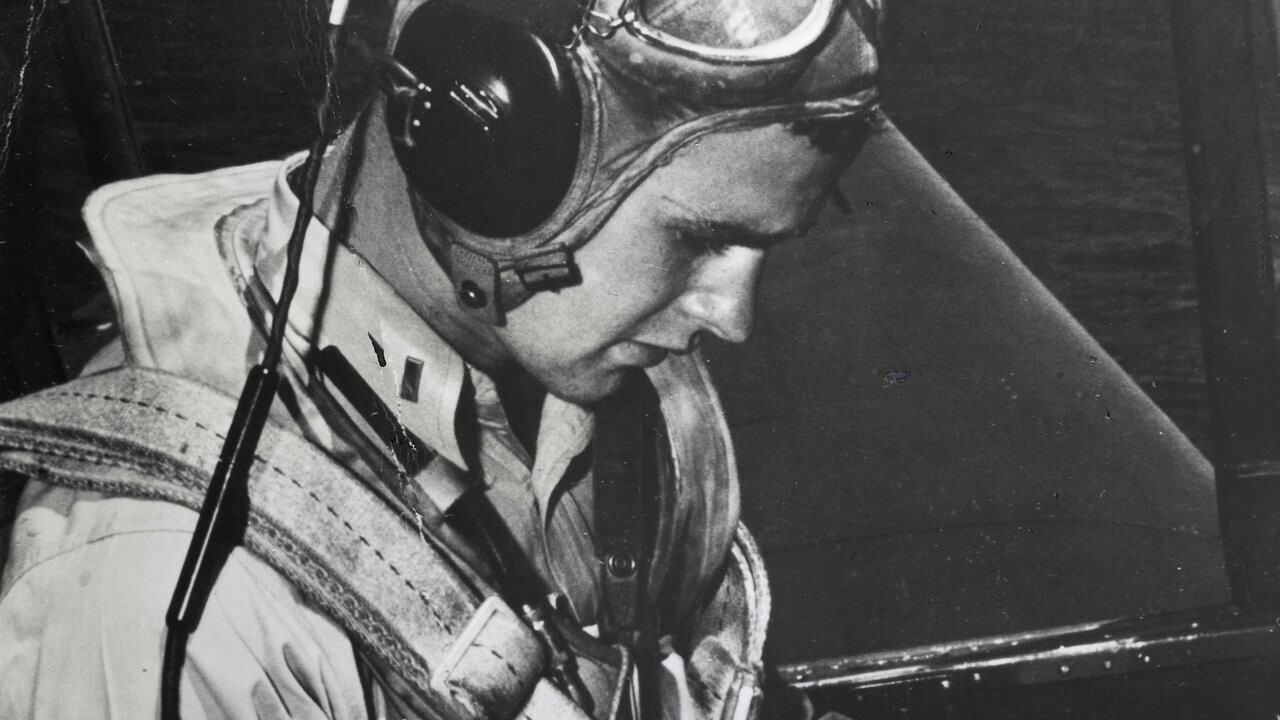
George H. W. Bush: Completing the Mission
George H. W. Bush flew 58 combat missions as a Navy pilot during 1944. When antiaircraft fire struck his aircraft and its engine caught fire near Chichi Jima, he still completed the mission. His wartime service earned him the Distinguished Flying Cross and produced one of the most dramatic military stories among future presidents.
These stories show how differently future presidents experienced military life, from militia service and battlefield command to logistics, aviation, and filmmaking. Which president’s story stands out most to you?
Follow The HyperHive on MSN for more stories like this.
Sources:






_-_C.D._Fredricks_%26_Co.,_587_Broadway,_New_York_;_108_Calle_LCCN2016652121.jpg)


