
Have you ever looked down during a walk and wondered why your fingers suddenly seem puffy or harder to bend?
Hand swelling during exercise is common, although noticing it can still be unsettling. The exact cause is not completely clear, and more than one factor may be involved.
Here is why walking may make your hands swell, how heat and salt can play a part, what you can try during your next walk, and when the pattern needs medical attention.
Why Can Walking Make Your Hands Puffy?
Cleveland Clinic defines edema as “swelling from fluid trapped in your body’s tissues.” The term describes the swelling itself, which can affect the hands as well as other parts of the body.
Exercise changes how blood moves through the body. Mayo Clinic says blood vessels in the hands may open wider during exercise, which could lead to swelling even though your legs are doing most of the work.
The way your arms move may also play a part. Researchers have proposed that improper arm movement could force excess fluid toward the hands. However, Mayo Clinic says the cause of exercise-related hand swelling is not completely clear.
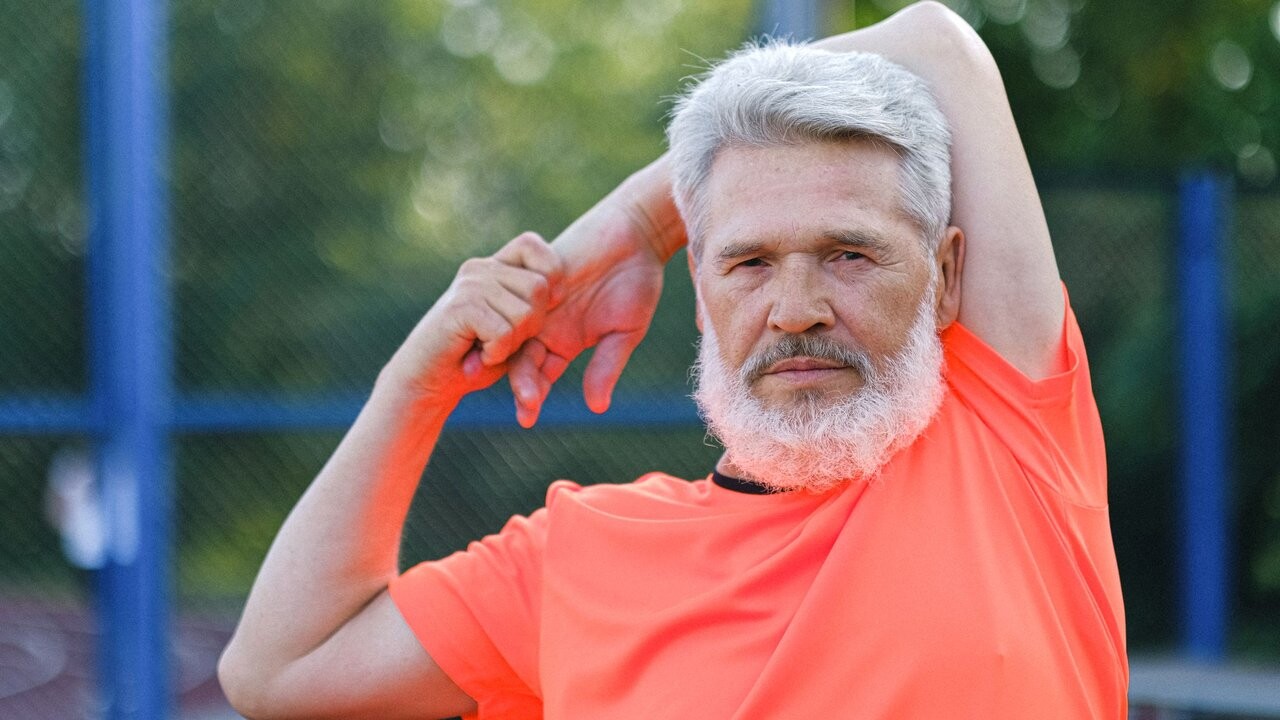
Do Heat and Salt Matter?
Yes. MedlinePlus lists standing or walking a lot in warm weather among the possible causes of edema. If your hands become puffy on a warm day, make a note of the conditions and consider choosing a cooler time for your next walk.
Older adults should be especially thoughtful about hot conditions. The National Institute on Aging says, “Older people can have a tougher time dealing with heat and humidity.” Walking indoors or choosing a shaded route may make the outing more comfortable.
Salt can matter, too. MedlinePlus includes eating too much salt among the causes of edema, so it is worth noticing whether the pattern changes after particularly salty meals.
Is Exercise-Related Swelling Usually Harmless?
Track the whole pattern instead of trying to label it yourself. Write down when the swelling begins, where it appears, how it feels, and what changes after the walk.
The NHS notes that swelling in the arms or hands can “sometimes get better on its own.” Pay attention to how long the puffiness lasts and whether it begins appearing outside your usual walks. These details can make it easier to explain the pattern to a healthcare professional.
Swelling that appears at other times deserves a closer look. MedlinePlus lists some medicines and heart, kidney, or liver problems among the possible causes of edema, so new or unexplained puffiness should not automatically be blamed on walking.

What Can You Do During a Walk?
A few simple steps may ease the discomfort. Try these gently while walking at a comfortable pace.
- Circle your arms. Make a few forward and backward arm circles from time to time.
- Move your fingers. Spread your fingers, gently make a fist, and release it several times.
- Raise your hands. Briefly lift your hands higher than your heart while stretching your fingers or making fists.
- Choose cooler conditions. If you are an older adult and the weather is hot or humid, consider walking indoors or changing the time of your walk.
- Plan for hydration. If you are an older adult, drink water during hot-weather activity. If your doctor limits fluids, ask how to handle very hot weather.
These movements should feel comfortable. Stop any movement that hurts, and choose a gentler option or rest instead.
When Should You Call a Doctor?
Puffiness alone does not tell the whole story. Where the swelling appears, how it feels, and whether it goes away can help you decide what to do next.
- One-sided swelling. Contact a healthcare professional if only one hand or arm becomes swollen, especially when this is new or unexpected.
- Severe pain, redness, or heat. Contact a healthcare professional if swelling comes with severe pain or if the skin is red or feels hot.
- Swelling that stays. Arrange a medical visit if the puffiness does not go away or continues to get worse.
- Breathing or chest symptoms. Get emergency help if swelling occurs with shortness of breath or a chest that feels tight, heavy, or painful.
Bring a list of your medicines and notes about the swelling to your appointment so that you and the healthcare professional can discuss the pattern and next steps.
Gentle hand movements and a cooler walking time may make your next outing more comfortable, but new, persistent, or troubling swelling deserves attention. Have you noticed that your hands swell more on certain walks?
This article is for general information and isn’t a substitute for advice from your doctor.
Follow The HyperHive on MSN for more stories like this.
Sources:



