First Ladies Who Broke White House Traditions: What the Record Confirms

USDAgov / Wikimedia Commons, Public domain (cropped)
The role of first lady has changed whenever a presidential spouse pushed beyond ceremony and hospitality. Some offered political counsel, entered policy debates, modernized White House operations, or used new forms of communication.
Arranged from the earliest example to the most recent, these slides rely on the National Archives, the Library of Congress, presidential libraries, and other historical institutions. Where a familiar story has grown into a myth, the documented record takes precedence.
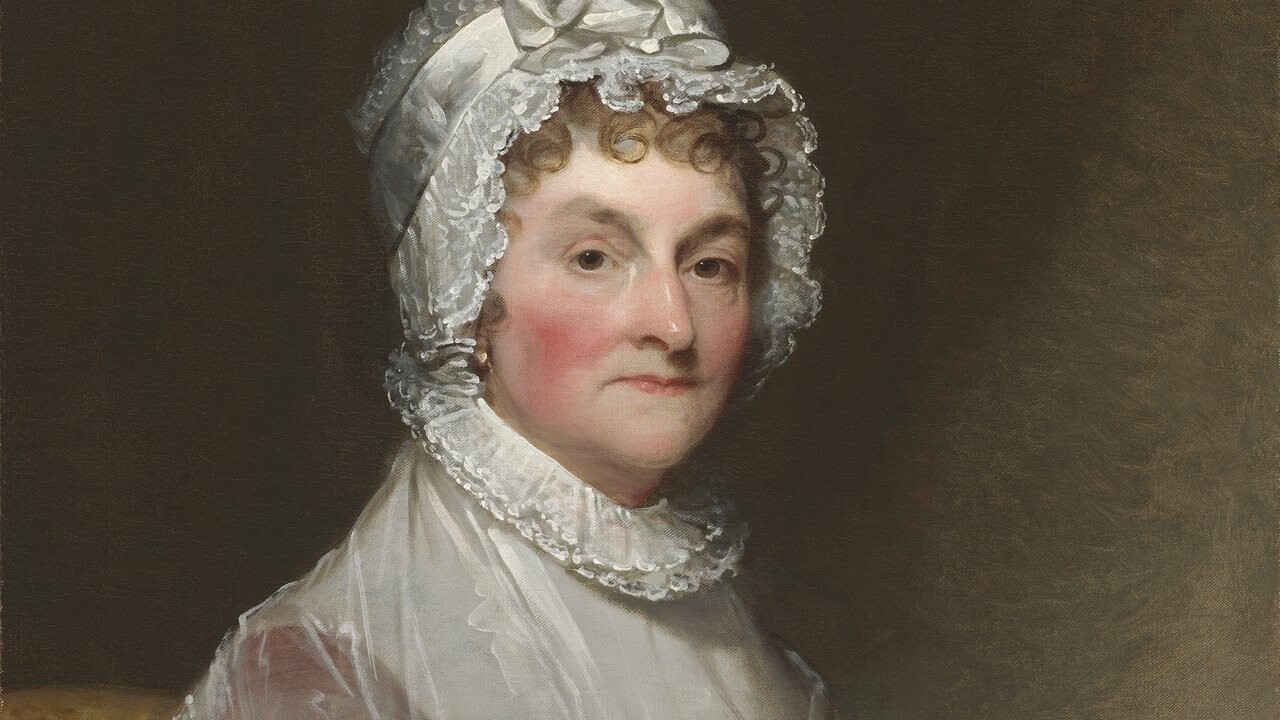
Abigail Adams Offered Political Counsel
Abigail Adams urged her husband, future president John Adams, to provide women equal representation in the future government, according to the National Archives. Her appeal placed women’s political representation directly before a future president and showed that a presidential spouse could offer substantive political counsel.
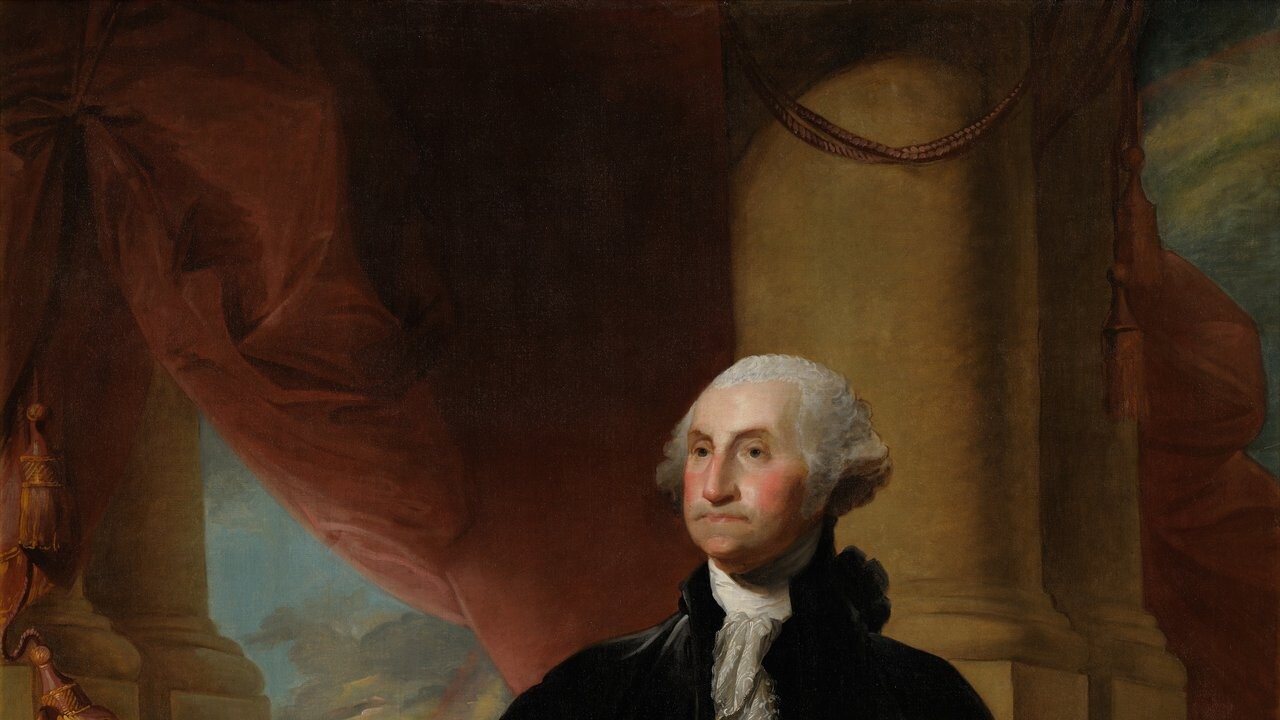
Dolley Madison Directed a Historic Rescue
The familiar image of Dolley Madison personally carrying George Washington’s portrait away does not match the National Park Service account. She instructed White House servant Paul Jennings to save it as British forces approached Washington, and two friends of the Madison family carted the portrait away.
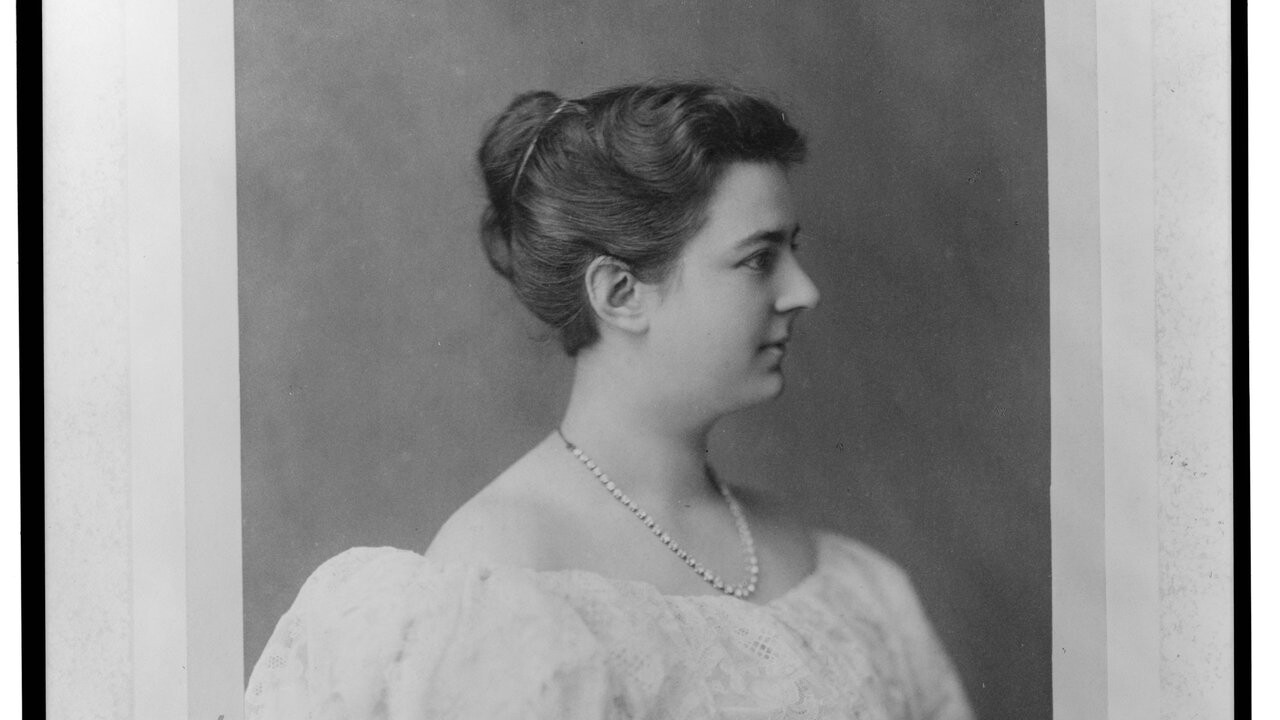
Frances Cleveland Became a White House Bride
Frances Cleveland was twenty-one when she married President Grover Cleveland at the White House. The White House Historical Association identifies her as the youngest first lady in American history and the only one married inside the residence. Her arrival in the role therefore remains unlike that of any other first lady.
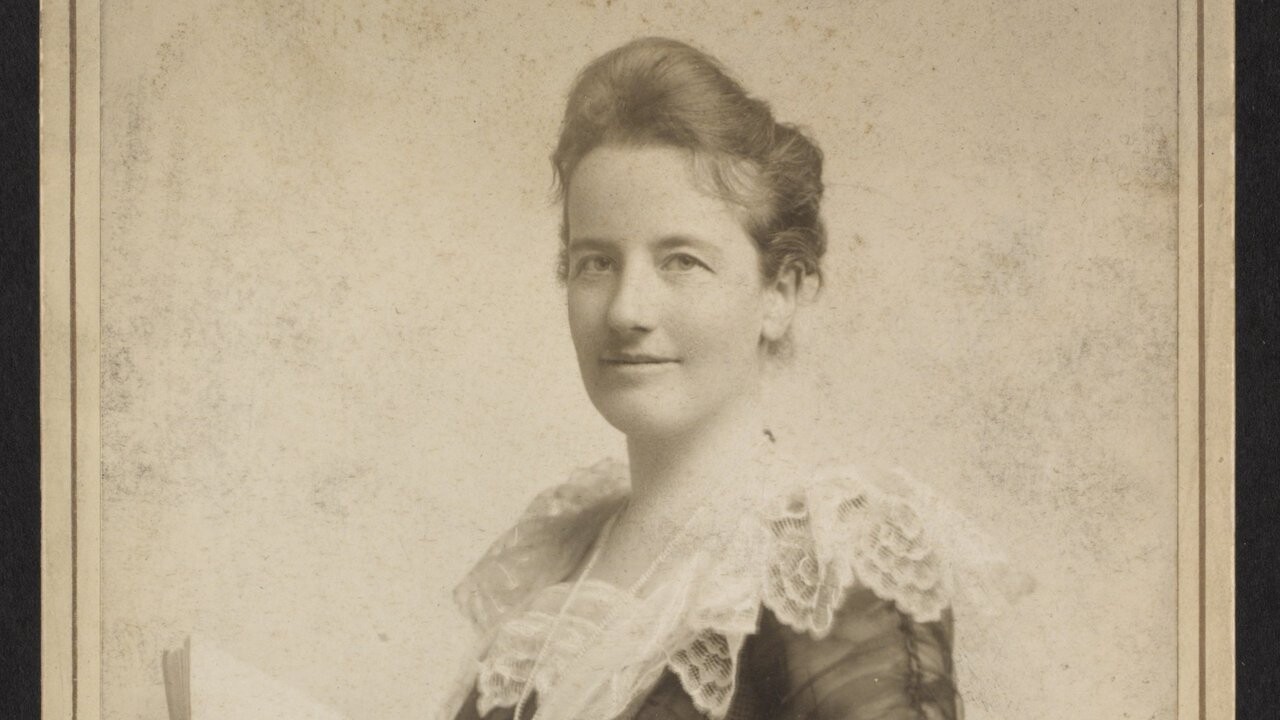
Edith Roosevelt Built a Professional Social Office
Edith Roosevelt hired Isabella “Belle” Hagner as the first White House social secretary, according to the White House Historical Association. Hagner managed Roosevelt’s correspondence and helped plan receptions, dinners, and musicales. The appointment gave the first lady a dedicated professional for the demanding social responsibilities of the White House.
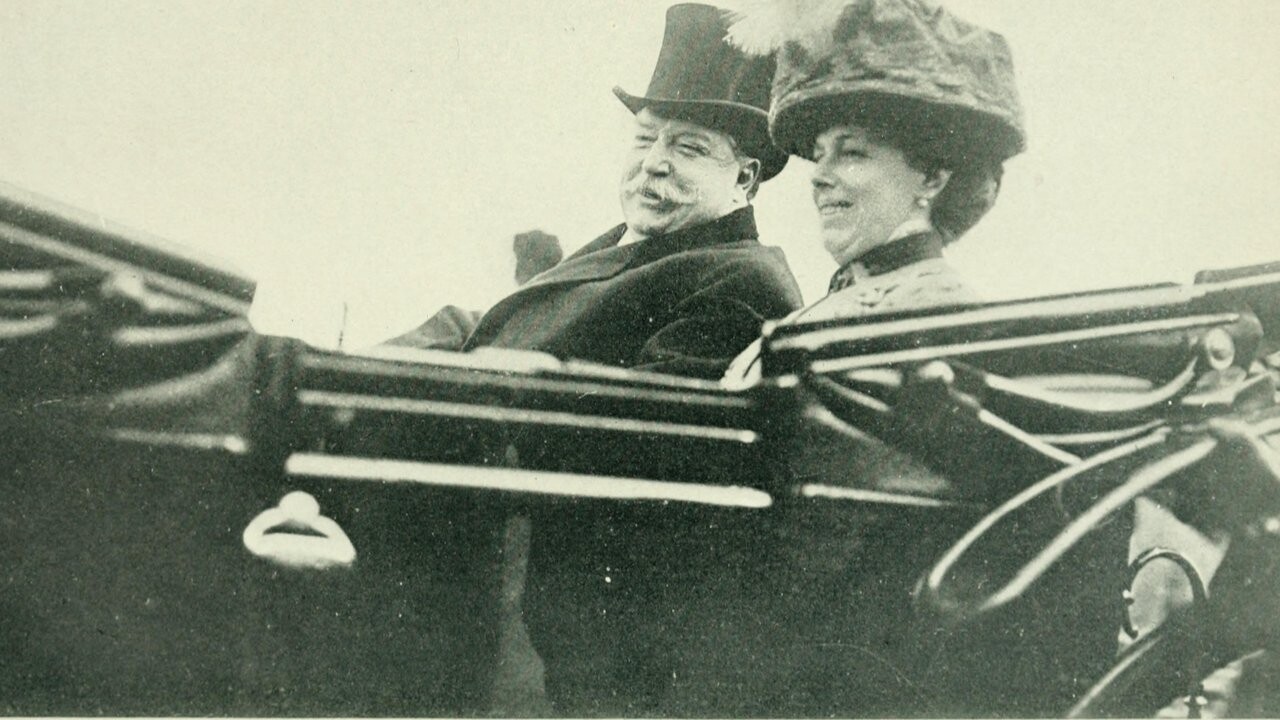
Helen Taft Joined the Inaugural Return Ride
The Library of Congress identifies Helen Herron Taft as the first first lady to accompany her husband from the Capitol to the White House after his inauguration. By joining the return ride, she assumed a documented place in the public inaugural proceedings and established a new precedent for an incoming presidential spouse.
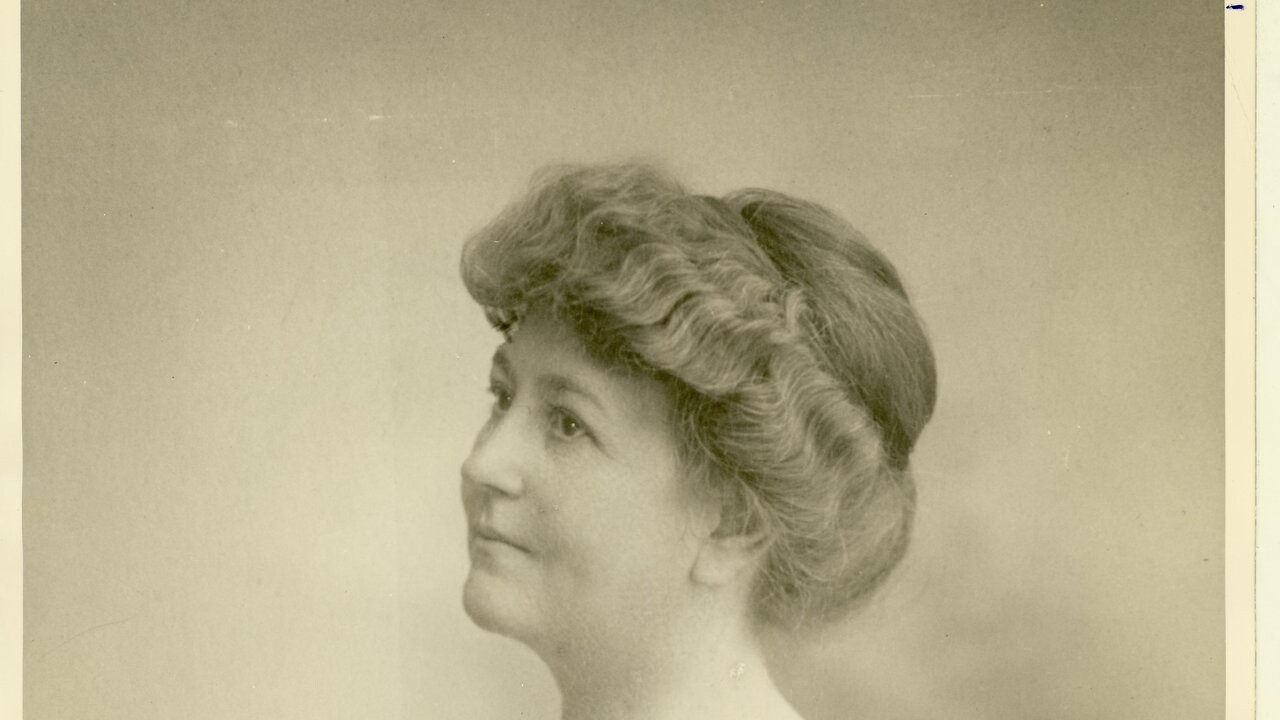
Ellen Wilson Entered a Housing Debate
Ellen Wilson advocated clearing Washington alleys occupied by some of the capital’s poorest residents, many of whom belonged to the city’s Black community. The Miller Center records a crucial limitation: the bill she supported provided no replacement homes for displaced residents. Her policy involvement was unusual, but its consequences deserve equal attention.
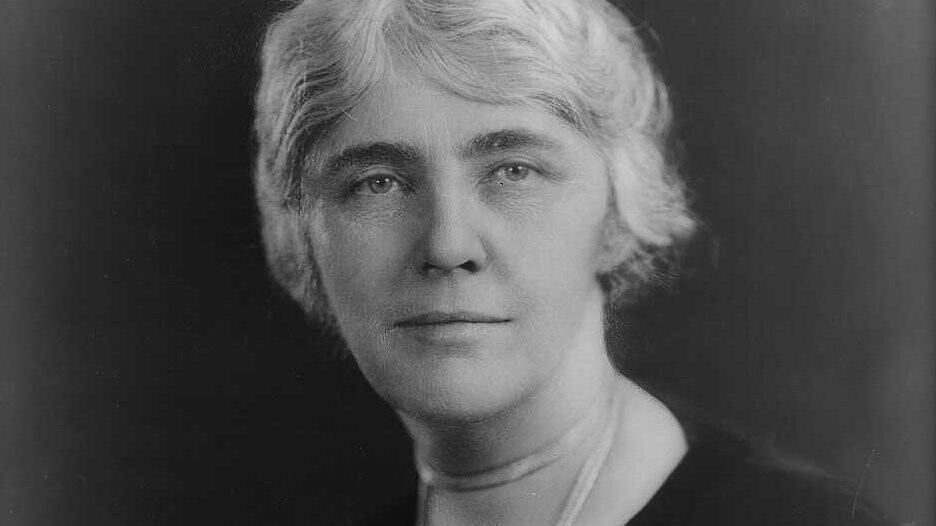
Lou Hoover Took the First Lady to Radio
The Herbert Hoover Presidential Library identifies Lou Henry Hoover as the first first lady to speak on radio. Using that medium allowed a presidential spouse to address listeners beyond traditional White House gatherings and demonstrated how communication technology could expand the public reach of the role.
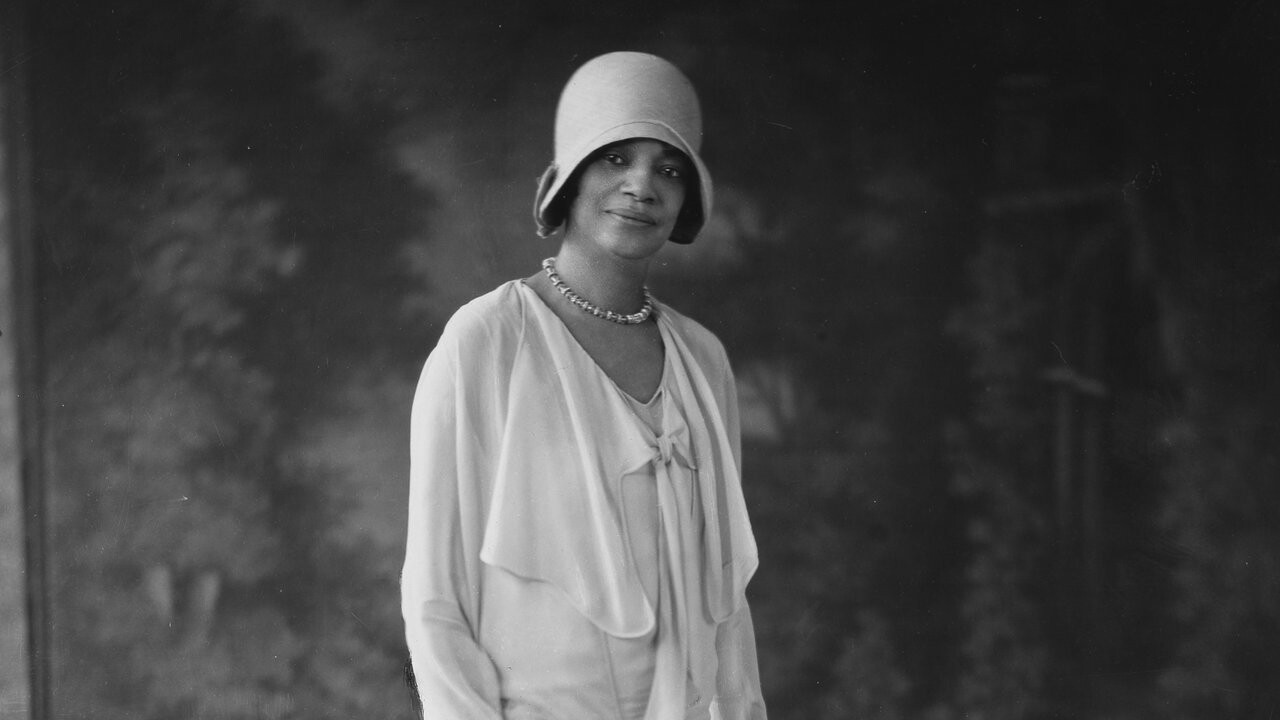
Lou Hoover Invited Jessie DePriest to Tea
Lou Henry Hoover formally invited Jessie DePriest, wife of Black congressman Oscar DePriest, to socialize with her at the White House. The National Archives documents the invitation and the June 1929 tea. Including DePriest placed a Black congressional spouse inside an official social occasion from which she might otherwise have been excluded.
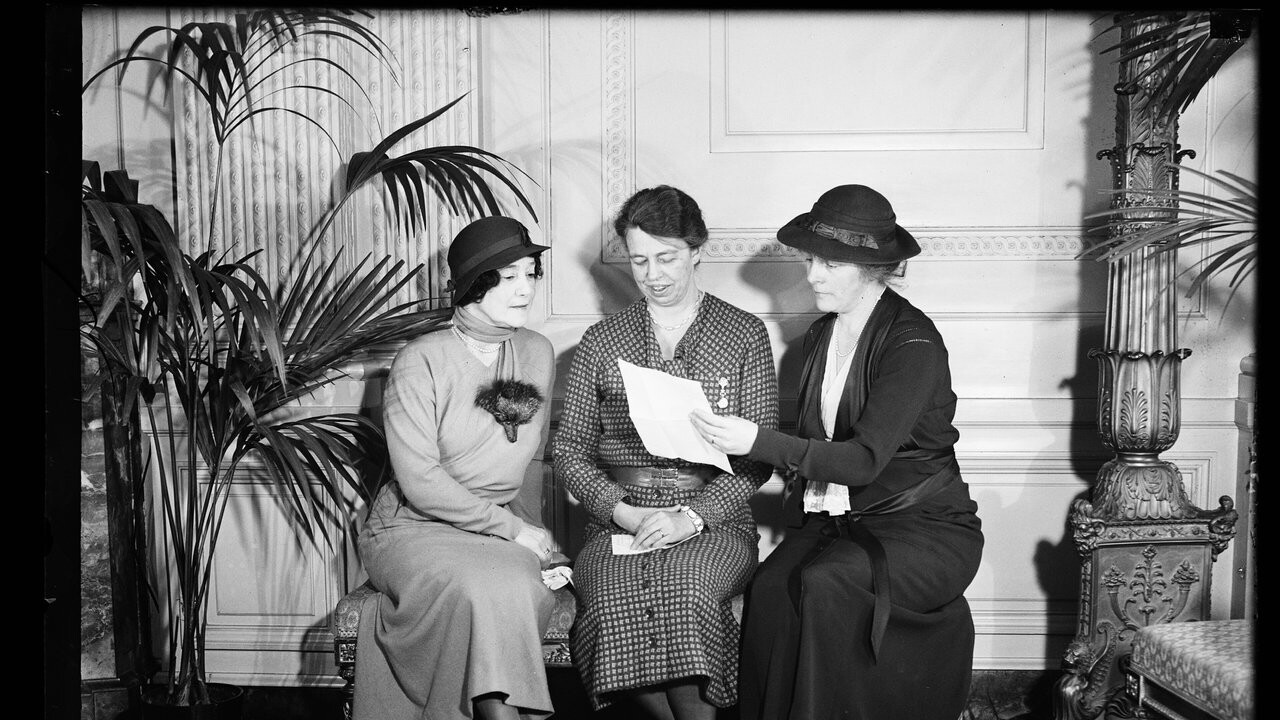
Eleanor Roosevelt Opened Press Conferences to Women
In March 1933, Eleanor Roosevelt began holding press conferences exclusively for women reporters, according to the Library of Congress. The women-only format was itself a significant departure: a first lady created a recurring public forum and determined who would receive direct access to it.
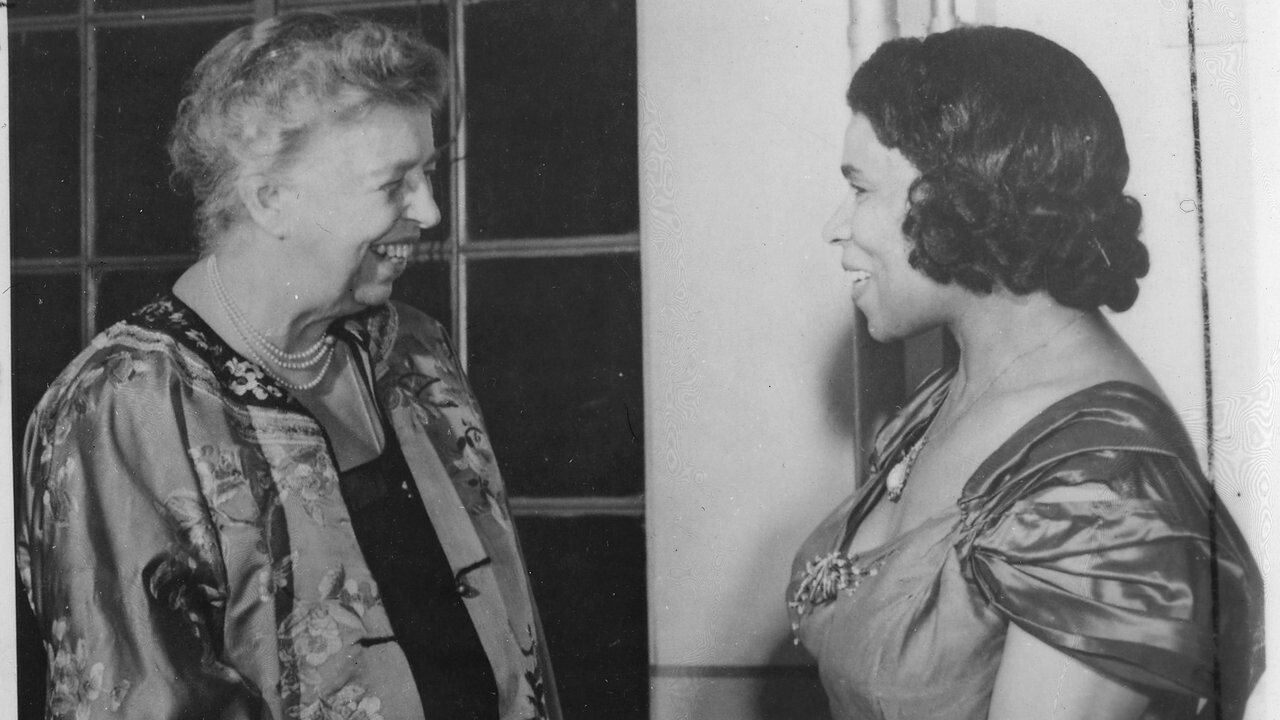
Eleanor Roosevelt Resigned Over Marian Anderson
Eleanor Roosevelt did not single-handedly arrange Marian Anderson’s Lincoln Memorial concert. The National Park Service credits Anderson’s manager, Sol Hurok, and the NAACP with arranging the alternative venue. Roosevelt’s documented actions were still consequential: she resigned from the DAR and later invited Anderson to sing for visiting British royalty.
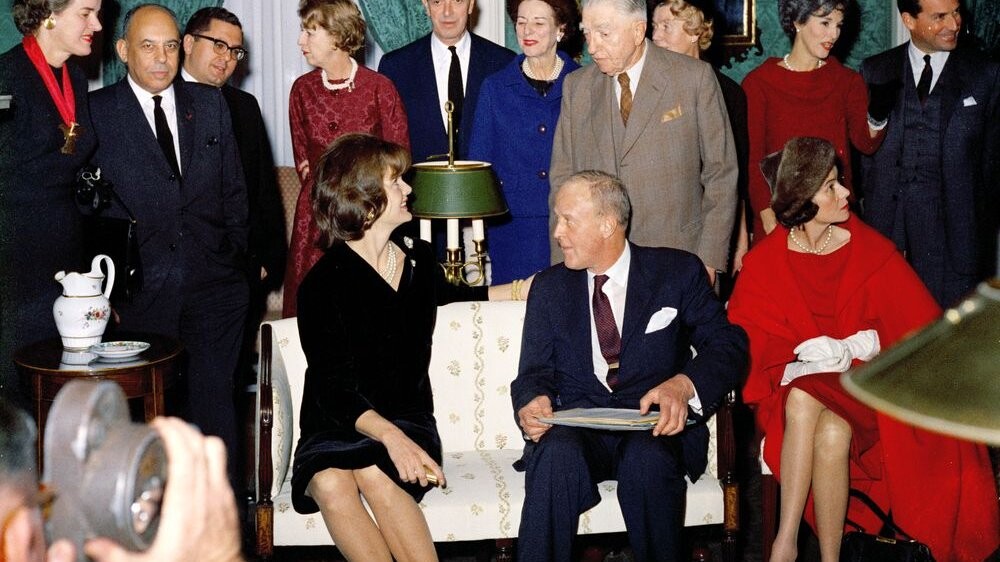
Jacqueline Kennedy Created a Curatorial System
Jacqueline Kennedy created the Fine Arts Committee for the White House and hired Lorraine Waxman Pearce as its first curator, according to the White House Historical Association. Those appointments placed specialists and a dedicated curator at the center of Kennedy’s preservation work, creating a more formal structure for caring for the residence’s historic contents.
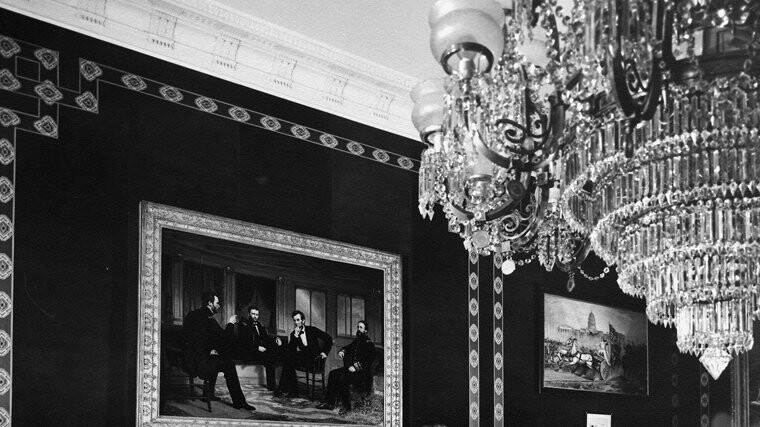
Jacqueline Kennedy Put the Restoration on Television
Jacqueline Kennedy led a televised tour of the White House that shared her restoration project with the public. Rather than leaving the work behind closed doors, she used television to present it directly to viewers, making the executive residence and its preservation the subject of a widely accessible broadcast.
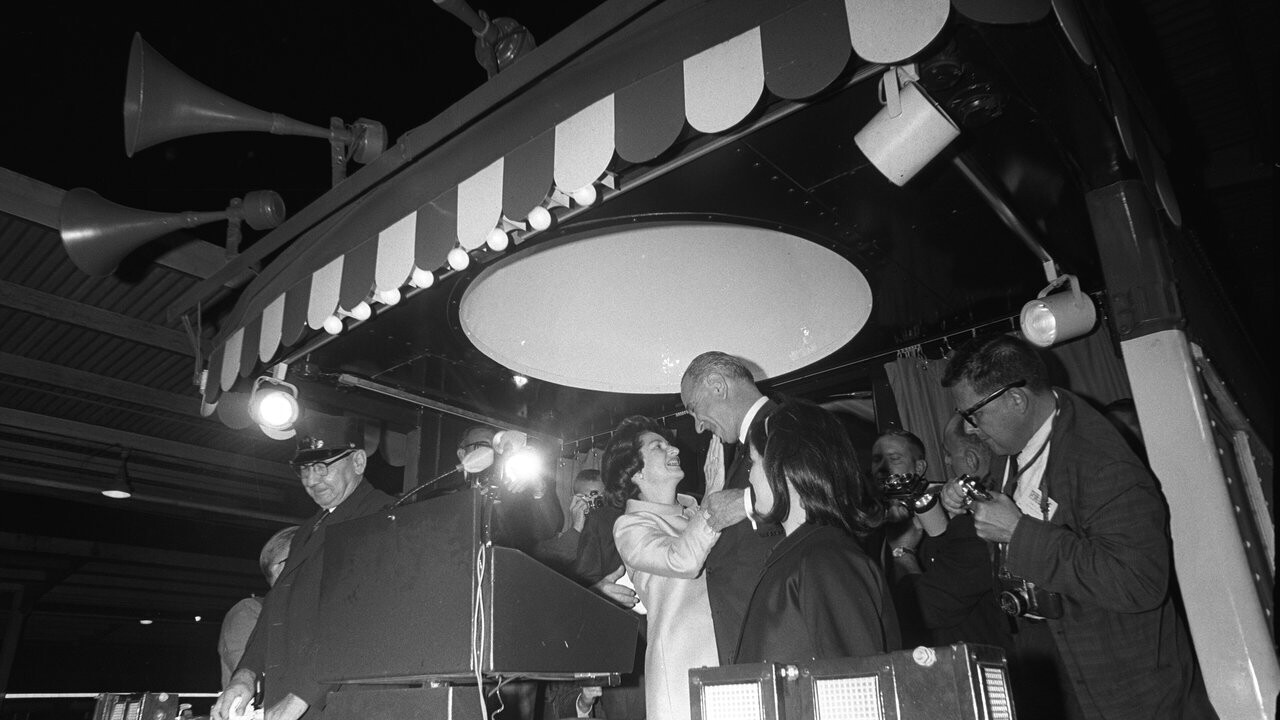
Lady Bird Johnson Campaigned Without the President
Lady Bird Johnson’s whistle-stop tour was the first separate campaign trip undertaken by a first lady, according to the White House Historical Association. Traveling without the president established a presidential spouse as an independent campaign figure who could carry the administration’s political message on her own itinerary.
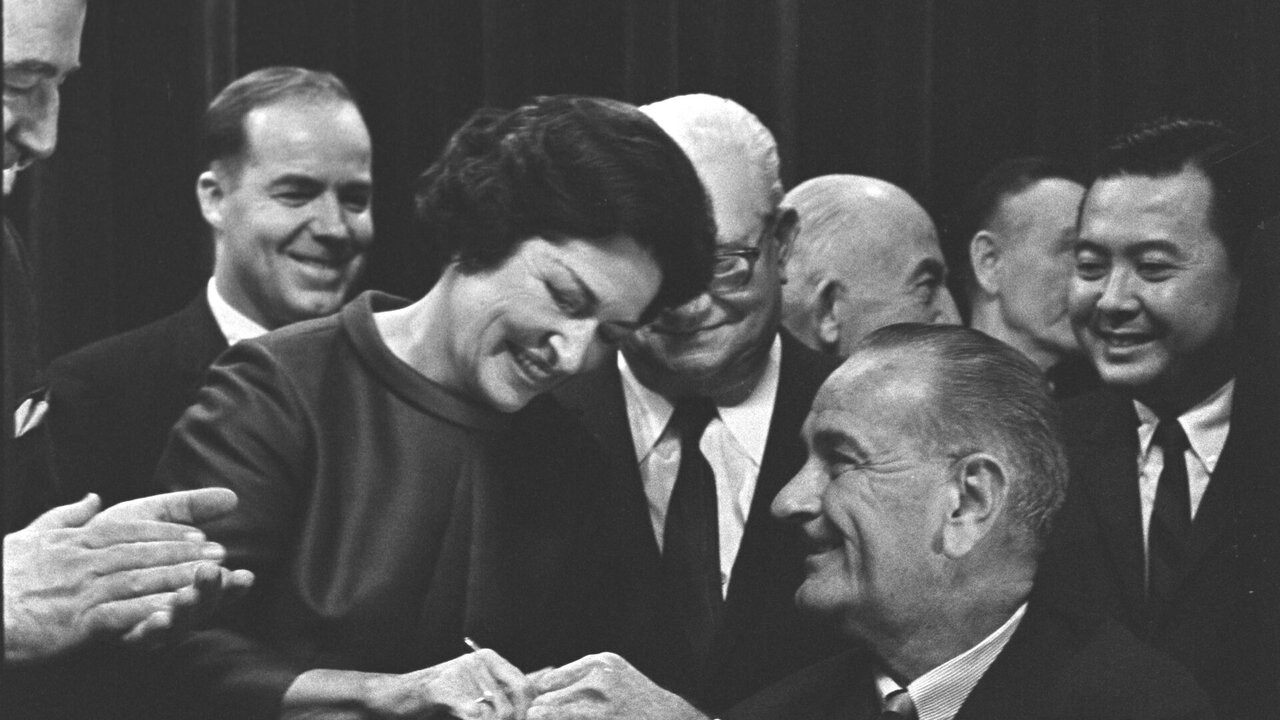
Lady Bird Johnson Lobbied for the Environment
The National Park Service records that Lady Bird Johnson championed conservation, advocated creating National Park Service units, and lobbied for the passage of environmental legislation. That record places her work in policy and preservation, not merely ceremonial gardening, and shows how a first lady could press a national agenda.
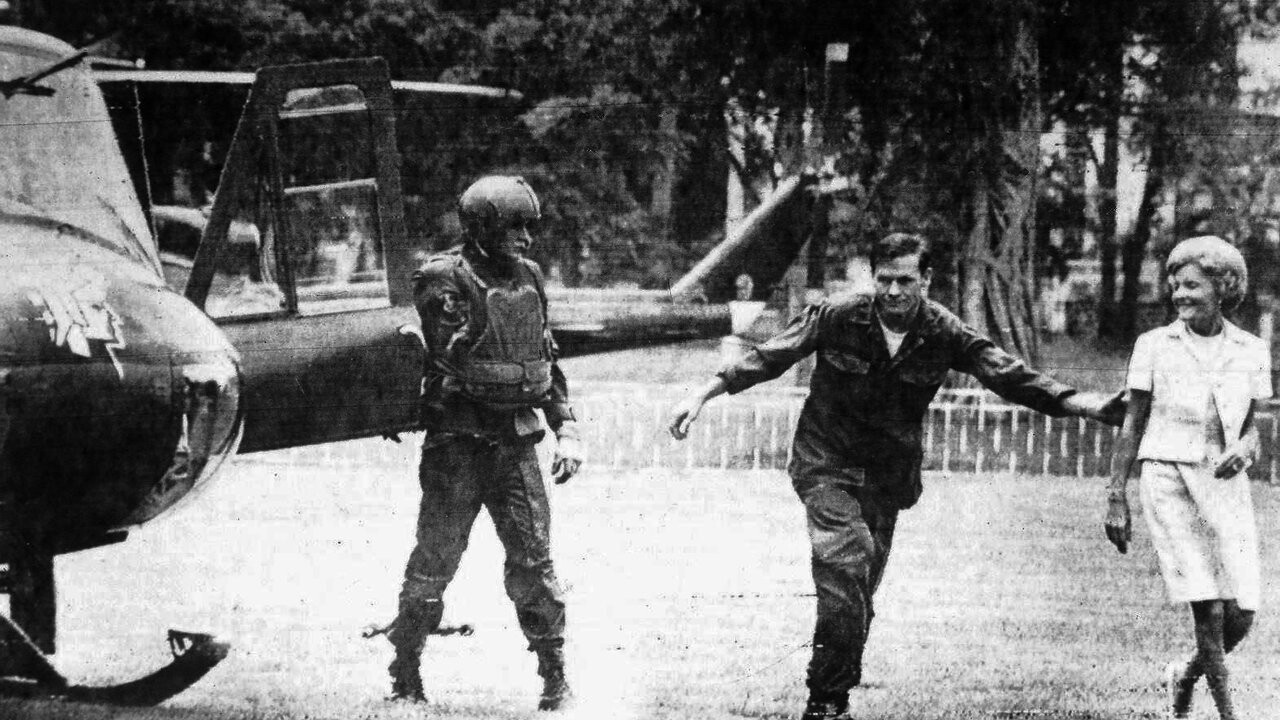
Pat Nixon Entered an Active Combat Zone
The Richard Nixon Presidential Library identifies Pat Nixon as the first first lady to visit an active combat zone. During her 1969 trip to Vietnam, she met wounded American troops and local orphans. The journey carried the first lady’s diplomatic and representative duties into circumstances rarely associated with the position.
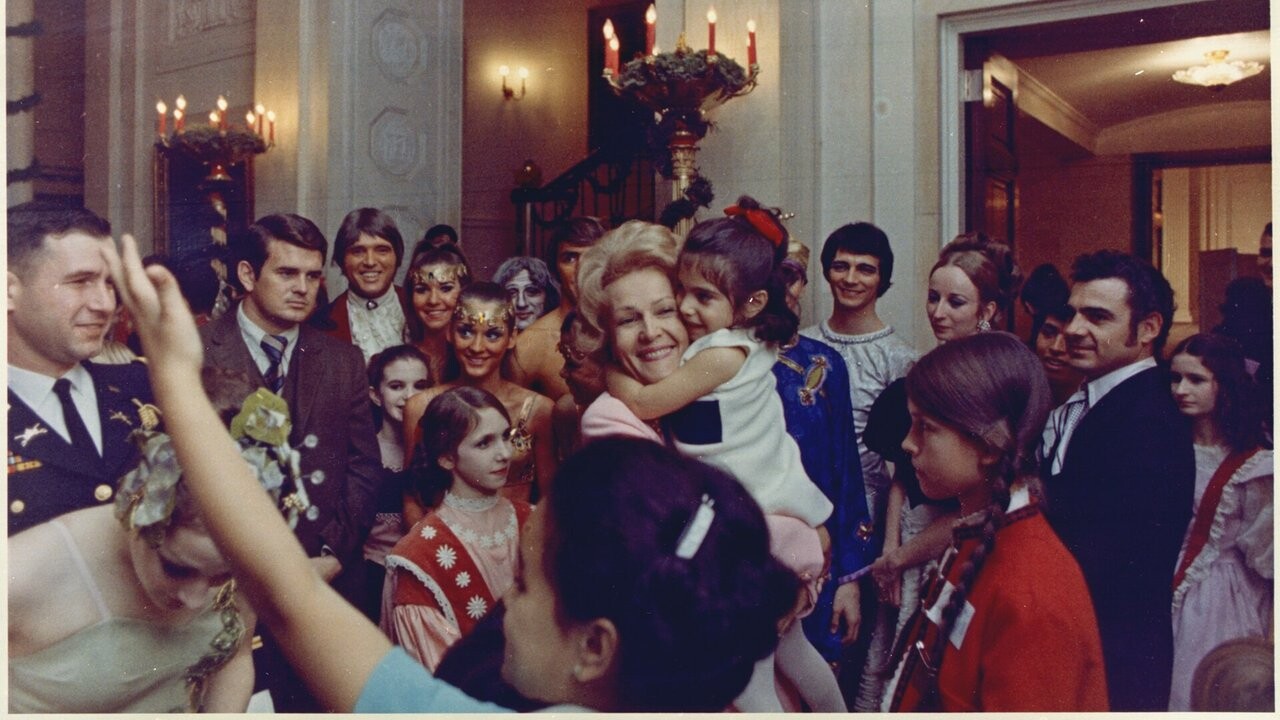
Pat Nixon Made White House Tours More Accessible
Pat Nixon added sign-language interpretation, audio interpretation, multilingual tour booklets, and wheelchair ramps to the White House visitor experience. The White House Historical Association presents these measures as part of her effort to improve access for people with visual or hearing impairments, international visitors, and people with limited mobility.
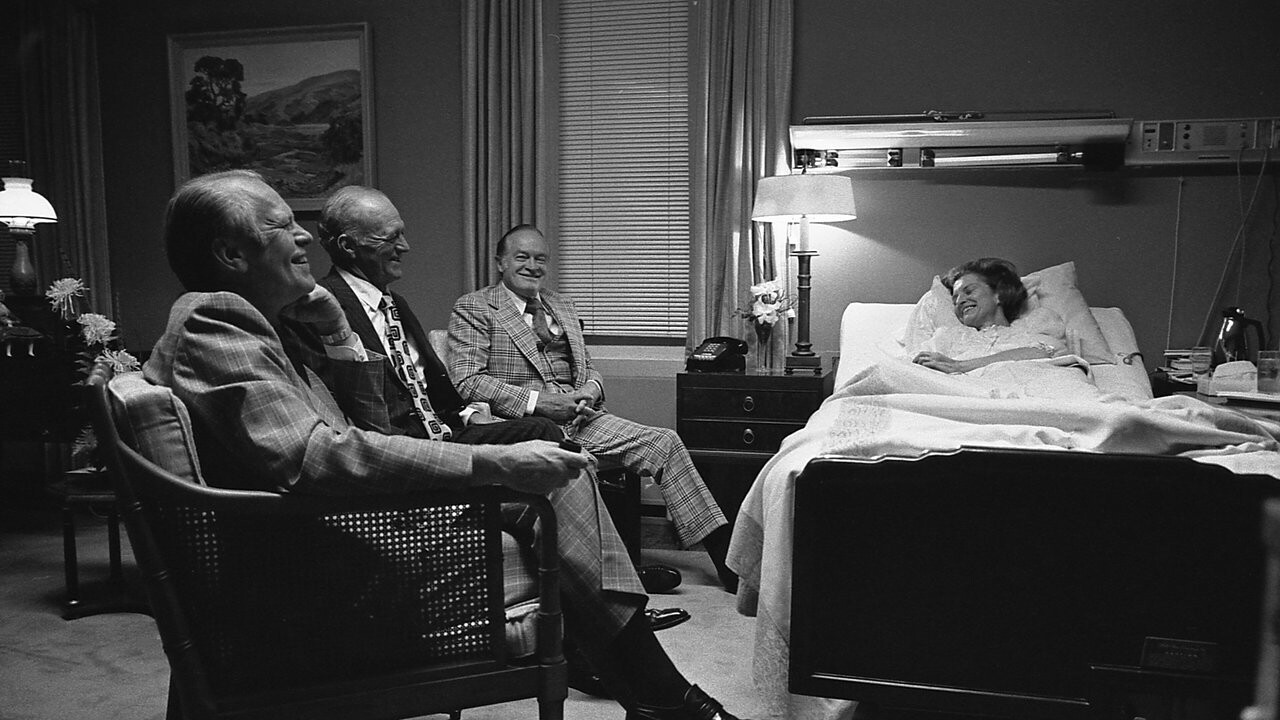
Betty Ford Spoke Publicly About Breast Cancer
Betty Ford broke social conventions by publicly discussing her breast cancer diagnosis and treatment, according to the Gerald R. Ford Presidential Library. Her decision brought a deeply personal experience into her work as first lady and demonstrated a direct, candid way of addressing the public during a difficult moment.
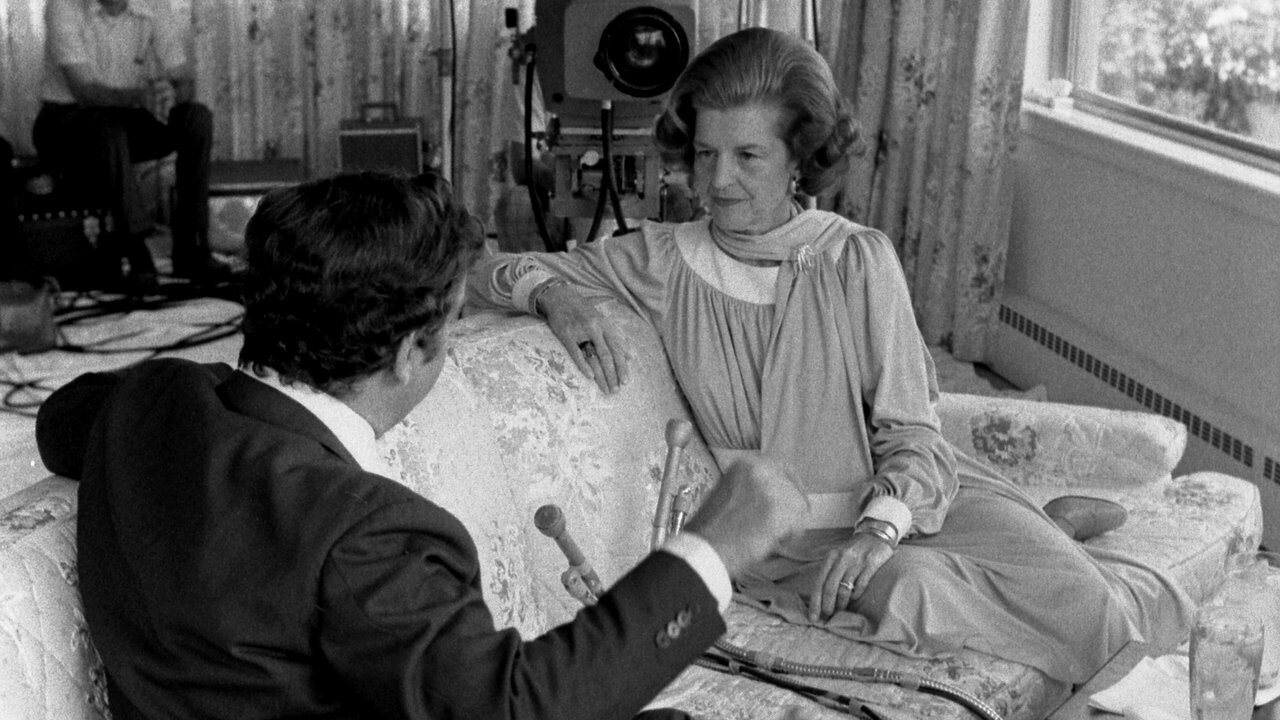
Betty Ford Discussed Subjects First Ladies Avoided
During a CBS 60 Minutes interview, Betty Ford discussed premarital sex, divorce, drug use, and abortion. The Ford Library’s records document those subjects without softening them. By stating her views plainly, Ford rejected the expectation that a first lady should restrict public remarks to safe or ceremonial topics.
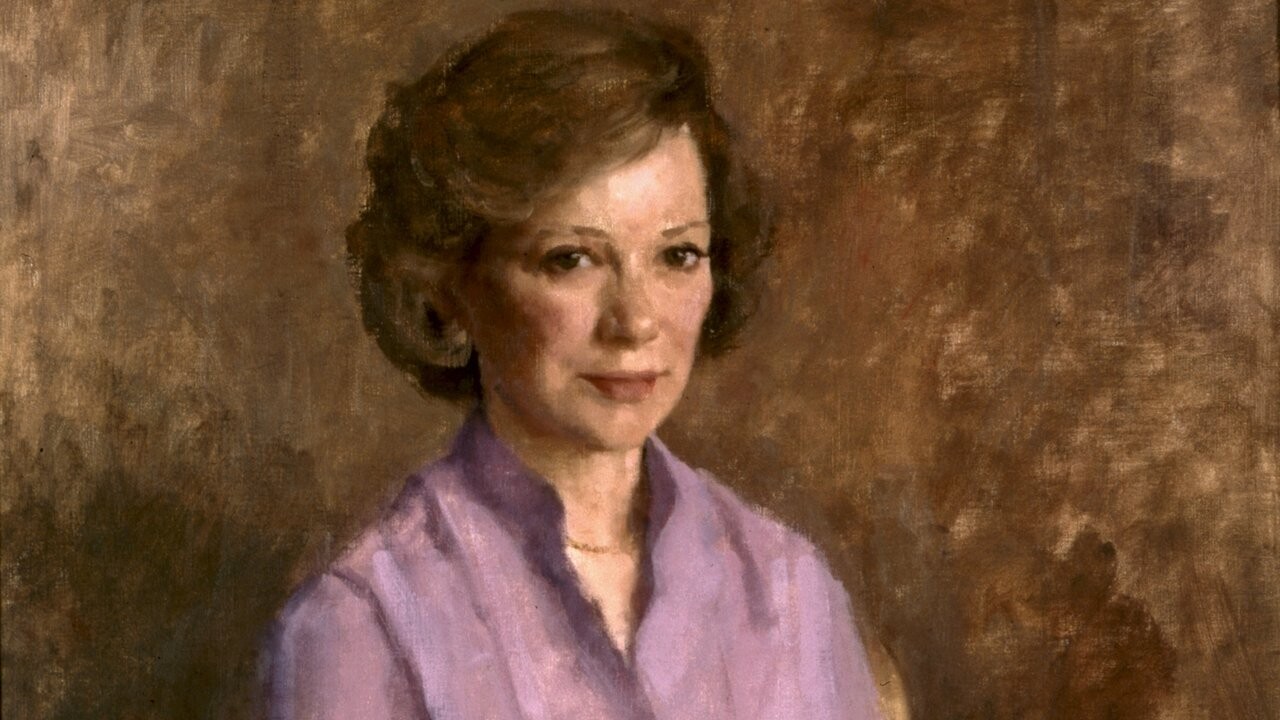
Rosalynn Carter Attended Cabinet Meetings
An archived White House biography records that Rosalynn Carter attended Cabinet meetings and major briefings. This regular access placed her inside administration policy discussions rather than limiting her work to hosting or occasional advocacy. She remained unelected, but her schedule reflected a broader working role for a first lady.
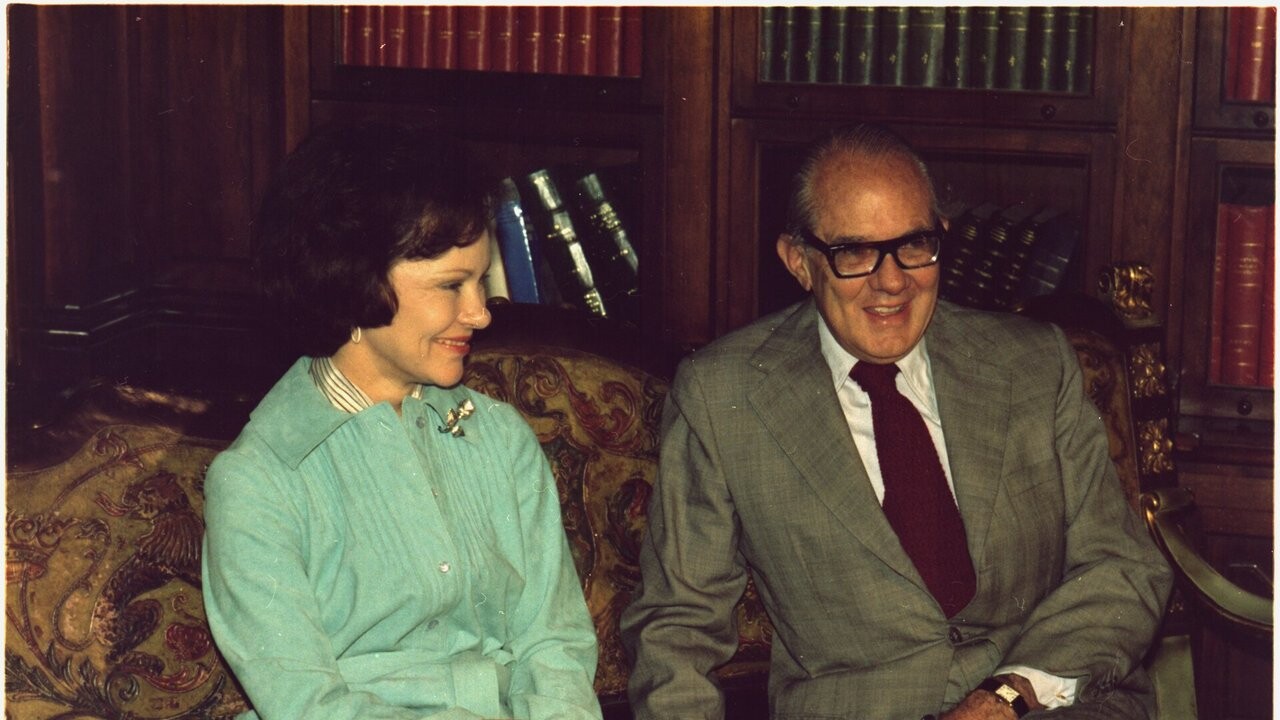
Rosalynn Carter Served as a Presidential Emissary
Rosalynn Carter served as President Jimmy Carter’s personal emissary to Latin American countries, according to an archived White House biography. The Carter Presidential Library records that her discussions with regional leaders ranged from human rights to nuclear arms control. The trip gave her substantive diplomatic work rather than a merely ceremonial itinerary.
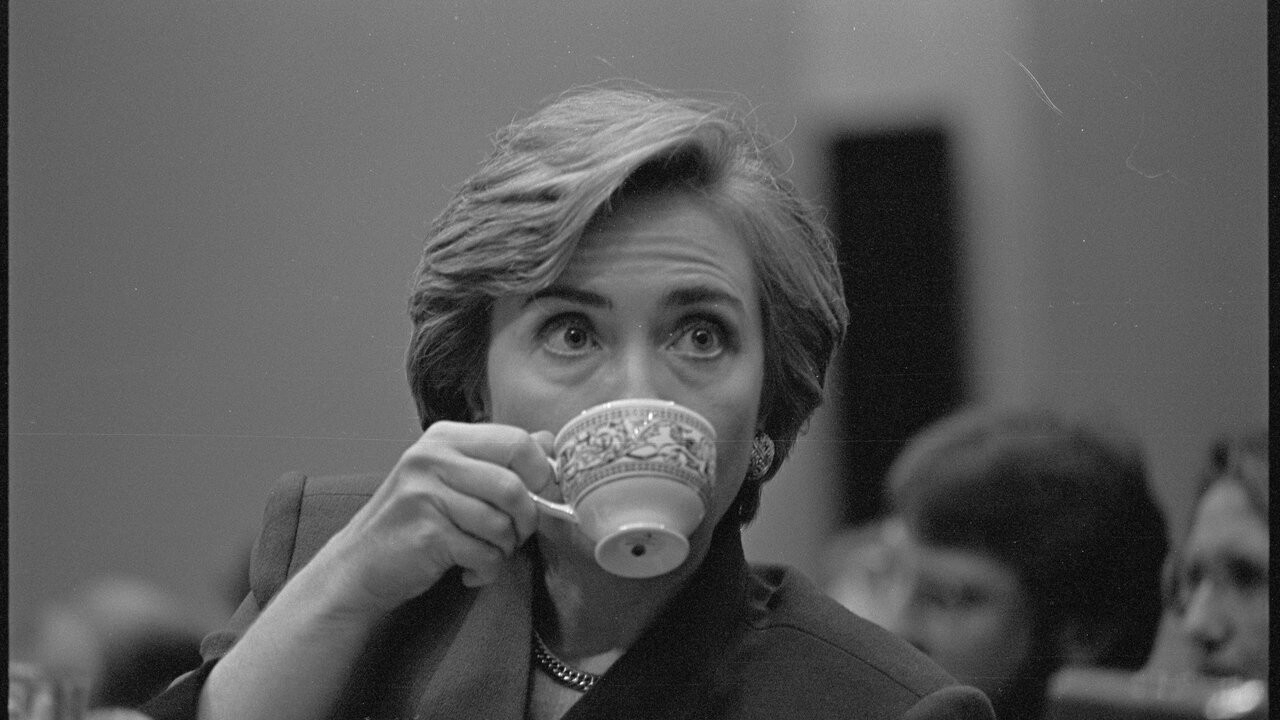
Hillary Clinton Chaired a Policy Task Force
Hillary Rodham Clinton chaired the President’s Task Force on National Health Care Reform, according to the William J. Clinton Presidential Library. The assignment gave a first lady a formally designated leadership position within a major domestic policy project and placed her work squarely inside the administration’s policymaking process.
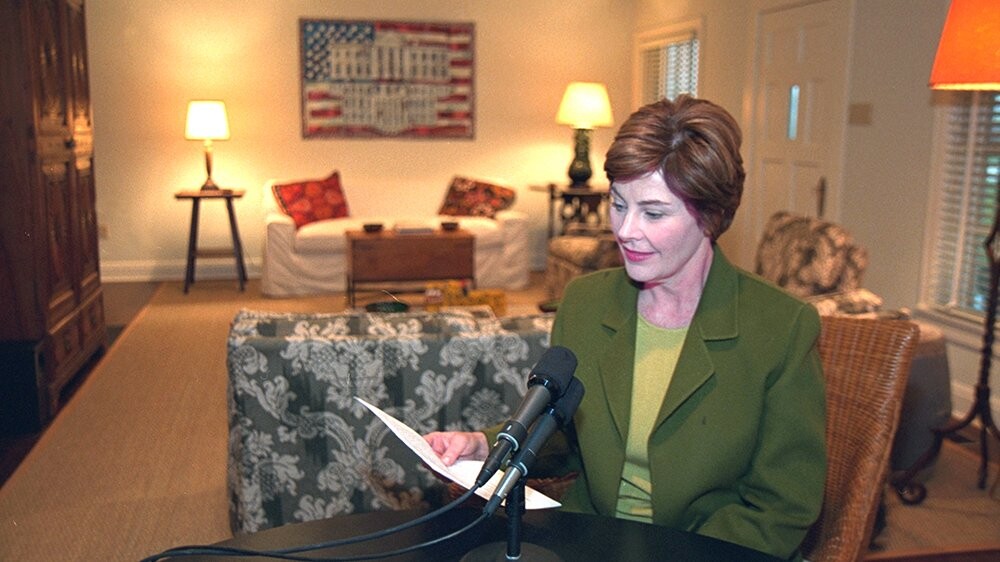
Laura Bush Delivered the Presidential Radio Address
Laura Bush became the first first lady to deliver an entire presidential radio address, according to the archived George W. Bush White House. She used the broadcast to focus on brutality against women and children by al-Qaida and the Taliban. For that address, a first lady occupied a communications role normally held by the president.
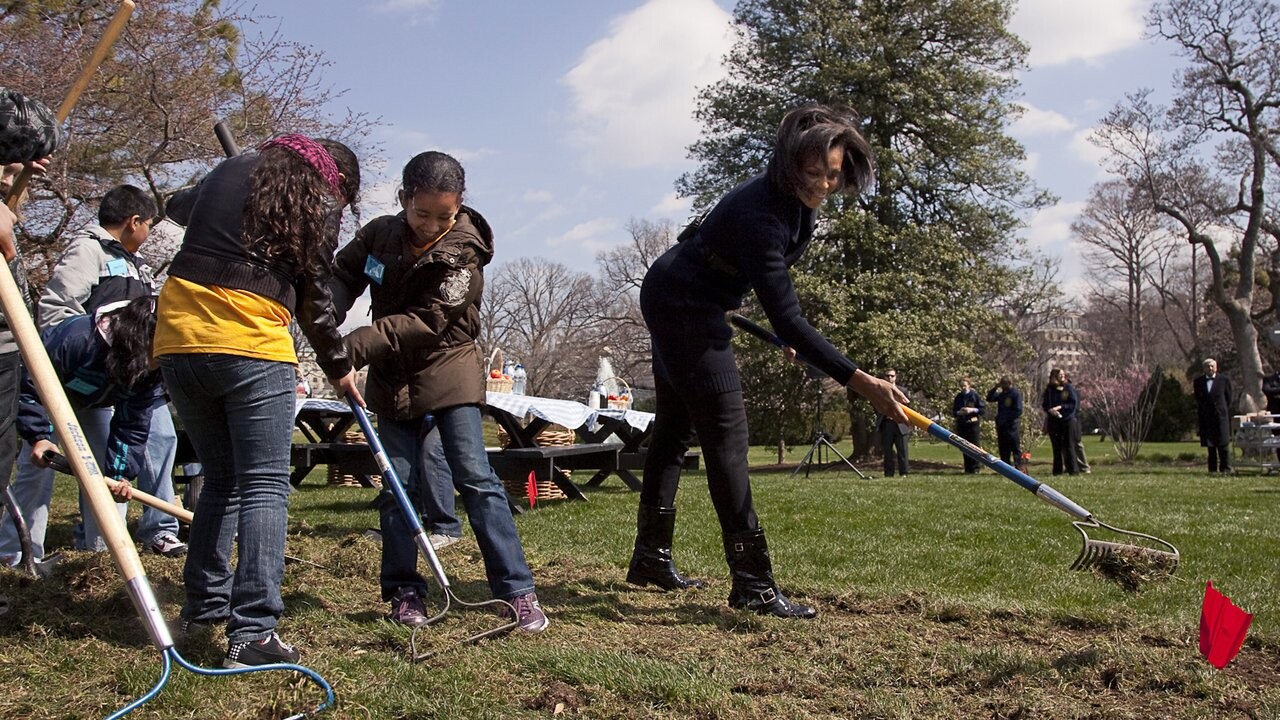
Michelle Obama Revived the White House Kitchen Garden
Michelle Obama planted the first kitchen garden on White House grounds since Eleanor Roosevelt’s World War II Victory Garden, according to the archived Obama White House. The project revived an earlier White House practice and turned a highly visible part of the residence into a working garden once again.
The documented record shows the first lady’s unwritten role changing through individual choices, public controversy, and persistent work. Which of these changes do you remember or admire most?
Follow The HyperHive on MSN for more stories like this.
Sources:






_-_Schloss_LCCN2013651291.jpg)


