Strange Coincidences in Presidential History: What the Record Confirms

NPS Photo / Wikimedia Commons, Public domain (cropped)
Presidential history contains genuine coincidences that can sound invented. It also attracts legends that become more elaborate each time they are repeated.
This gallery moves broadly from the founding era to the present, keeping the related Lincoln-Kennedy claims together. Its evidence comes from government archives, presidential libraries, and historical institutions.
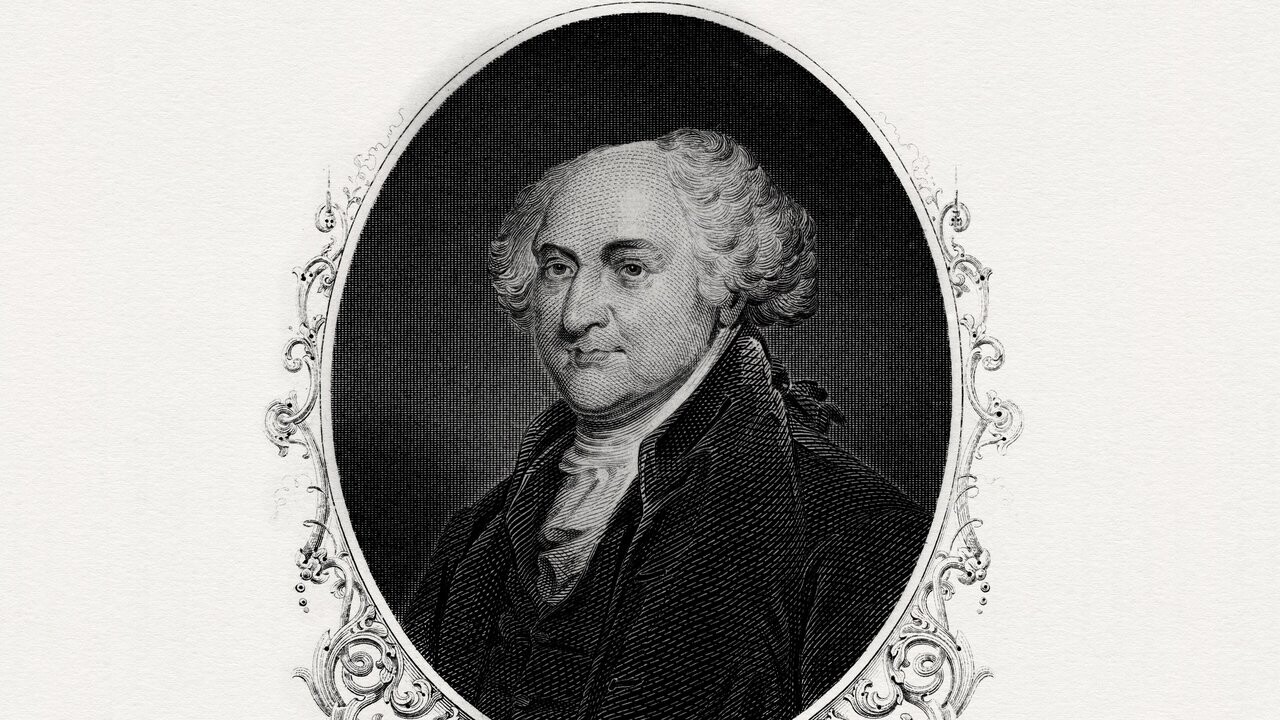
1826: Adams and Jefferson Die on Independence Day
The Library of Congress records that former presidents John Adams and Thomas Jefferson both died on July 4, 1826. The National Park Service identifies them as the nation’s second and third presidents and as two framers of the Declaration of Independence, giving their shared death date extraordinary historical resonance.
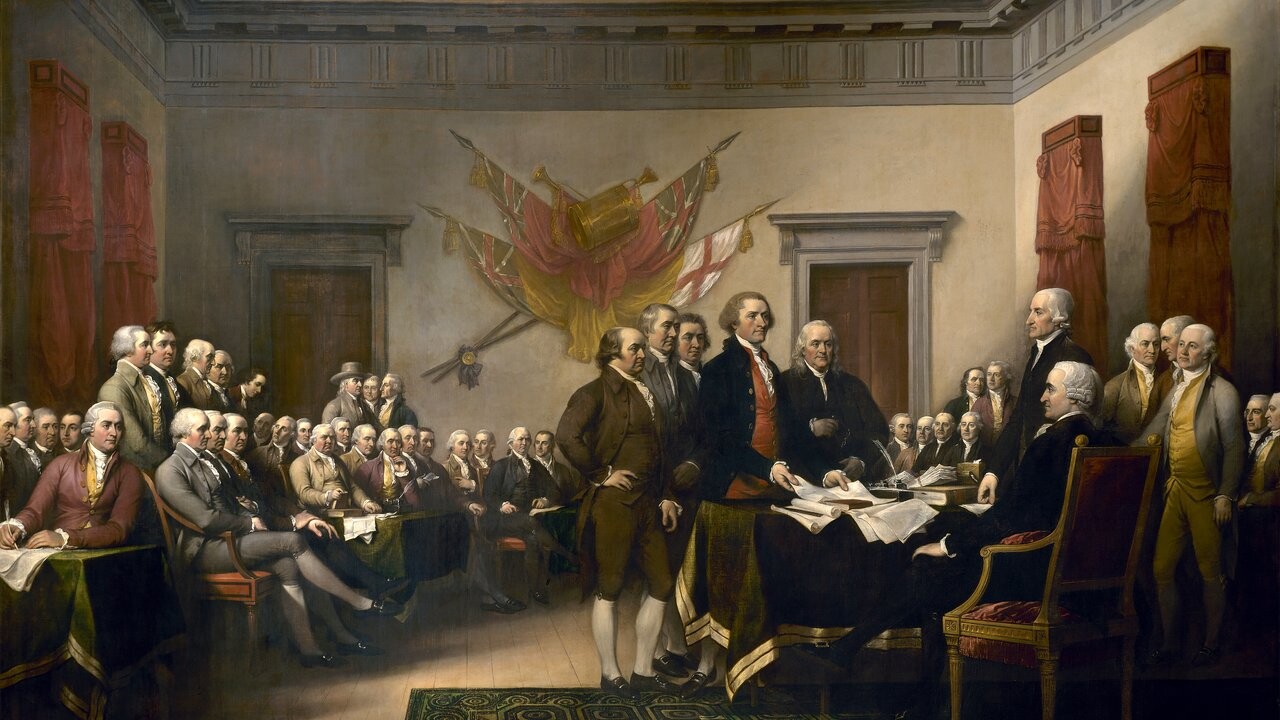
Their Deaths Marked the Declaration’s 50th Anniversary
Their shared date was also the 50th anniversary of the Declaration of Independence. The Library of Congress describes the occasion as the nation’s Jubilee. That anniversary creates the coincidence’s striking symmetry: two figures closely tied to the founding died as the country marked half a century of independence.
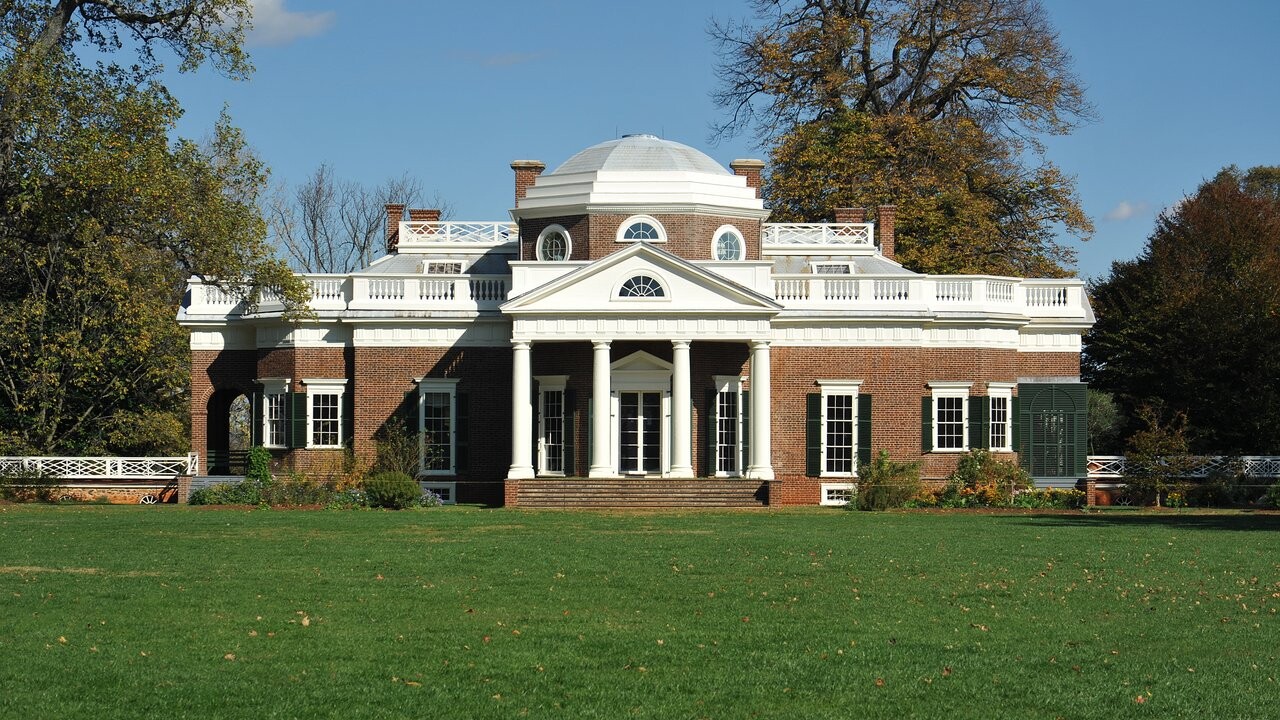
Jefferson Died First, Hundreds of Miles Away
Jefferson died shortly after noon at Monticello in Virginia, according to the Library of Congress. Adams died several hours later in Quincy, Massachusetts. The National Archives notes that the two men died on the same day while hundreds of miles apart, firmly establishing the geographical dimension of the coincidence.
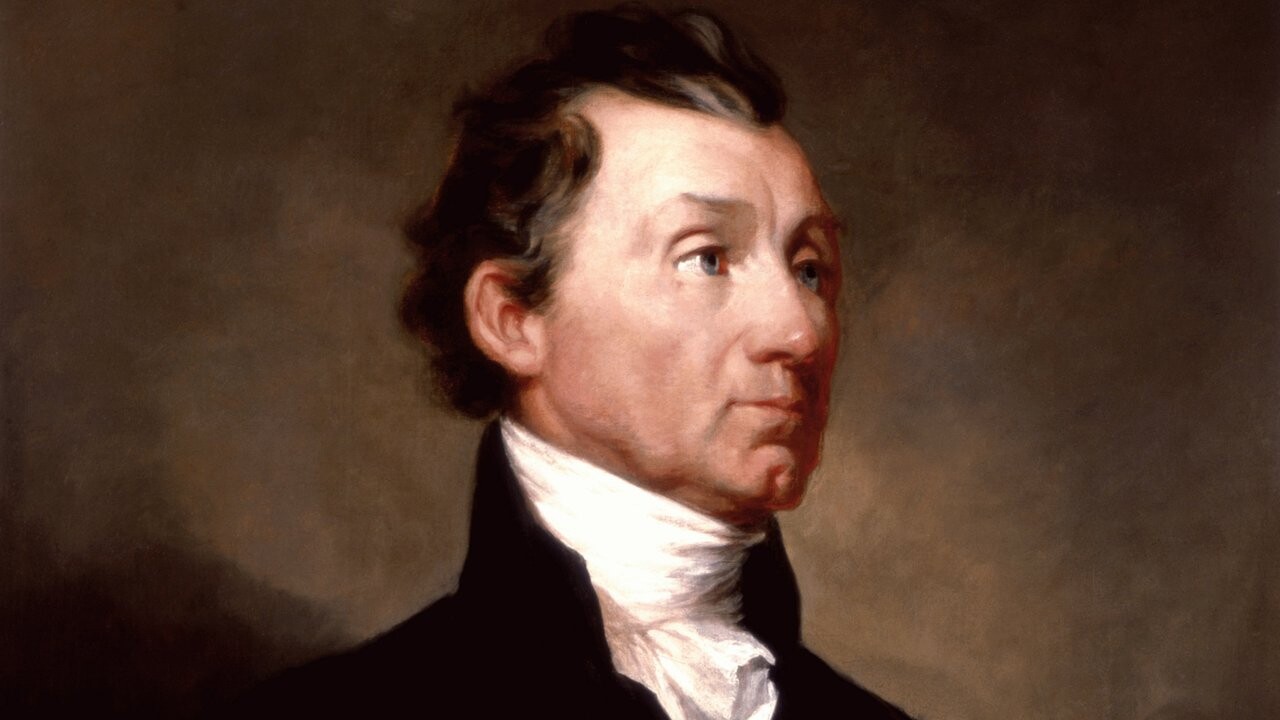
1831: Monroe Becomes the Third July Fourth Death
James Monroe died in New York City on July 4, 1831, according to the Library of Congress. The National Park Service identifies him as the fifth president. His death came exactly five years after Adams and Jefferson died, creating another documented link between Independence Day and presidents from the nation’s early decades.
1840–1960: The Pattern Behind a Supposed Curse
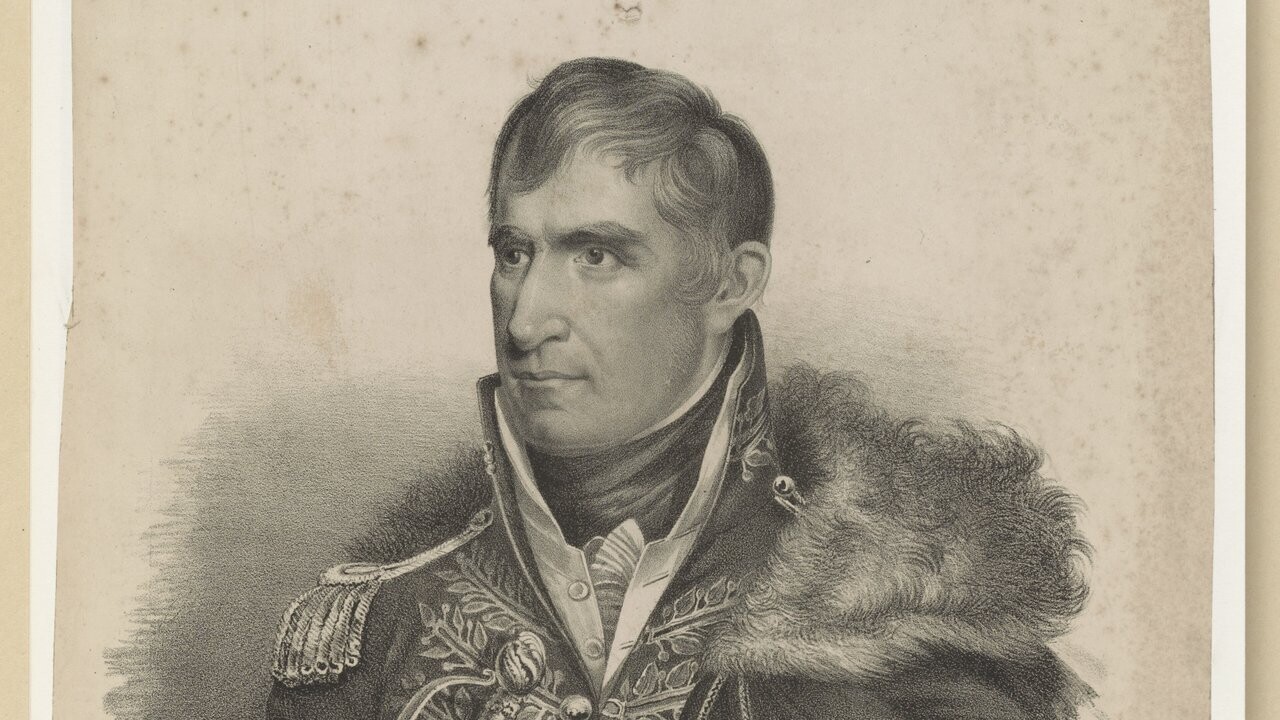
The National Archives notes that every president elected in a year ending in zero from 1840 through 1960 died in office. The sequence is real, but a supernatural explanation is not a historical fact. Describing it as a curse adds folklore to a pattern that can be stated without implying a mysterious cause.
1863–64: Edwin Booth Saves Robert Lincoln
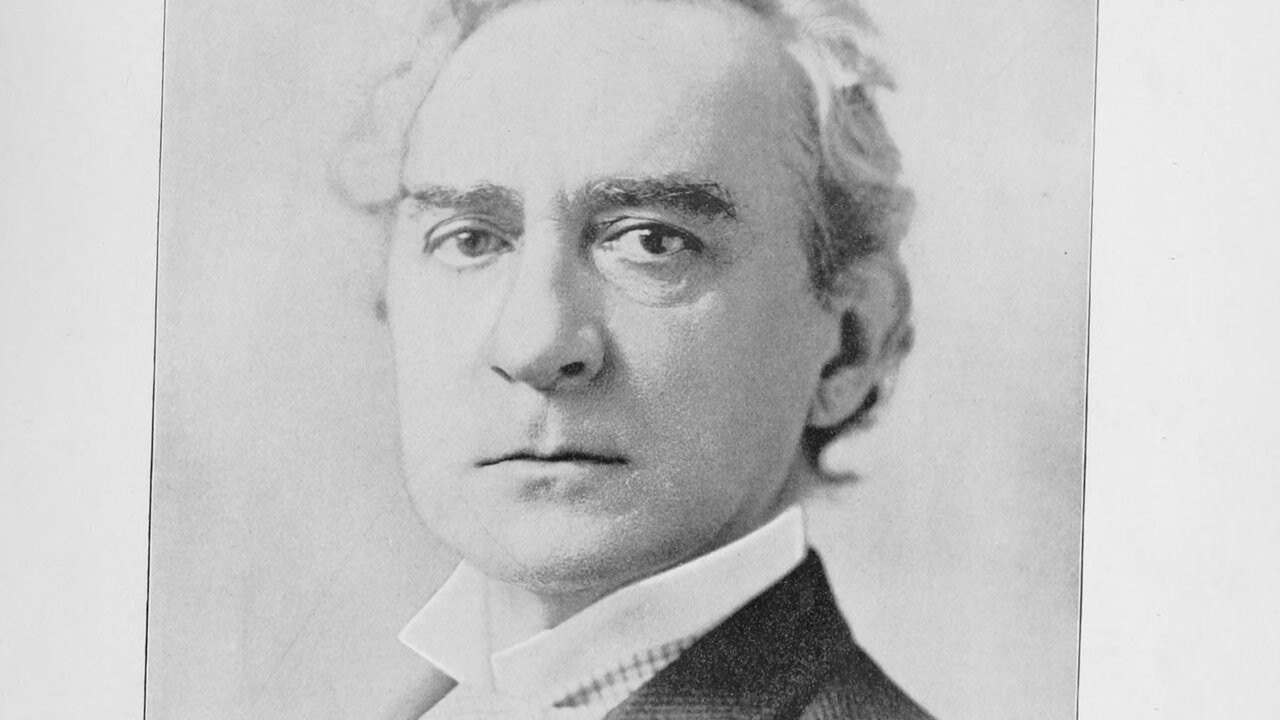
The National Archives dates Robert Lincoln’s near-fatal train-platform accident to 1863 or 1864. The Library of Congress says actor Edwin Booth saved Abraham Lincoln’s son, while the Archives identifies Edwin as John Wilkes Booth’s brother. The family names would acquire a far darker connection through Lincoln’s assassination.
1860 and 1960: Both Men Win the Presidency
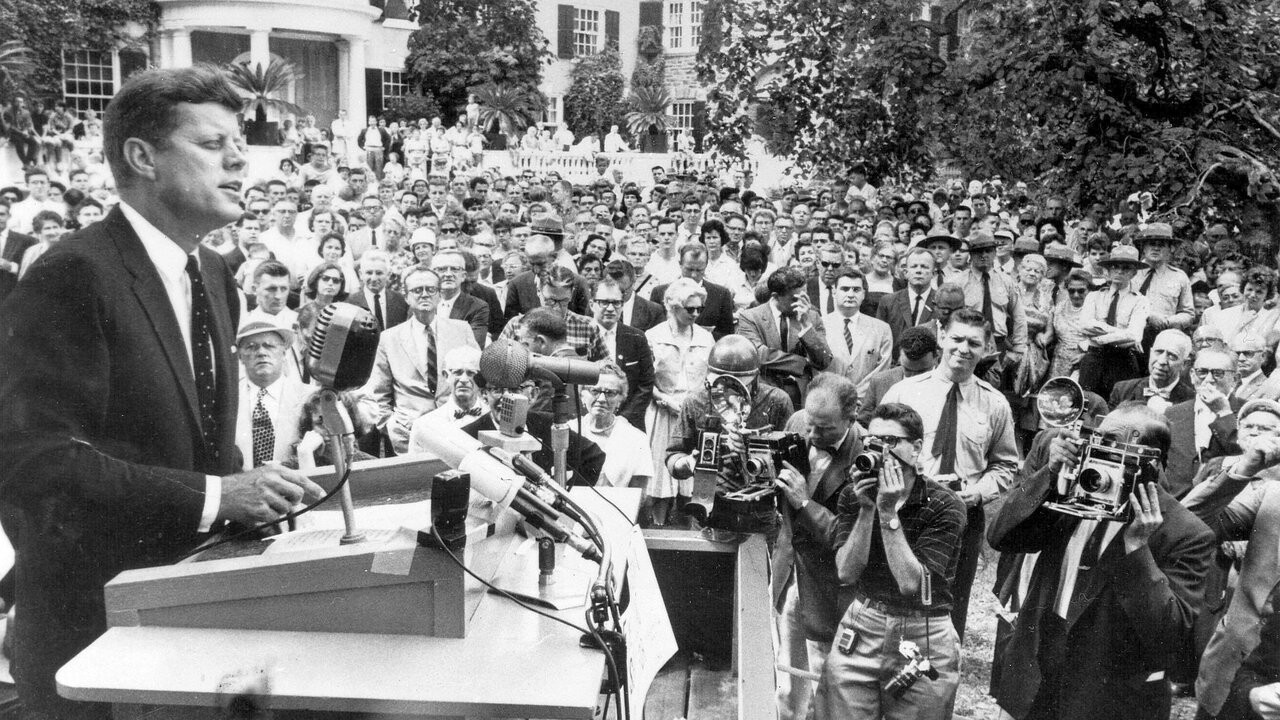
The Library of Congress records that Abraham Lincoln was elected president in 1860 and John F. Kennedy in 1960. Their victories were exactly a century apart, an authentic detail in the familiar comparison. The matching election years are memorable, although the candidates faced very different political systems, national issues, and campaign environments.
Both Assassinations Happened on a Friday
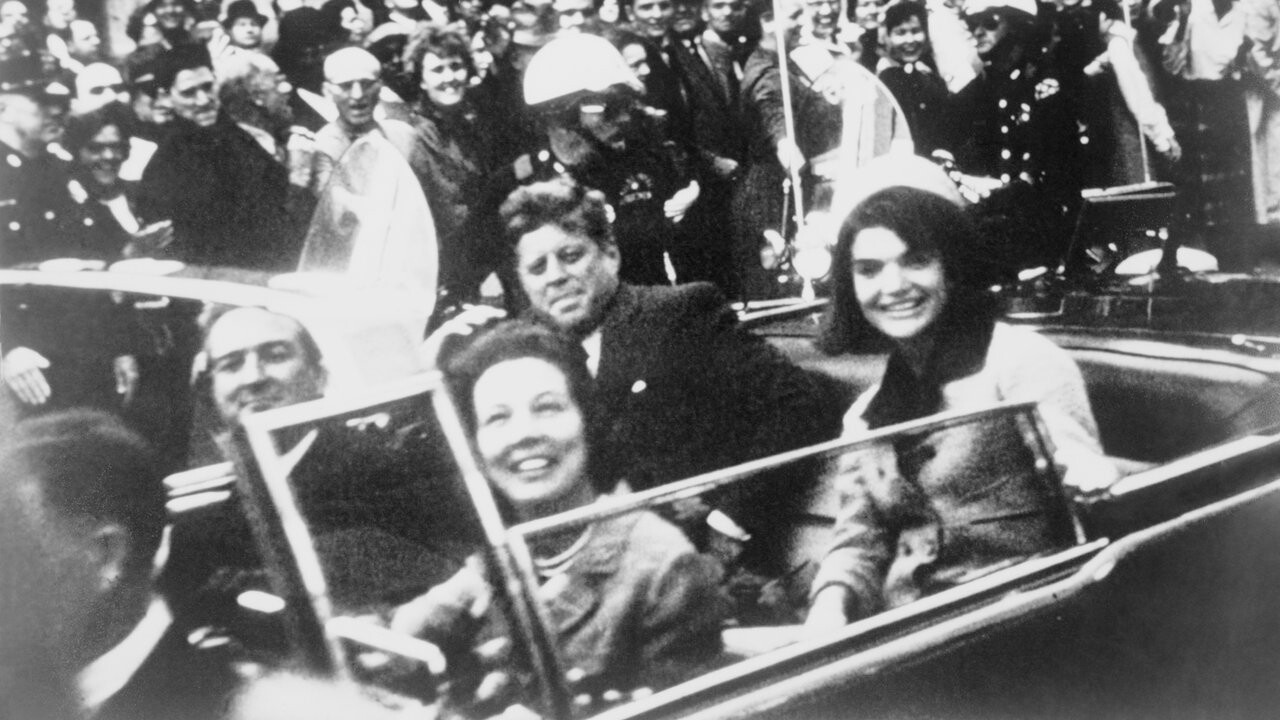
The National Park Service places John Wilkes Booth at Ford’s Theatre on Friday night, April 14, 1865, and says he shot Lincoln there. The Library of Congress records that Kennedy was shot in Dallas on Friday, November 22, 1963. The shared weekday is one of the comparison’s authentic details.
Both First Ladies Witnessed the Attacks
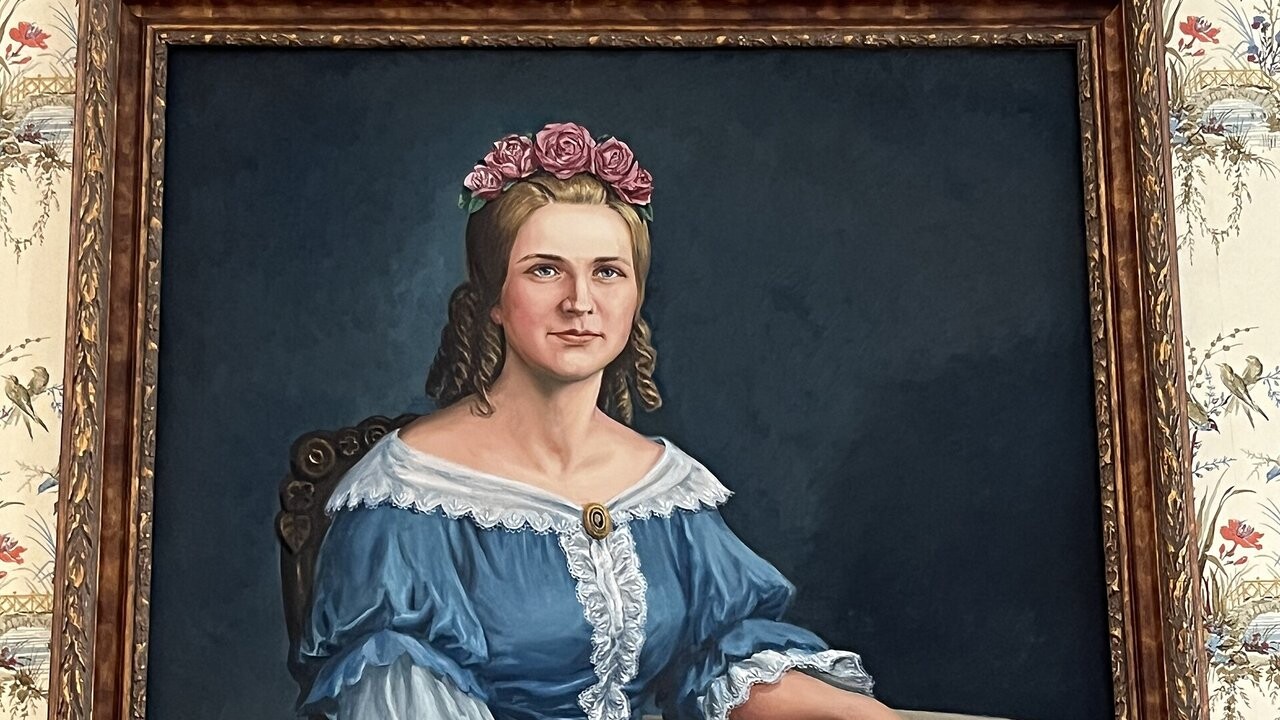
The National Park Service says Mary Lincoln was seated beside her husband at Ford’s Theatre. Records published by the National Archives place Jacqueline Kennedy to the president’s left in the rear seat of the Dallas limousine. Both wives were present during the attacks, although the locations and surrounding circumstances differed completely.
The Presidential Secretary Story Is Only Half Supported
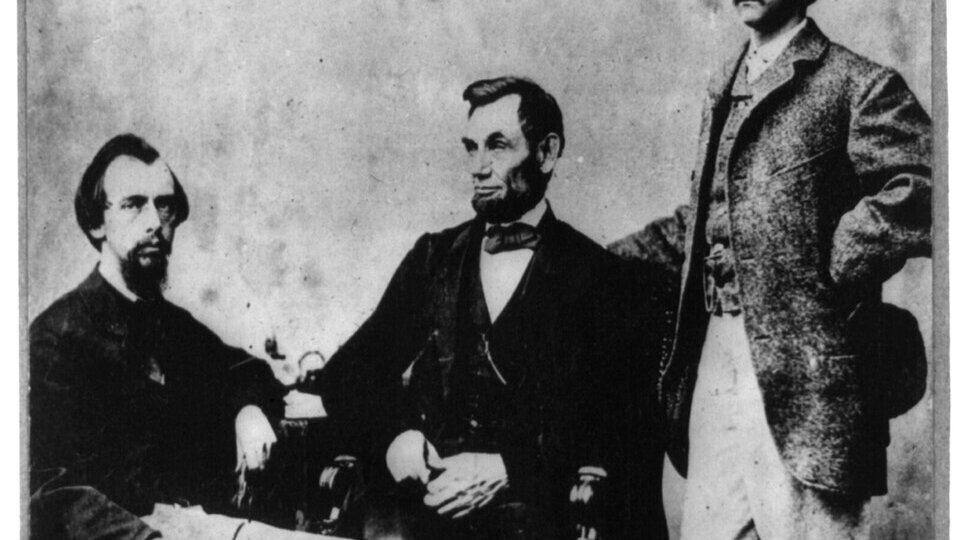
The Kennedy Library identifies Evelyn Lincoln as John F. Kennedy’s personal secretary. Library of Congress material identifies John Nicolay as Abraham Lincoln’s principal secretary and John Hay as another secretary. Those records confirm the Kennedy half of the familiar story, but they do not establish the claimed two-way reversal involving a Lincoln secretary named Kennedy.
The Documented Sites Do Not Form a Reversal
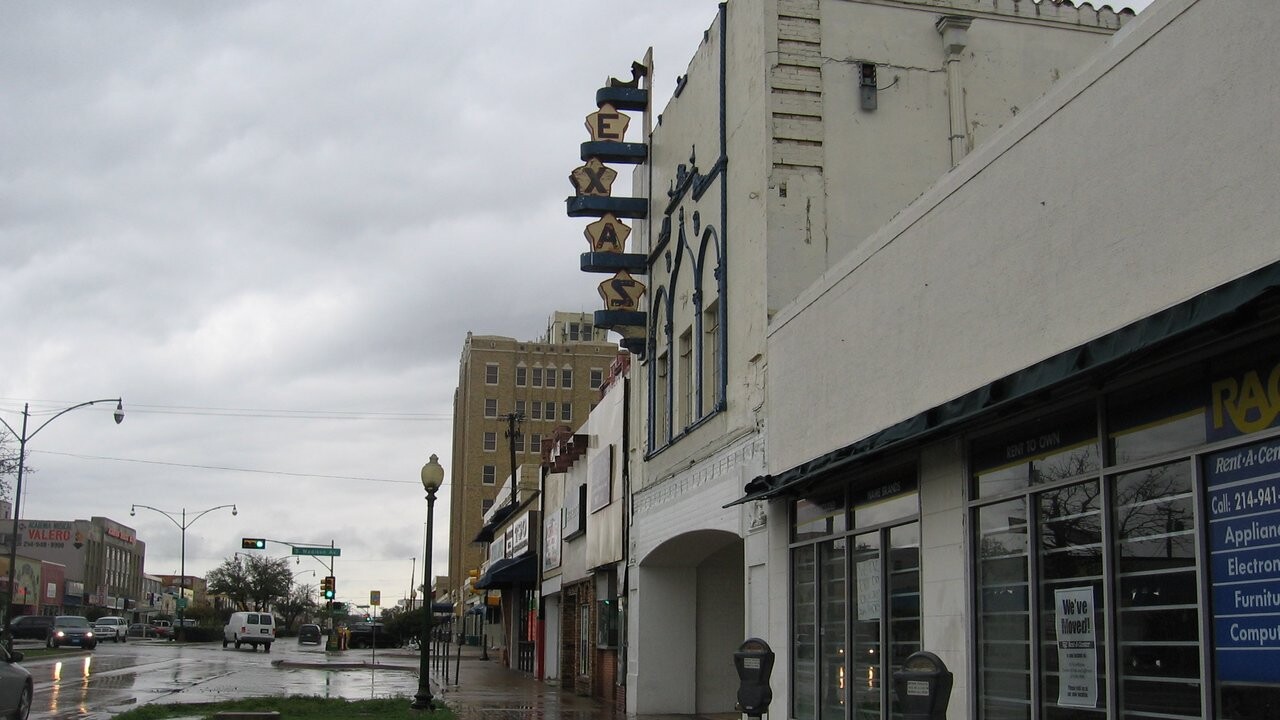
The National Archives records that Lee Harvey Oswald was arrested inside the Texas Theatre. National Park Service accounts say John Wilkes Booth and David Herold hid in a tobacco barn at the Garrett farm. The documented locations are a theater and a barn, not two places that form a neat reciprocal pattern.
The Assassins Were Not Born Exactly 100 Years Apart
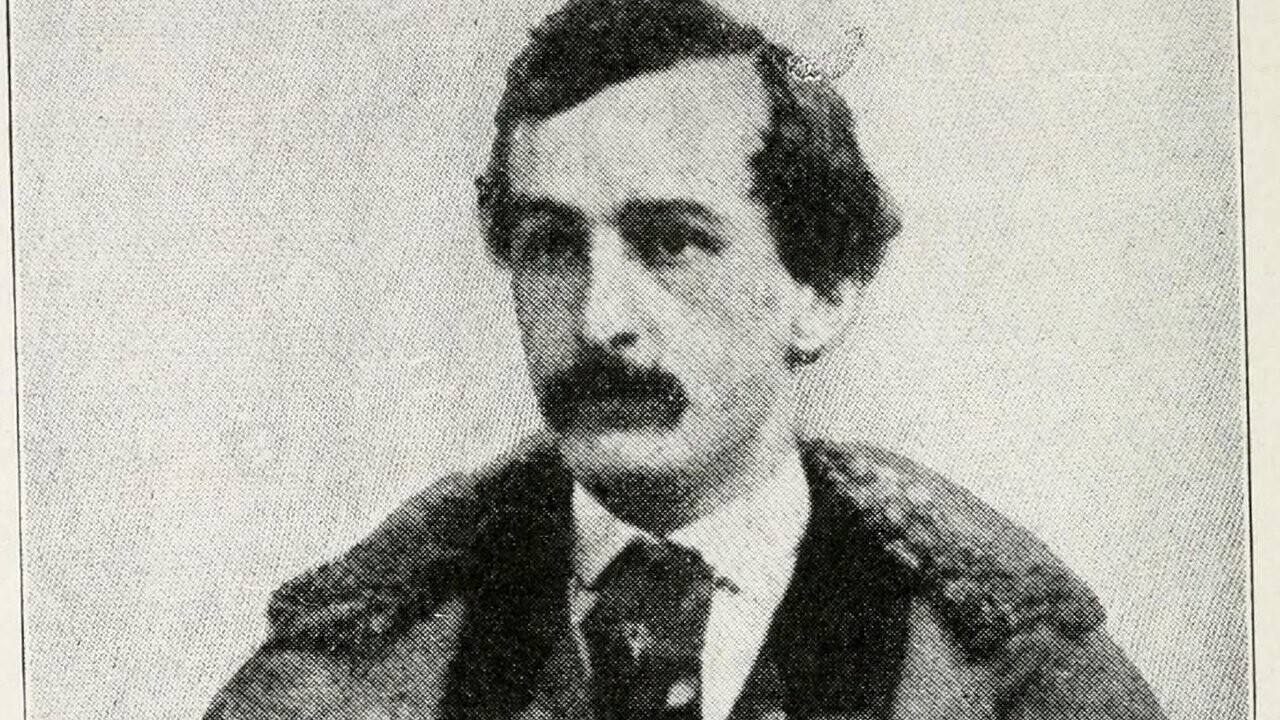
The National Park Service gives John Wilkes Booth’s birth date as May 10, 1838. The National Archives records Lee Harvey Oswald’s as October 18, 1939. Their birth years were therefore 101 years apart, not 100. This part of the famous coincidence list fails a straightforward comparison of the documented dates.

Both Men Died Soon After the Attacks
National Park Service records say Booth was shot during the confrontation at the Garrett farm and died on April 26, 1865. The National Archives records that Jack Ruby fatally shot Oswald on November 24, 1963. The two men died under sharply different circumstances, despite their parallel places in presidential-assassination history.
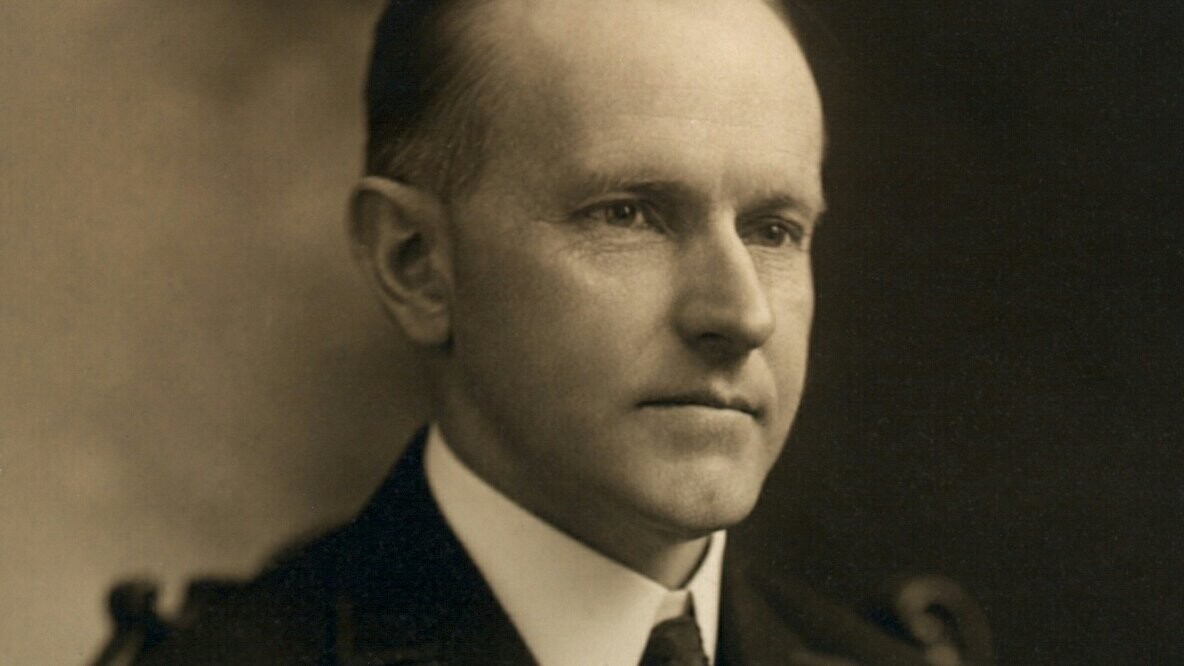
1872: Coolidge Is Born on the Fourth of July
The National Park Service records that Calvin Coolidge was born in Plymouth Notch, Vermont, on July 4, 1872. His birthday adds another presidential connection to the date already shared by the deaths of Adams, Jefferson, and Monroe. Together, these events give Independence Day an unusual place in presidential chronology.
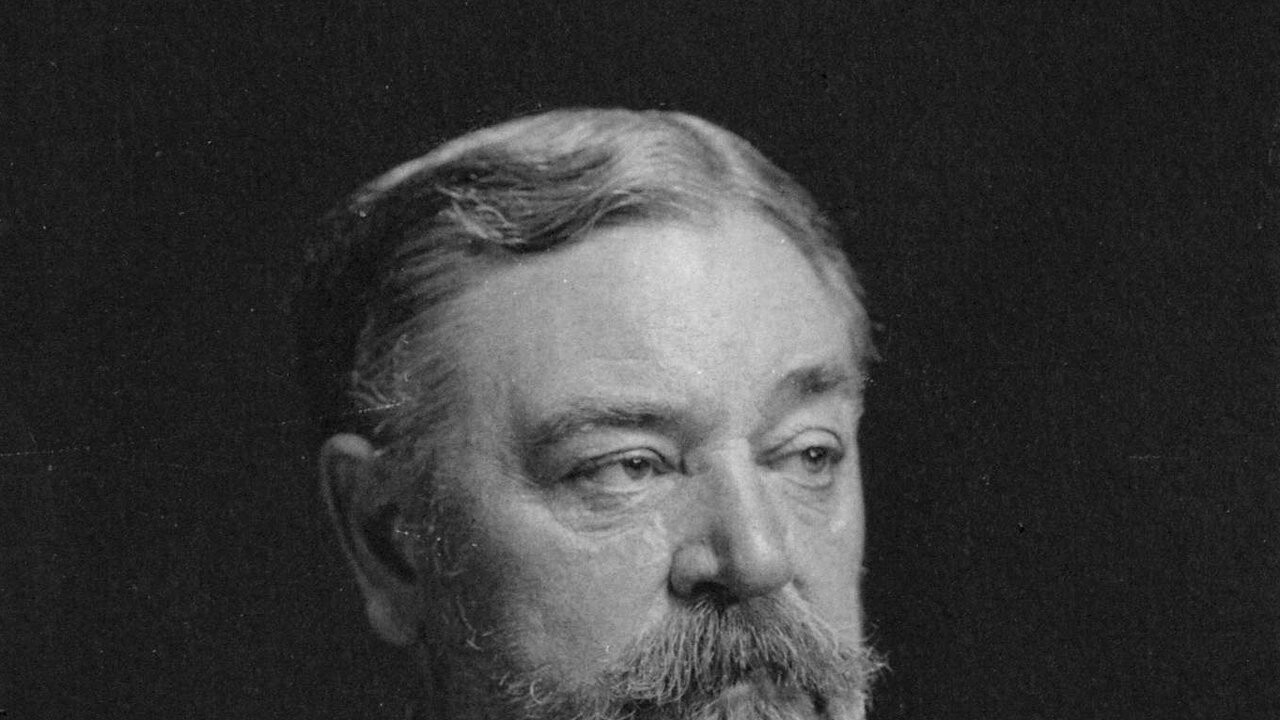
1881: Robert Lincoln Is Near the Garfield Shooting
The National Park Service says Secretary of War Robert Todd Lincoln was about 40 feet away and walking toward President James Garfield when Charles Guiteau shot Garfield on July 2, 1881. Lincoln then sent for a doctor and ordered soldiers to secure the train station.
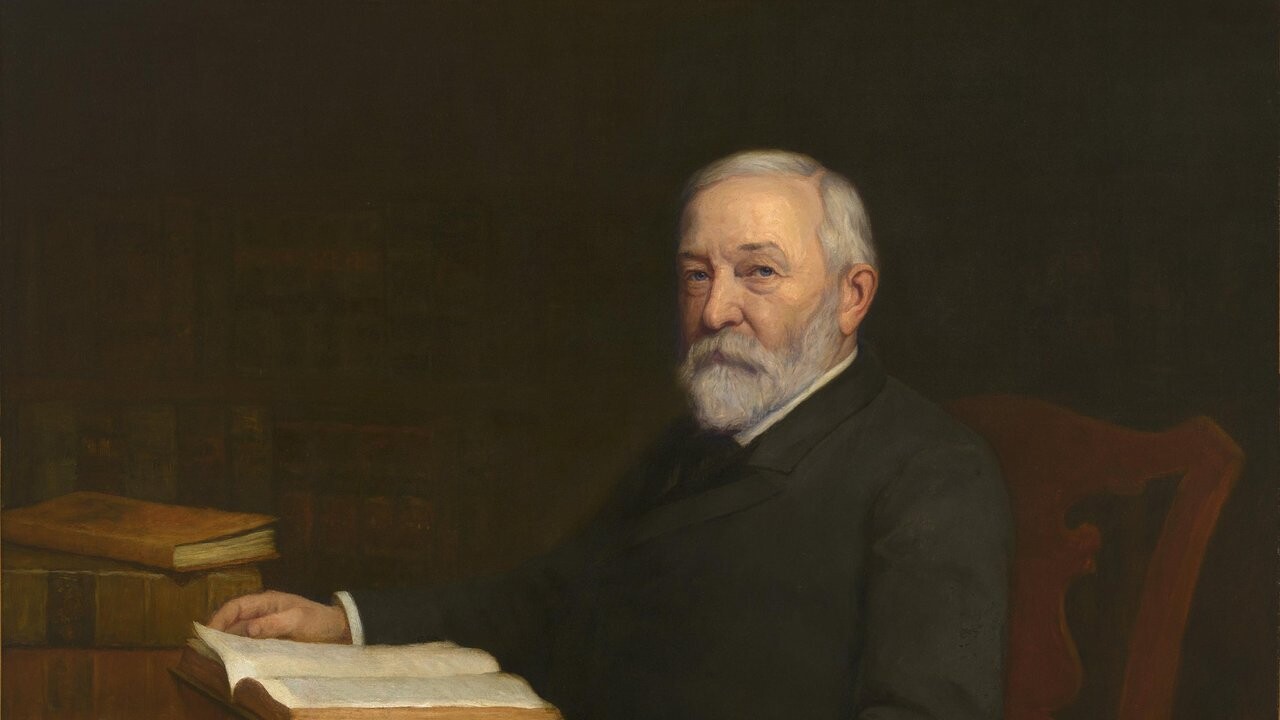
1889: A President’s Grandson Reaches the White House
The Library of Congress records that William Henry Harrison was elected president in 1840. Forty-nine years later, his grandson Benjamin Harrison won the White House. The documented relationship makes their presidencies a striking family connection, while the interval places the two victories in very different political generations.
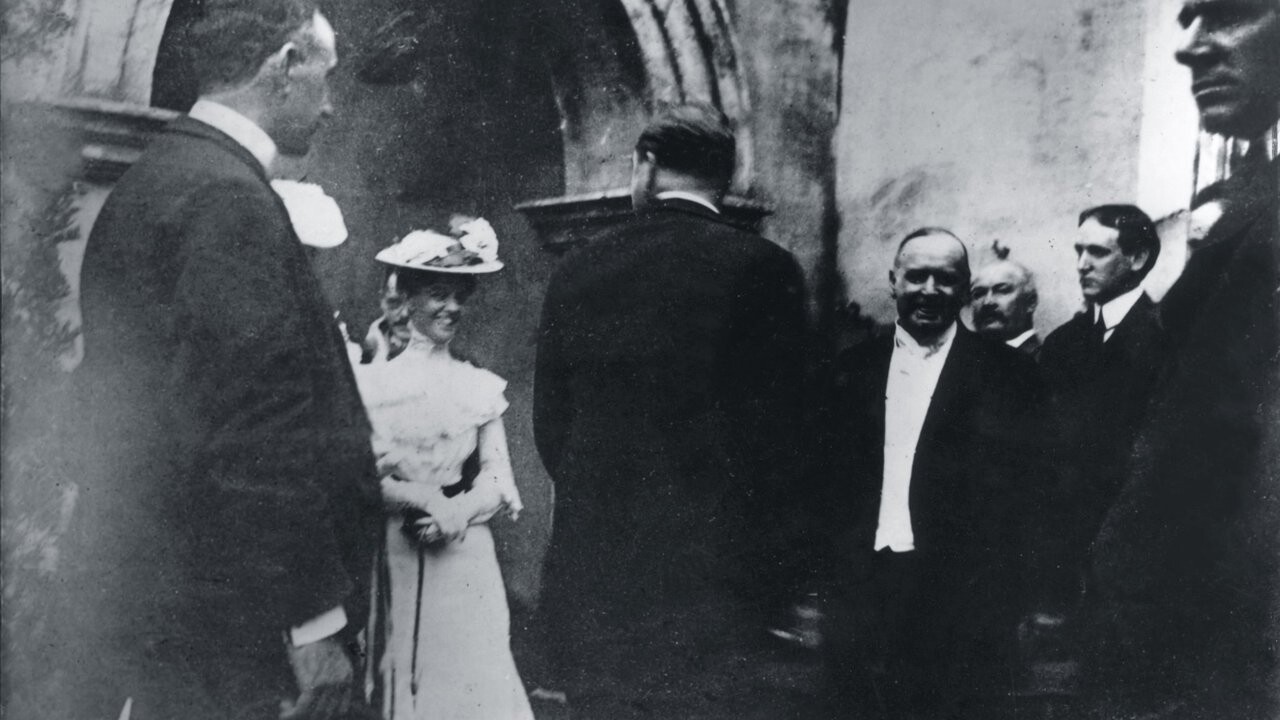
1901: Robert Lincoln Arrives as McKinley Is Shot
The National Archives says Robert Lincoln’s train was pulling into Buffalo when President William McKinley was shot. The National Park Service records that Lincoln later visited the wounded president. It also cautions that stories placing Robert at three presidential attacks are untrue: his proximity differed in each case and did not always mean direct presence.
1981: Reagan Survives, and the Pattern Ends
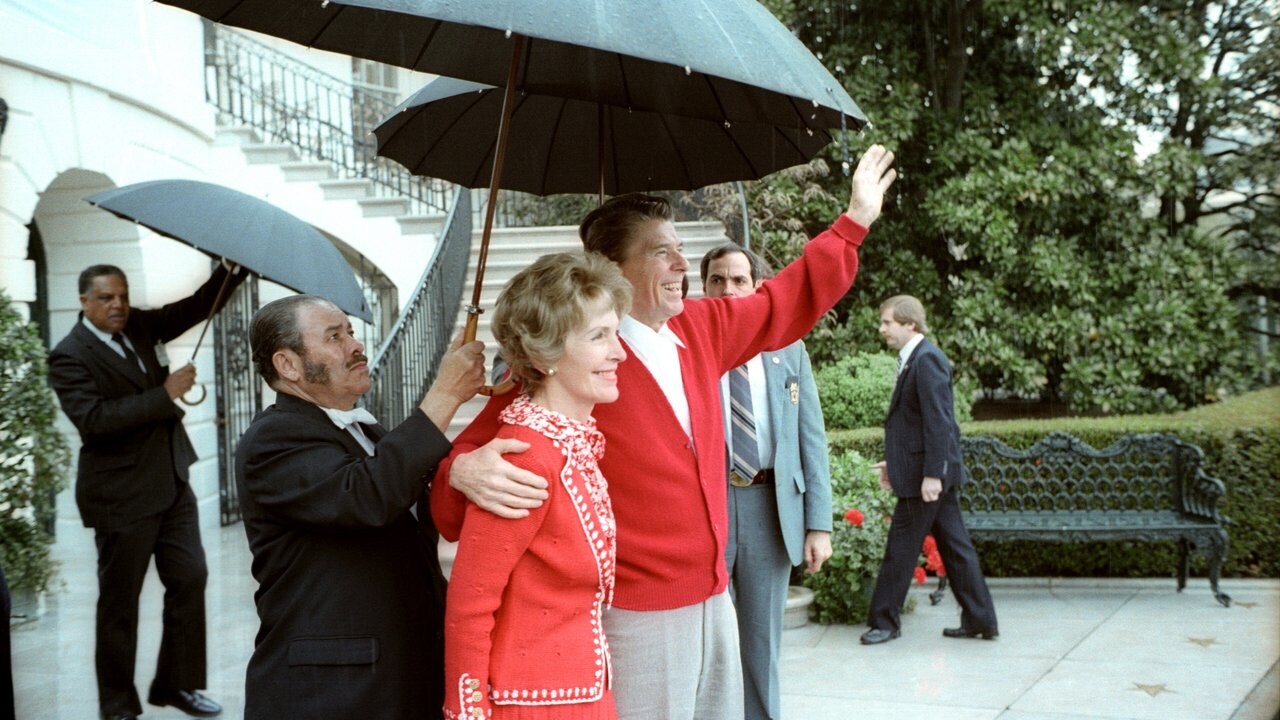
Ronald Reagan survived an attempt on his life on March 30, 1981, and completed two full terms, according to the National Archives. His survival ended the sequence involving presidents elected in zero-ending years. George W. Bush, elected in 2000, also completed two terms, further weakening the folklore surrounding the supposed curse.
A Second Father-Son Pair Reaches the White House
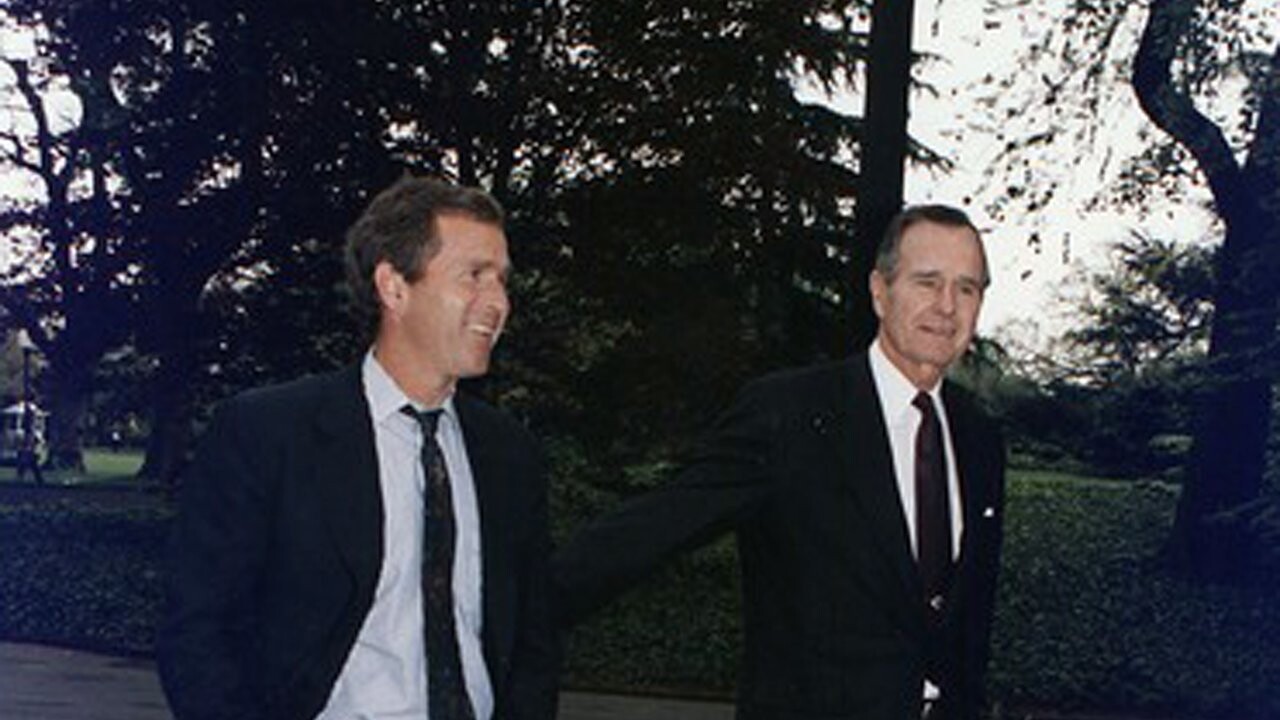
In an archived White House exchange, George W. Bush identified his father as the 41st president and himself as the 43rd. He also named John Adams and John Quincy Adams as the earlier father-son example. The exchange confirms that the Bushes formed the second such presidential pairing after the Adams family.
2025: Nonconsecutive Terms Happen Again
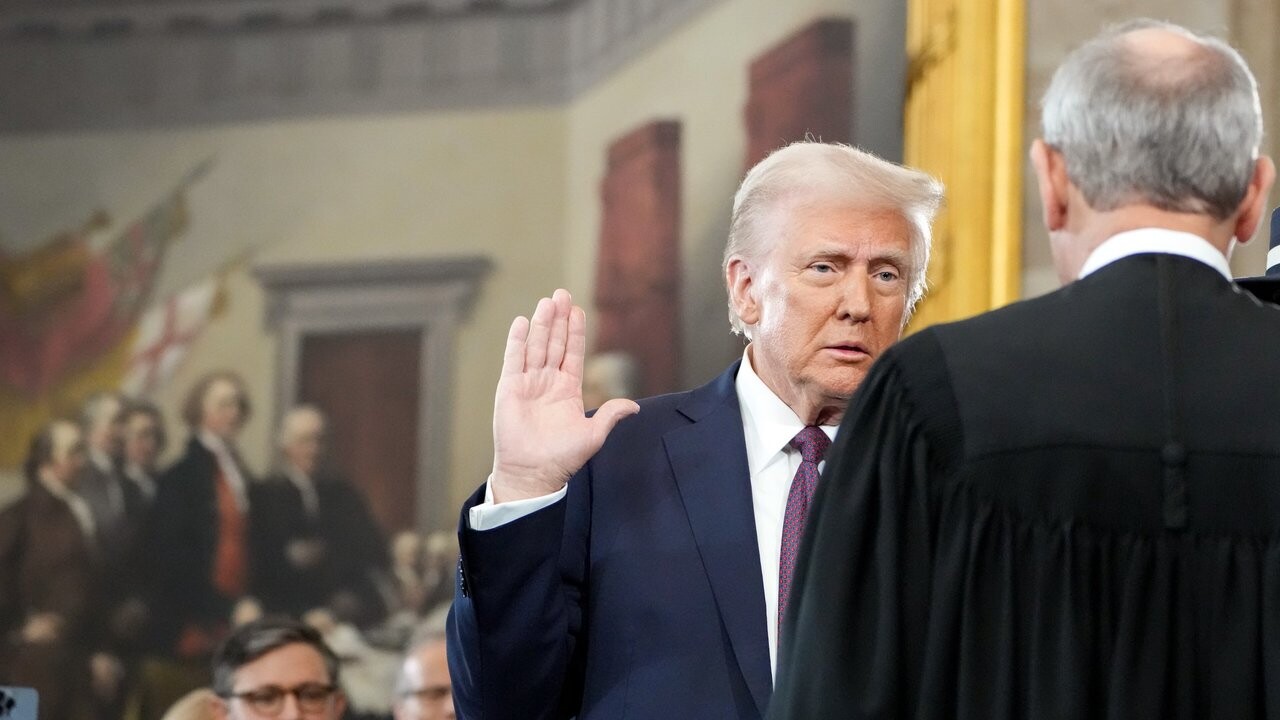
The Library of Congress identifies Grover Cleveland as the first president to serve nonconsecutive terms, from 1885 to 1889 and from 1893 to 1897. The White House records that Donald Trump began his second nonconsecutive term on January 20, 2025, becoming the first president in 132 years to make that return.
The confirmed coincidences are remarkable enough without polishing them into folklore. Which of these historical parallels surprised you most?
Follow The HyperHive on MSN for more stories like this.
Sources:






