Famous Rivals in History Who Couldn’t Stand Each Other

Associated Press / Wikimedia Commons, Public domain (cropped)
History’s fiercest rivalries rarely fit a simple grudge. Some opponents openly loathed one another, while others mixed admiration with resentment, dependence, and competition.
The slides move from early modern artists to the modern boxing ring in chronological order.
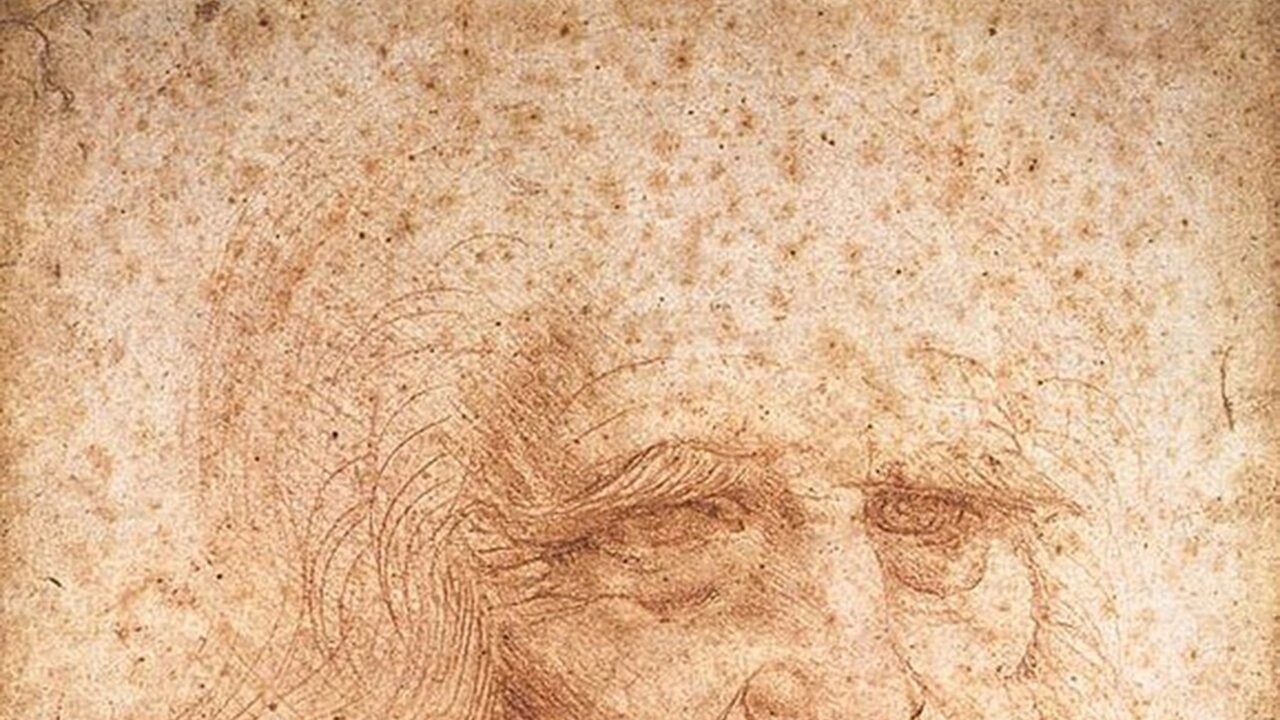
Leonardo and Michelangelo Turn Art Into a Duel
Leonardo da Vinci and Michelangelo Buonarroti did more than compete for commissions. The National Gallery says a deep animosity developed between them as each studied, challenged, and rejected parts of the other’s example. Their clash shows how admiration and irritation can occupy the same studio-sized space.
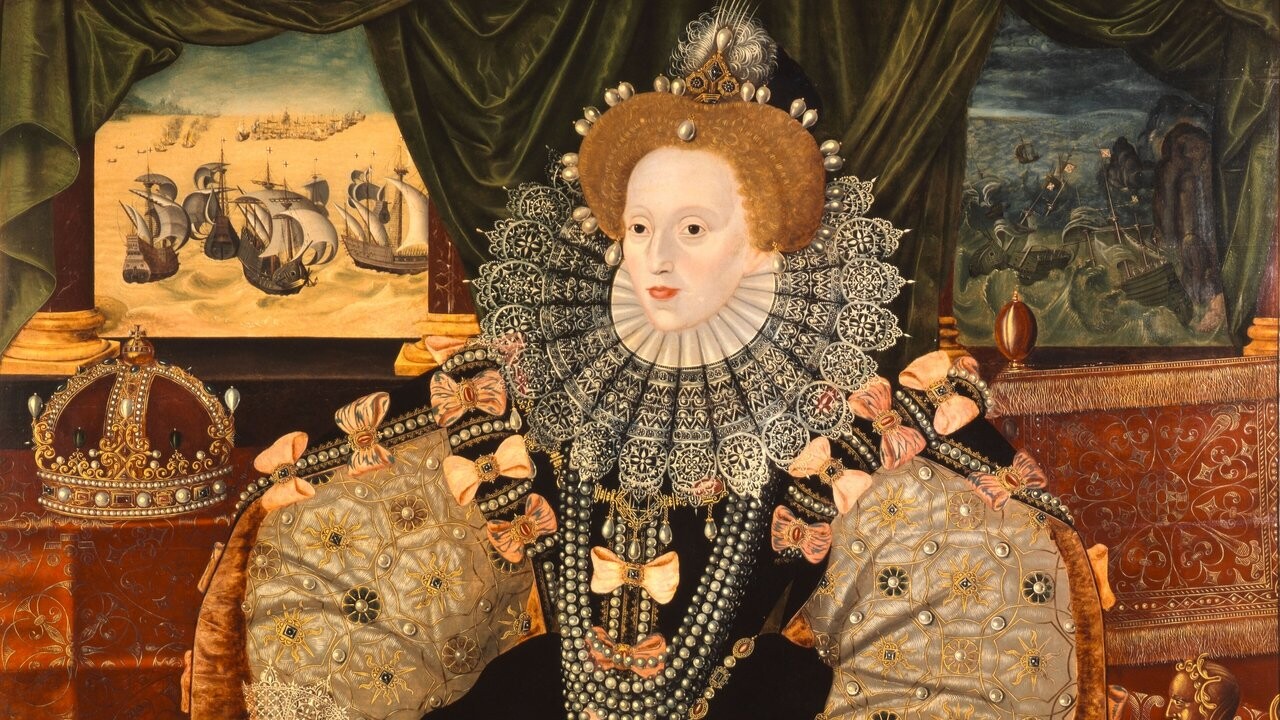
Elizabeth and Mary Become Rival Queens
Elizabeth I and Mary, Queen of Scots, were royal cousins whose claims, faiths, and supporters placed them in a dangerous contest. Britain’s National Archives calls Mary the deadliest of Elizabeth’s rival claimants and says she remained a thorn in the English queen’s side for almost three decades.
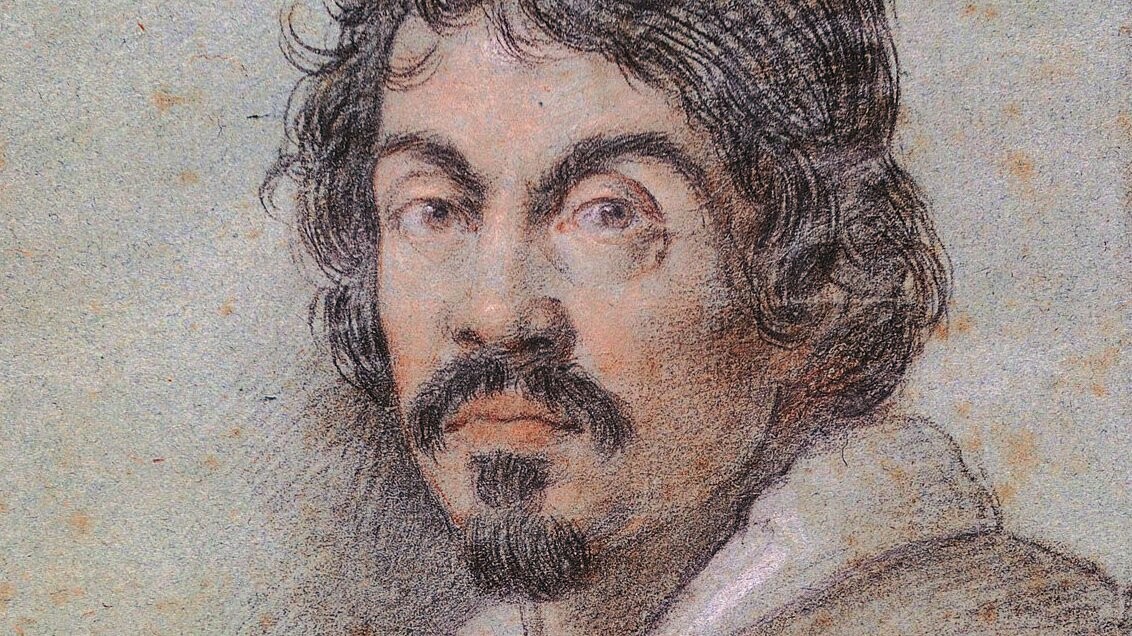
Caravaggio and Baglione Go to Court
Caravaggio and Giovanni Baglione moved from imitation to open hostility. The National Gallery notes that Baglione first emulated Caravaggio, then became his rival, and that their conflict ended in a bitter court battle. In their case, artistic competition did not stay safely on the canvas.
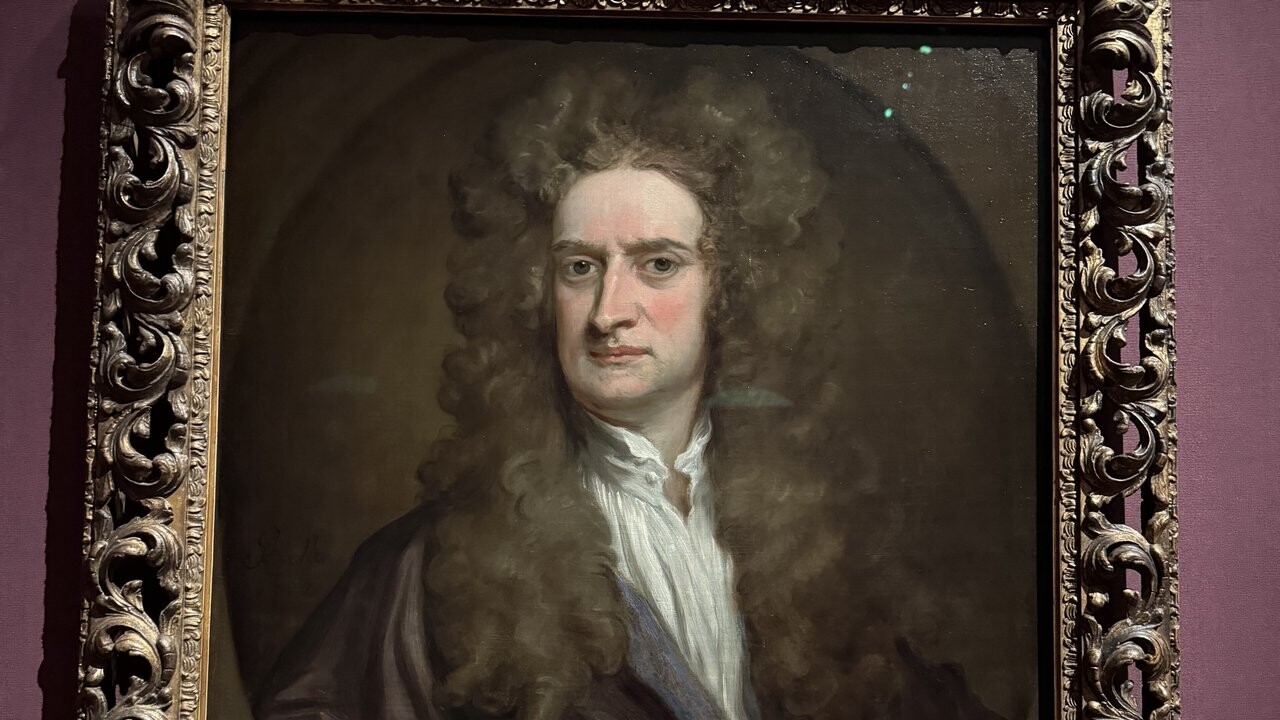
Newton and Hooke Fight Over Credit
Isaac Newton and Robert Hooke clashed over recognition for scientific ideas. The Royal Society says their relations turned sour amid controversy over Hooke’s contributions to Newton’s theory of gravity. This was not a tidy disagreement between detached thinkers; recognition and priority became deeply personal.
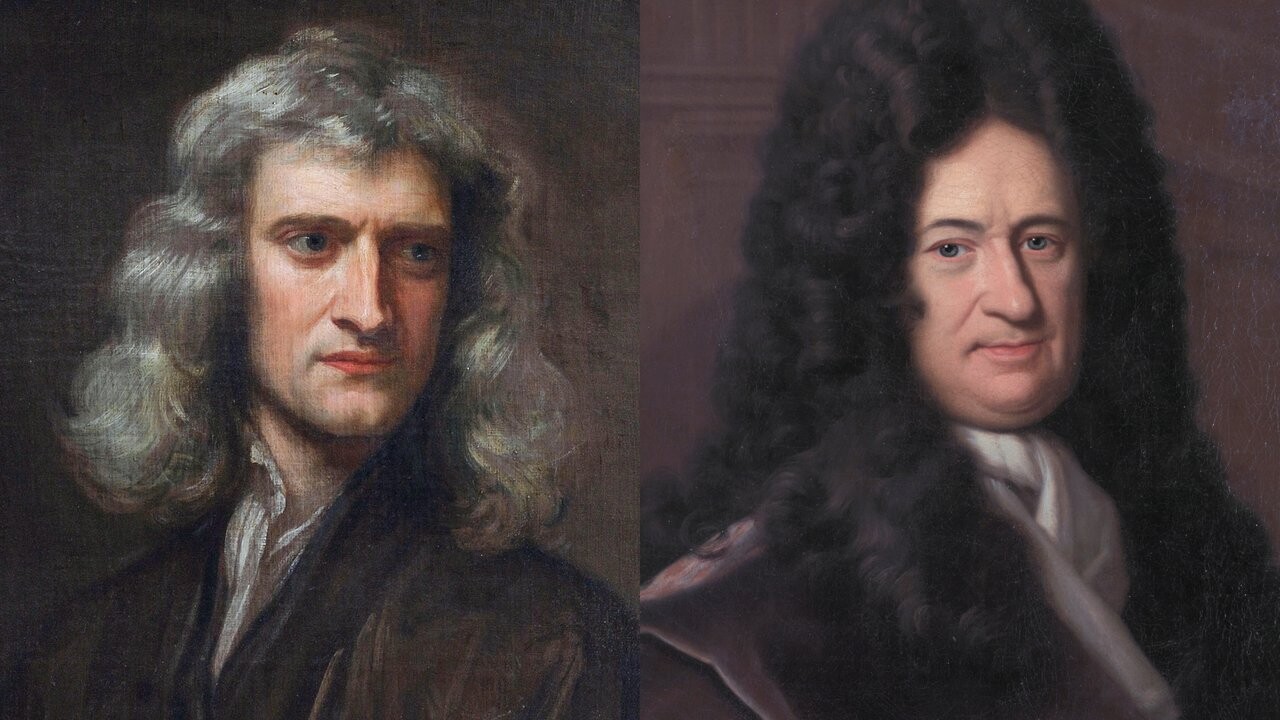
Newton and Leibniz Wage the Calculus War
Isaac Newton and Gottfried Wilhelm Leibniz were drawn into an increasingly bitter, personal dispute over calculus. Oxford’s Newton Project says both sides often fought through allies or anonymous publications. The mathematics was profound, but the campaign for priority resembled a long, bruising public feud.
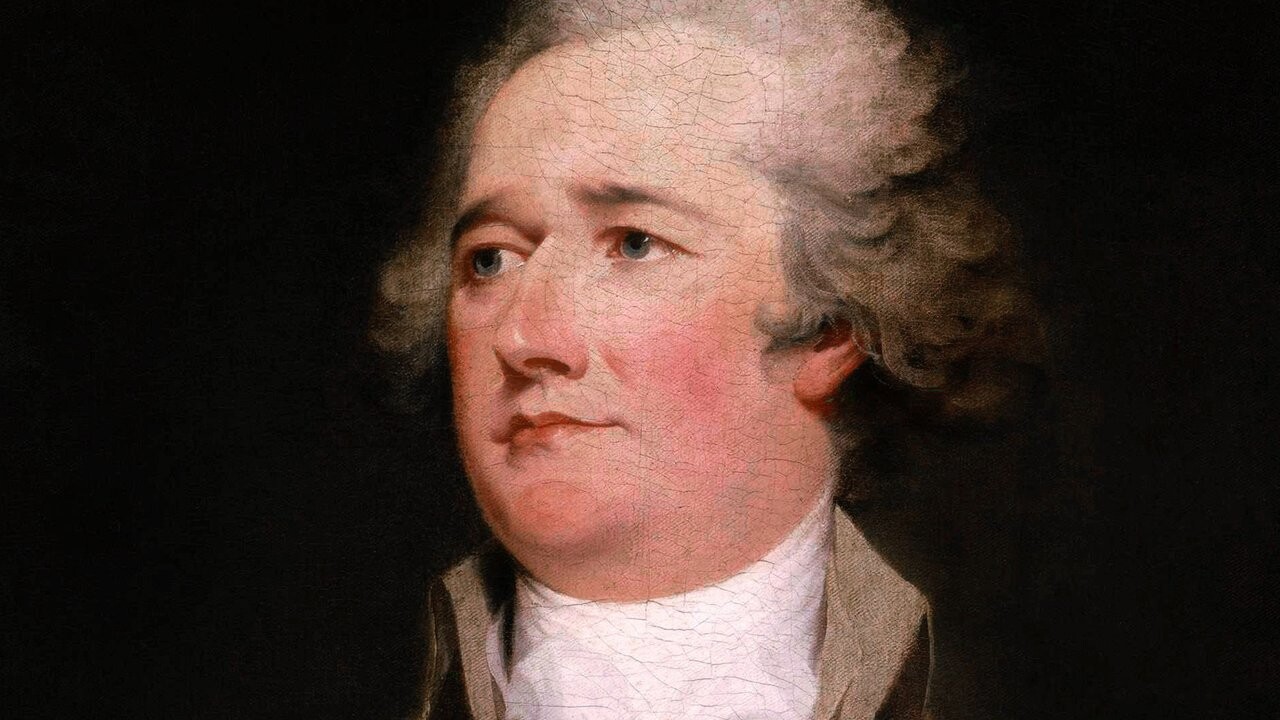
Hamilton and Burr Turn Politics Personal
Alexander Hamilton and Aaron Burr spent years in overlapping legal and political circles, but competition hardened into open opposition. The National Park Service records repeated efforts by Hamilton to block Burr from office, followed by insults, letters, and the duel that made their rivalry infamous.
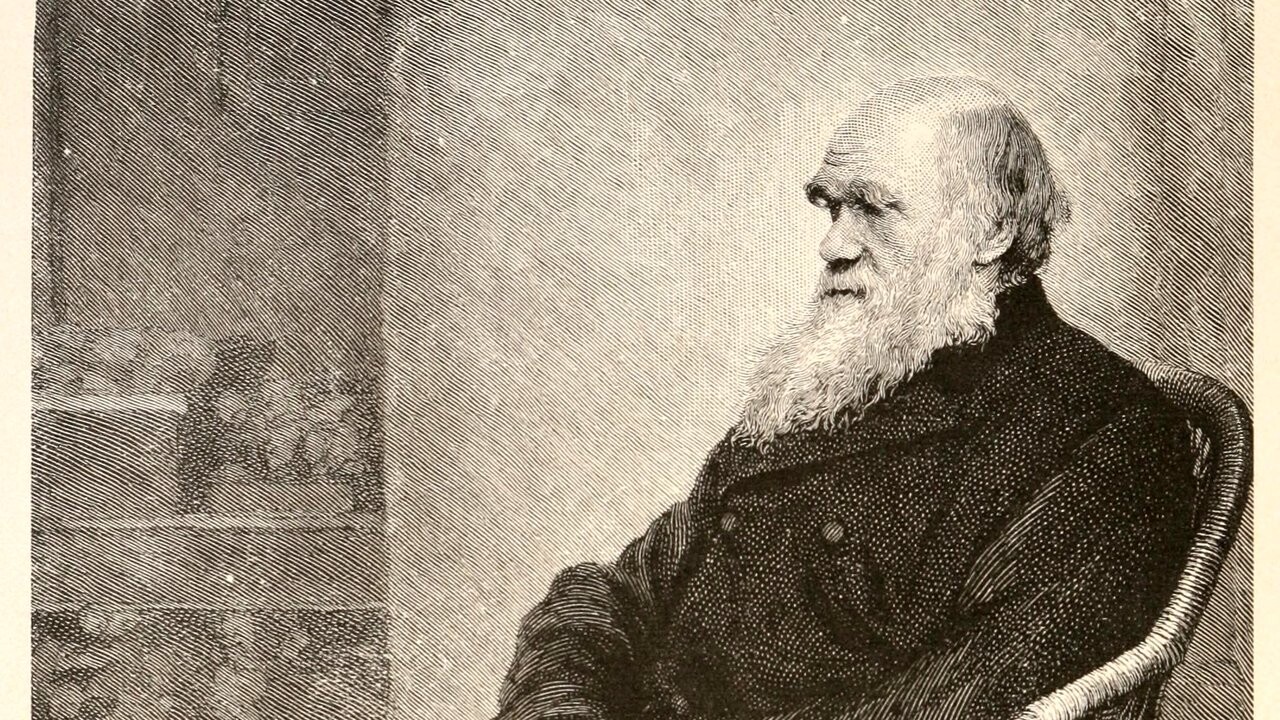
Darwin and Owen Split Over Evolution
Charles Darwin and Richard Owen once exchanged work and professional courtesies, but theory drove them apart. The Natural History Museum says Owen became known for his strong opposition to Darwin’s theory of natural selection. Their quarrel turned a scientific argument into a struggle over authority, evidence, and biology’s future.
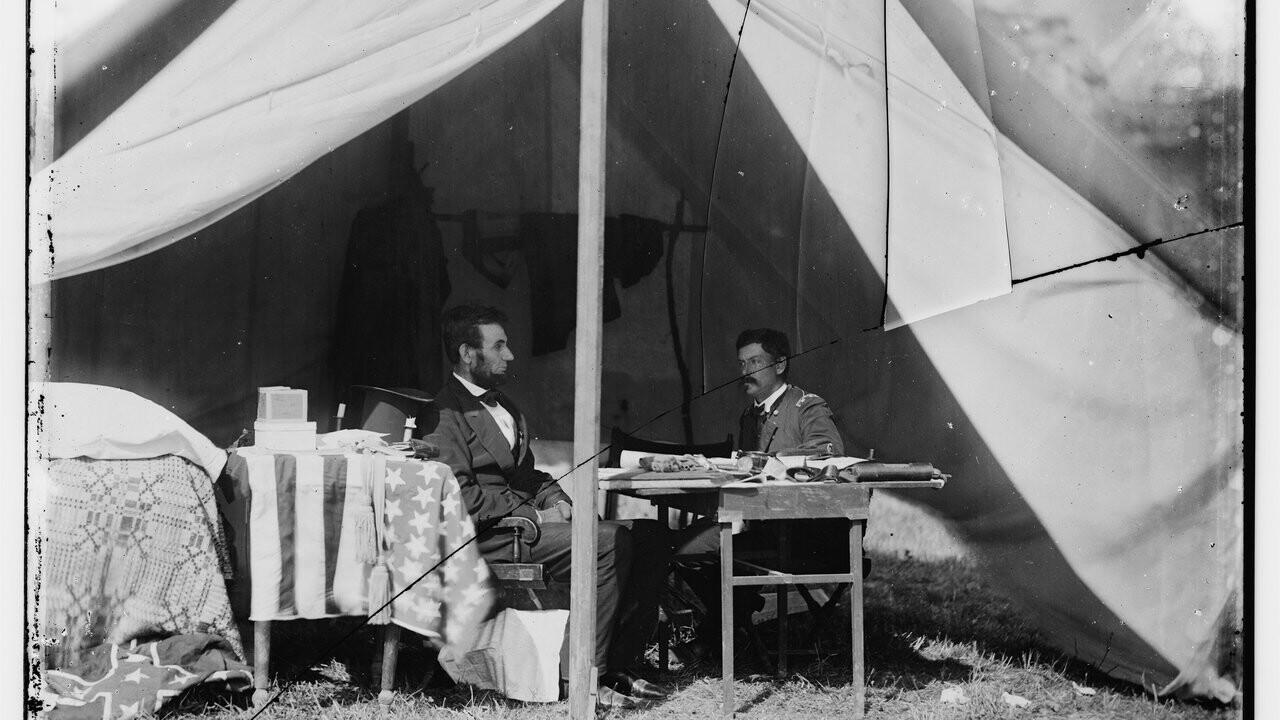
Lincoln and McClellan Clash Over Command
Abraham Lincoln and George B. McClellan disagreed about what Union armies should do and how quickly they should move. The Library of Congress records Lincoln’s concern about McClellan’s slow pace and describes their plans as distinct and different. Their strained relationship became a defining clash of wartime judgment.
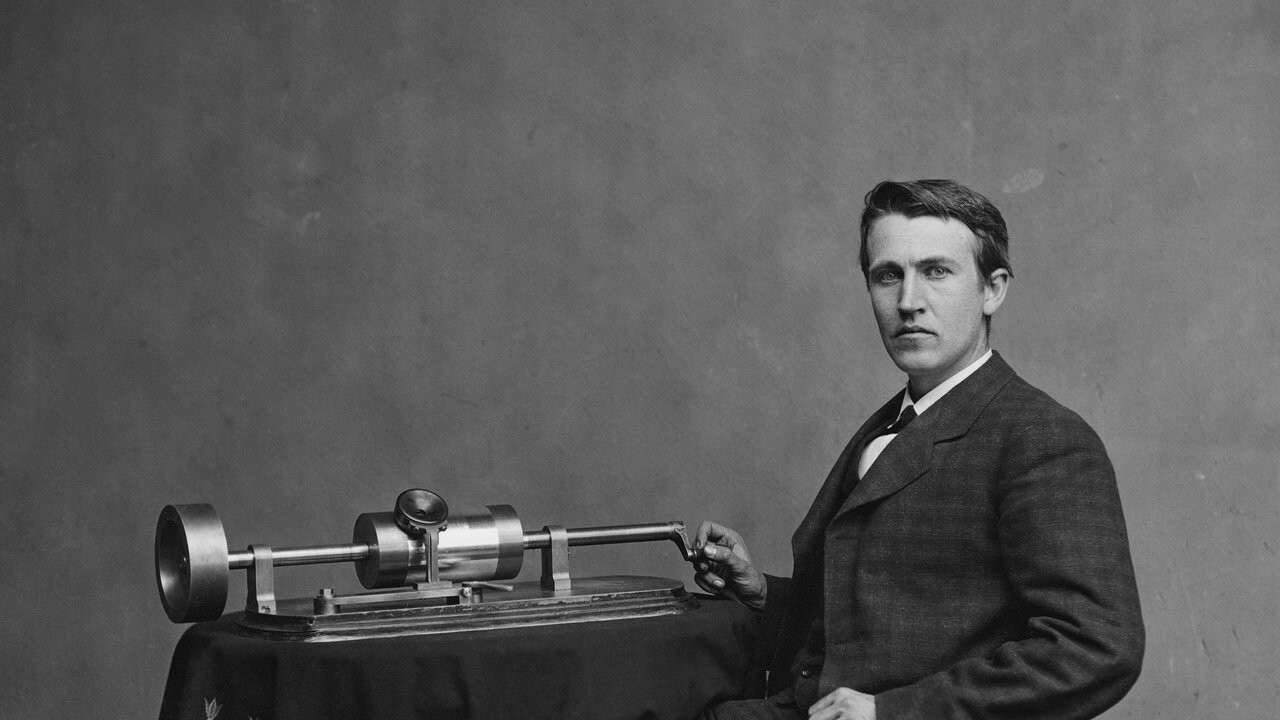
Edison and Tesla Battle Over Electricity
Thomas Edison and Nikola Tesla became famous faces of competing electrical systems, though George Westinghouse was central to the business fight. The Library of Congress says Edison fought the War of the Currents against both men to prove his system was better. Technical choices became part of a public campaign.
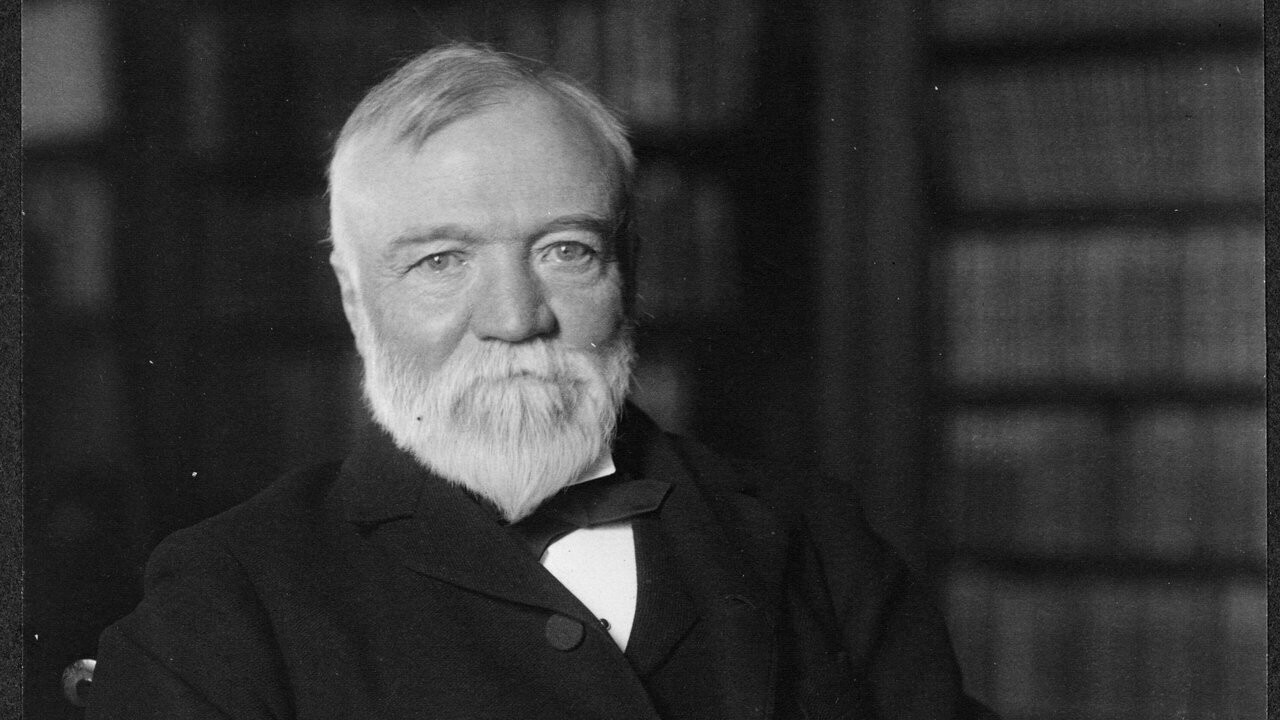
Carnegie and Frick Break Their Partnership
Andrew Carnegie and Henry Clay Frick built a powerful business relationship before it fractured. The National Park Service says they became embroiled in a dispute serious enough to threaten their partnership. Their story shows how allies at the top can become fierce opponents when control, policy, and reputation collide.
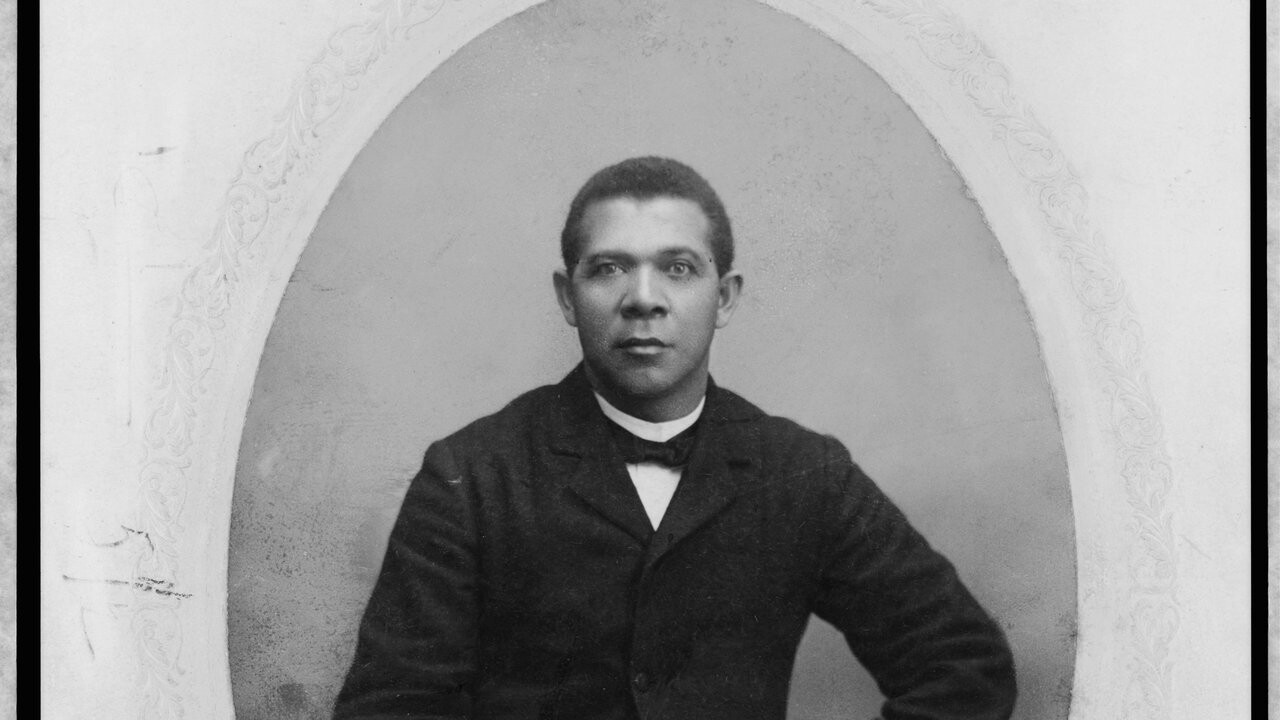
Washington and Du Bois Debate the Path Forward
Booker T. Washington and W. E. B. Du Bois shared a commitment to Black advancement but disputed strategy. The National Park Service describes Du Bois as one of Washington’s most constant and vocal critics. Their contest over education, civil rights, and political pressure shaped a major debate in American public life.
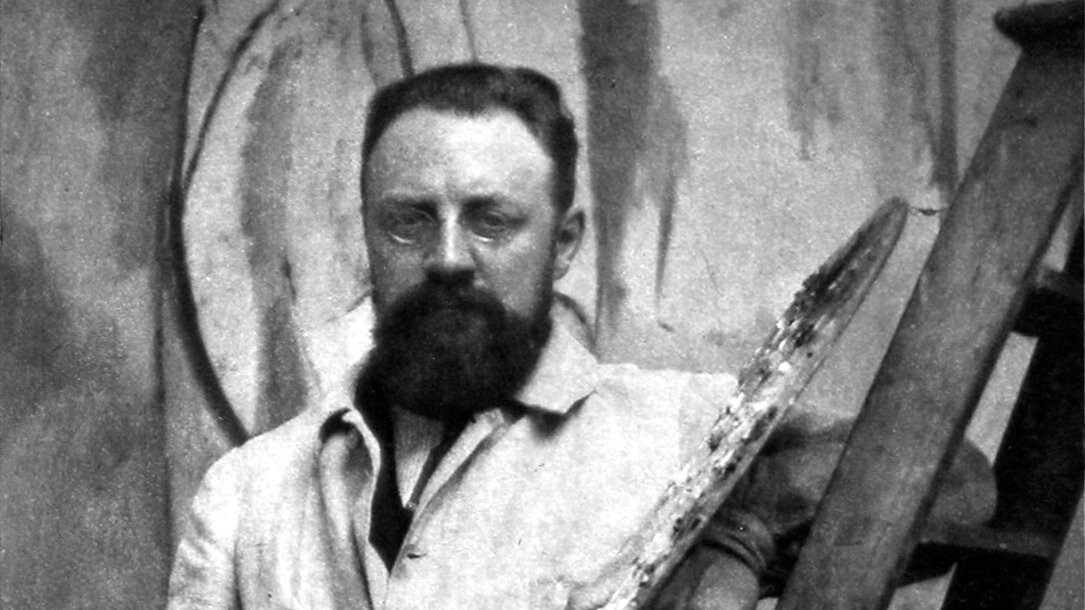
Matisse and Picasso Watch Each Other Closely
Henri Matisse and Pablo Picasso watched each other’s work with unusual intensity. The Museum of Modern Art describes them as creative rivals for decades, each pushing the other in unexpected directions. Their relationship complicates the idea of hatred: close attention can be both a compliment and a competitive weapon.
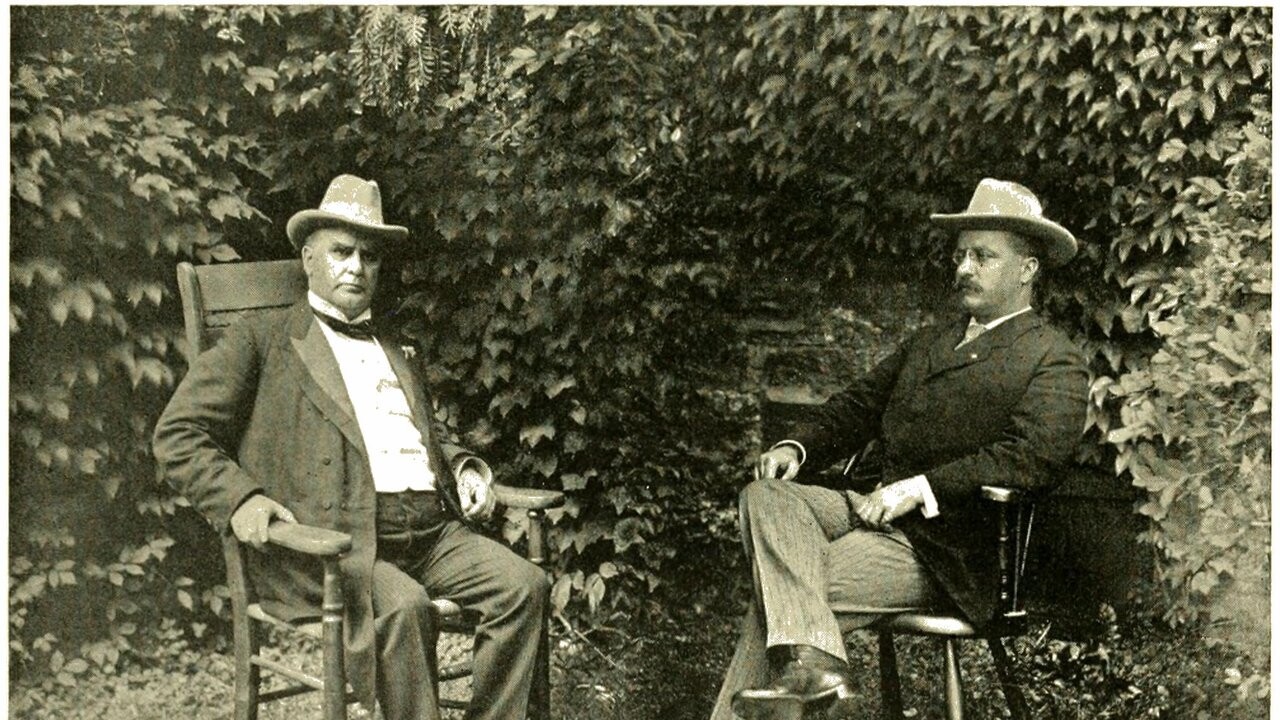
Roosevelt and Taft Trade Loyalty for Insults
Theodore Roosevelt and William Howard Taft moved from close friendship to public rupture. The Theodore Roosevelt Center says Roosevelt challenged Taft for the nomination, their relationship deteriorated, and both men traded personal and political insults. They eventually reconciled, but the campaign exposed how quickly succession could turn loyalty into resentment.
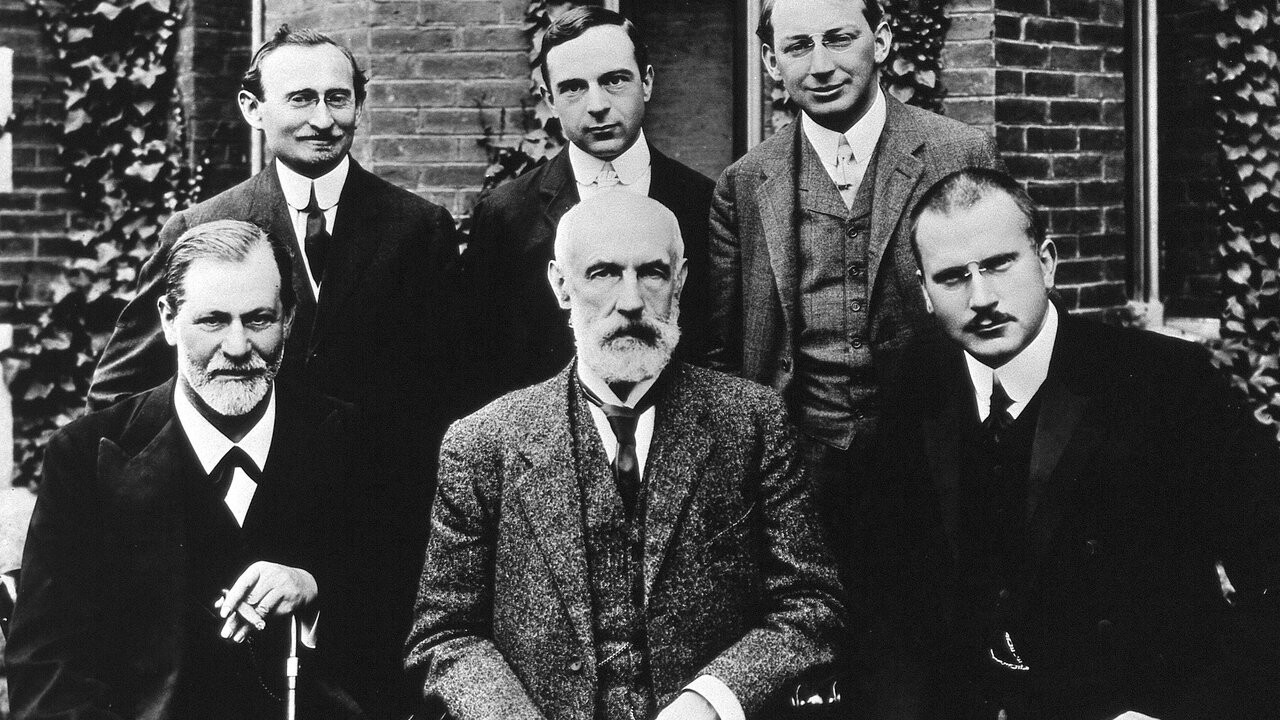
Freud and Jung End Their Friendship
Sigmund Freud and Carl Jung began as close collaborators, with Jung widely viewed as a likely successor. The Library of Congress says theoretical disagreements soured their relationship until Freud effectively severed it. Their breakup divided schools of thought while turning professional criticism into a deeply personal exchange.
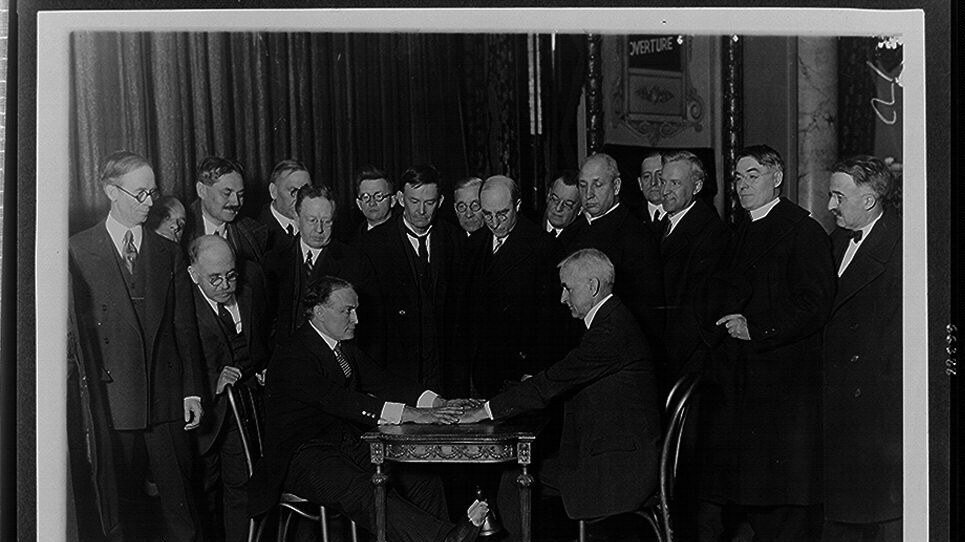
Houdini and Conan Doyle Feud Over Spirits
Harry Houdini and Arthur Conan Doyle were friends divided by spiritualism. Houdini denounced mediums and spirit photography, while Doyle defended supernatural claims. The Library of Congress records that their disagreement became a public newspaper feud, a striking case of two famous men reaching opposite conclusions about what counted as proof.
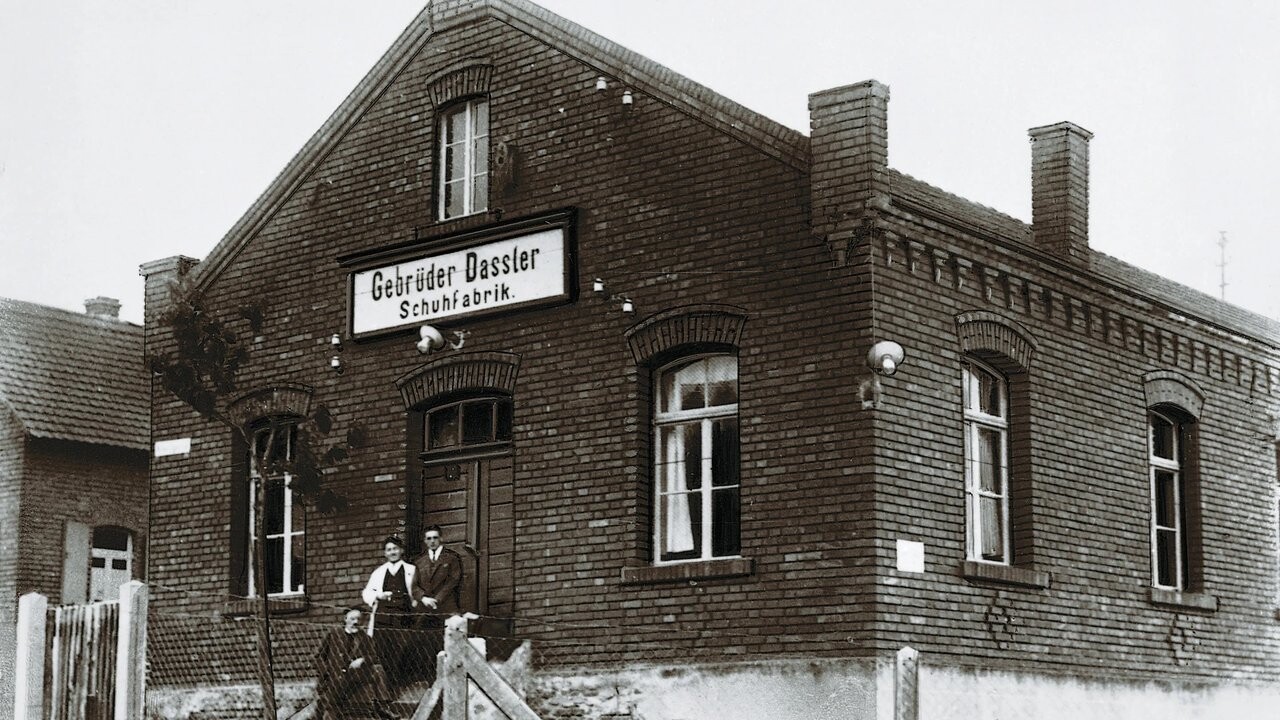
The Dassler Brothers Build Rival Empires
Adolf “Adi” Dassler and Rudolf Dassler turned a family rupture into a corporate rivalry. The Adi and Käthe Dassler Memorial Foundation says hostile letters irreparably damaged their relationship and that the brothers never spoke after their bitter separation. Their competing companies, Adidas and Puma, carried the feud into global sports.
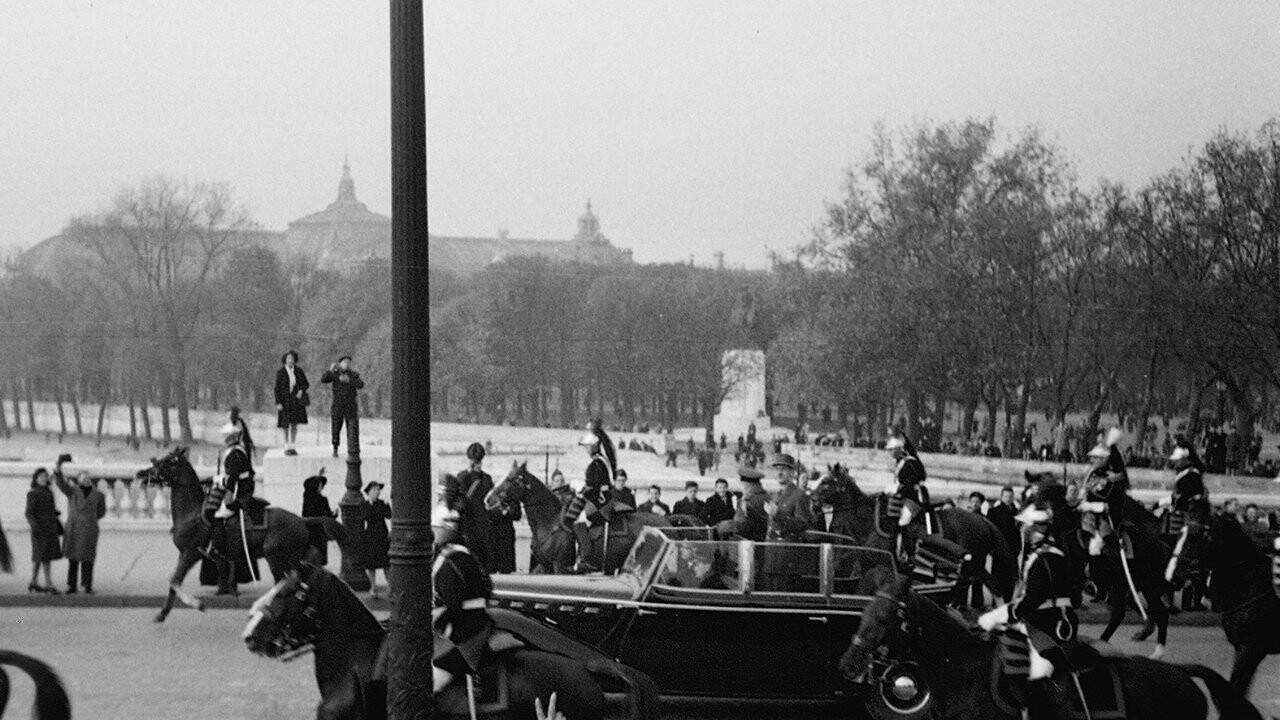
Churchill and de Gaulle Strain an Alliance
Winston Churchill and Charles de Gaulle needed each other during the war but repeatedly strained their alliance. The Library of Congress says Churchill often found the Free French leader difficult to work with, although de Gaulle admired him. Their friction shows how allies can share a cause yet collide over authority and national pride.
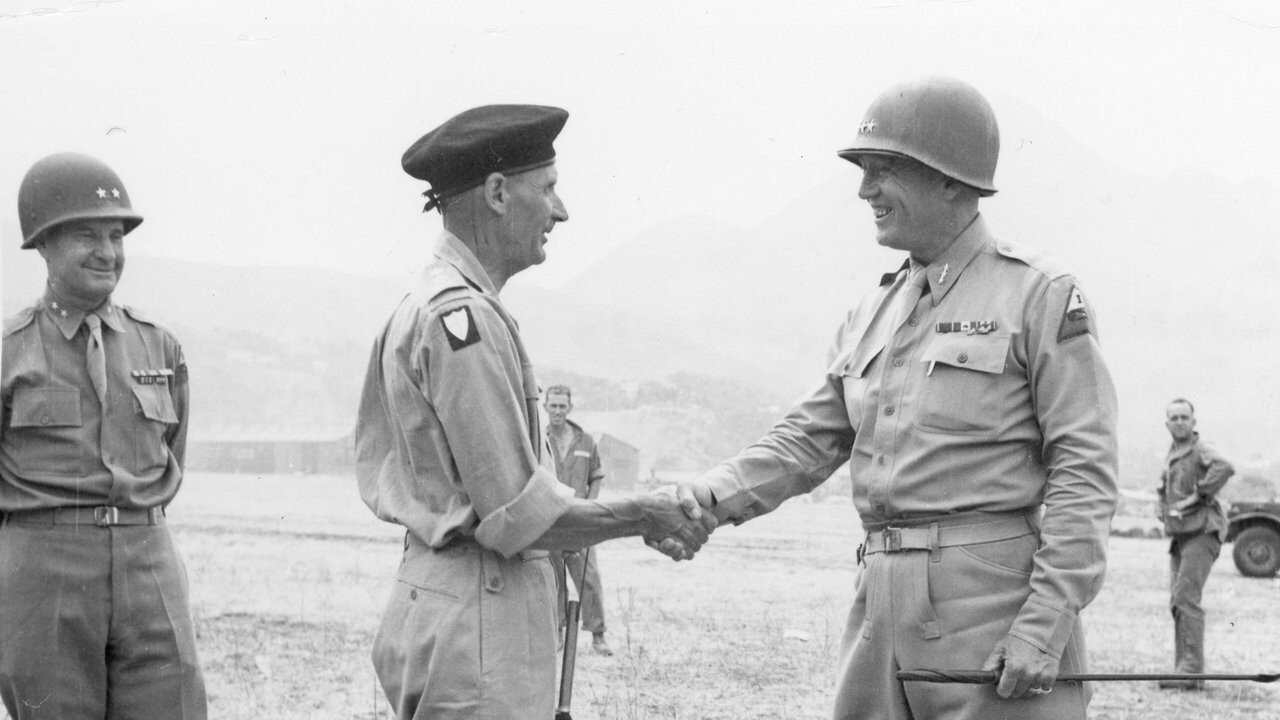
Patton and Montgomery Race for Prestige
George S. Patton and Bernard Montgomery fought on the same side but turned campaigns into contests of prestige. An official U.S. Army history says Patton came to loathe Montgomery after their commands raced in Sicily. Their rivalry sometimes sharpened their energy, but it also widened distrust within the Allied command.
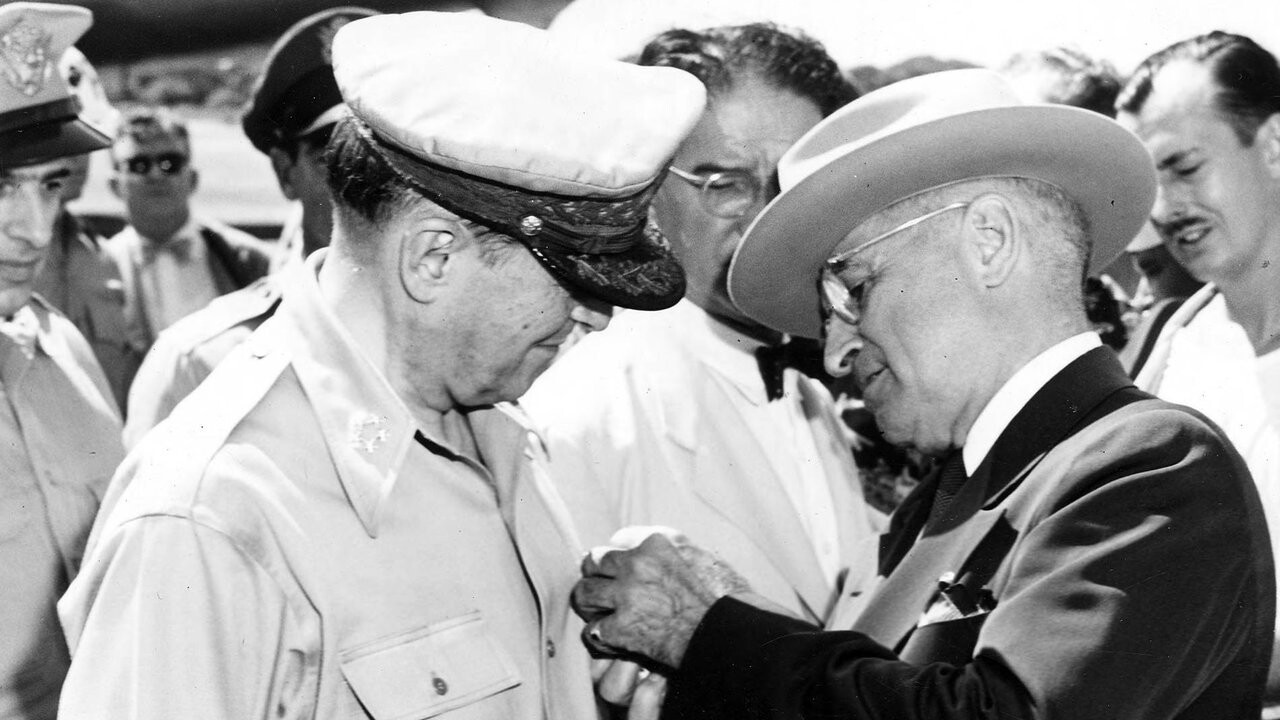
Truman and MacArthur Test Civilian Control
Harry S. Truman and Douglas MacArthur clashed over who set policy during the Korean War. In his dismissal statement, preserved by the Truman Library, Truman said MacArthur could not give wholehearted support to government policy. The confrontation became a famous test of civilian control over military command.
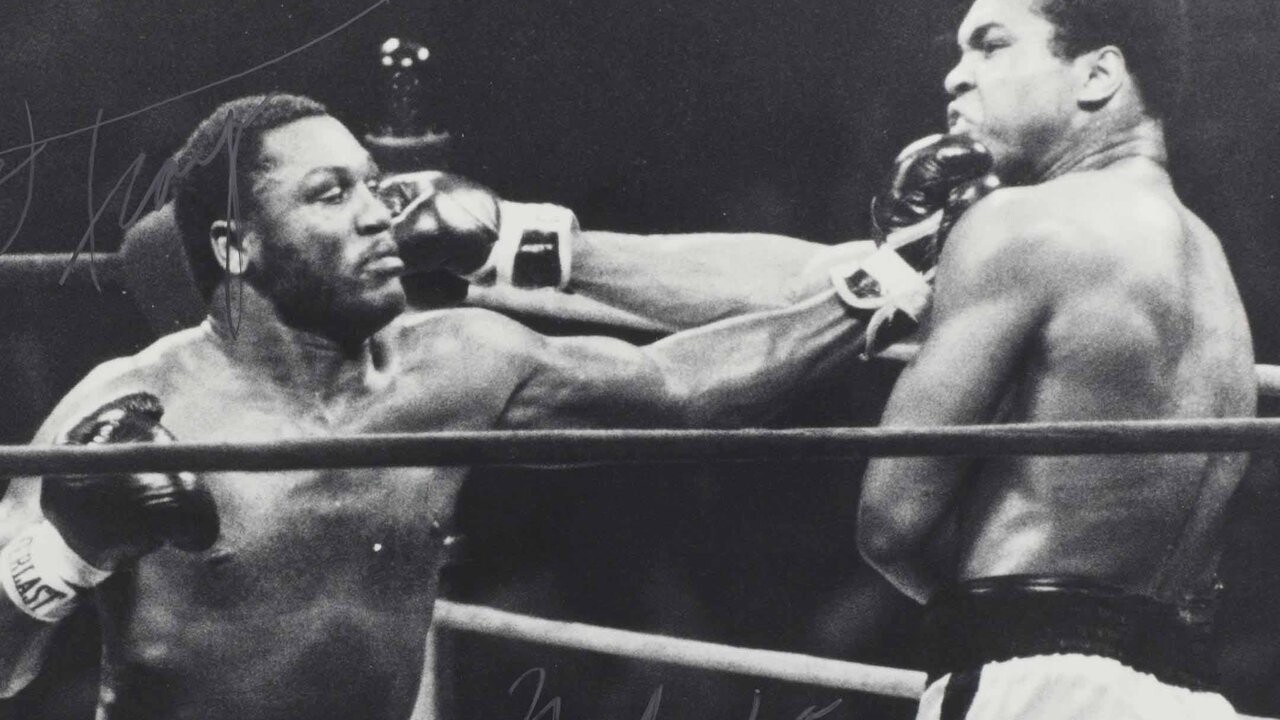
Ali and Frazier Turn Friendship Into Fury
Muhammad Ali and Joe Frazier began with friendship and support during Ali’s forced absence from boxing. The Muhammad Ali Center traces their movement from friends to fierce rivals and describes the rivalry as bitter. Public and private assistance eventually gave way to insults, hurt, and one of boxing’s most emotionally charged pairings.
Their anger was often costly, but the competition also changed politics, science, art, war, business, and sport. Which rivalry do you think left the deepest mark?
Follow The HyperHive on MSN for more stories like this.
Sources:






