
Have you noticed that your feet feel colder than they used to, even when the rest of your body is comfortable?
Cold feet are common from time to time, especially in cool surroundings. However, frequent cold feet that do not improve with simple warming measures deserve a conversation with your healthcare provider.
Poor blood flow, peripheral artery disease, nerve damage, thyroid problems, and medication side effects are among the possibilities.
Why Do Feet Feel Colder as You Age?
Poor blood flow in the legs and feet is the most common cause of cold feet. When circulation slows, warm blood takes longer to reach the toes.
Your feet are farther from your heart than other parts of your body. That distance can make them slower to warm after exposure to cold, even while your chest and torso remain comfortable.
Changes associated with aging can also make it harder to notice when the body is becoming too cold. Pay attention to the room temperature and how long your feet take to warm rather than relying only on how chilled you feel.
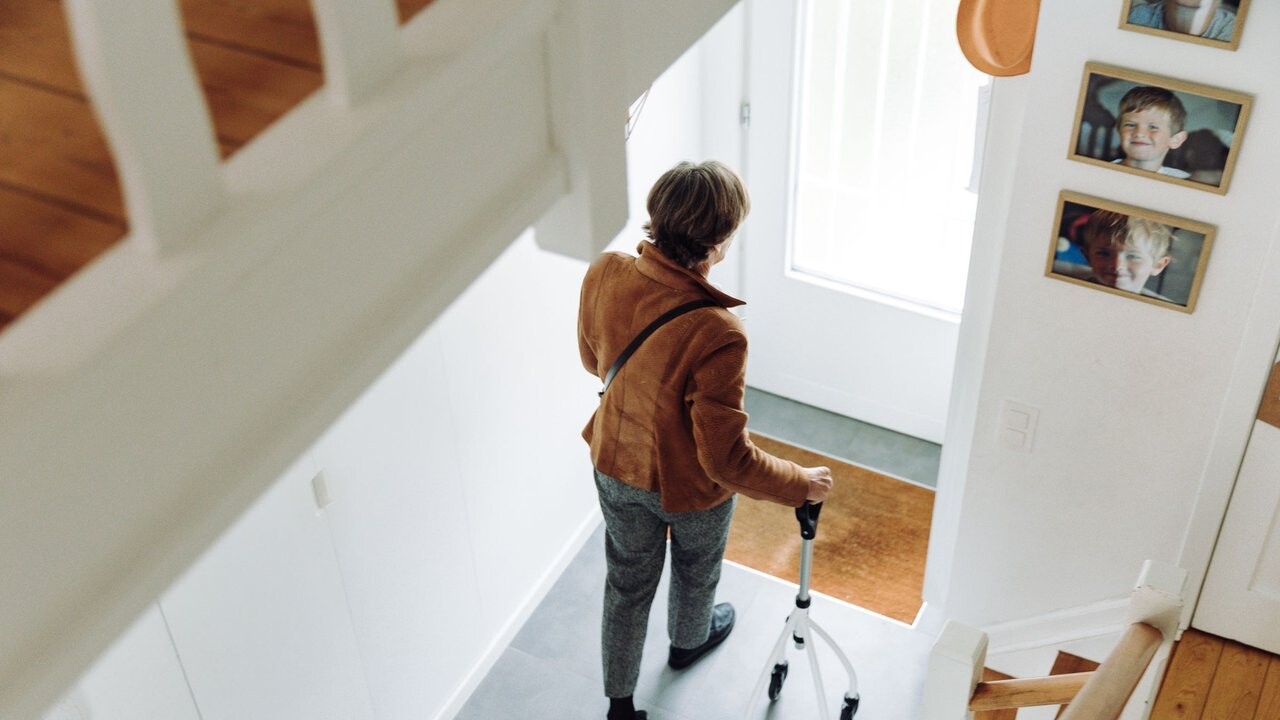
Could Peripheral Artery Disease Be Behind the Chill?
Peripheral artery disease, or PAD, can reduce blood flow to the legs and feet.
More than 8 million people ages 40 and older in the United States have PAD. Risk rises with age, and most people in the country who have PAD are 65 or older.
PAD does not always announce itself clearly. About one in four people with the condition experience its common symptoms, while others have less typical symptoms or none. New or uneven changes in your feet are worth discussing with a healthcare provider.
What Happens When Cold Feet Are a Nerve Problem?
Sometimes feet feel cold even though they are not cold to the touch. That mismatch may indicate a neurologic problem such as peripheral neuropathy.
Peripheral neuropathy is nerve damage that typically affects the feet and legs and sometimes the hands and arms. Up to one-half of people with diabetes have peripheral neuropathy.
The condition can also affect how well someone senses pain or temperature. If your feet feel cold but seem normal to the touch, describe that detail when speaking with your healthcare provider.
Can Thyroid Trouble or Medications Play a Role?
Thyroid problems can affect the body’s ability to maintain a normal temperature, so they are another possible contributor to persistent cold feet.
Medication may also play a role. Beta-blockers used for high blood pressure and pseudoephedrine found in some cold medicines can cause cold feet as a side effect.
Review your medication list with your healthcare provider or pharmacist. Do not stop a prescribed medicine on your own. Ask whether your symptoms could be related and whether an adjustment may be appropriate.
When Should You See a Doctor for Cold Feet?
Talk with your healthcare provider if cold feet occur regularly and home measures do not help. Be especially attentive to these changes:
- Color Changes. Your feet look pale, red, blue, or purple compared with the rest of your body.
- Uneven Temperature. One foot feels noticeably colder than the other, which can occur with PAD.
- Walking Pain. Pain, aching, heaviness, or cramping begins while you walk or climb stairs and goes away after rest.
- Loss of Feeling. Your feet become numb, or you cannot feel them properly when you touch them.
- Persistent Sores. A sore on your foot does not heal, particularly if it is accompanied by severe pain or numbness.
Contact your healthcare provider immediately about numbness, severe pain, loss of feeling, or sores that will not heal.
How Can You Warm Your Feet Safely at Home?
Once any underlying condition is being addressed, a few simple habits can make cold feet more comfortable.
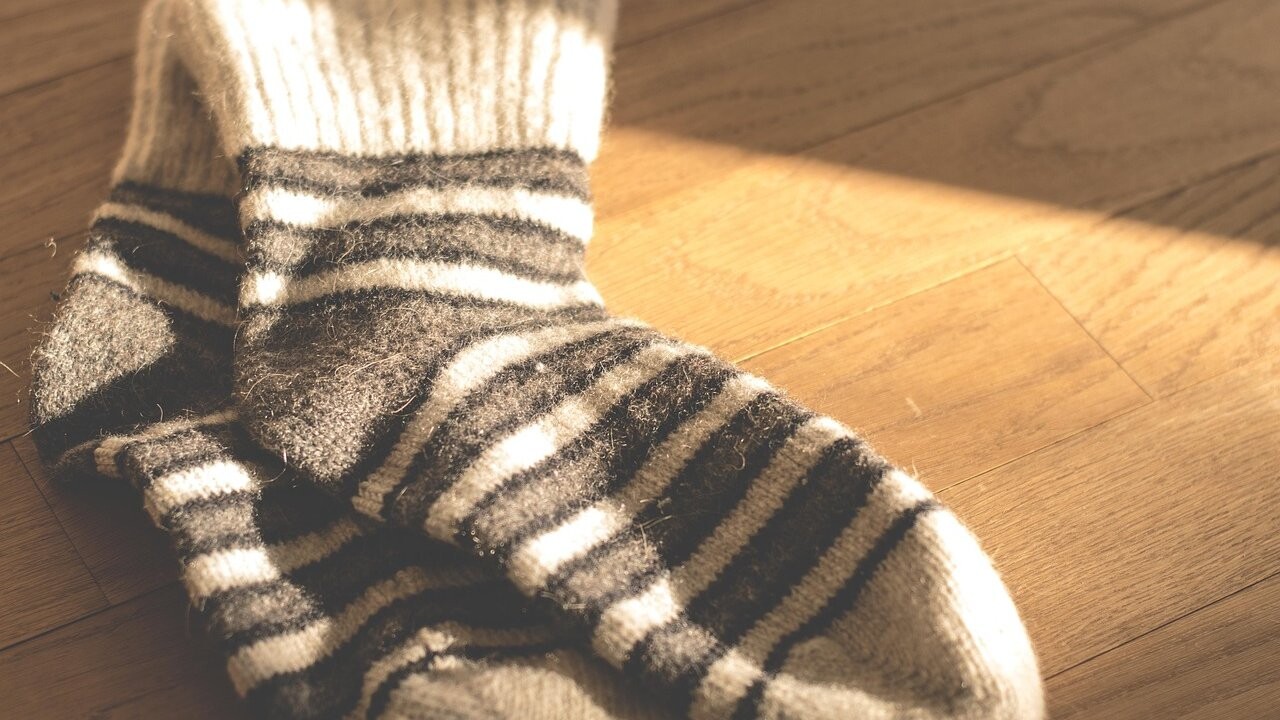
- Choose Thick Socks. Thick socks, including wool socks, provide warmth without placing a hot object against your skin.
- Avoid Direct Heat. Use warm socks instead of hot water or a heating pad.
- Move Around. Put on warm socks, then take a short walk or move around to encourage blood flow to your feet.
- Warm the Room. During cold weather, keep indoor heat at 68°F or warmer, particularly when an older adult lives in the home.
- Wear Slippers. Choose comfortable, secure slippers instead of walking barefoot on cold floors.
Notice whether the chill is constant, affects one foot, or comes with other changes so you can describe the pattern clearly at an appointment. Have your feet felt colder over the years, and what has helped you keep them comfortable?
This article is for general information and isn’t a substitute for advice from your doctor.
Follow The HyperHive on MSN for more stories like this.
Sources:



