What Air Travel Looked Like in the 1950s and ’60s, in Photos

San Diego Air & Space Museum Archives / Wikimedia Commons, Public domain (cropped)
Commercial flying changed remarkably during these two decades. Propeller-driven airliners gave way to jets, passenger numbers rose, and airports became bold symbols of the future. These slides follow that transformation from the ramp to the cabin and terminal.
The photographs are searchable period images from public and Creative Commons collections. The accompanying history draws primarily from the Smithsonian, the Federal Aviation Administration, the Library of Congress, and public archives.
Four-Engine Airliners Rule the Ramp
At mid-century, large four-engine airliners dominated domestic and international flying. Their spinning propellers and long rows of windows defined the airport ramp. Upholstered seats, attentive cabin service, and increasingly capable aircraft helped make flying a practical choice for more intercity and international travelers.
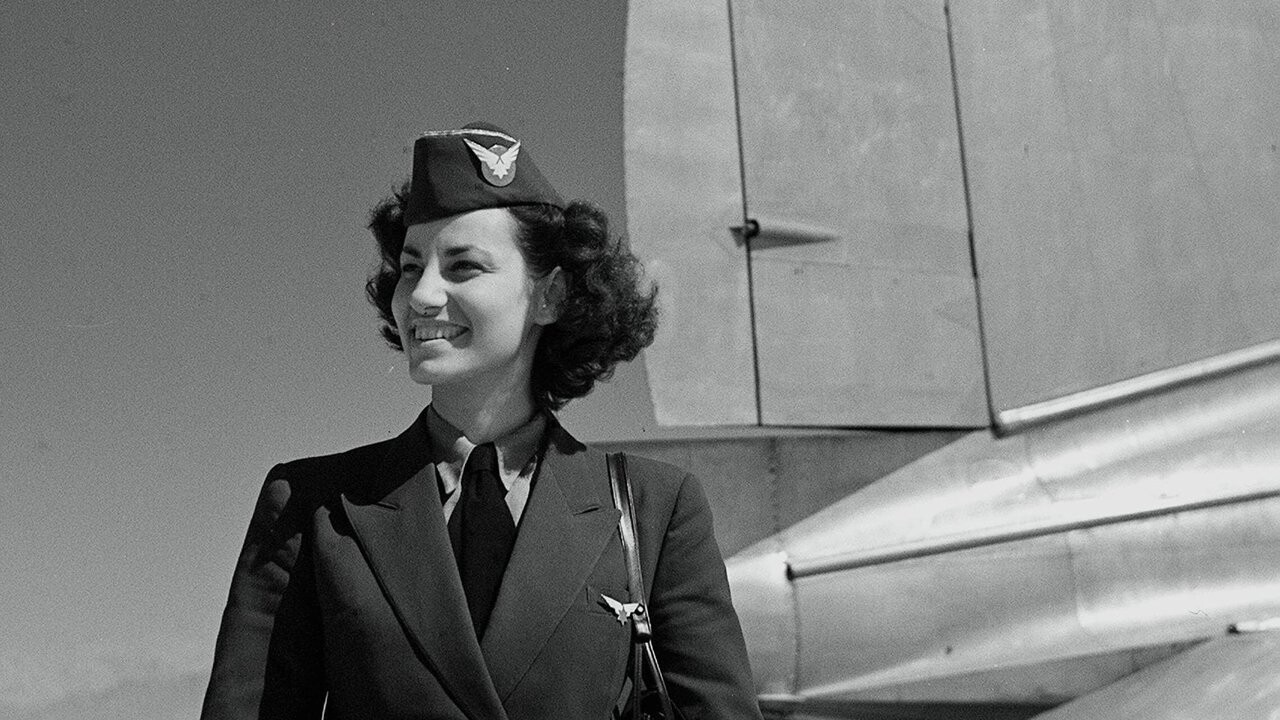
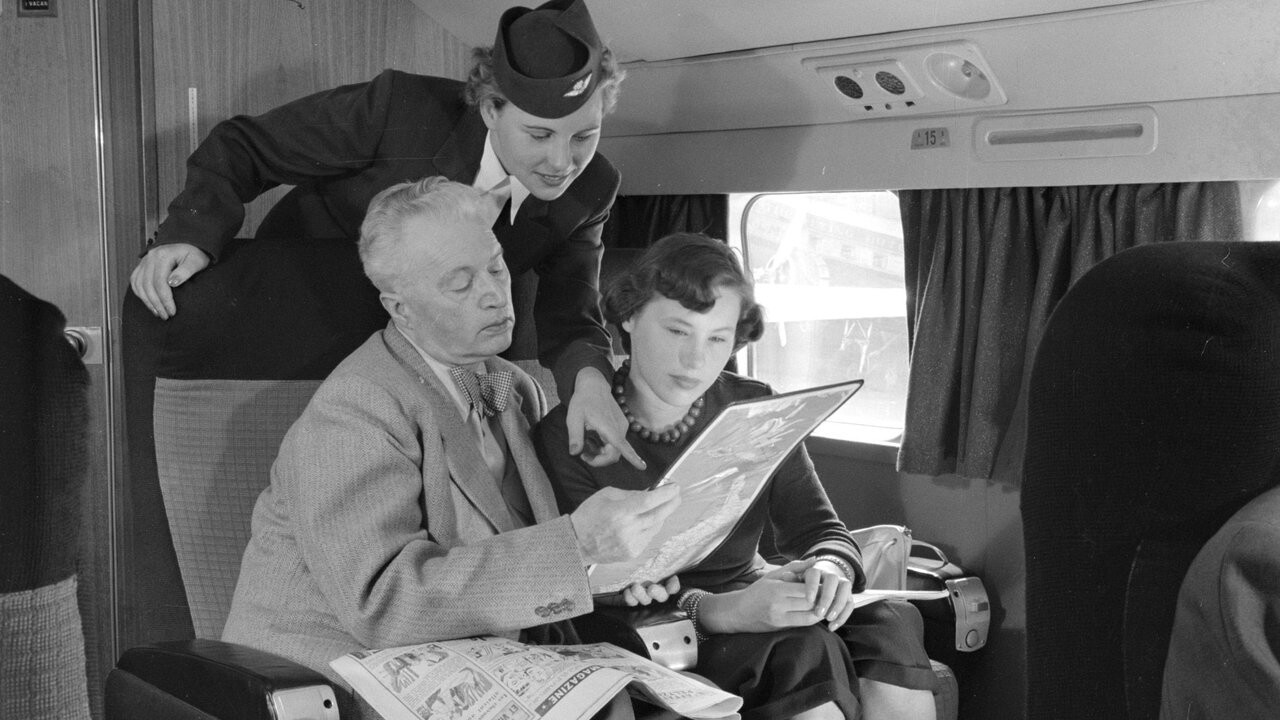
The Stewardess Image Had Strict Boundaries
Women dominated cabin service by the 1950s, and airlines promoted stewardesses as symbols of reassurance and glamour. Behind that polished image were sexist employment rules involving marriage, age, appearance, and race. The uniforms looked professional, but the job was tightly controlled, and many qualified people were excluded.
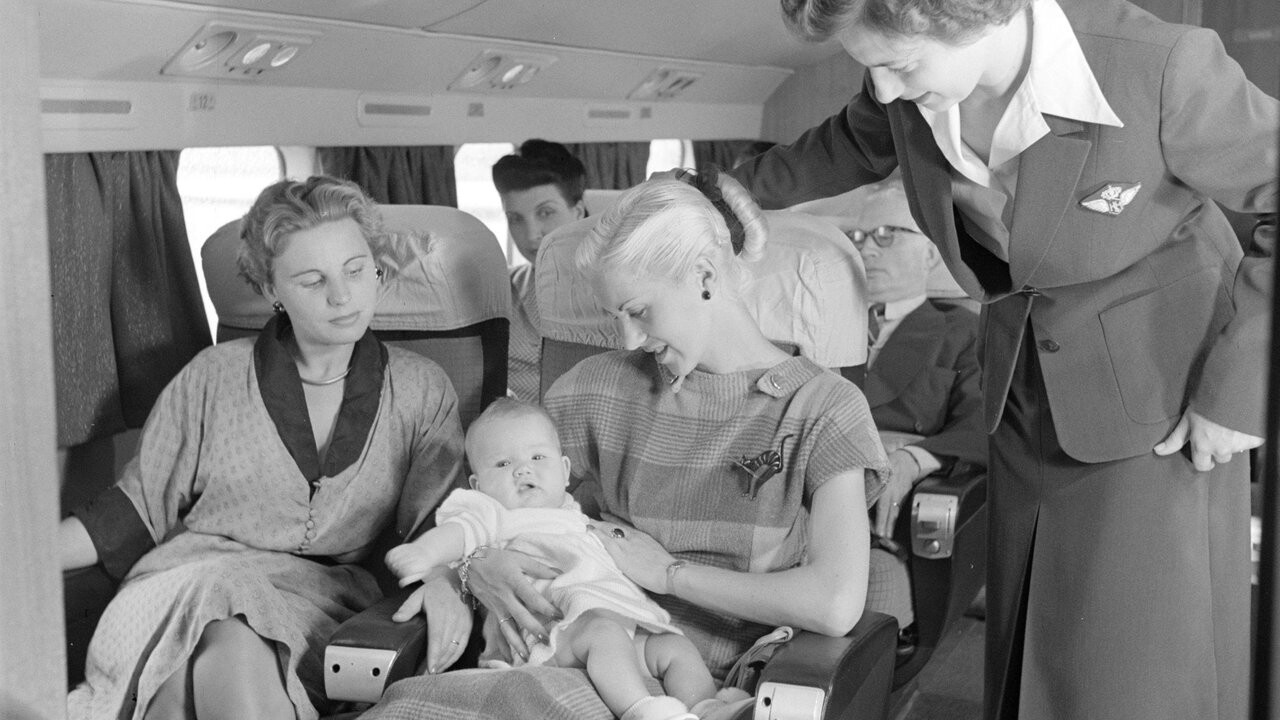
1951: Economy Class Divides the Cabin
Economy-class seating arrived in 1951, offering a lower-cost alternative to premium service. The change also created visible distinctions within the cabin, from seat arrangements to meals and attention. Those divisions became a lasting feature of commercial flying, even as partitions, amenities, and class names evolved.
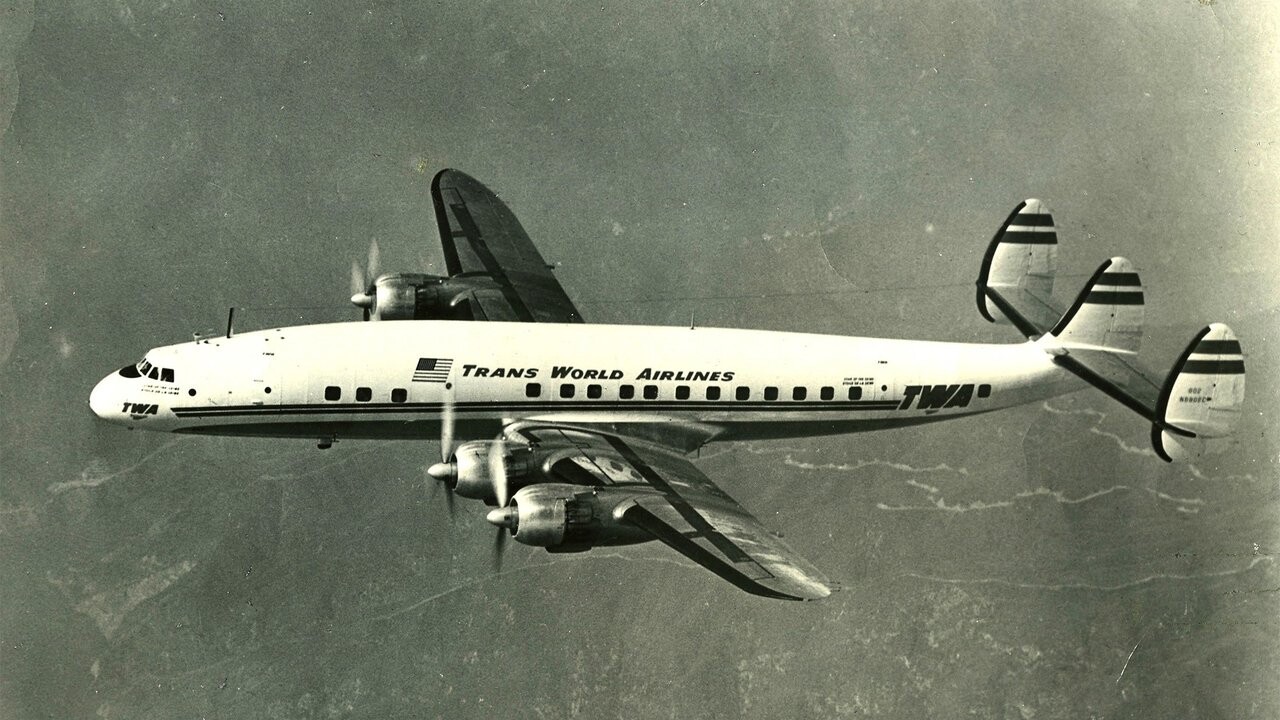
1951: The Super Constellation Stretches Out
Eastern began flying a stretched, 71-seat Super Constellation in 1951. Its curving fuselage, triple tail, and long cabin made it one of the era’s most recognizable airliners. The added capacity helped airlines accommodate growing demand while preserving the distinctive appearance of the propeller age.
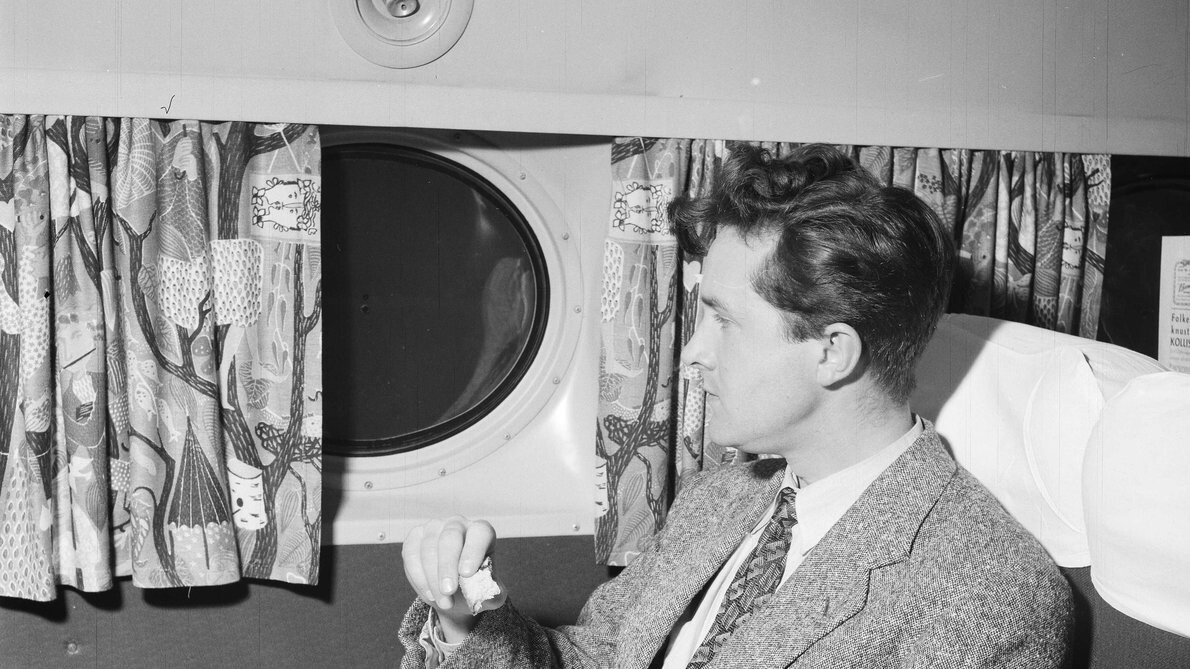
Early 1950s: Hot Meals Become a Selling Point
Onboard ovens allowed airlines to warm food instead of relying entirely on cold provisions. Menus became part of the sales pitch, promising a polished meal above the clouds. Service photographs help explain why dining became central to the era’s remembered glamour, although presentation varied by airline and ticket class.
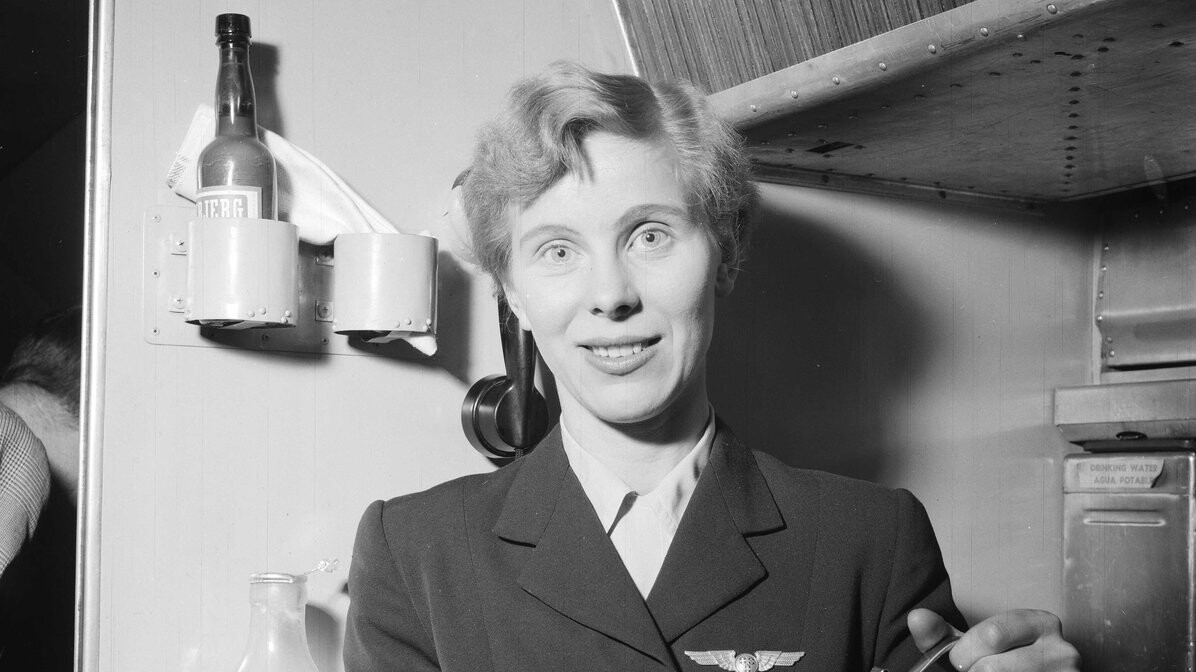
Early 1950s: Drinks Join the Service
Colonial Airlines began serving alcoholic beverages on its New York–Bermuda flights in the early 1950s, breaking with earlier practice. Other carriers also emphasized refreshments and hospitality as ways to distinguish the onboard experience. Trays, glassware, and carefully presented service became familiar subjects in airline publicity photographs.
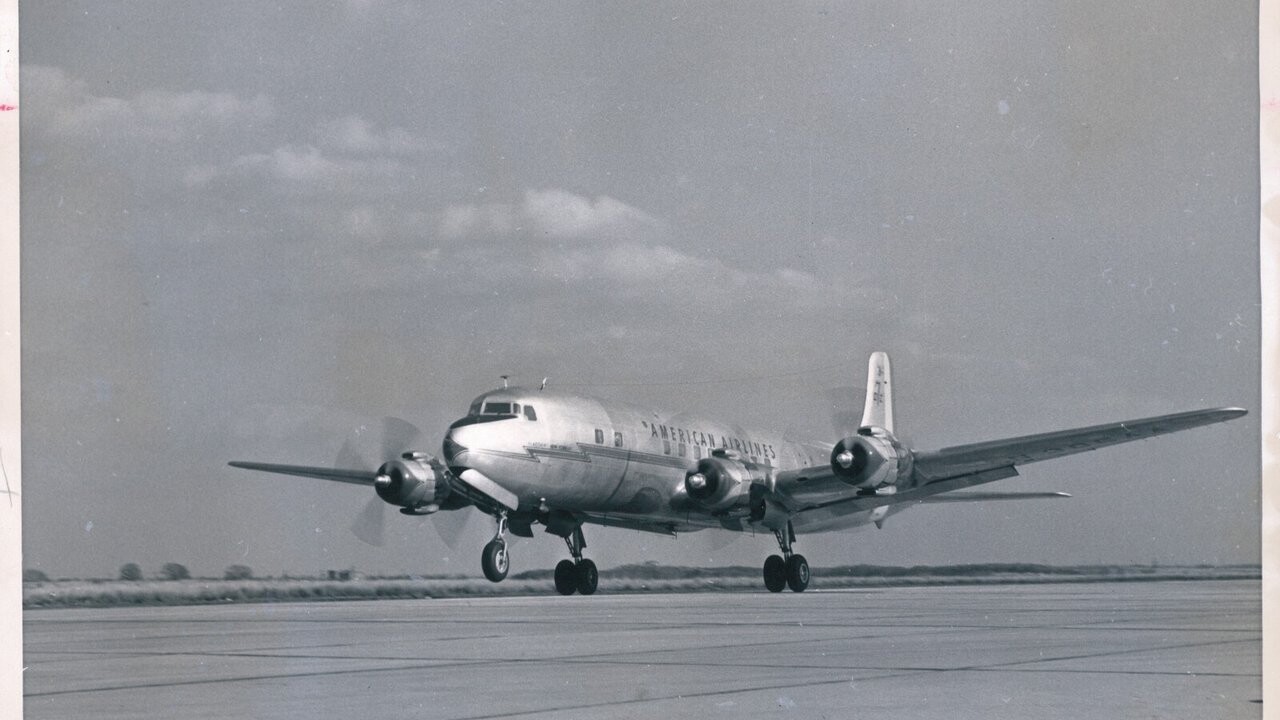
1953: Nonstop Across the Country
The Douglas DC-7 introduced nonstop transcontinental service in both directions in November 1953. American Airlines used the aircraft between New York and Los Angeles, eliminating intermediate stops on the route. The achievement shortened coast-to-coast journeys and marked one of the piston-airliner era’s final major advances.
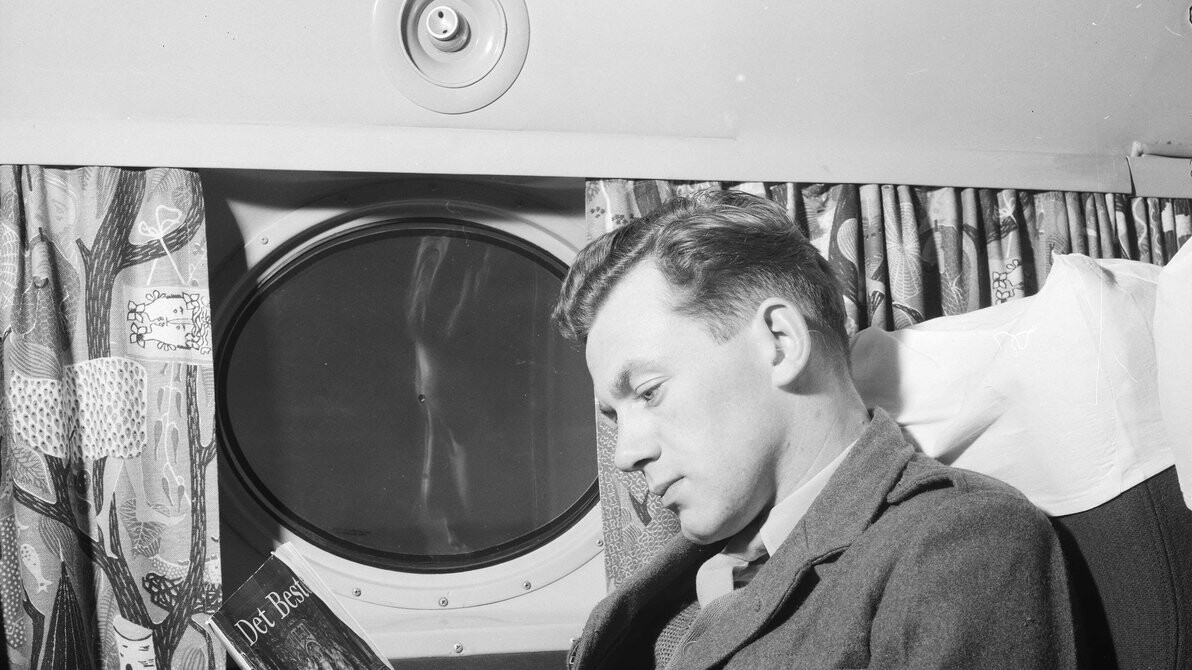
Mid-1950s: Sleepers Give Way to Night Coach
As aircraft became faster and passenger traffic grew, sleeper service gave way to lower-fare night-coach seating. Rows of conventional seats allowed airlines to carry more people than sleeping berths could accommodate. The shift traded some comfort and privacy for affordability and more efficient use of cabin space.
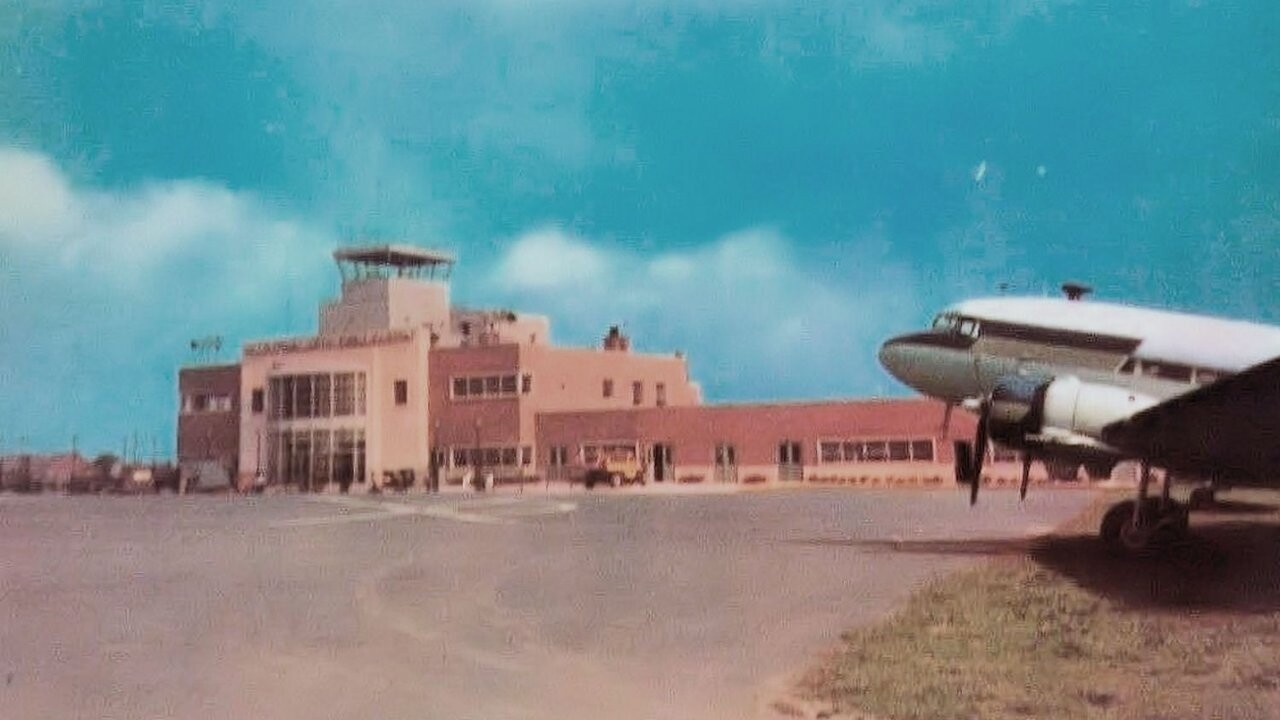
1955: Air Travel Passes Rail
In 1955, more people in the United States traveled by air than by train for the first time. Airport photographs capture a transportation system becoming mainstream: busy ramps, crowded waiting areas, baggage carts, and travelers dressed for an occasion that was gradually becoming part of ordinary American life.
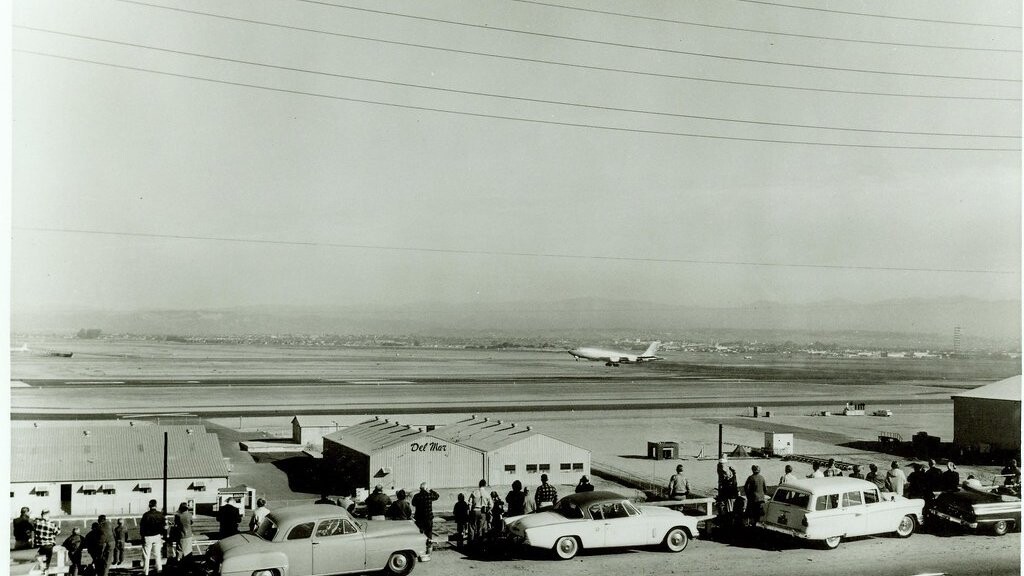
1956: Airports Prepare for Jets
The Civil Aeronautics Administration convened a jet-age planning symposium in 1956 as commercial jets approached American service. Airports and aviation officials had to prepare for faster aircraft and heavier traffic. The sleek terminals associated with the period emerged alongside extensive work to modernize the wider aviation system.
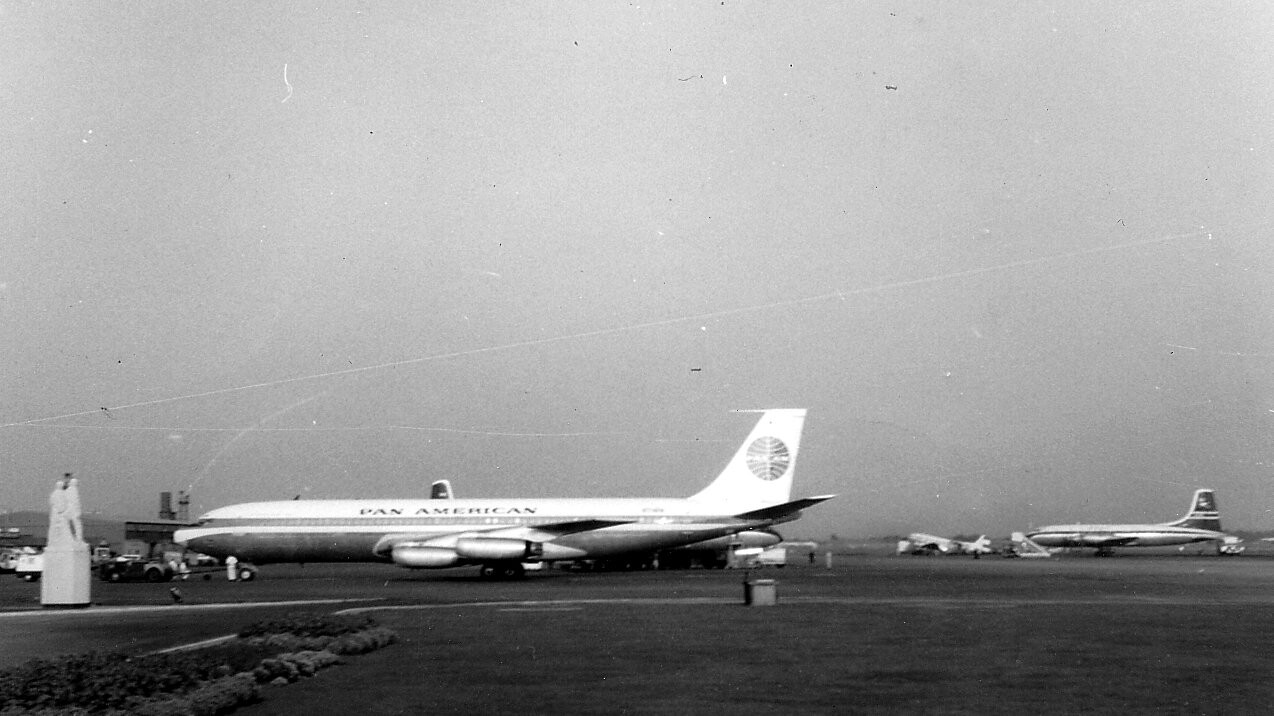
1957: Flying Overtakes Atlantic Sailing
By 1957, airliners had replaced ocean liners as the preferred way to cross the Atlantic. Speed was decisive: travelers could complete in hours a journey once measured in days. International terminals became prominent gateways, with airline counters, observation areas, restaurants, and waiting relatives filling their public spaces.
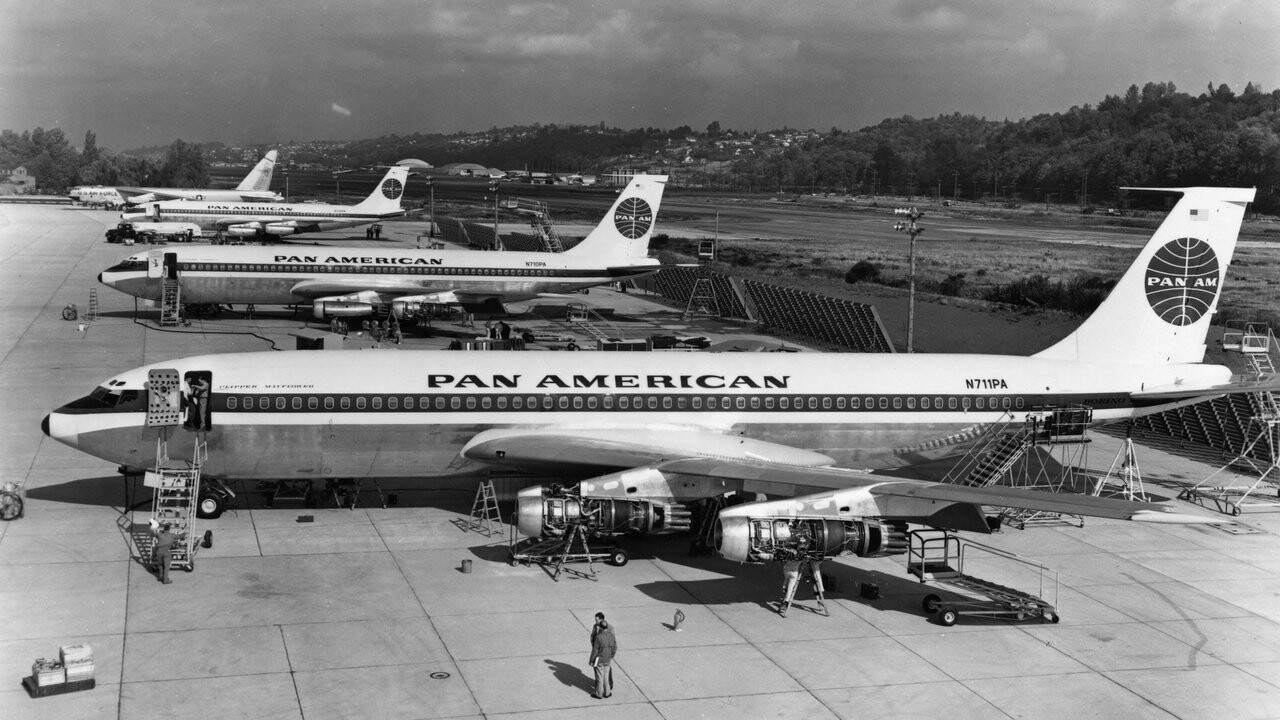
1958: U.S. Jet Service Begins
Pan American introduced overseas Boeing 707 flights in October 1958, helping open the American commercial jet era. Swept wings, podded jet engines, and clean lines looked strikingly modern beside propeller aircraft. Greater speed also made long-distance travel feel less like an expedition and more like scheduled transportation.
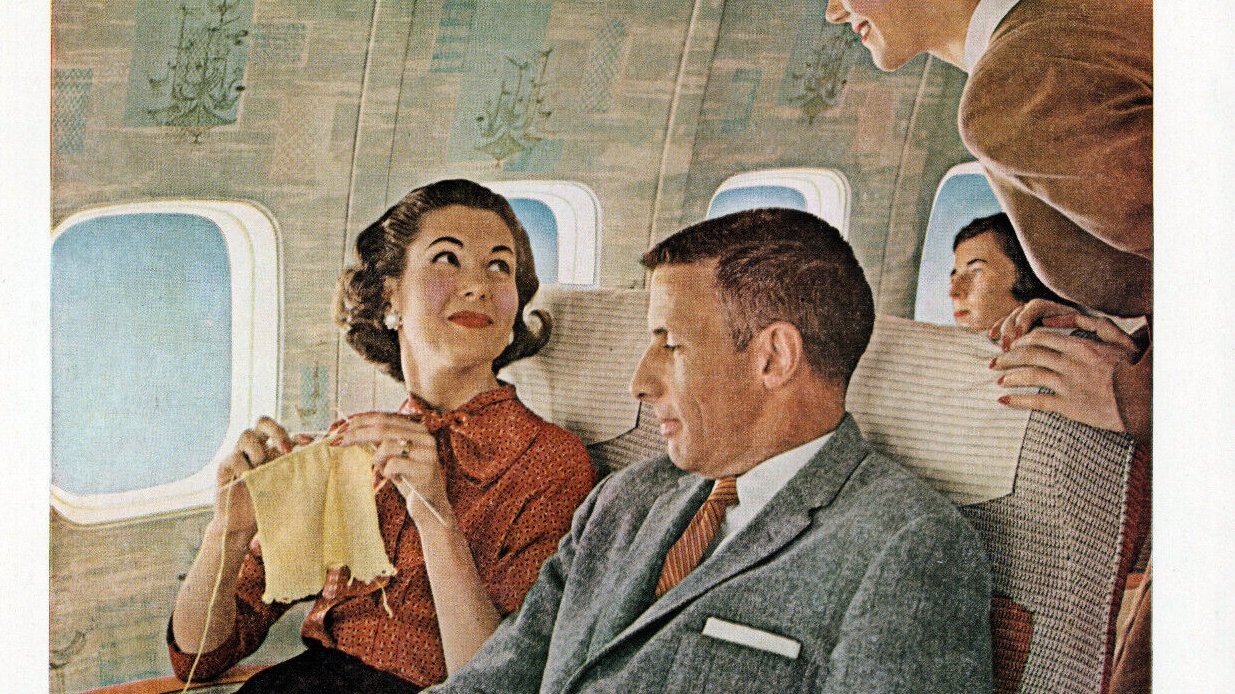
1958: Jet Cabins Offer Different Classes
Boeing 707 flights did not follow one universal seating plan. Some were entirely first class, others carried only tourist-class passengers, and mixed cabins used partitions to separate the sections. Period photographs show broad ceilings, curtained dividers, reading lights, and seat rows arranged for each route’s market.
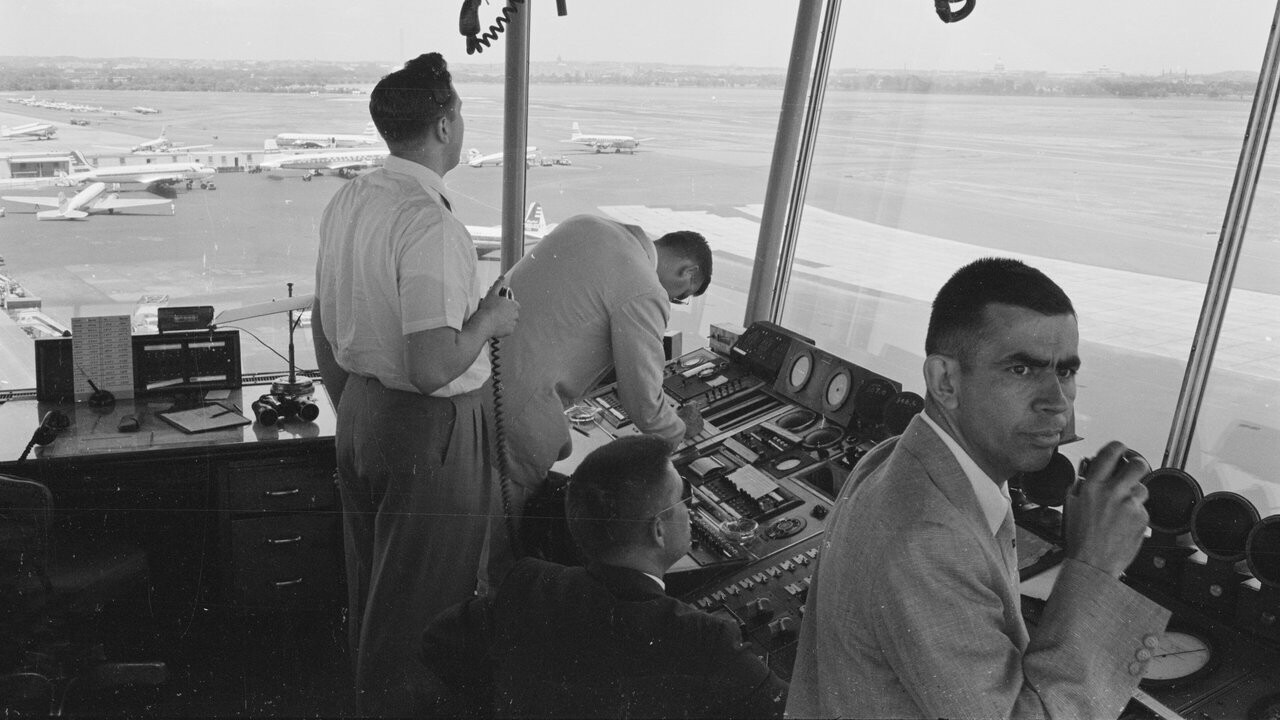
1958: A New Federal Aviation Agency
The Federal Aviation Act of 1958 transferred federal aviation functions to a new independent Federal Aviation Agency responsible for civil aviation safety. Control rooms, navigation facilities, government offices, and radar equipment were essential parts of the jet age, even if passengers rarely saw the system supporting their flights.
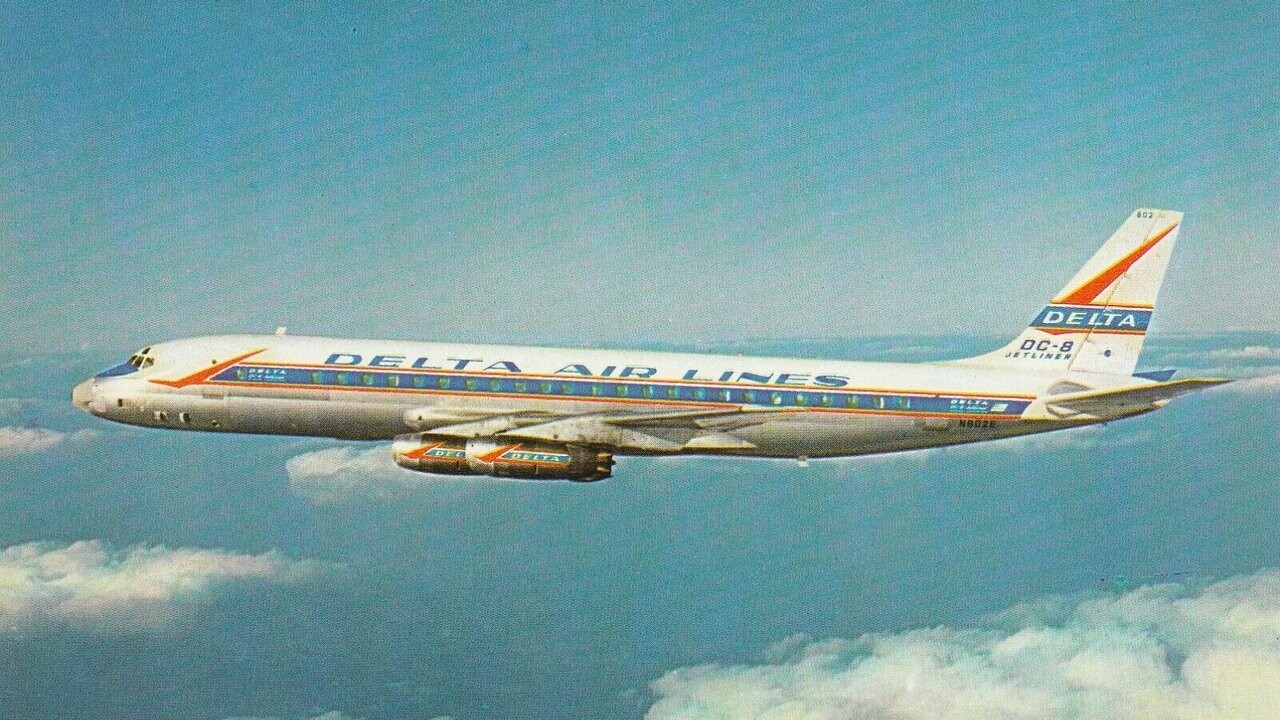
1959: The DC-8 Joins Scheduled Service
The Douglas DC-8 entered scheduled service with Delta on September 18, 1959. Its arrival gave airlines another major American jetliner and accelerated the transition from piston engines. The aircraft’s long fuselage, swept wings, and four underwing engines soon became familiar features at major airports.
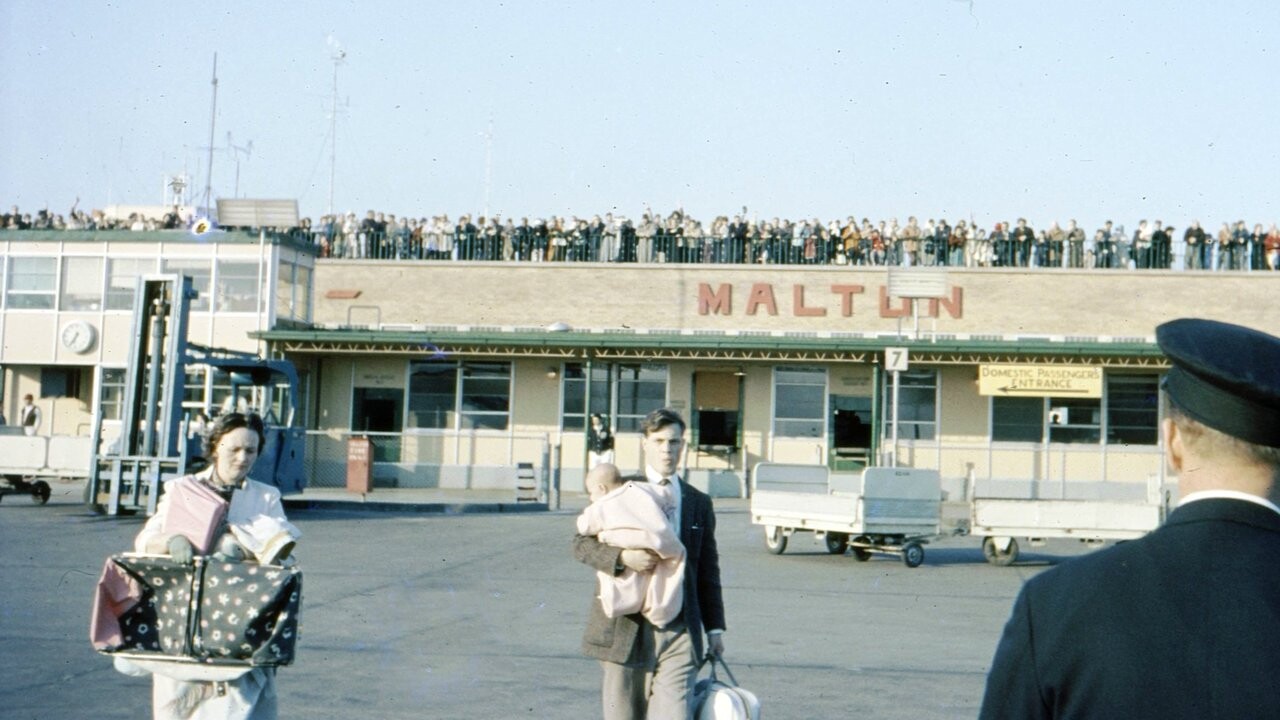
Late 1950s: Airports Become Places to Watch
Early jets attracted visitors who came to airports simply to watch aircraft. Broad windows, observation decks, tours, and dining rooms overlooking the airfield made terminals appealing destinations. For families, an afternoon at the airport could become entertainment, with departures, arrivals, and ground crews providing a constantly changing show.
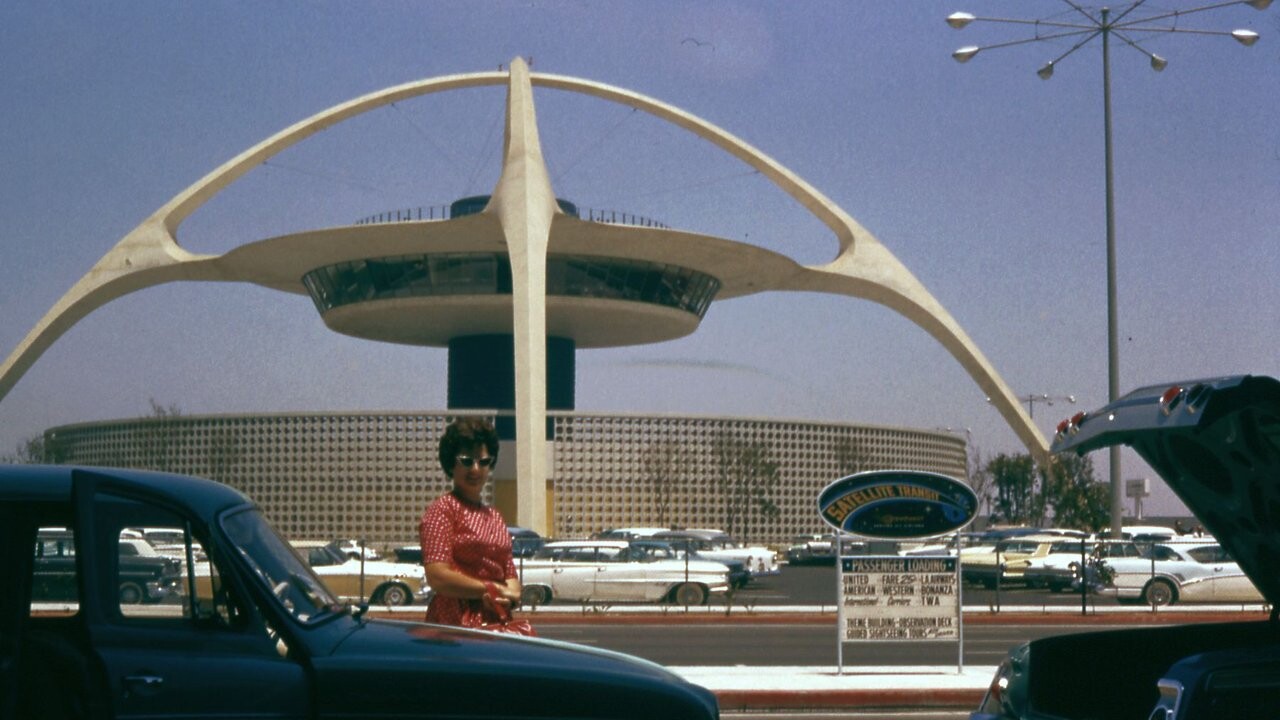
1961: Dining Above the Runways
Completed in 1961, the Theme Building at Los Angeles International Airport offered a panoramic dining experience overlooking the airfield. Its space-age form captured the optimism surrounding jet travel. Visitors could enjoy a meal while watching aircraft taxi, take off, and land, making the airport a destination in itself.
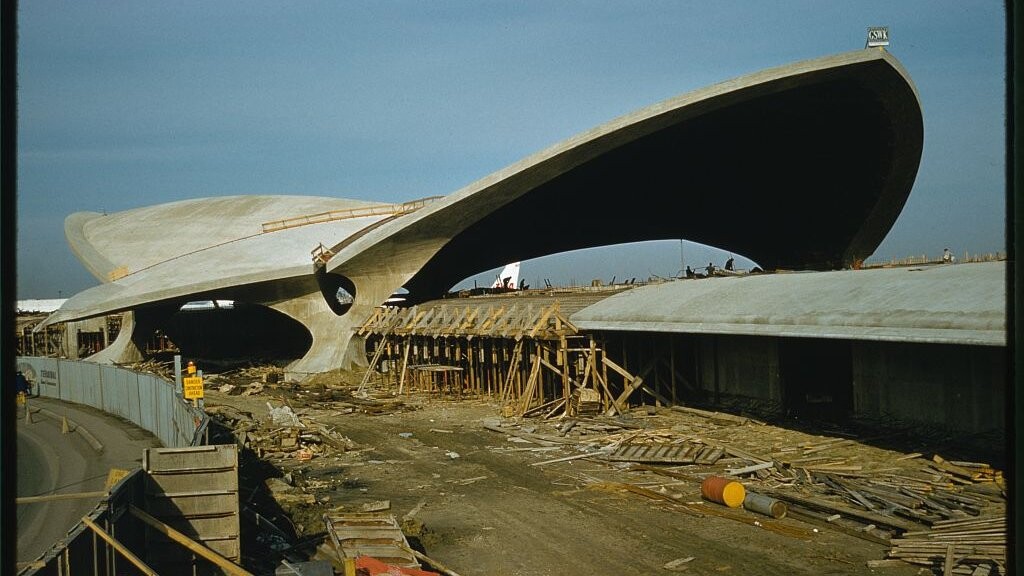
1962: The TWA Flight Center Opens
The TWA Flight Center opened at New York’s major international airport in May 1962. Its sweeping concrete forms seemed to suggest movement even while standing still. Passenger routes, signs, loading areas, and public spaces came together in a dramatic vision of travel shaped around the speed of jets.
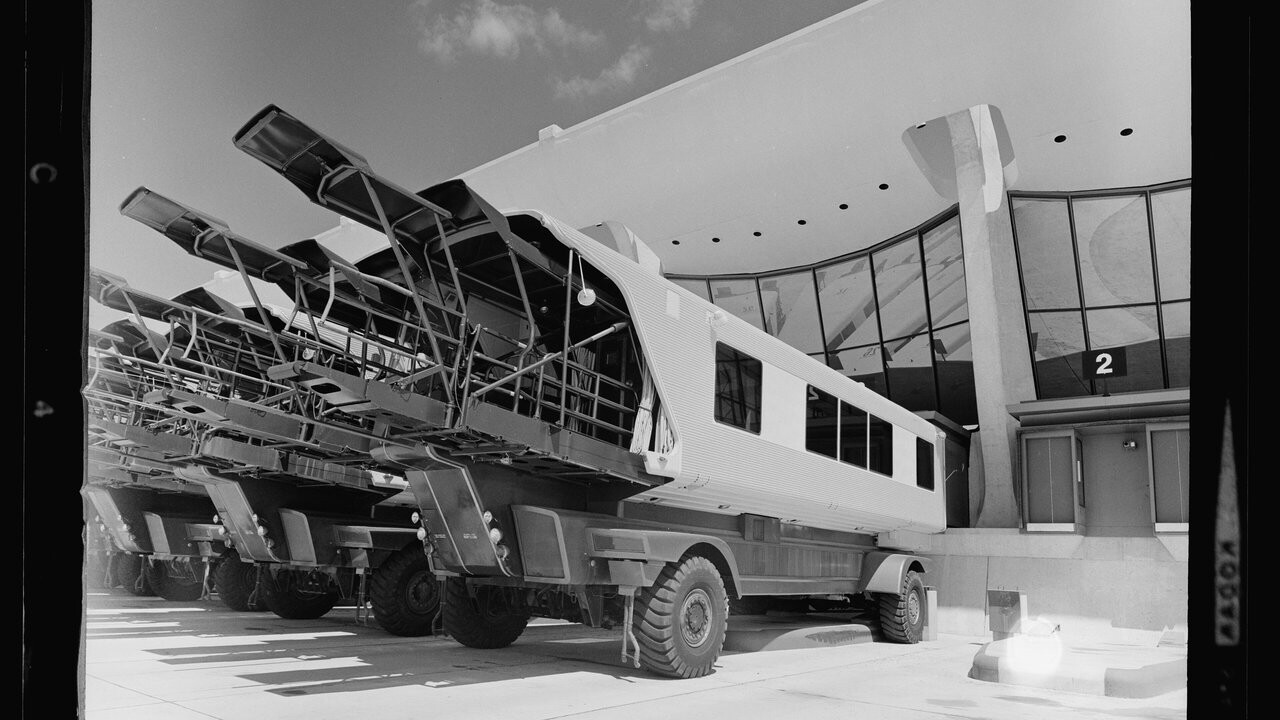
1962: Dulles Uses Mobile Lounges
Washington Dulles International Airport opened for commercial traffic in November 1962 with an unusual boarding system. Mobile lounges moved passengers between the terminal and aircraft parked on the field. The vehicles were designed to speed boarding and deplaning while reducing the need for long conventional concourses.
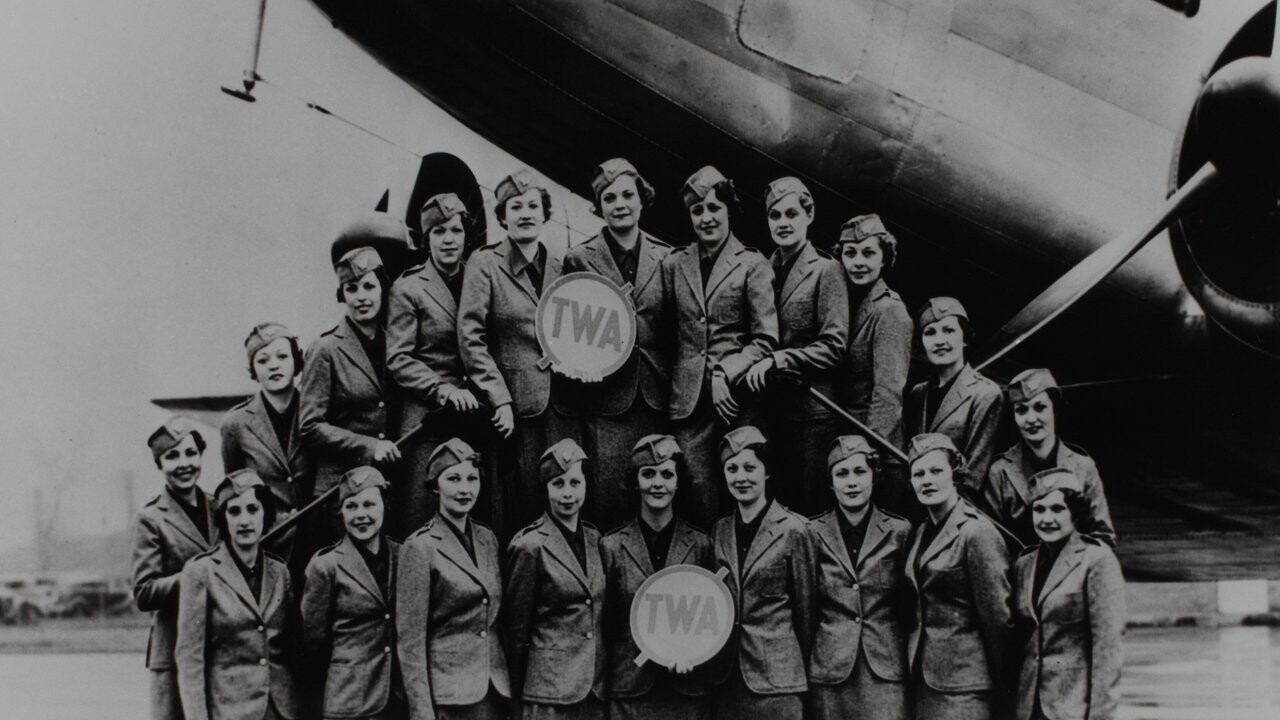
1964: Flight Attendants Use Civil Rights Law
Flight attendants were among the first groups to bring a case under Title VII of the Civil Rights Act of 1964. They challenged discriminatory rules involving sex, race, marriage, and age. Their work complicates nostalgic images of smiling stewardesses, revealing employees who fought for careers based on ability rather than a marketing ideal.
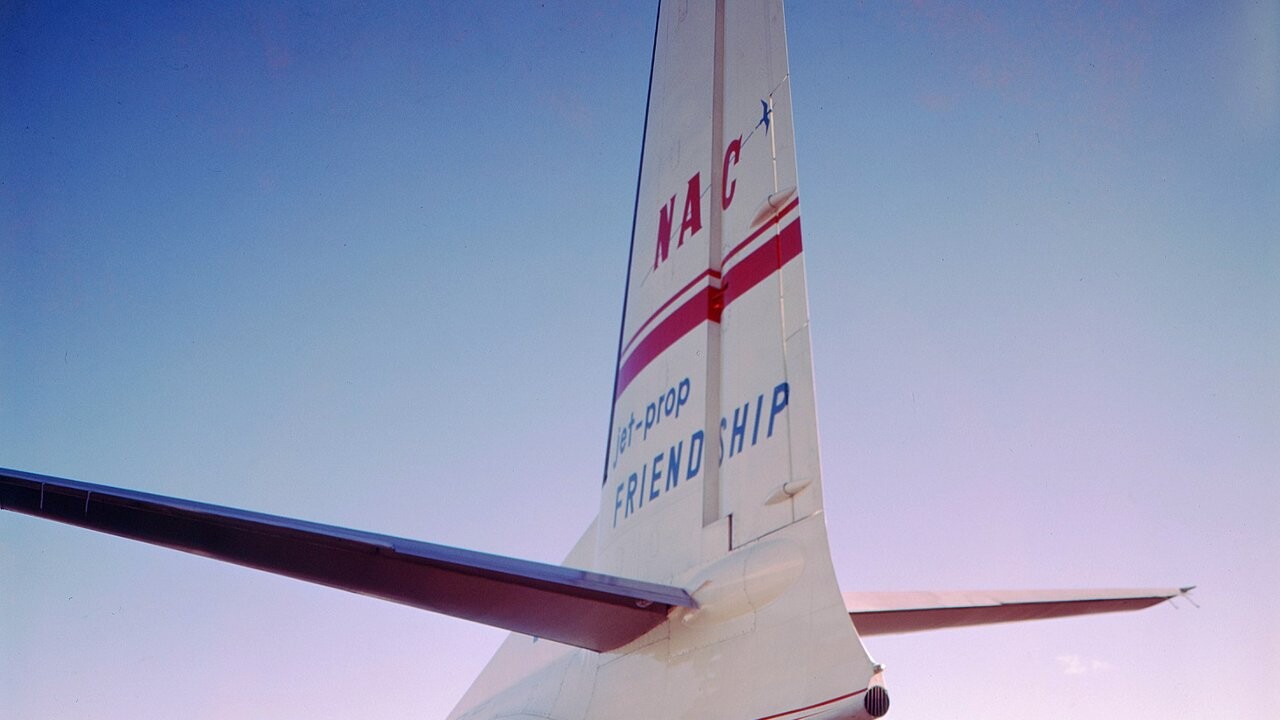
Mid-1960s: Uniforms Turn Fashion-Forward
Braniff hired designer Emilio Pucci to create boldly colored flight-attendant uniforms during the mid-1960s. The outfits reflected contemporary fashion and contrasted sharply with earlier military-inspired clothing. They produced memorable publicity photographs, but the focus on appearance also reinforced the industry’s practice of marketing female employees as part of the travel experience.
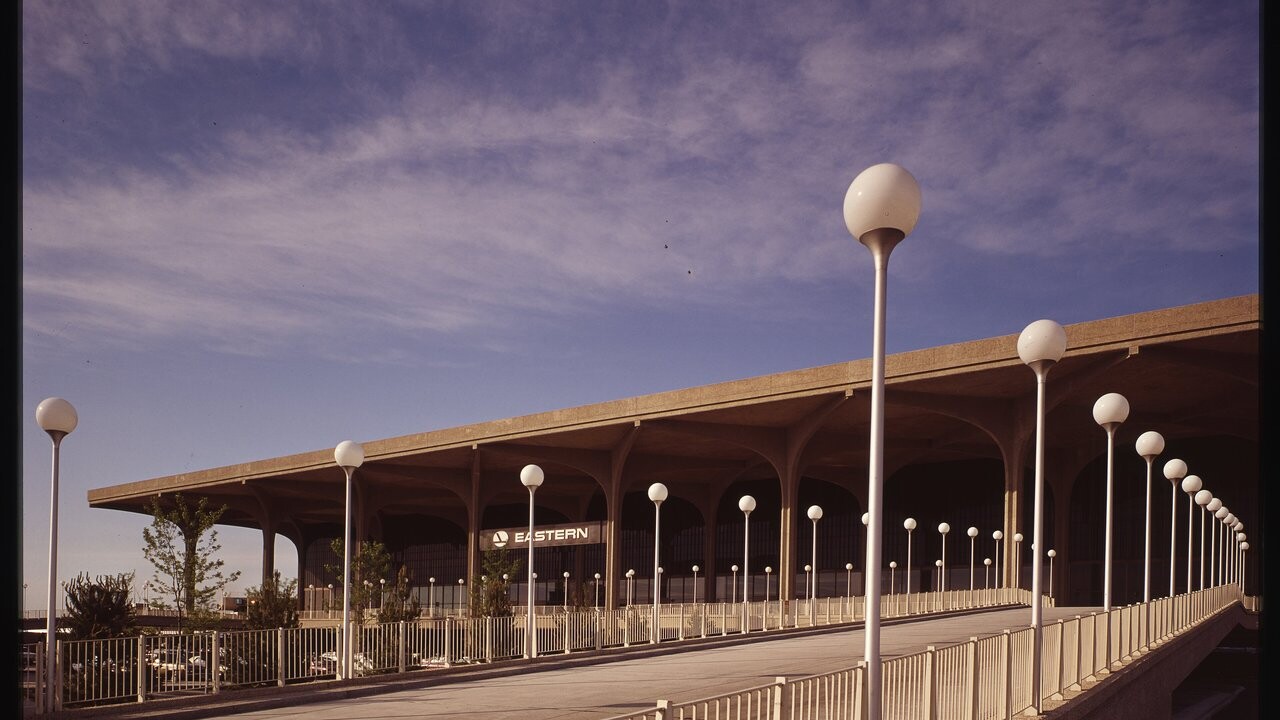
Late 1960s: The Culture Around Flying Changes
By the decade’s end, broader cultural change was reshaping commercial aviation. Fashion became bolder, employment barriers faced stronger challenges, and jet travel felt increasingly familiar. The photographs still convey ceremony and optimism, but they also document an industry moving toward larger crowds, standardized service, and a broader traveling public.
These photographs show how quickly flying moved from a special occasion toward an everyday transportation system. Which part of this earlier travel experience do you remember best?
Follow The HyperHive on MSN for more stories like this.
Sources:






