Things You Probably Remember From a 1950s Drive-In or Diner

Kenneth C. Zirkel / Wikimedia Commons, CC BY-SA 3.0 (cropped)
A roadside meal once began before you opened the door. Chrome flashed in the sun, neon glowed after dark, and a carhop might bring dinner straight to your window.
Moving from the exterior to curbside service, the dining room, the menu, and social history, these slides draw on images and research from the Library of Congress, the National Park Service, and the Smithsonian.
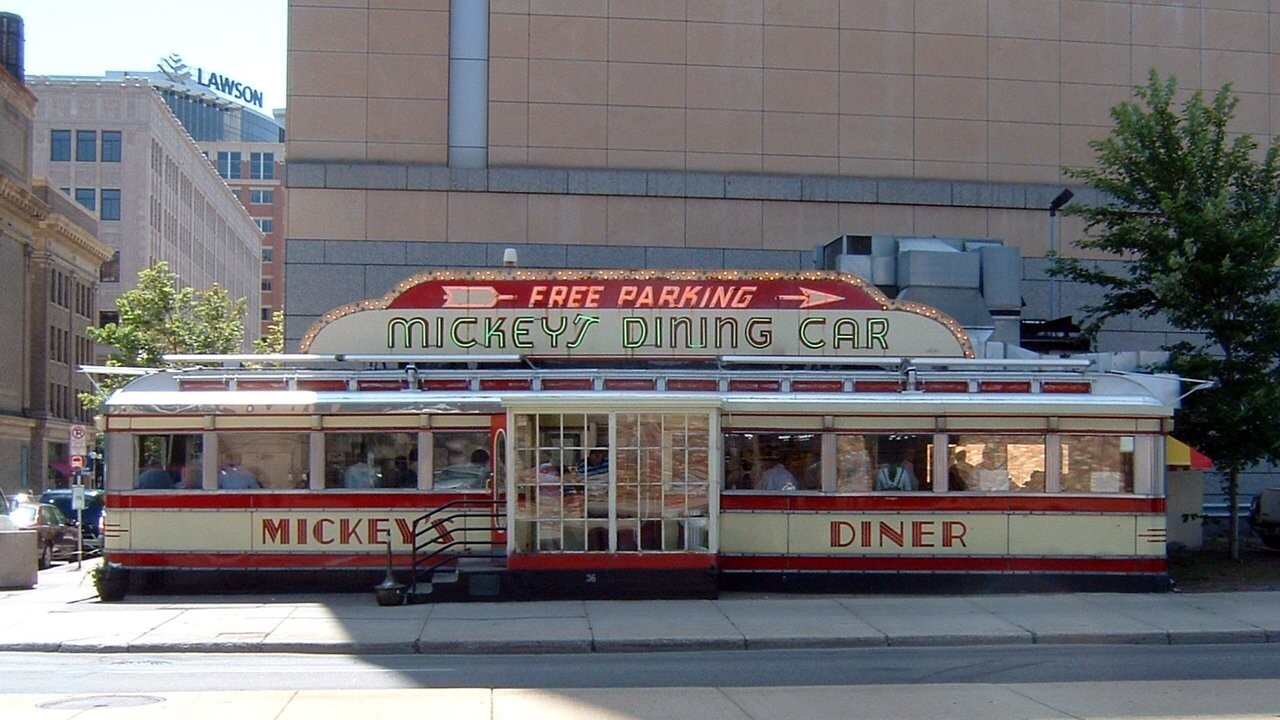
The Streamlined Shape by the Road
Many diners looked ready to roll away. Their rounded ends, smooth metal skins, and horizontal lines recalled modern trains. Some were factory-built and delivered to their sites. That compact, unmistakable silhouette promised a quick meal without the formality of a downtown dining room.
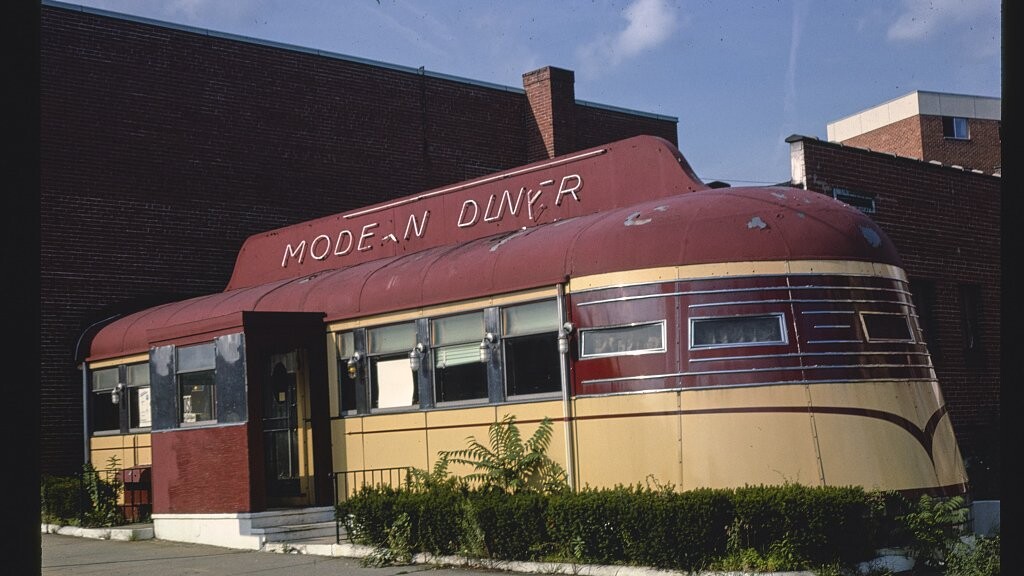
Stainless Steel That Caught the Sun
Shiny metal made a diner visible before a driver reached its parking lot. Stainless steel also gave the building a clean, modern, machine-age character. Inside, the same material appeared around counters, kitchen equipment, and stool bases, producing the familiar gleam remembered from countless roadside stops.
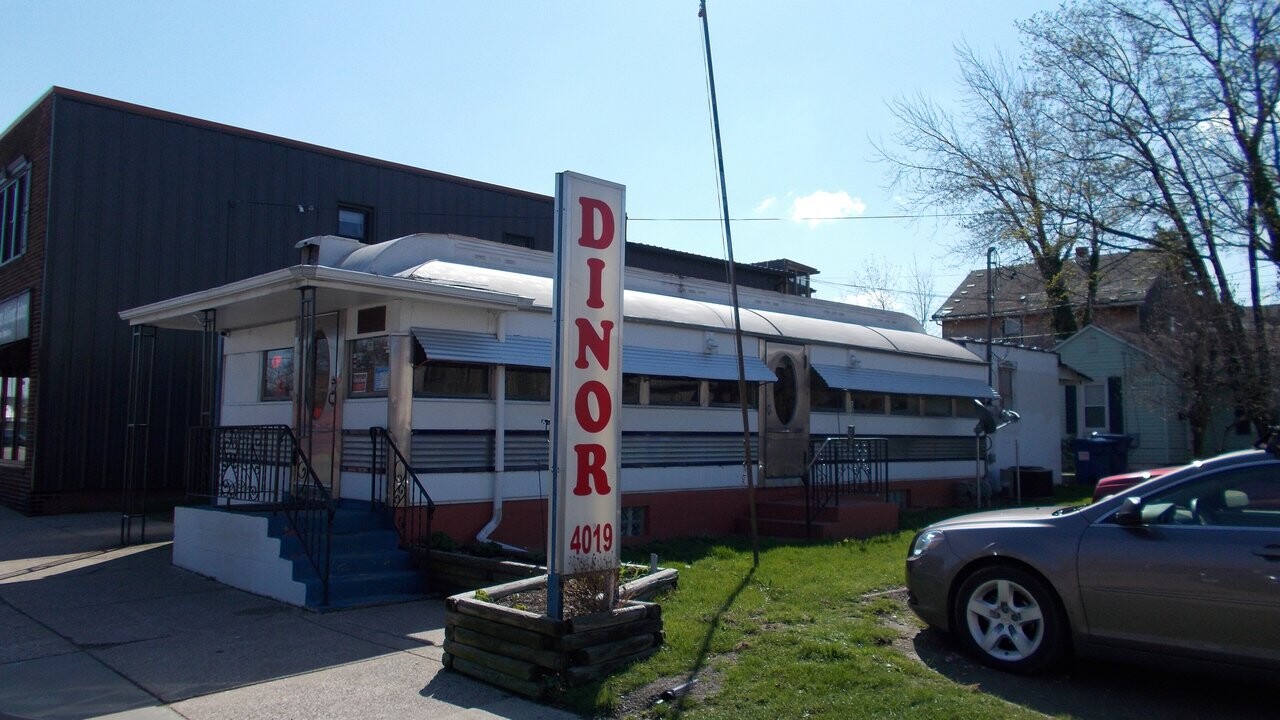
Porcelain Panels in Bright Colors
Colorful porcelain-enamel panels broke up all that silver. Reds, yellows, creams, and blues could outline windows or cover whole sections of the exterior. The hard, glossy surface suited a busy restaurant, while contrasting bands helped even a modest prefabricated diner stand out beside the road.
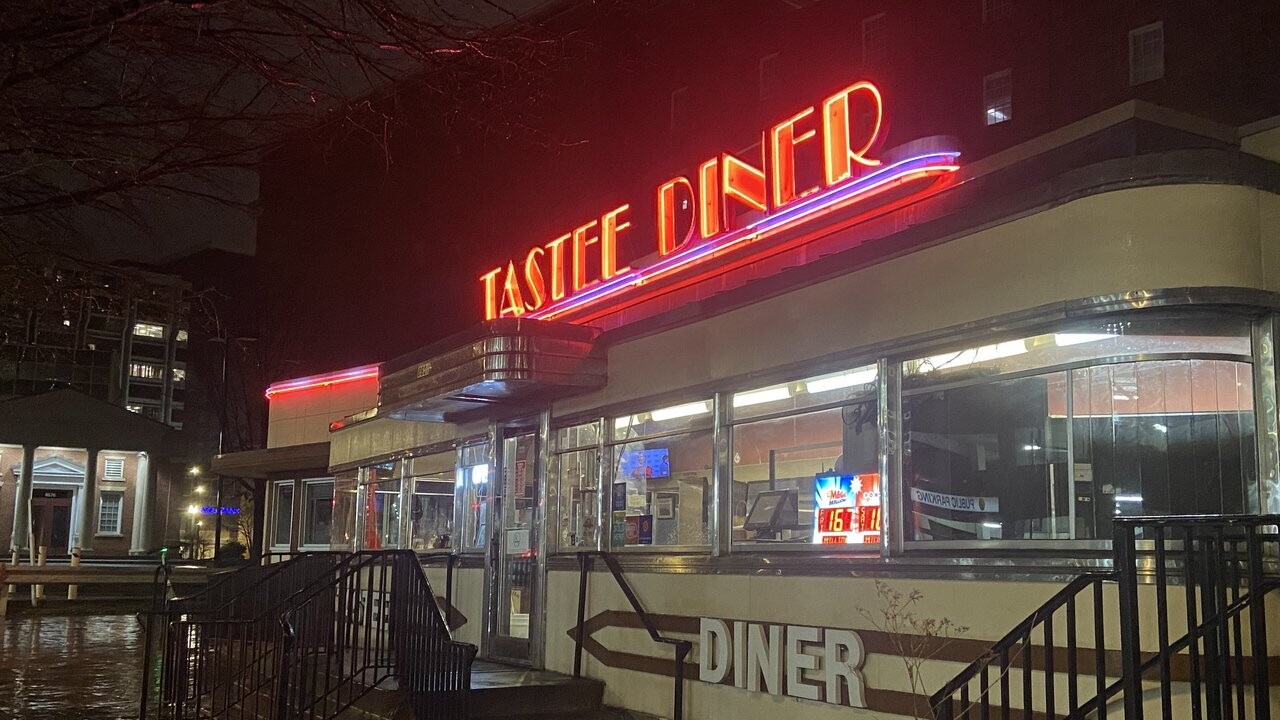
Windows That Turned the Room Into a Sign
Large windows let motorists see a bright, busy dining room from outside. After sunset, customers, counters, and hanging lights became part of the restaurant’s advertisement. The effect was welcoming and practical: a passing driver could quickly tell that the place was open and active.
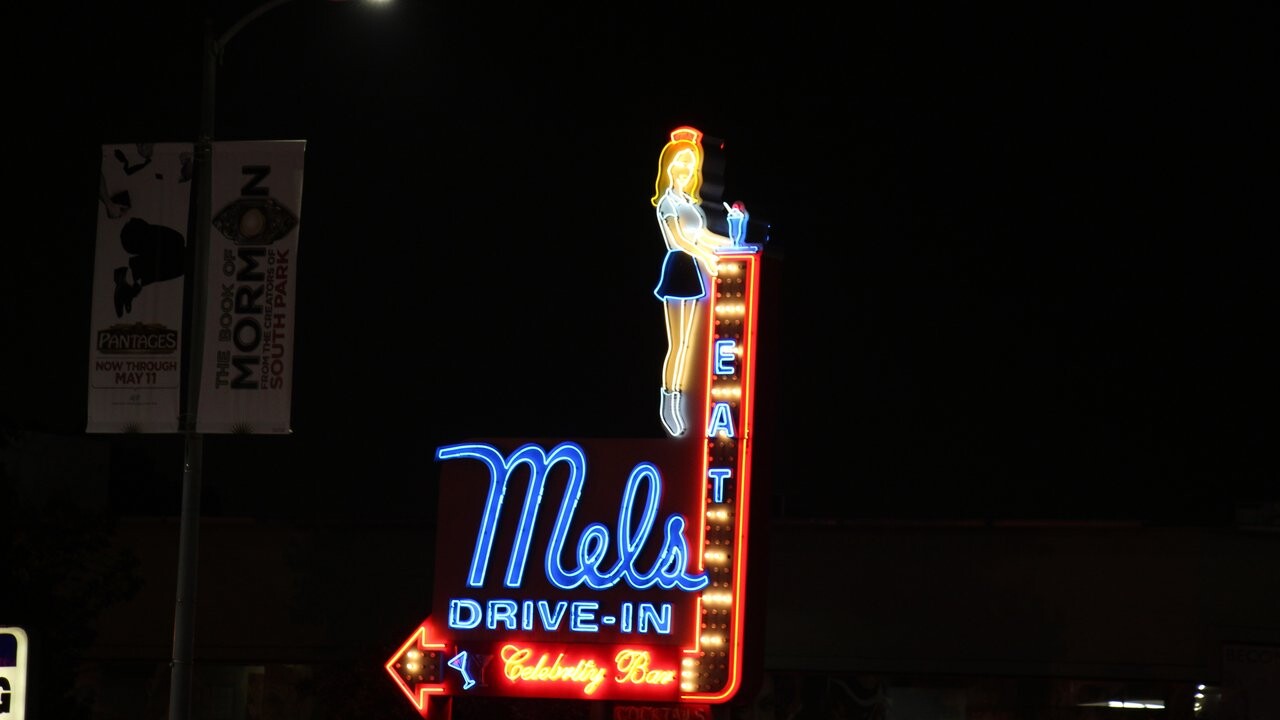
Neon Trim Around Every Edge
Neon did more than spell out a restaurant’s name. Tubes traced rooflines, framed windows, surrounded clocks, and pointed toward entrances. The glow transformed an ordinary roadside building after dark, especially when animated arrows or changing colors seemed to pull a traveler directly into the parking lot.
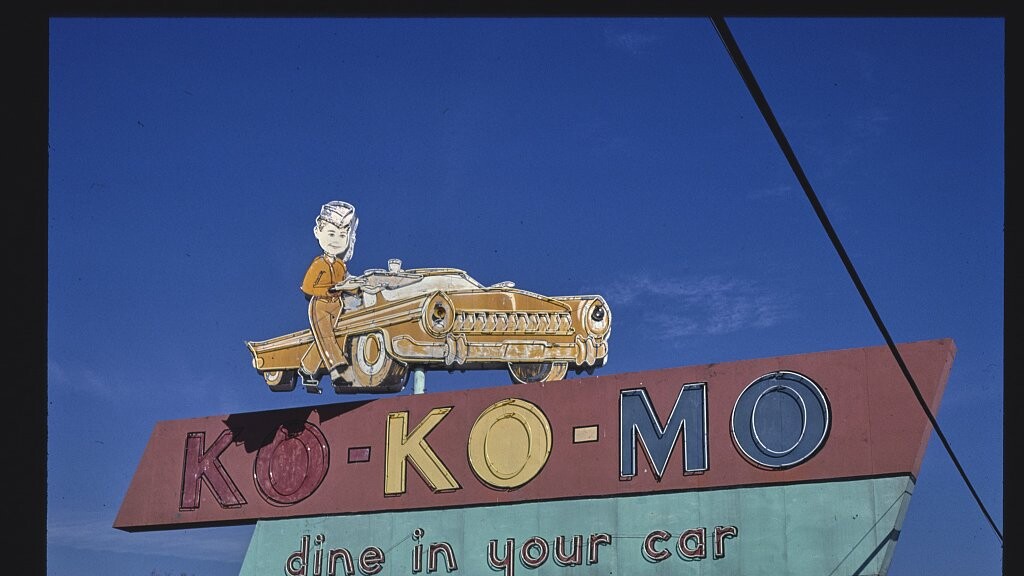
Boomerangs, Angles, and Space-Age Flair
Dramatic roofs, sweeping curves, starbursts, and sharply angled signs belonged to the exuberant style known as Googie. It flourished as roadside businesses competed for motorists’ attention. Bright colors, glass, neon, and futuristic shapes made a coffee shop feel like a cheerful preview of tomorrow.
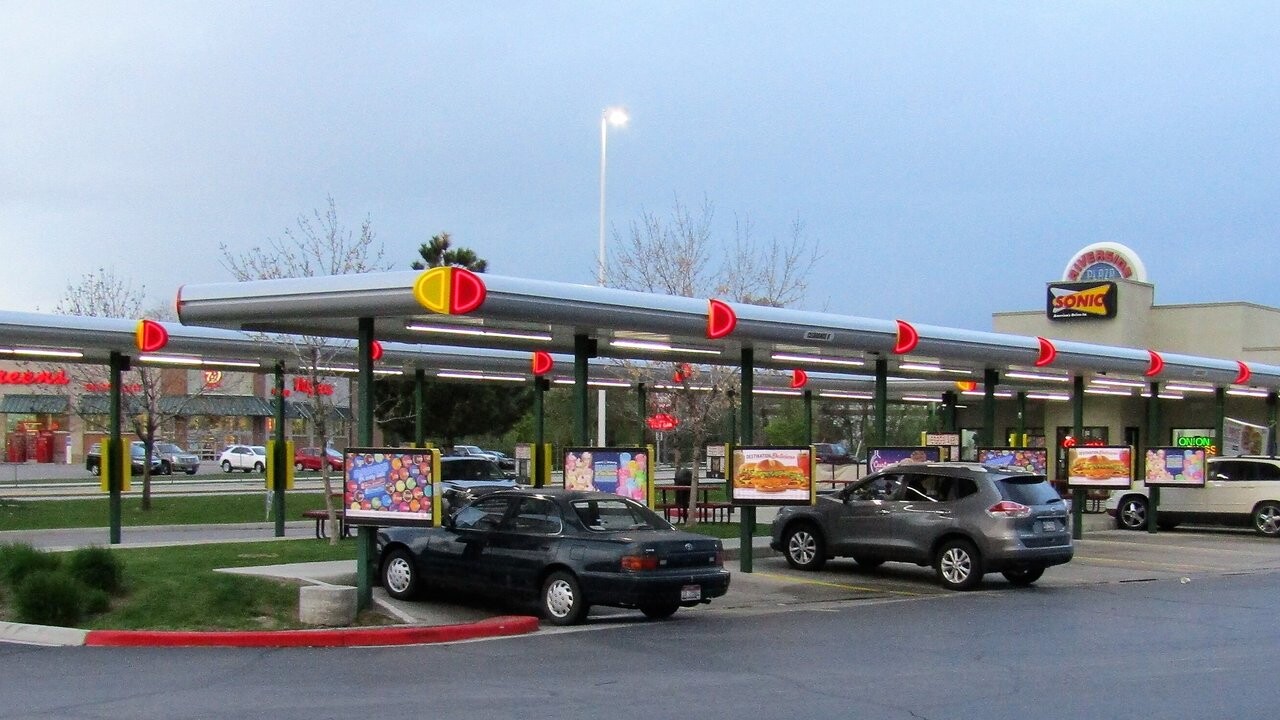
Parking Bays Under the Canopy
At a drive-in, the parking space became the dining room. Covered bays offered shade, shelter from light rain, and an orderly place for curbside service. Pulling beneath the canopy meant everyone could stay in the car, settle in, and wait for someone to take the order.
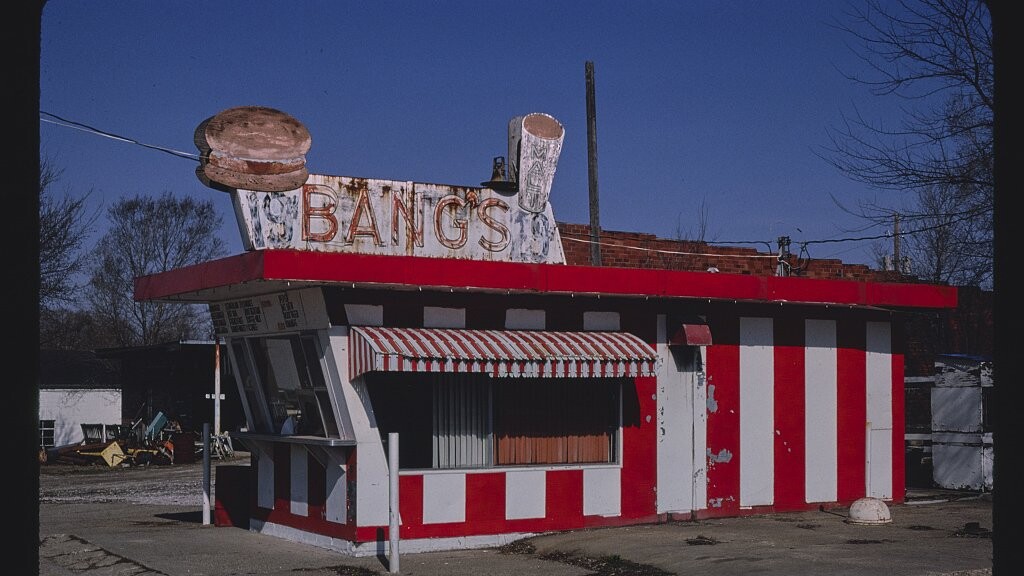
The Call Box Beside Your Window
A speaker box made ordering from the driver’s seat feel wonderfully modern. The routine was simple: press a button, listen for a voice, and speak toward the metal grille. The compact box connected each parking bay to the restaurant while allowing everyone in the car to remain seated.
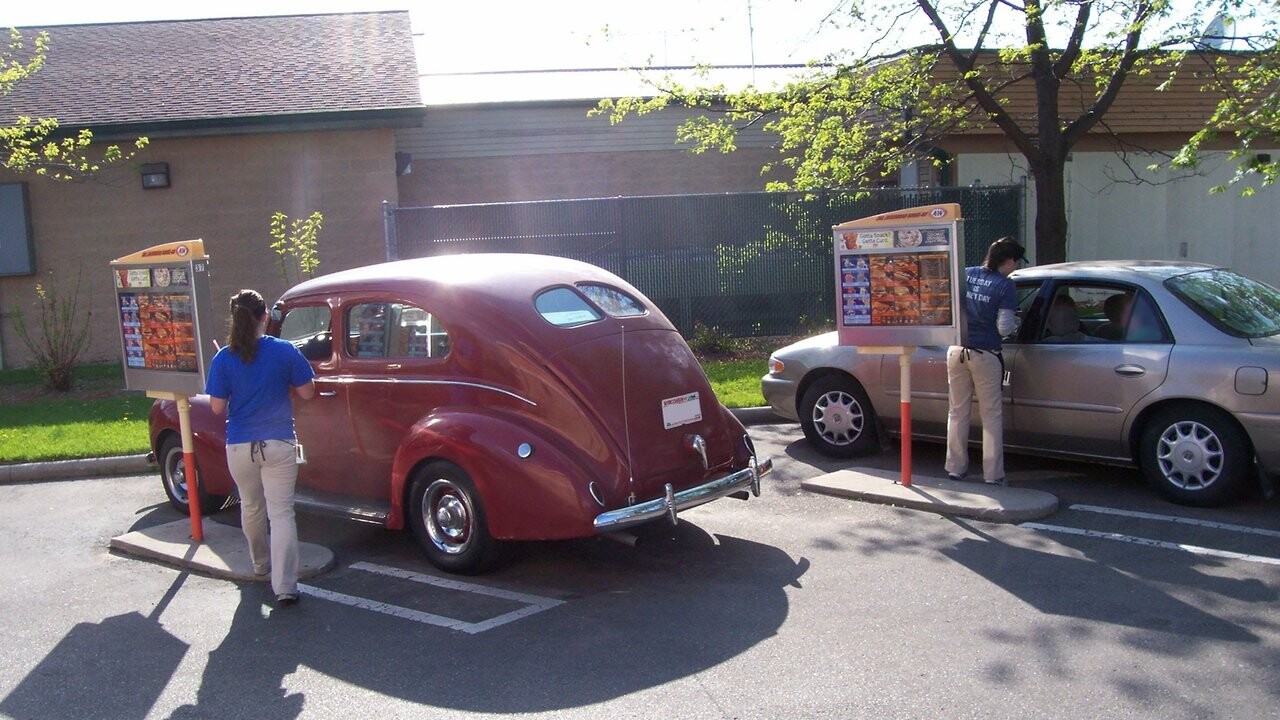
The Carhop Walking Out With Your Order
Carhops connected the kitchen to rows of parked cars. They took orders, carried drinks and food outside, collected payment, and returned with change. A familiar uniform made them easy to spot across the lot, while practiced balance helped them manage loaded trays between bumpers and open windows.
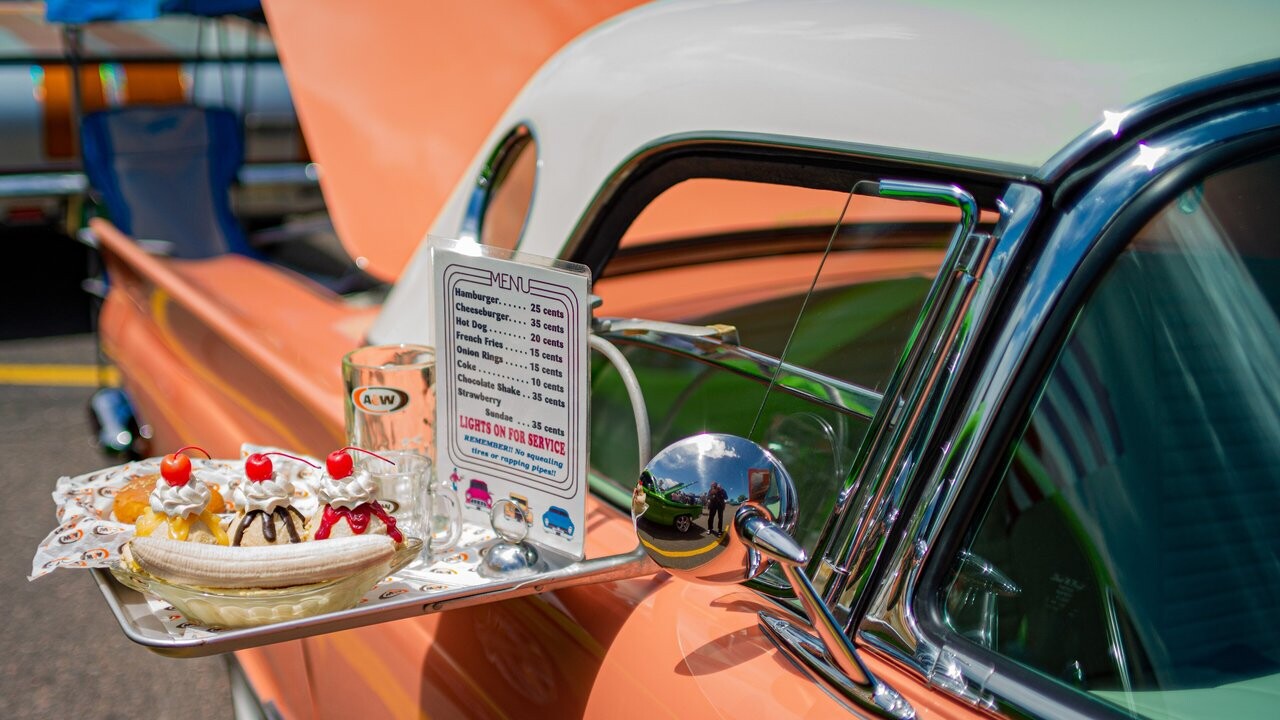
Eating Right in the Front Seat
Dinner in a car required a little improvisation. Food might arrive on a tray designed for the window, while paper protected laps from crumbs and spills. The steering wheel, dashboard, and bench seat all became part of the meal, especially when the whole family had squeezed inside.
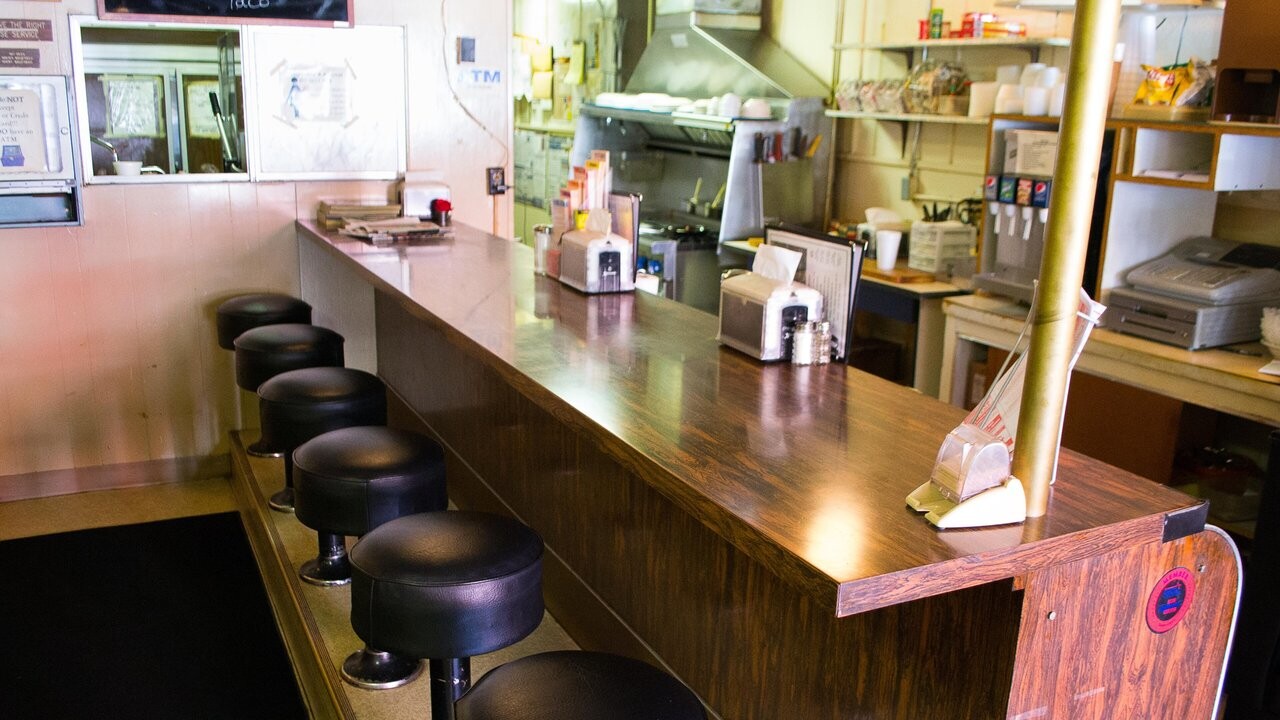
Counter Stools in a Neat Row
Inside the diner, a row of stools offered the quickest route to coffee and a hot plate. Customers faced the counter and watched orders move through the kitchen. The arrangement saved space, encouraged conversation, and allowed a server to look after several people without crossing the dining room.
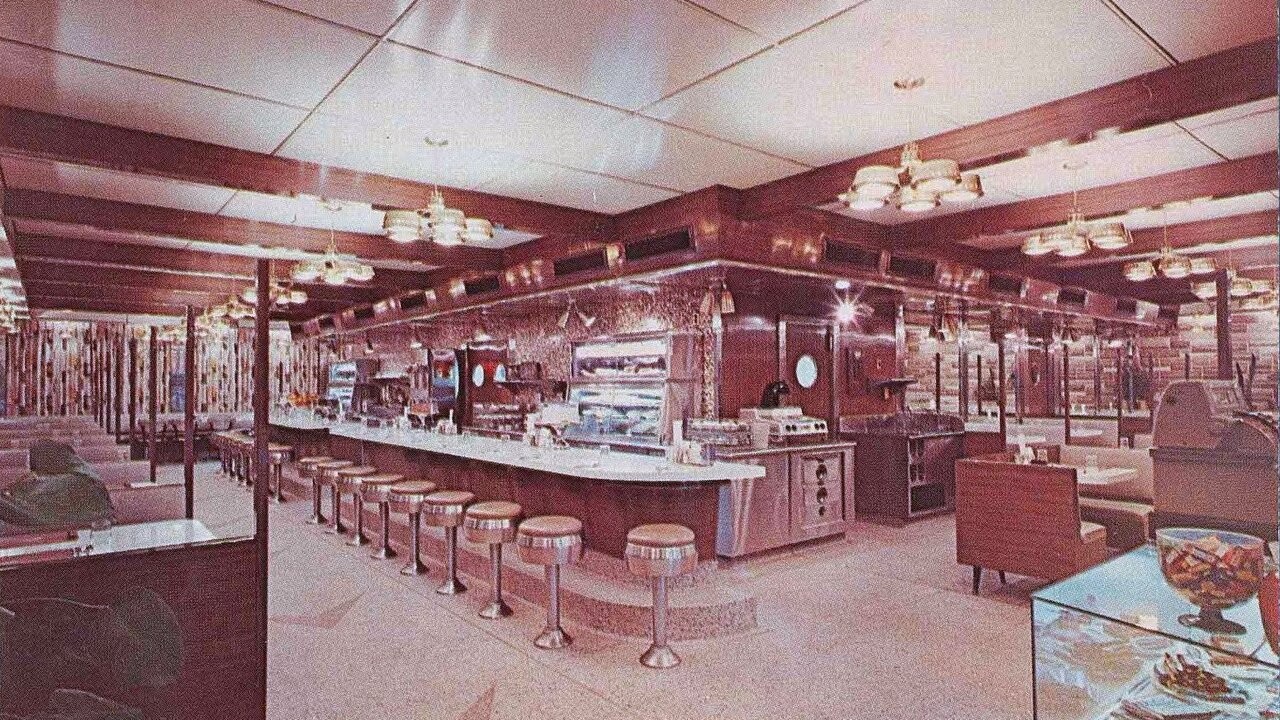
Booths, Mirrors, and the Clock
Booths gave families and groups a little room of their own. Leatherette seats, chrome trim, mirrors, and a clock above a doorway completed the setting. The reflective surfaces made a narrow diner seem larger, while the clock quietly reminded travelers how long they had lingered.
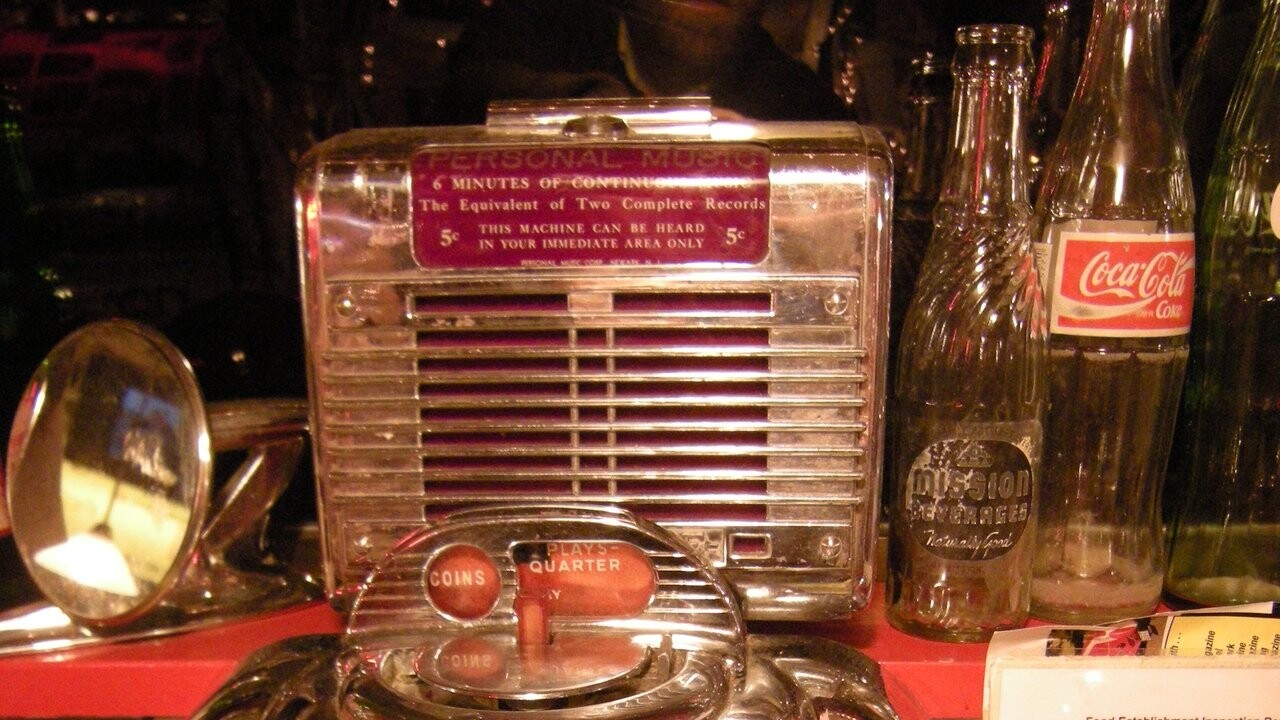
The Jukebox Selector at the Table
A small chrome selector brought the jukebox to the booth. Song titles appeared behind glass, and numbered buttons sent a choice to the main machine. There was no need to leave the table. A diner could study the list, drop in a coin, and provide the room’s next song.
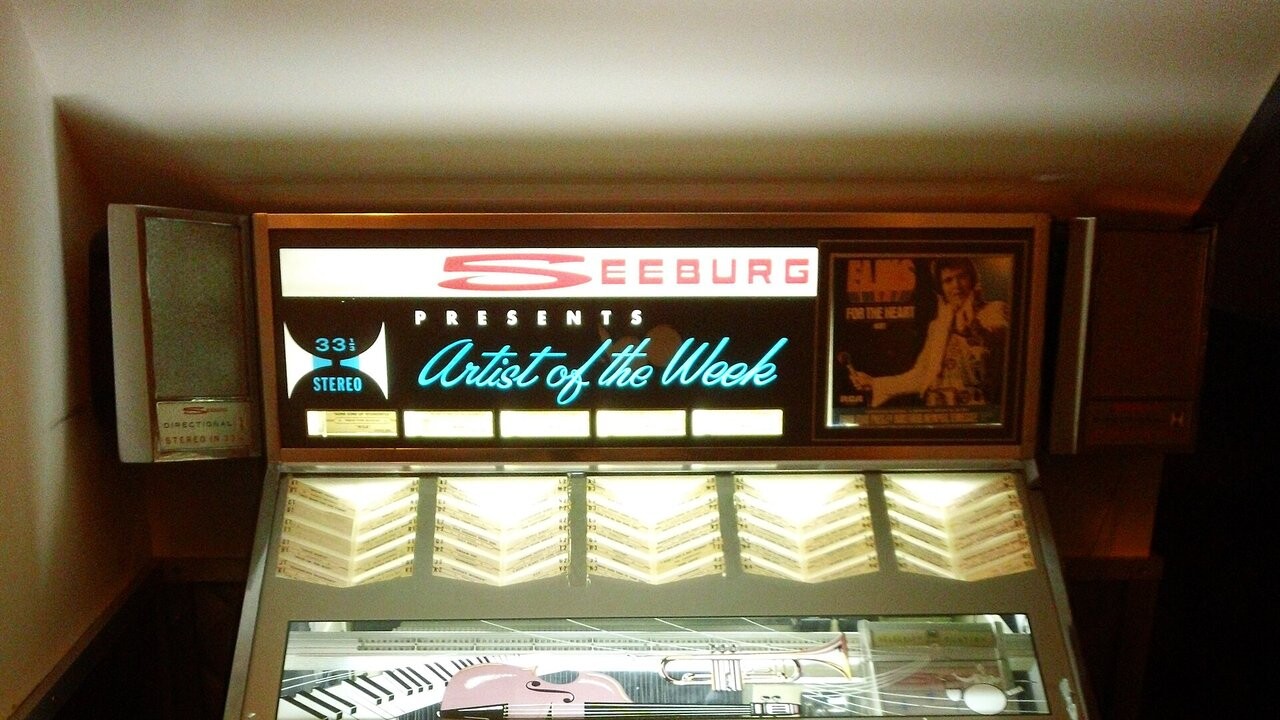
A Dime for the Next Song
One Smithsonian selector offered one song for a dime or three for a quarter. Teenagers could turn a booth into their own listening station, choosing new rhythm and blues or rock and roll records. The music gave diners an energy that felt distinctly different from home or school.
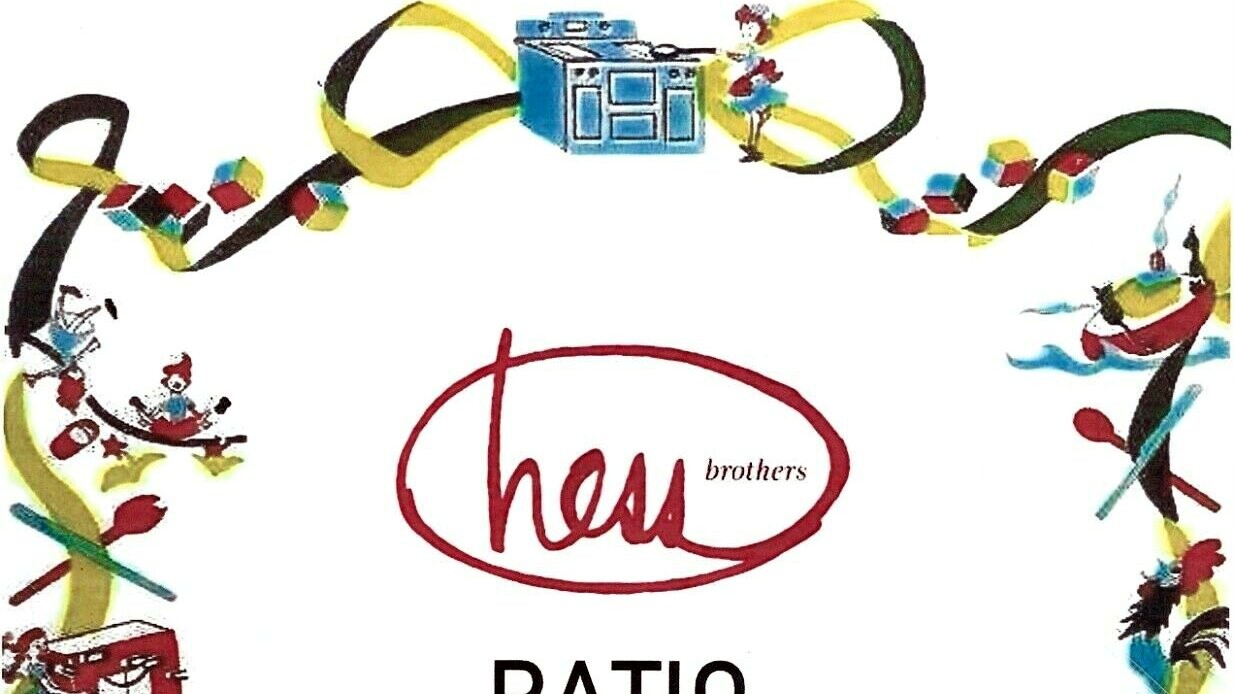
Menus With Bright Pictures
Menus were part sales pitch and part souvenir. Colorful illustrations, Western themes, unusual shapes, and bold lettering made familiar food look special. A short-order menu could be read quickly, but the pictures and playful designs gave customers something to study while they waited for a server.
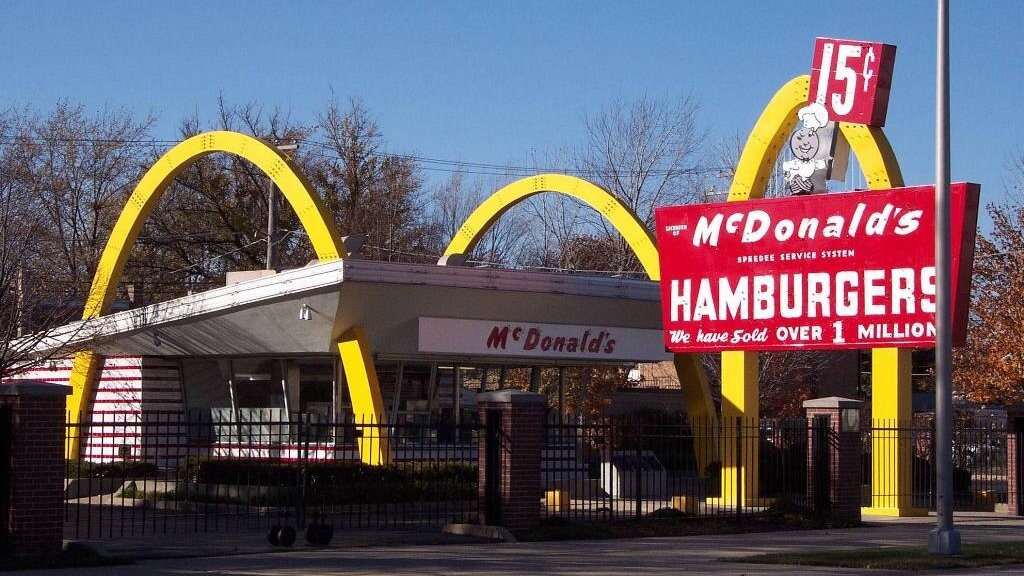
Hamburgers, Fries, and a Short Menu
The simplest drive-ins built their appeal around food that could be prepared quickly and handled easily. Hamburgers, fries, and cold beverages needed little explanation and traveled well to a parked car. A limited menu also helped a busy kitchen keep orders moving during the evening rush.
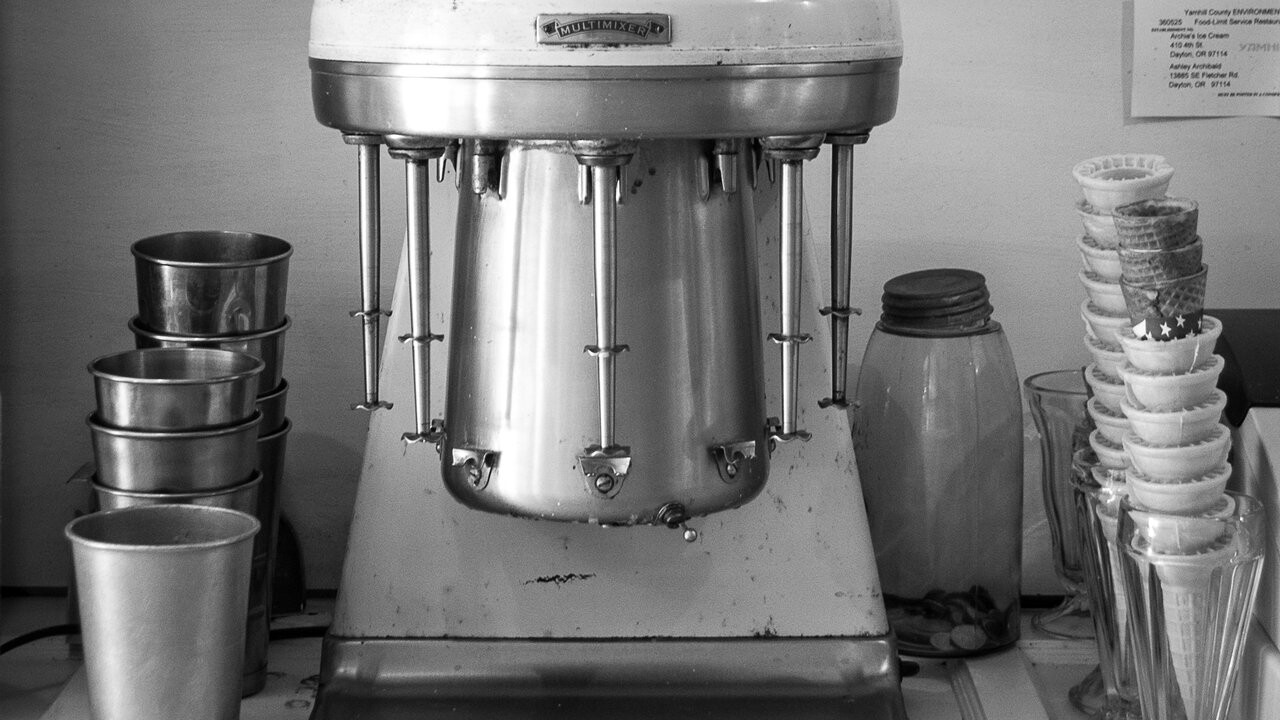
Milkshakes Mixed Behind the Counter
The whir of a drink mixer belonged to the soundtrack of a diner. During a busy shift, servers worked behind the counter with polished metal mixers beside the chrome fixtures. Thick shakes paired naturally with the burgers and fries served at roadside drive-ins, completing a familiar combination.
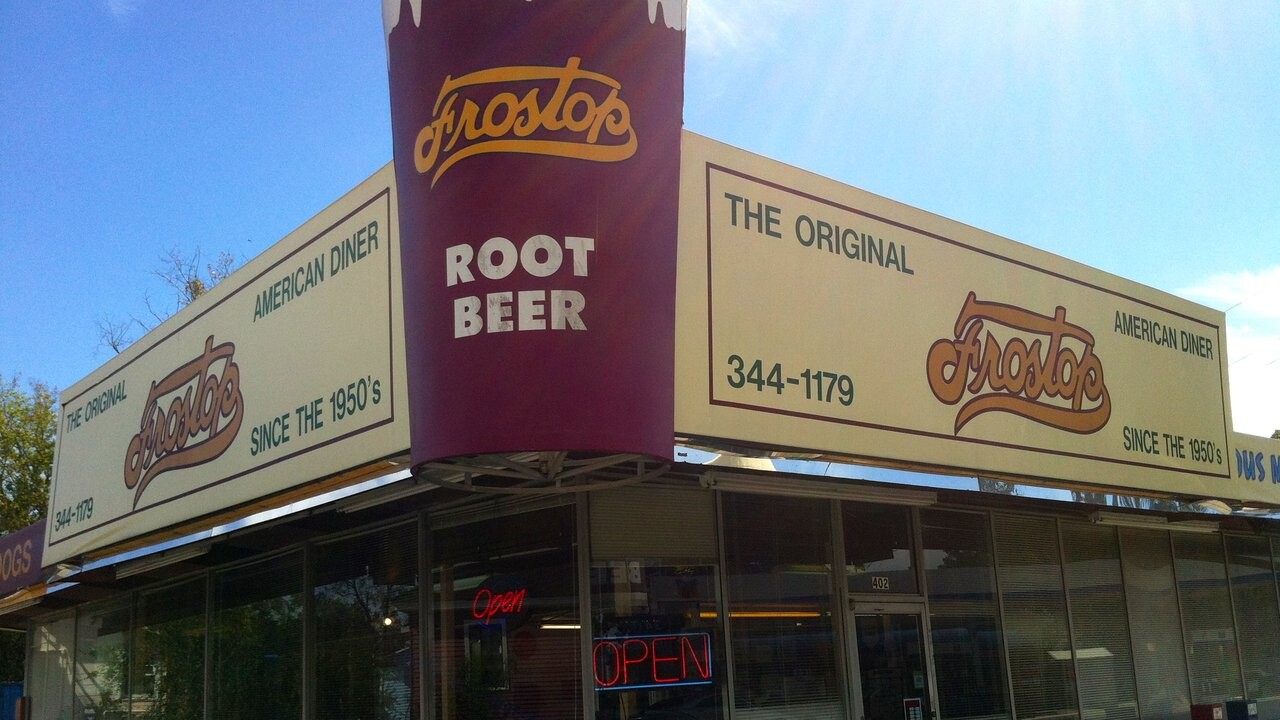
Root Beer and Frozen Custard Stops
Some roadside stands specialized in one cold treat rather than a full meal. Root beer mugs, ice cream cones, and frozen custard became giant signs that drivers could recognize at a glance. On a warm evening, the stop itself could be as memorable as the destination ahead.
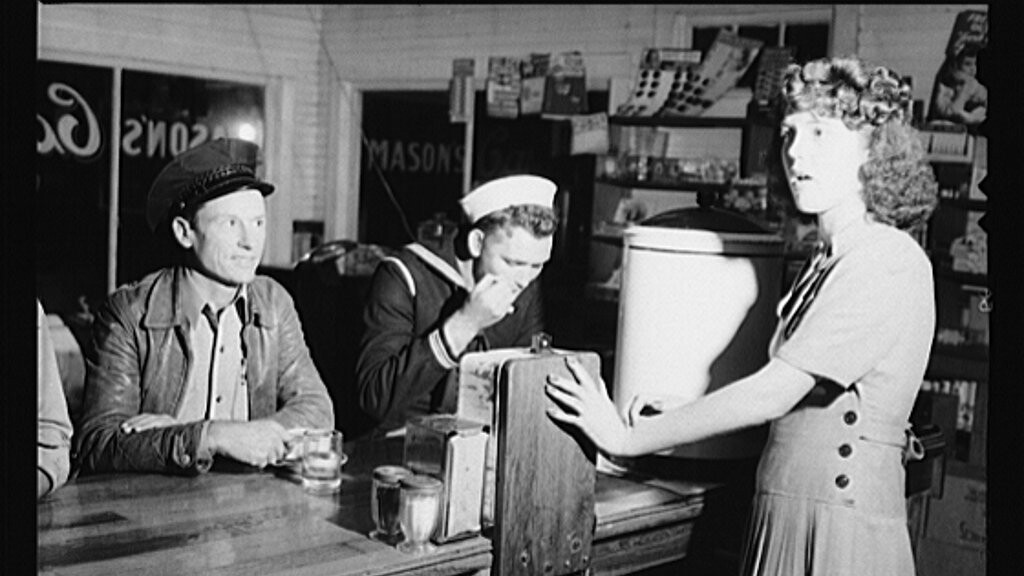
Coffee for Drivers on the Night Shift
Roadside diners served people whose schedules did not match ordinary mealtimes. Truck drivers could slide onto a stool, warm up, and get coffee before returning to the highway. Many diners remained open around the clock, their bright windows offering a dependable pause for customers working long hours.
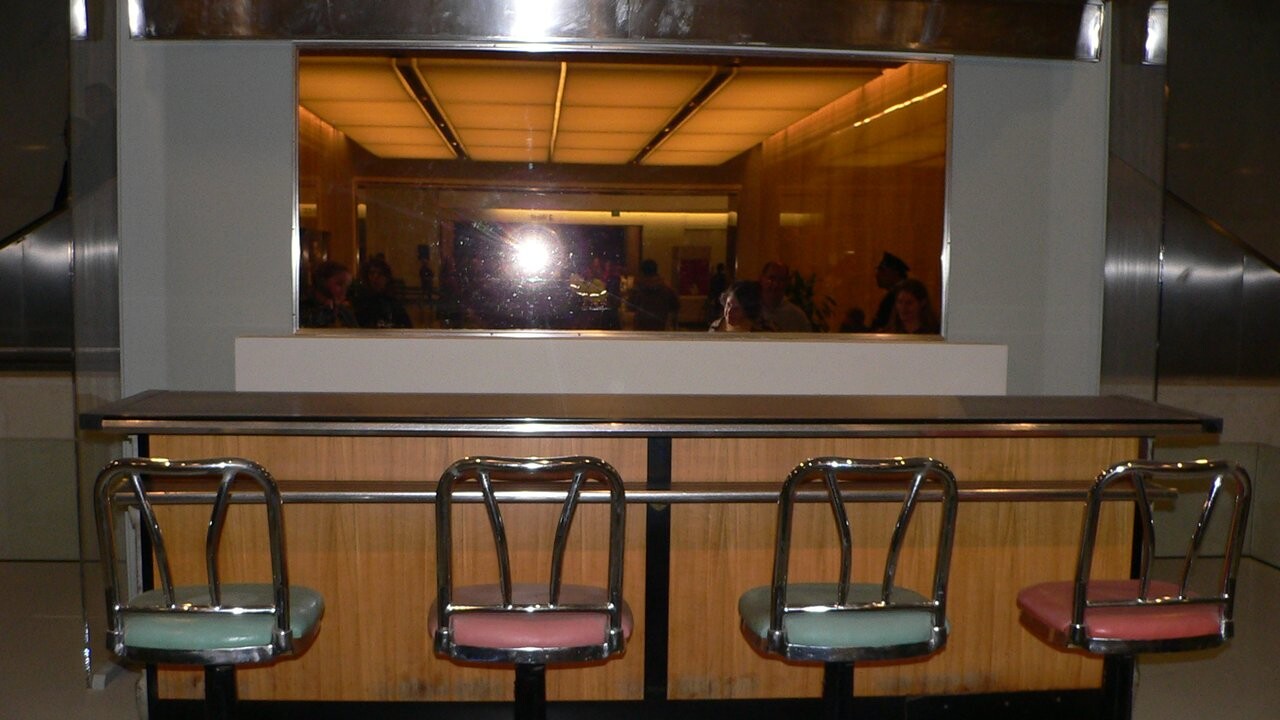
The Counter’s Harder History
The nostalgic picture was not shared equally. Segregated lunch counters denied service to Black customers across parts of the country. On February 1, 1960, four African American students began a nonviolent protest at the Greensboro lunch counter, helping turn an everyday fixture into a symbol of courage and the demand for equal treatment.
The best-remembered diners mixed ordinary food with an atmosphere that made even a short stop feel special. Which drive-in or diner detail brings back the strongest memory for you?
Follow The HyperHive on MSN for more stories like this.
Sources:






