Alcatraz Secrets: What the Record Confirms

United States Bureau of Prisons / Wikimedia Commons, Public domain (cropped)
Alcatraz is remembered as an escape-proof prison, yet its history begins with seabirds, a lighthouse, and a military fort. Several familiar stories about its prisoners and escapes also look different in the official record.
This chronological gallery draws on histories published by the National Park Service, FBI, and Federal Bureau of Prisons. Together, they reveal an island shaped by defense, imprisonment, protest, preservation, and enduring mystery.
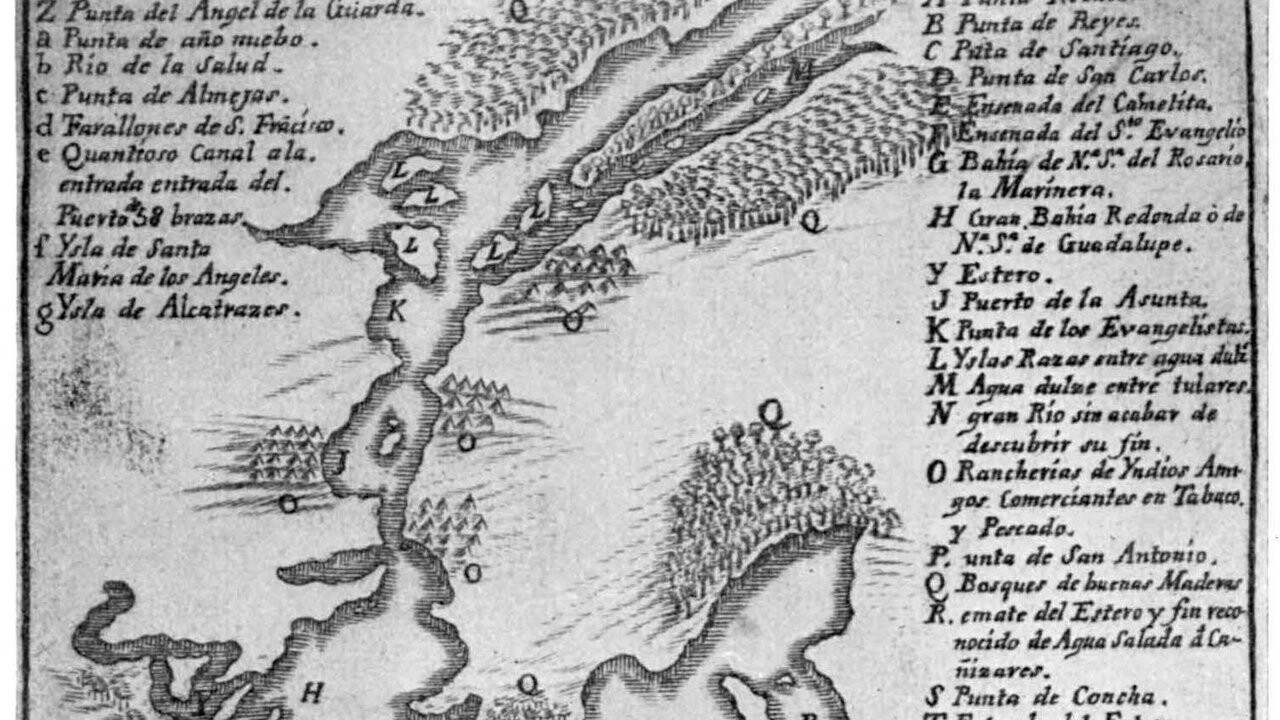
1775: Juan Manuel de Ayala Maps the Bay
Spanish explorer Juan Manuel de Ayala mapped San Francisco Bay and applied the name “de los alcatraces” to one of its islands. The precise translation remains debated. The Bureau of Prisons says the word is usually understood as pelican or strange bird, making the island’s familiar name less certain than it sounds.
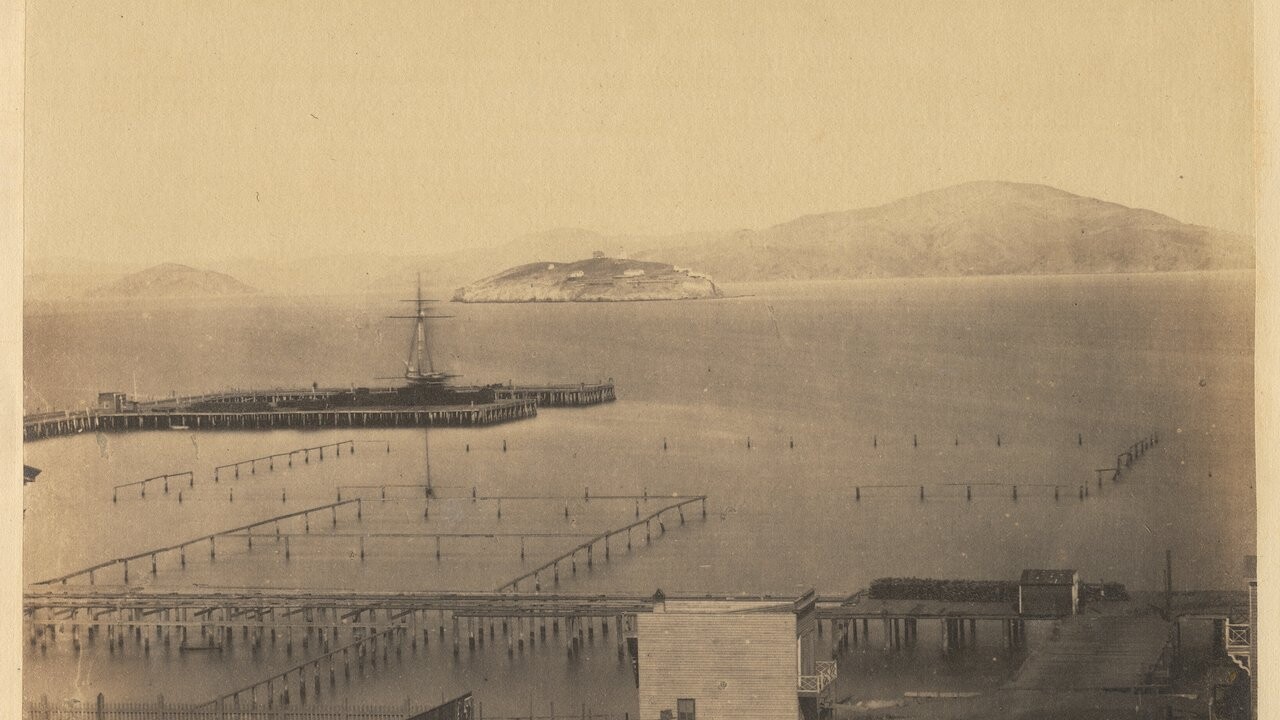
1850: Alcatraz Is Reserved for Defense
A joint Army and Navy commission recommended a defensive triangle around San Francisco Bay. President Millard Fillmore then reserved Alcatraz and nearby lands for public purposes. The Gold Rush was rapidly expanding San Francisco, and federal officials considered the island part of the military defenses needed to protect the bay.
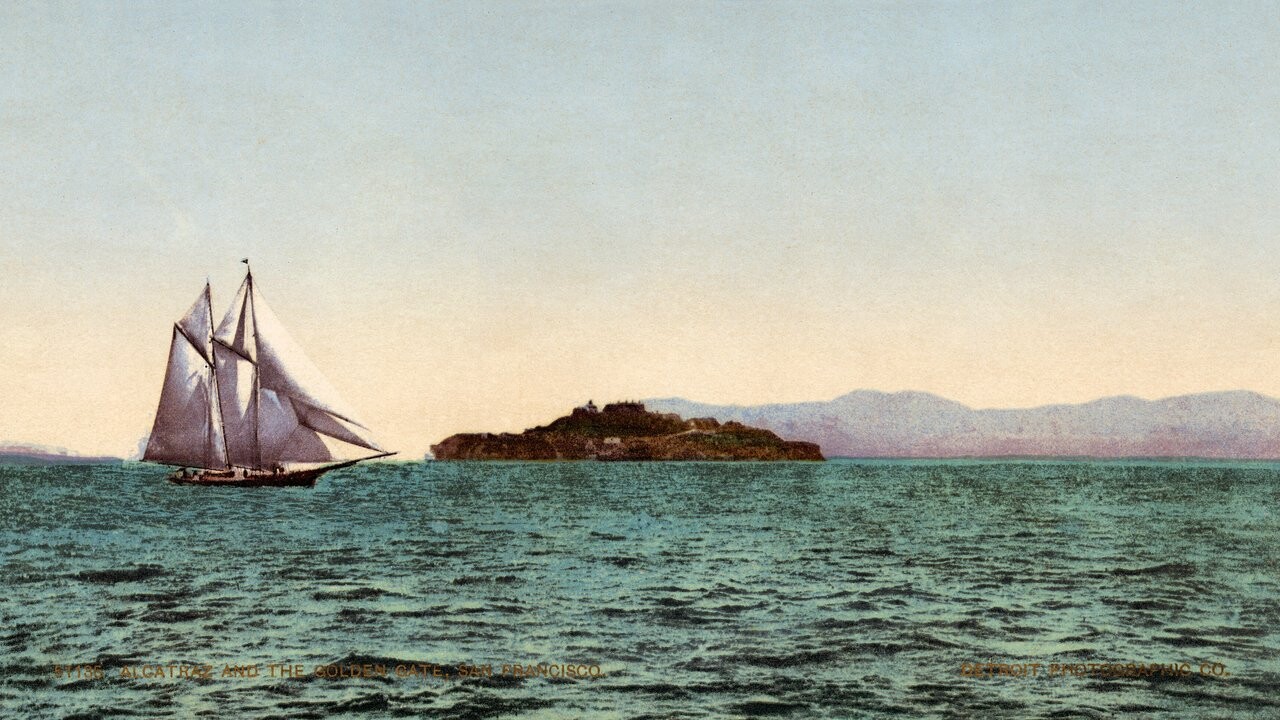
1854: The First Pacific Coast Lighthouse
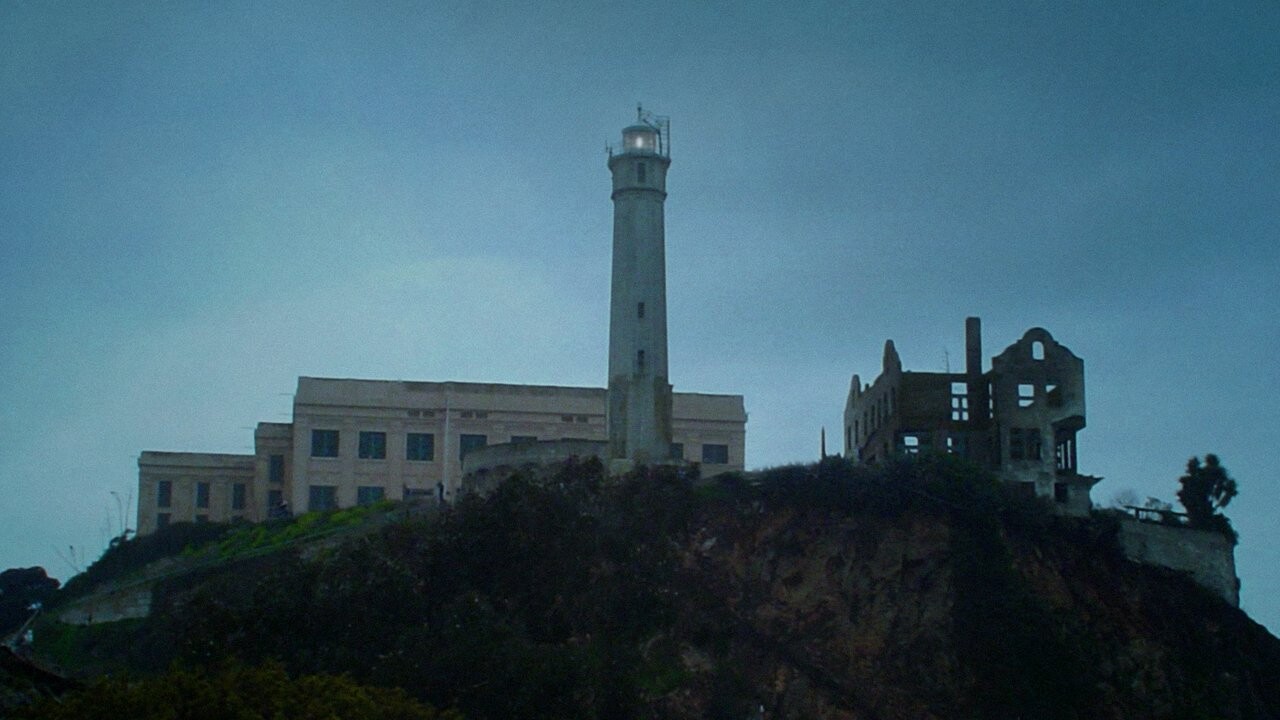
Alcatraz’s original lighthouse became the first operating lighthouse on the Pacific Coast. It guided vessels entering the Golden Gate while fortifications rose around it. The tower visible today is not the original structure. It replaced the earlier lighthouse in 1909 and continues the island’s long navigational role.
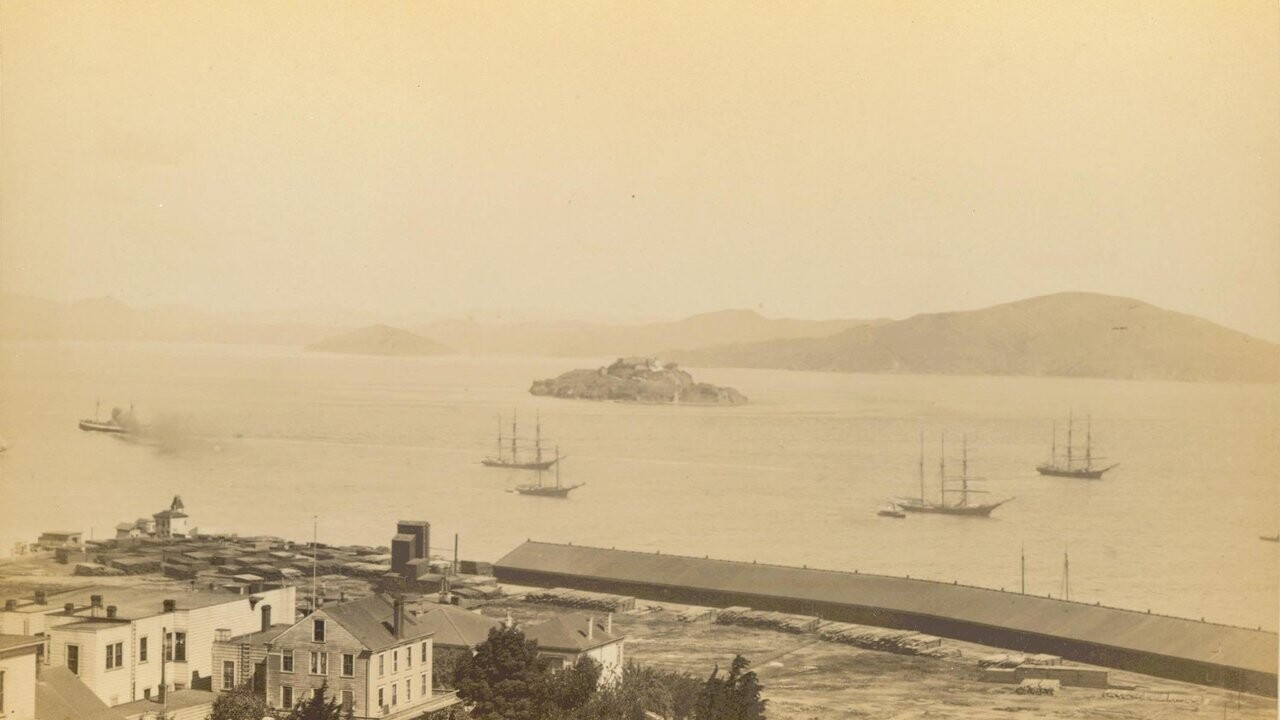
1859: Military Imprisonment Begins
Alcatraz began functioning as a military prison in December 1859, when its first permanent Army garrison arrived. Confinement became increasingly important as the island’s defensive role declined. Military prisoners later provided labor for construction, maintenance, and improvements across the post, beginning a prison history that continued for more than a century.
1861: A Civil War Fortress and Prison
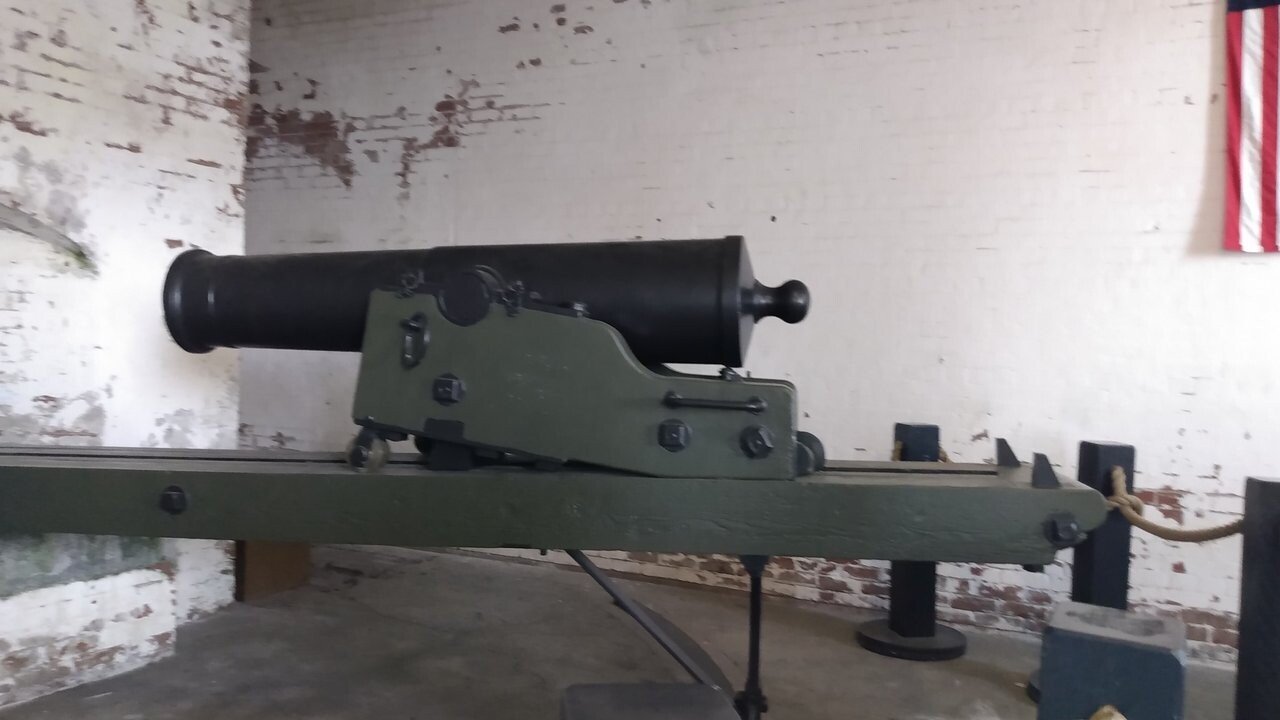
During the Civil War, Alcatraz helped guard San Francisco and became the official military prison for the Department of the Pacific. Its inmates included military offenders as the island remained an armed coastal strongpoint. Despite its formidable artillery and strategic location, Alcatraz never fired its guns in battle.
1895: Hopi Leaders Are Imprisoned
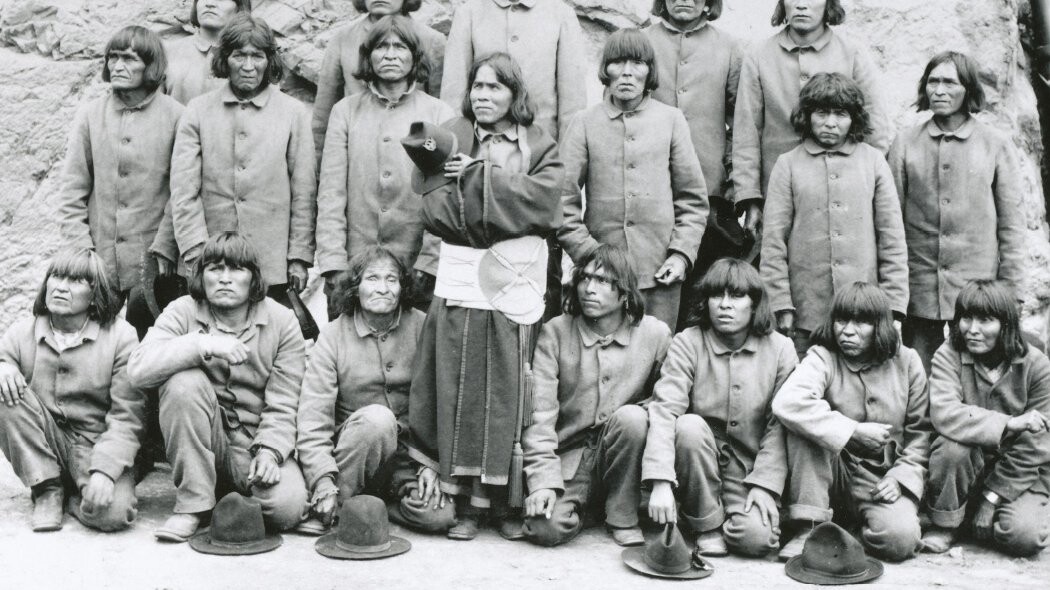
Nineteen Hopi men were imprisoned on Alcatraz after resisting federal policies involving forced education and land allotment. National Park Service research describes those policies as part of an effort to impose Anglo-American ideals and extinguish Hopi culture. Their confinement places Alcatraz within the broader history of coercive federal assimilation policies.
1907: The Fortress Becomes a Military Prison
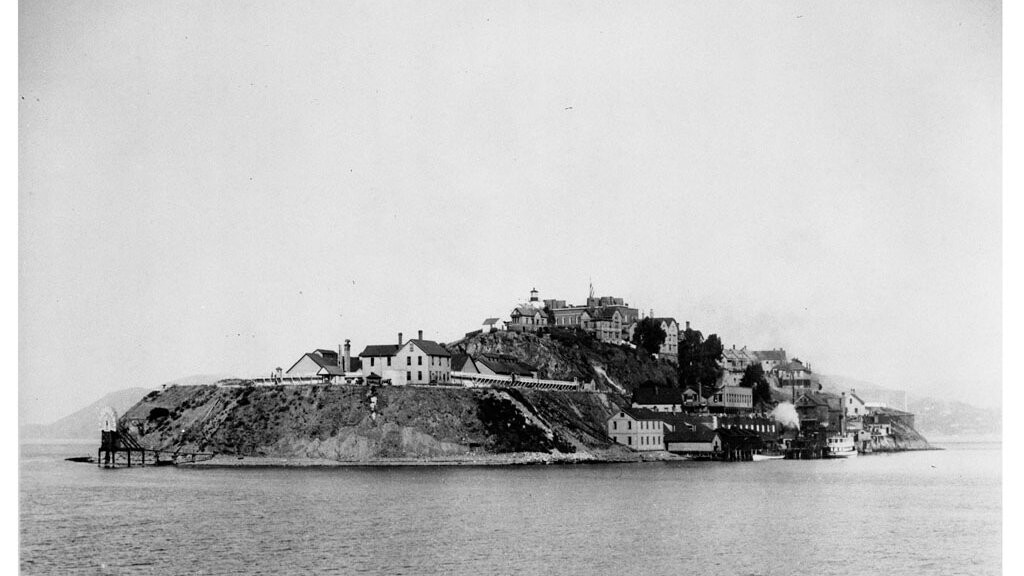
The Army officially redesignated Alcatraz as the Pacific Branch, U.S. Military Prison. Modern weapons had already made its old fortifications increasingly obsolete. Confinement, once secondary to coastal defense, was now the island’s central purpose and would remain so under both military and civilian authorities.
1912: Prisoners Complete the Cellhouse
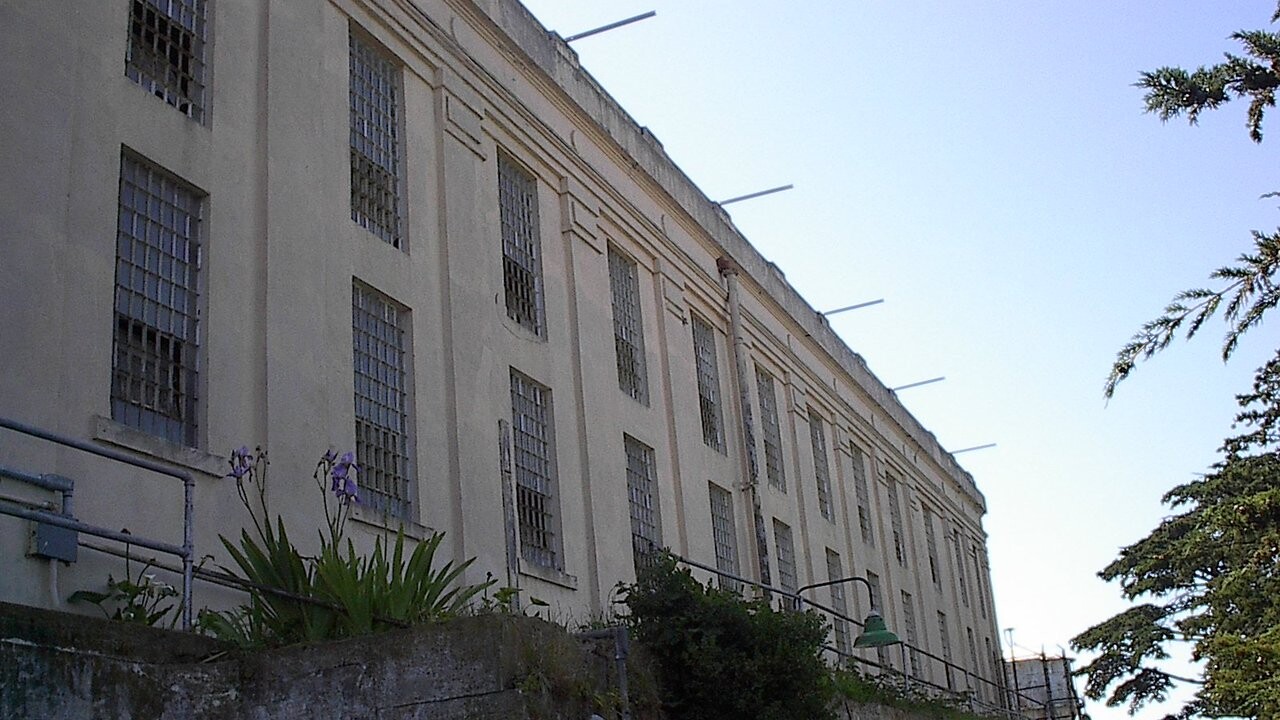
Military prisoners built the reinforced-concrete cellhouse that still dominates the island. Completed in 1912, it was Alcatraz’s third prison structure. The Army later used the name United States Disciplinary Barracks for the institution, but the same imposing cellhouse eventually became the center of the federal penitentiary.
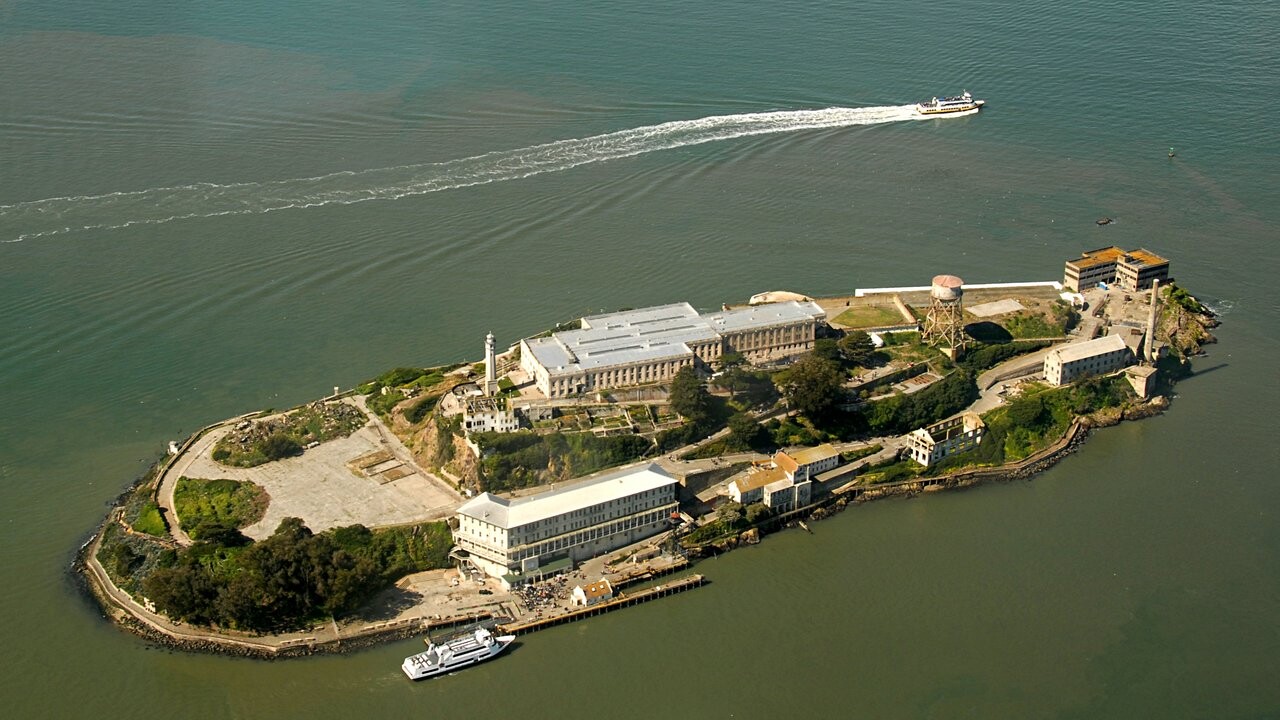
1934: The Federal Penitentiary Opens
The Federal Bureau of Prisons converted the former Army facility into a maximum-security, minimum-privilege penitentiary. Officials intended it for federal prisoners considered difficult to incarcerate elsewhere. Alcatraz therefore operated as a highly controlled institution for troublesome, violent, or escape-prone inmates, rather than simply as a prison for celebrated gangsters.
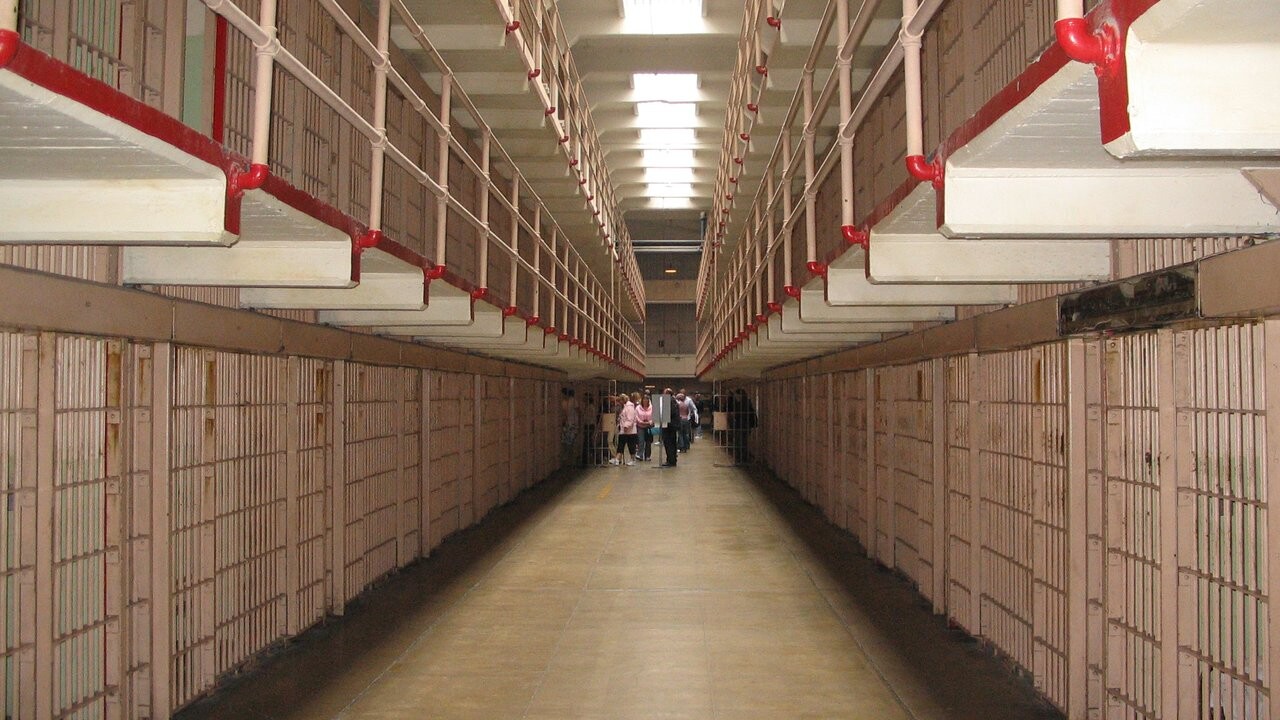
Daily Life Was Strict but Not Constantly Brutal
Food, clothing, shelter, and medical care were treated as rights. Work, correspondence, visits, recreation, and library access were privileges that had to be earned. The routine was highly structured and monotonous, yet some prisoners considered the living conditions better than those at other federal institutions and even requested transfers to Alcatraz.
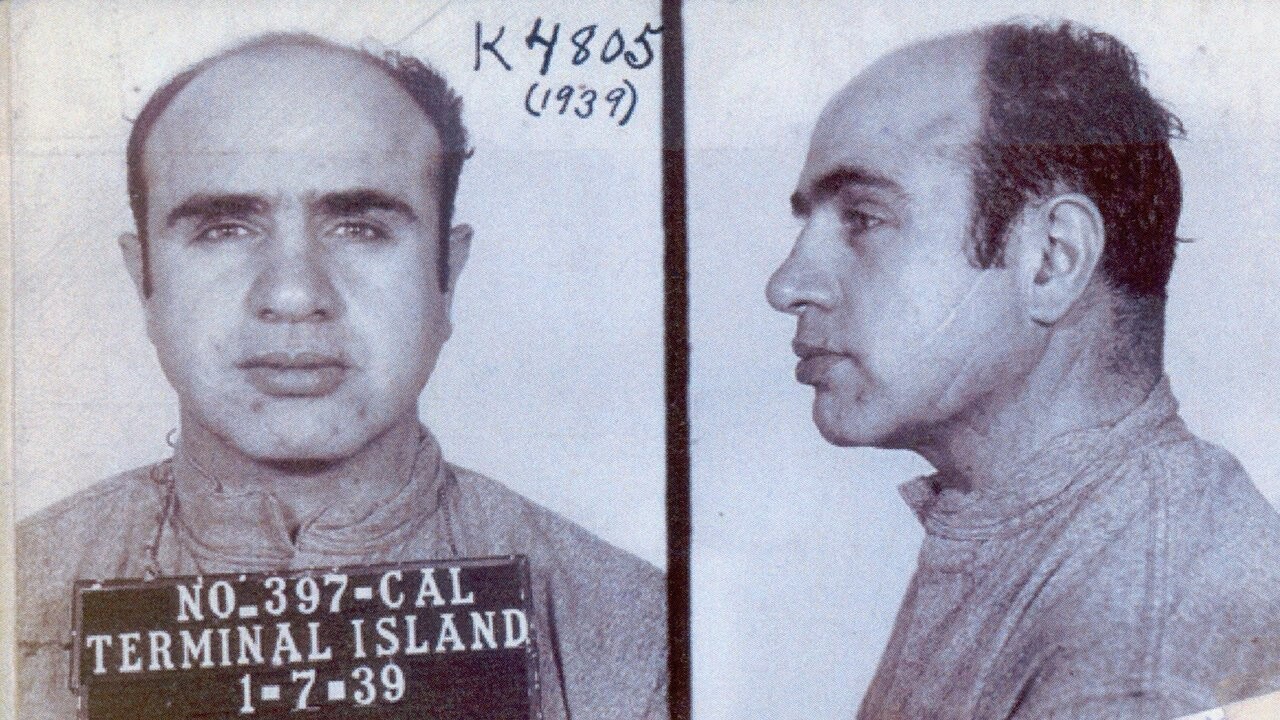
Al Capone Was a Famous Exception
Al Capone served part of his federal sentence at Alcatraz after first entering prison in Atlanta. His presence strengthened the island’s gangster reputation, but most inmates were not famous criminals. Many were comparatively unknown men who had refused to follow rules at other federal institutions or were considered difficult to manage.
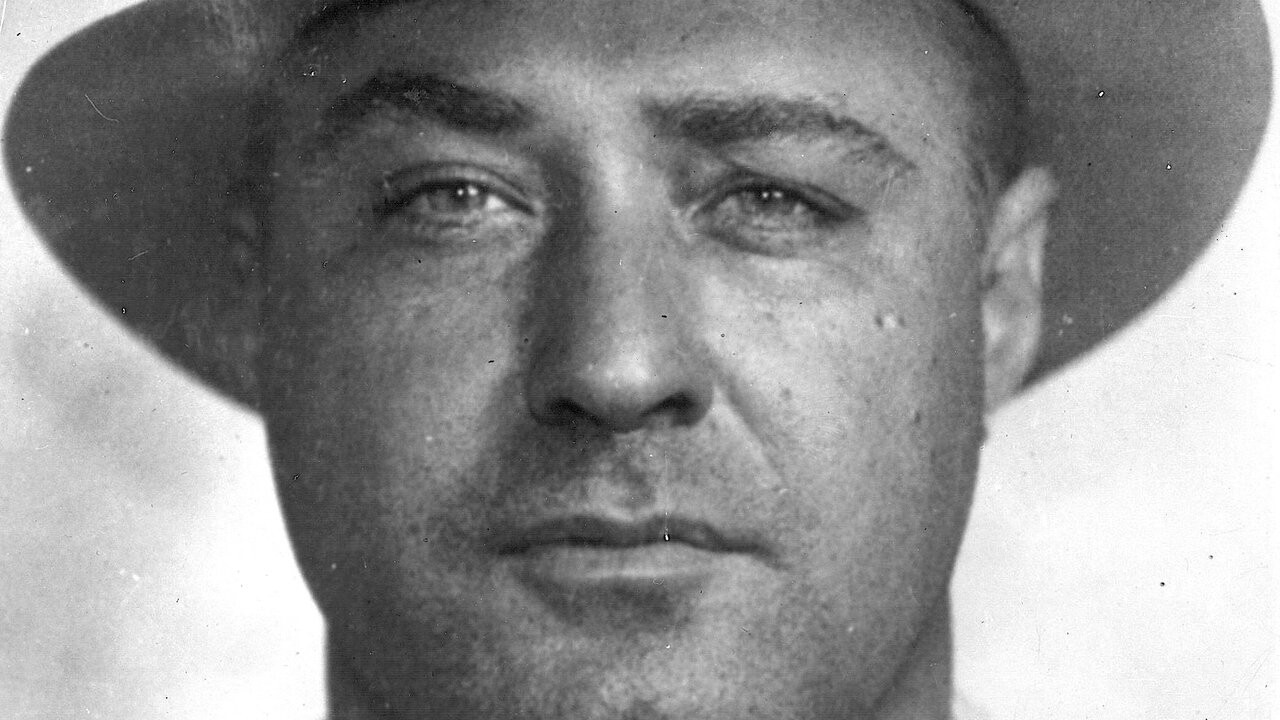
Machine Gun Kelly and the G-Man Myth
George “Machine Gun” Kelly, whose real name was George Kelly Barnes, became notorious after the 1933 kidnapping of a wealthy oil magnate. The FBI says he probably never delivered the dramatic surrender line about G-Men later attached to his arrest. The famous phrase appears to be another durable piece of gangster-era mythology.
Alvin Karpis and a Lasting Reputation
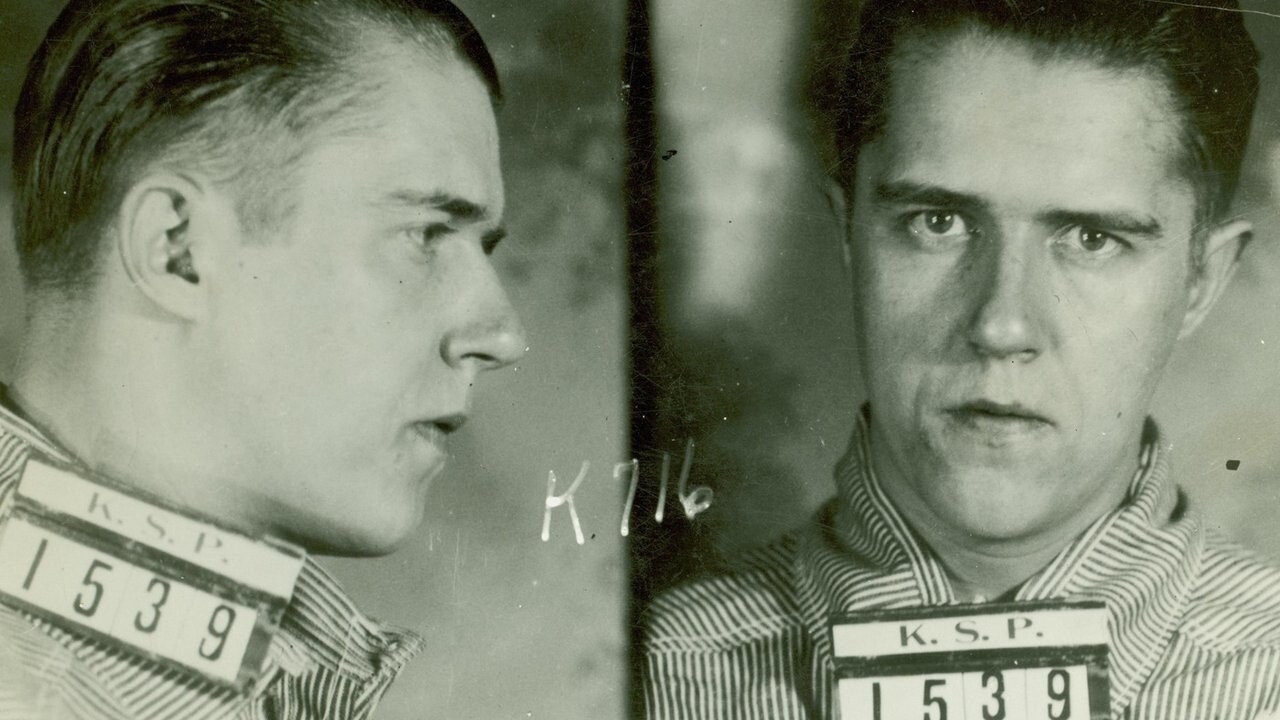
The Bureau of Prisons identifies Alvin Karpis as the first “Public Enemy #1.” His name became closely associated with Alcatraz’s roster of notorious inmates, although his imprisonment extended beyond the island. After stays at Alcatraz and other prisons, Karpis was paroled in the late 1960s, according to the FBI.
Robert Stroud Was Not Alcatraz’s Bird Keeper
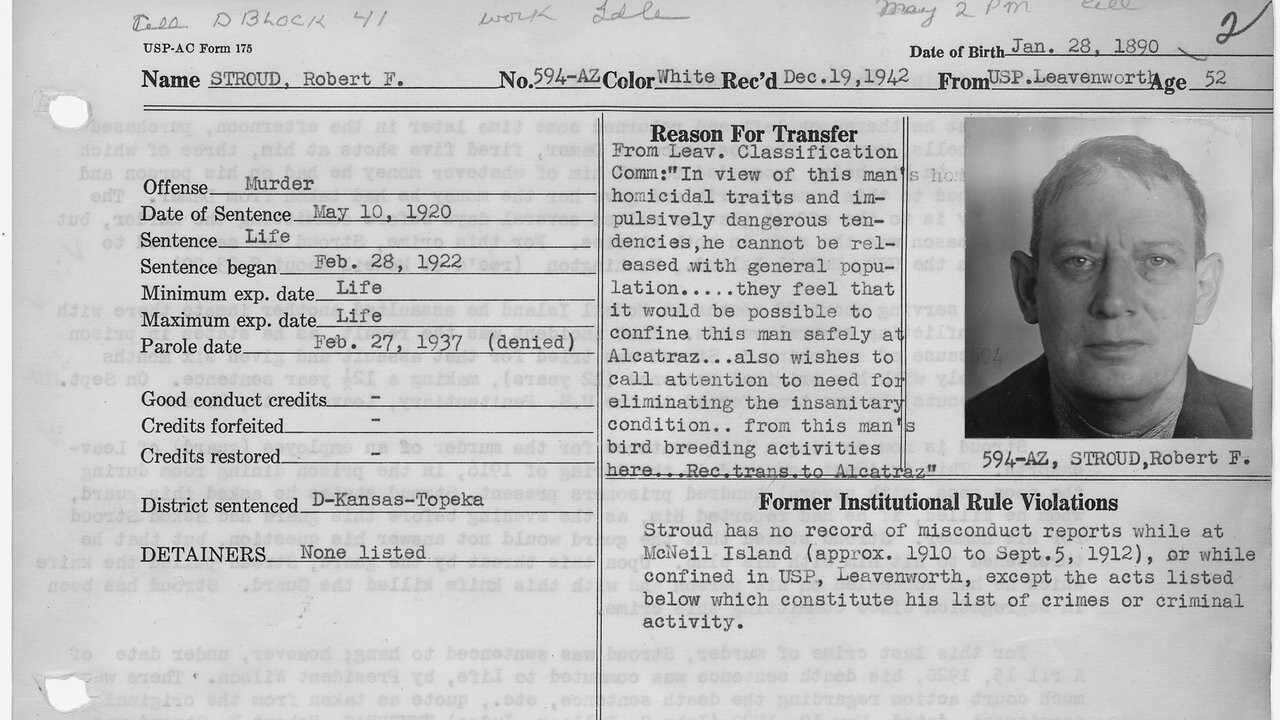
Robert Stroud became famous as the “Birdman of Alcatraz,” but he kept no birds on the island. His interest in birds and his two books about canaries belonged to his earlier years at Leavenworth. Official prison history also rejects the kindly film image of Stroud and connects his long periods in segregation to violent behavior.

1946: The Battle of Alcatraz
From May 2 through May 4, six prisoners overpowered cellhouse officers and obtained weapons and keys, effectively taking control of the cellhouse. Their escape stalled because they lacked the key to the recreation-yard door. Officers and U.S. Marines eventually regained control. Two officers and three prisoners died.
1934–1963: The Escape Record
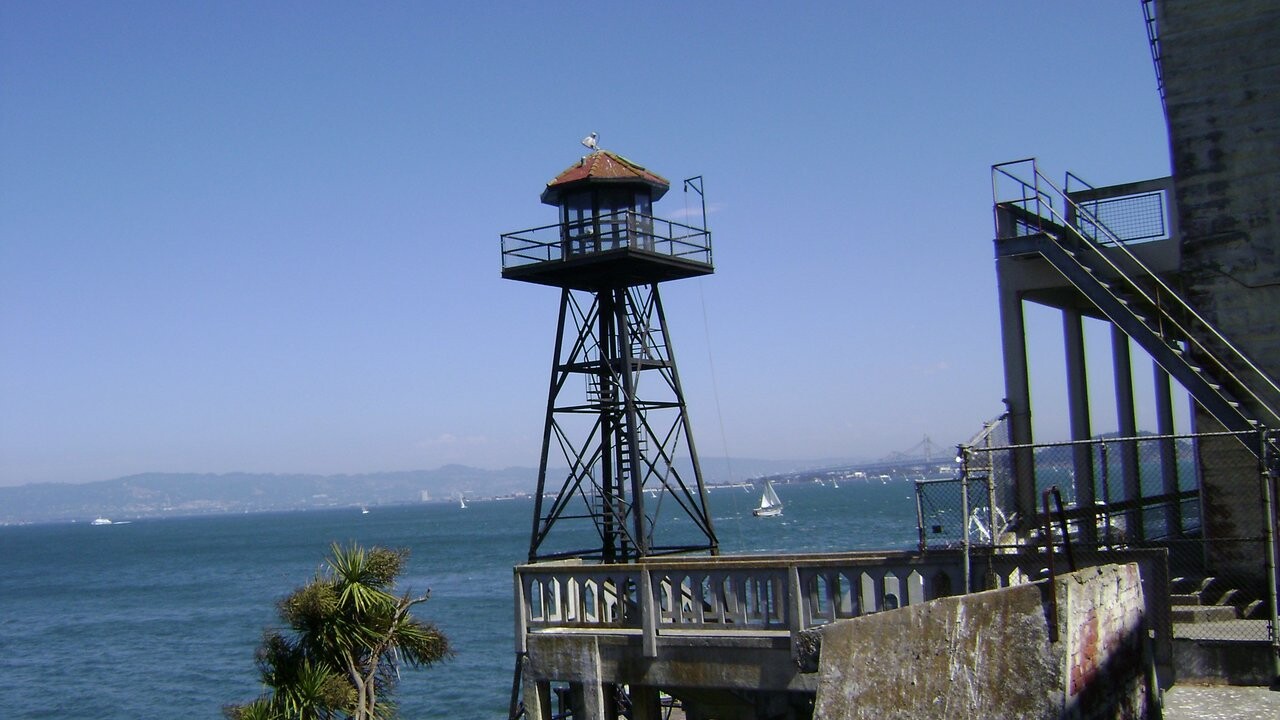
During the federal penitentiary’s operating years, 36 men participated in 14 escape attempts, including two men who tried twice. Officially, nobody successfully escaped from Alcatraz. Five prisoners remained listed as missing and presumed drowned, language that records the government’s conclusion without establishing exactly what happened to each man.

June 1962: Dummy Heads Hide an Escape
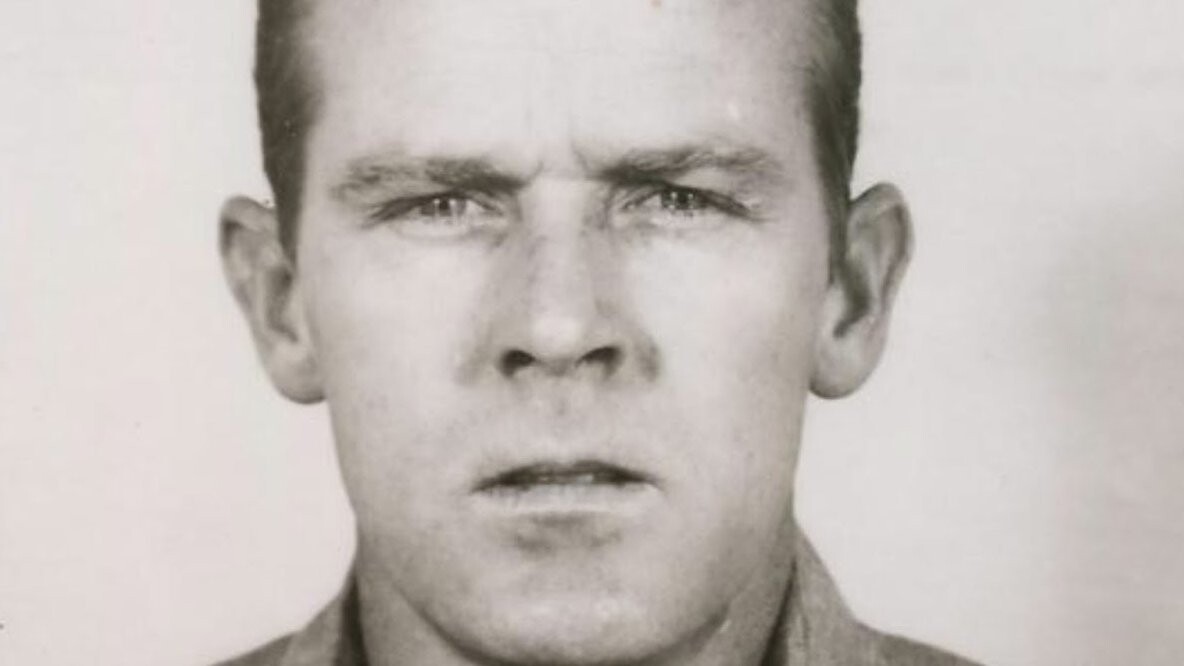
On June 12, Frank Morris and brothers John and Clarence Anglin were discovered missing from their cells. In their beds were realistic dummy heads made from plaster, flesh-colored paint, and human hair. The deception had apparently fooled the night guards, and its discovery triggered an intensive search and a wider investigation.
1962: Vents, a Rooftop, and a Raft
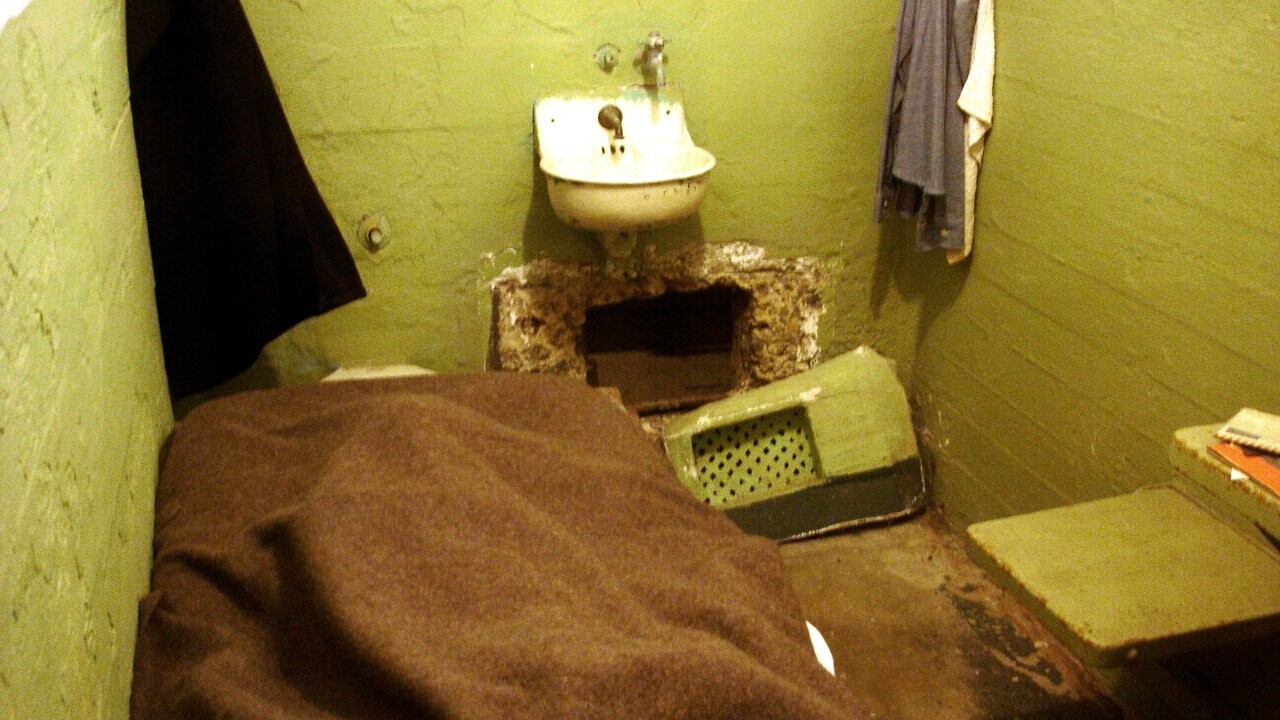
The plotters enlarged ventilation openings with crude homemade tools and concealed their work. They entered a utility corridor, climbed onto the cellblock, crossed the roof, and descended toward the shore. Allen West could not remove his vent cover in time and stayed behind. The other three reached the northeastern shore and launched a raft made from prison-issued raincoats.
1979: The FBI Closes an Unsolved File
The FBI found no credible evidence during its 17-year investigation that Morris or the Anglin brothers remained alive. It closed the case on December 31, 1979, and transferred responsibility to the U.S. Marshals Service. Despite the investigators’ conclusion, the FBI still describes what happened after the raft left Alcatraz as a mystery.
1963: Cost, Not the Escape, Closes Alcatraz
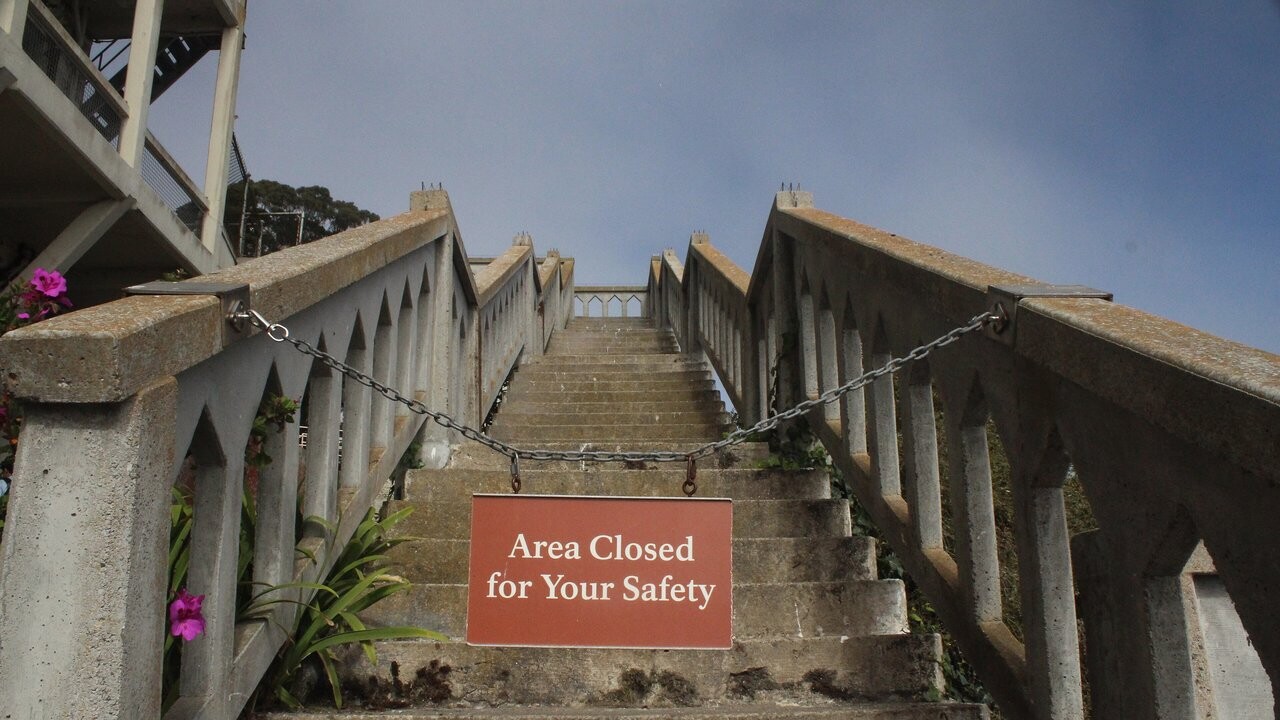
Alcatraz closed on March 21, 1963. The Bureau of Prisons explicitly states that the Morris-Anglin disappearance did not cause the closure because the decision had already been made. The aging institution was too expensive to maintain, and its isolation required food, supplies, water, and fuel to arrive by boat.
1969–1971: Indians of All Tribes Occupy the Island
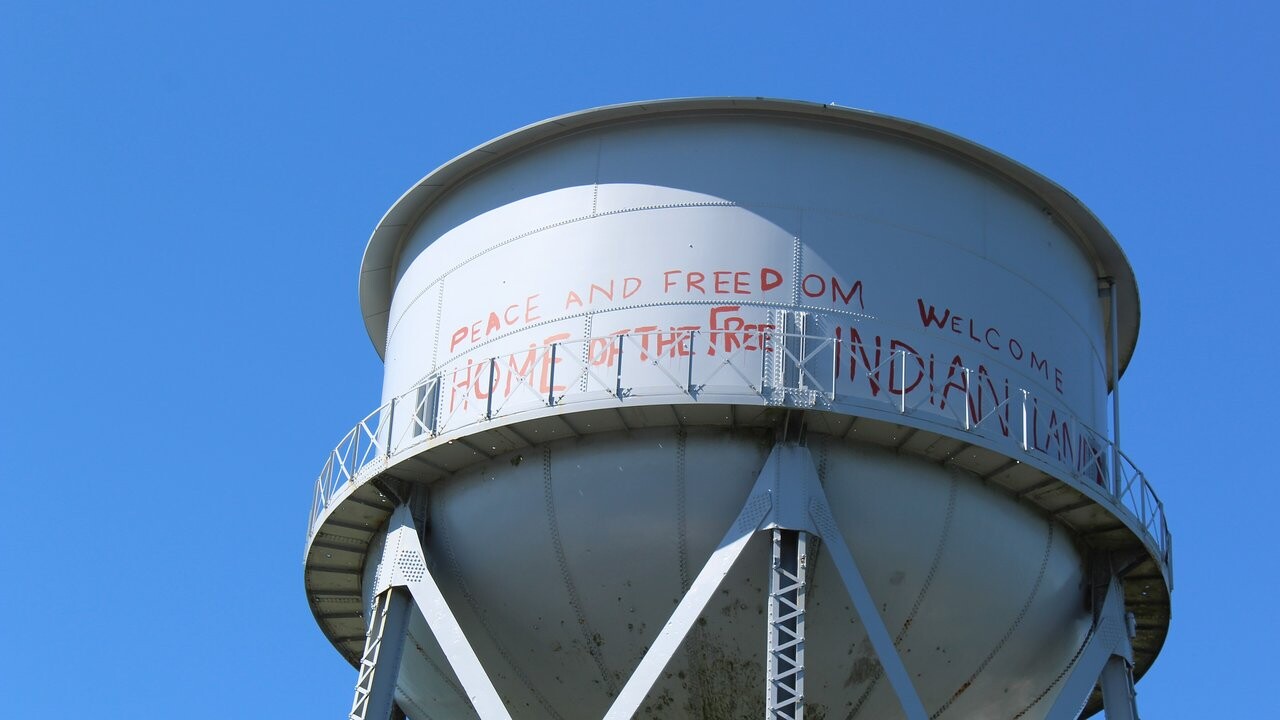
Native activists adopted the name Indians of All Tribes and occupied Alcatraz, hoping to create a Native American cultural center and education complex. Federal marshals removed the remaining occupiers in June 1971. The National Park Service connects the occupation with the broader movement that made American Indian self-determination an official federal policy.
1972–Present: A National Park Site
Congress included Alcatraz in the newly created Golden Gate National Recreation Area, and the island opened to the public in the fall of 1973. It remains a National Park Service site where the cellhouse, military ruins, lighthouse, occupation messages, gardens, and nesting seabirds reveal a history far broader than the familiar prison legend.
Alcatraz’s documented history is more layered than its legends. Which chapter of the island’s story surprised you most?
Follow The HyperHive on MSN for more stories like this.
Sources:






