Roadside Attractions Americans Remember, in Photos

Ben Turover / Wikimedia Commons, Public domain (cropped)
Roadside attractions give travelers a reason to pause, look around, and remember where they have been. A giant animal, an eccentric building, or an unexpected work of art can become as memorable as the destination at the end of the drive.
These slides follow a broadly chronological path through 20 enduring American landmarks. Together, they show how businesses, artists, communities, and individual builders turned ordinary stops into places that generations of travelers still recognize.
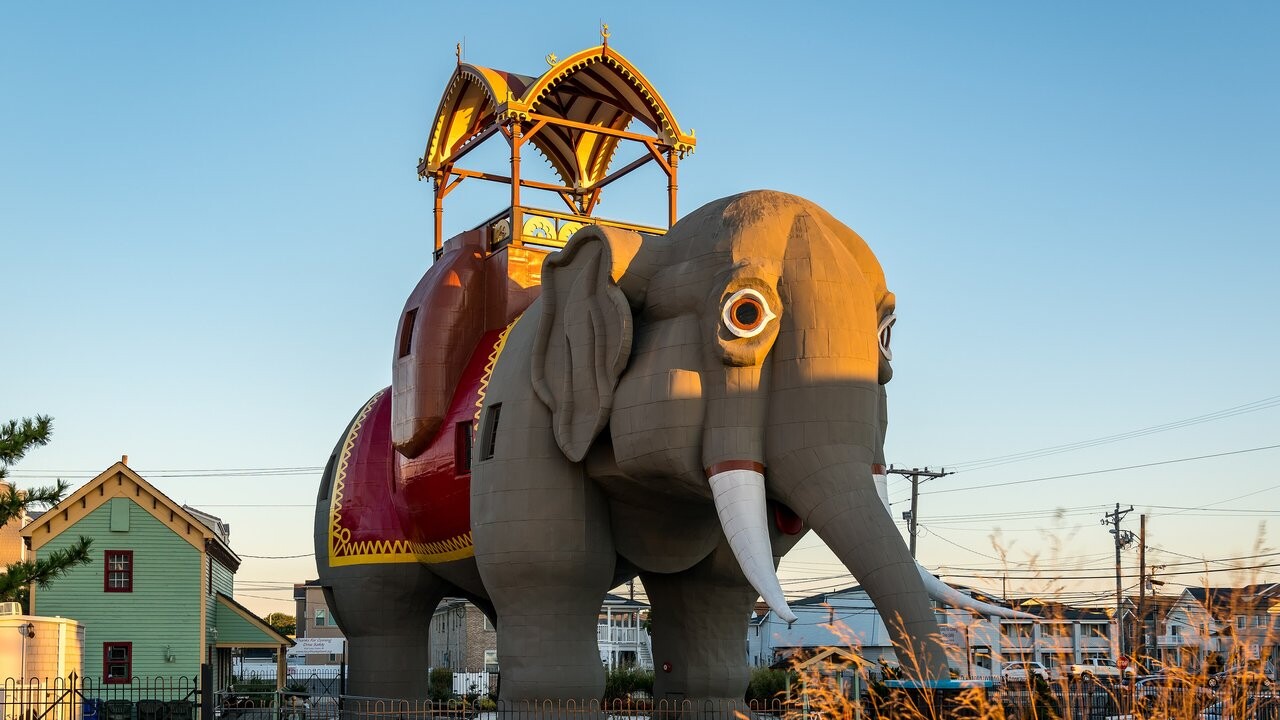
1881: Lucy the Elephant
Built in 1881, Lucy the Elephant was designed to attract prospective real estate buyers to Margate, then known as South Atlantic City, New Jersey. The remarkable elephant-shaped building now welcomes visitors for guided tours, which are offered at 45-minute intervals. More than a century later, Lucy remains a wonderfully unconventional sight beside the Jersey Shore.
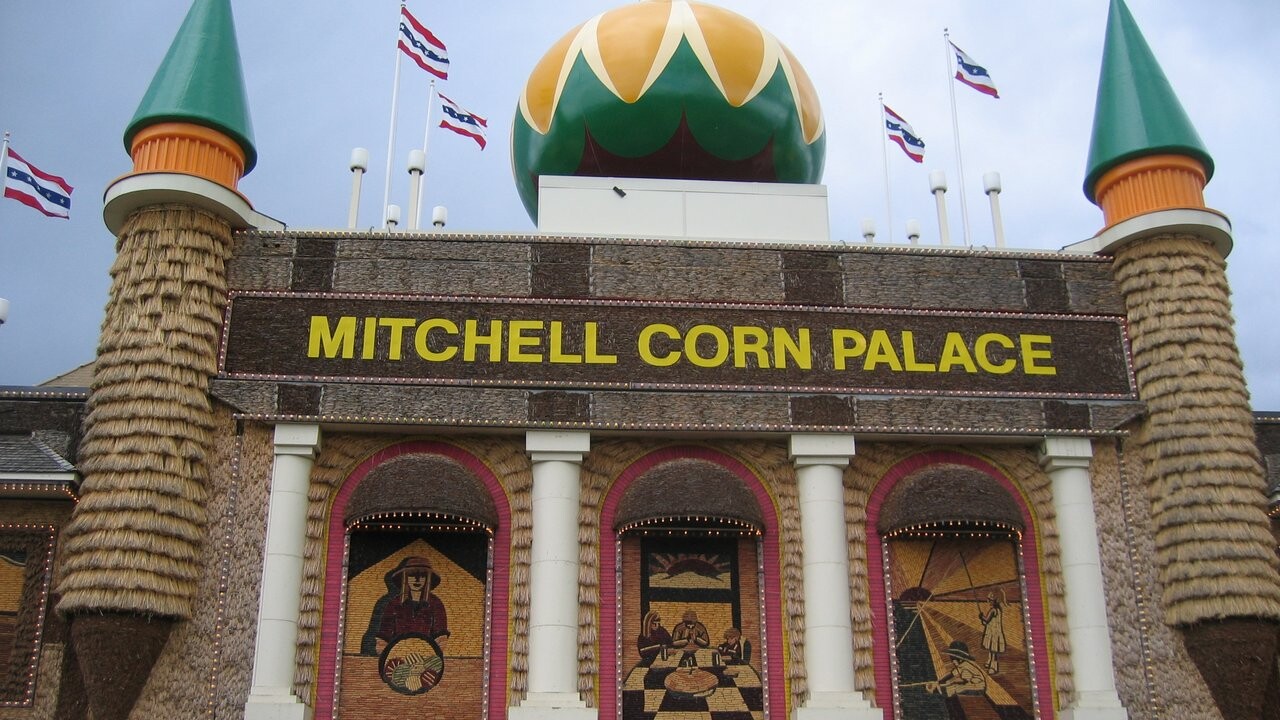
1892: The Corn Palace
Mitchell’s original Corn Palace, initially called the Corn Belt Exposition, was established in 1892. The present South Dakota building was completed in 1921, just in time for that year’s Corn Palace festivities. Its long history makes it a vivid reminder of the ambitious public attractions that once encouraged travelers to explore growing communities.
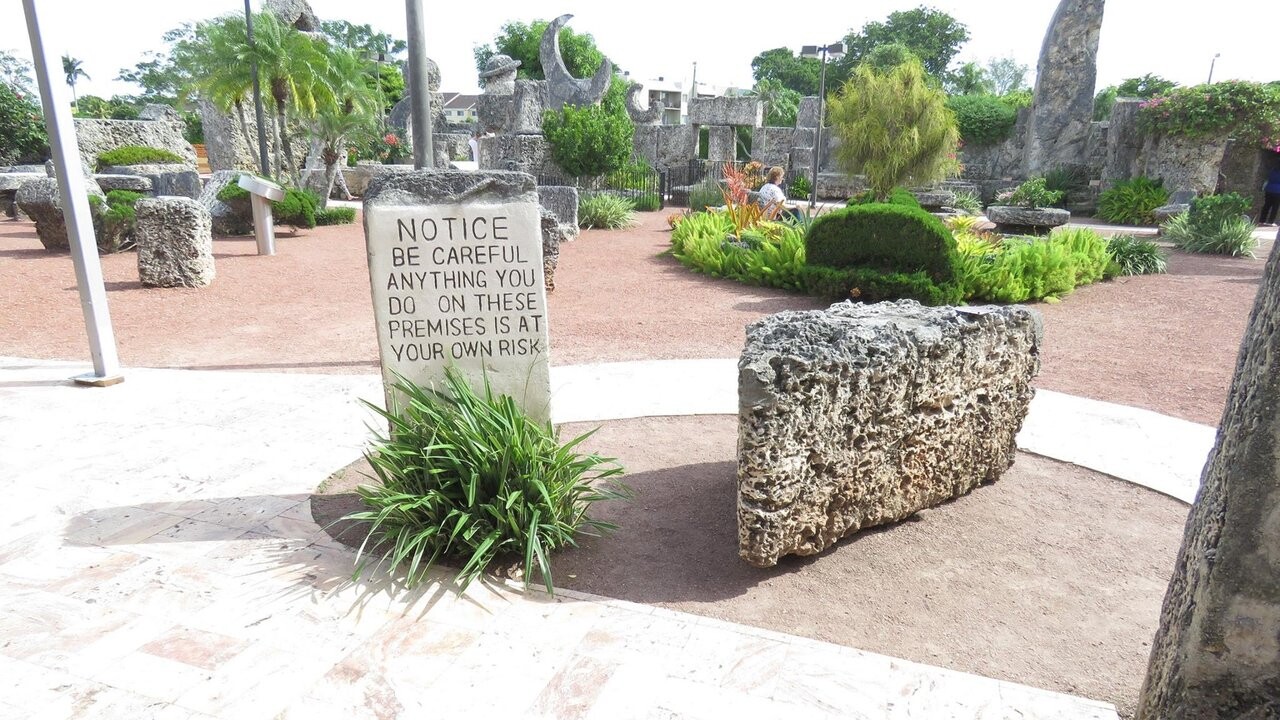
1923: Coral Castle
Coral Castle identifies itself as a museum and sculpture garden established in 1923. Edward Leedskalnin spent three decades building the remarkable structure, formerly called Rock Gate, in South Florida. Now open daily, the site allows visitors to examine a deeply personal construction project that grew into one of the state’s most distinctive attractions.
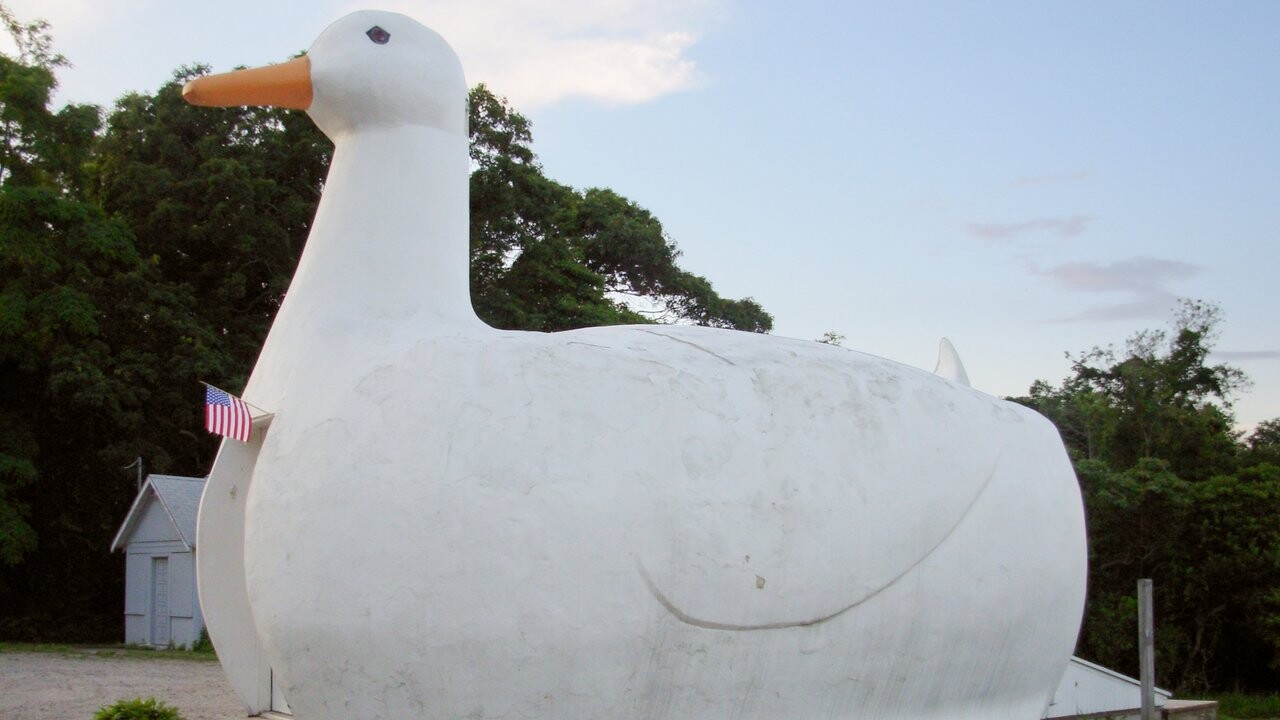
1931: The Big Duck
Dating to about 1931, the Big Duck stands at Big Duck Ranch on Route 24 in Flanders, New York. The oversized bird now serves as a gift shop open to the public. Its simple, instantly recognizable outline captures the playful directness that made so many early roadside landmarks difficult to pass without stopping.
1931: Wall Drug
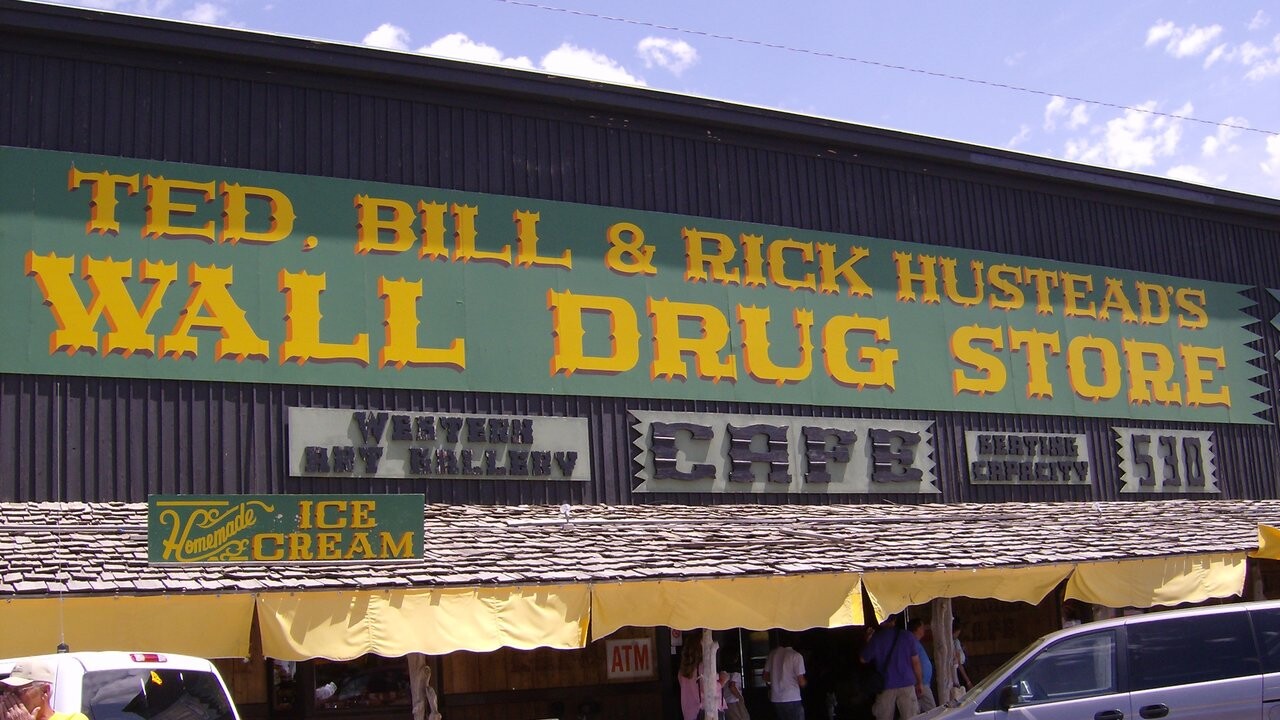
Wall Drug’s official history begins in December 1931. The South Dakota landmark now offers dining, activities, gifts, souvenirs, visitor information, and the free ice water closely associated with its name. With its main store open Monday through Sunday, it continues to give travelers a convenient place to pause near the Badlands.
1936: Dinosaur Park
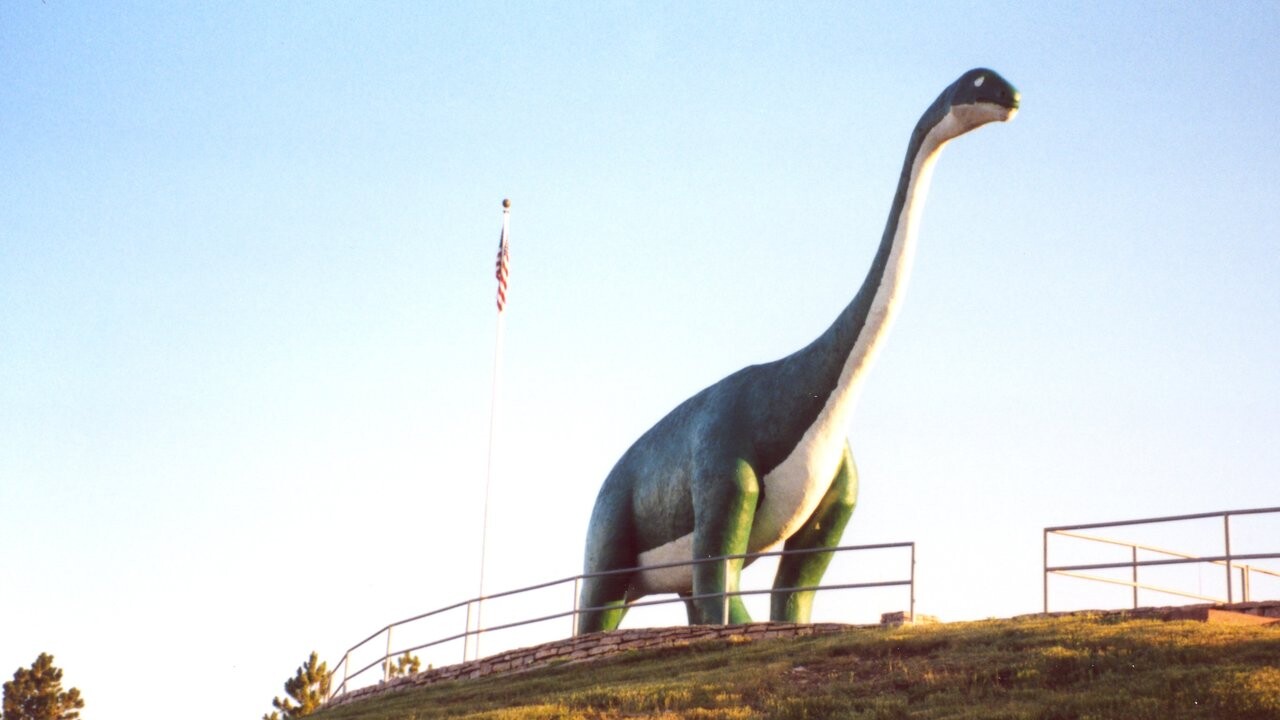
Dinosaur Park was built in Rapid City in 1936 as a tourist attraction and city park created by the Works Progress Administration and the city. The park remains open daily with free admission. Its prehistoric theme offers a cheerful glimpse of the bold public projects developed during the early decades of American automobile travel.
1937: Paul Bunyan and Babe the Blue Ox
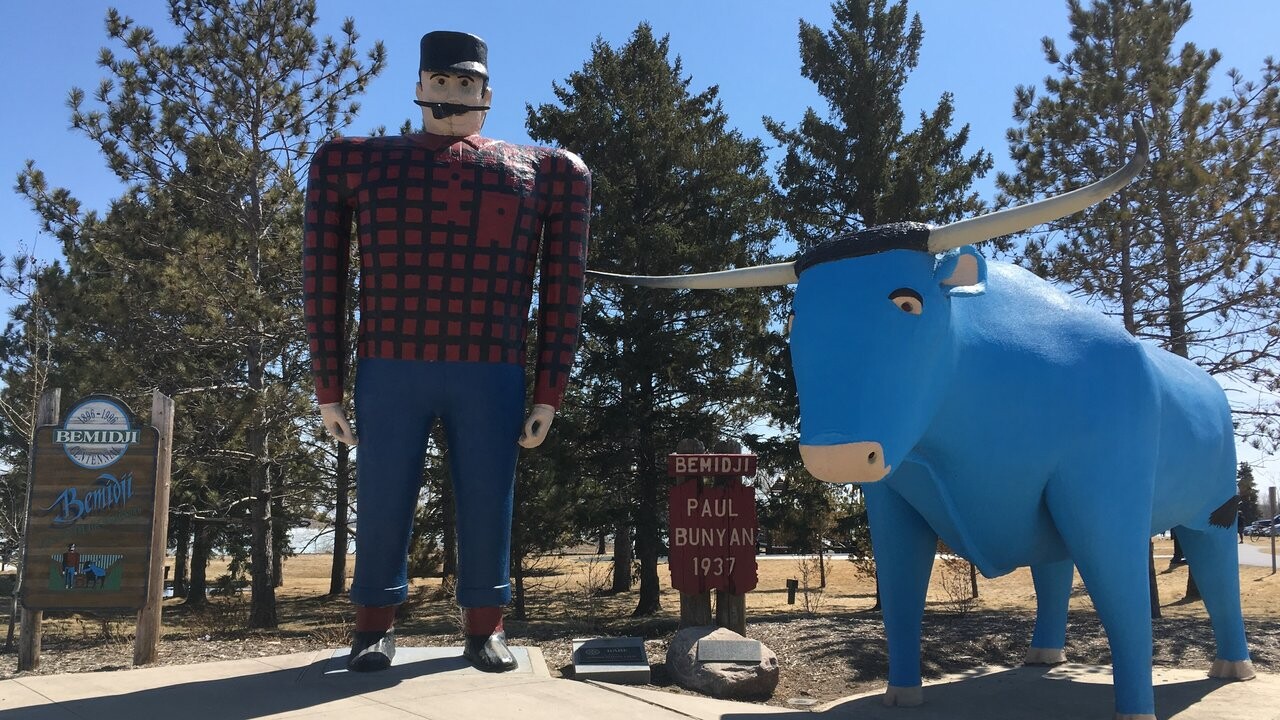
Bemidji unveiled giant concrete statues of Paul Bunyan and Babe the Blue Ox during its winter carnival on January 14, 1937. Babe was removed from a mobile chassis the following year and placed on permanent display beside Paul. The enormous pair gave physical form to a legendary figure associated with northern logging culture.
1941: The Mystery Spot
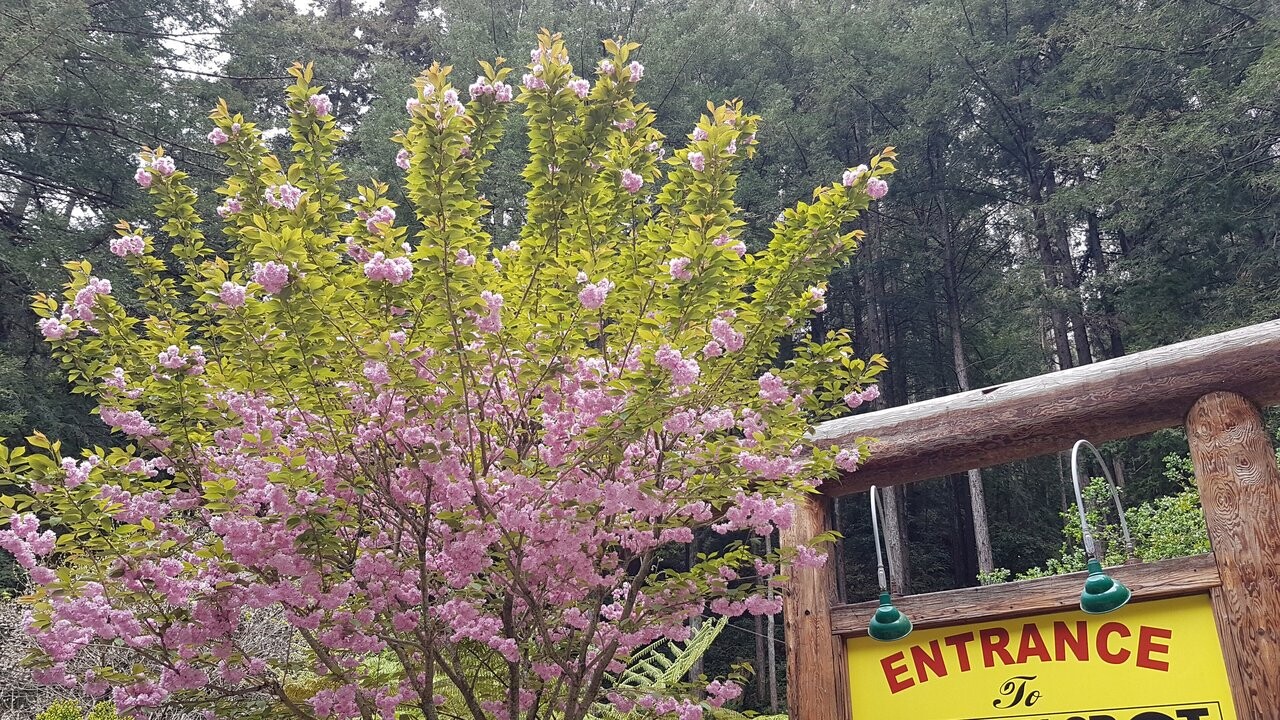
Opened in 1941, the Mystery Spot is recognized by California as the state’s first and most significant example of a tilt-box, or gravity-house, roadside attraction. The Santa Cruz County site still operates in its original woodland location and design, preserving a classic mid-century experience built around unusual perspectives and deliberate visual disorientation.
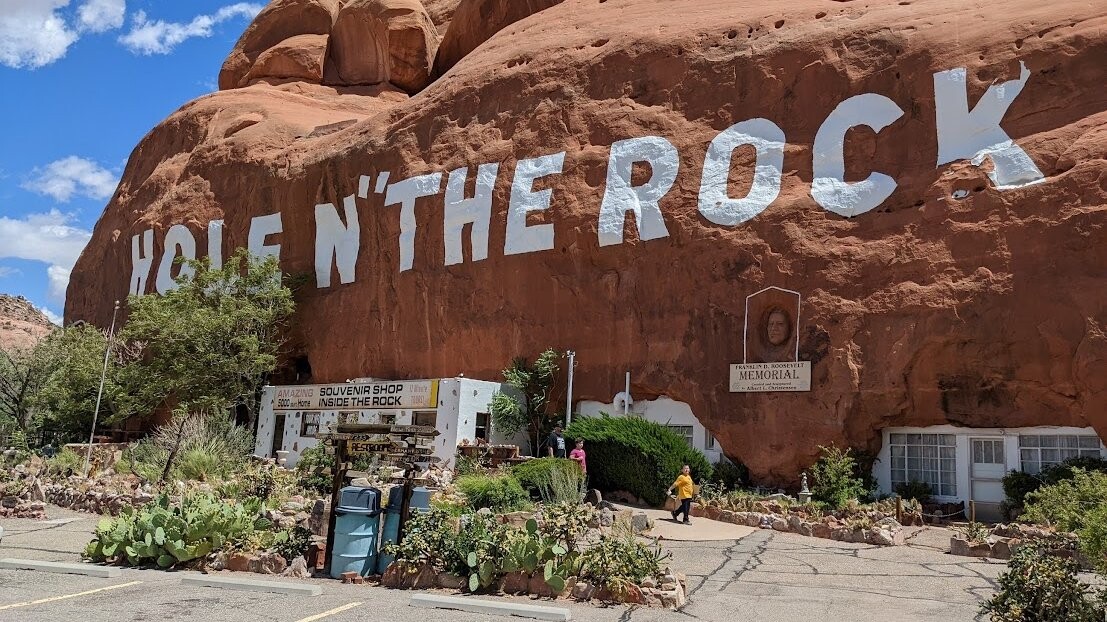
Mid-1940s: Hole N’ the Rock
Albert and Leo Christensen built the diner that became the basis of Hole N’ the Rock during the mid-1940s. Located south of Moab, Utah, the attraction remains open throughout the year, although its schedule varies by season. Its unusual setting continues to make it an intriguing pause on a drive through canyon country.
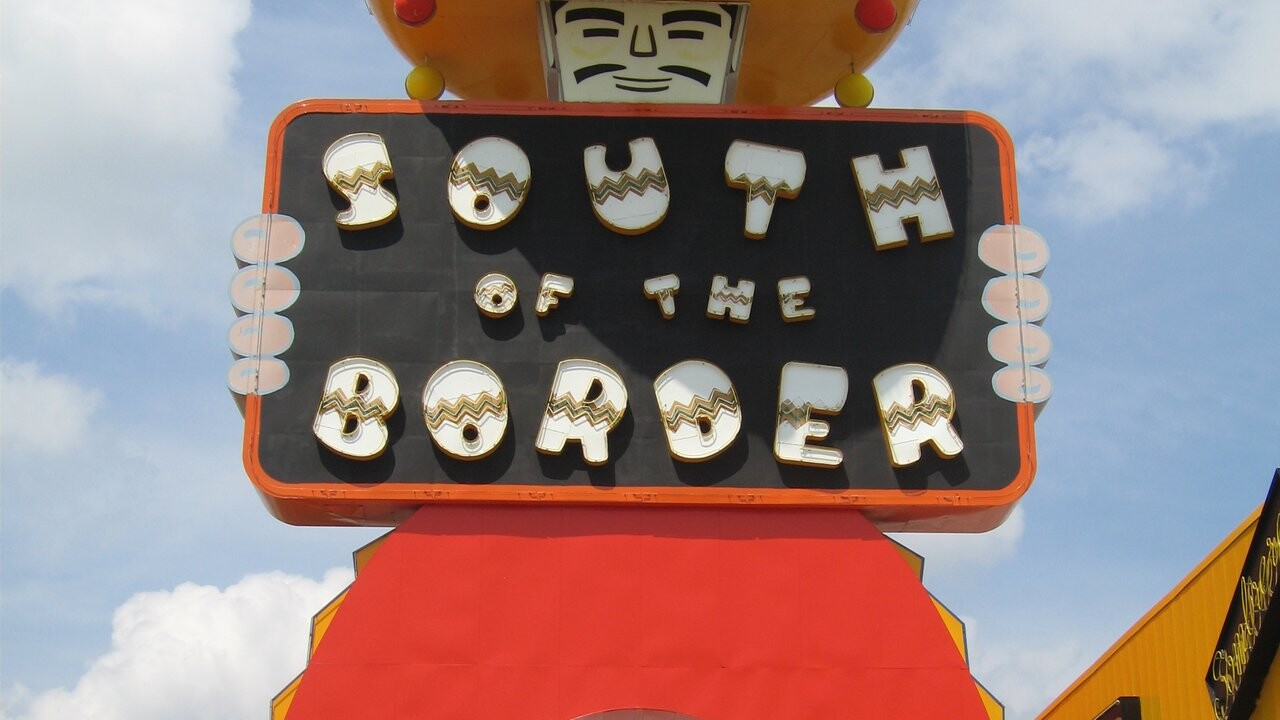
1949: South of the Border
Alan Schafer began South of the Border with a modest beer stand in 1949. The business took its name from its location below the state line between the Carolinas. It continues to be presented as a tourist attraction in Hamer, South Carolina, carrying a familiar name for generations of highway travelers.
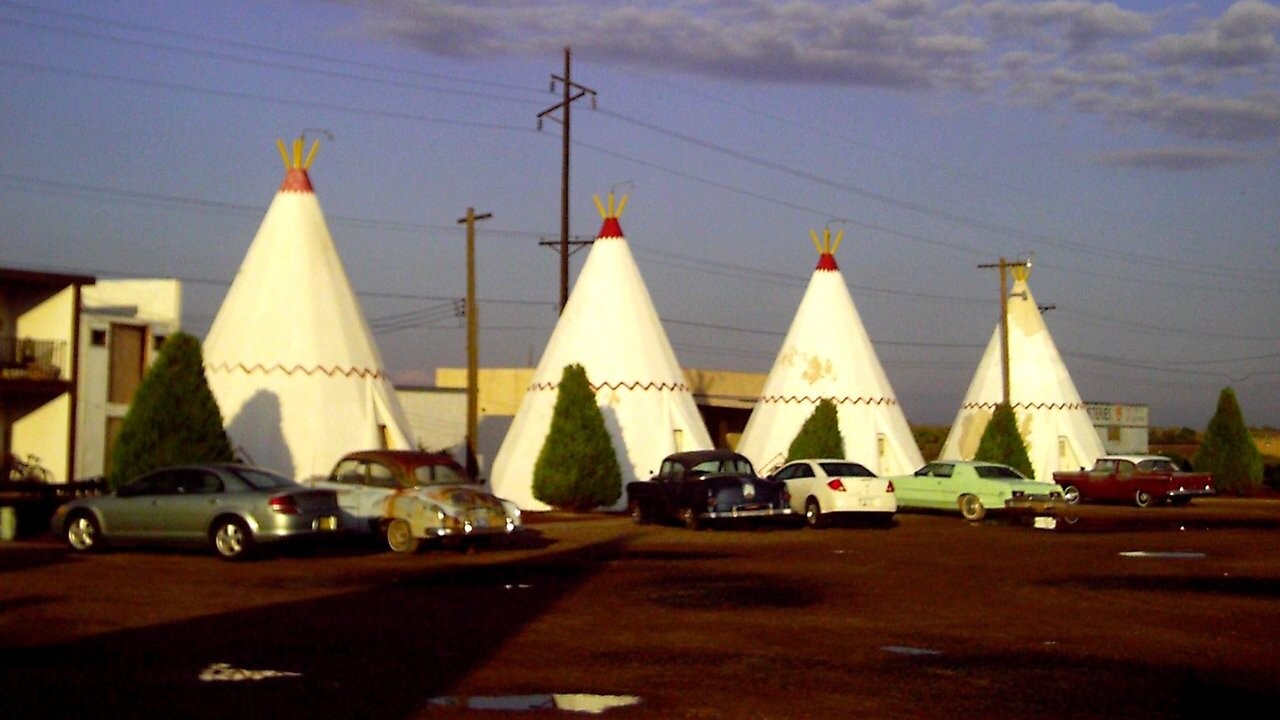
1950: Wigwam Village No. 6
Wigwam Village No. 6 in Holbrook, Arizona, was finished in 1950. After the original motel business ended, the builder’s wife and grown children repurchased the property and reopened it in 1988. The motel remains open throughout the year, giving modern guests an opportunity to stay at a preserved piece of roadside history.
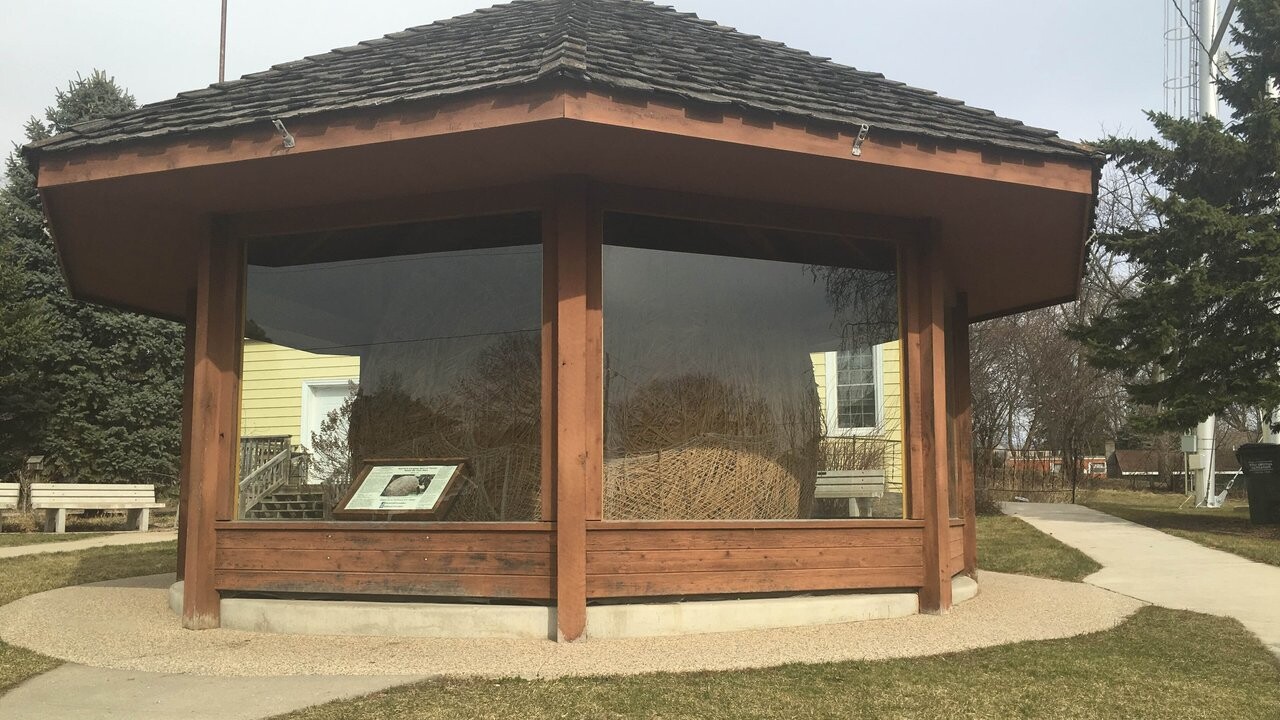
1950: Darwin’s Giant Ball of Twine
Francis Johnson began winding his enormous ball of twine in March 1950, working on it for hours at a time. The finished creation is displayed in Darwin, Minnesota, and can be viewed every day of the year. It demonstrates how a patient personal project can eventually become a widely recognized roadside curiosity.
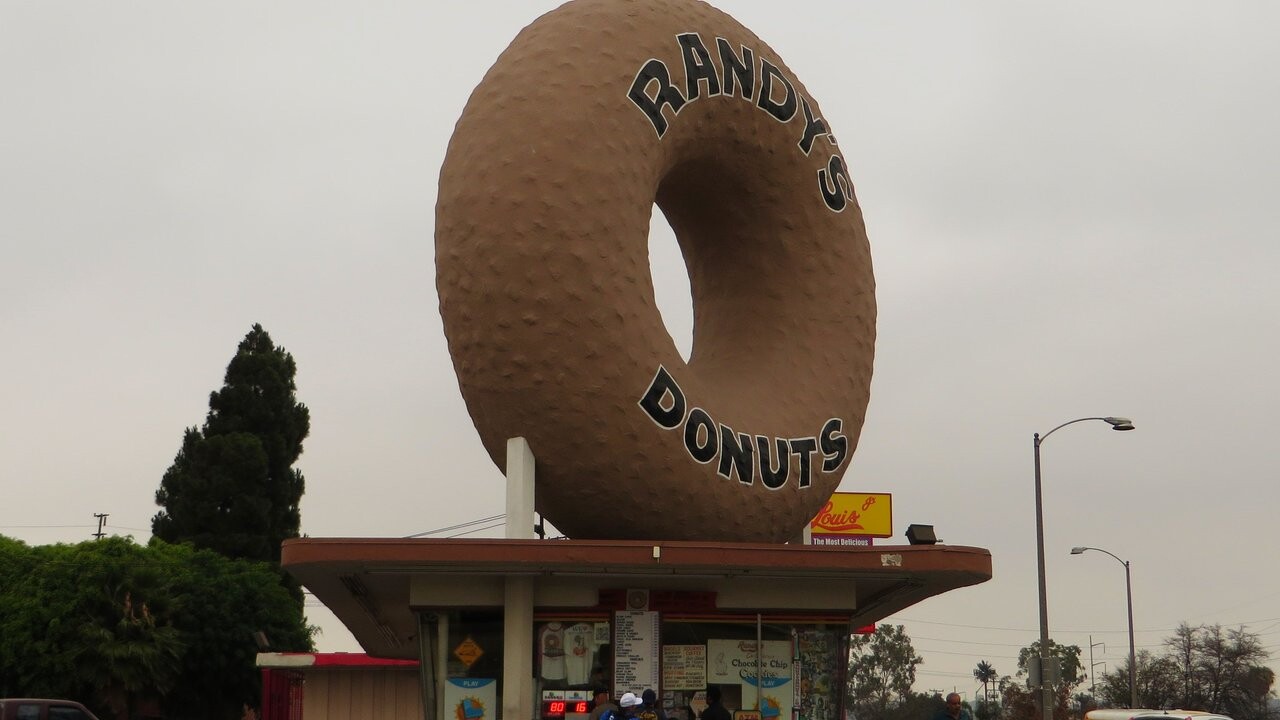
1953: Randy’s Donuts
The landmark building now known as Randy’s Donuts was completed in 1953. Its enormous rooftop doughnut helped make the Inglewood shop an unmistakable icon of 1950s Los Angeles. The original location remains open 24 hours, allowing the oversized advertisement to continue performing the attention-grabbing role for which it was designed.
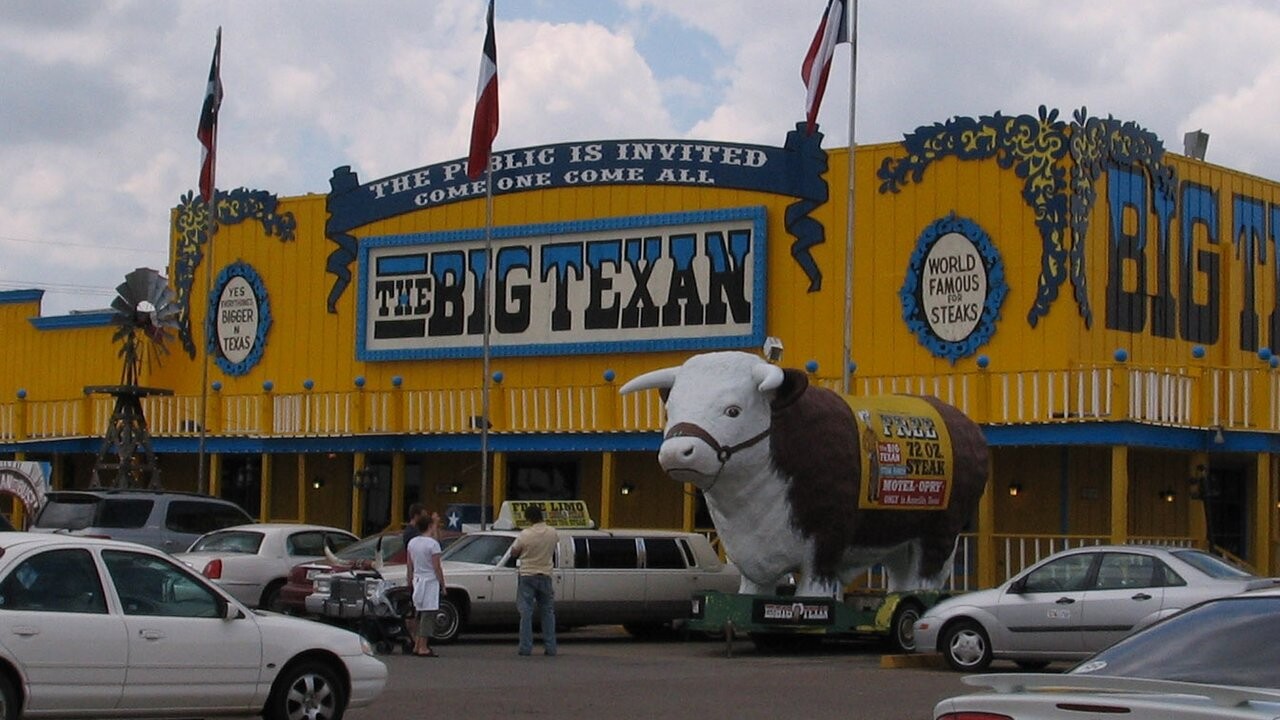
1960: The Big Texan Steak Ranch
Founder R. J. Lee opened the Big Texan in Amarillo on Route 66 in March 1960. The restaurant remains known for its 72-ounce steak challenge, a meal as oversized as the roadside reputation surrounding it. Its dining room is open every day, keeping this long-running Texas attraction connected to its original purpose.
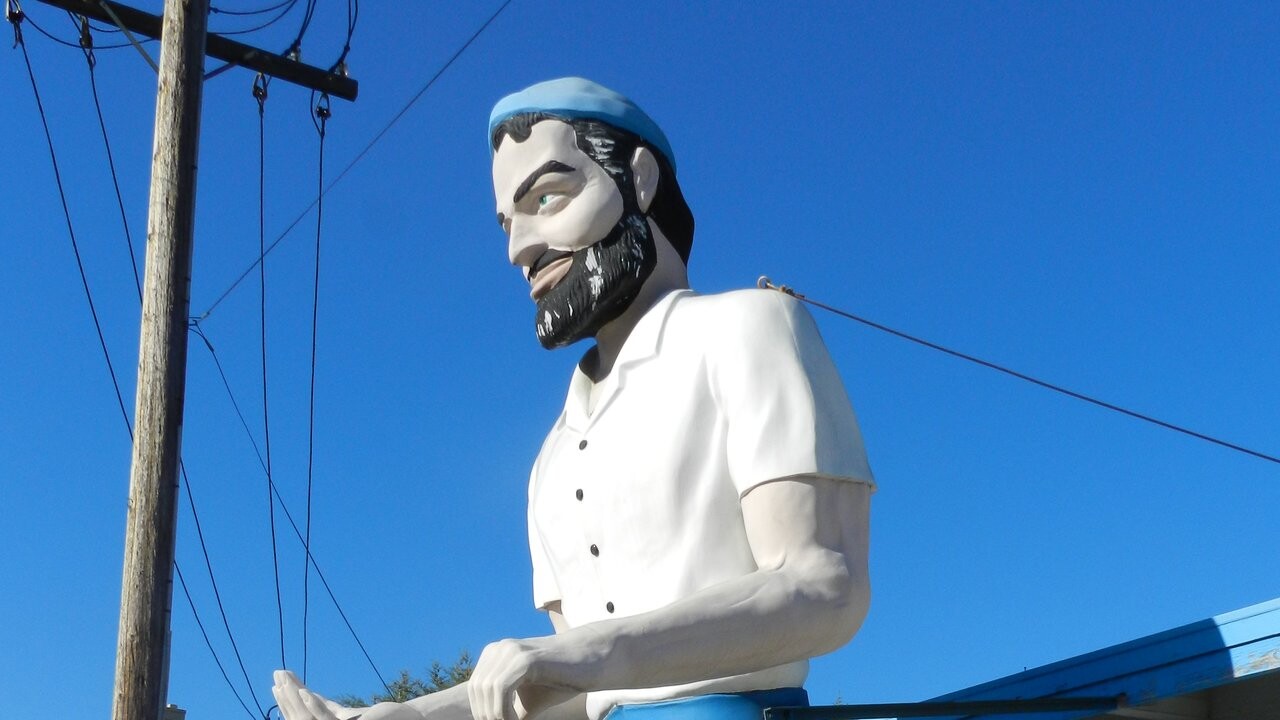
1960s: The Muffler Men
International Fiberglass produced giant fiberglass advertising statues during the 1960s, when towering figures began appearing across the United States as commercial attention-getters. The American Giants Museum in Atlanta, Illinois, now tells the story of the figures known as Muffler Men or Bunyan Giants, preserving the history behind this distinctly oversized advertising tradition.
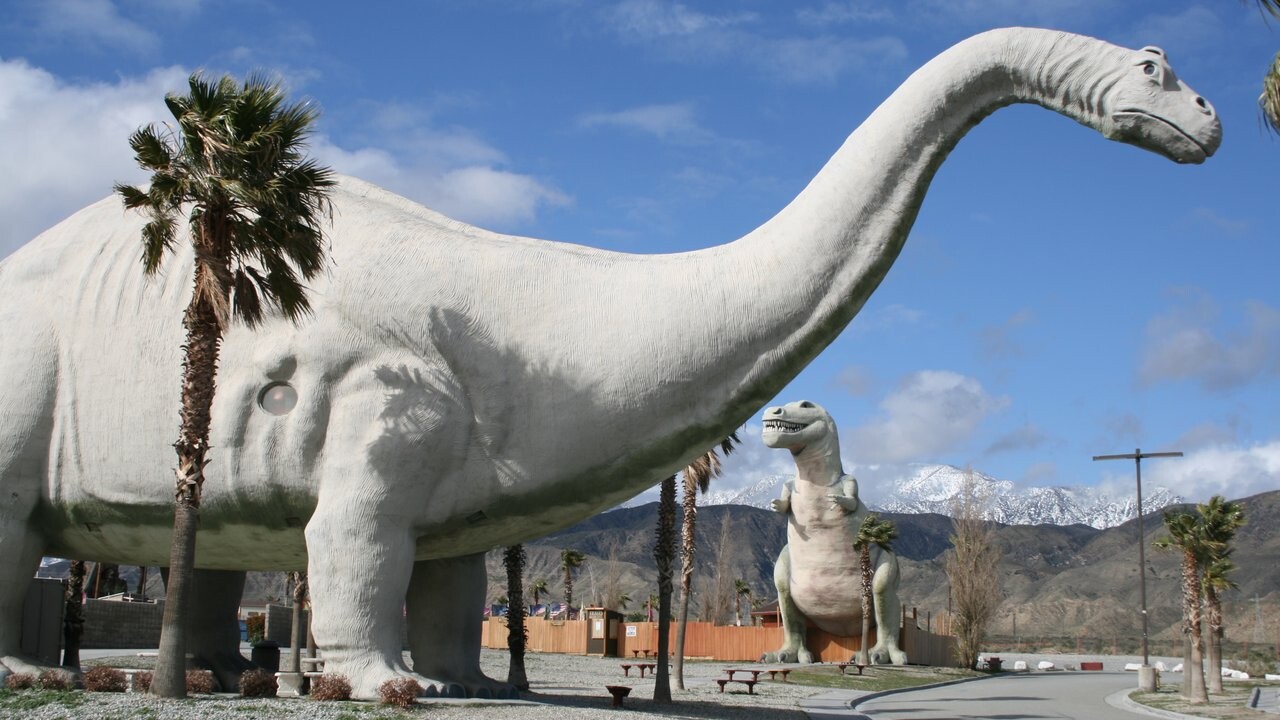
1964: The Cabazon Dinosaurs
Claude Bell began building the steel-and-concrete Cabazon Dinosaurs outside his California restaurant in 1964. The enormous figures became memorable landmarks in their own right. They remain open to visitors every day of the year except Christmas, continuing to offer travelers the irresistible spectacle of dinosaurs rising beside a modern highway.
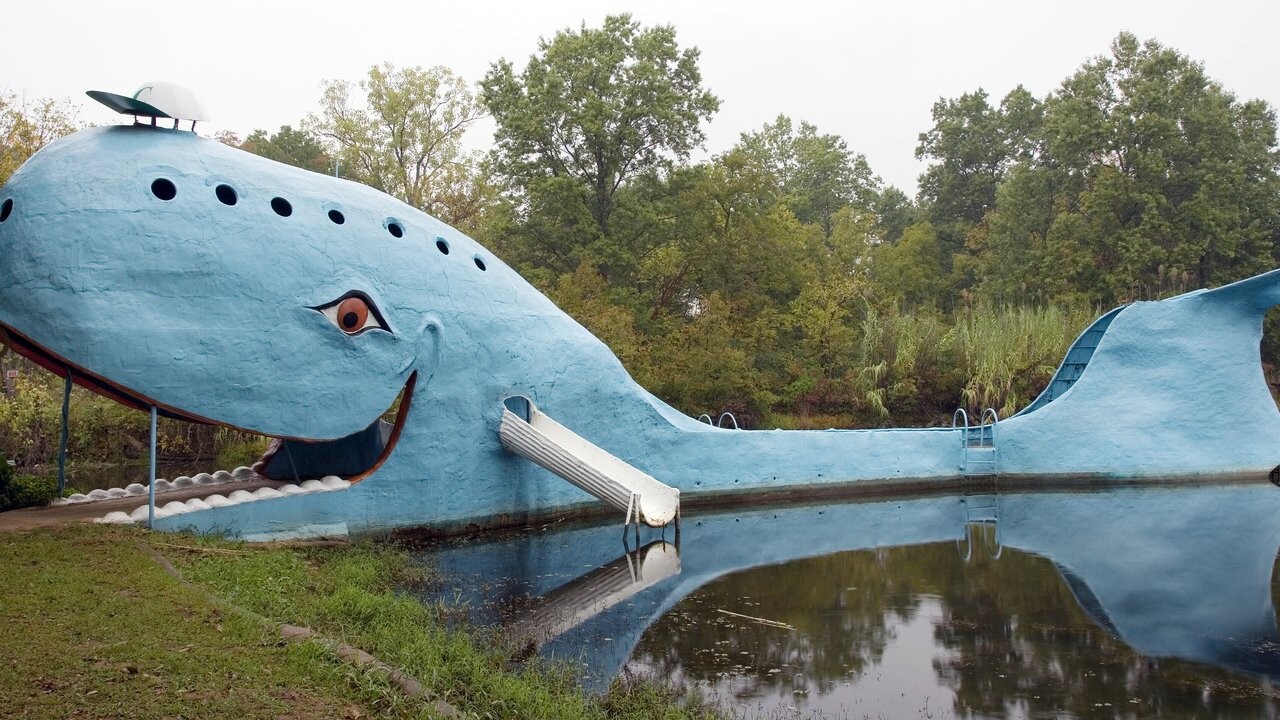
1972: The Blue Whale of Catoosa
Hugh Davis completed the Blue Whale of Catoosa in July 1972, and visitors soon arrived to swim, fish, and picnic. Swimming is no longer permitted, but fishing and picnicking remain options. The City of Catoosa owns and operates the Oklahoma park, where admission is free and the smiling whale remains the centerpiece.
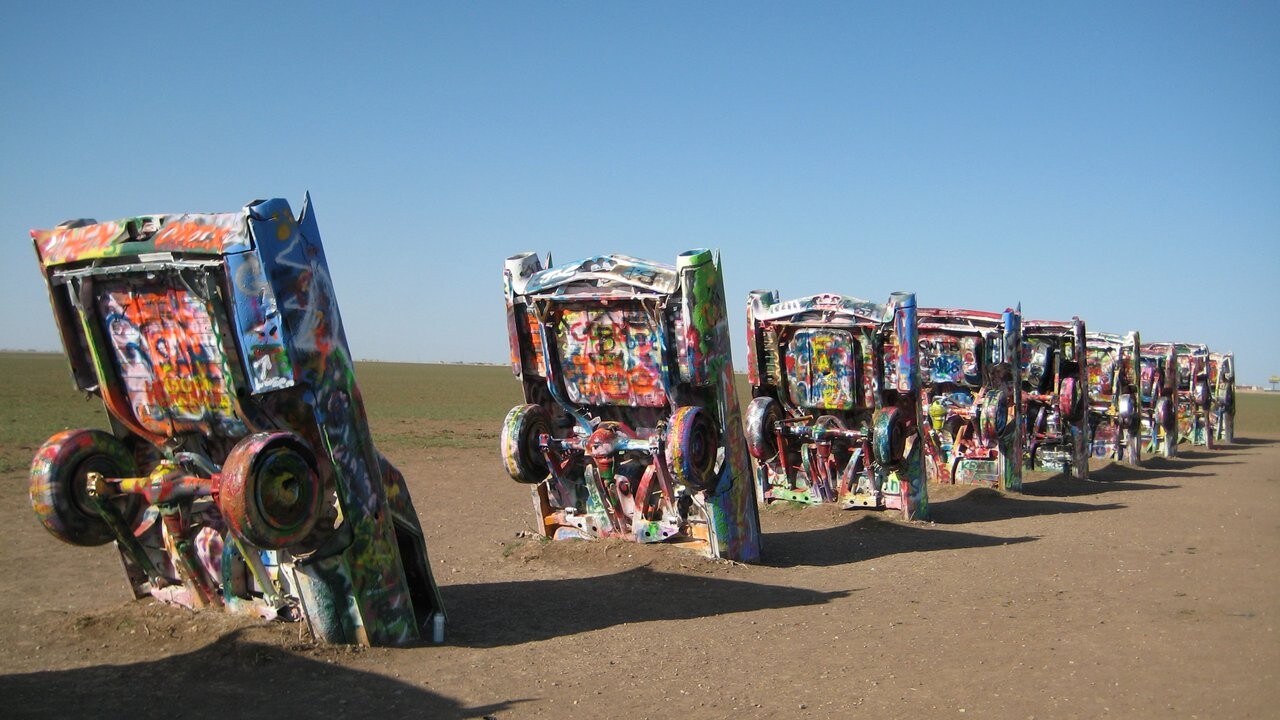
1974: Cadillac Ranch
Cadillac Ranch was created west of Amarillo in 1974 by Ant Farm, an art and architecture collective. The Texas landmark transformed automotive imagery into a public art installation with lasting roadside appeal. It remains open without an admission charge, 24 hours a day and throughout the year, giving travelers considerable freedom to visit.
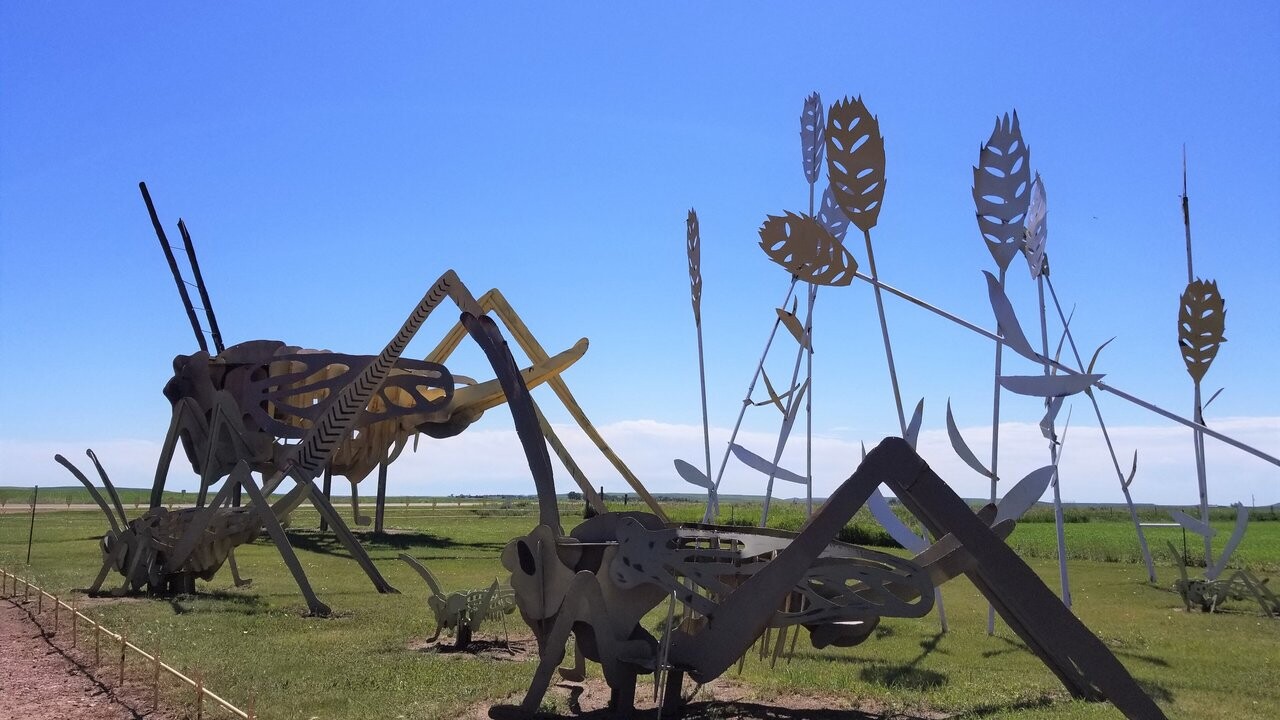
1989: The Enchanted Highway
North Dakota artist Gary Greff conceived the Enchanted Highway project and began building it in 1989. He continues to maintain its large sculptures, sustaining the roadside gallery decades after work began. The project shows how one artist’s persistence can reshape the experience of a drive and create a destination from the surrounding landscape.
These landmarks turn a long drive into a map of American imagination, personal ambition, local pride, and wonderfully oversized ideas. Which of these roadside attractions do you remember best?
Follow The HyperHive on MSN for more stories like this.
Sources:






