Movie Stars Who Served in World War II: What the Record Confirms

Magnusmalan1! / Wikimedia Commons, CC BY-SA 4.0 (cropped)
Hollywood presented wartime courage on screen, but these performers also wore real uniforms. Arranged from the earliest-born to the youngest, this gallery focuses on the branch, unit, ship, assignment, or award that surviving records clearly confirm.
The accounts draw on the National Archives, official military histories, veterans’ agencies, and established museums. Each entry stays close to the documented record, separating confirmed service from details that have grown uncertain through repetition.
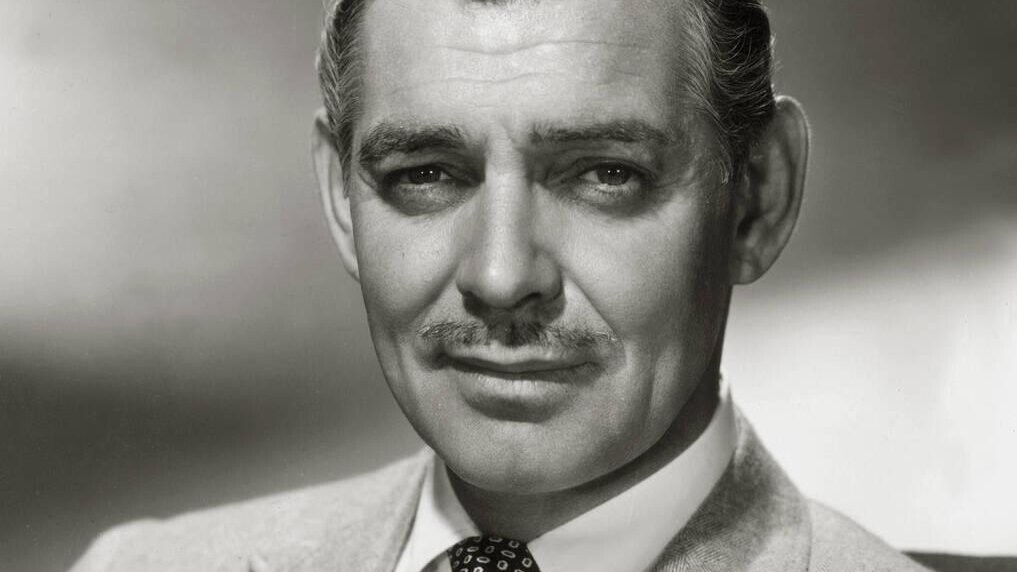
Clark Gable: Five Missions Over Europe
Clark Gable graduated from Officers’ Candidate School as a second lieutenant in 1942. During the war, he flew five combat missions as an observer-gunner. Those details anchor his Army Air Forces story in the record: formal officer training followed by operational flights, rather than a publicity-only role.
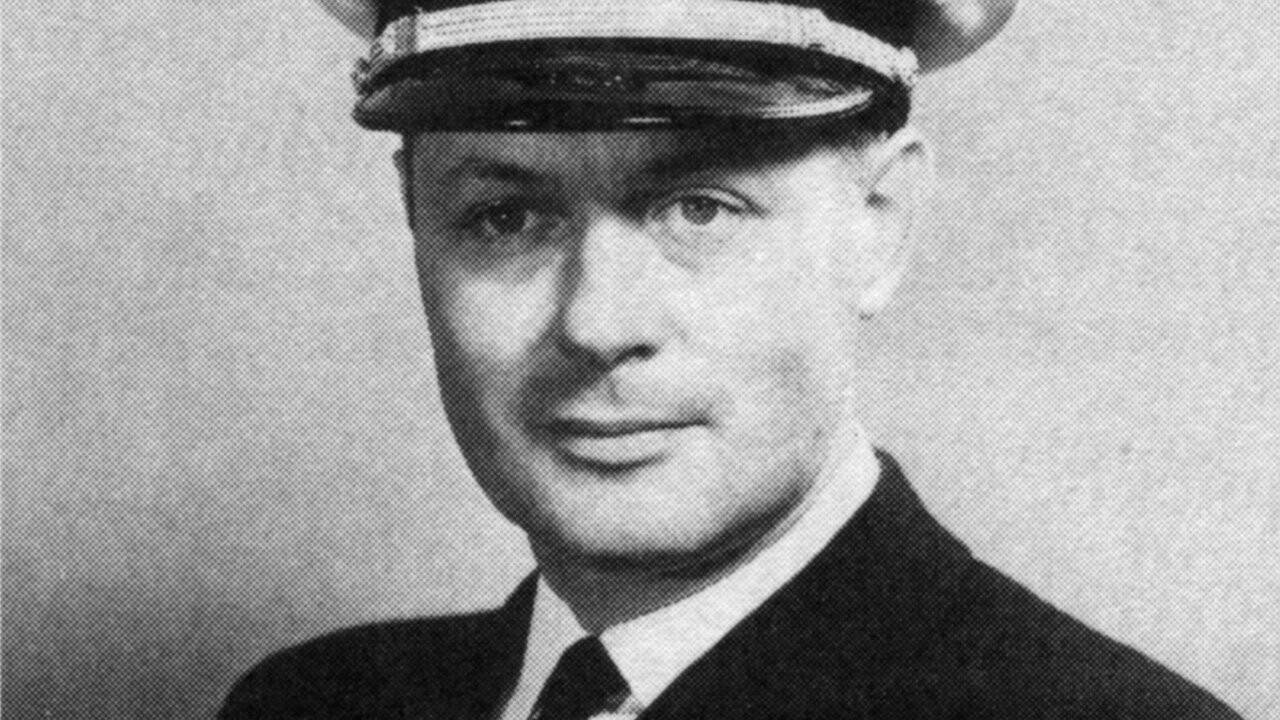
Robert Montgomery: Boat Captain of PT-107
A National Museum of the Pacific War oral history identifies Robert Montgomery as boat captain of PT-107 in Squadron 5. That precise description securely places the actor in a working PT-boat command while avoiding training details and later assignments that the cited testimony does not establish.
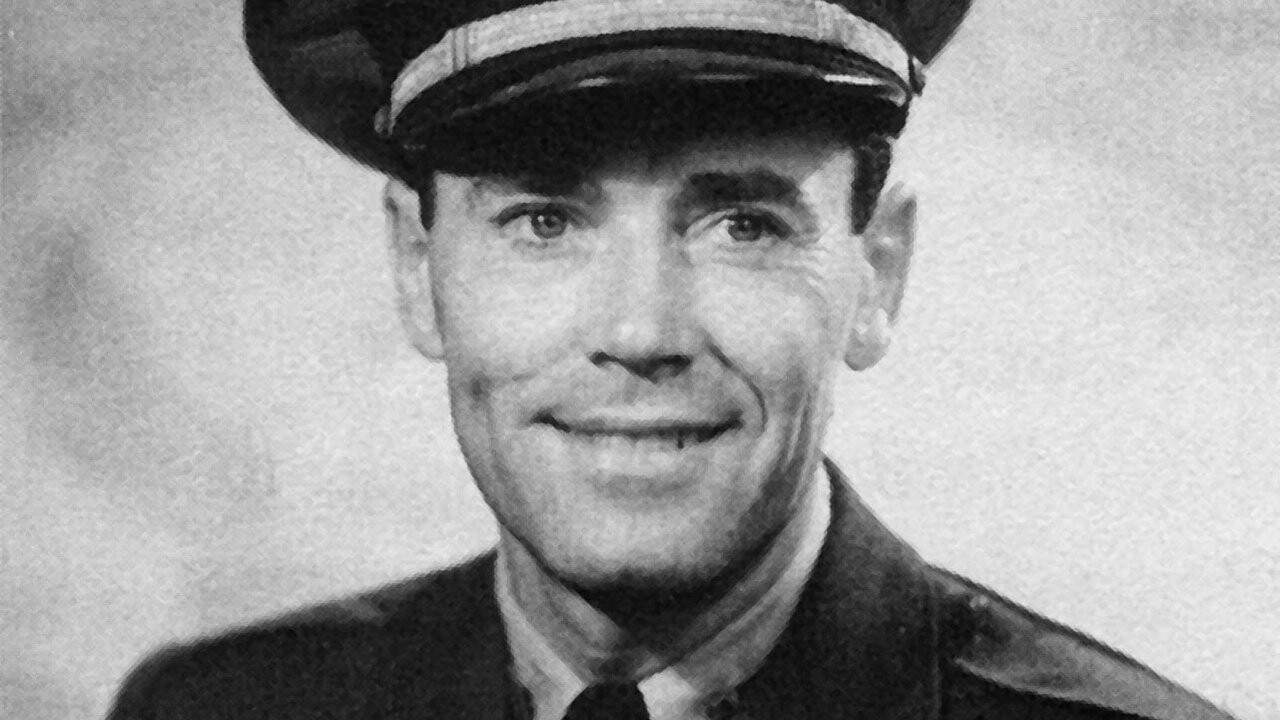
Henry Fonda: From Destroyer Sailor to Officer
Henry Fonda initially served as a quartermaster aboard the destroyer USS Satterlee in the Atlantic. He subsequently received a commission and transferred to the Pacific. His progression from enlisted shipboard duty to commissioned service gives his Navy record a depth that a simple portrait in uniform cannot convey.
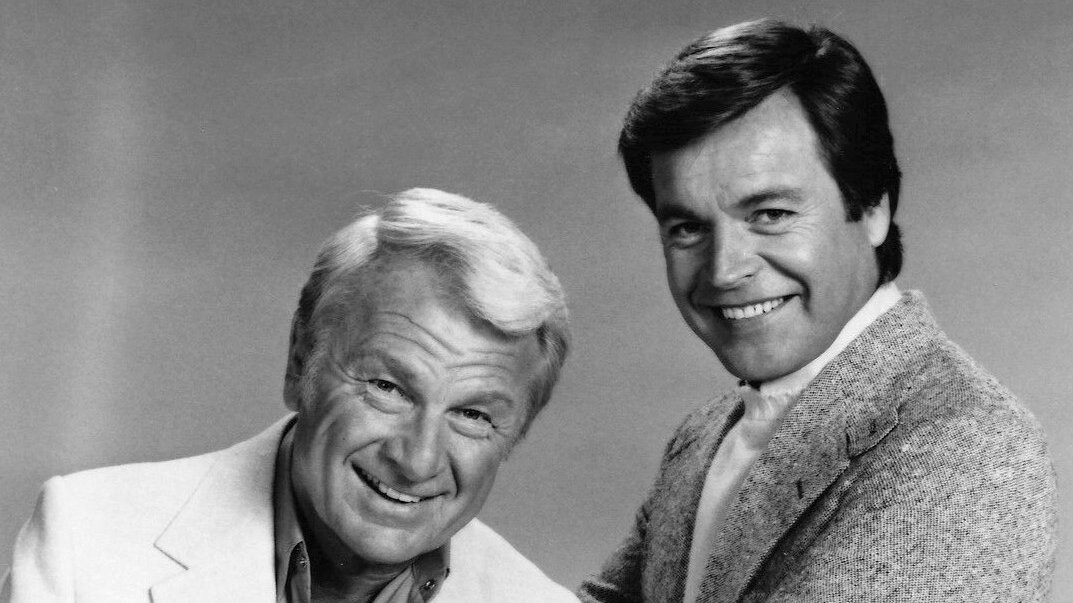
Eddie Albert: Navy Service at Tarawa
Eddie Albert’s Navy service entry lists USS Sheridan, the Battle of Tarawa, and a Bronze Star Medal. Those concise details place him aboard a named ship during a major Pacific battle and document his award without adding rescue figures or other claims that the available entry does not verify.
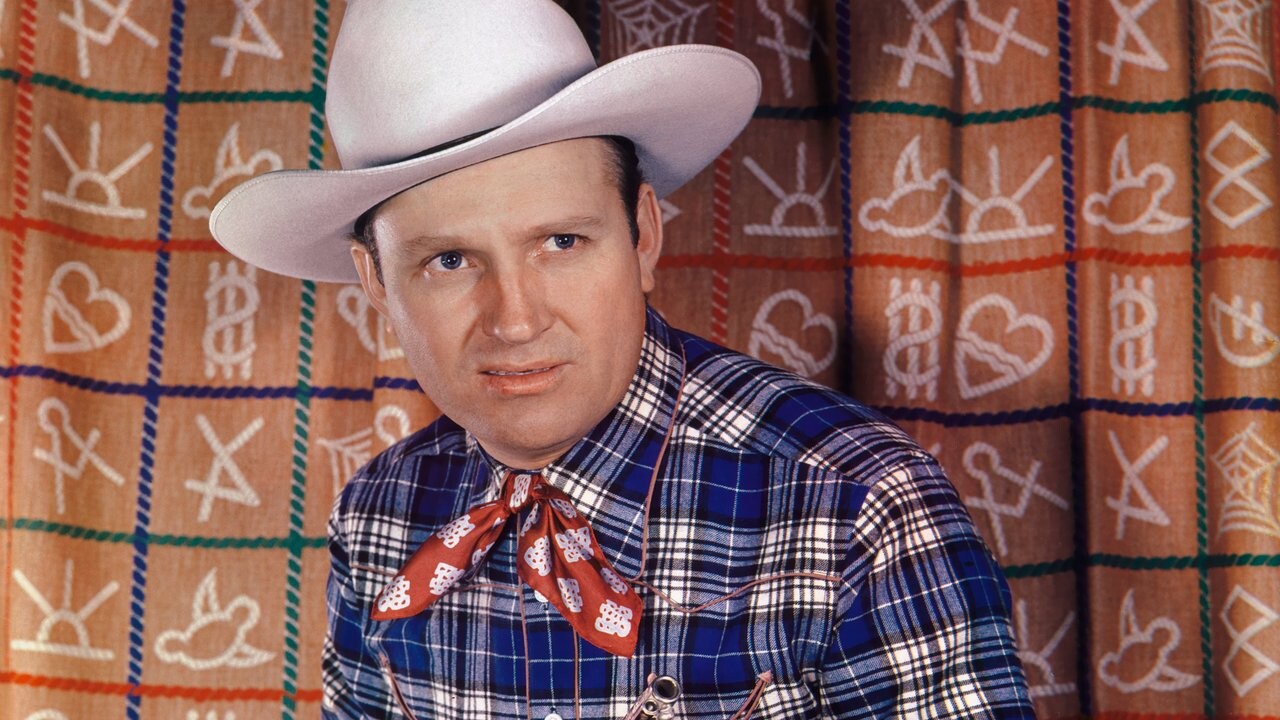
Gene Autry: Air Transport Command Pilot
Gene Autry served with the 91st Ferrying Squadron of the 555th Army Air Base Unit under Air Transport Command. The Country Music Hall of Fame also records his service as a transport pilot in the Pacific, a practical wartime assignment far removed from his familiar singing-cowboy screen persona.
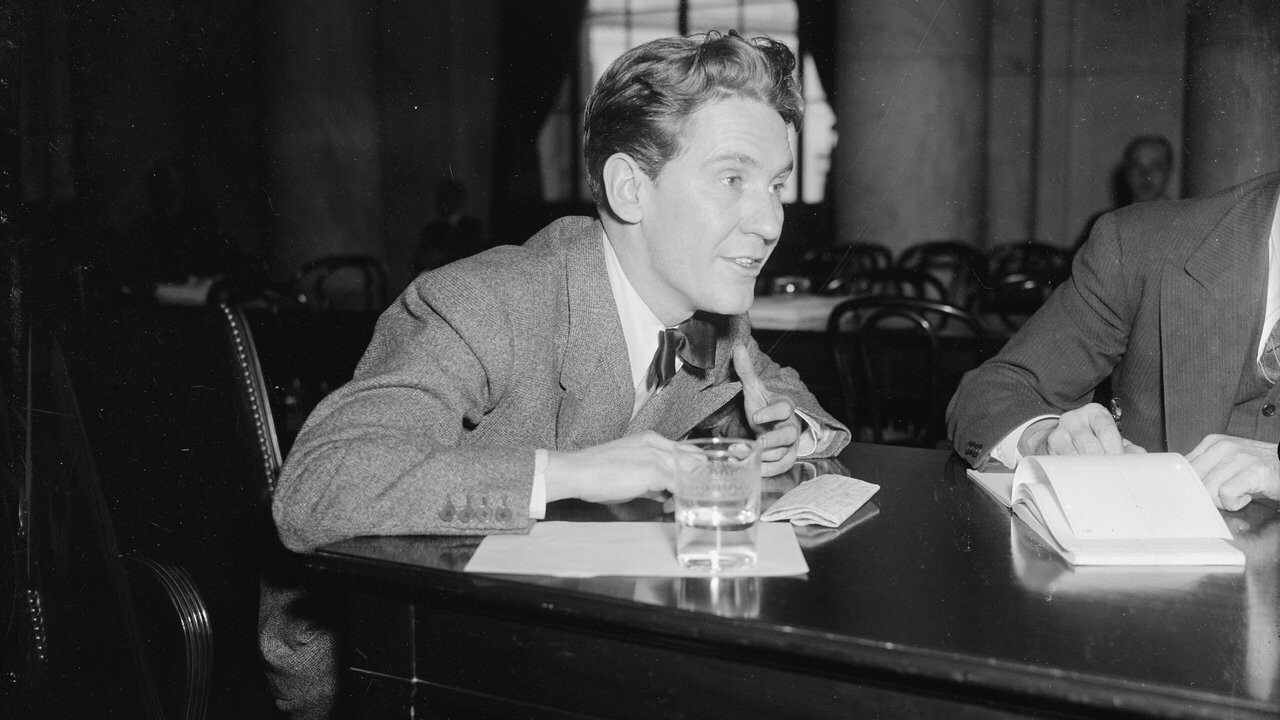
Burgess Meredith: Films for the Army Air Forces
Burgess Meredith worked with the Office of War Information to create military training and recruiting films. He wrote, produced, and appeared in this material, applying his professional skills to wartime communication. His contribution was uniformed film work rather than a combat assignment.
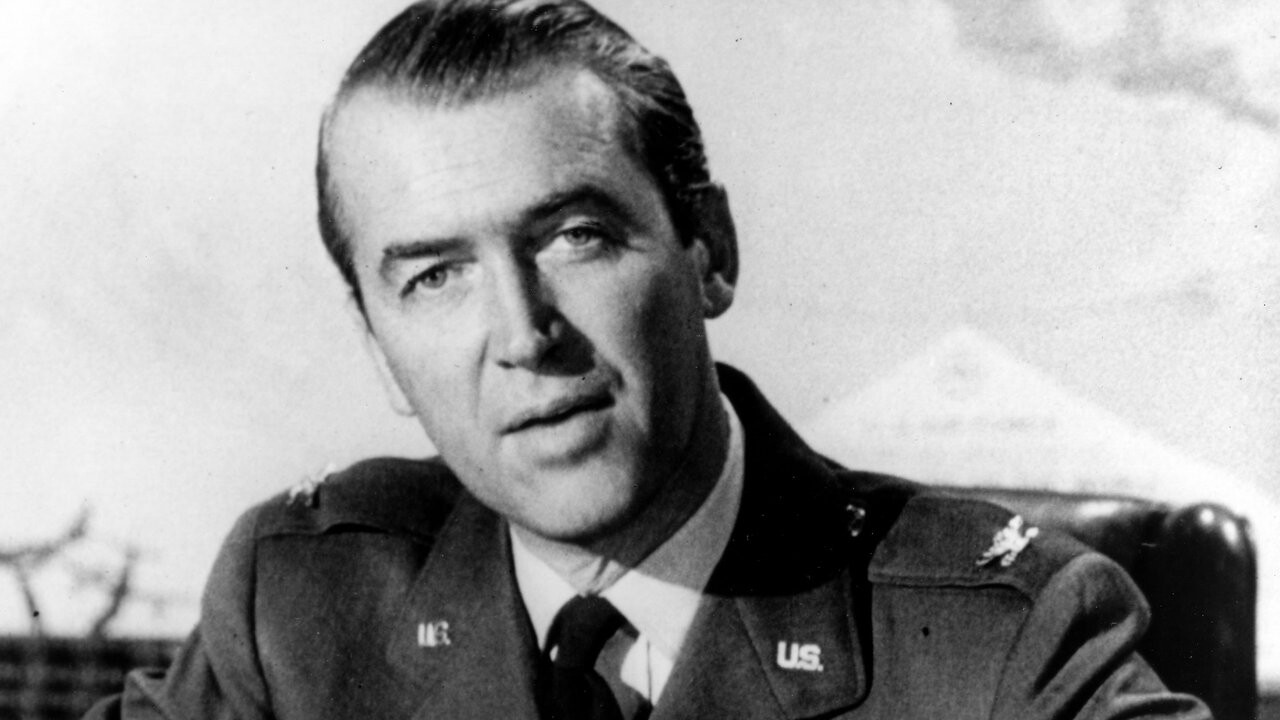
James Stewart: B-24 Squadron Commander
James Stewart went to England as commanding officer of the 703d Bomb Squadron in 1943. The unit flew B-24 bombers, placing Stewart in an operational leadership role overseas. The Air Force museum’s account confirms that his wartime aviation service extended well beyond recruitment appearances and stateside instruction.
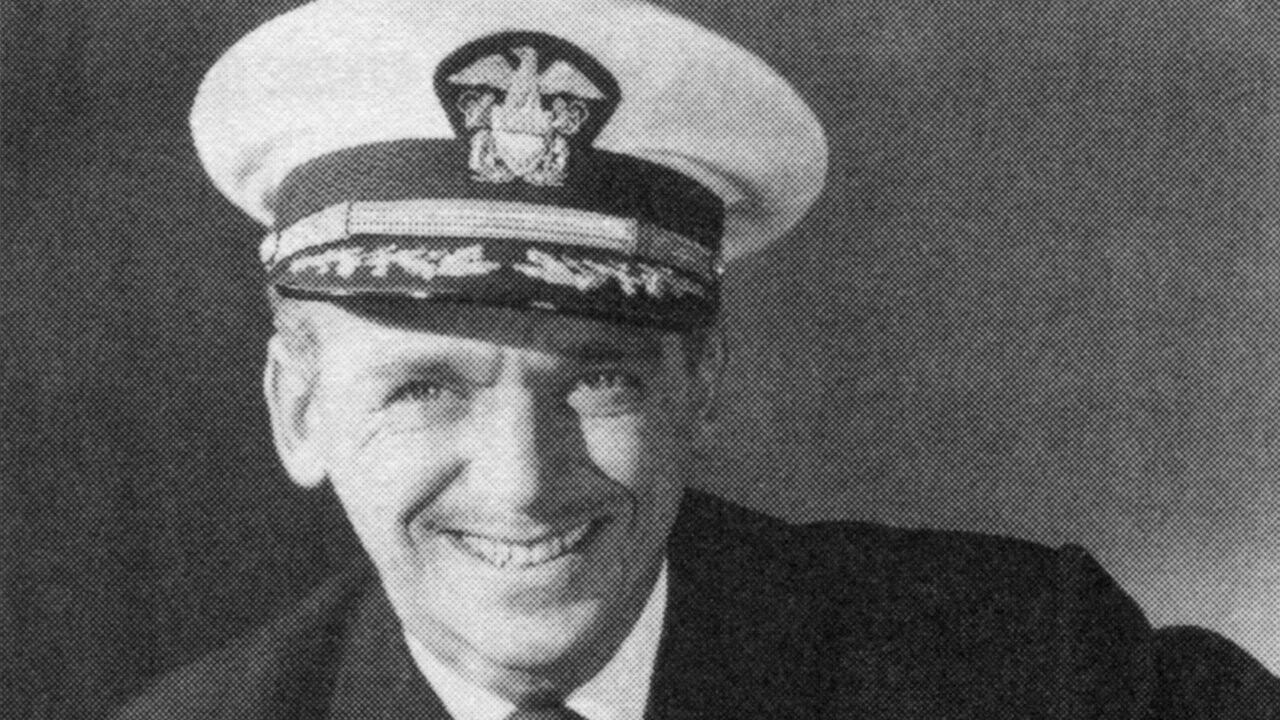
Douglas Fairbanks Jr.: Duty Aboard USS Wasp
Douglas Fairbanks Jr. was attached to USS Wasp when the aircraft carrier carried airplanes to Malta in 1942. The official Navy biography therefore places him in an overseas fleet assignment tied to a specific operation, providing a clear record without relying on more dramatic stories added later.
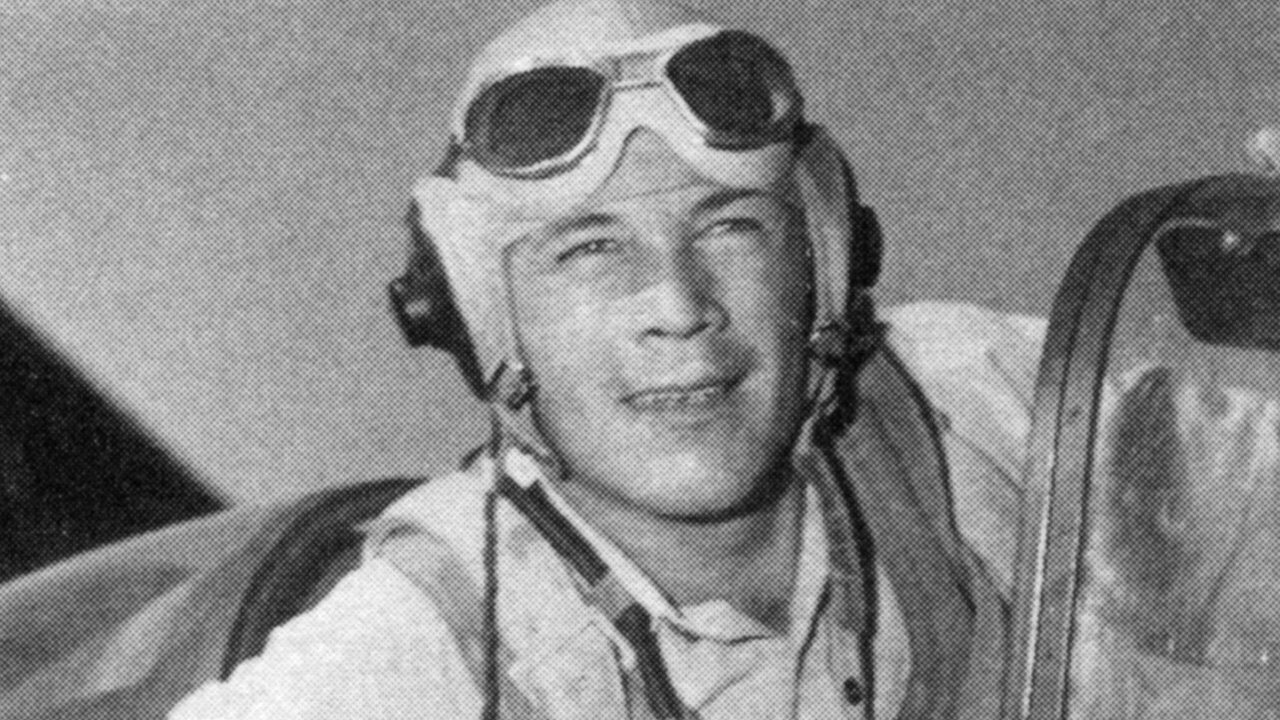
Wayne Morris: An Ace From Air Wing 15
Wayne Morris joined Air Wing 15 aboard USS Essex and became a fighter ace. A separate Naval Institute account credits him with downing seven Japanese aircraft. Together, those records identify his carrier, air wing, and confirmed aerial victories, making his combat service unusually well documented for a Hollywood performer.
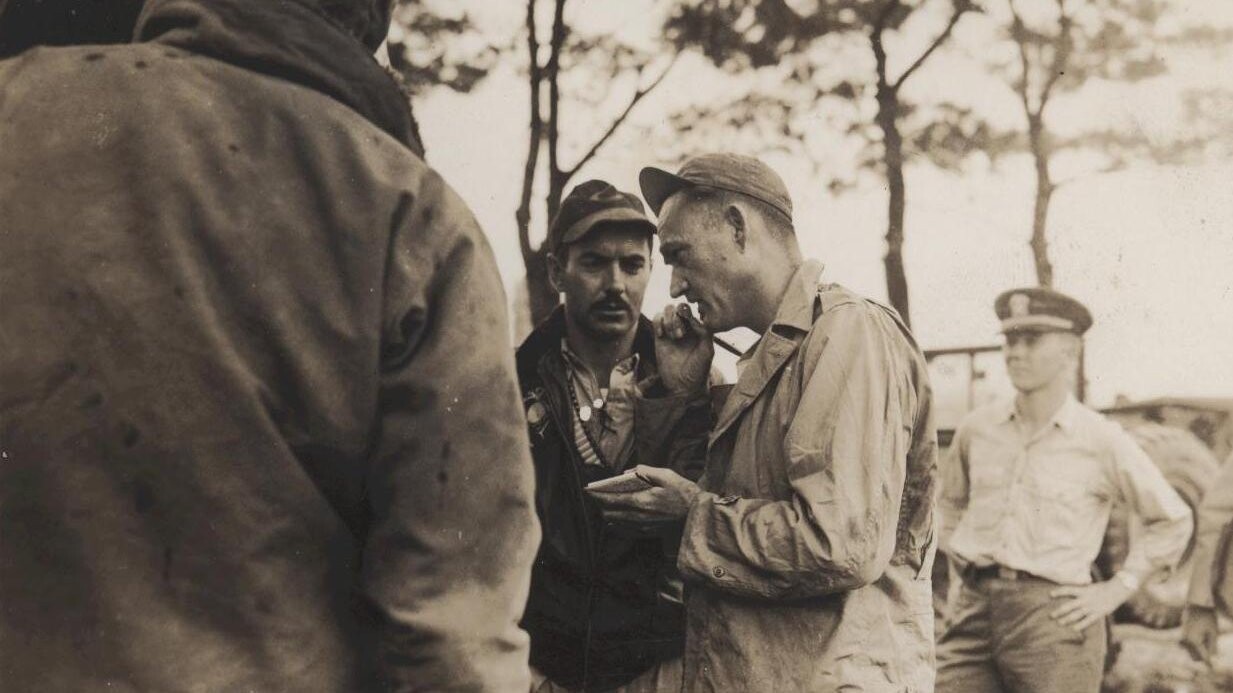
Tyrone Power: Marine Transport Duty
Tyrone Power transferred to Marine Transport Squadron VMR-353 and served overseas with the unit from the Marshall Islands to Japan. That documented route establishes the broad reach of his Pacific service while keeping the account focused on his confirmed transport assignment.
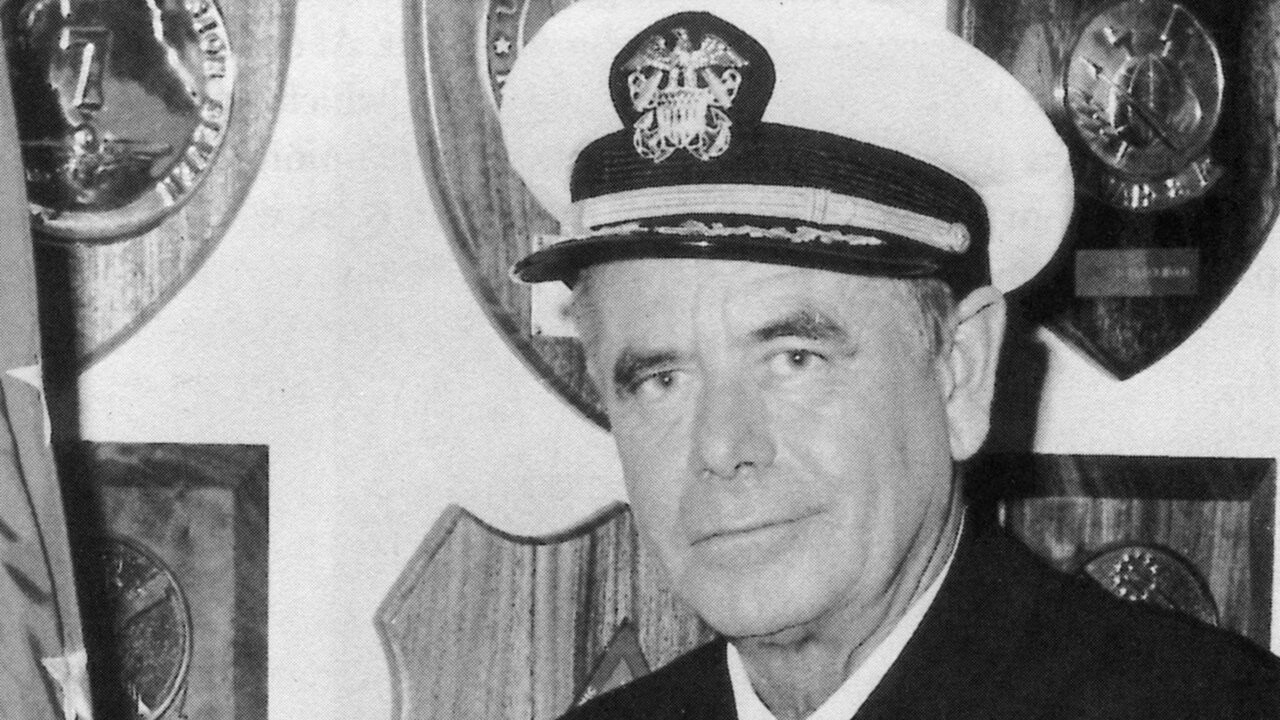
Glenn Ford: Marine Corps Reserve Service
Glenn Ford spent 1942 to 1945 in the Marine Corps Reserve. The confirmed service stands on its own without assigning him duties that the available official Marine source does not document, leaving a narrower but more reliable account of his wartime record.
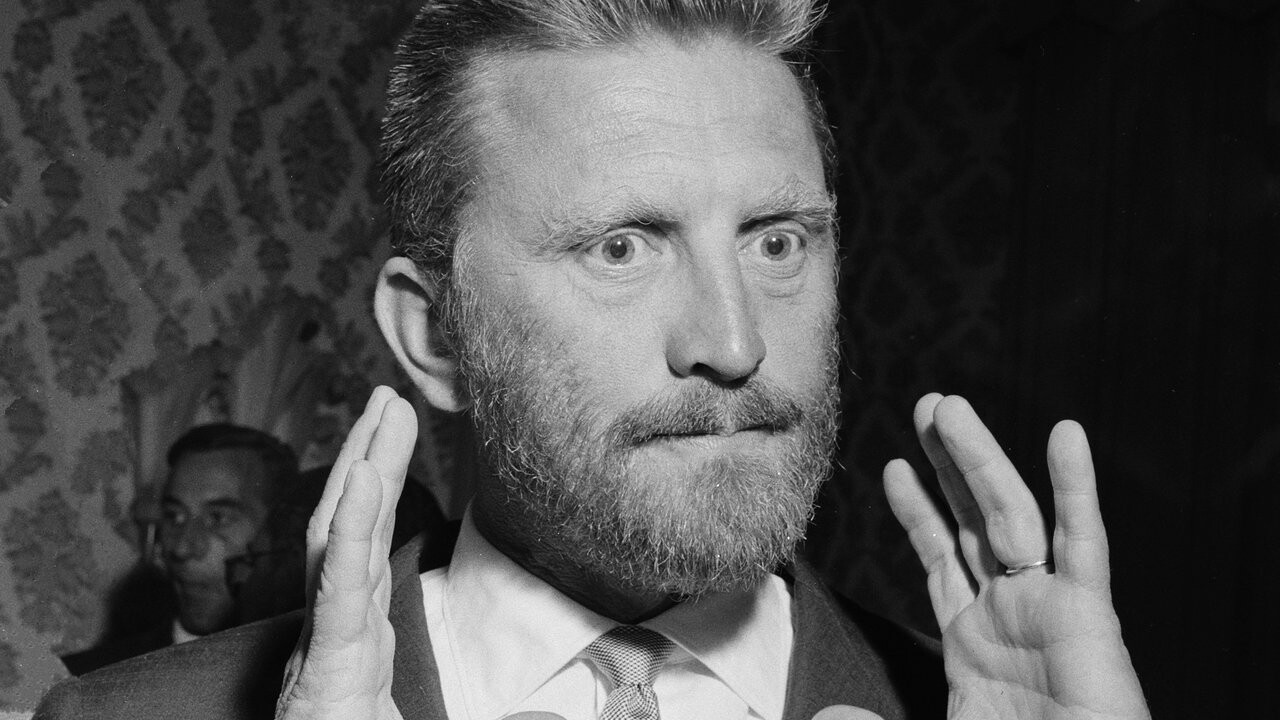
Kirk Douglas: Duty on a Submarine Chaser
Kirk Douglas was assigned to PC-1139, a PC-461-class submarine chaser, and sent to the Pacific. The posting confirms active duty aboard a small warship built for antisubmarine operations, giving the future actor a distinctly different experience from the large vessels more familiar in wartime films.
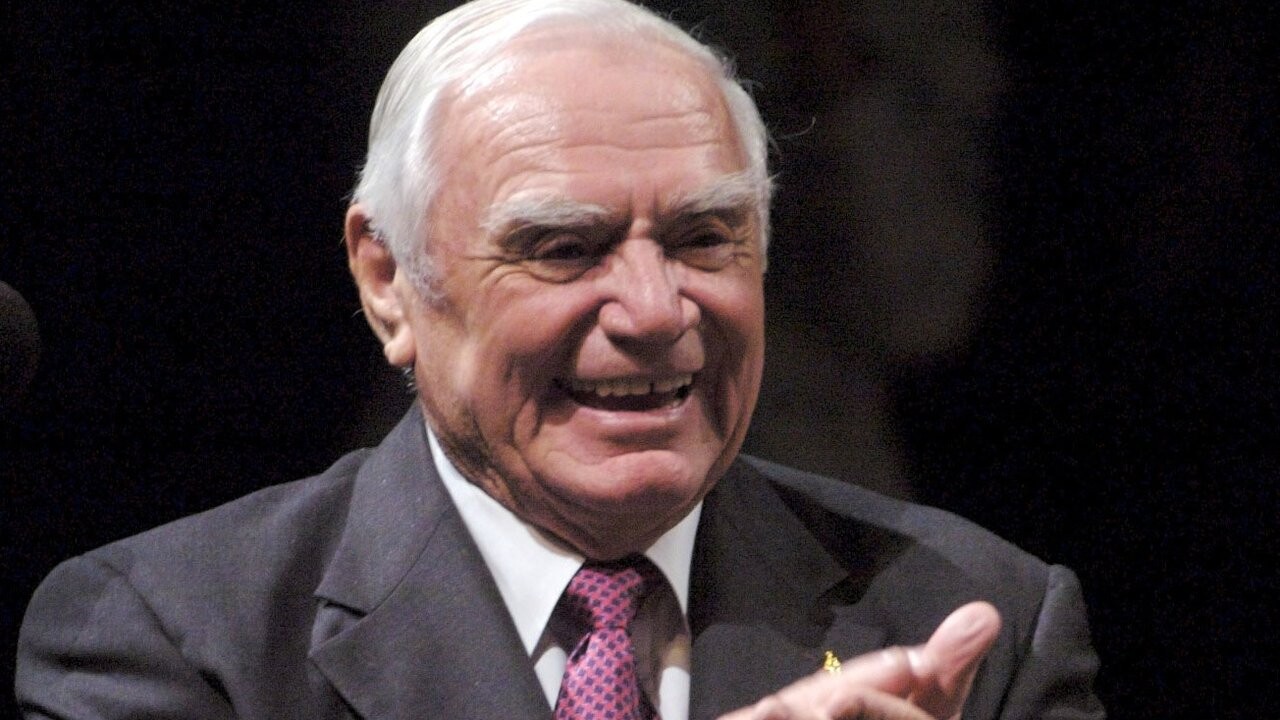
Ernest Borgnine: Antisubmarine Duty on USS Sylph
Ernest Borgnine served aboard USS Sylph, a converted yacht devoted to antisubmarine-warfare activities during the war. That assignment placed him on a specialized Navy vessel whose work differed sharply from conventional fleet operations, years before he became closely associated with naval comedy on television.
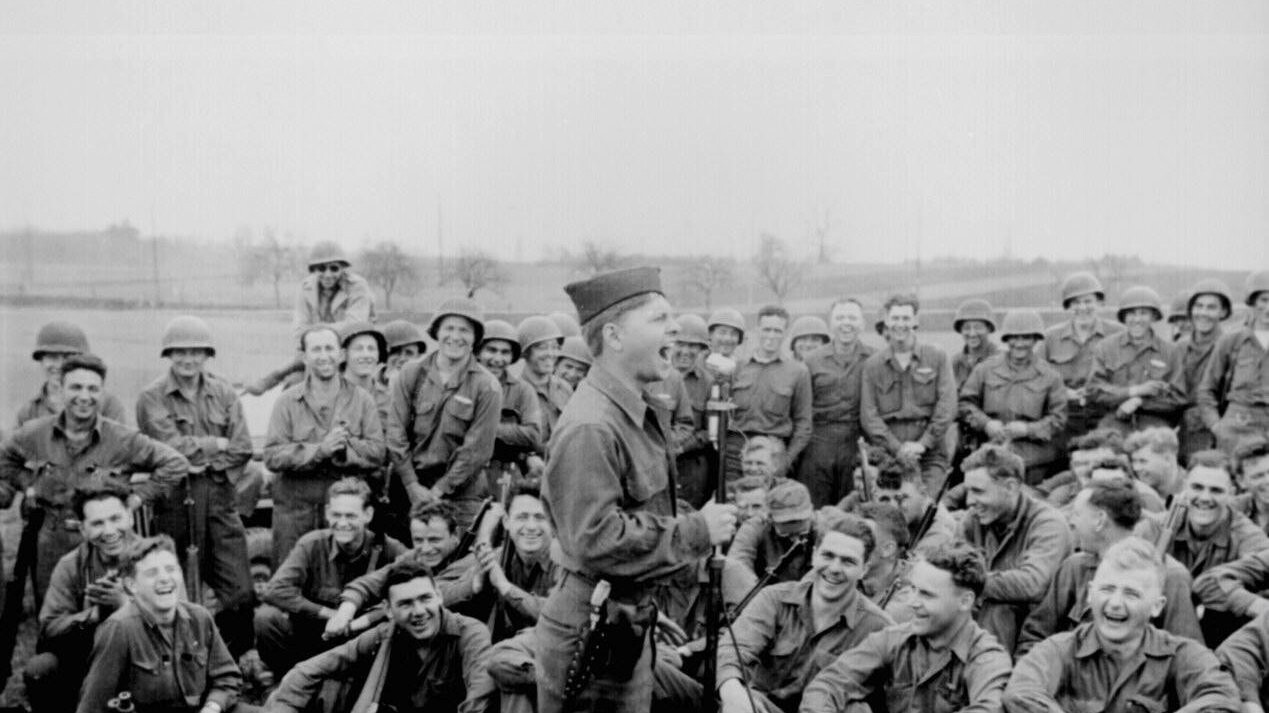
Mickey Rooney: Army Special Services
Mickey Rooney served in the Army’s 6817th Special Services Battalion and received the Bronze Star Medal. The official Army Corps of Engineers publication connects him to both a named unit and a documented decoration, providing a firm foundation for his wartime service story.
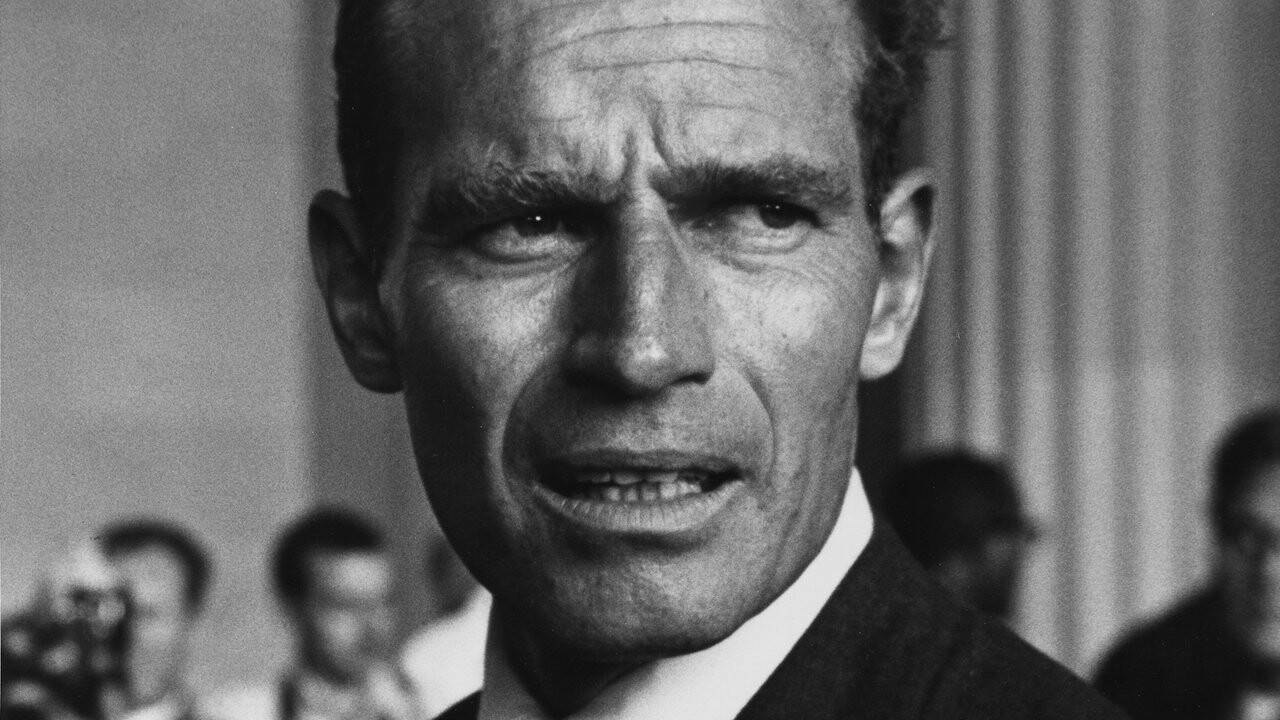
Charlton Heston: B-25 Radio Operator and Gunner
Charlton Heston served as a B-25 radio operator and gunner in the Army Air Forces. That description places him in an enlisted aircrew position rather than the pilot’s seat. The official Air Force account gives his role a clear shape without requiring unsupported mission totals or combat claims.
Lee Marvin: Wounded Marine on Saipan
Lee Marvin served as a Marine private first class, fought in the Marshall Islands, and was wounded in action on Saipan in June 1944. The official Marine Corps history confirms the central elements of his service: enlisted rank, Pacific combat, and a battlefield wound.
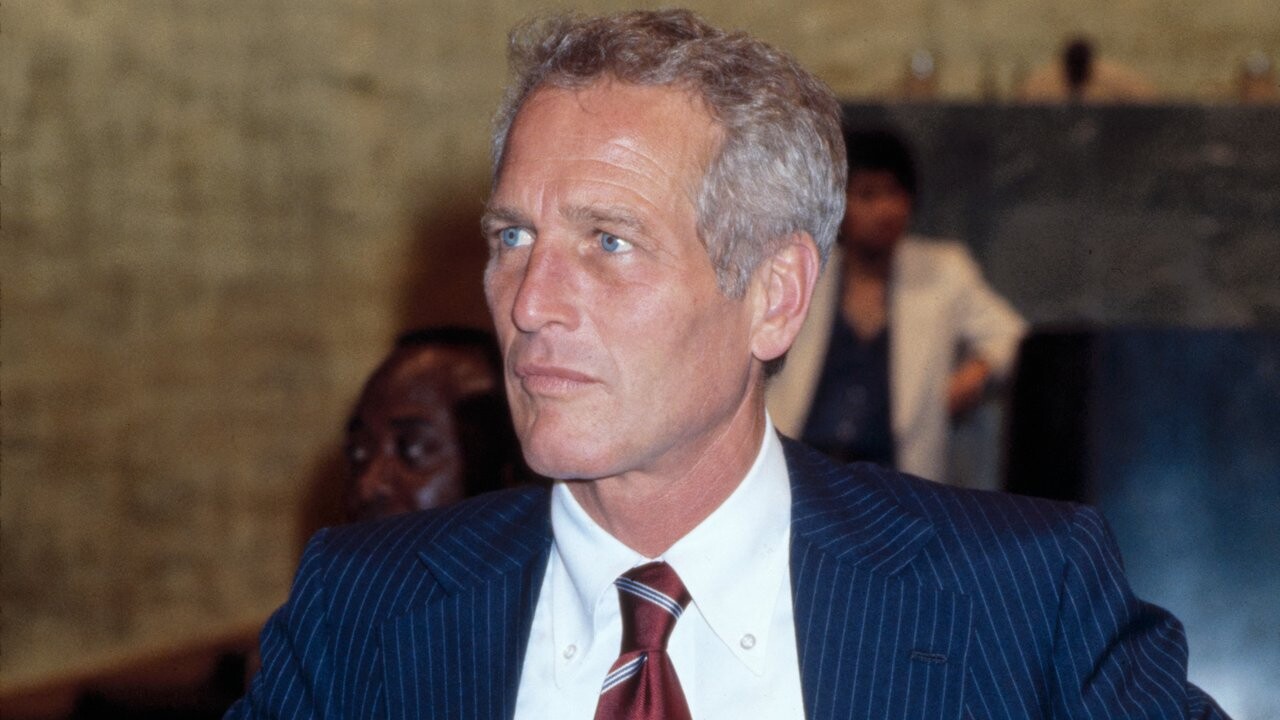
Paul Newman: Torpedo-Bomber Radioman and Gunner
Paul Newman qualified as a rear-seat radioman and gunner in torpedo bombers. His wartime contribution came from the second seat, where communications and weapons duties required precision and teamwork, not from the pilot’s cockpit that he had originally hoped to occupy.
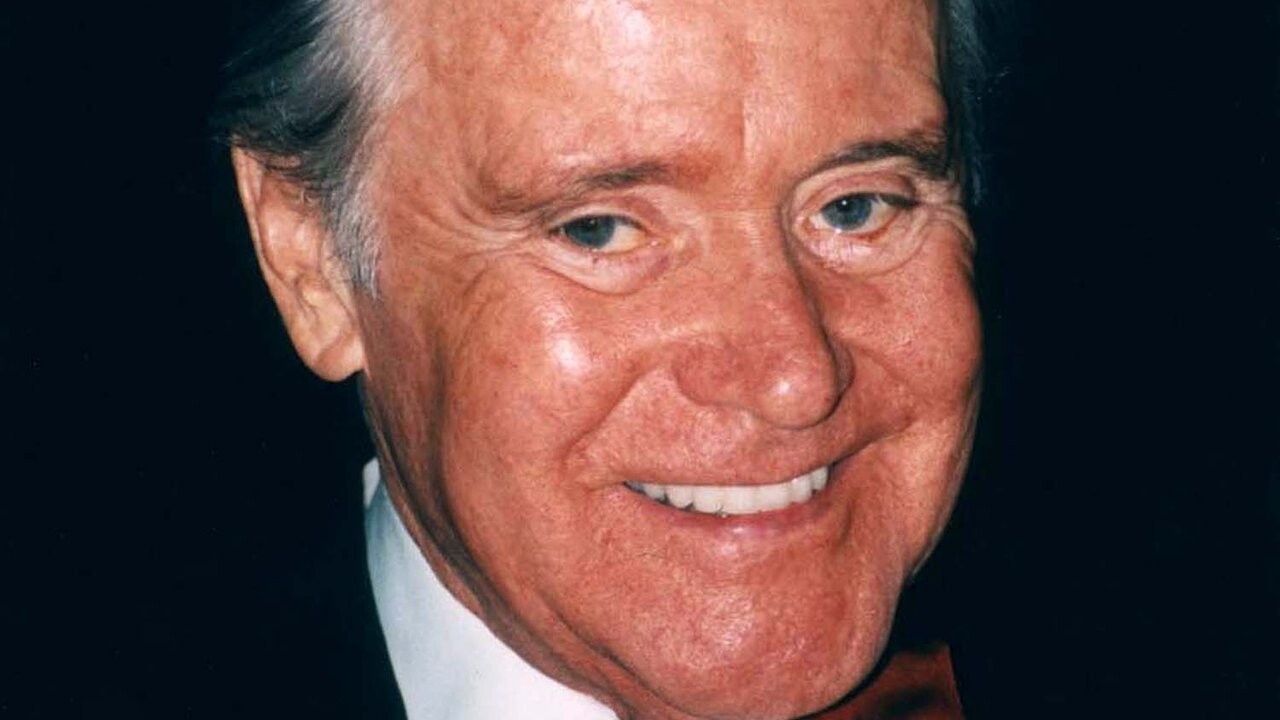
Jack Lemmon: Navy V-12 Officer Training
Jack Lemmon participated in the Navy’s V-12 college training program at Harvard and later served as an ensign. Those confirmed details establish both his officer training and Navy service without borrowing adventure from the military comedies he would eventually make on screen.
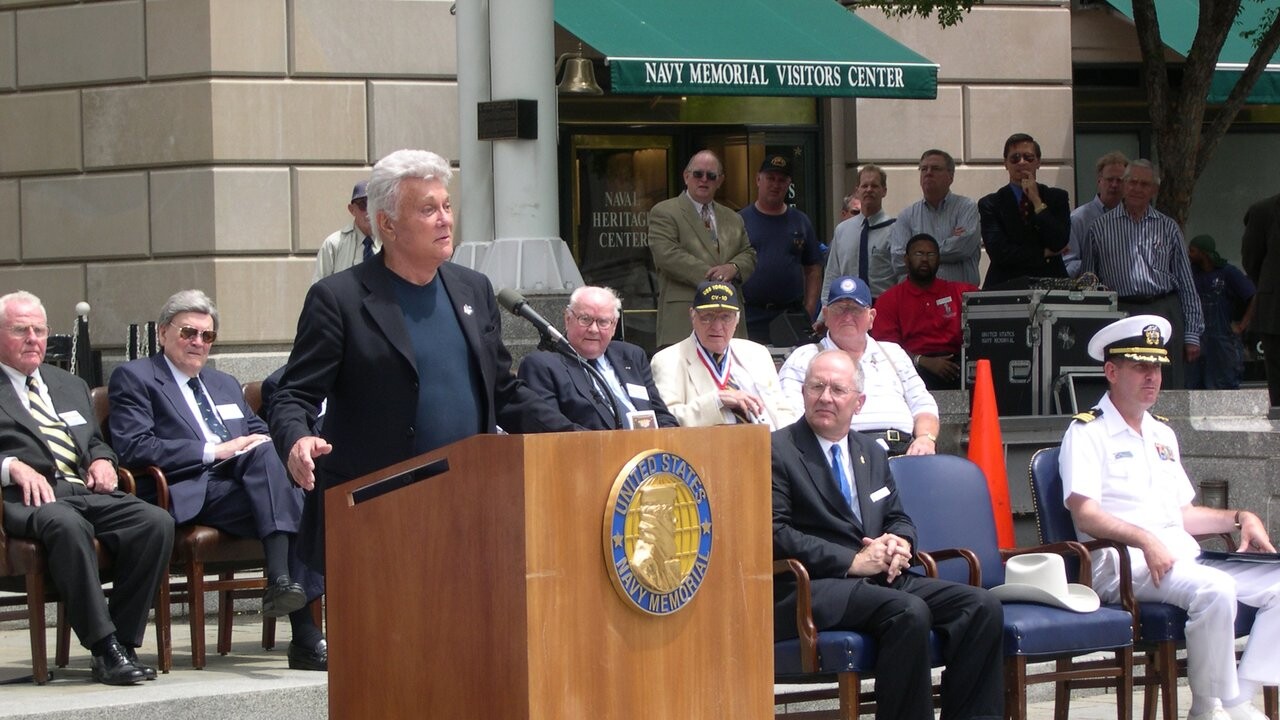
Tony Curtis: Assigned to USS Proteus
Tony Curtis was assigned to the submarine tender USS Proteus rather than a submarine. The ship operated from Guam, supporting submarines and their crews across the Pacific. His wartime experience was built around the demanding work of a support vessel, not the Hollywood version of undersea combat.
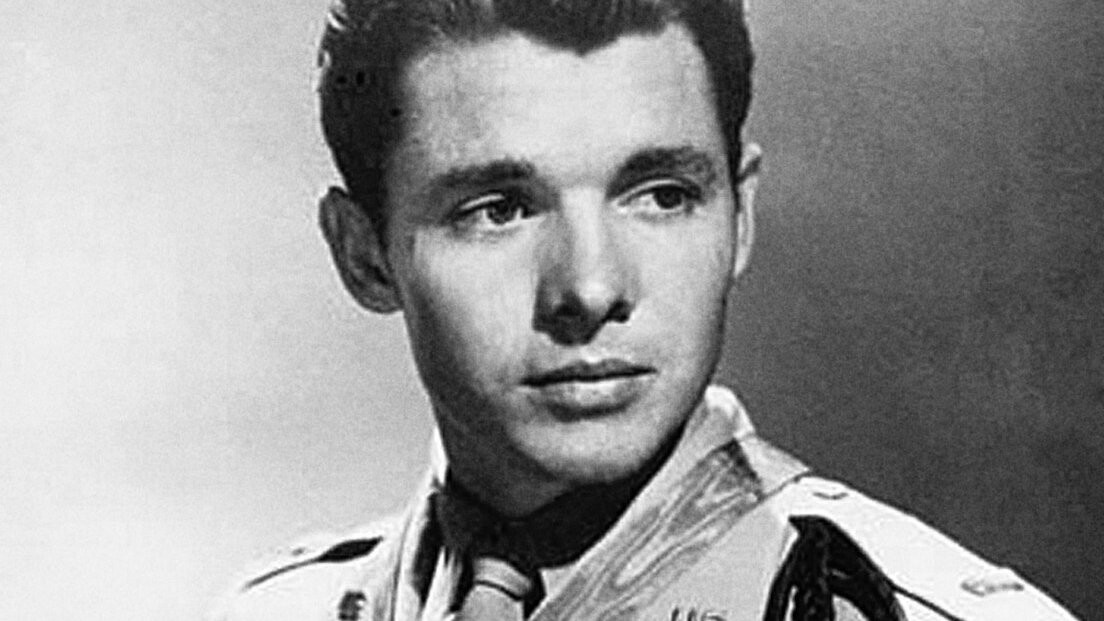
Audie Murphy: Medal of Honor Infantryman
Audie Murphy served with Company B, 1st Battalion, 15th Infantry, 3d Infantry Division. His Medal of Honor citation records that he climbed onto a burning tank destroyer during combat. He became a movie star afterward, but his celebrated military record was established before Hollywood entered his story.
These records show how many forms wartime service could take, including infantry combat, aviation, transport, communications, shipboard duty, training, and filmmaking. Which of these confirmed service stories surprised you most?
Follow The HyperHive on MSN for more stories like this.
Sources:






