World’s Fairs Americans Remember, in Photos

Morley Studios—Official Photographer of the Century 21 Exposition—via / Wikimedia Commons, CC BY 2.0 (cropped)
World’s fairs transformed temporary grounds into visions of ideal cities. Their towers, glowing buildings, daring rides, and miniature futures gave generations of Americans something remarkable to remember.
This gallery moves chronologically through those memories. The photographs and facts draw on public archives, museum collections, historic-site records, and city agencies.
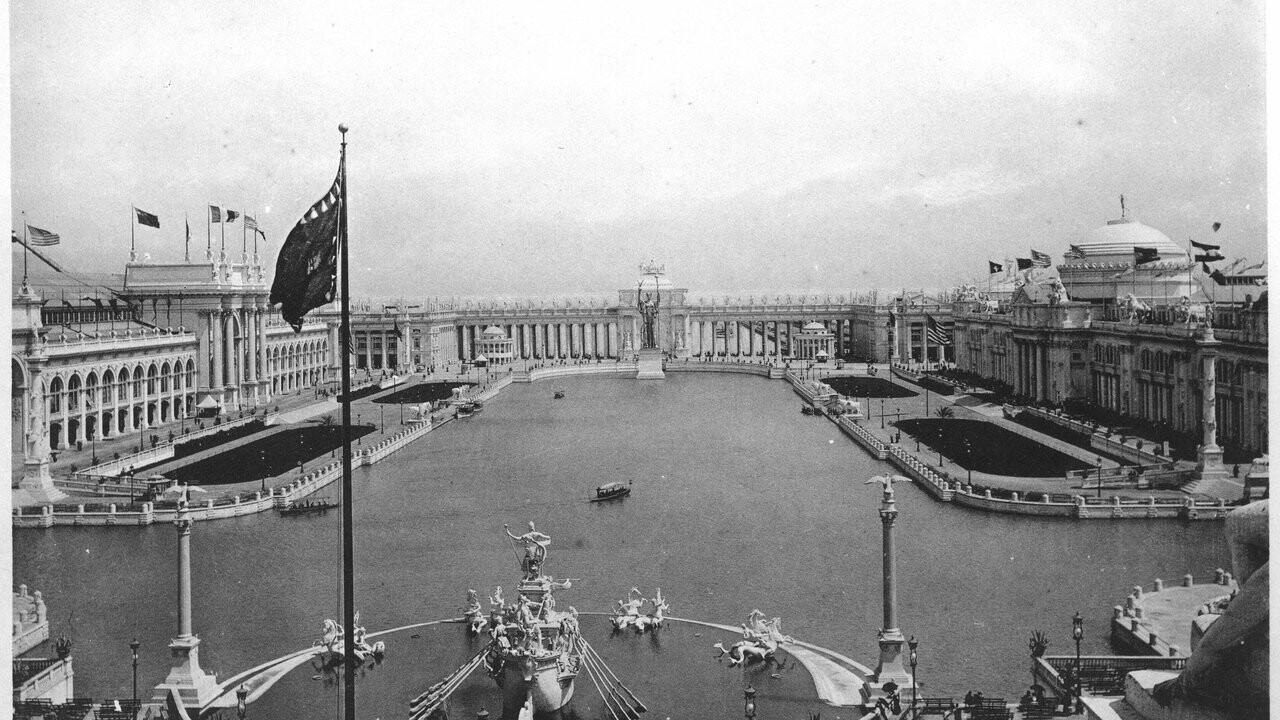
1893: Chicago’s White City
Chicago’s 1893 exposition turned Jackson Park into the White City, a dreamscape of pale classical buildings brightened after dark by electric illumination. The effect was more than decorative. It made a temporary fairground feel like a complete modern metropolis, giving visitors an image of urban grandeur that photographs still capture with startling clarity.
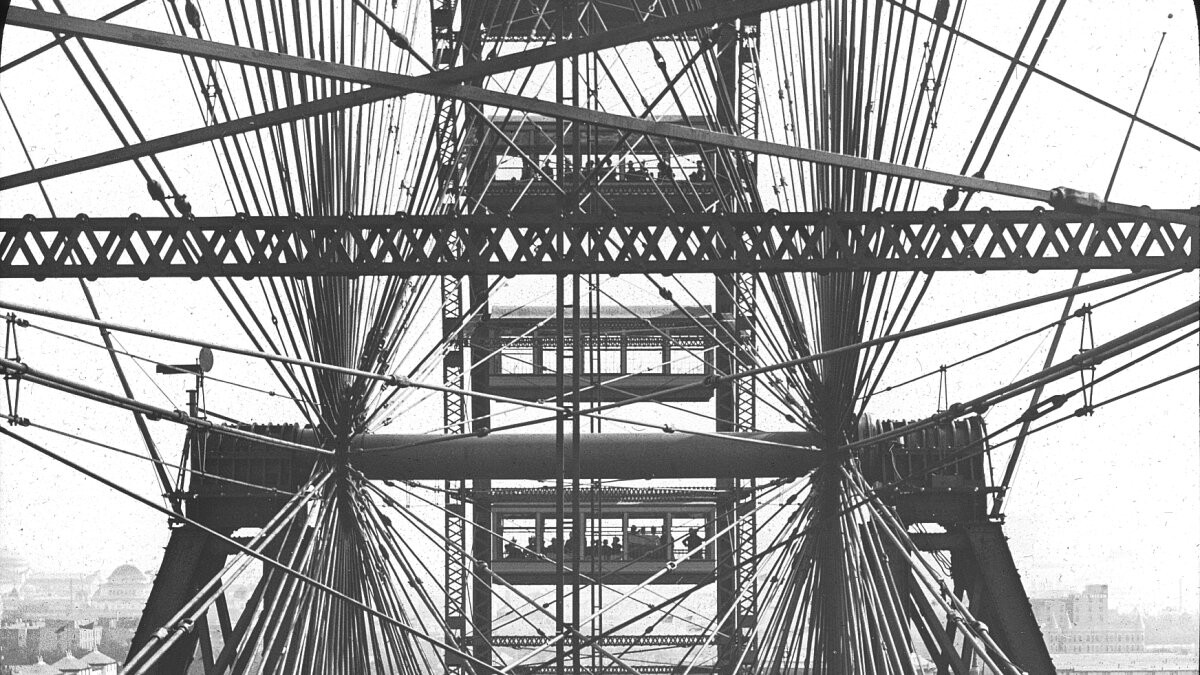
1893: The Original Ferris Wheel
The fair’s giant wheel offered a new way to see Chicago from above. Pittsburgh bridge builder George Washington Gale Ferris Jr. designed and constructed it for the exposition. Its steel circle, passenger cars, and sheer novelty made the ride a lasting symbol of the Midway. Even now, its outline looks both playfully simple and improbably ambitious.
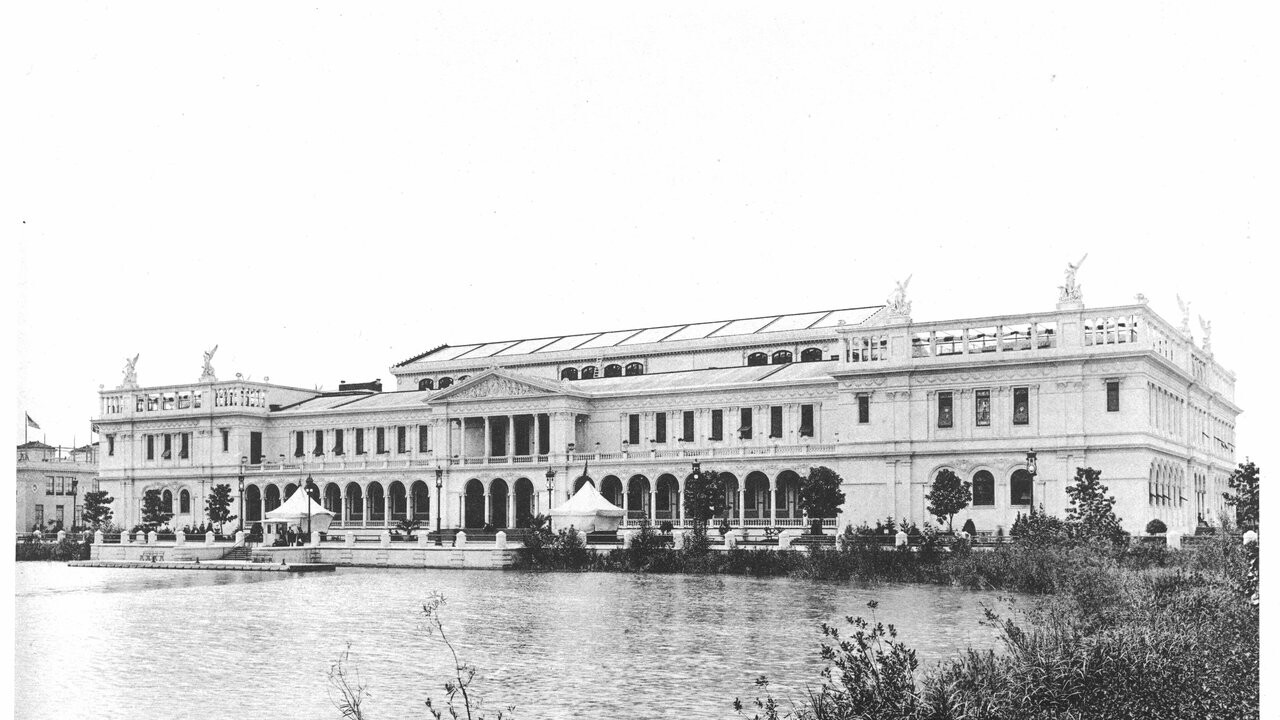
1893: Sophia Hayden’s Woman’s Building
The Woman’s Building gave architecture and exhibits by women a prominent place at the fair. A nationwide design competition chose Sophia Hayden, a 21-year-old graduate of the Massachusetts Institute of Technology. Inside, displays highlighted women’s work in literature, art, science, and industry, making the building one of the exposition’s most revealing spaces.
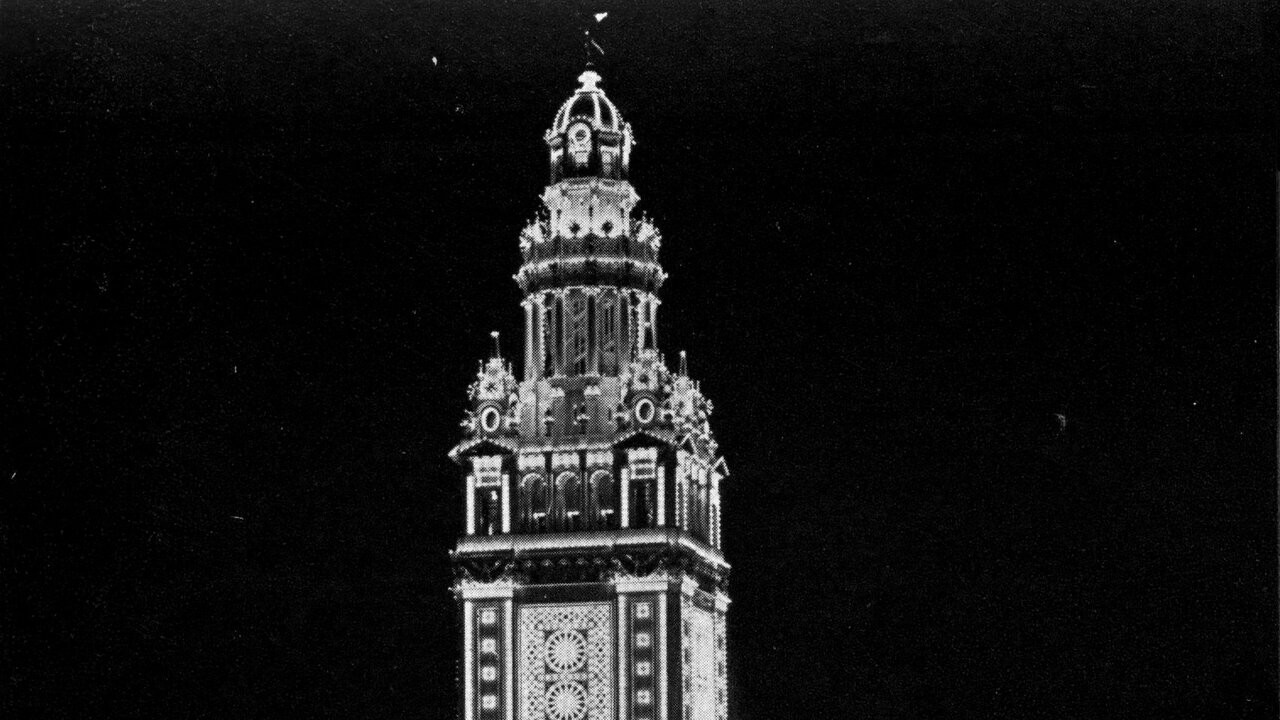
1901: Buffalo’s Electric Tower
At Buffalo’s 1901 Pan-American Exposition, electricity was not just useful; it was the spectacle. The Electric Tower turned new power systems into monumental architecture, and long-distance generation helped illuminate the grounds. Visitors who knew electric light mainly from streets, offices, or trolley lines encountered an entire fantasy city glowing after sunset.
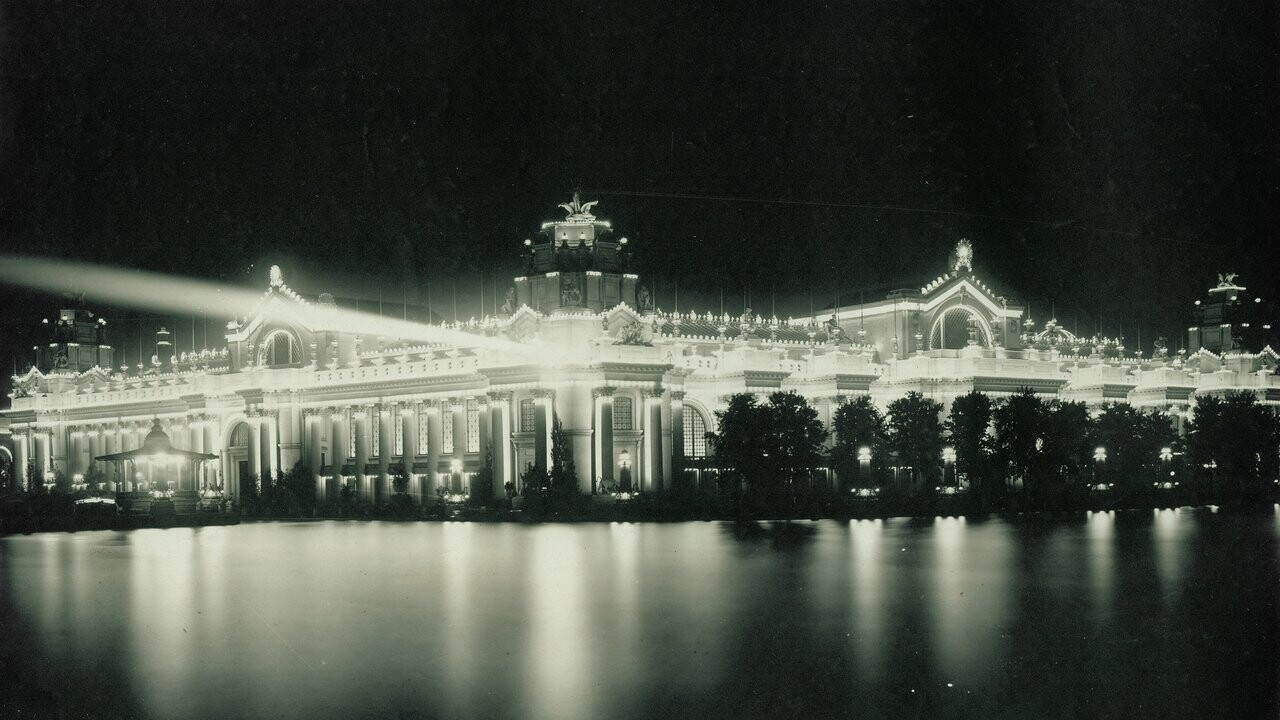
1904: St. Louis’s Palace of Electricity
St. Louis’s 1904 fair filled its Palace of Electricity with lighting and power equipment. That sounds ordinary now, but it placed the systems remaking homes, factories, and streets inside a grand exhibition palace. The building joined practical machinery with theatrical scale, helping world’s fairs make new technology feel both understandable and exciting.
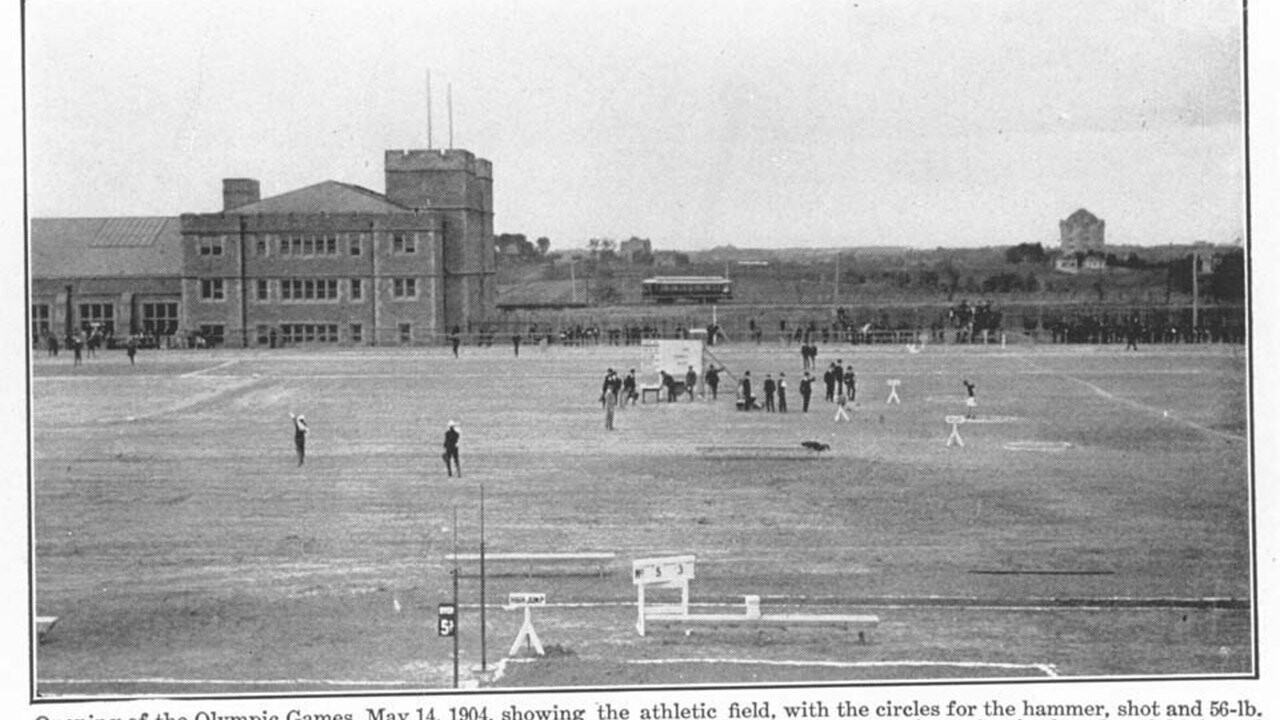
1904: The Olympics Meet the World’s Fair
The 1904 Olympics unfolded alongside the St. Louis World’s Fair, linking the international exposition with a young global sporting movement. These were the first Olympic Games held in the United States. Images of Francis Field therefore preserve more than an athletic venue; they show an American fairground serving as an Olympic stage for the first time.
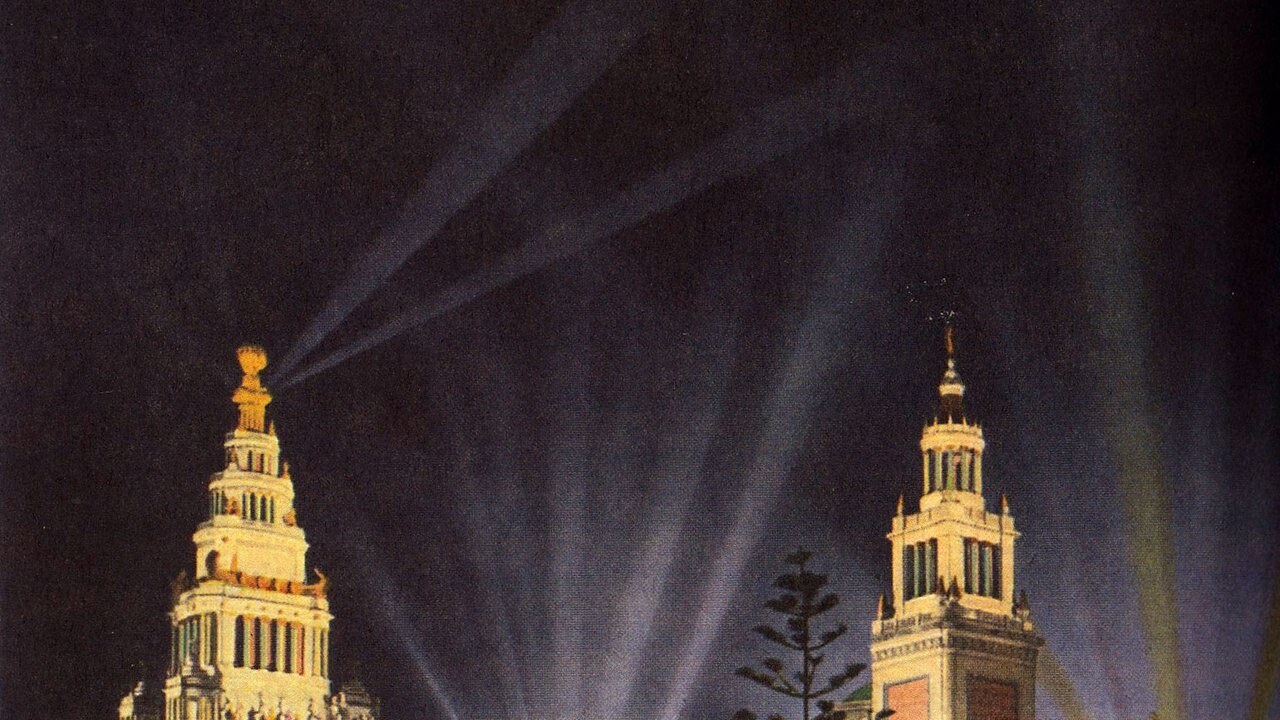
1915: San Francisco’s Tower of Jewels
San Francisco’s 1915 Tower of Jewels was designed to dazzle. It rose the equivalent of 40 stories and carried 102,000 pieces of multicolored cut glass that caught the California sun. At the exposition’s center, the tower became a glittering advertisement for a city presenting its recovery and renewed confidence to the world.
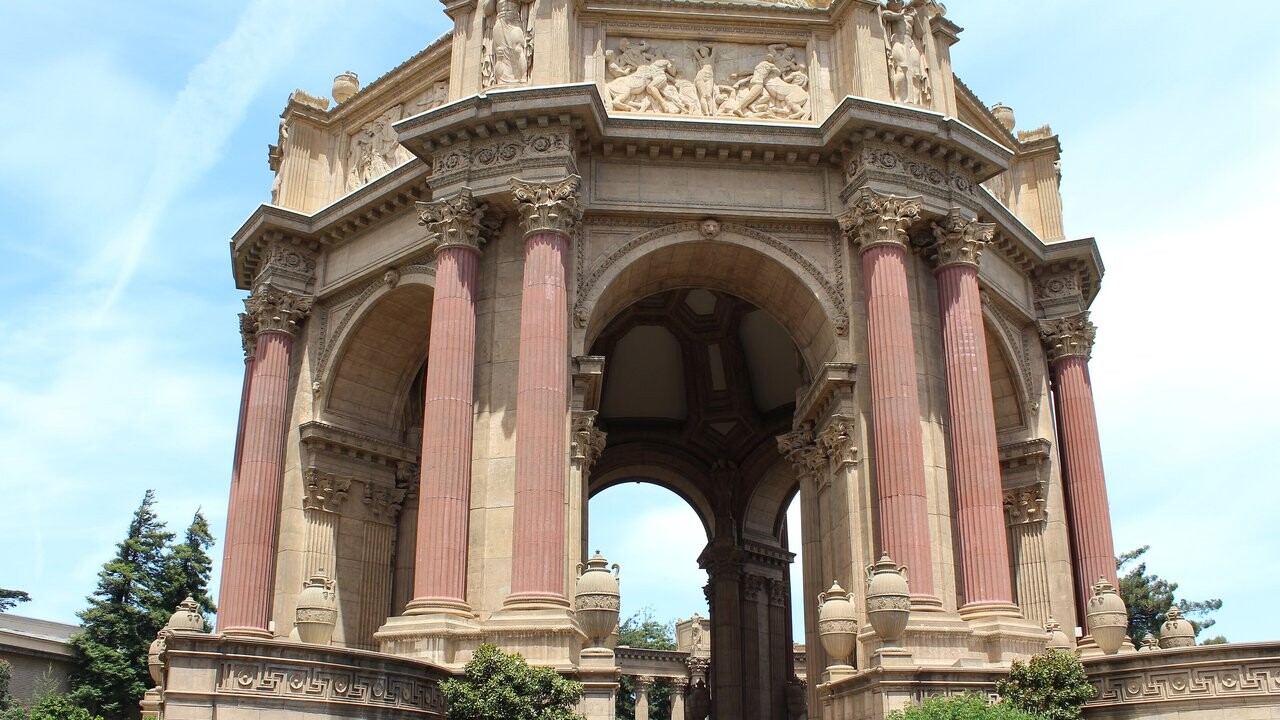
1915: The Palace of Fine Arts Endures
One fair landmark escaped the usual fate of temporary exposition buildings. The Palace of Fine Arts, created for the 1915 fair, still anchors San Francisco’s Marina District with its classical rotunda and curving colonnades. Its survival lets modern visitors experience a piece of the exposition at full architectural scale, not only through souvenirs and old pictures.
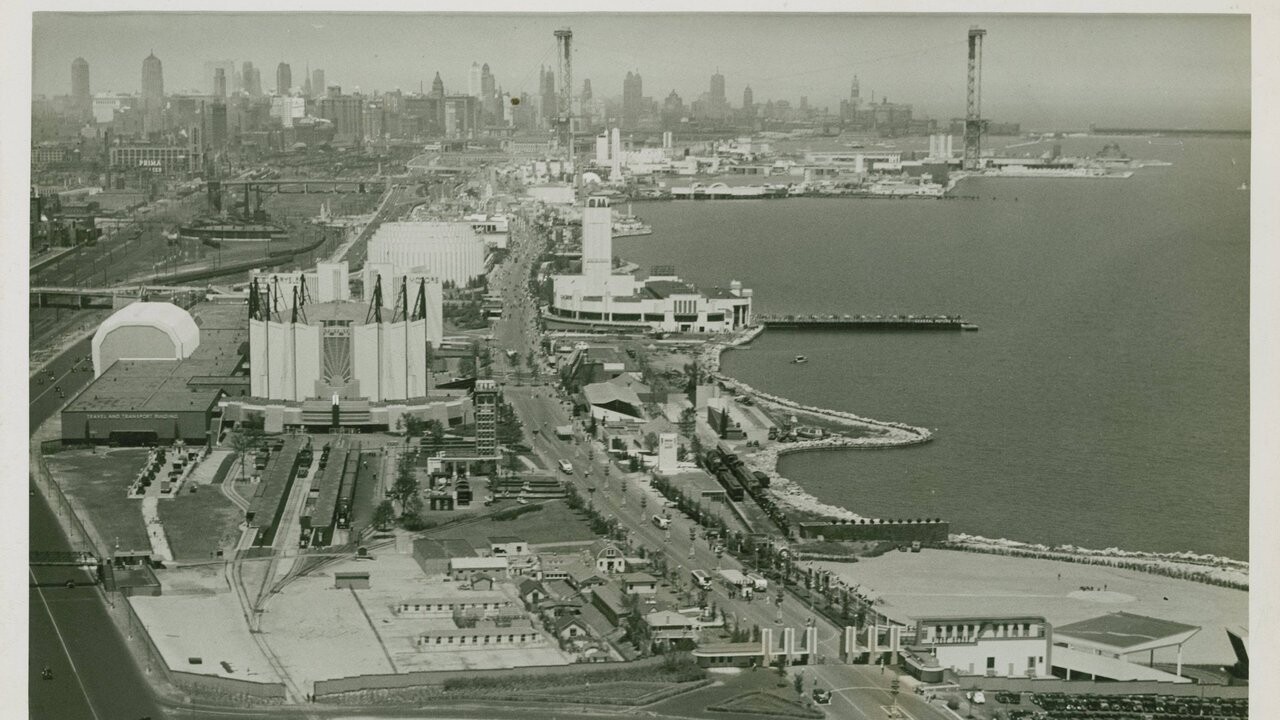
1933: Chicago Looks Toward Tomorrow
Chicago’s Century of Progress arrived during the Great Depression, but its message looked forward. The 1933 exposition emphasized science and industrial development rather than recreating the classical White City. Streamlined forms and modern displays offered a brighter visual language, turning the fair into an expression of hope when optimism itself was in short supply.
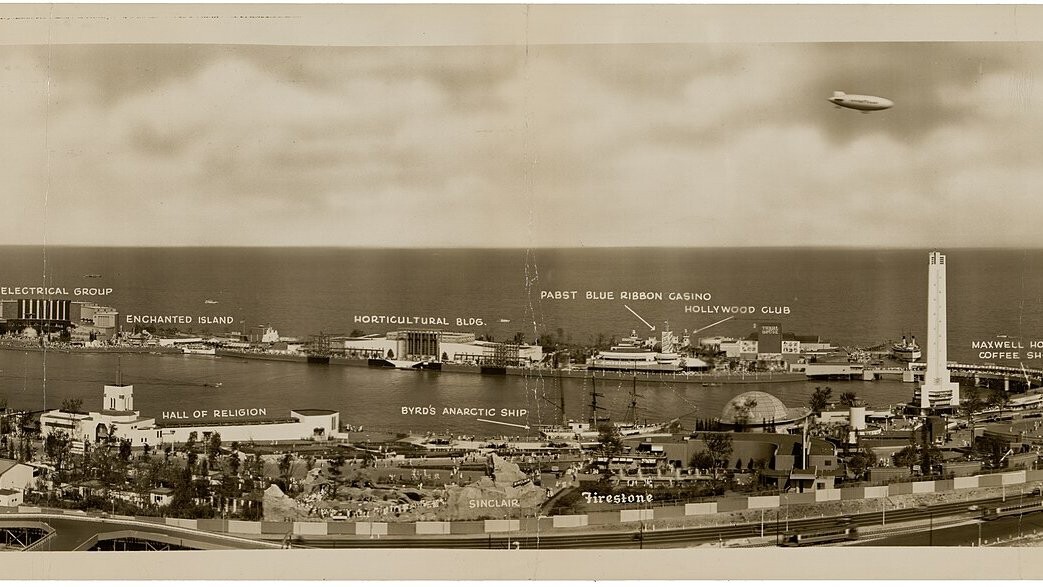
1933: The Sky Ride Crosses the Fair
The Sky Ride stretched high above the fairgrounds, carrying passengers between two towers in rocket-shaped cars. Suspended 218 feet in the air, it delivered a moving panorama of the exposition and the city beyond. The attraction captured the fair’s machine-age confidence: transportation itself became theater, and the trip mattered as much as the view.
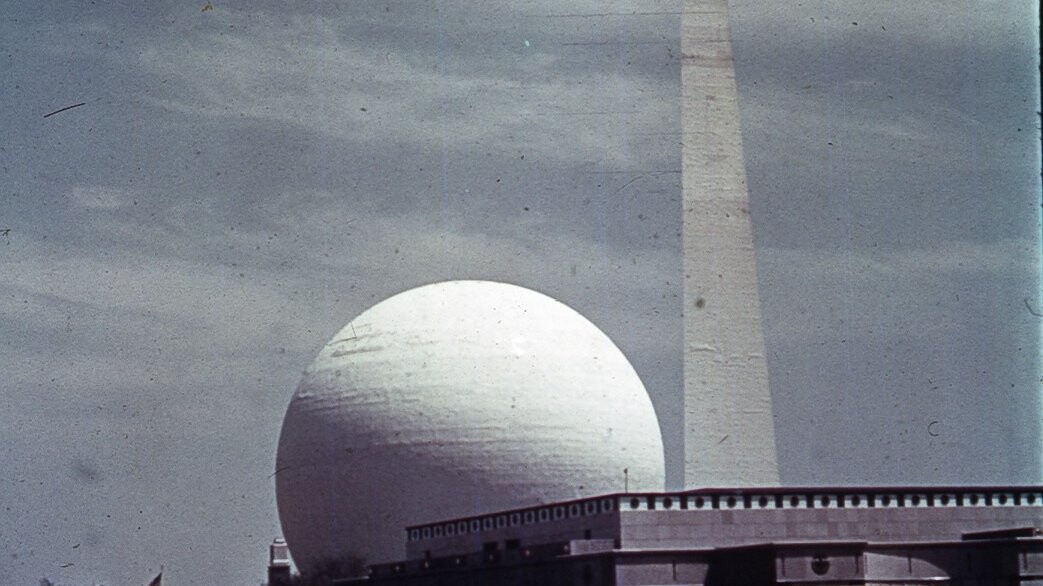
1939: New York’s Trylon and Perisphere
New York’s 1939 fair found its unmistakable emblem in the Trylon and Perisphere. The tall triangular spire and immense sphere stood together at the center of the grounds, with the Perisphere housing Democracity, an imagined future metropolis. Their clean geometric forms gave the fair’s promise of tomorrow a silhouette Americans could recognize instantly.
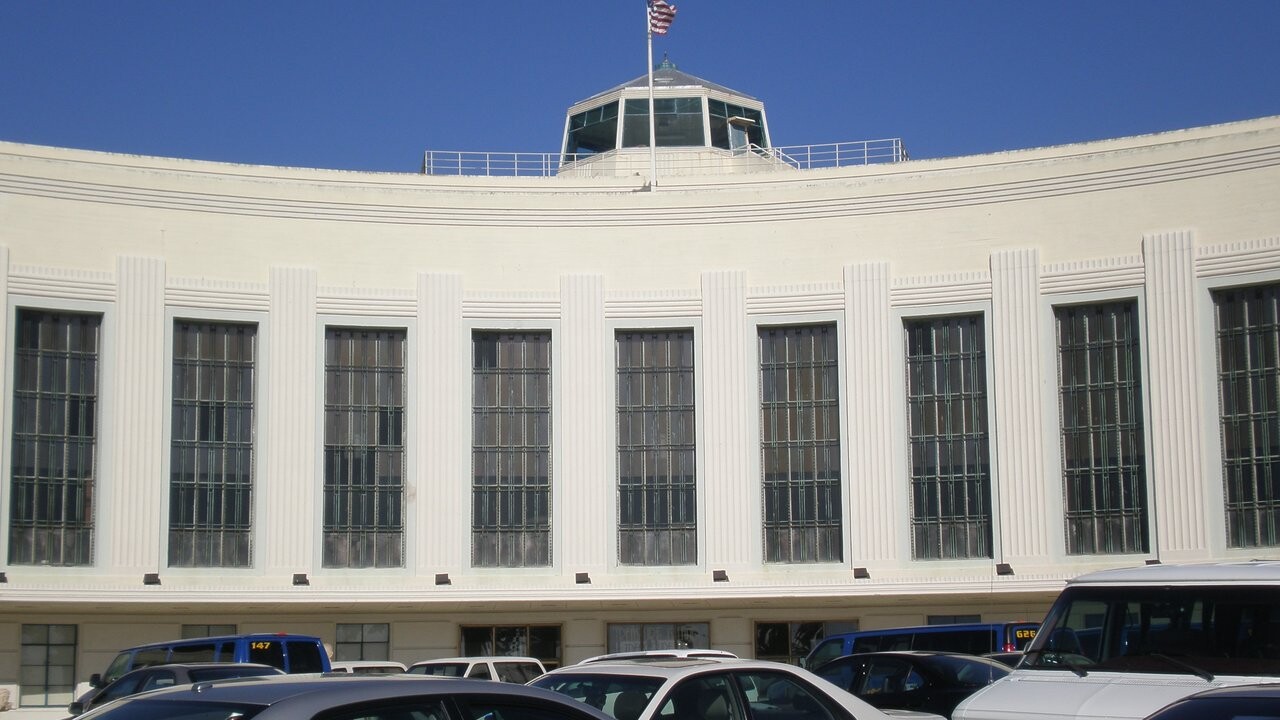
1939: Treasure Island Celebrates Two Bridges
San Francisco held another fair in 1939, this time on Treasure Island. The Golden Gate International Exposition celebrated the Golden Gate and San Francisco-Oakland Bay bridges, translating two enormous infrastructure projects into a festive vision of Pacific connections. Its island setting and geometric architecture gave the exposition a character distinct from the city’s 1915 fair.
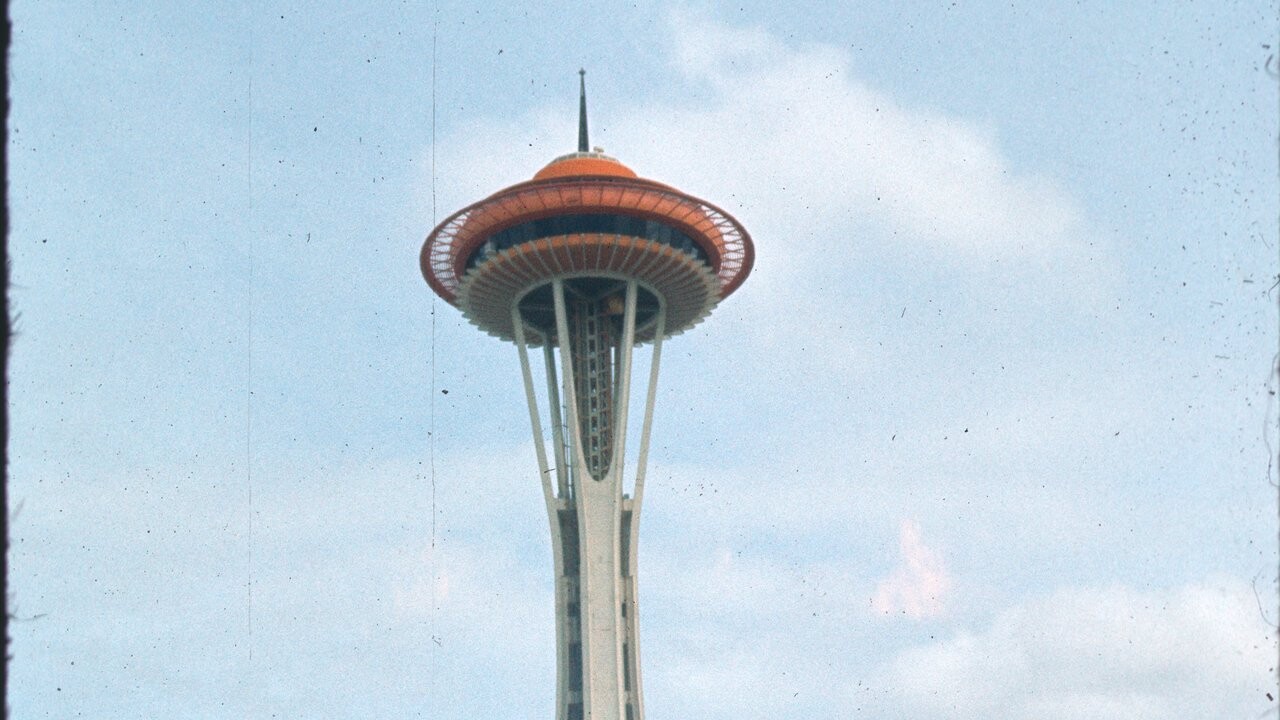
1962: Seattle Raises the Space Needle
Seattle’s 1962 fair placed the Space Needle at the center of its space-age identity. The 605-foot tower cost $6.5 million and included a rotating restaurant near the top. Its form was futuristic enough for the exposition, yet simple enough to become Seattle’s enduring shorthand long after the temporary pavilions disappeared.
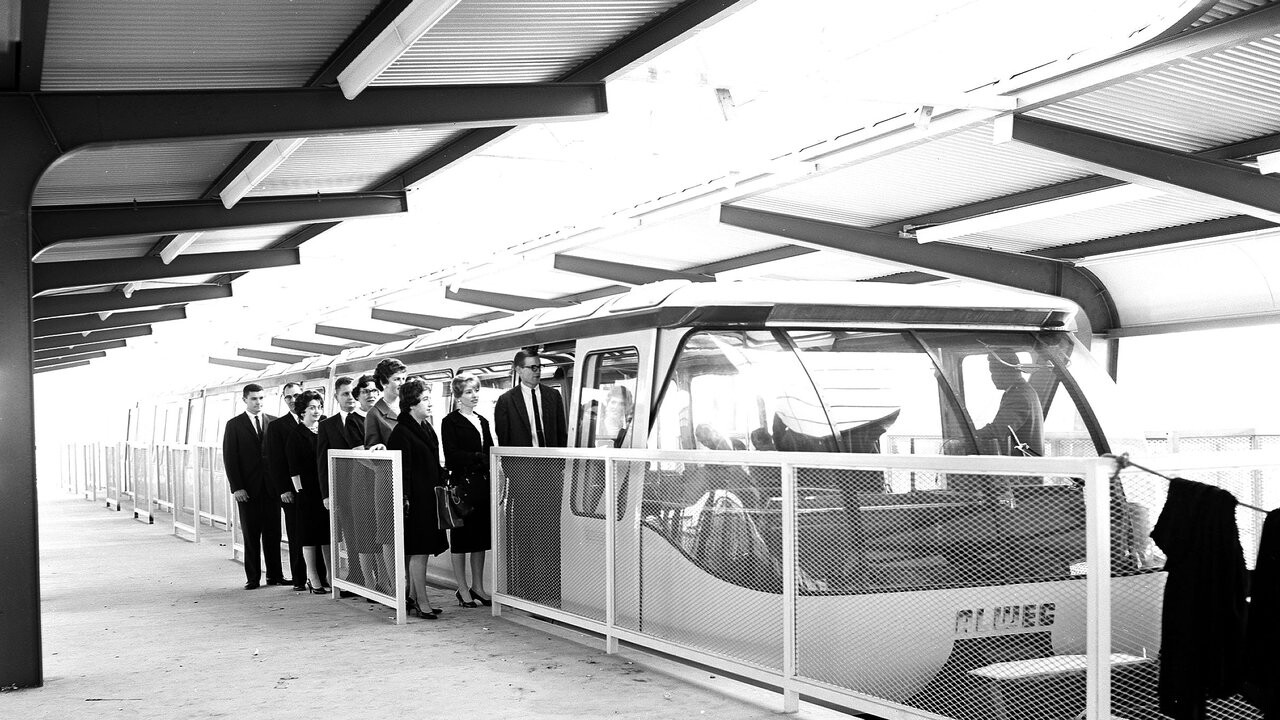
1962: The Monorail and Science Pavilion
The Seattle Center Monorail carried the fair’s futuristic theme into everyday transportation, while the United States Science Pavilion gave modern science an elegant architectural home. Both outlived the exposition. The pavilion became the Pacific Science Center, and the Monorail still links downtown with Seattle Center, making the fair’s legacy part of an ordinary city outing.
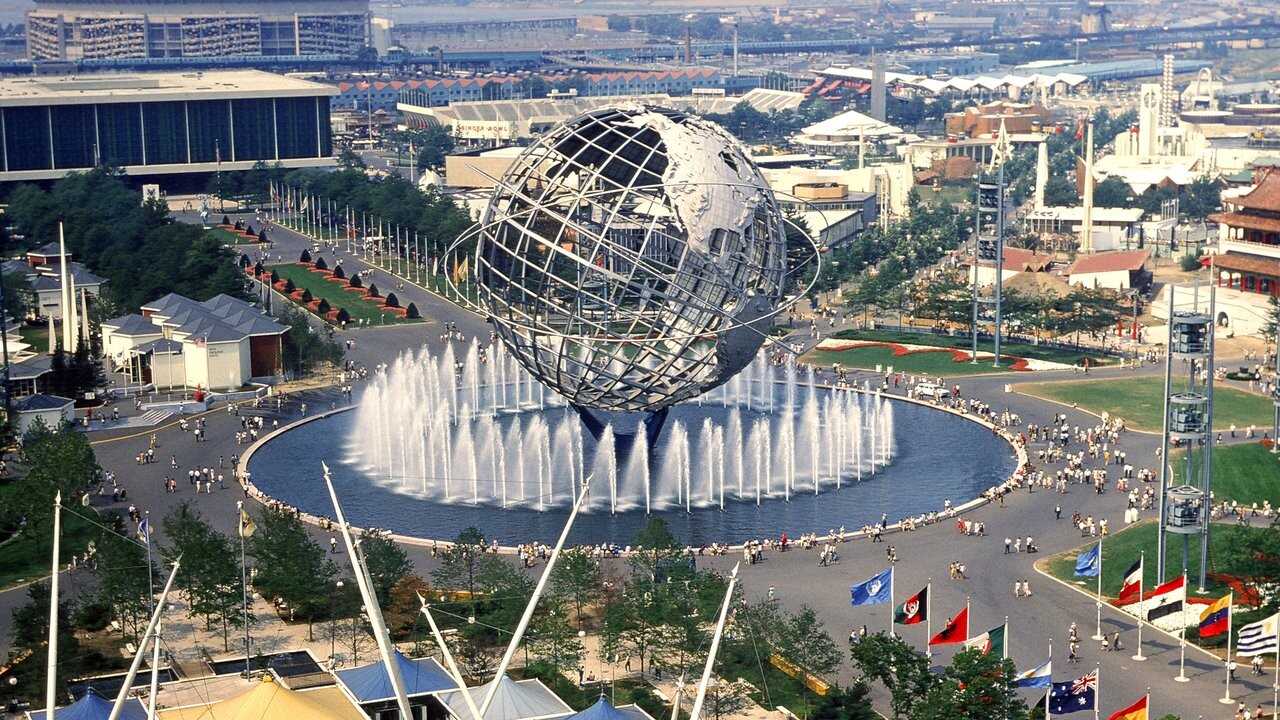
1964: The Unisphere Takes Center Stage
New York returned to Flushing Meadows in 1964 with a new stainless-steel icon. The Unisphere weighs 350 tons and measures 120 feet across, a globe big enough to command the fair’s central plaza. Its three orbital rings evoked early satellites, joining global imagery with the excitement and confidence of the space age.
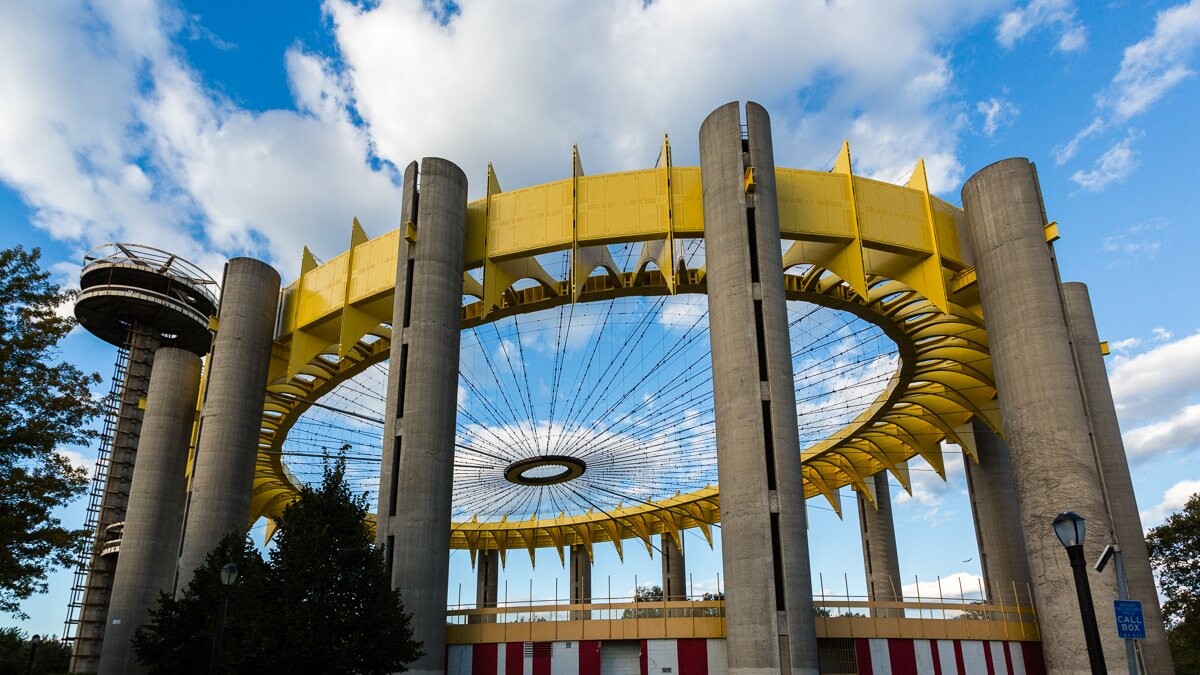
1964: The Tent of Tomorrow
Philip Johnson’s New York State Pavilion gave the 1964 fair one of its boldest structures. Beneath the Tent of Tomorrow, visitors crossed a terrazzo road map of New York State, transforming familiar highways and towns into monumental floor art. The pavilion’s open frame made the building itself feel like a vision of civic life outdoors.
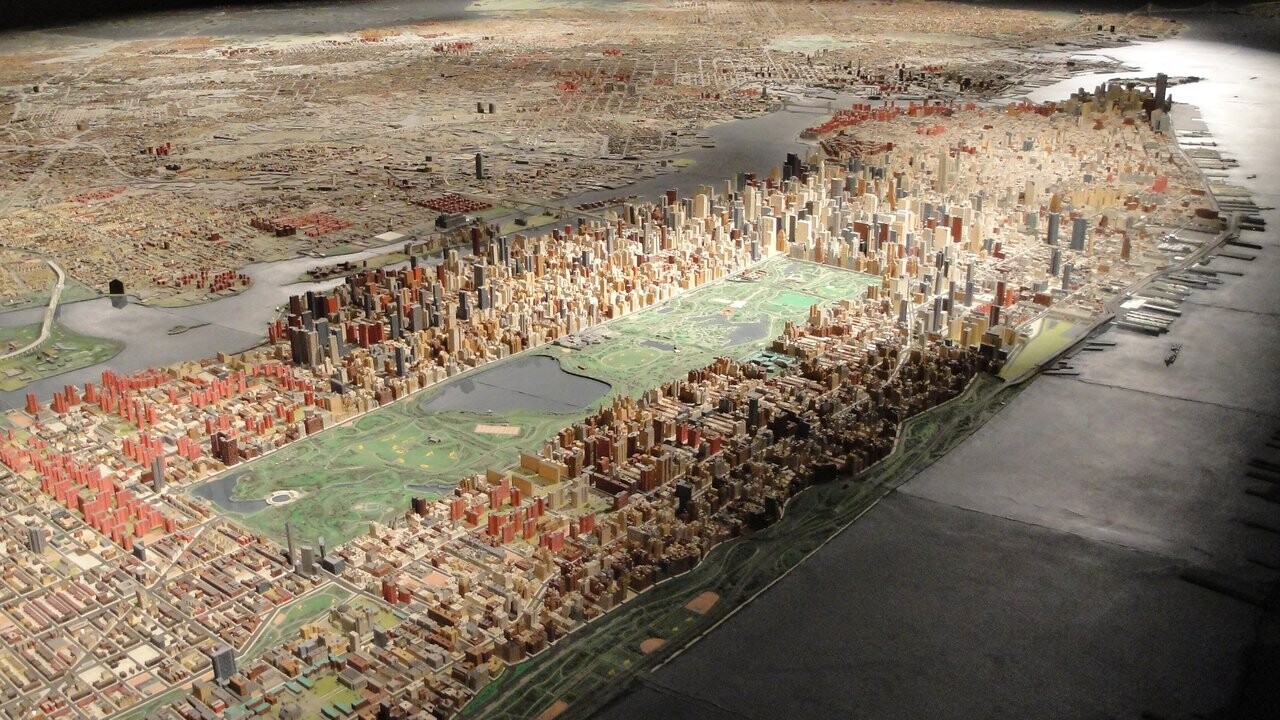
1964: New York City in Miniature
The Panorama of the City of New York turned the five boroughs into a 9,335-square-foot architectural model. Built for the 1964 fair, it included every building then standing across the city. The vast miniature remains at the Queens Museum, where its dense streets still reward the same slow, delighted looking that captivated fairgoers.
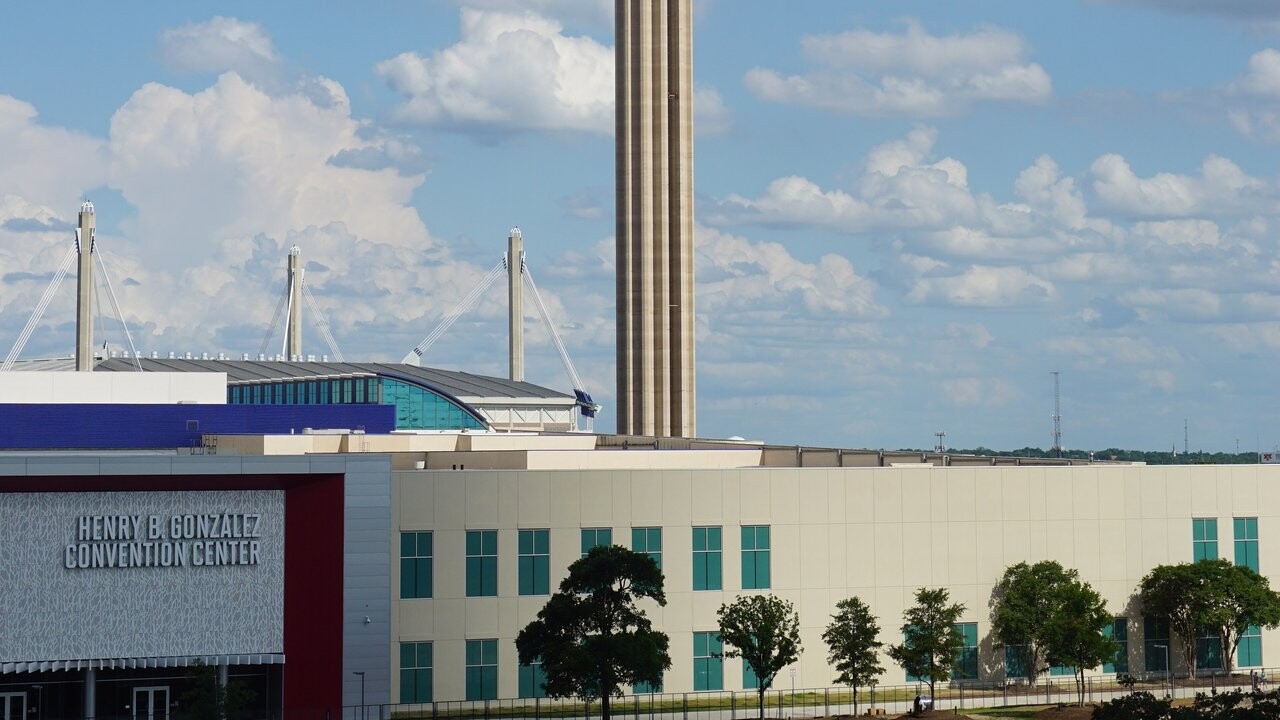
1968: San Antonio’s Tower of the Americas
San Antonio’s HemisFair opened on April 6, 1968, and the Tower of the Americas gave the grounds a soaring landmark. The 622-foot tower carried the fair’s hemispheric ambition into the skyline. Unlike many exposition centerpieces, it remained, helping today’s visitors locate the former fair site from across downtown.
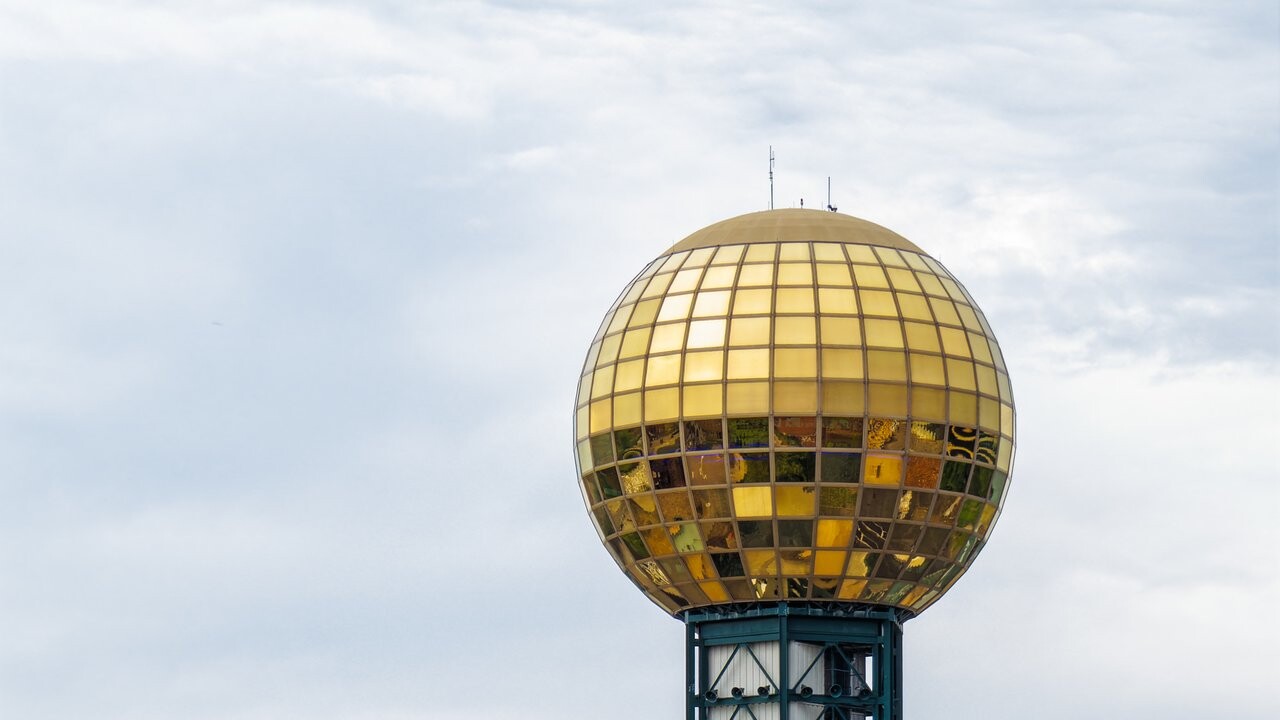
1982: Knoxville’s Golden Sunsphere
Knoxville’s 1982 exposition announced itself with a golden glass sphere raised above downtown. The Sunsphere reaches 266 feet and rises 26 stories, an unmistakable emblem built for the fair. Its reflective globe distilled the exposition’s forward-looking tone into one object and still marks World’s Fair Park in the city center.
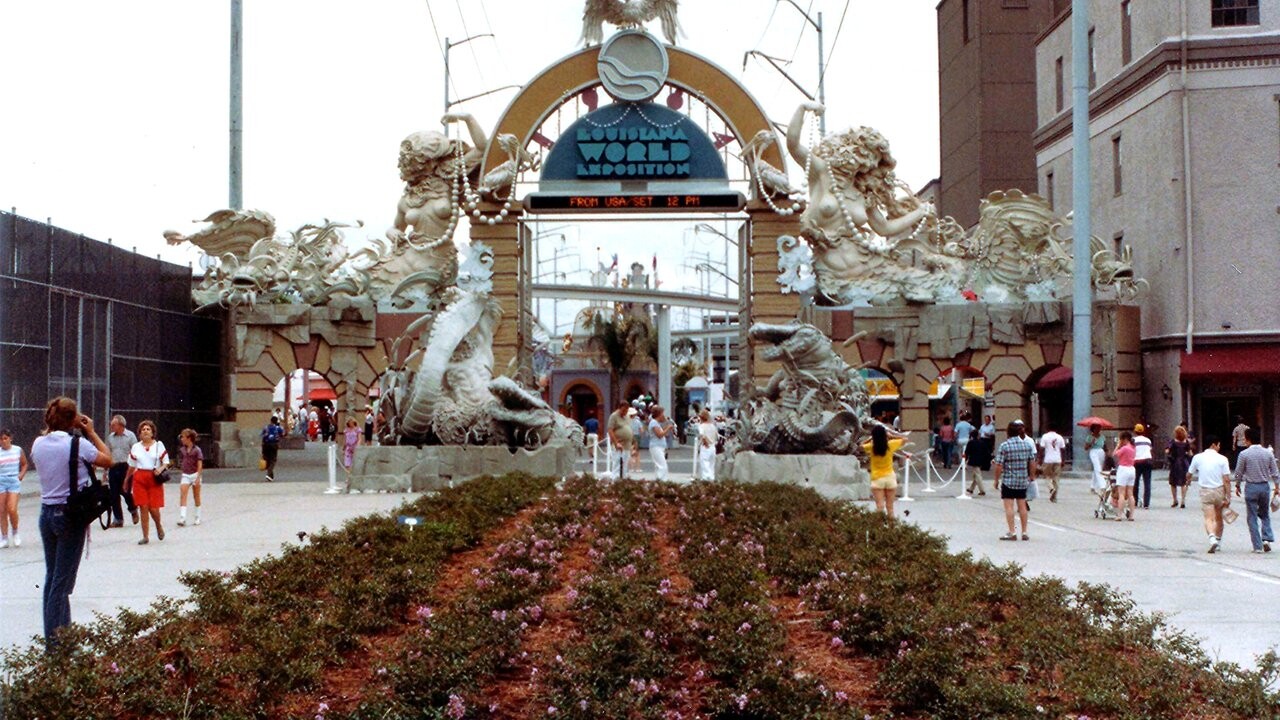
1984: New Orleans Celebrates the World of Rivers
New Orleans’s 1984 Louisiana World Exposition ran from May 12 through November 11 with the theme “The World of Rivers-Fresh Waters as a Source of Life.” Set in a river city, the fair used water as its organizing idea. Its bright gateways and waterfront structures closed this American timeline on a distinctly local note.
These fairgrounds vanished or changed, but their towers, models, and memories still shape how Americans picture the future. Which of these world’s fairs do you remember best?
Follow The HyperHive on MSN for more stories like this.
Sources:






