Famous World War II Planes and Where They Are Now, in Photos

Julian Herzog / Wikimedia Commons, CC BY 4.0 (cropped)
Surviving World War II aircraft offer more than familiar silhouettes. Each preserved machine carries a specific record, from combat service and unusual design choices to recovery, restoration, and museum display.
Drawing on official museum records, these slides move roughly from earlier designs to later wartime aircraft, ending with three celebrated B-29 Superfortresses.
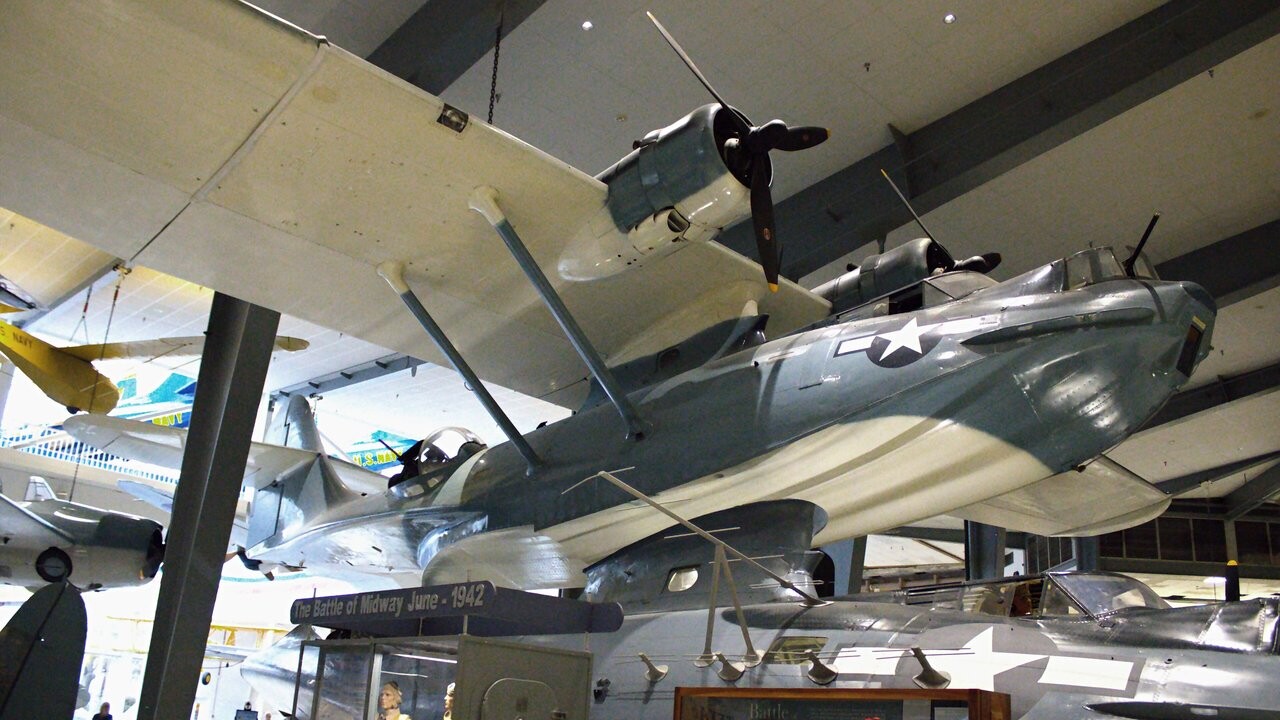
PBY-5 Catalina: The Surviving Flying Boat
The PBY-5 at the National Naval Aviation Museum is on loan from the Smithsonian and is the sole surviving non-amphibian version of the Catalina. That distinction makes the Pensacola aircraft a particularly useful stop for anyone comparing traditional flying boats with amphibious aircraft.
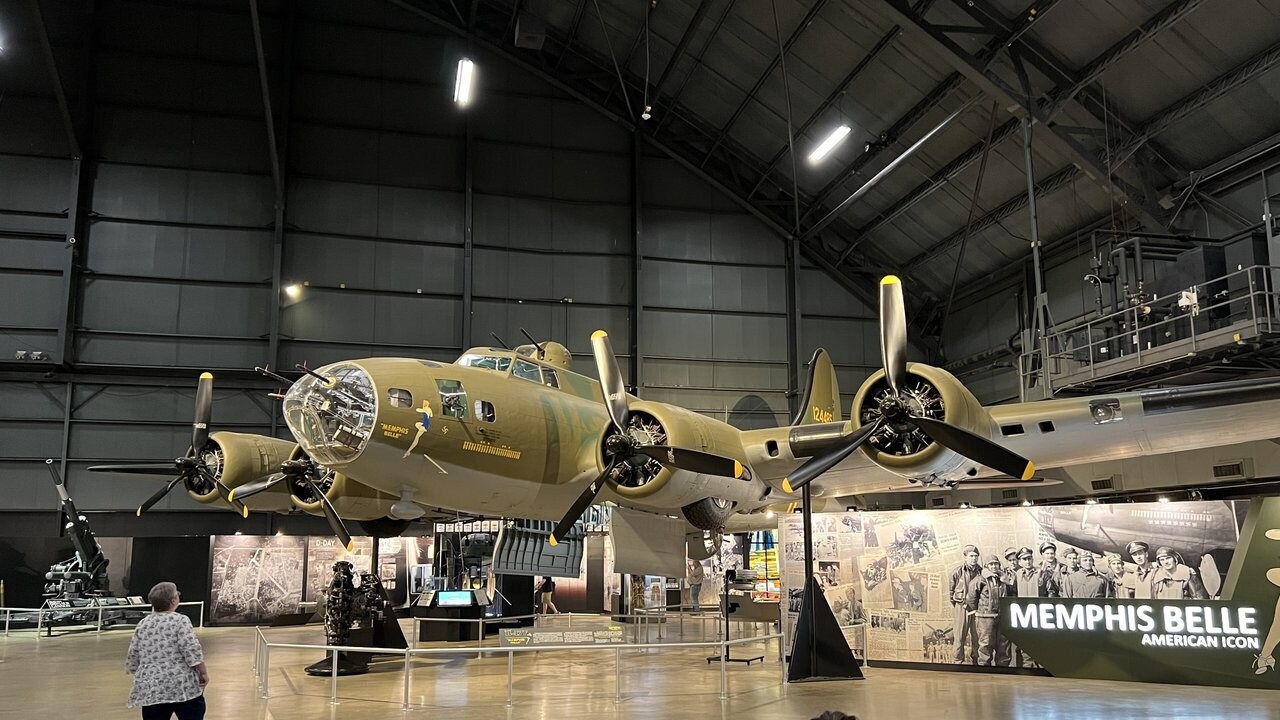
B-17F Memphis Belle: The Mission Veteran
The Memphis Belle became the first heavy bomber to return to the United States after flying 25 missions over Europe. At the National Museum of the U.S. Air Force in Dayton, the displayed B-17F turns that demanding combat record into something visitors can study at full scale.
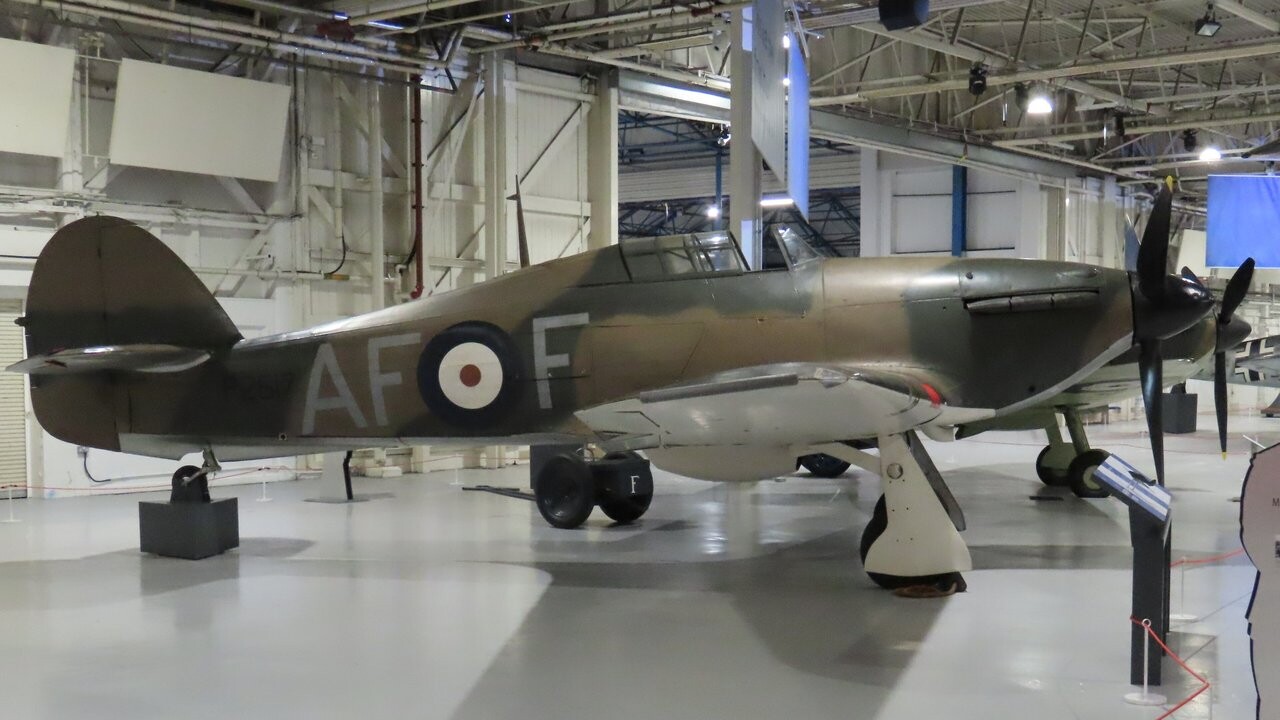
Hawker Hurricane Mk I: A Genuine Survivor
At the RAF Museum London, this Hawker Hurricane Mk I belongs to Fighter Four, a collection of the principal single-seat fighters from the Battle of Britain. The museum identifies every aircraft in the group as a genuine survivor, giving the display a rare sense of direct connection.
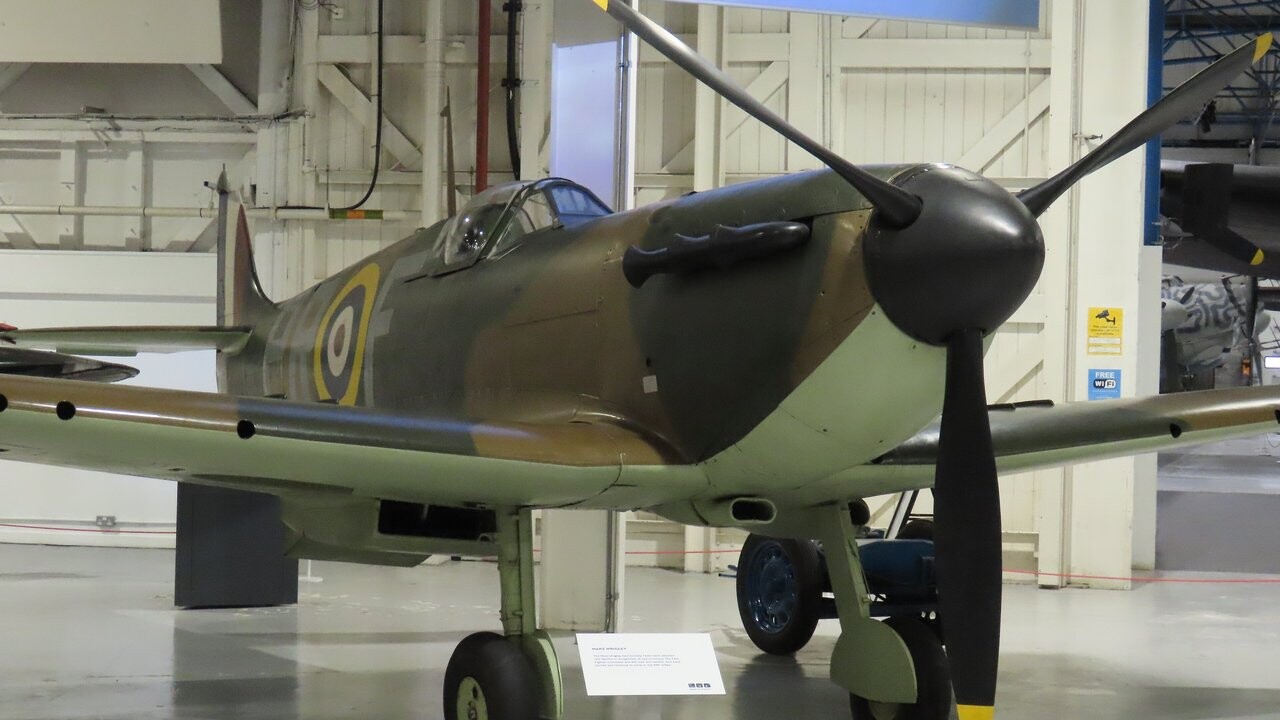
Spitfire Mk IA: A Battle of Britain Veteran
The RAF Museum London’s Spitfire Mk IA is a genuine Battle of Britain survivor that flew with No. 609 Squadron. Its documented service gives the graceful fighter a personal history, while its place in the museum allows visitors to examine the aircraft behind one of Britain’s best-known wartime silhouettes.
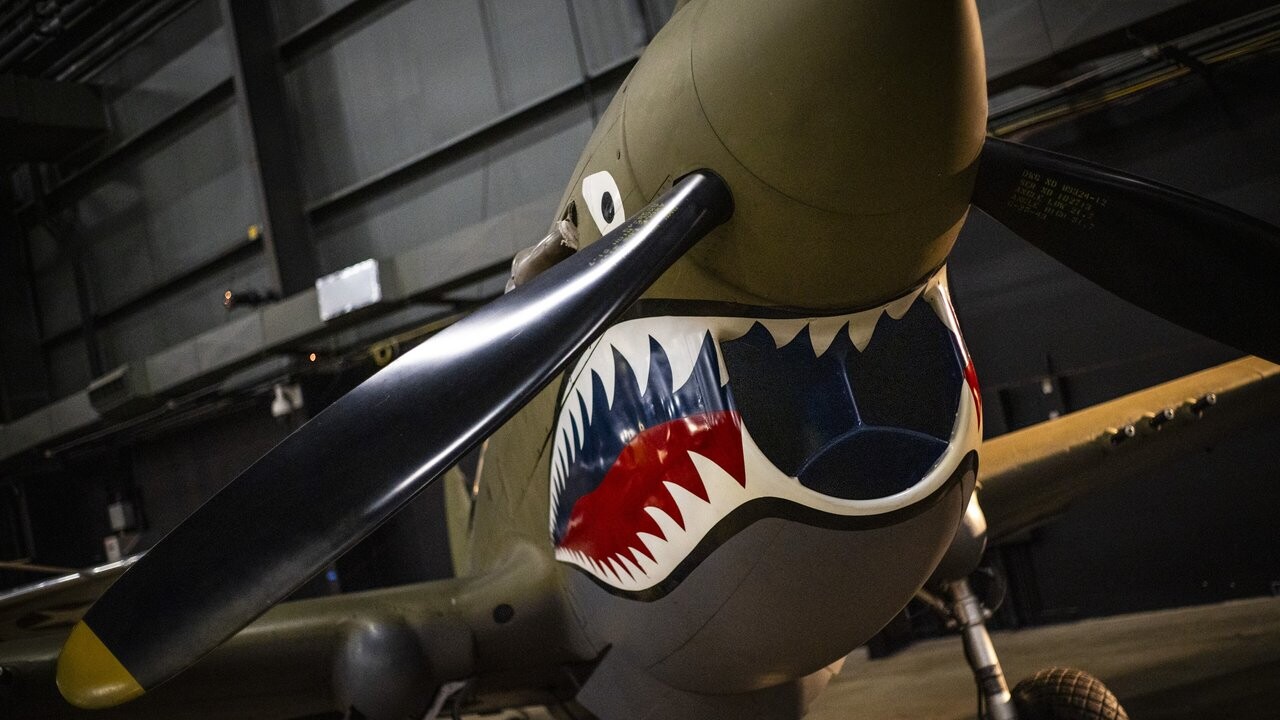
P-40E Warhawk: The RAF Kittyhawk
The P-40E exhibit at the National Museum of the U.S. Air Force is actually a Kittyhawk, the export version built for the Royal Air Force. Its British name and American P-40E identity give visitors two useful labels to connect while studying the fighter in Dayton.
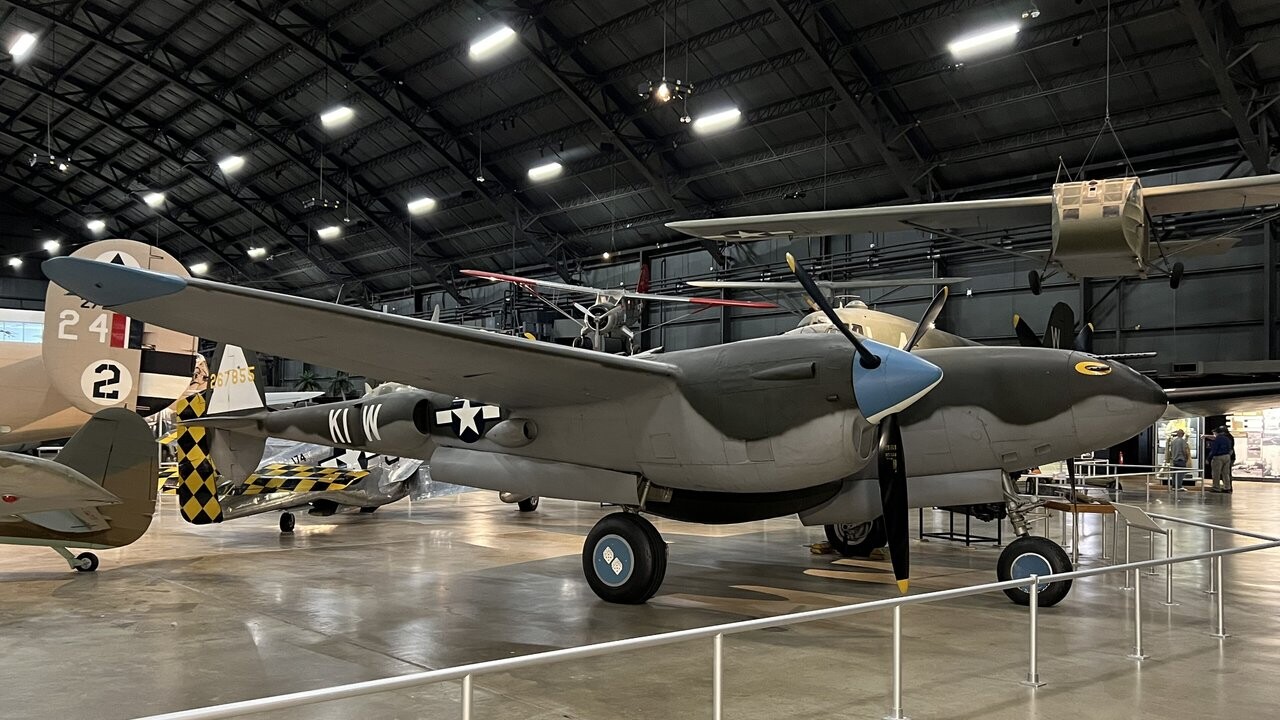
P-38L Lightning: Painted as a P-38J
The P-38L displayed in Dayton is painted as a P-38J associated with the 55th Fighter Squadron in England. Donated to the museum in 1961, it shows how a surviving variant can be presented in the markings and configuration of another aircraft from the same family.
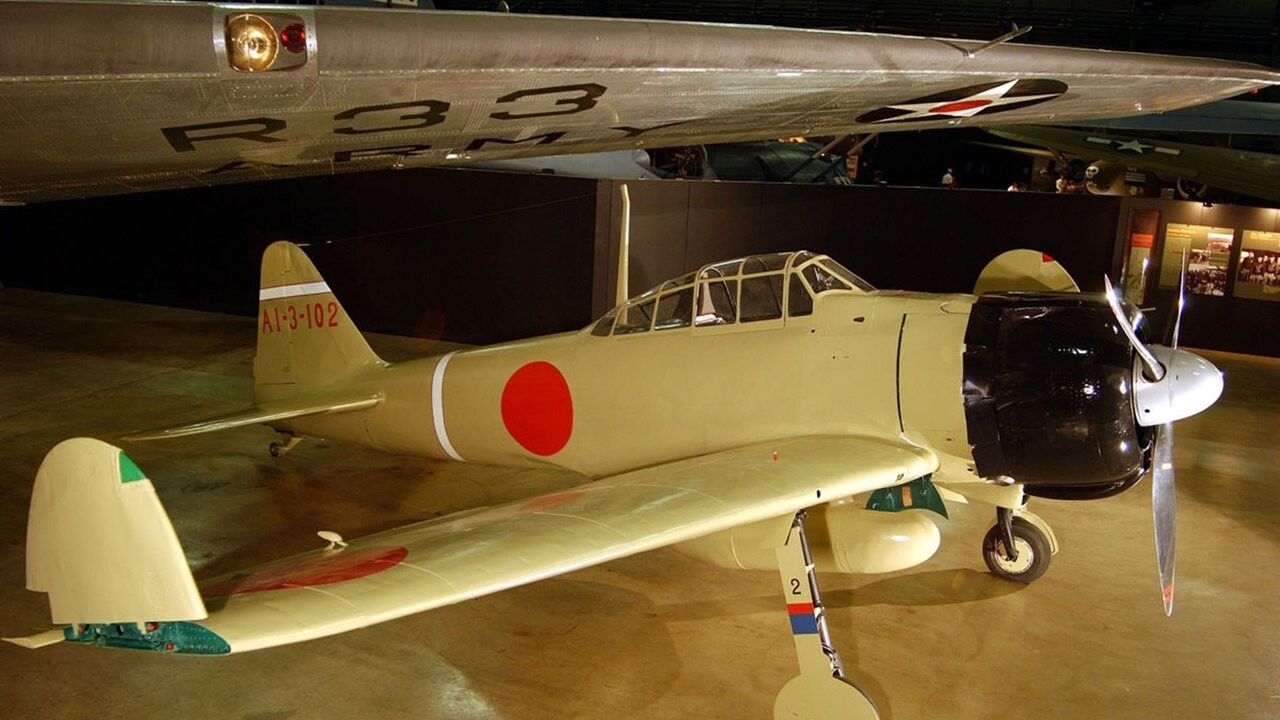
Mitsubishi A6M2 Zero: Found Near Kavieng
The National Museum of the U.S. Air Force displays a Nakajima-built A6M2 discovered near Kavieng on New Ireland in Papua New Guinea. Placed on display in 2004, the recovered fighter gives visitors a close look at a Japanese aircraft whose journey to preservation began far from Ohio.
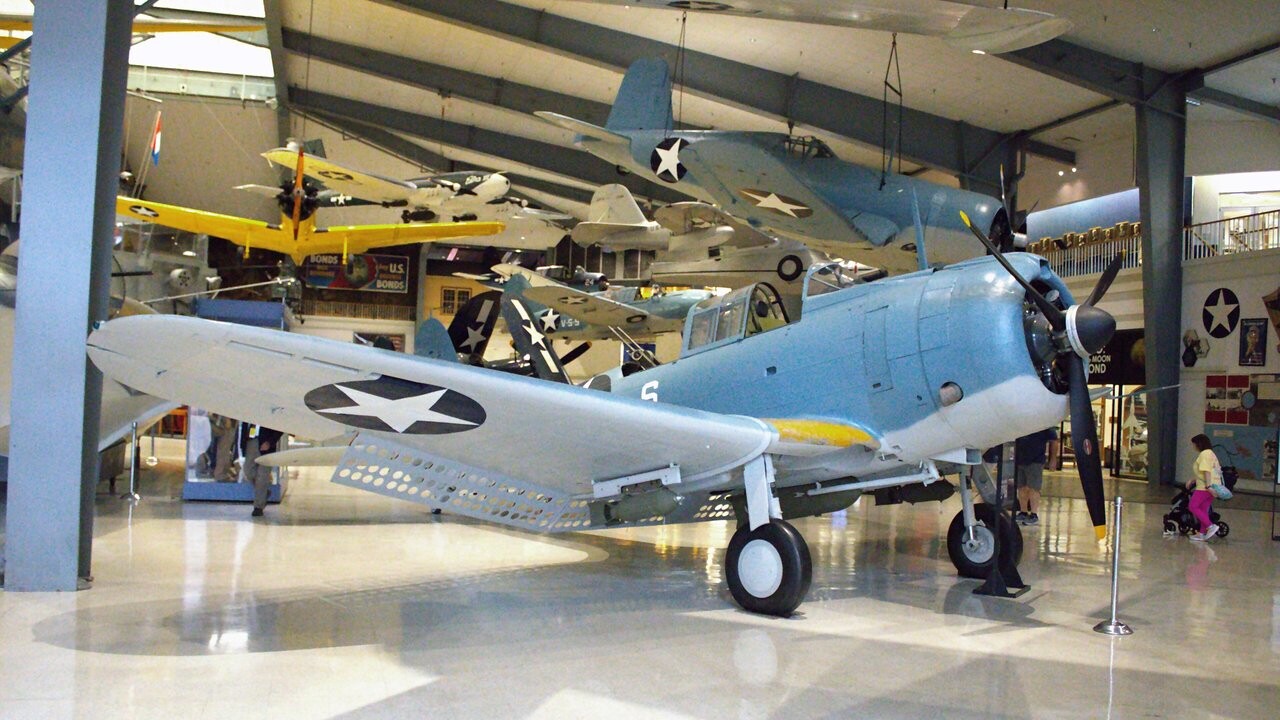
SBD-2 Dauntless: The Midway Survivor
The National Naval Aviation Museum describes its SBD-2 Dauntless as the lone remaining airplane to have participated in the Battle of Midway. That distinction gives this preserved dive-bomber an exceptional place in the Pensacola collection and connects the museum display directly to a pivotal Pacific battle.
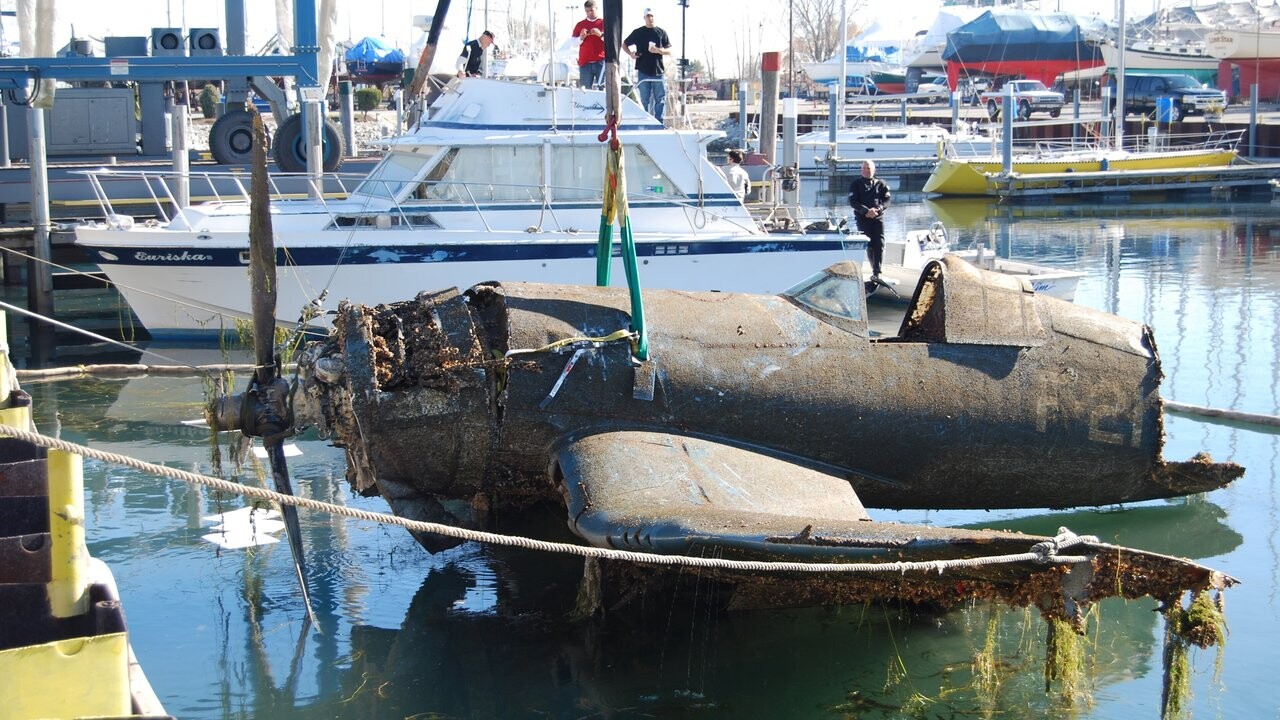
F4U-1 Corsair: The Birdcage Version
The National Naval Aviation Museum’s F4U-1 is a rare Birdcage Corsair, named for the framed panels surrounding its cockpit. Later versions used bubble canopies, so this Pensacola aircraft preserves an early visual feature that makes it immediately distinguishable from more familiar Corsairs.
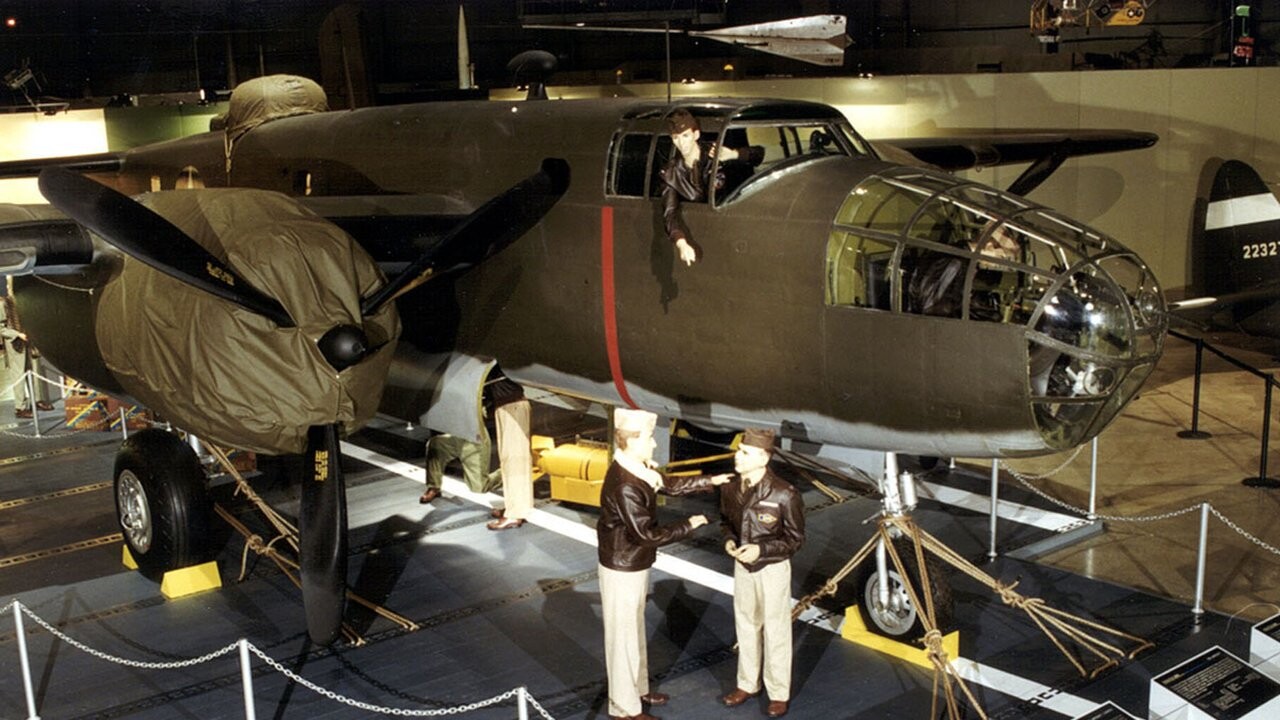
B-25 Mitchell: Remembering the Tokyo Raid
The B-25 in Dayton recalls the Tokyo Raid through the bomber type used by Gen. Jimmy Doolittle on April 18, 1942. Its placement among other World War II aircraft helps visitors consider that famous mission as one part of a much larger aviation story.
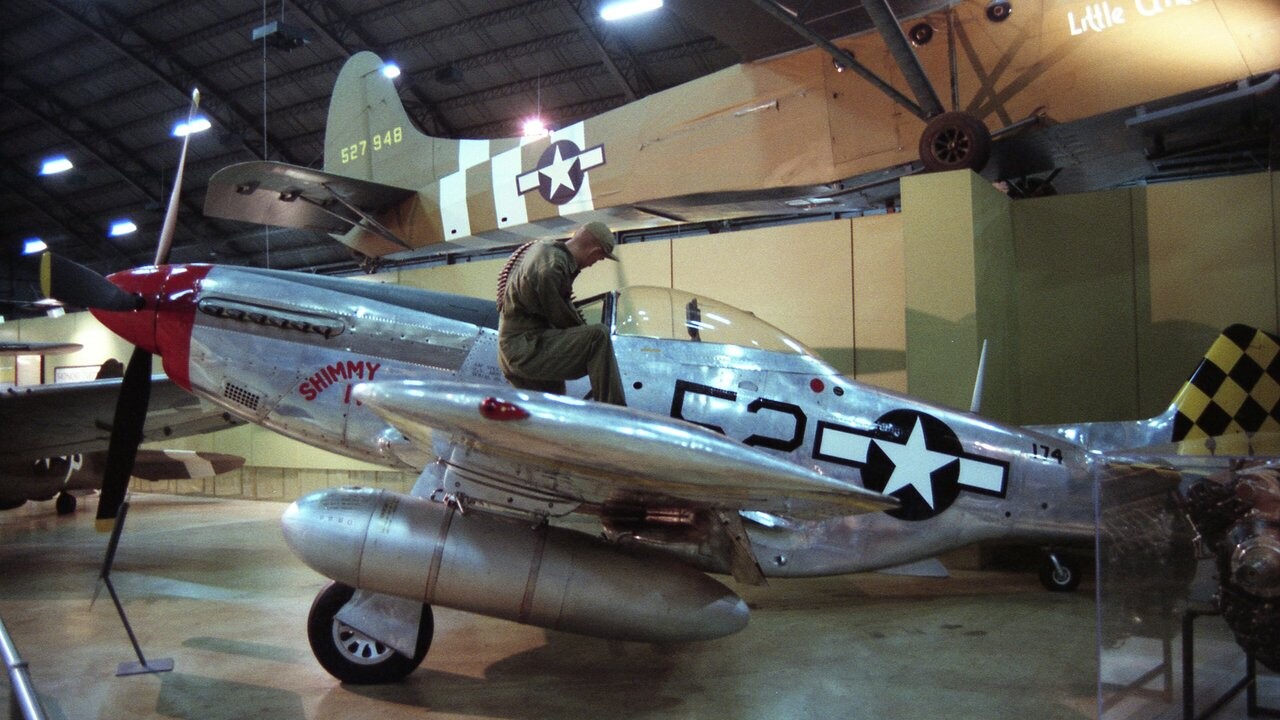
P-51D Mustang: The Last Tactical Example
The P-51D displayed at the National Museum of the U.S. Air Force came from the West Virginia Air National Guard in 1957. It was the last Mustang assigned to a U.S. Air Force tactical unit, giving the preserved fighter a notable place in the type’s postwar service history.
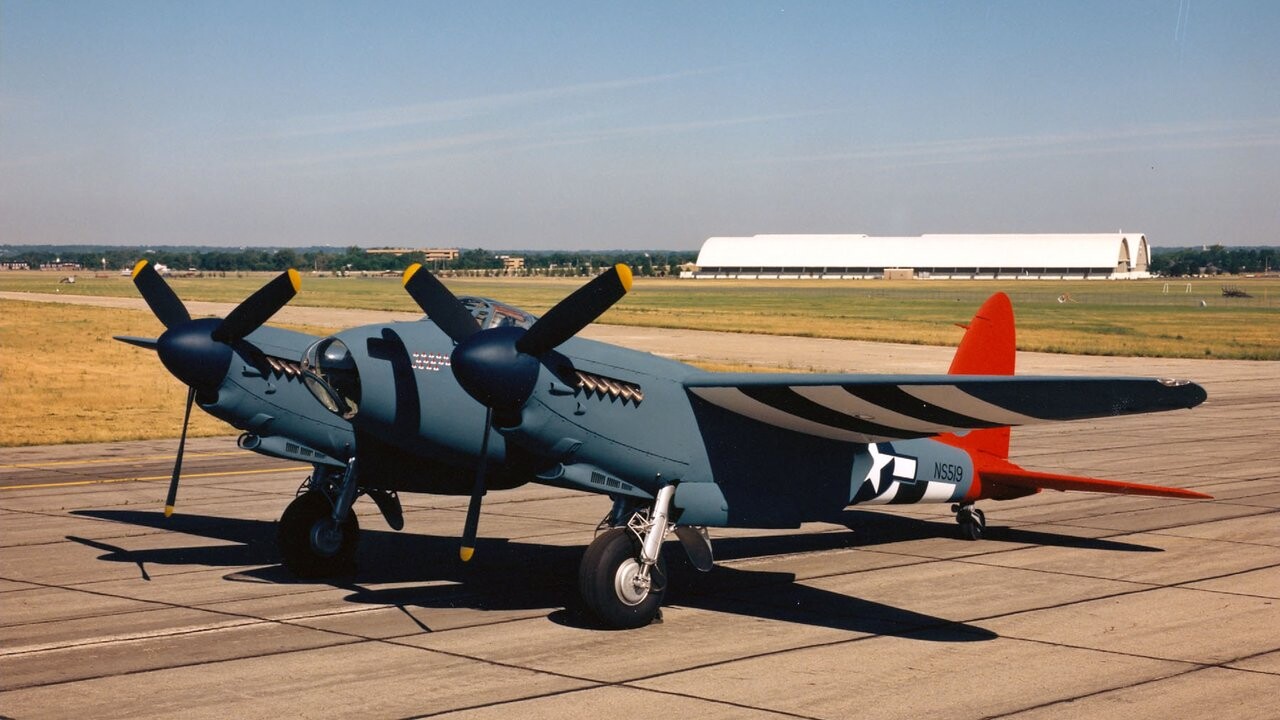
De Havilland Mosquito: The Versatile Mossie
The National Museum of the U.S. Air Force presents a British Mosquito, affectionately known to many as the Mossie. Official museum history describes the type as a versatile aircraft used extensively during World War II, making it a valuable contrast to the metal fighters and heavy bombers nearby.
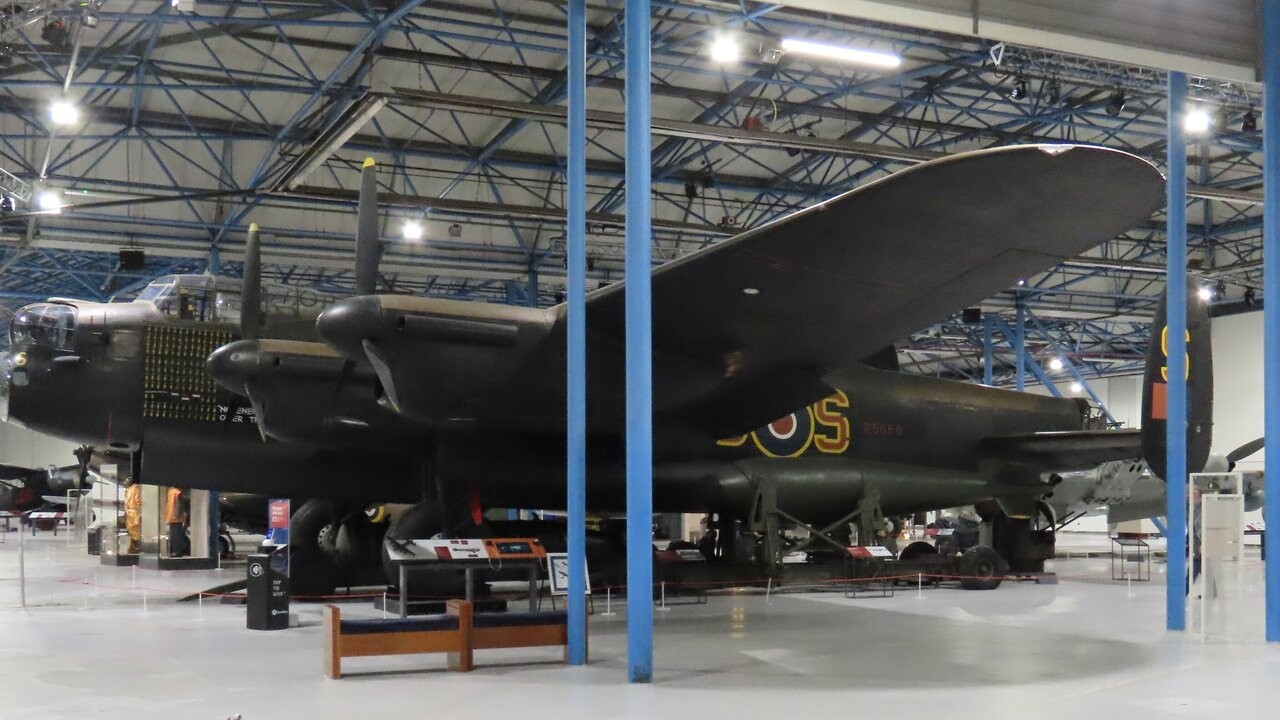
Avro Lancaster: S for Sugar
Lancaster R5868, known as S for Sugar, completed 137 operations during World War II. Preserved after the war, it is now displayed at the RAF Museum London. Its exceptional record gives visitors a tangible link to the repeated missions flown by wartime bomber crews.
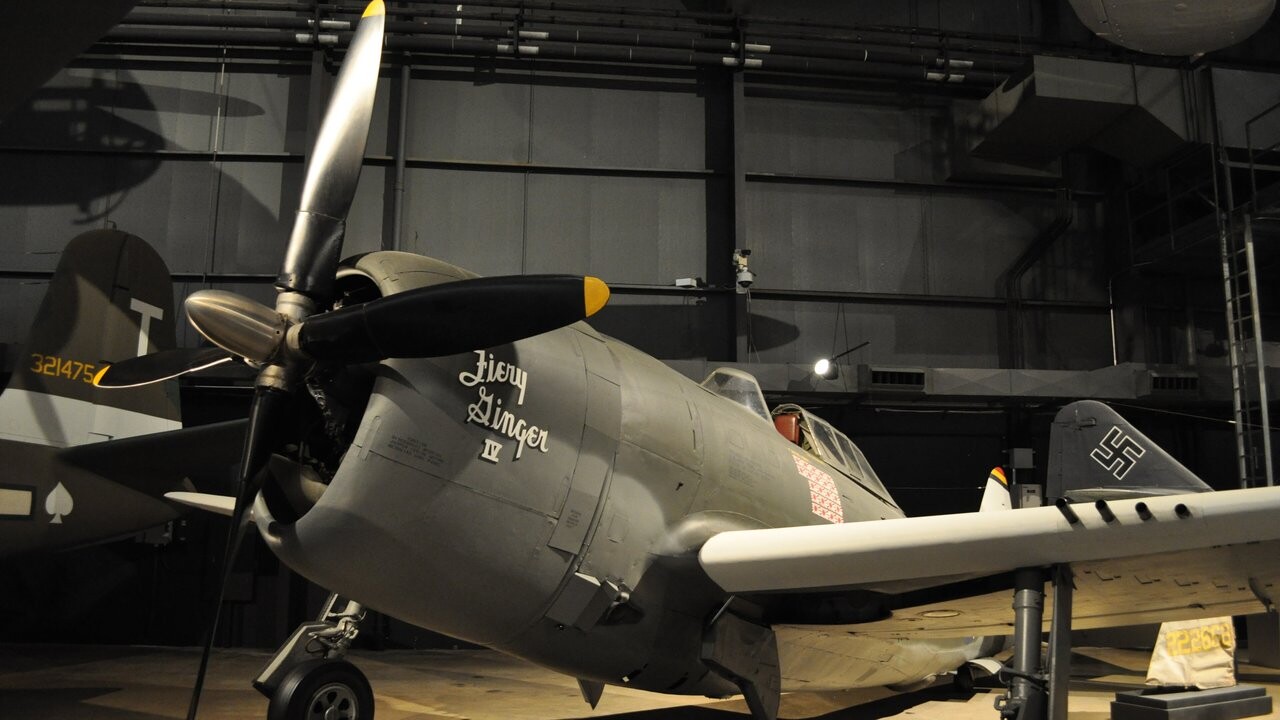
P-47D Thunderbolt: The Razorback
The P-47D at the National Museum of the U.S. Air Force is an early version of the D-model. Its raised ridge behind the cockpit inspired the Razorback nickname, a structural feature that visitors can recognize immediately when comparing it with later Thunderbolts.
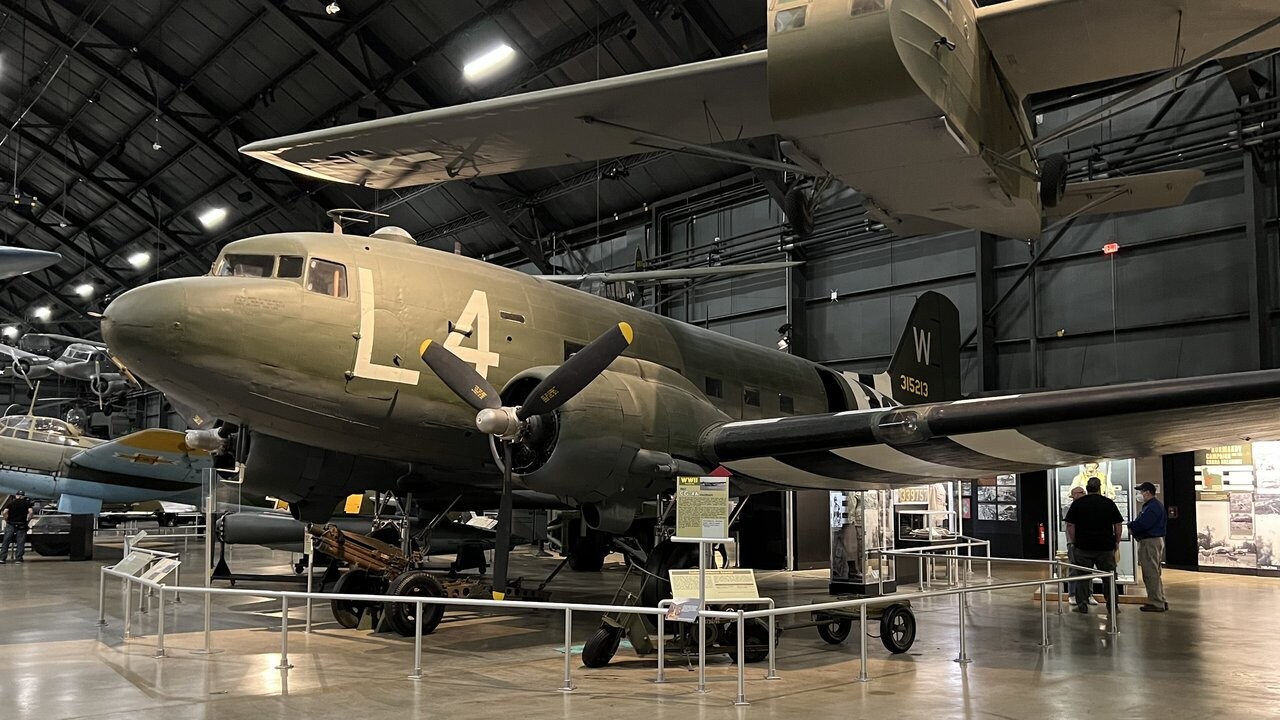
C-47D Skytrain: The Final Routine Aircraft
The C-47D displayed in Dayton was the last C-47 in routine U.S. Air Force use. It flew to the National Museum of the U.S. Air Force in 1975, closing one chapter of active service and beginning another as a preserved museum aircraft.
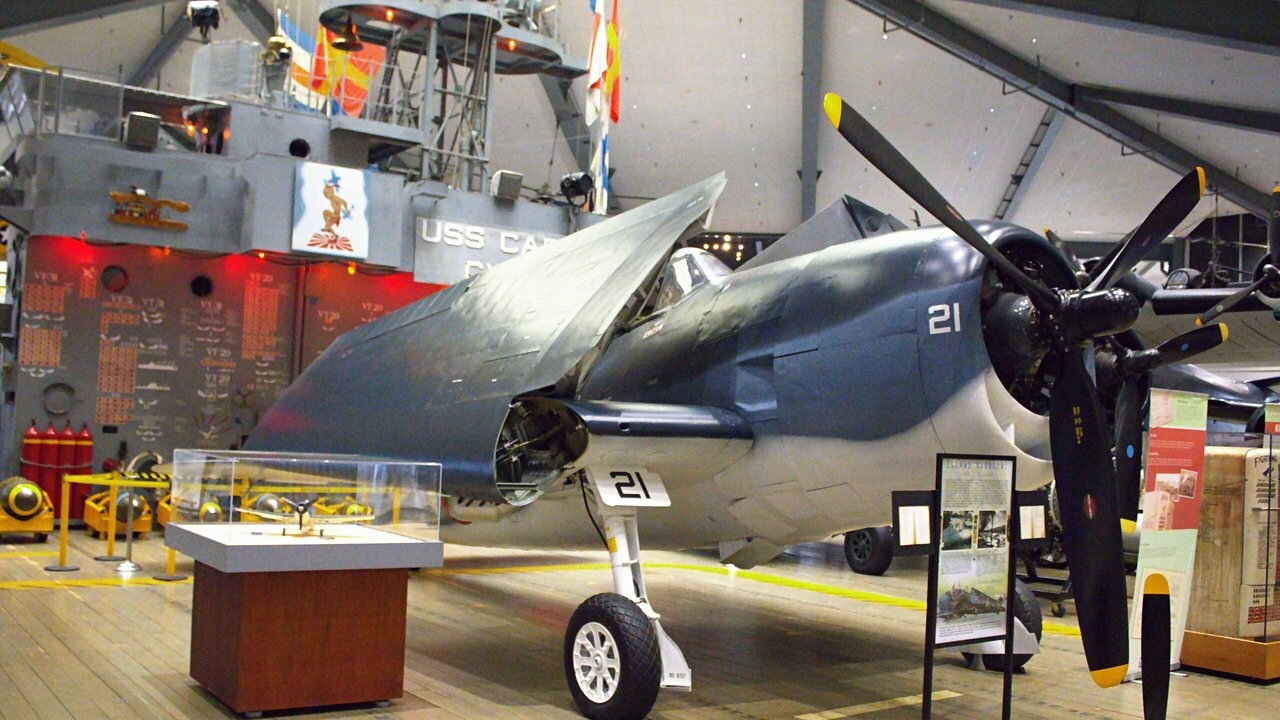
F6F-3 Hellcat: A Solomon Islands Veteran
The National Naval Aviation Museum’s F6F-3, Bureau Number 25910, is a veteran of combat in the Solomon Islands. It served with Fighting Squadron 38, a land-based unit, giving the Pensacola aircraft a documented operational history that visitors can connect to its preserved appearance.

B-29 Doc: The Wichita Home Base
The B-29 Doc Hangar, Education and Visitors Center in Wichita, Kansas, serves as Doc’s home base and mission control when the aircraft is not traveling on tour. The dedicated facility gives this Superfortress a permanent home between its journeys away from Wichita.
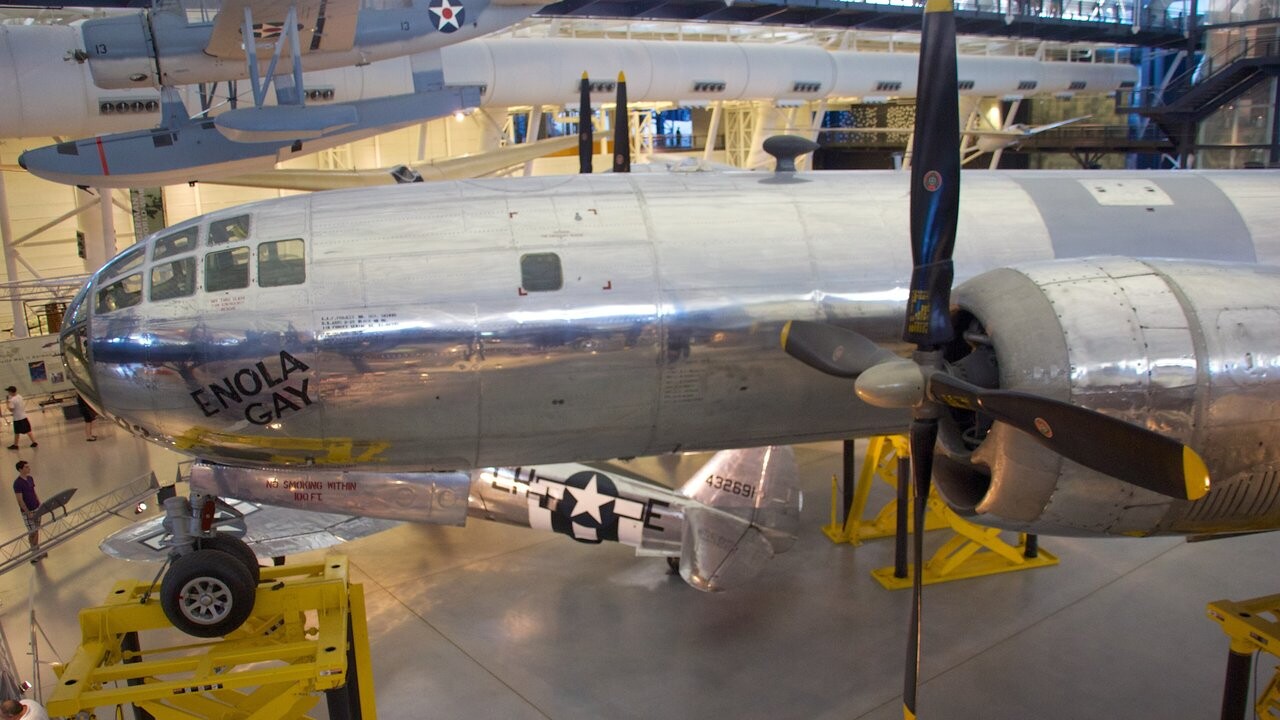
Enola Gay: Preserved by the Smithsonian
Enola Gay dropped the first atomic weapon used in combat over Hiroshima on August 6, 1945. The complete B-29 is now displayed in the Boeing Aviation Hangar at the Smithsonian’s Steven F. Udvar-Hazy Center, where visitors can view the aircraft within the museum’s broader aviation collection.
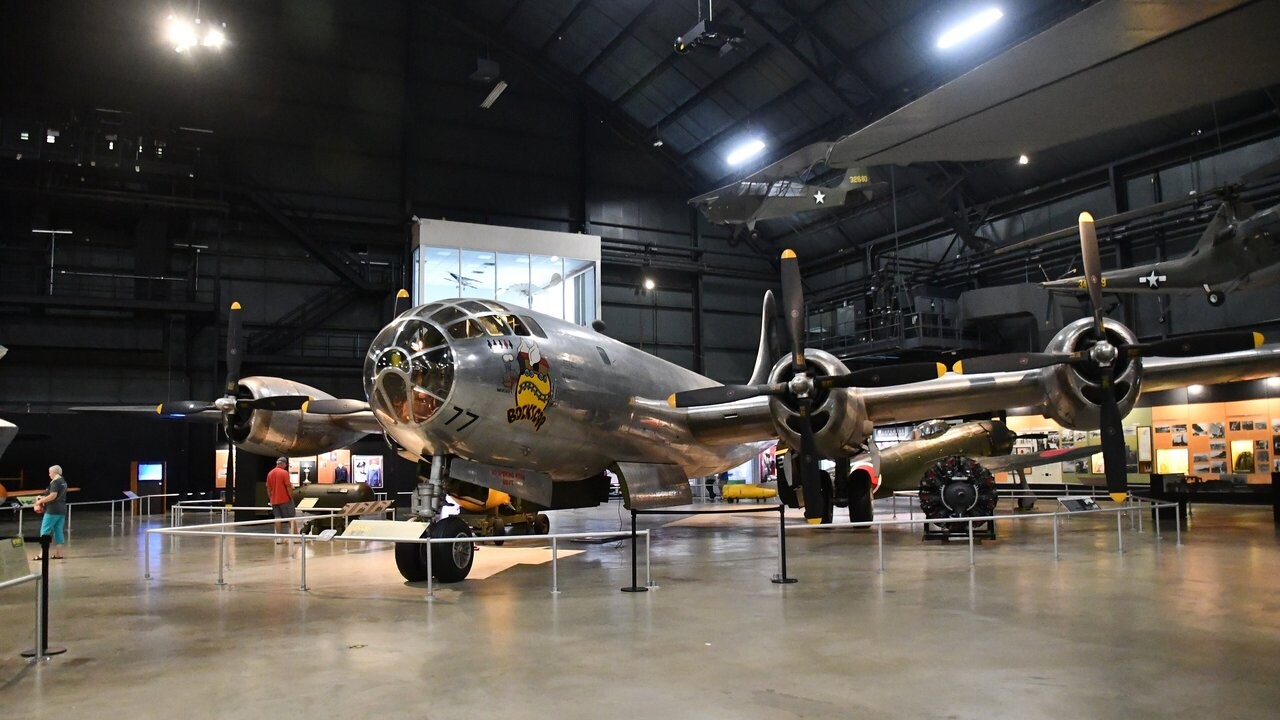
Bockscar: The Nagasaki Mission Aircraft
Bockscar dropped the Fat Man atomic bomb over Nagasaki on August 9, 1945, three days after the Hiroshima attack. The B-29 is displayed at the National Museum of the U.S. Air Force, placing both its physical scale and its difficult historical significance before visitors.
Together, these preserved aircraft make the scale, technology, and human history of wartime aviation tangible. Which of these planes would you most like to see in person?
Follow The HyperHive on MSN for more stories like this.
Sources:






![[[User:Ad Meskens|Ad Meskens You are free to use this picture for any](https://commons.wikimedia.org/wiki/File:London_RAF_Museum_Hendon_Hawker_Hurricane_1_04.jpg)
![[[User:Ad Meskens|Ad Meskens You are free to use this picture for any](https://commons.wikimedia.org/wiki/File:London_RAF_Museum_Hendon_Supermarine_Spitfire_I_02.jpg)


![[[User:Ad Meskens|Ad Meskens You are free to use this picture for any](https://commons.wikimedia.org/wiki/File:London_RAF_Museum_Hendon_Avro_Lancaster_B_1_R5868_PO-S_14.jpg)


