Statue of Liberty Secrets: What the Record Confirms

William Warby / Wikimedia Commons, CC BY 2.0 (cropped)
The Statue of Liberty’s documented history is nearly as remarkable as the monument itself. Parts of the unfinished figure appeared before crowds on two continents, while its final assembly brought together sculpture, metalworking, engineering, and public fundraising.
This gallery follows the project from its original proposal through the torch’s closure, then looks inside the crown. Its story is grounded in records from the National Park Service, the Library of Congress, the National Archives, the Smithsonian, and other public collections.
1865: Laboulaye Proposes a Monument
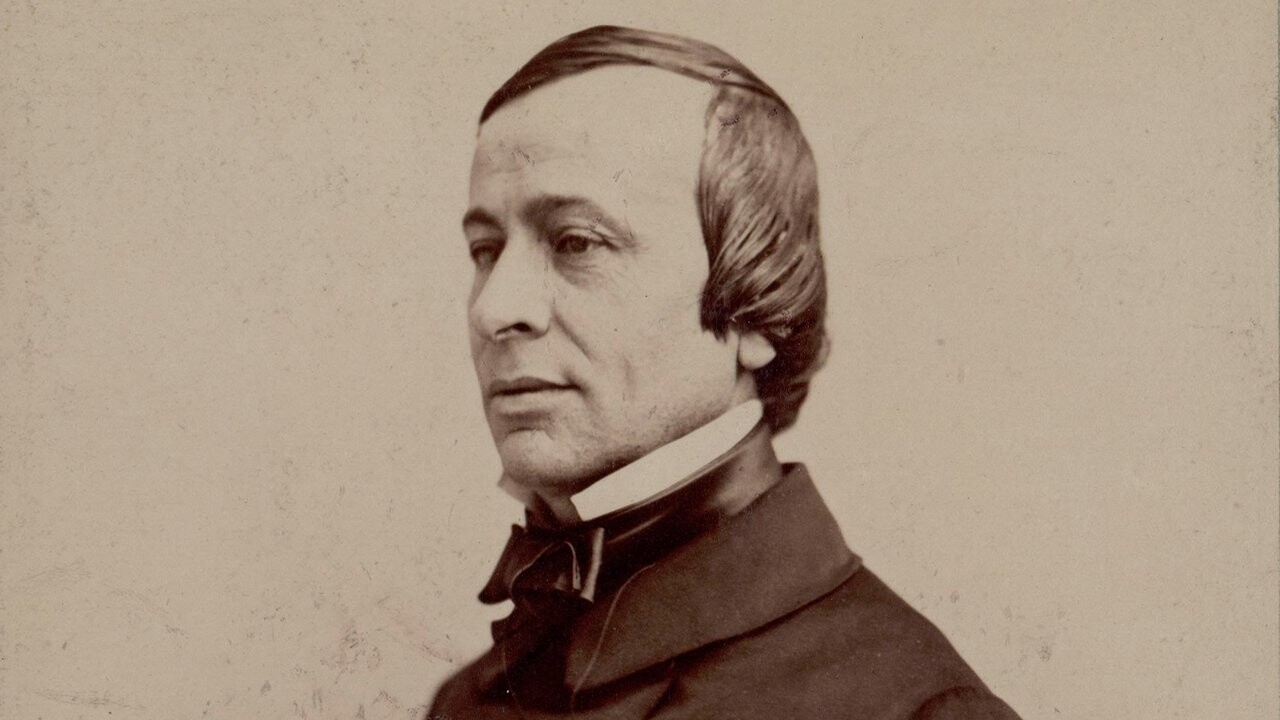
In 1865, French political thinker and antislavery activist Édouard de Laboulaye proposed a statue representing liberty for the United States. He envisioned it as a symbol of friendship between France and the United States and a commemoration of American independence. The proposal came more than a decade before the monument’s dedication.
1871: Bartholdi Chooses Bedloe’s Island
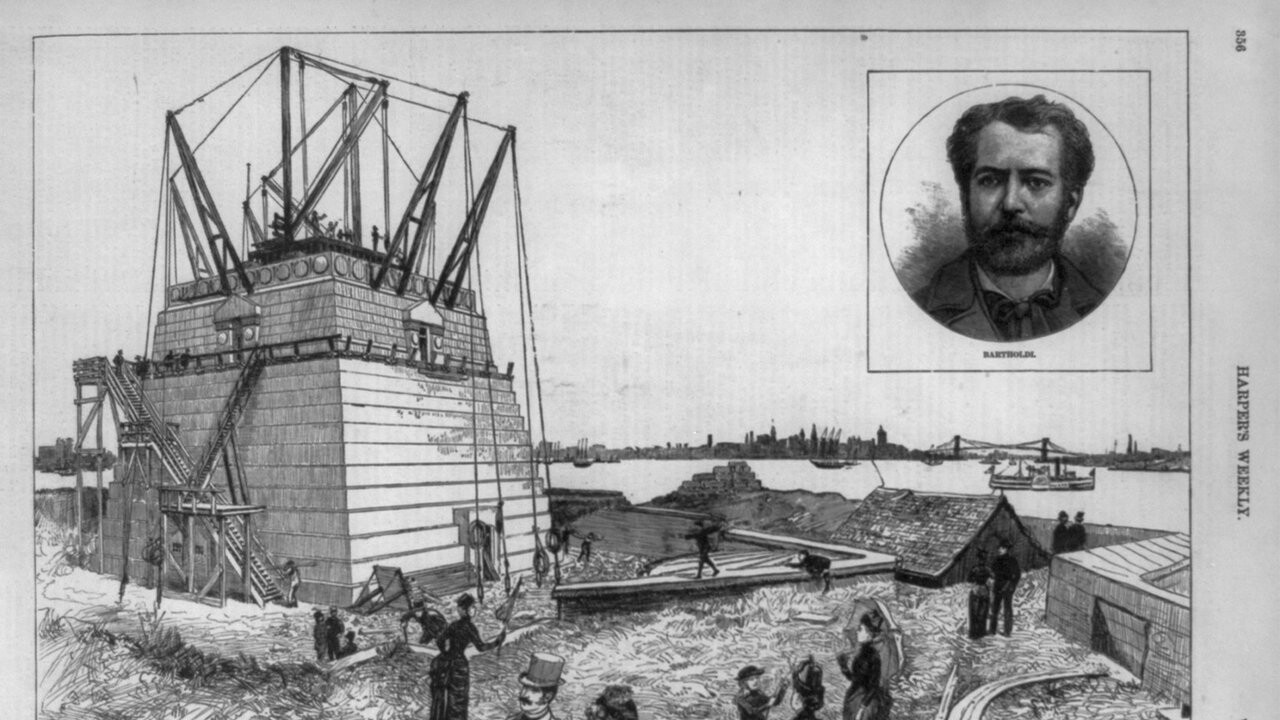
Sculptor Frédéric-Auguste Bartholdi traveled to the United States in 1871 and selected Bedloe’s Island in New York Harbor for the project. The small island was visible to ships entering the harbor. Several years later, the federal government formally designated it as the site of the statue.
1875: The Approved Model Takes Shape
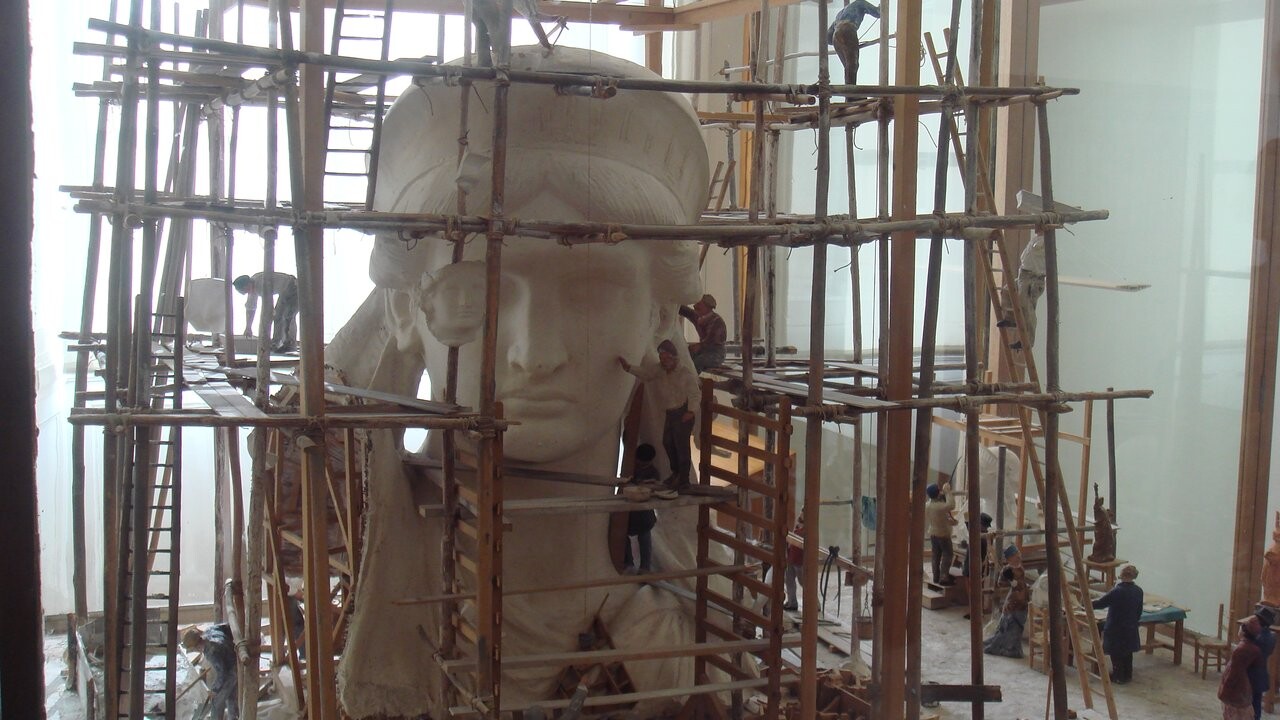
In 1875, Laboulaye approved Bartholdi’s plaster model, titled Liberty Enlightening the World. The sculptor’s studio enlarged the design methodically: measurements from a smaller model guided a nine-foot version, which was then used to create a 36-foot model. This staged process preserved the design as its scale increased.
1876: The Torch Arm Visits Philadelphia
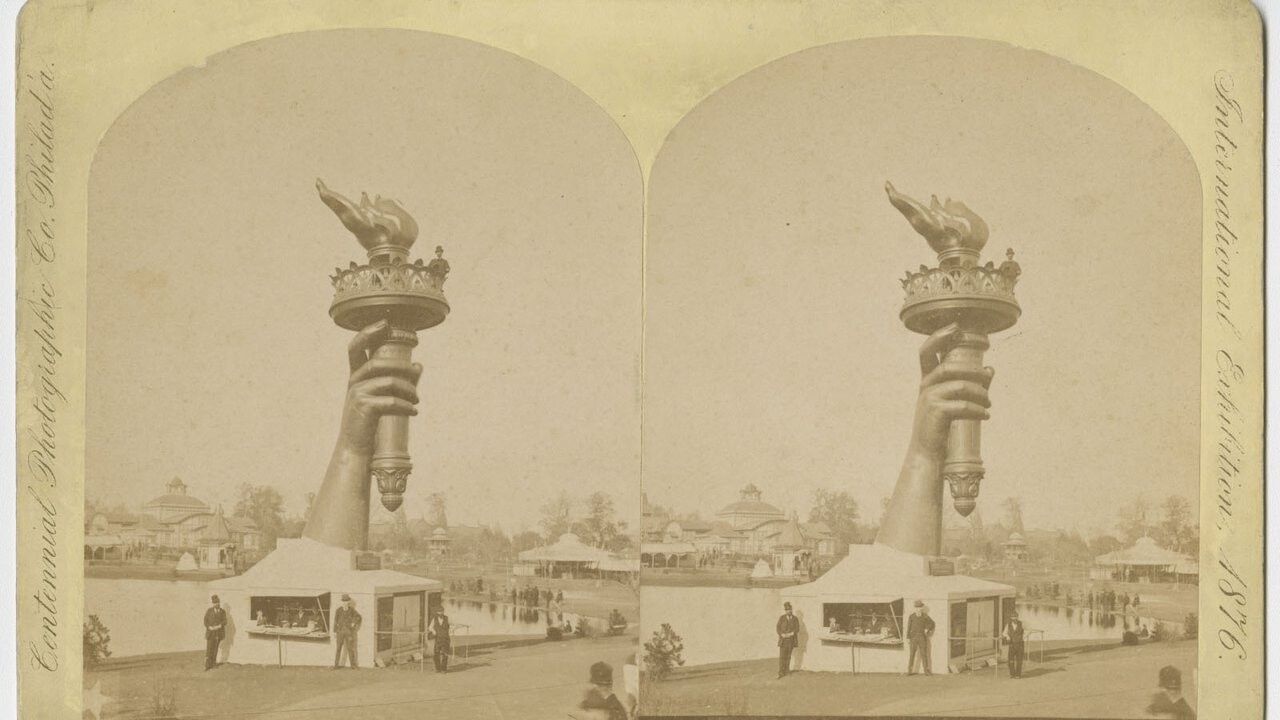
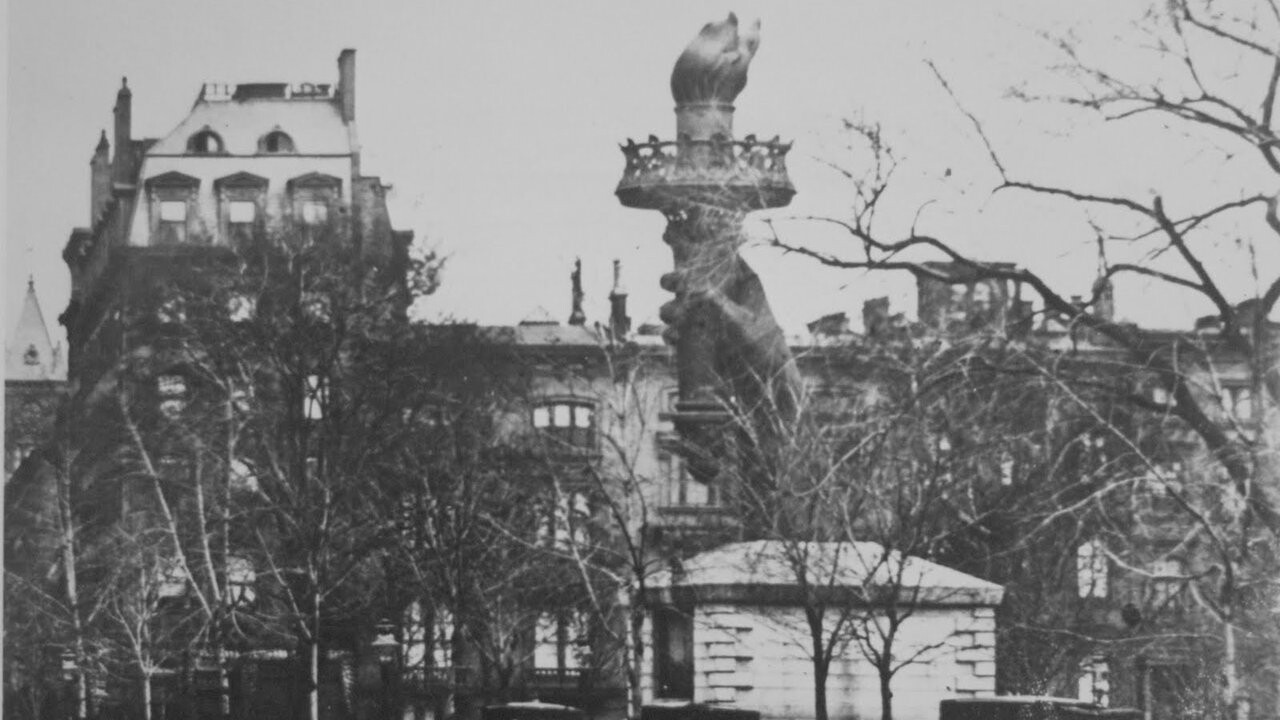
Bartholdi completed the statue’s hand and torch in 1876 and sent the section across the Atlantic. It appeared at Philadelphia’s Centennial Exposition, giving American visitors an early look at the monument’s enormous scale while the rest of the copper figure was still being constructed in France.
1877: The Torch Moves to Madison Square
After Philadelphia, the torch section was displayed in New York City’s Madison Square from 1877 until 1882. In 1877, President Ulysses S. Grant also signed legislation designating Bedloe’s Island as the statue’s site. The towering arm offered New Yorkers a preview years before the completed figure reached the harbor.
1878: Liberty’s Head Appears in Paris
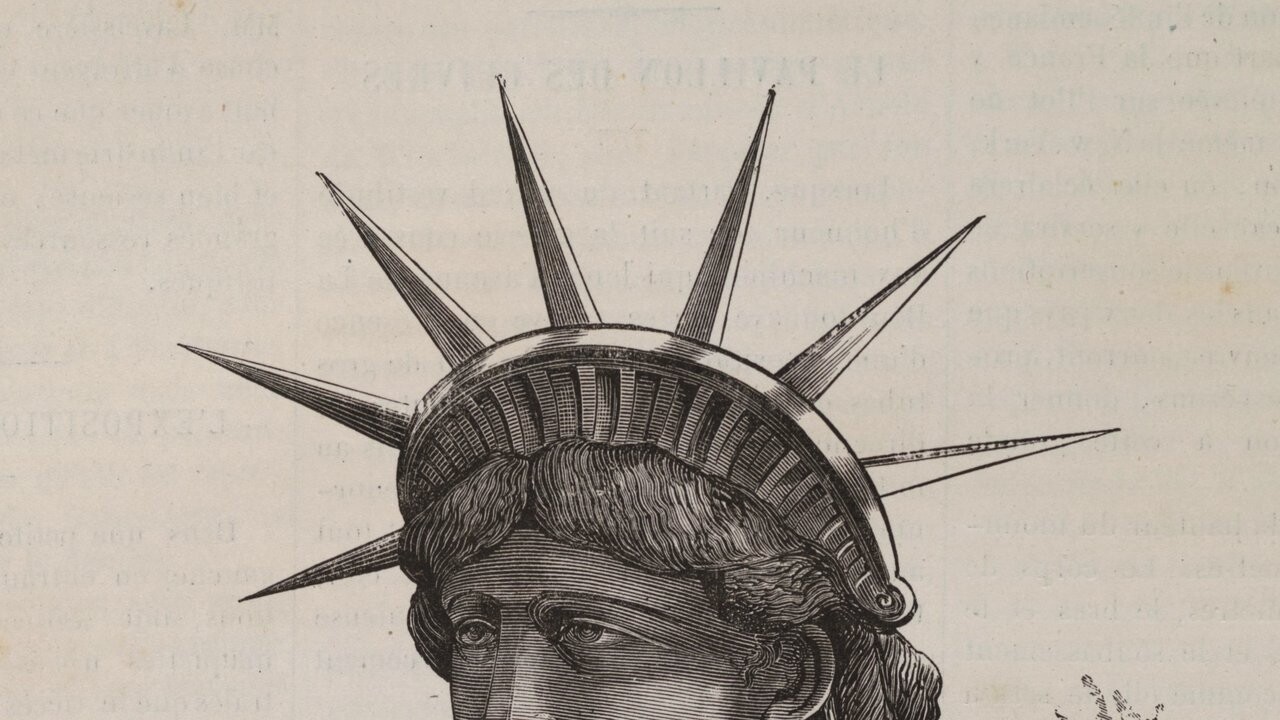
The statue’s completed head and shoulders appeared at the Paris Universal Exposition in 1878. Visitors could see the scale of Bartholdi’s work years before the finished monument traveled to America. Meanwhile, artisans in France continued constructing the remaining sections of the enormous copper figure.
Eiffel Redesigns the Interior
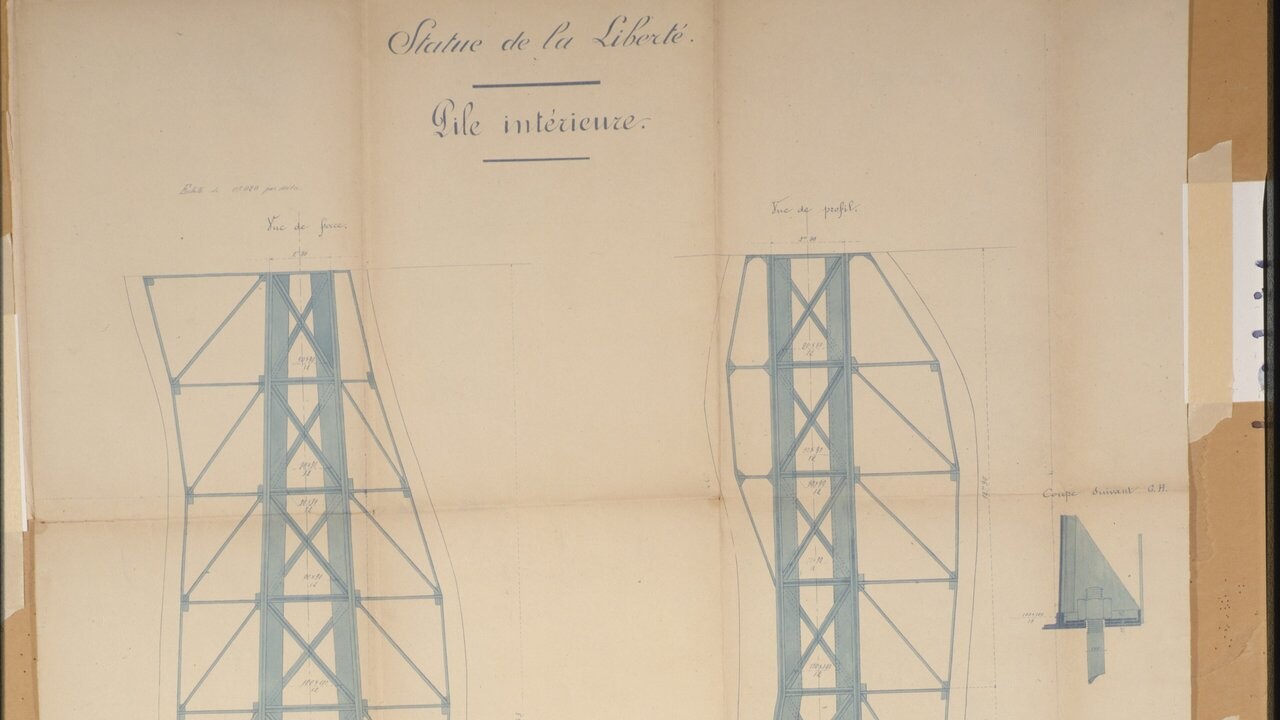
Bartholdi needed an interior structure that could support a thin metal figure in New York Harbor. Engineer Alexandre-Gustave Eiffel designed a flexible skeletal system centered on an iron pylon, with lighter framing connected to the copper skin. Its elasticity helped the statue withstand wind, temperature changes, and other weather conditions.
1881: Copper, Wood, and Rivets
At the Gaget, Gauthier & Co. workshop in Paris, artisans shaped lightweight copper sheets by hammering them over wooden framework, a process known as repoussé. In 1881, the copper plates were completed, and the first rivet was driven into the structure, marking the beginning of the statue’s assembly.
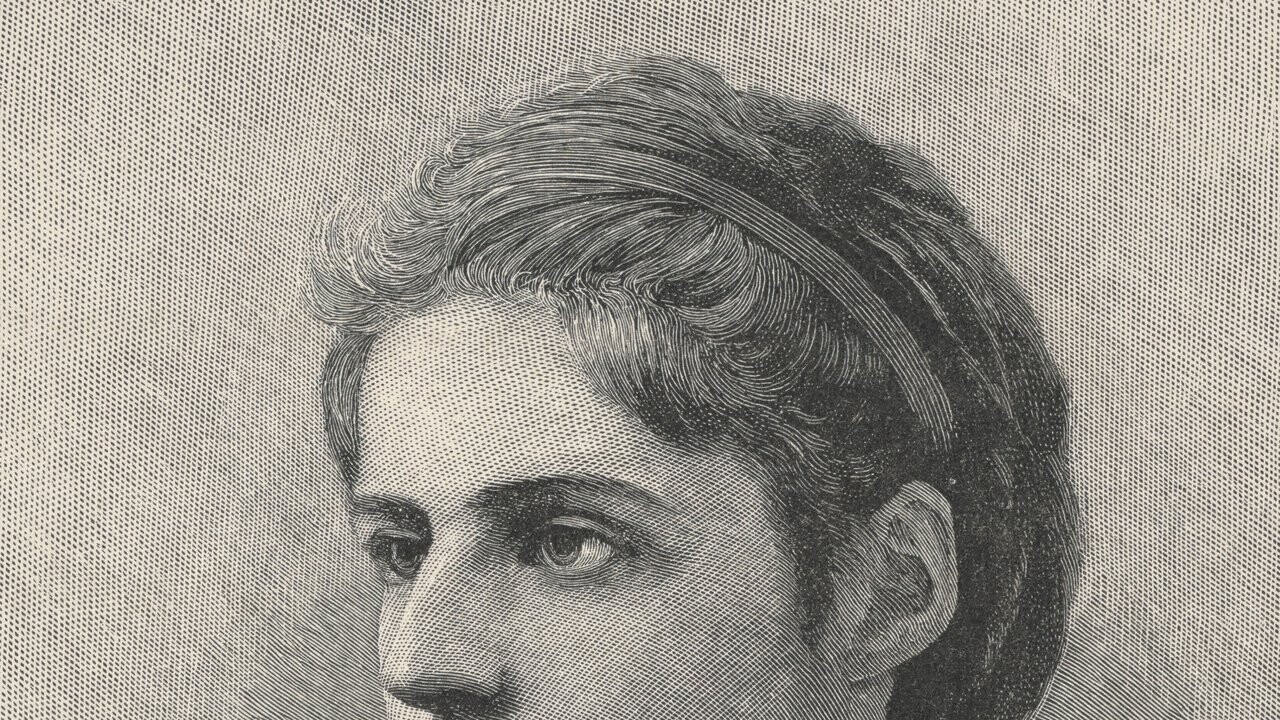
1883: Emma Lazarus Writes for the Pedestal
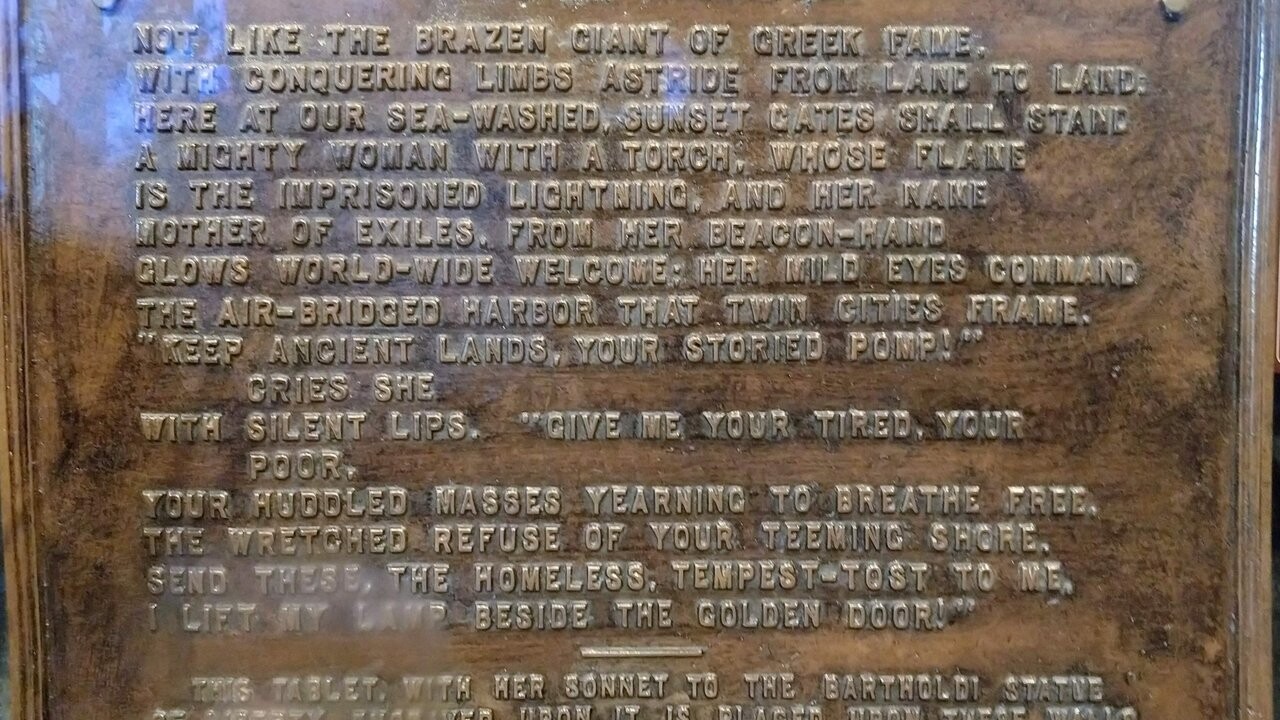
Emma Lazarus composed The New Colossus on November 2, 1883, for an art-loan exhibition raising money for the pedestal. The sonnet was therefore connected to the statue before its dedication, although it was not yet part of the monument. Its words reached the pedestal two decades later.
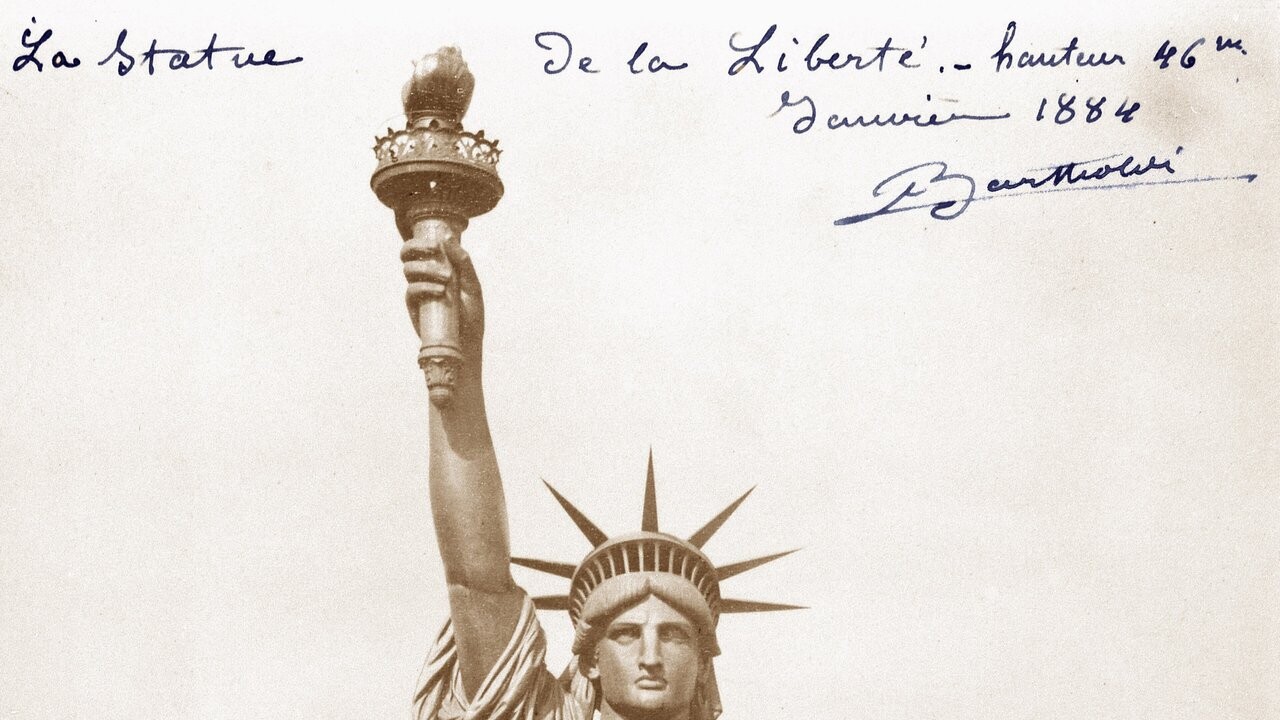
1884: The Finished Statue Towers Over Paris
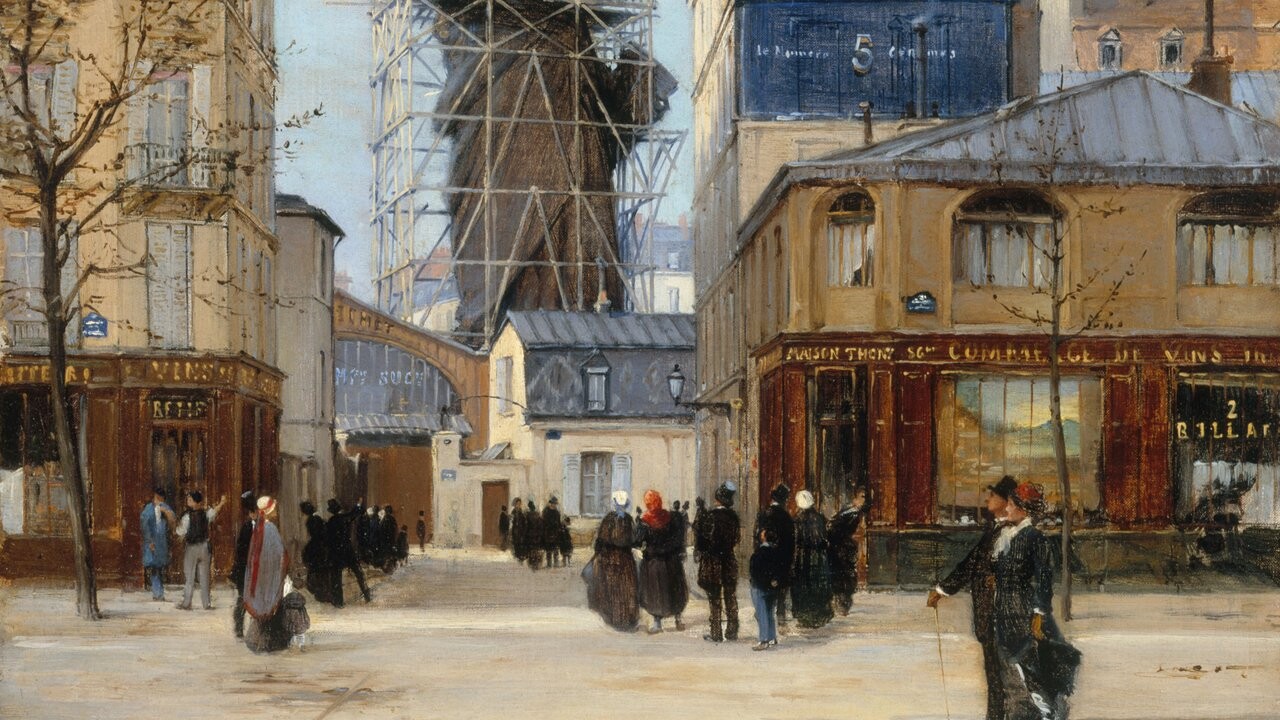
The entire statue was assembled in Paris between 1881 and 1884. On July 4, 1884, the completed figure was formally presented to Levi P. Morton, the American minister to France. Workers then dismantled it for shipment, explaining why photographs show Liberty towering over Paris before she reached New York.
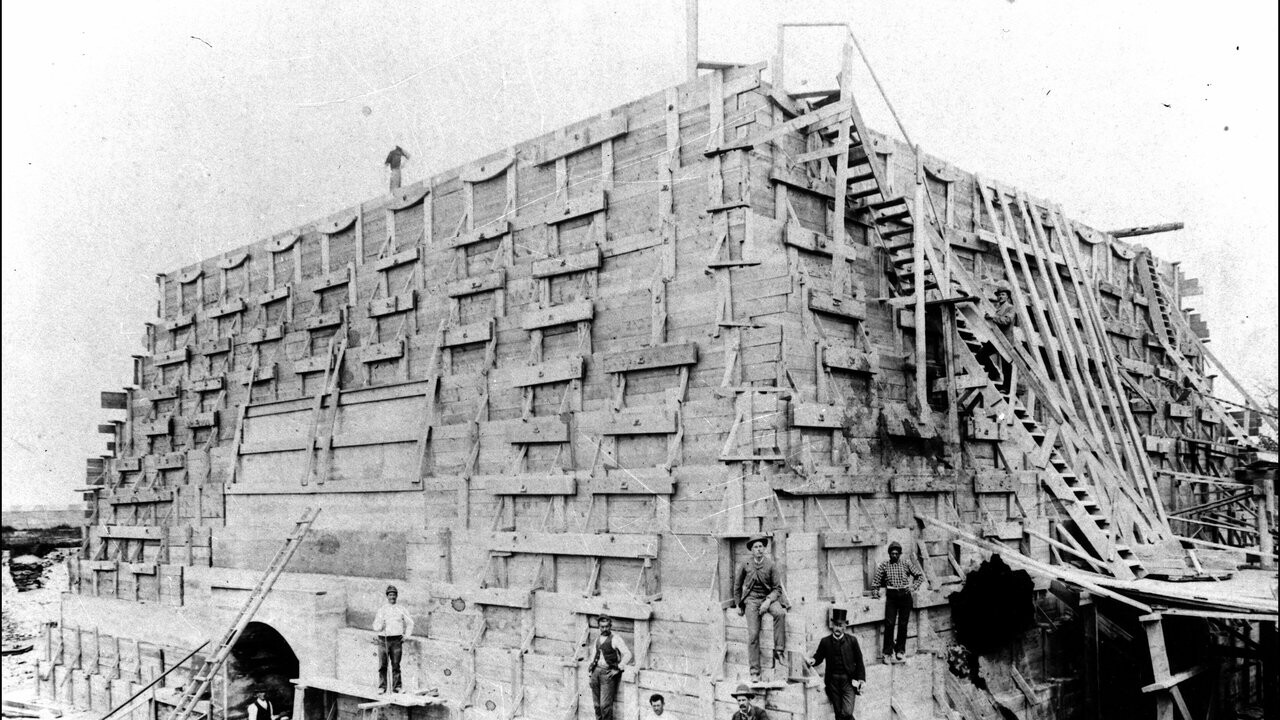
The Pedestal Rises Inside Fort Wood
American architect Richard Morris Hunt designed the masonry pedestal within the existing walls of Fort Wood on Bedloe’s Island. The star-shaped fort was incorporated into the monument’s base rather than removed. In 1884, however, funding ran out, and construction stopped before the French statue arrived.
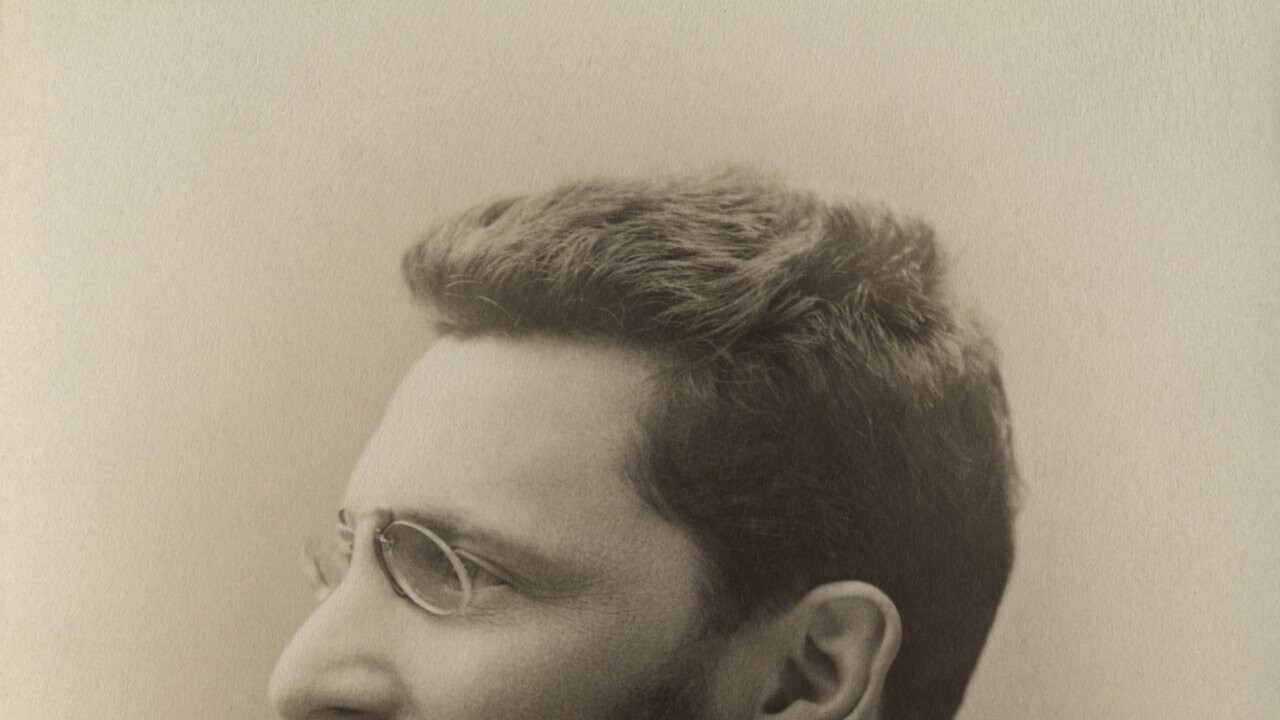
1885: Pulitzer Appeals to Ordinary Readers
In 1885, publisher Joseph Pulitzer used the New York World to urge readers to help complete the pedestal. His six-month campaign raised more than $100,000. The newspaper published every contributor’s name, regardless of the donation’s size, turning the unfinished platform into a widely shared public cause.
1885: The Isère Reaches New York
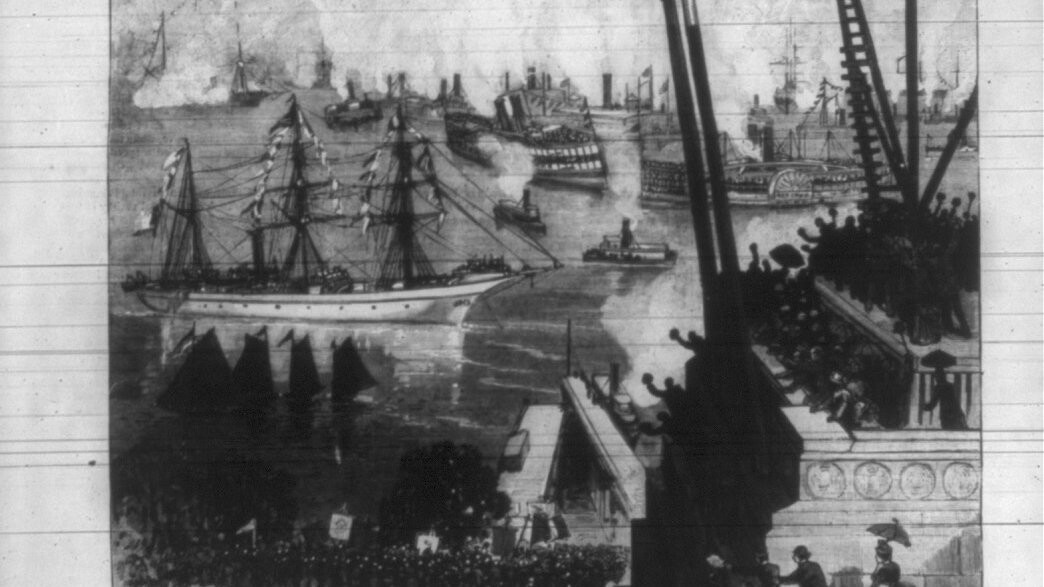
France shipped the dismantled statue aboard the naval vessel Isère, which reached New York Harbor on June 17, 1885. The arrival drew great fanfare, but Liberty could not immediately rise on Bedloe’s Island. The packed sections remained in storage while workers completed the pedestal.
1886: Crews Reassemble Liberty
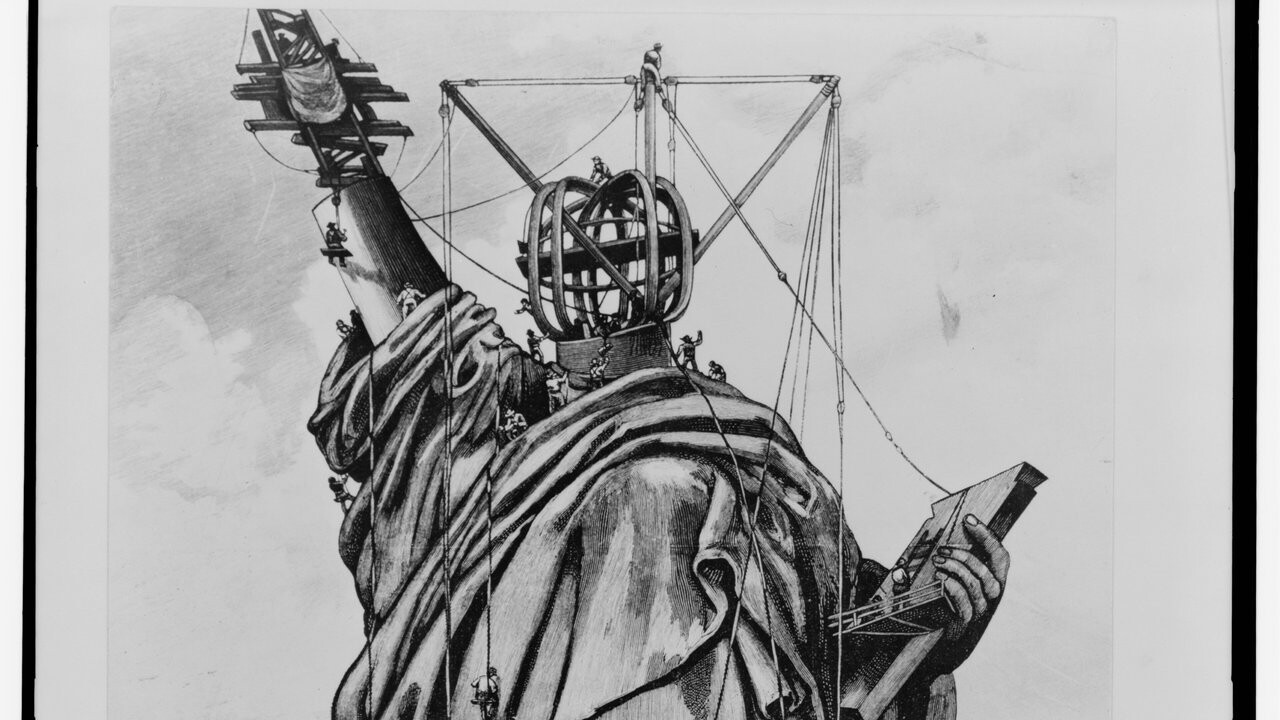
After the pedestal was completed, crews began reassembling the statue on Bedloe’s Island. Eiffel’s iron framework was the first part reconstructed, followed by the other elements. National Park Service records state that most members of the assembly crews were immigrants and that they worked with precision and speed.
1886: A Dedication and a Protest Boat
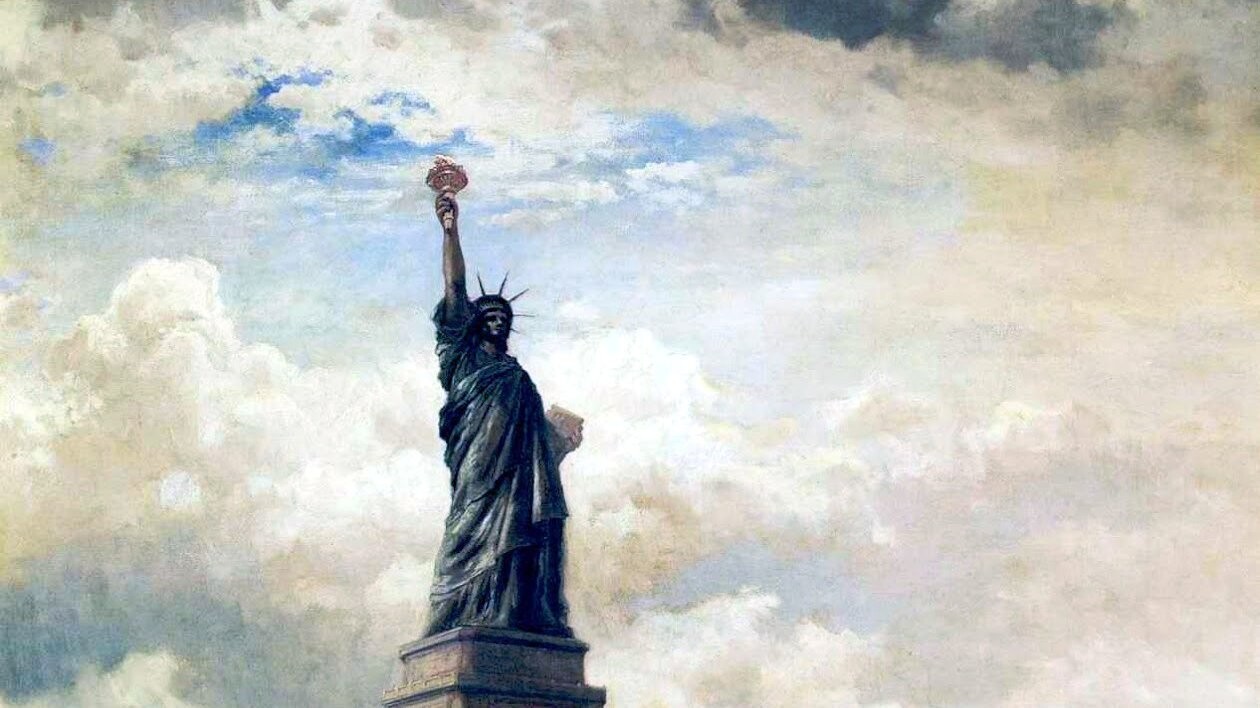
President Grover Cleveland presided over the dedication on October 28, 1886. Unable to obtain tickets as unaccompanied women, members of the New York State Woman Suffrage Association watched from a chartered boat. Their exclusion highlighted an uncomfortable contrast as a female figure symbolizing liberty was unveiled while the association’s members remained on the water.
1886–1902: Liberty Serves as a Lighthouse
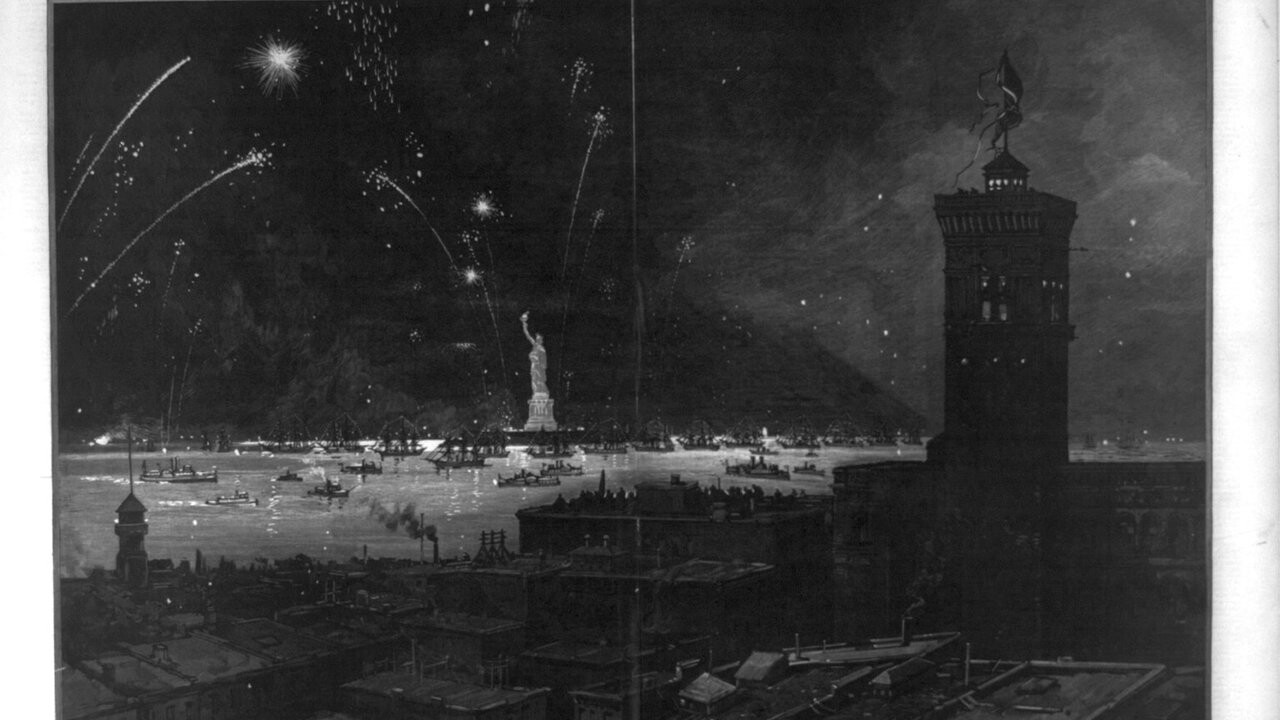
From 1886 to 1902, the United States Lighthouse Board managed the statue, whose electric torch served as a navigational light. It proved ineffective for that purpose. An official government notice announced that the fixed white electric light displayed from the torch would be discontinued in 1902.
1903: The Poem Joins the Pedestal
In 1903, words from Emma Lazarus’s sonnet were inscribed on a plaque and placed on an inner wall of the pedestal. The poem’s physical connection to the statue was therefore established well after the 1886 dedication. The historic plaque remains on display inside the pedestal.
1906: The Copper Has Turned Green
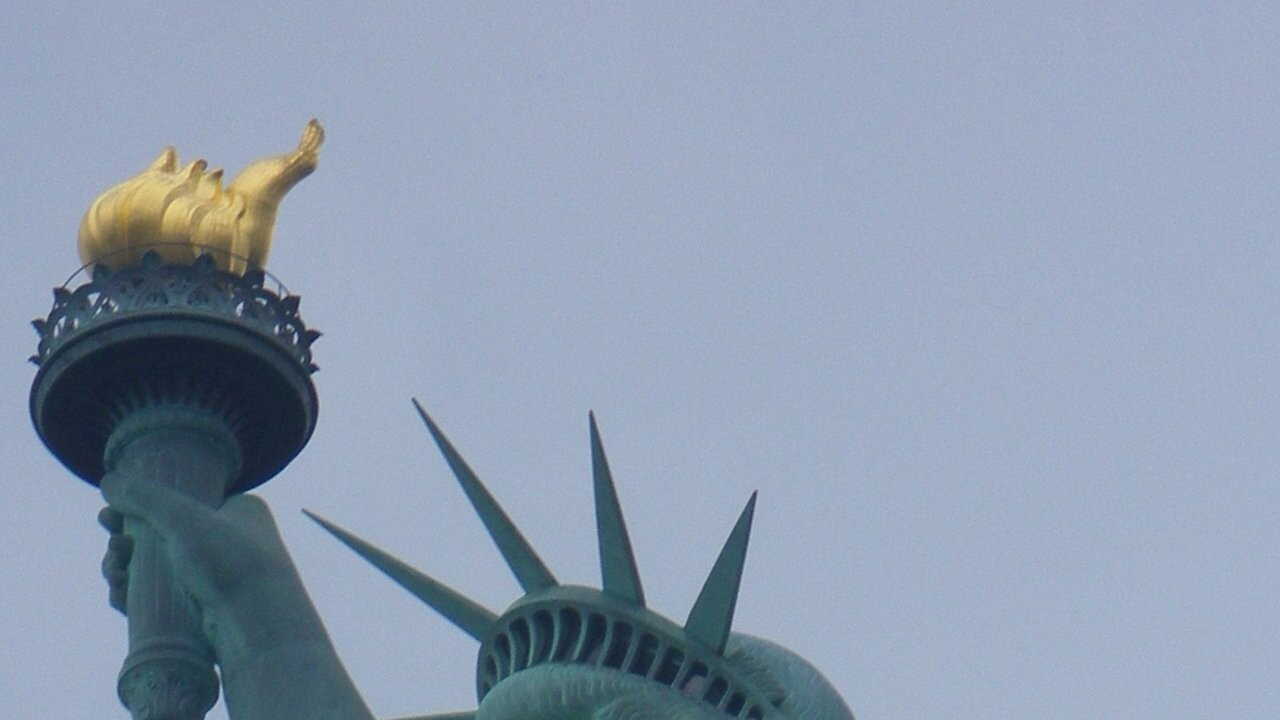
Liberty began with bright copper skin, not the green surface familiar today. By 1906, natural oxidation had produced a sea-green patina. The copper is only 3/32 of an inch thick, and the patina helps protect it from wearing away. The color developed naturally rather than being applied as a finish.
1916: The Torch Closes to Visitors
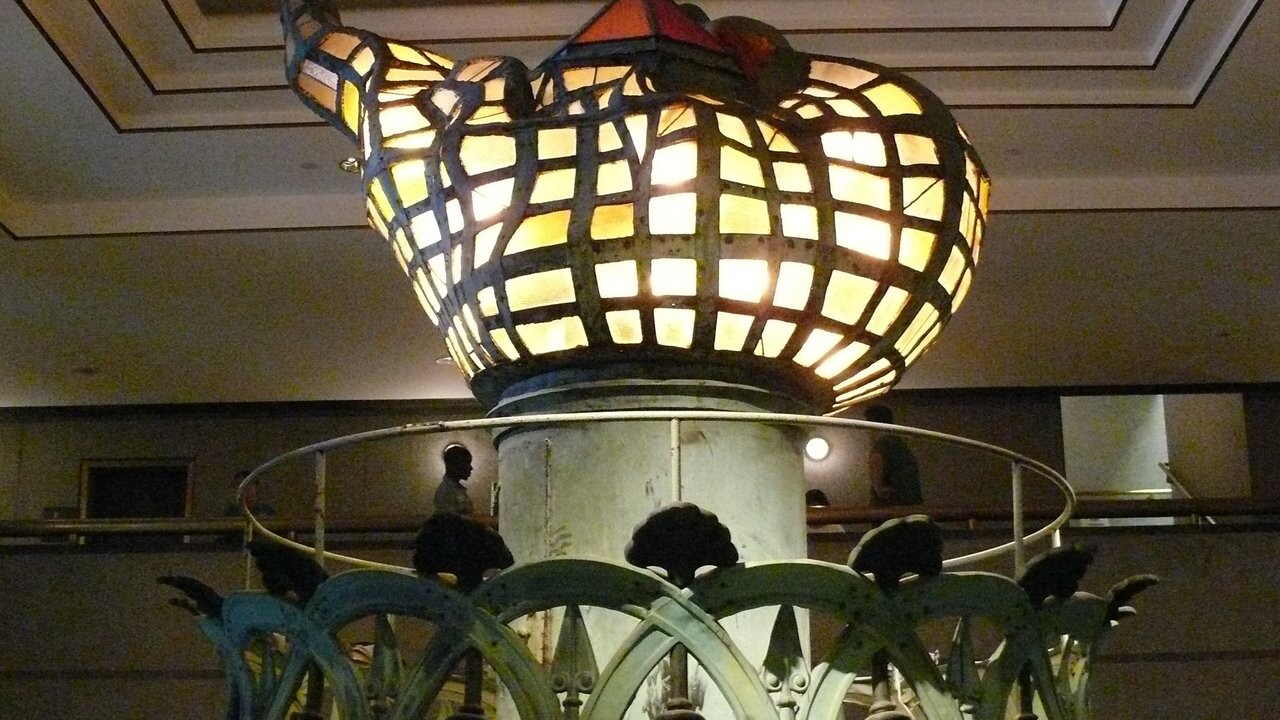
Early on July 30, 1916, a munitions depot on Black Tom Island was deliberately sabotaged. Shrapnel damaged the statue and buildings on Ellis Island, and the torch has remained closed to visitors. The original torch was removed in 1984, and a replica of Bartholdi’s design, with a copper flame covered in gold leaf, was installed in November 1985.
The Crown’s Windows and Rays
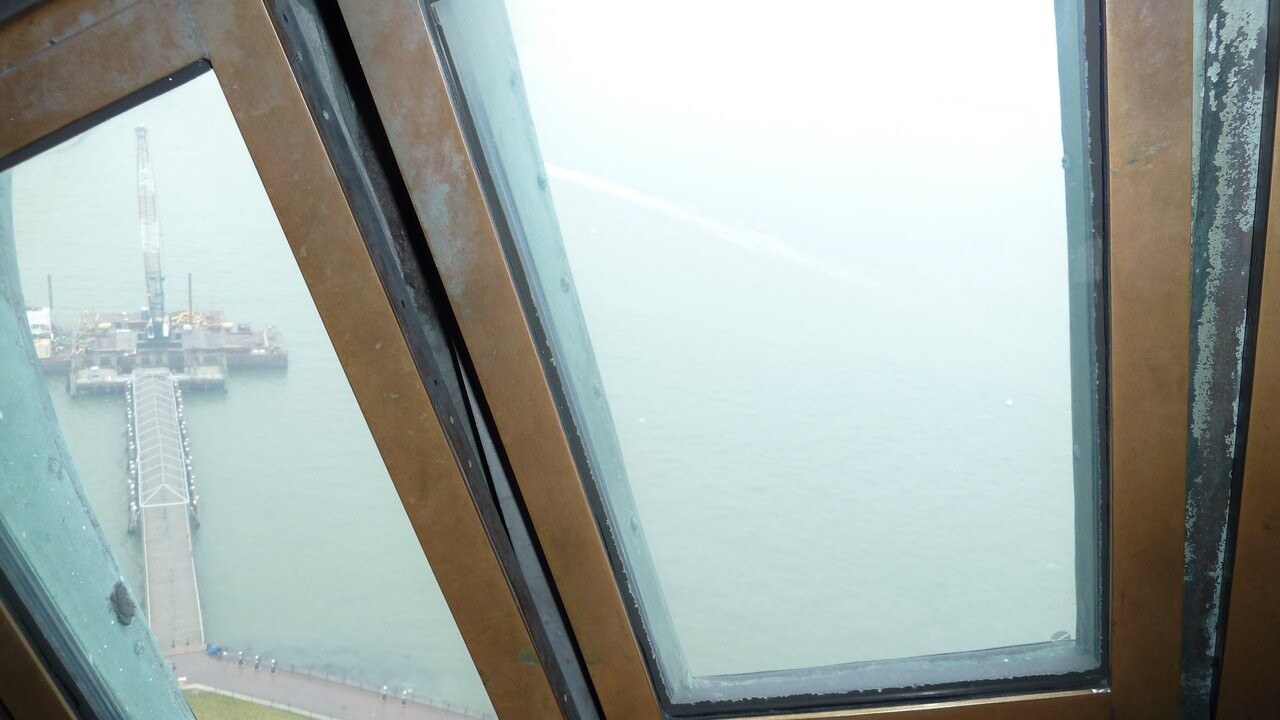
The crown has 25 windows, while seven rays form a halo around Liberty’s head. National Park Service guidance calls that halo an aureole. Seen together, the narrow windows and long rays create the dramatic crown that defines the statue’s silhouette across New York Harbor.
The verified record makes Liberty’s journey from a plaster model to a national landmark even more compelling. Which part of her story surprised you most?
Follow The HyperHive on MSN for more stories like this.
Sources:






-_Re-constructing_the_statue_on_Bedloe%27s_Island_LCCN99614141.jpg)


