What Life Was Like in the Trenches of World War I, in Photos

Ernest Brooks / Wikimedia Commons, Public domain (cropped)
Trench life was more than battle. It was an exhausting cycle of guard duty, repairs, meals, messages, mud, pests, and attempts to sleep. These photographs and facts come from military archives, national libraries, and war museums in the United States, Britain, Canada, and Australia.
The slides begin with the trench system and its daily routines, then follow changing conditions and technology from the first winter of the war to the arrival of American troops and the armistice.
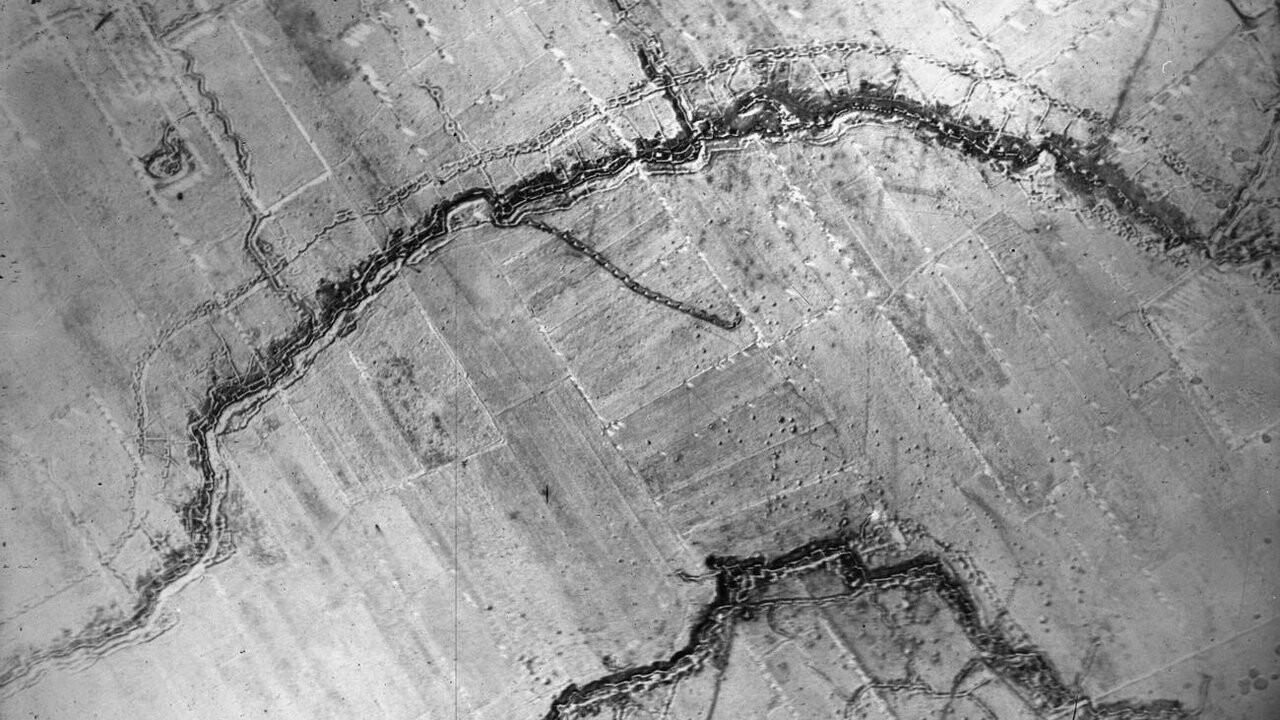
A Line Across the Western Front
At the war’s start, open advances brought crippling casualties from machine guns, rapid-firing artillery, and massed rifle fire. Occupied ditches gradually became trenches, and the system eventually stretched continuously for 700 kilometres from the Swiss border to the English Channel.
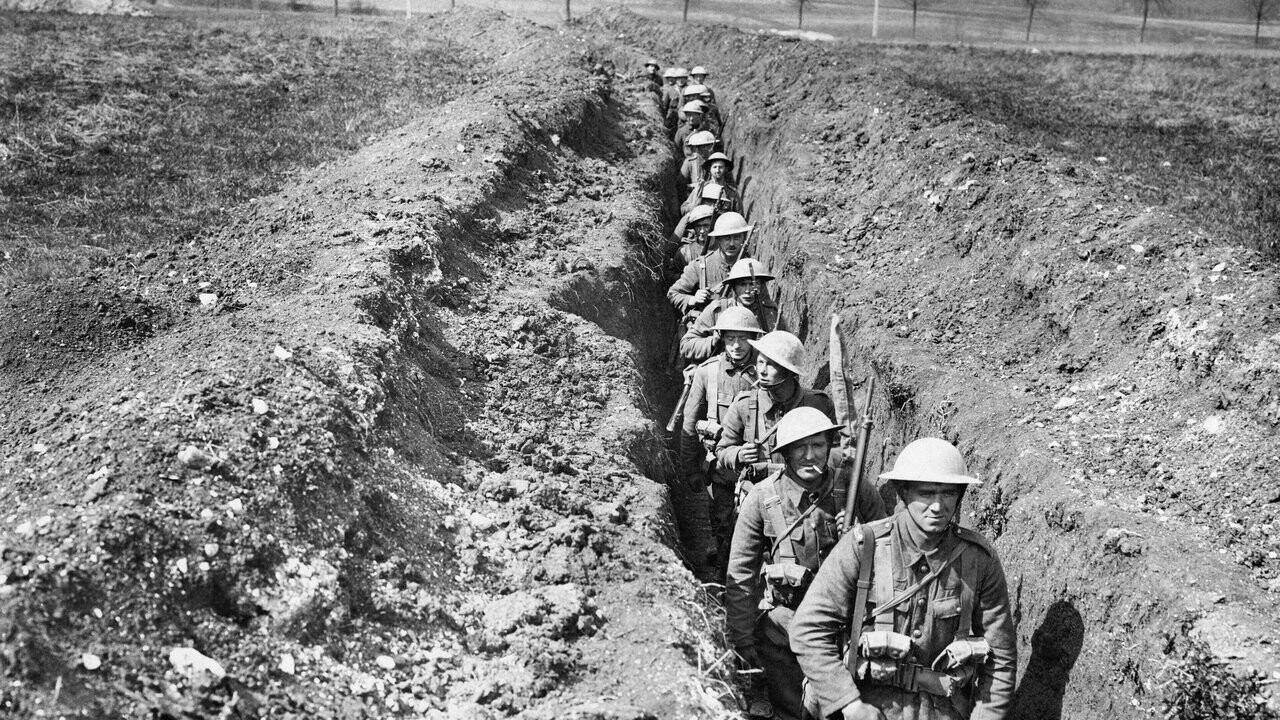
Front, Support, and Reserve Lines
Front-line trenches were backed by second and third lines known as support and reserve trenches. Communication trenches linked those positions into a larger system. Fortifications, underground shelters, and thick belts of barbed wire strengthened the network, making the landscape in the photograph far more than a single ditch.
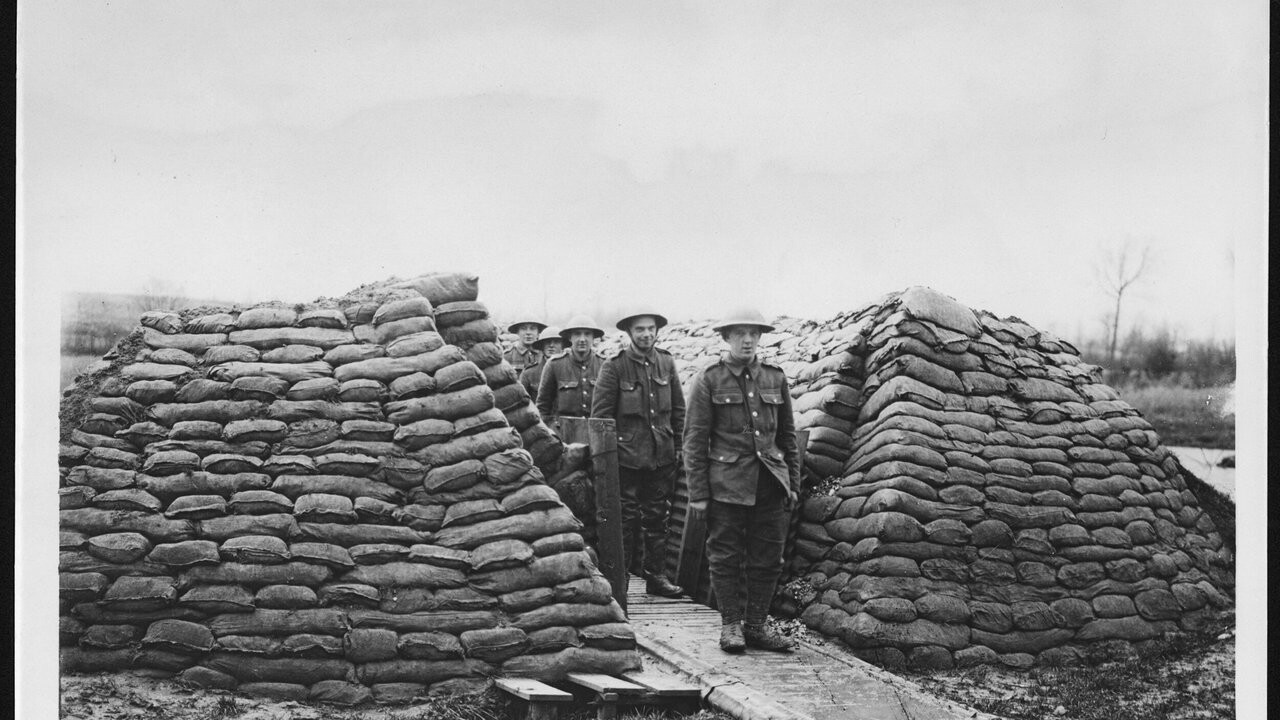
Breastworks, Sandbags, and Fortifications
Some positions were aboveground breastworks, while others extended into deep underground fortifications, particularly on the German side. Early trenches were often built quickly and offered little protection from the elements, but they soon became more substantial as armies settled into a prolonged conflict.
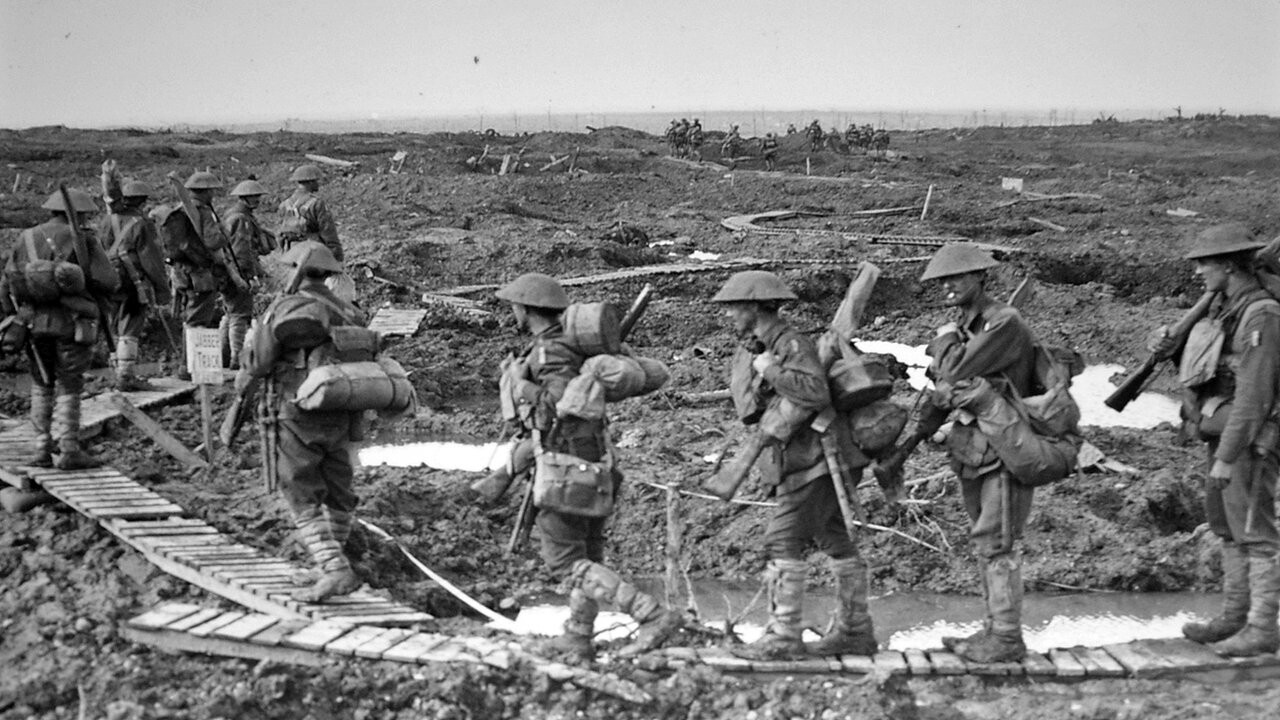
Duckboards Over Water
In rain-soaked northern France and Belgium, trenches often deteriorated into muddy ditches. Wet conditions added to the misery and could collapse walls and parapets. Repairing duckboards was among the routine chores after morning stand-to, inspection, and breakfast, so upkeep continued alongside sentry duty and other work.
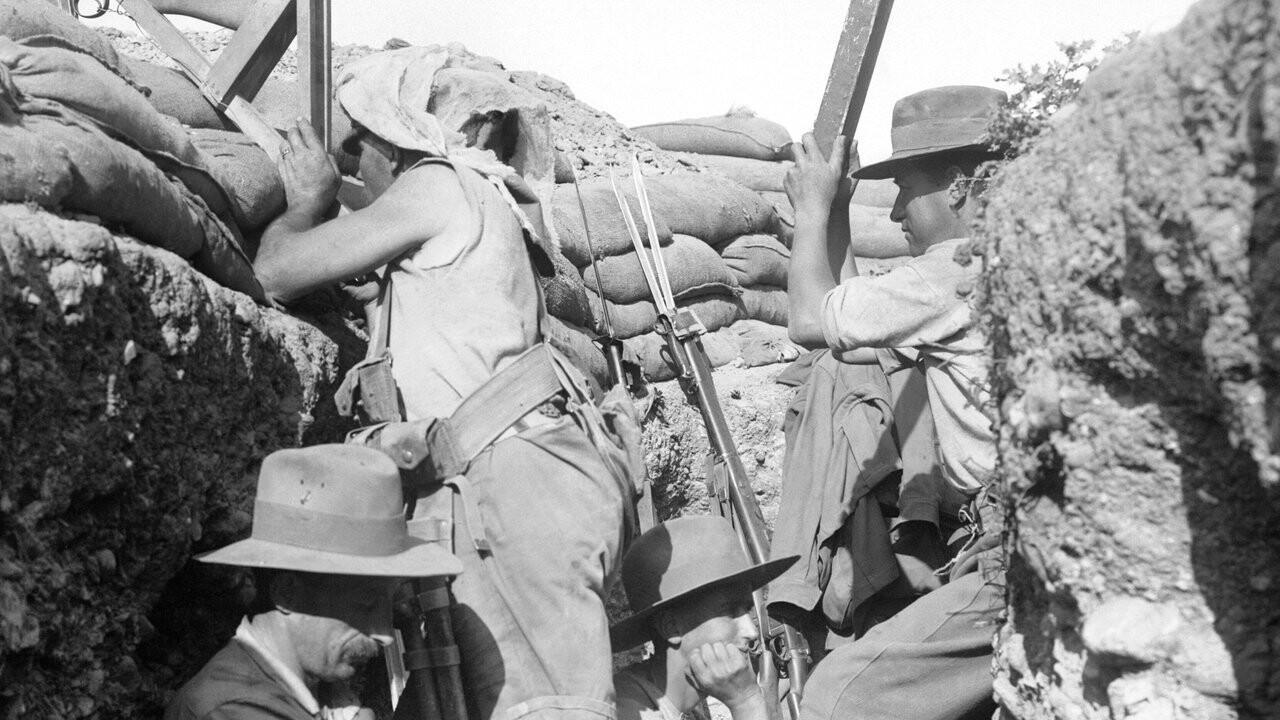
Watching With Periscopes
On Gallipoli, periscopes gave soldiers a less dangerous way to observe Turkish positions from the trenches. The photograph captures a practical problem: troops needed information about the opposing line, but looking directly over the parapet exposed them to danger.
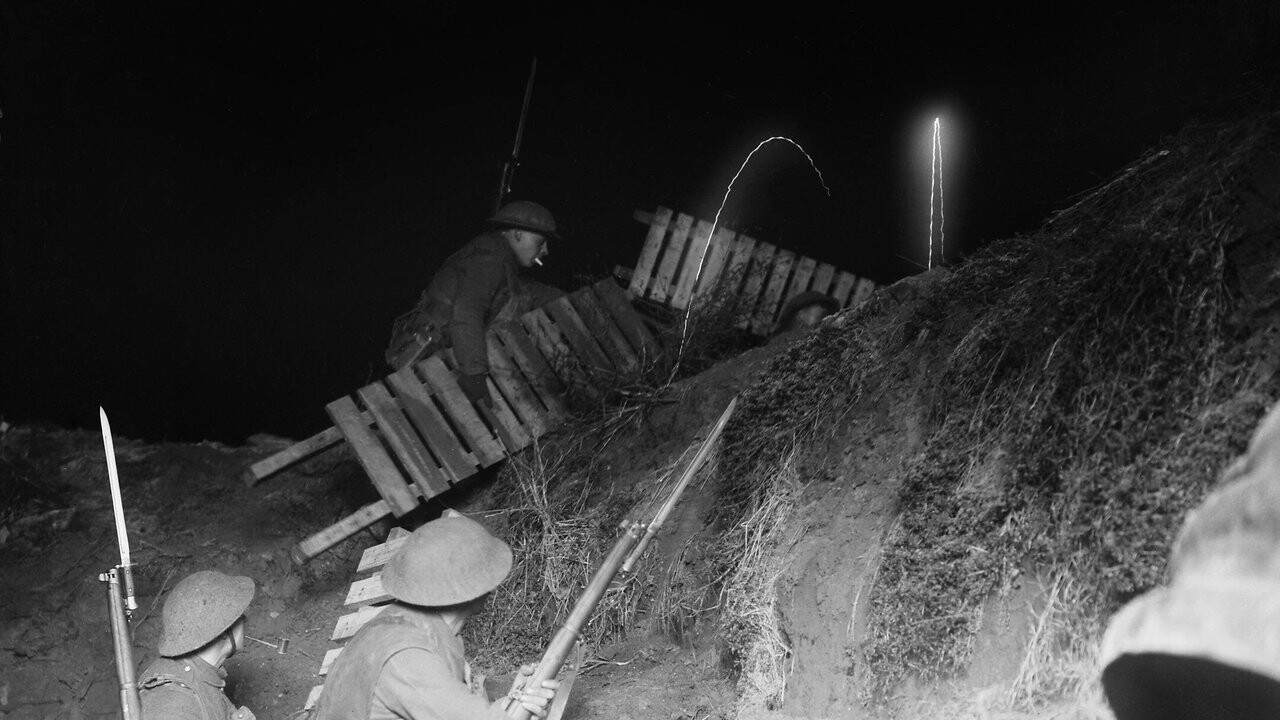
Night Was the Busy Shift
Nighttime in the trenches was both the busiest and the most dangerous period. Under darkness, work parties entered No Man’s Land to repair barbed wire or dig new trenches. Other groups patrolled for enemy activity or conducted raids to capture troops, kill opponents, or gather intelligence.
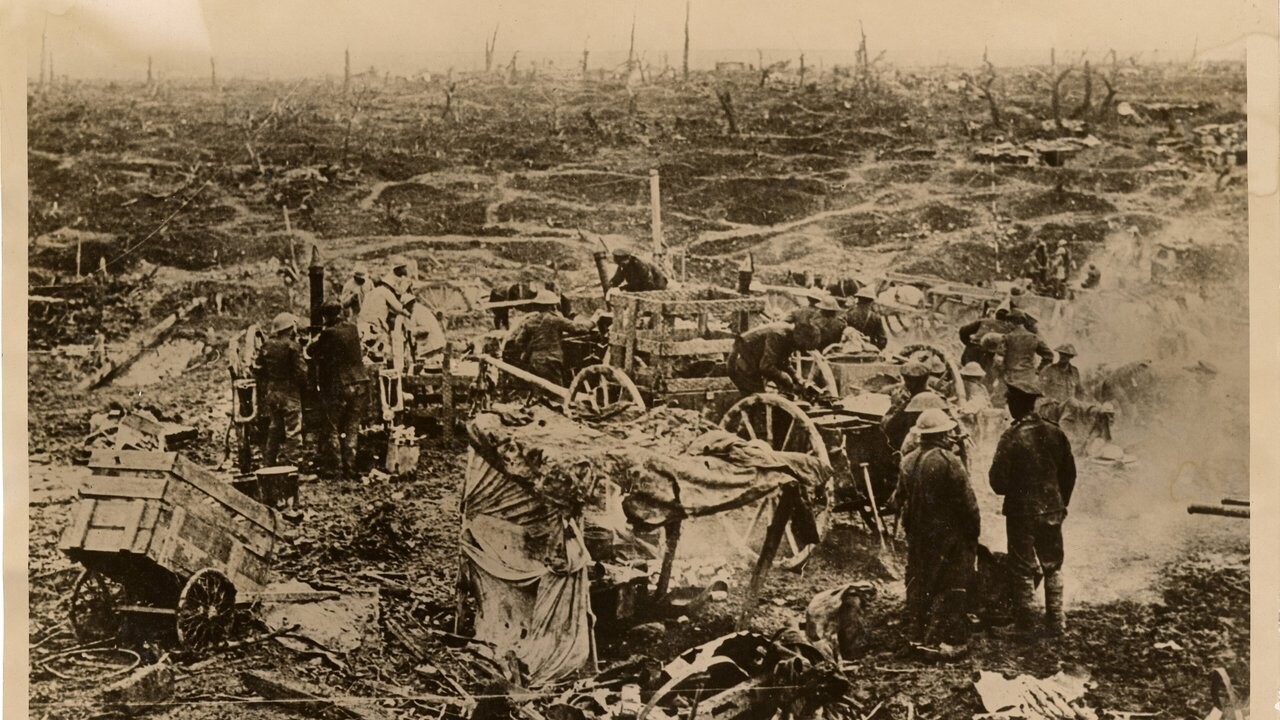
Meals From Field Kitchens
In the British position shown, field kitchens stood in the support lines, where meals were prepared before being carried forward. Food went to the front lines three times a day, making cooks and carrying parties an essential part of the routine behind every meal.
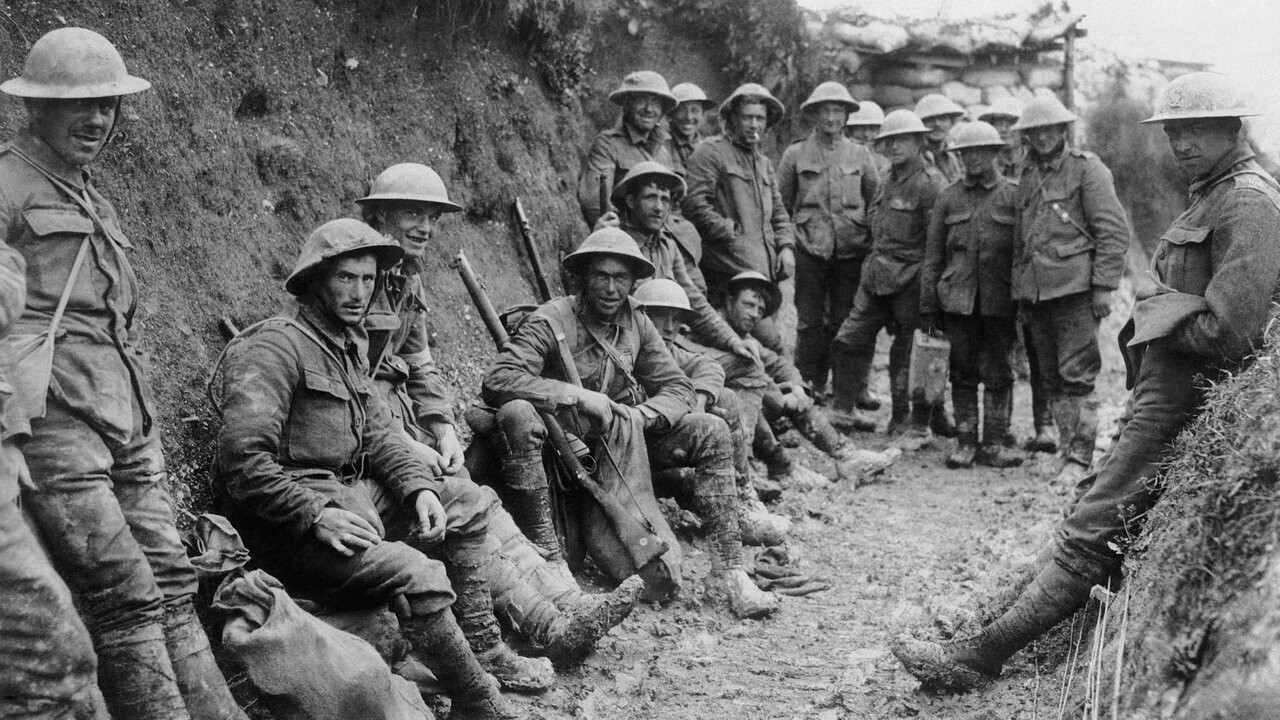
Bread and Parcels From Home
Bread rations commonly arrived in three-pound loaves shared among several soldiers, and food could be bland and monotonous. Parcels from home brought periodic variety, including food, magazines, and clothes. At Christmas, packages could also contain tobacco, sweets, chocolate, reading material, and games.
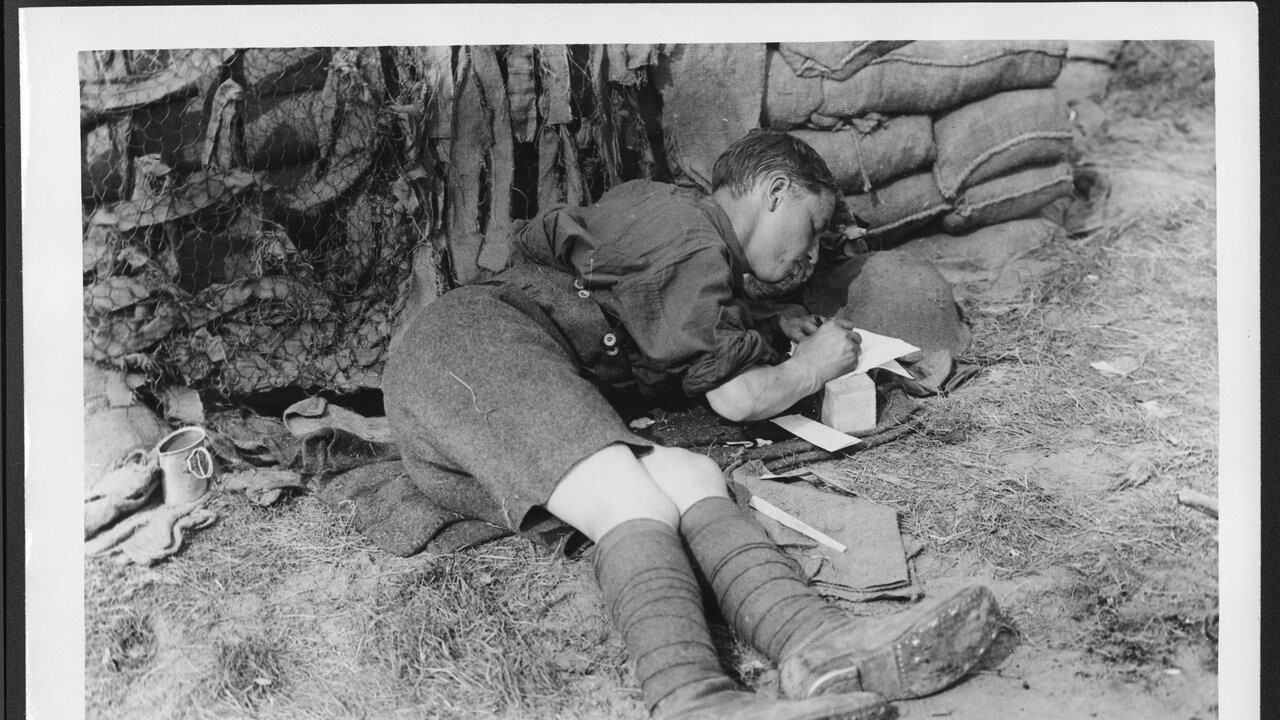
Letters From Home
Mail arrived from home every day, providing an important link to loved ones. Officers censored soldiers’ letters in the trenches, and correspondence could be checked again behind the lines, but fighting troops still communicated with home about trench life.
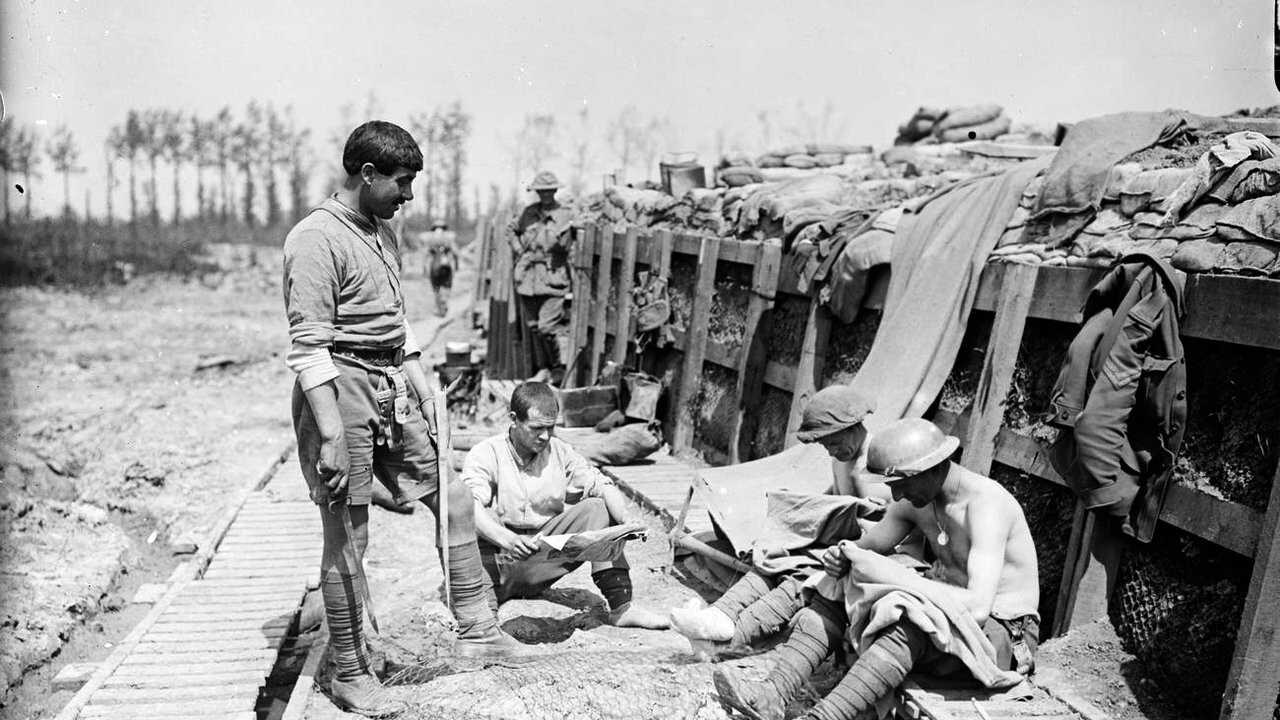
Lice, Illness, and Exhaustion
In 1918, doctors identified lice as the cause of trench fever, which brought headaches, fevers, and muscle pain. Poor living conditions and lack of sleep also wore away at soldiers’ health and stamina, deepening the exhaustion of trench duty.
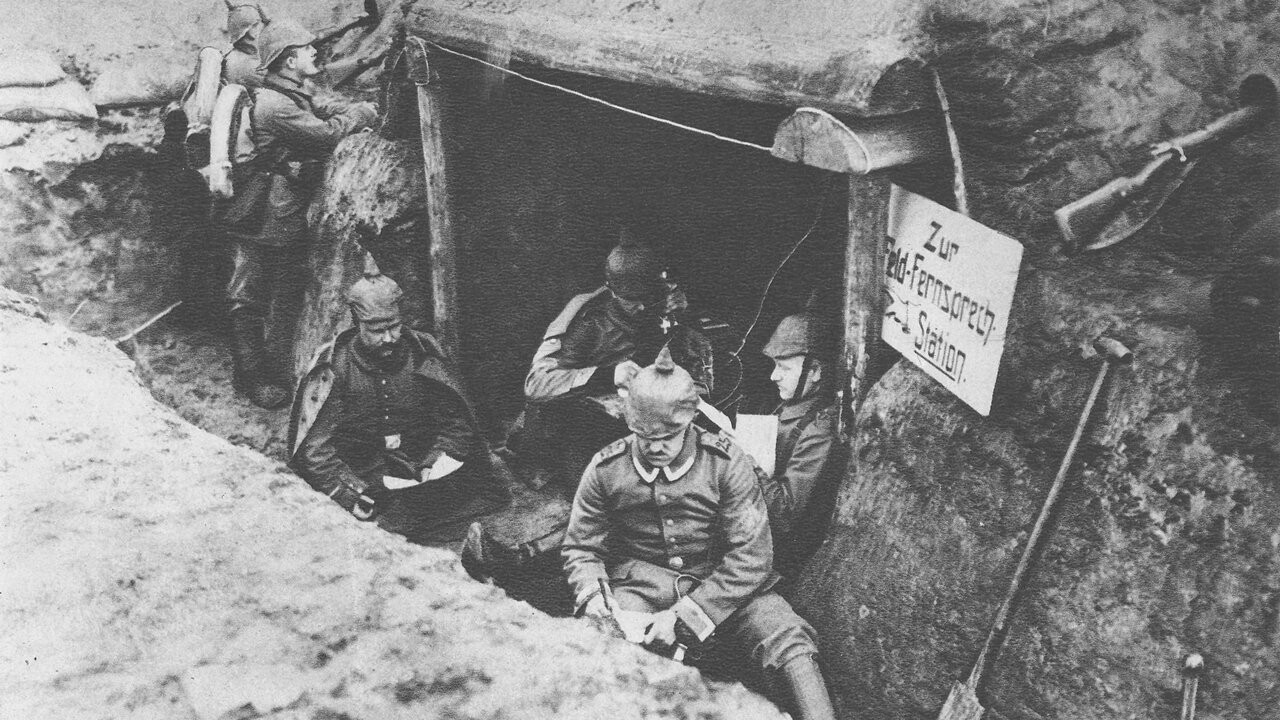
Telephones on Fragile Wires
Telephones were reliable, but long wires were vulnerable to shellfire and were frequently cut. Burying the lines took time and labor and did not always protect them. Pigeons could carry messages effectively, although they required special handlers and could become disoriented during artillery barrages.
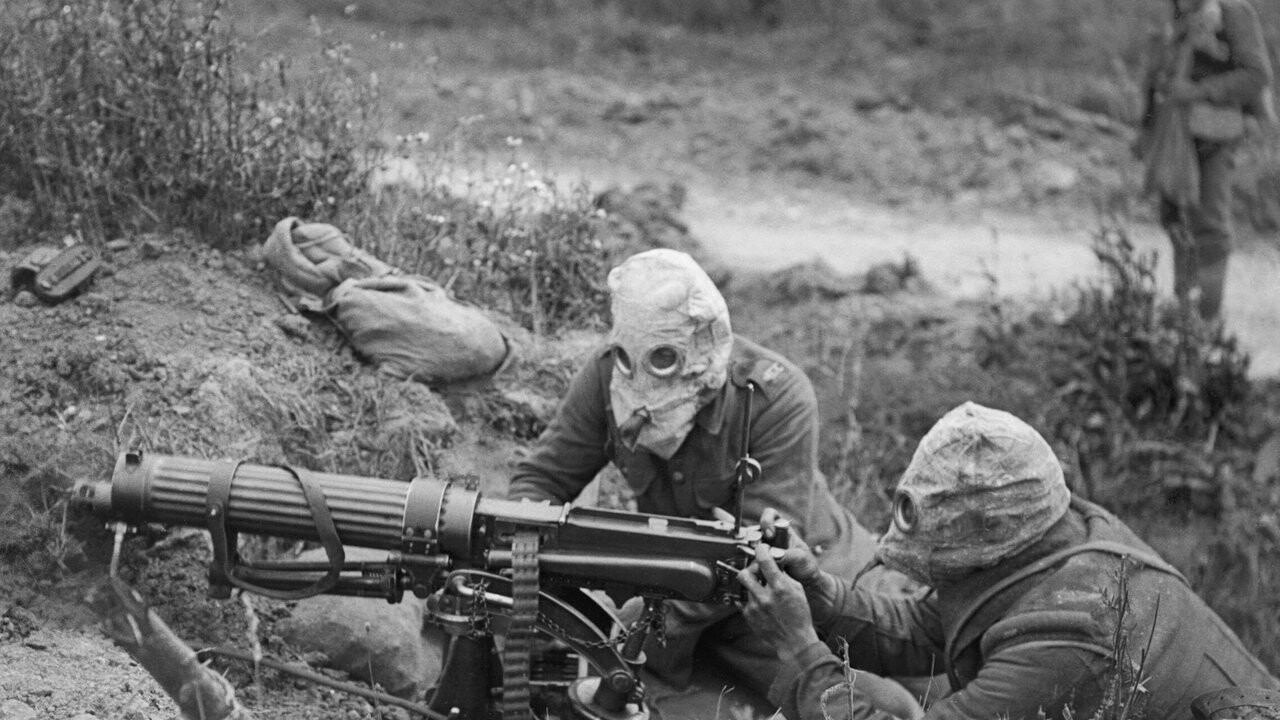
1915: Gas Changed the Routine
Gas warfare in 1915 created an urgent need for protection. The British Army developed treated fabric helmets based on bags and hoods, then replaced them with a small box filter respirator that provided greater protection. Rattles, horns, and whistles warned troops to put on their equipment.
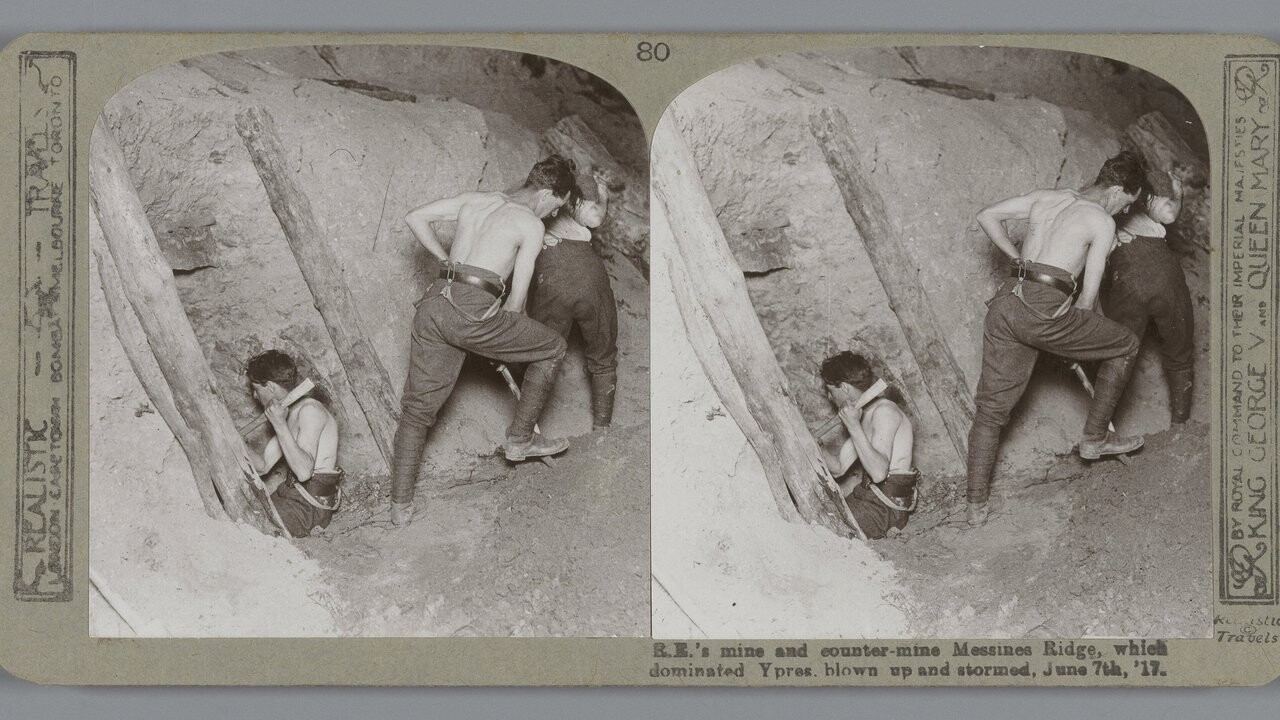
Tunneling Beneath the Trenches
Specialized mining companies drove tunnels beneath enemy trenches to plant explosives and destroy positions. Many battlefield miners had worked as miners or engineers before the war and knew the dark, claustrophobic conditions. Opposing crews also planted explosives in hopes of caving in enemy tunnels.
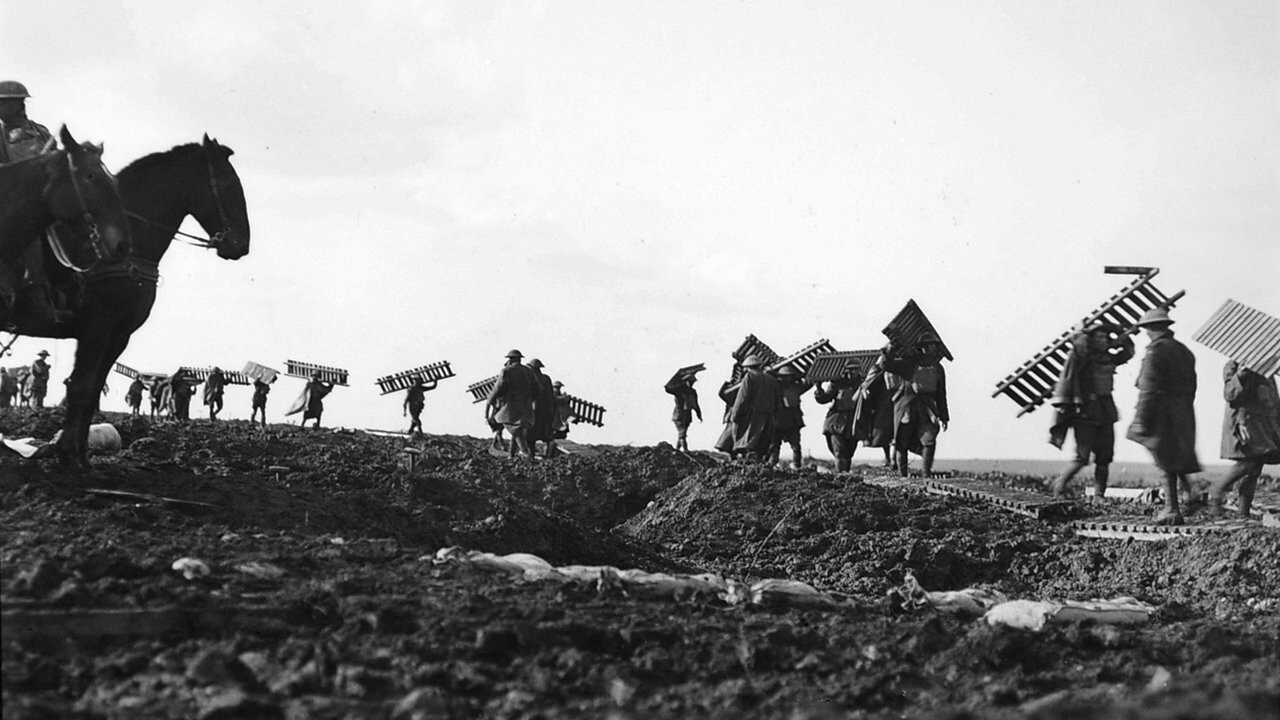
Passchendaele 1917: Mud Everywhere
Mud, water, and barbed wire defined the terrain through which Canadian troops advanced at Passchendaele in late 1917. The photograph keeps attention on the ground itself, where the battlefield’s physical condition shaped what soldiers could see and how the ruined landscape appeared.
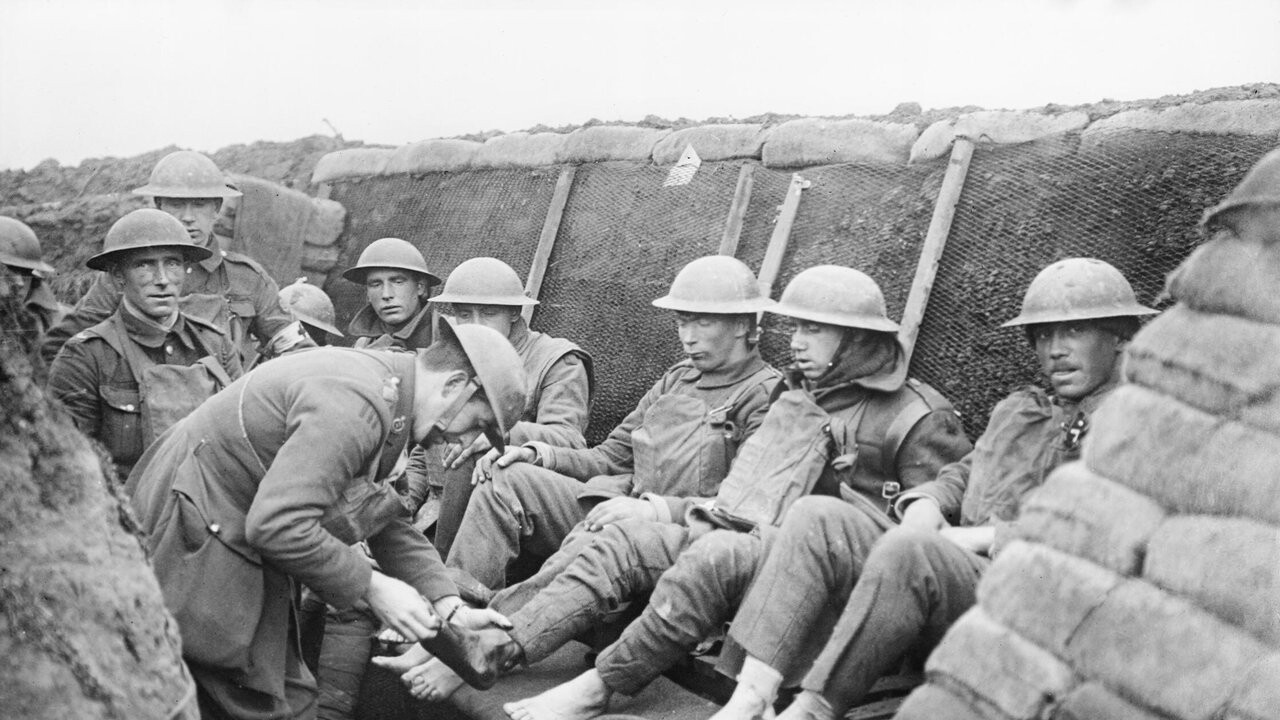
Foot Care After Passchendaele
After the Battle of Passchendaele Ridge, members of the 40th Battalion, 10th Australian Infantry Brigade rested at Dragoon Farm near Ypres. There, they bathed and oiled their feet, a small but deliberate act of care after returning from the battlefield.
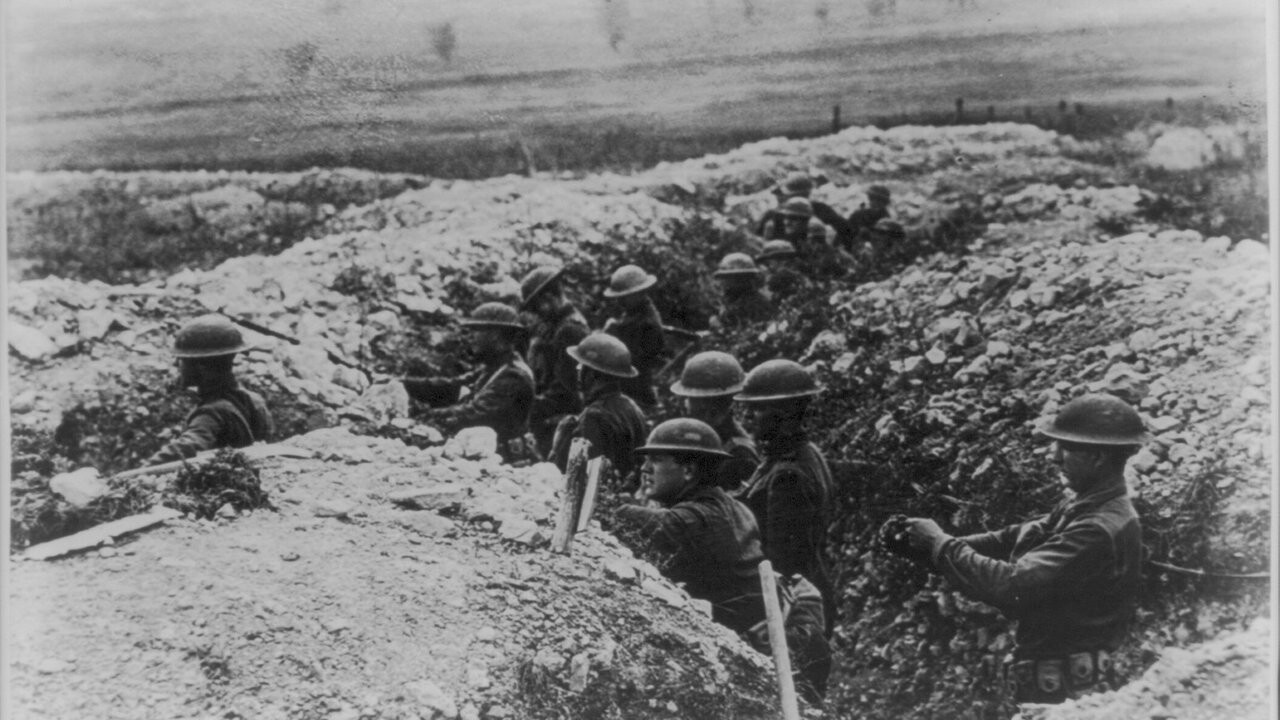
1918: American Doughboys Enter the Trenches
American soldiers entering front-line trenches encountered rats and body lice, repaired and fortified positions, and lived on canned rations during quiet periods. Food was often plentiful, but water was difficult to transport and frequently scarce. The daily experience combined squalor, supply work, and long stretches of effort.
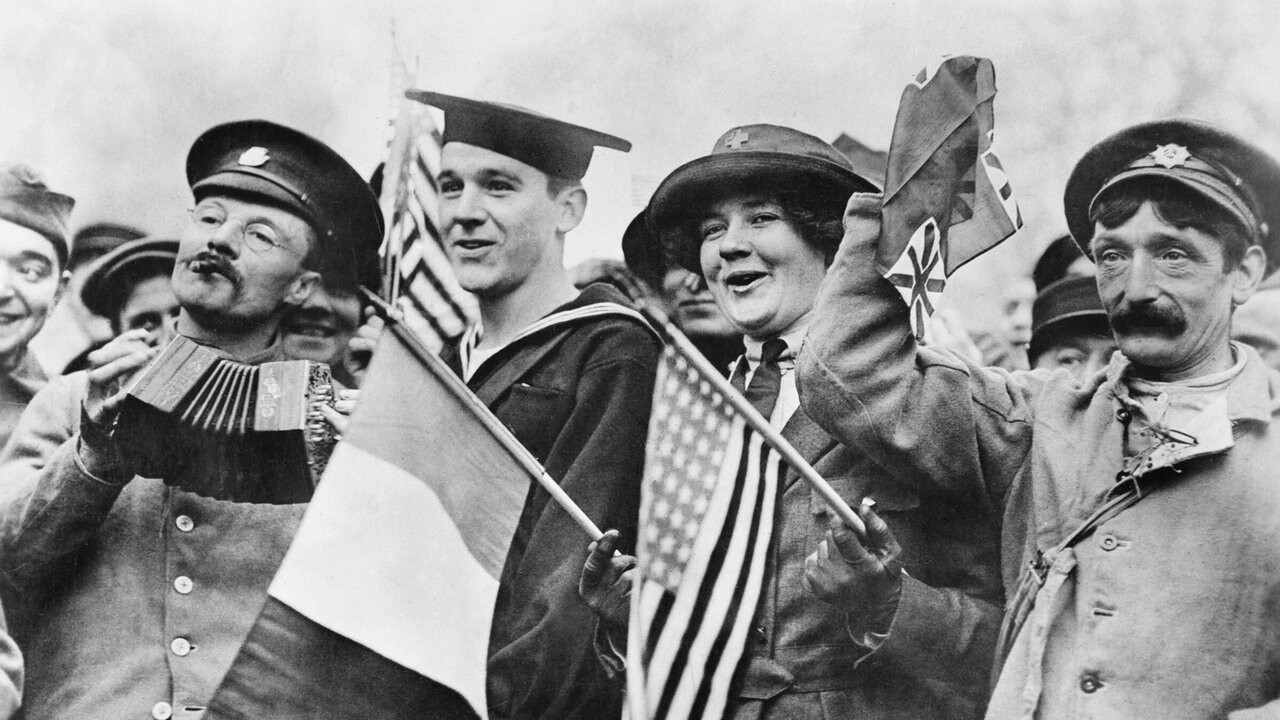
Armistice: The Firing Stops
At 11 a.m. on November 11, 1918, the fighting known as the Great War ended. A Signal Corps photograph shows an American sailor, an American Red Cross nurse, and two British soldiers celebrating in Paris, giving this gallery a public scene of relief after years of trench routine.
These photographs preserve the routines and small acts of endurance behind one of history’s most familiar battlefields. Which image or detail changed how you picture life in the trenches?
Follow The HyperHive on MSN for more stories like this.
Sources:






