
Airline names can carry powerful memories. A bright tail or familiar logo may recall a first flight, a family vacation, or an airport that looked entirely different.
Arranged by the year each identity ended, these slides draw on government records, corporate filings, museums, and aviation archives. The aircraft images are available through free collections, primarily Wikimedia Commons.
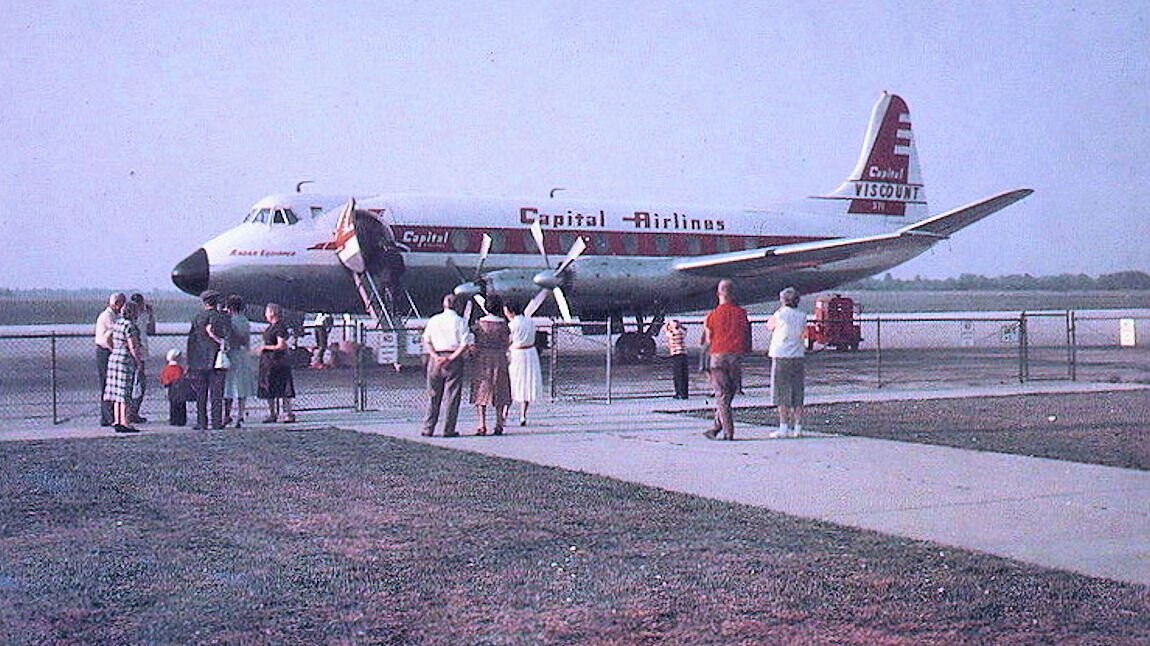
1961: Capital Airlines
Capital Airlines is the earliest departure in this gallery. In 1961, it merged with United after serious financial pressure. An SEC record from the proposed deal said Capital’s management viewed the merger as the only realistic alternative to bankruptcy. Surviving photographs preserve a name that vanished from schedules more than six decades ago.
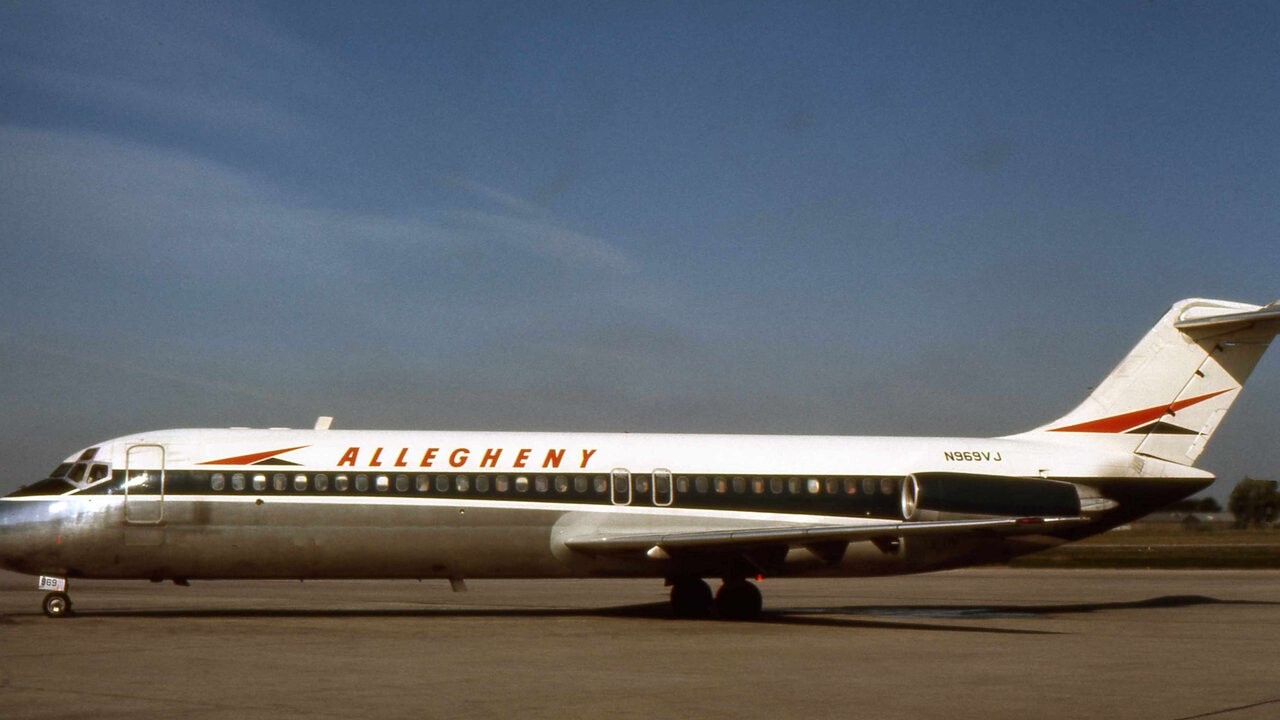
1979: Allegheny Airlines
Allegheny Airlines adopted the USAir name in 1979, ending one historic identity and beginning another. Its place in that corporate history remains visible in photographs of aircraft carrying the Allegheny name and colors, including a DC-9 photographed in 1975.
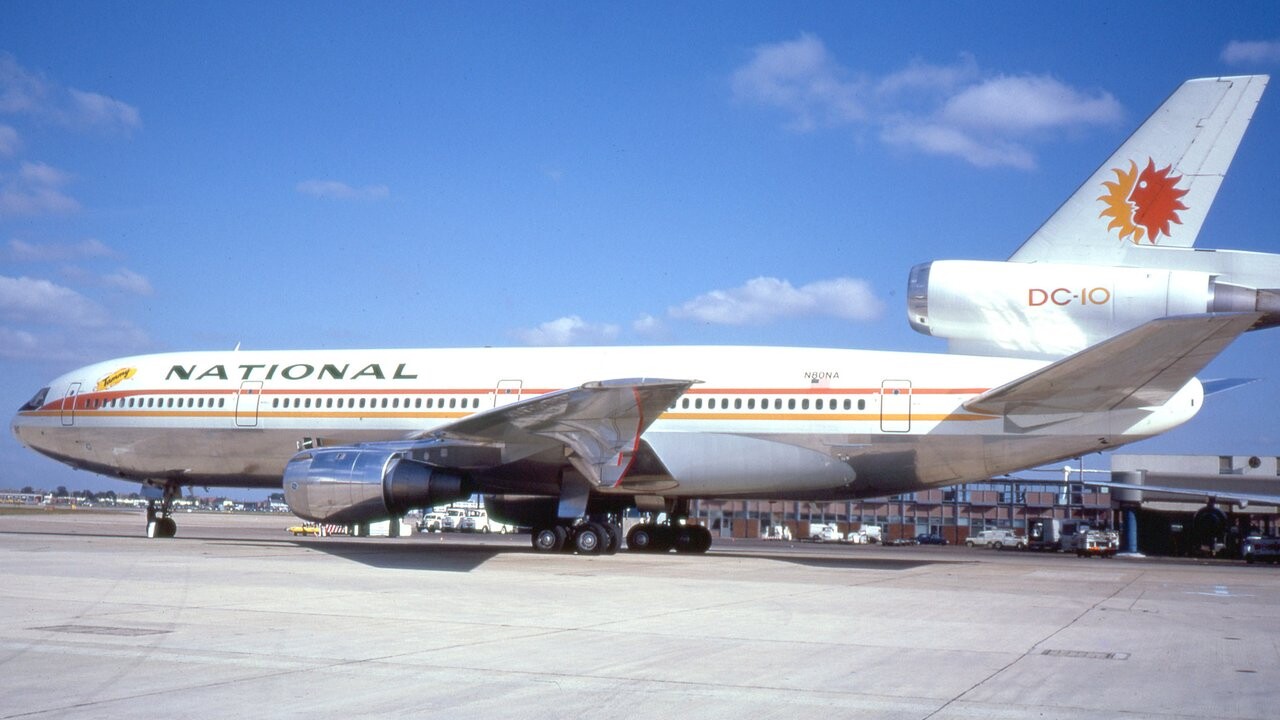
1980: National Airlines
National Airlines disappeared when Pan Am bought it in 1980. Pan Am sought to strengthen its domestic business, but the Smithsonian notes that the merger proved costly. Photographs and memorabilia now preserve the identity of a once-prominent airline whose name left airport displays after the purchase.
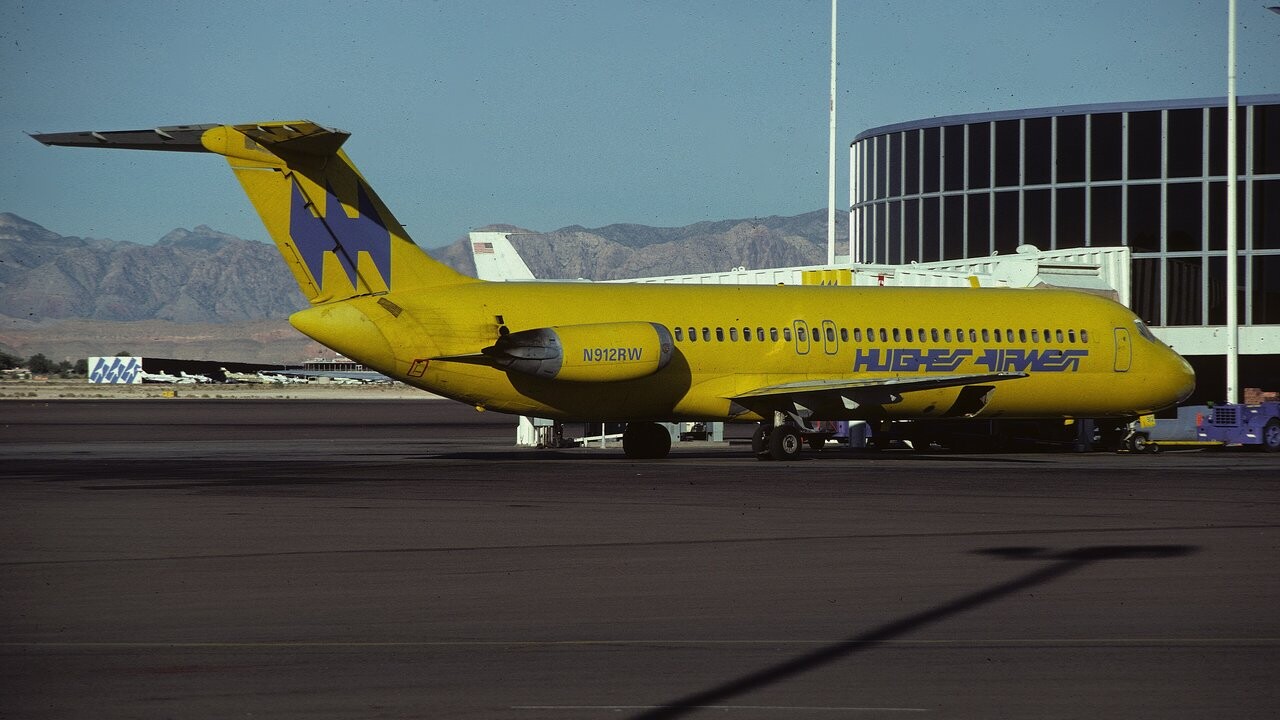
1980: Hughes Airwest
The bright yellow aircraft of Hughes Airwest brought a particularly cheerful look to western airports. That independent identity ended in 1980, when Republic Airlines purchased the carrier. Period photographs, including images of its McDonnell Douglas DC-9s, preserve the bold appearance that made Hughes Airwest instantly recognizable.
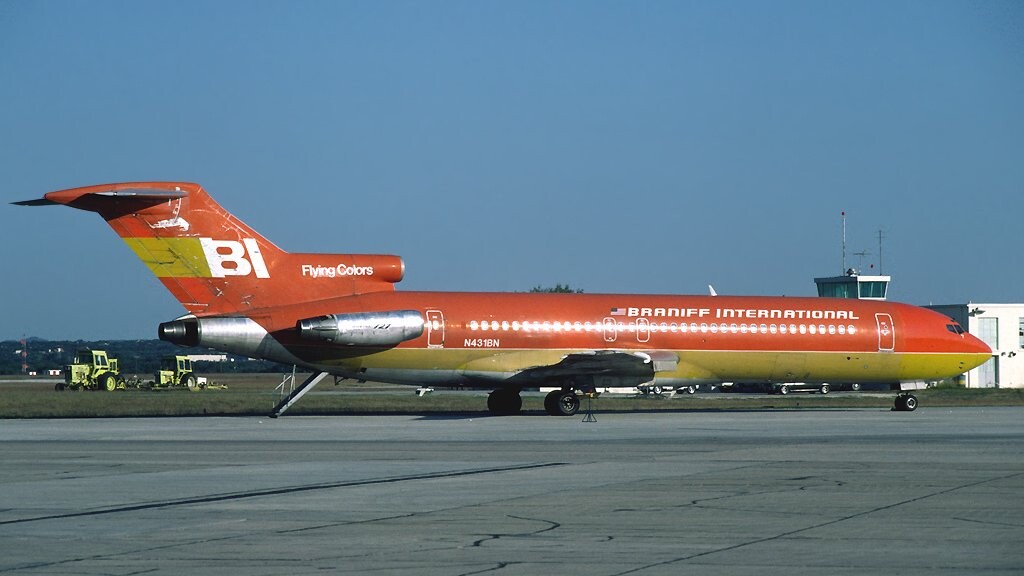
1982: Braniff International
Braniff’s boldly colored airplanes made it one of the most visually distinctive names in American aviation. Its original scheduled operation stopped on May 12, 1982. The carrier’s historical organization cites rapid expansion, high fuel prices, high interest rates, and intense competition among the problems that led to heavy losses.
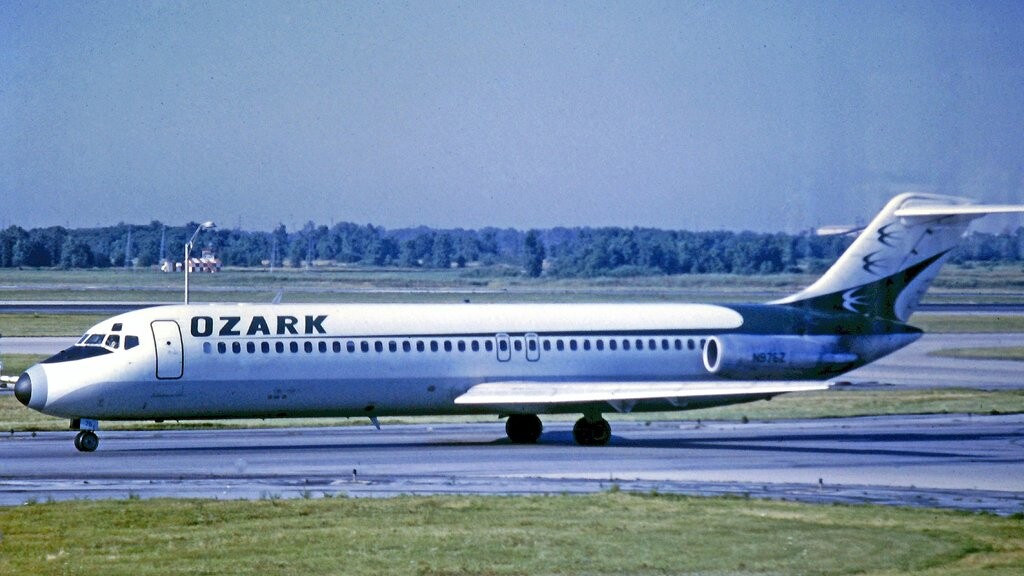
1986: Ozark Air Lines
Ozark Air Lines ended its independent run in 1986, when TWA acquired it. The transaction removed another familiar regional name from American airports. Photographs of Ozark aircraft, including its McDonnell Douglas DC-9s, preserve the airline’s simple green-and-white visual identity.
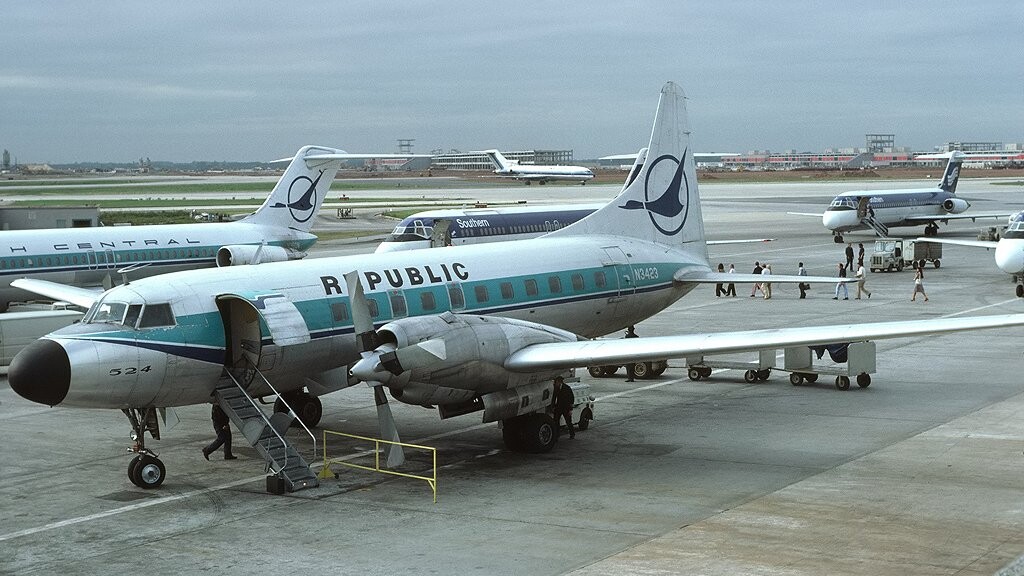
1986: Republic Airlines
The original Republic Airlines purchased Hughes Airwest in 1980, adding its bright yellow aircraft to a growing company. Six years later, Republic’s own independent identity disappeared when Northwest Airlines absorbed it. The Republic name later appeared elsewhere, but the airline represented in these period photographs had ended.
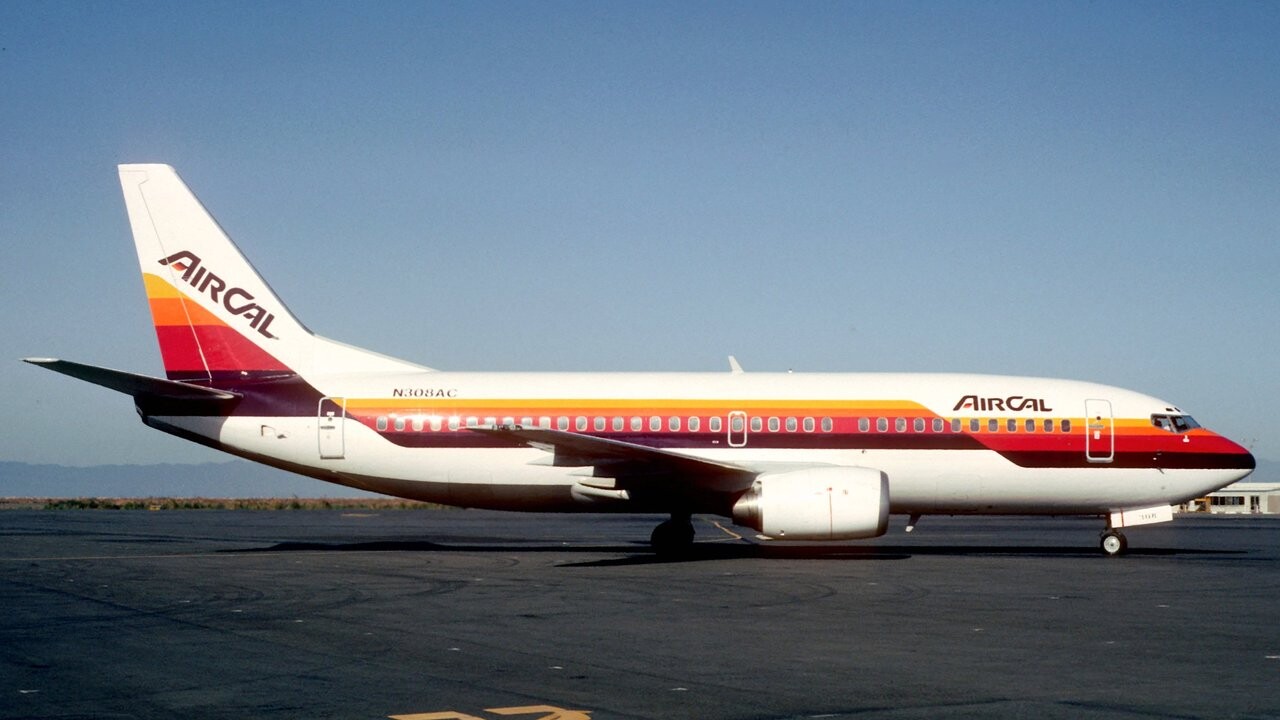
1987: AirCal
AirCal’s warm colors and compact California name made its aircraft easy to spot. Its independence ended in 1987, when American Airlines purchased the carrier. Photographs of Air California and AirCal jets preserve the changing visual identity of an airline that disappeared during a busy decade of industry consolidation.
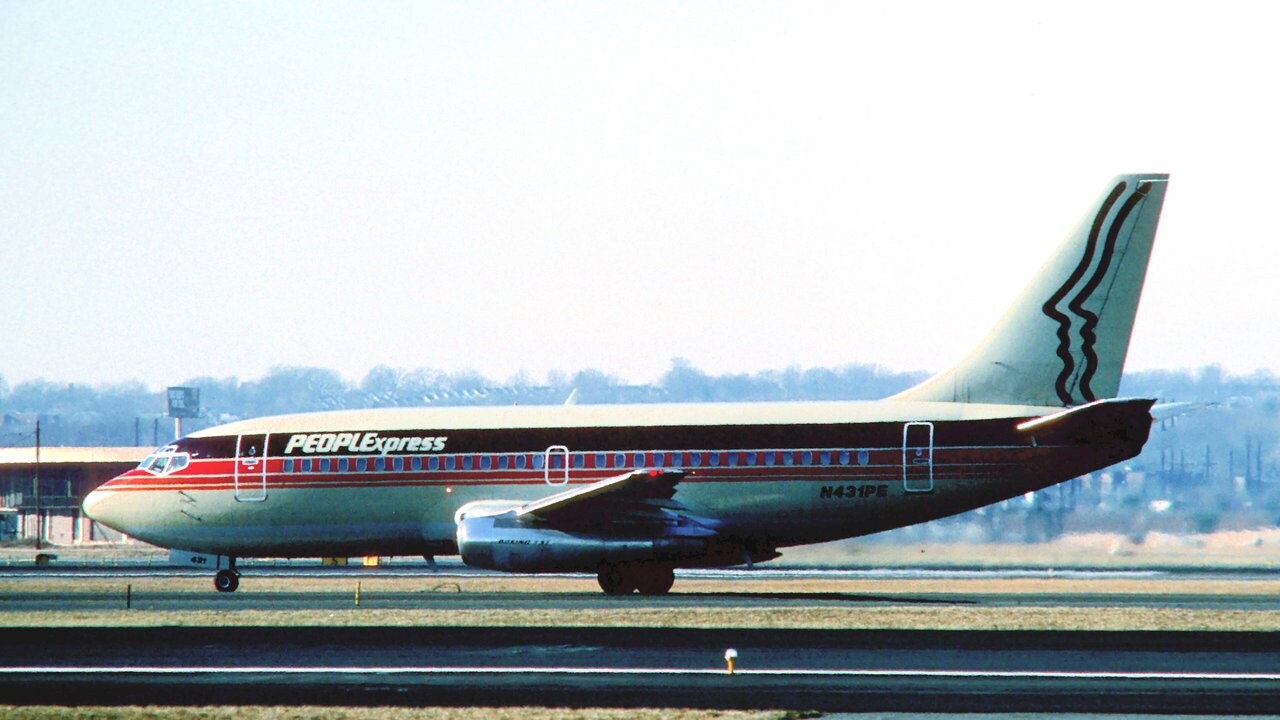
1987: People Express
People Express had a brief but memorable life before Continental acquired it in 1987. The purchase ended the carrier’s independent identity and removed its distinctive name from airport signs. Photographs of its Boeing 737s, marked by a spare white-and-brown design, capture an airline closely associated with the 1980s.
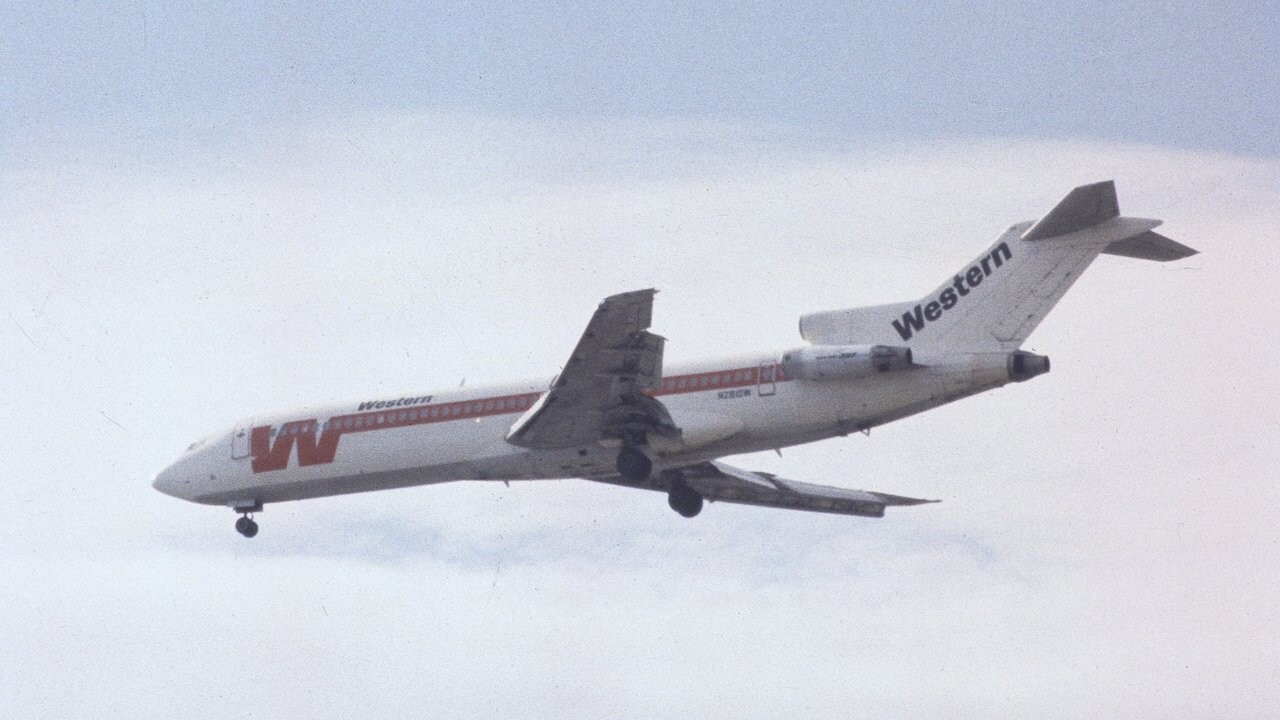
1987: Western Airlines
Western Airlines had served travelers for decades before merging with Delta in 1987. The combination ended Western’s independent identity and removed its well-known name from the sky. Period images of its Boeing 727s and other aircraft remain vivid reminders of an airline once commonly seen at western airports.
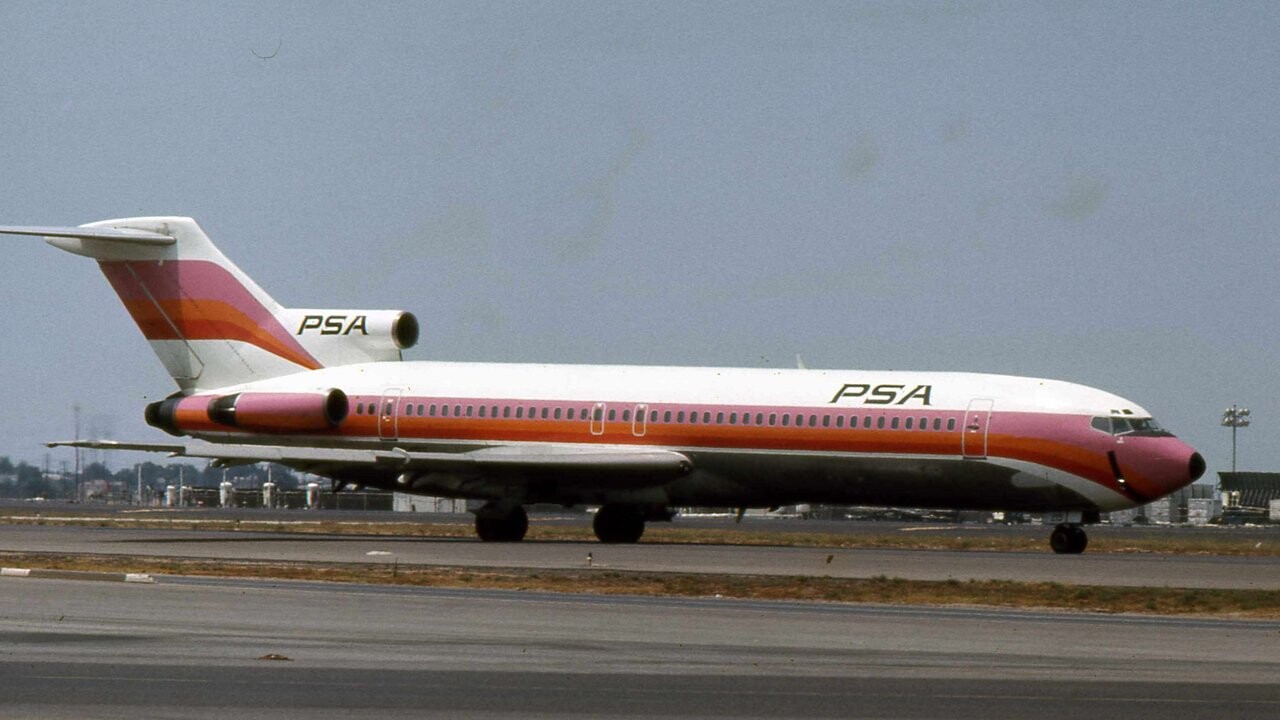
1988: Pacific Southwest Airlines
Pacific Southwest Airlines, widely known as PSA, gave its aircraft a memorable appearance by painting a smile beneath the nose. Its independent story ended through a merger with US Airways in 1988. Photographs of PSA’s Boeing 727s preserve one of the friendliest and most recognizable liveries in American airline history.
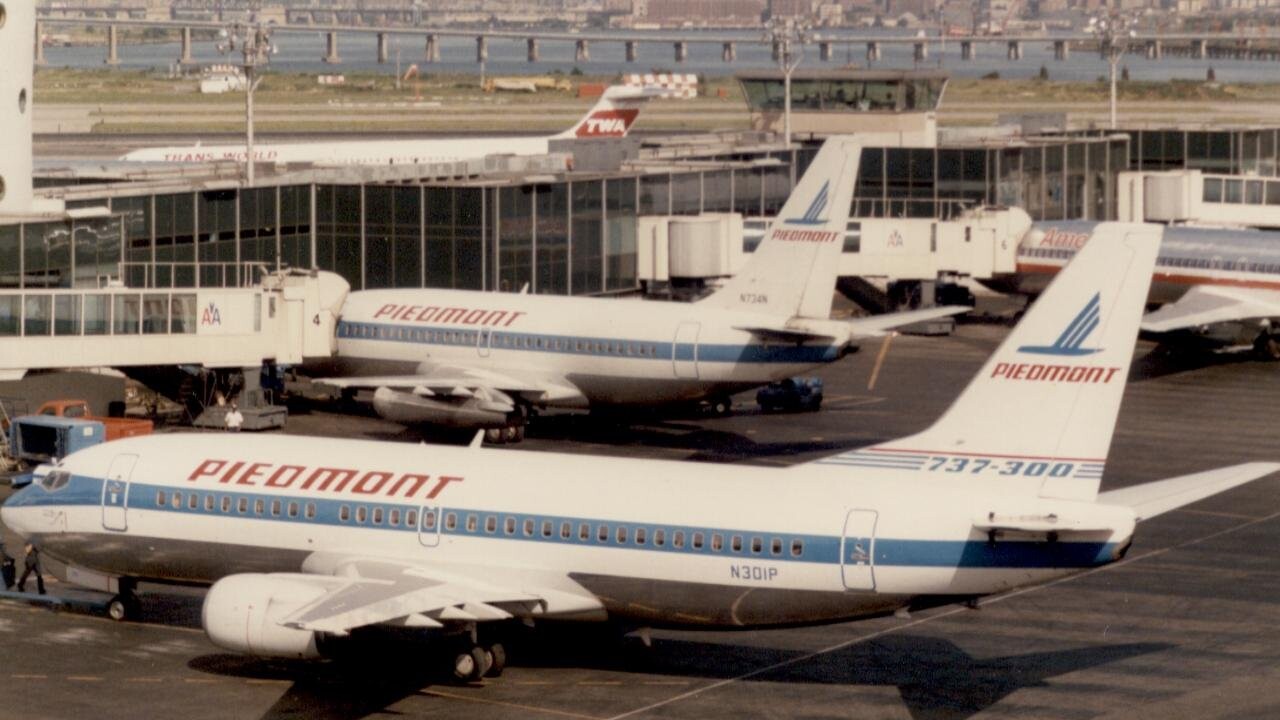
1989: Piedmont Airlines
Piedmont Airlines ended its run as an independent mainline carrier when it became part of USAir in 1989. Its blue-and-white aircraft had been a familiar sight at many airports. A 1985 photograph of a Piedmont Boeing 737 at LaGuardia captures the airline only a few years before the change.
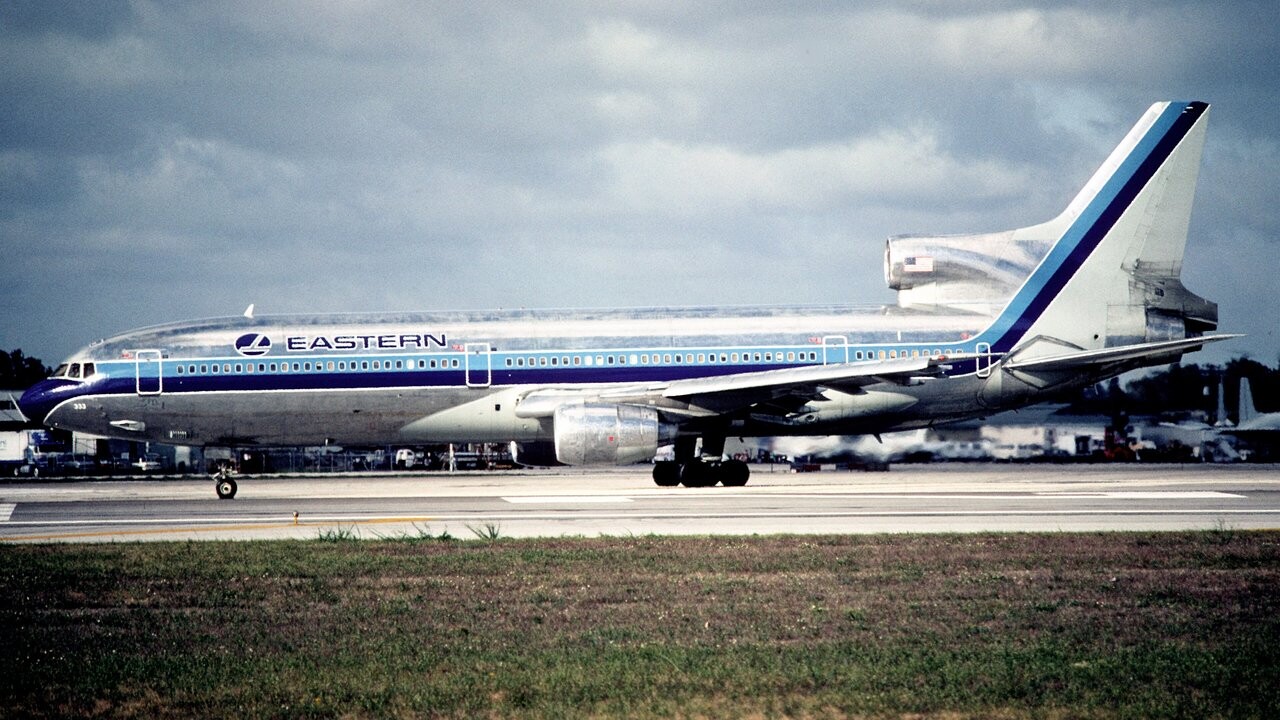
1991: Eastern Air Lines
Eastern Air Lines ceased operations on January 18, 1991, removing an especially familiar name from American aviation. Its aircraft had appeared at airports across the country for decades. Photographs of Eastern jets, including its Lockheed L-1011 TriStars, now document the scale and distinctive appearance of the vanished carrier.
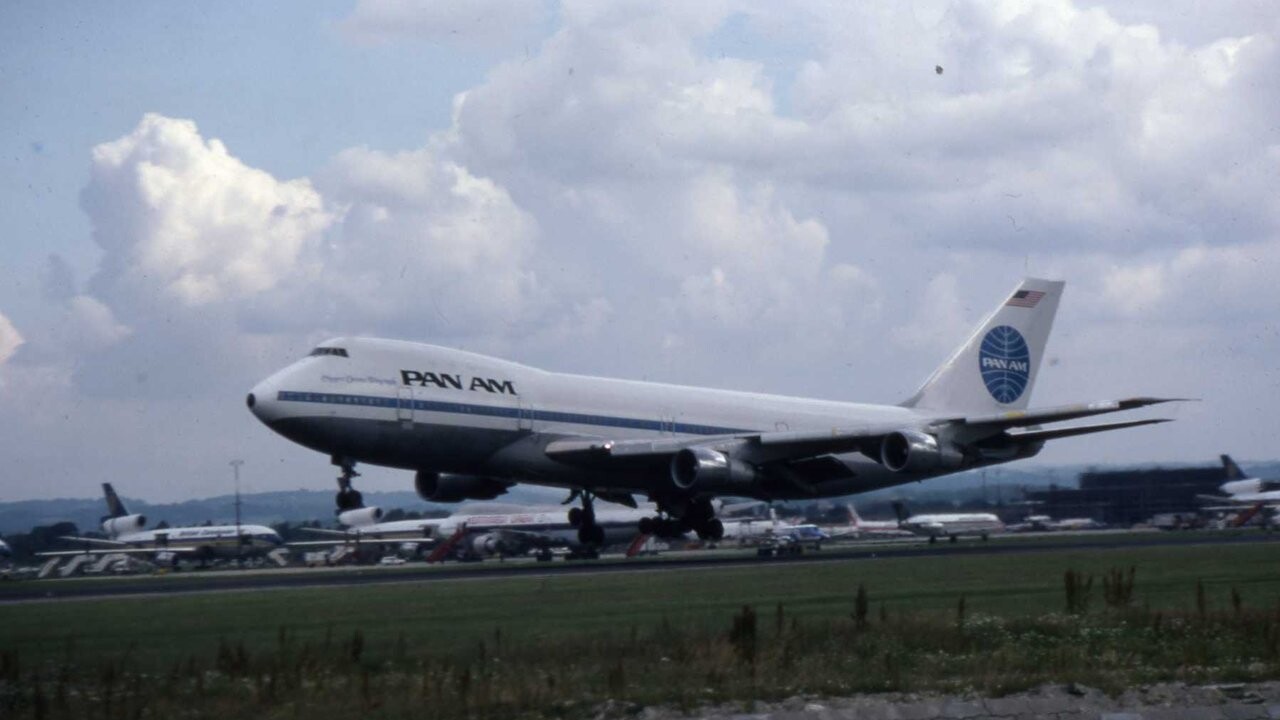
1991: Pan American World Airways
Pan Am struggled after deregulation, sold important assets, and ultimately ended operations in December 1991. Few vanished airline names remain as recognizable as its blue globe. Photographs of Pan Am aircraft recall a carrier that helped define American international aviation before financial pressure brought its long history to a close.
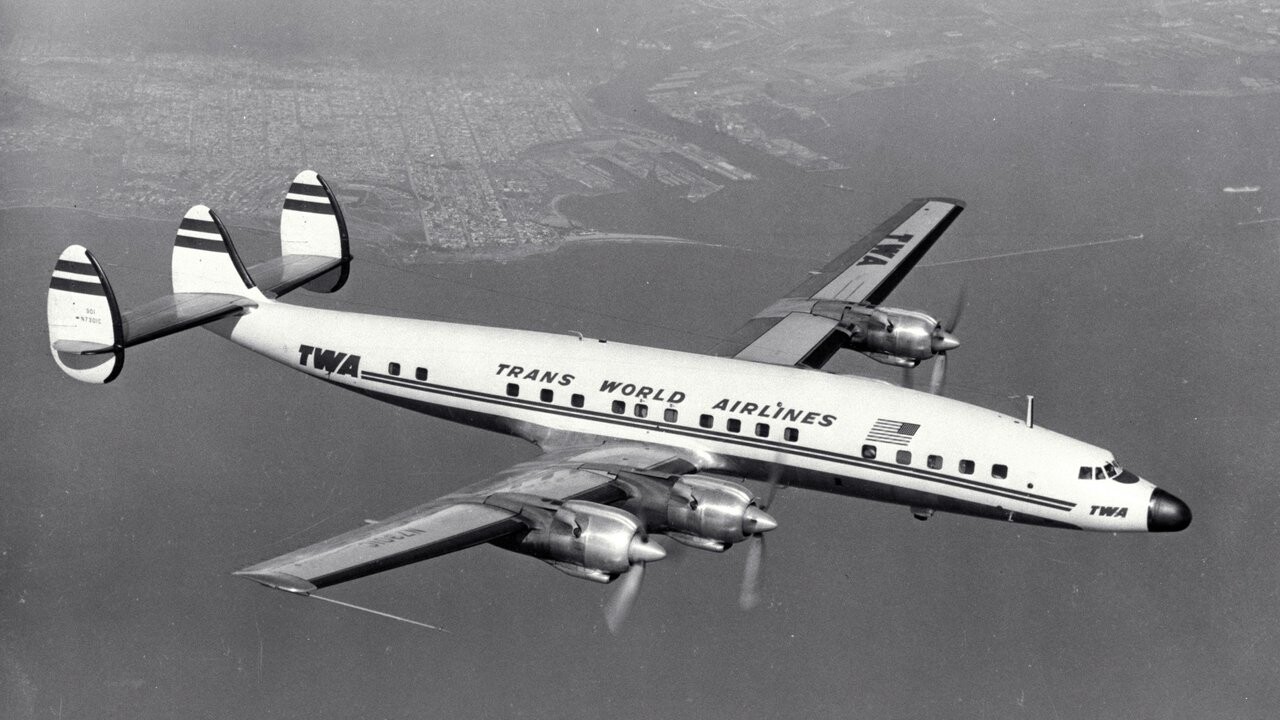
2001: Trans World Airlines
TWA’s long run ended during bankruptcy in 2001, when American Airlines acquired it. The transaction removed another globally recognized name from the sky. Its red-and-white aircraft still evoke an era when TWA and Pan Am were two of the most visible American airline brands around the world.
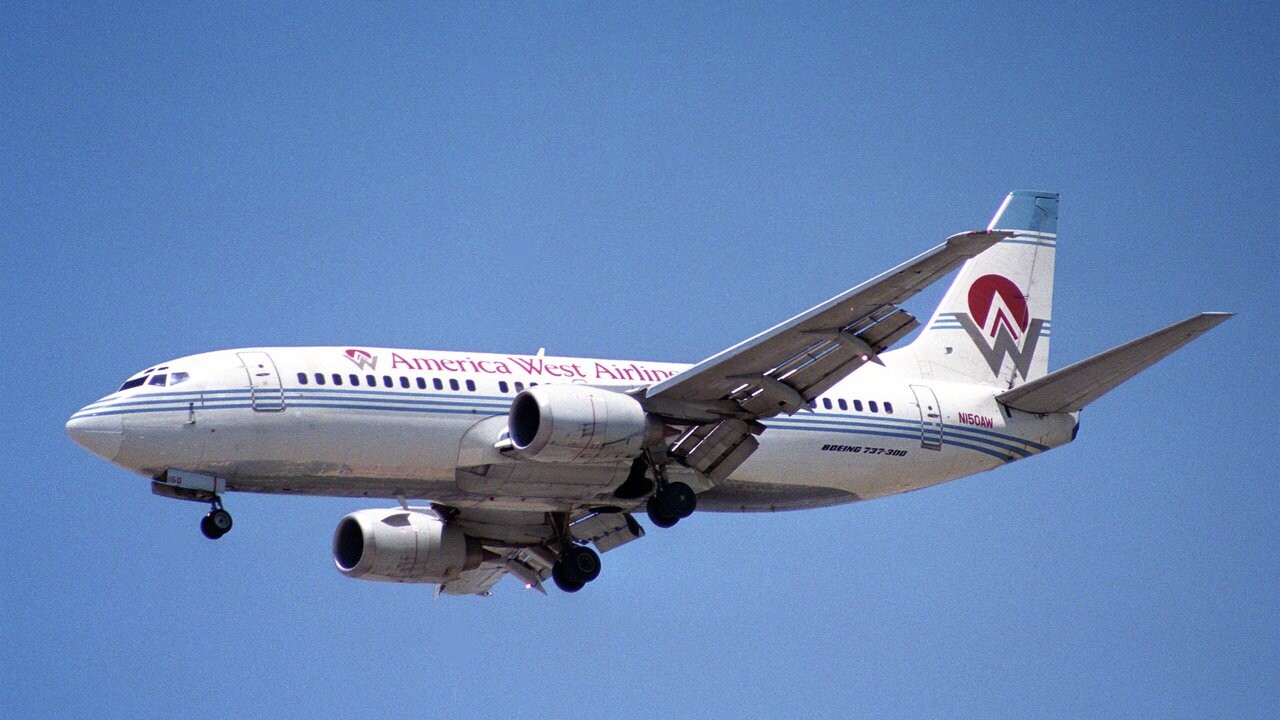
2005: America West Airlines
America West Airlines lost its separate identity after merging with US Airways on September 27, 2005. Photographs of its Boeing 737s and other jets preserve the bold color schemes carried by the airline before the merger and recall a name once seen throughout the western United States.
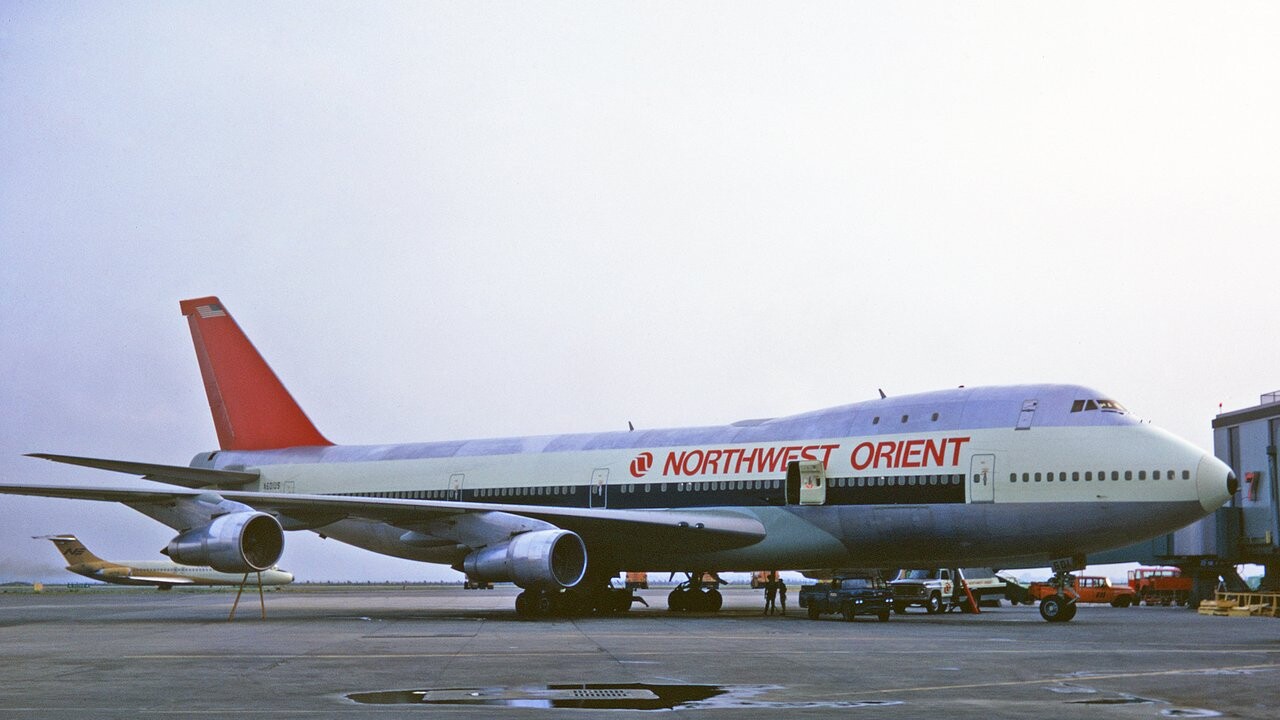
2009: Northwest Airlines, Once Northwest Orient
Northwest Airlines became part of Delta, then ceased to exist as a separate legal entity on December 31, 2009, when it merged into Delta. Earlier photographs show aircraft carrying the Northwest Orient name, including large Boeing 747s that made the carrier’s red-tailed design especially striking.
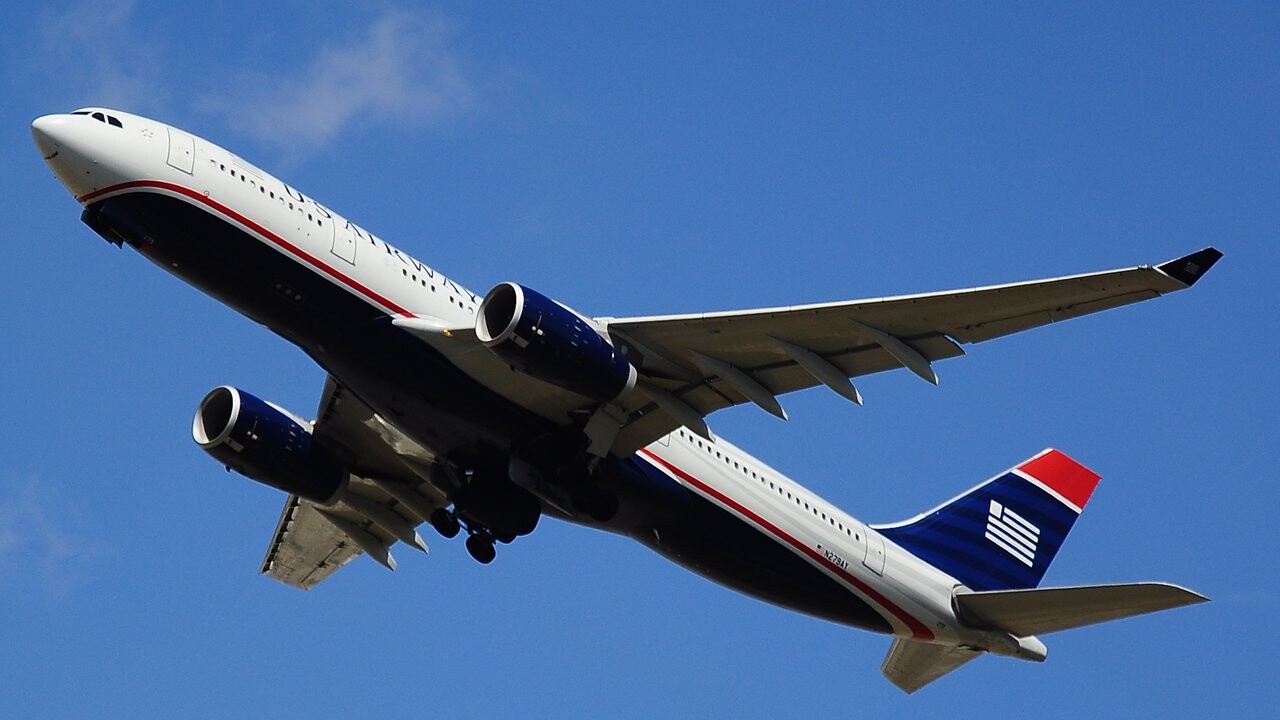
2015: US Airways
The US Airways name and website were retired on October 17, 2015. The change closed a corporate lineage that had included the Allegheny, PSA, Piedmont, and America West names. Photographs of US Airways aircraft capture the final identity in that long sequence of mergers and rebranding.
Each photograph preserves a small part of aviation history, from colorful liveries to names once displayed across American airports. Which of these airlines do you remember best?
Follow The HyperHive on MSN for more stories like this.
Sources:






