Hobbies From the 1950s and ’60s That Have Almost Disappeared

Henk Lindeboom/ Anefo / Wikimedia Commons, CC0 (cropped)
Midcentury leisure often required patience, practice, and a little room at the kitchen table. Some of these hobbies survive, but their familiar rituals, equipment, and neighborhood clubs have become much harder to find.
The slides move from tabletop collections and crafts to workshop projects, club nights, and analog ways of connecting. The details come from museum objects, government archives, preservation guidance, and hobby organizations.
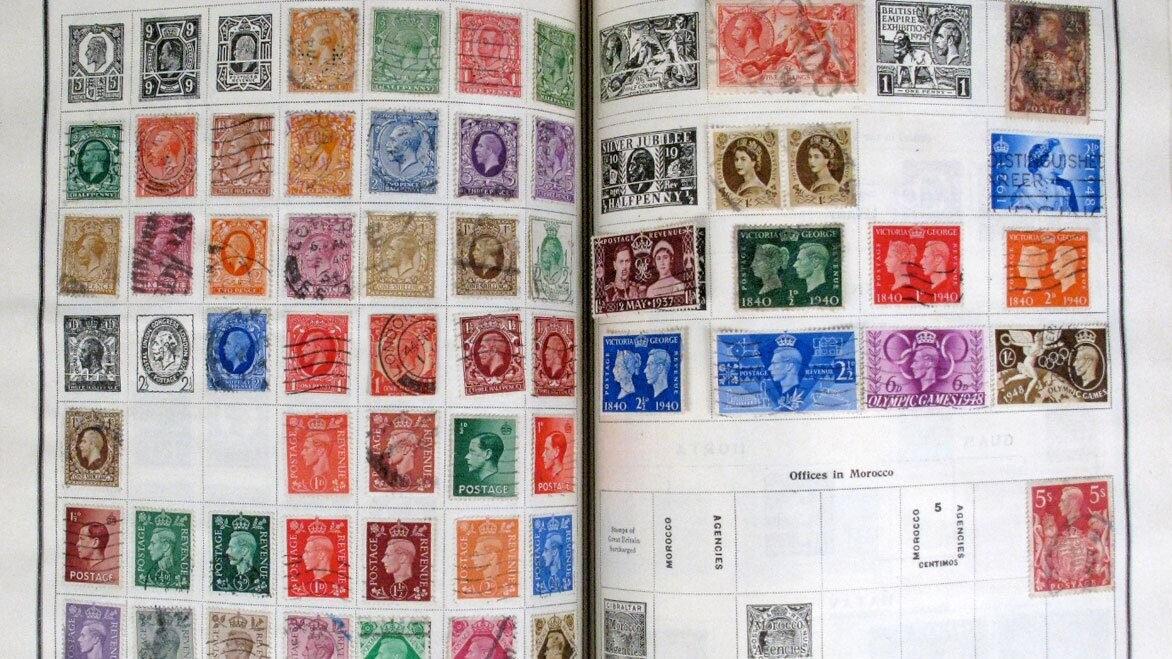
Stamp Albums
Stamp albums made ordinary mail feel like a window onto the world. Collectors corresponded, exchanged duplicates, and used albums to organize and classify their finds. The appeal mixed discovery with the satisfaction of filling printed spaces. That once-familiar album ritual has become much less visible in everyday life.
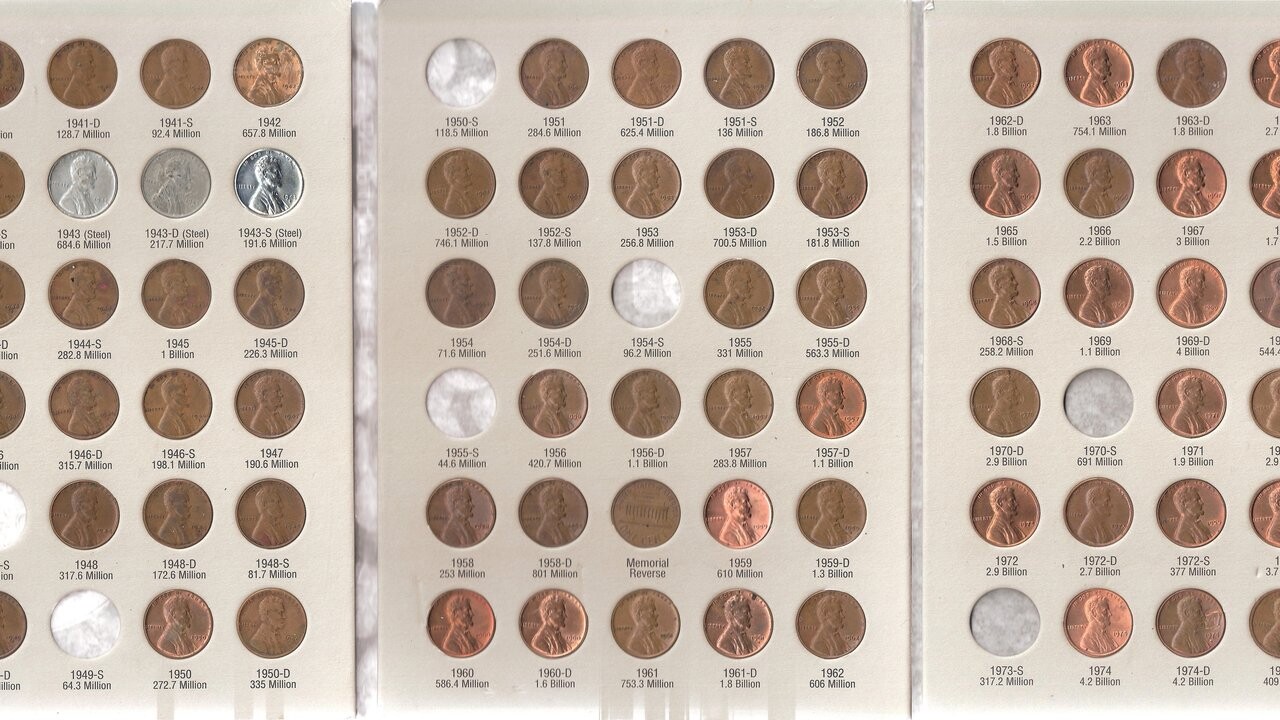
Coin Collecting From Pocket Change
Coin collecting rewarded patience and a sharp eye. Hobbyists examined change, compared designs, and gradually filled folders. Coin and stamp collecting were both described as very popular during the midcentury decades. Dedicated collectors remain, but the shared habit of checking every handful of change feels far less common.
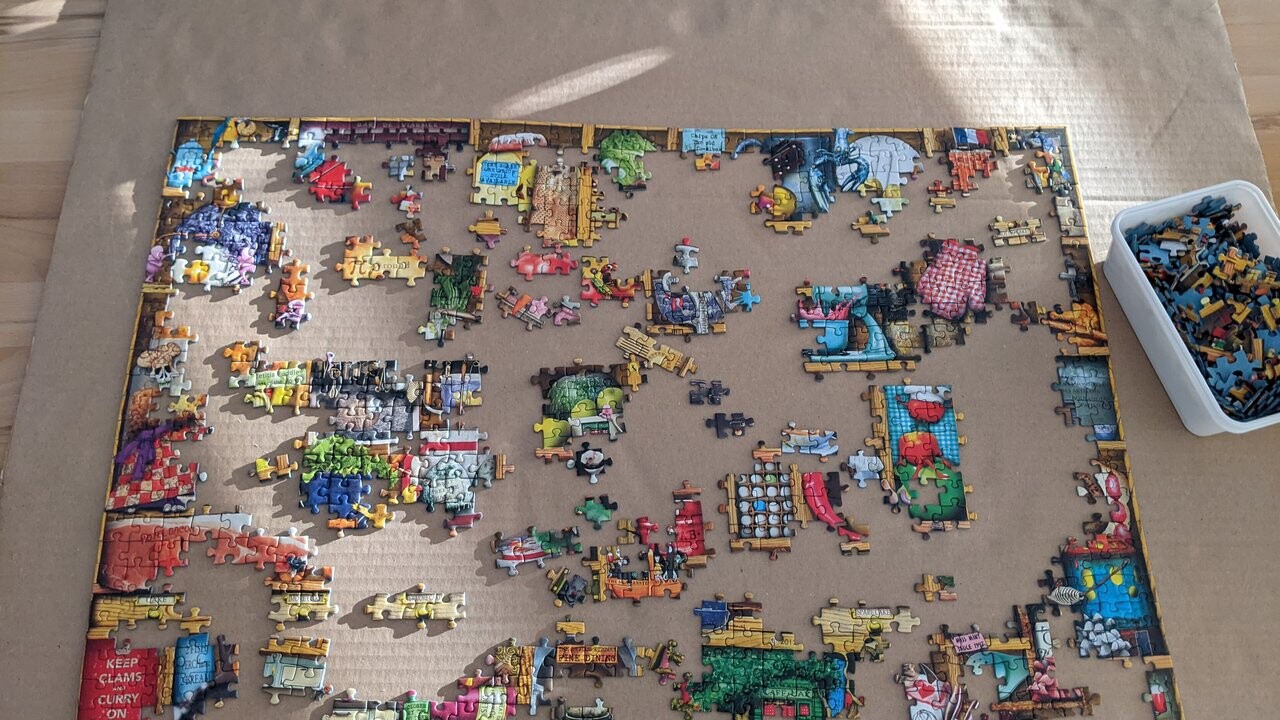
Jigsaw Puzzle Nights
Jigsaw puzzles had already enjoyed a remarkable run as affordable home entertainment. Their craze faded during the 1950s as television claimed more evenings in the living room. Puzzles never vanished, and they still return during quiet weekends, but the standing card table devoted to a family puzzle became an increasingly nostalgic sight.
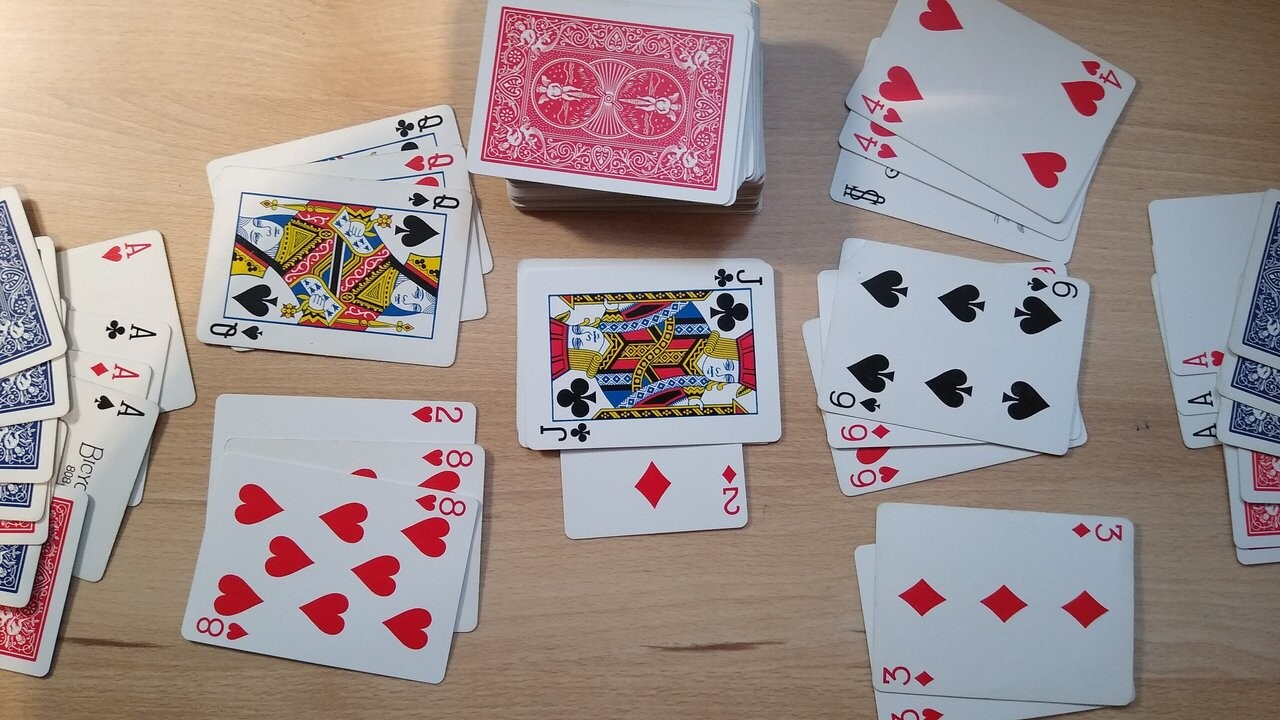
Canasta Around the Kitchen Table
Canasta swept through the country during the 1940s and remained enthusiastically played in the 1950s. A deck, a table, and willing partners supplied an evening of strategy and conversation. The game still has loyal players, yet regular canasta nights no longer occupy the place they once held on household social calendars.
The Weekly Bridge Club
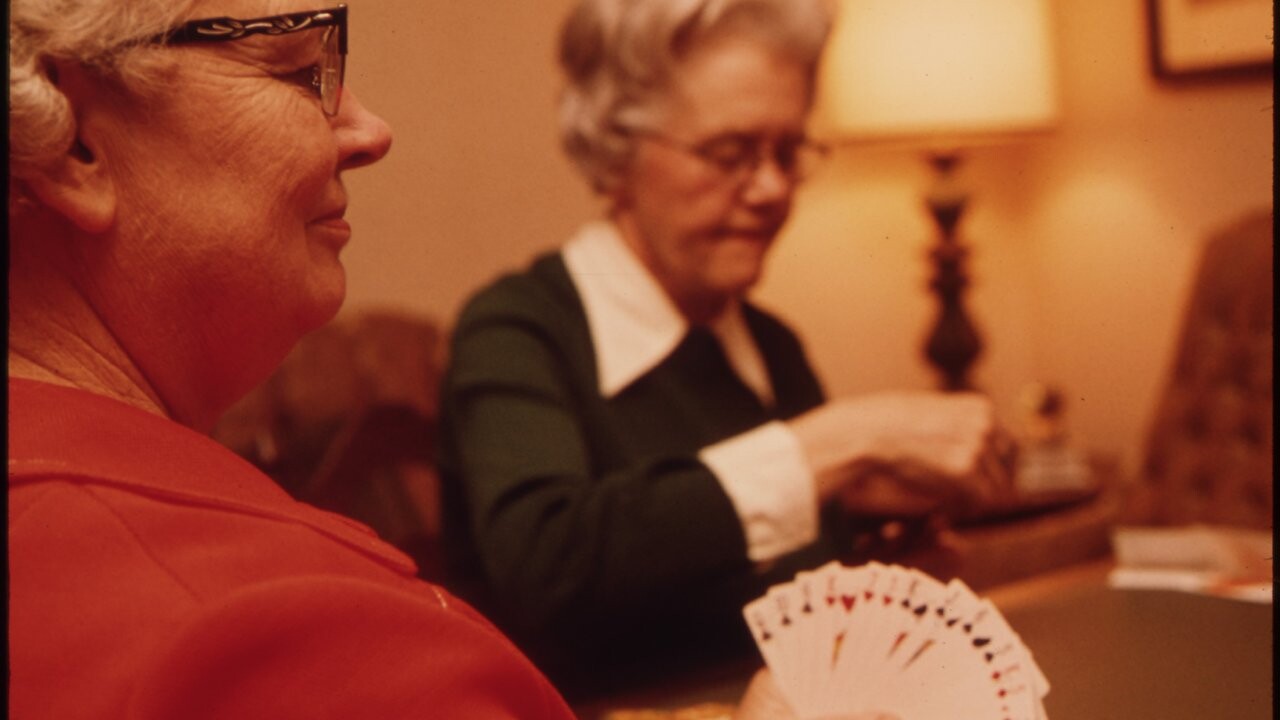
Bridge clubs transformed a card game into a dependable social appointment. Partners learned bidding systems, hosted rotating gatherings, and built friendships around the table. Organized bridge had become international enough to establish a global federation in 1958. Local clubs continue, but the weekly neighborhood foursome is no longer a routine part of life for most households.
Paint-by-Number Pictures
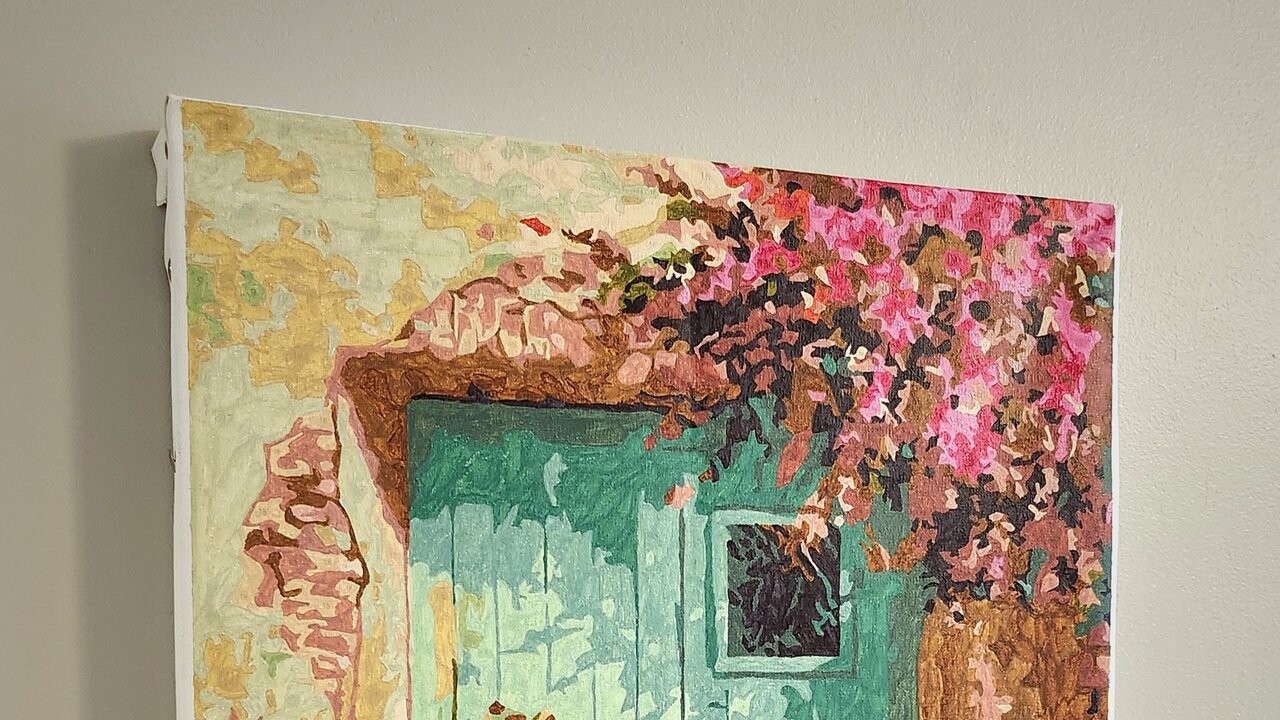
Paint-by-number kits invited people who had never considered themselves artists to complete a recognizable picture. Numbered areas and premixed colors made the process approachable, while the finished landscape or animal scene could be displayed at home. The kits still exist, but their role as a widespread adult pastime belongs strongly to the midcentury era.
Knitting Circles
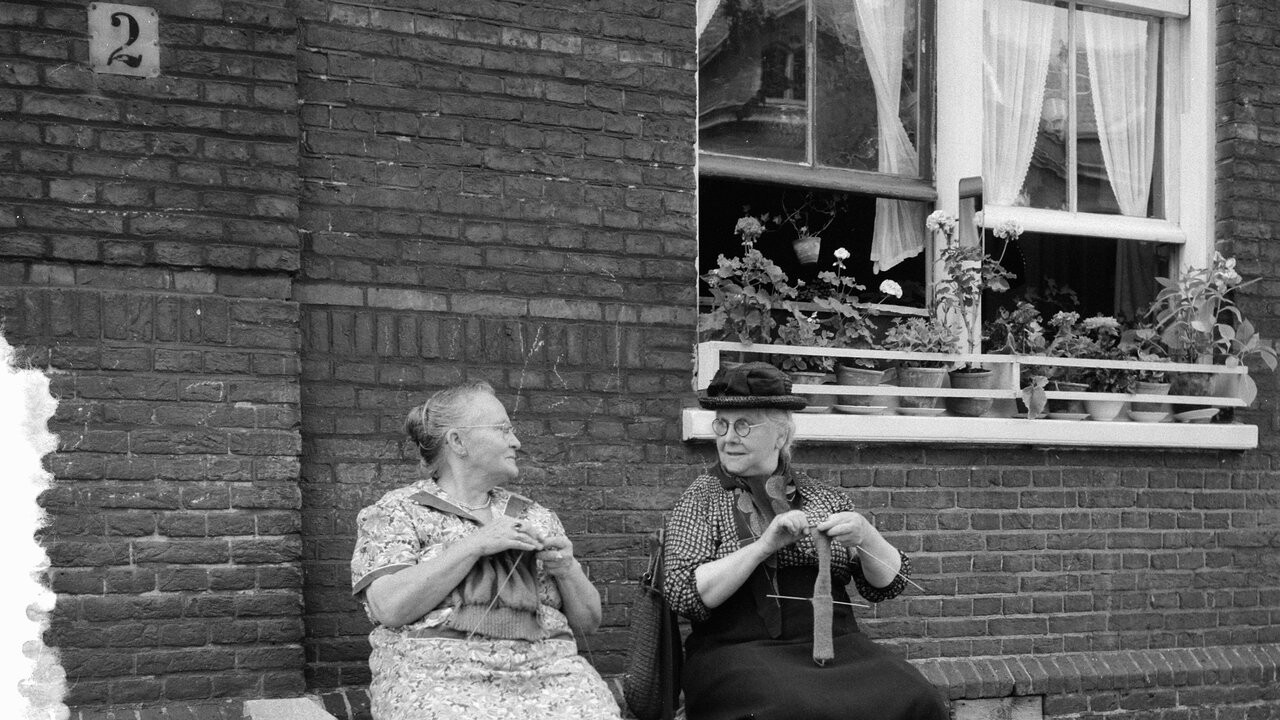
Knitting combined useful work with conversation. The popularity of sweaters boomed during the 1950s in both home-knitted and factory-made forms, helped by new yarns and colors. Group knitting survives, but producing everyday family clothing by hand lost ground as inexpensive machine-made knitwear offered more variety and convenience.
Home Ceramics
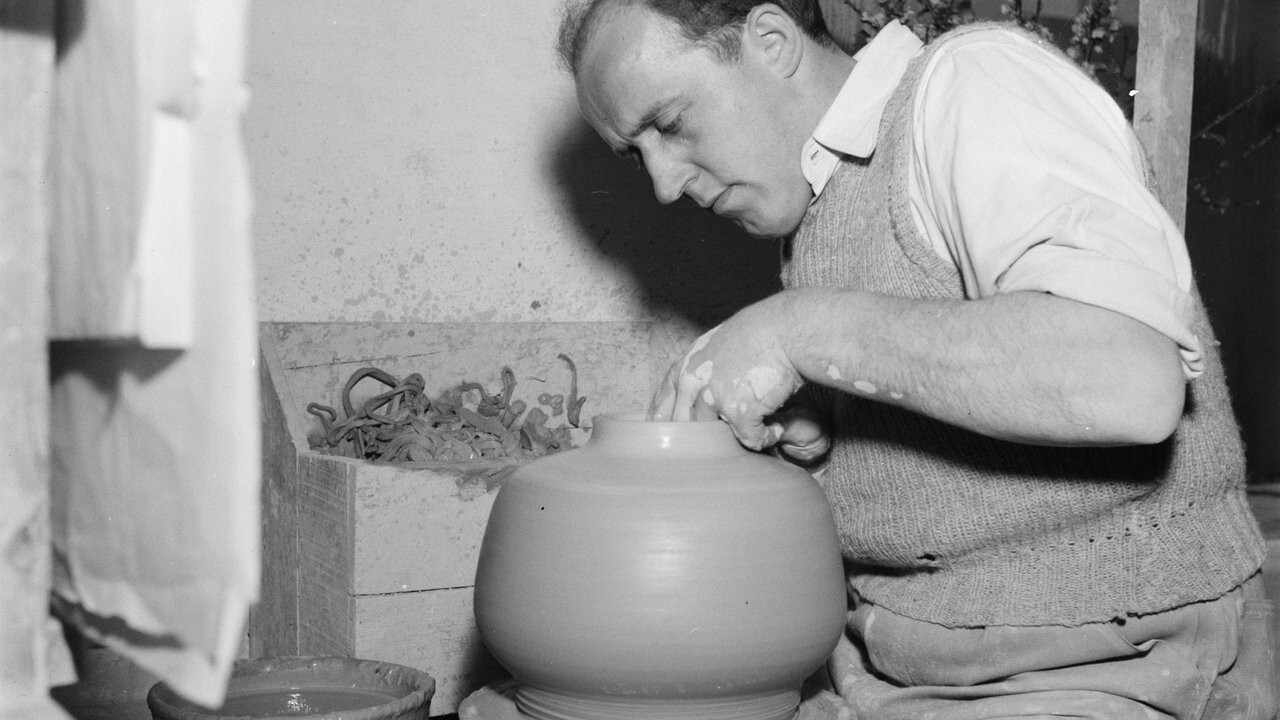
Ceramics offered adults a satisfying path from damp clay to a glazed household object. A regional hobby show in 1952 presented ceramics and painting as a new interest attracting women, alongside many other crafts. Community studios remain, but the home kiln, mold collection, and shelf of hand-painted ceramic pieces are much rarer sights.
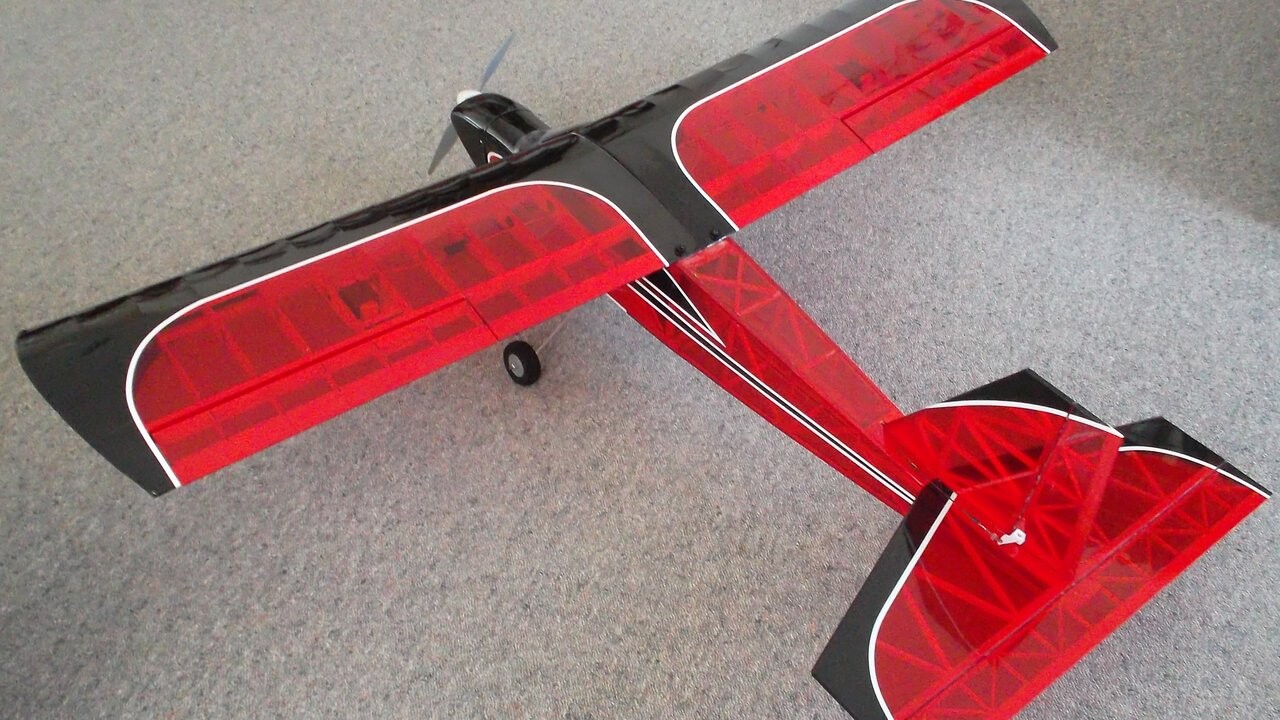
Building Model Airplanes
Model-airplane building demanded careful cutting, fitting, sanding, and finishing. Period manuals taught hobbyists how to construct and fly scale aircraft, turning the workbench into a miniature hangar. Ready-to-fly models now dominate the casual end of the pastime, while building a plane piece by piece has become a more specialized pursuit.
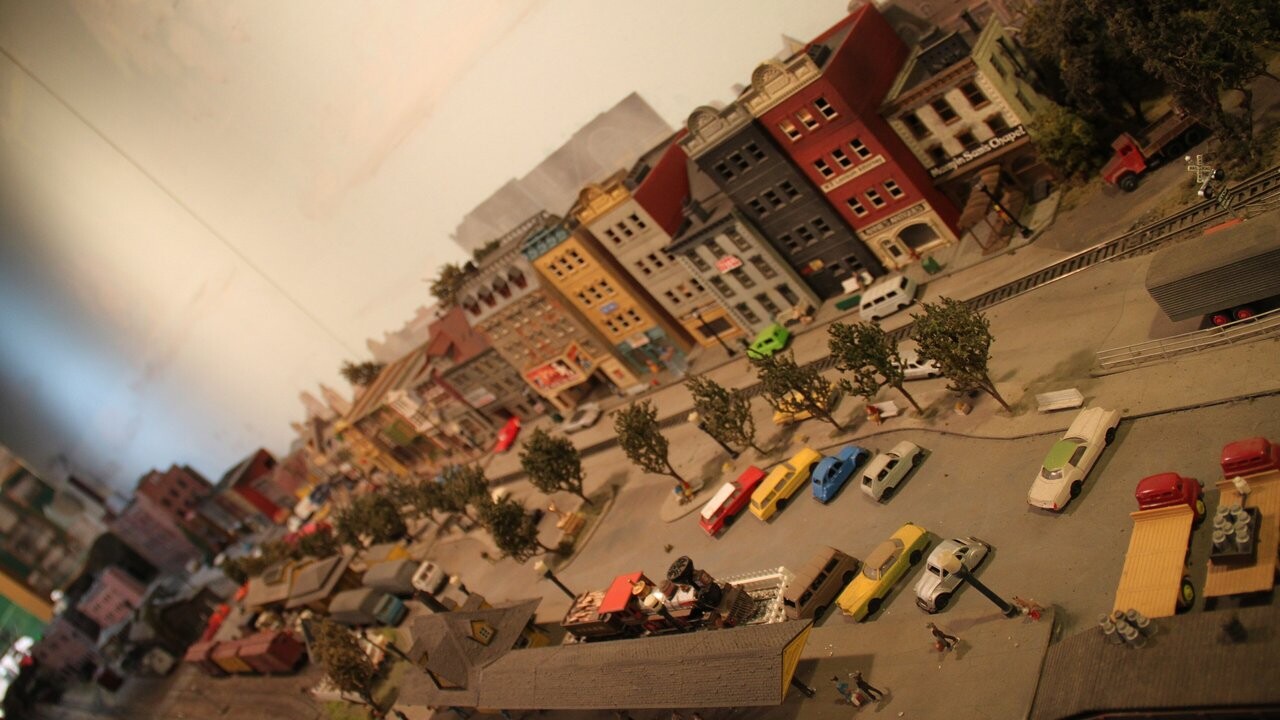
Basement Model Railroads
Model railroads could occupy a basement for years as builders added track, scenery, stations, wiring, and carefully chosen rolling stock. Museum historians note that midcentury model-train making inspired everyday inventors and drew builders to exhibitions. The hobby continues, but large permanent home layouts require space and time that fewer households can spare.
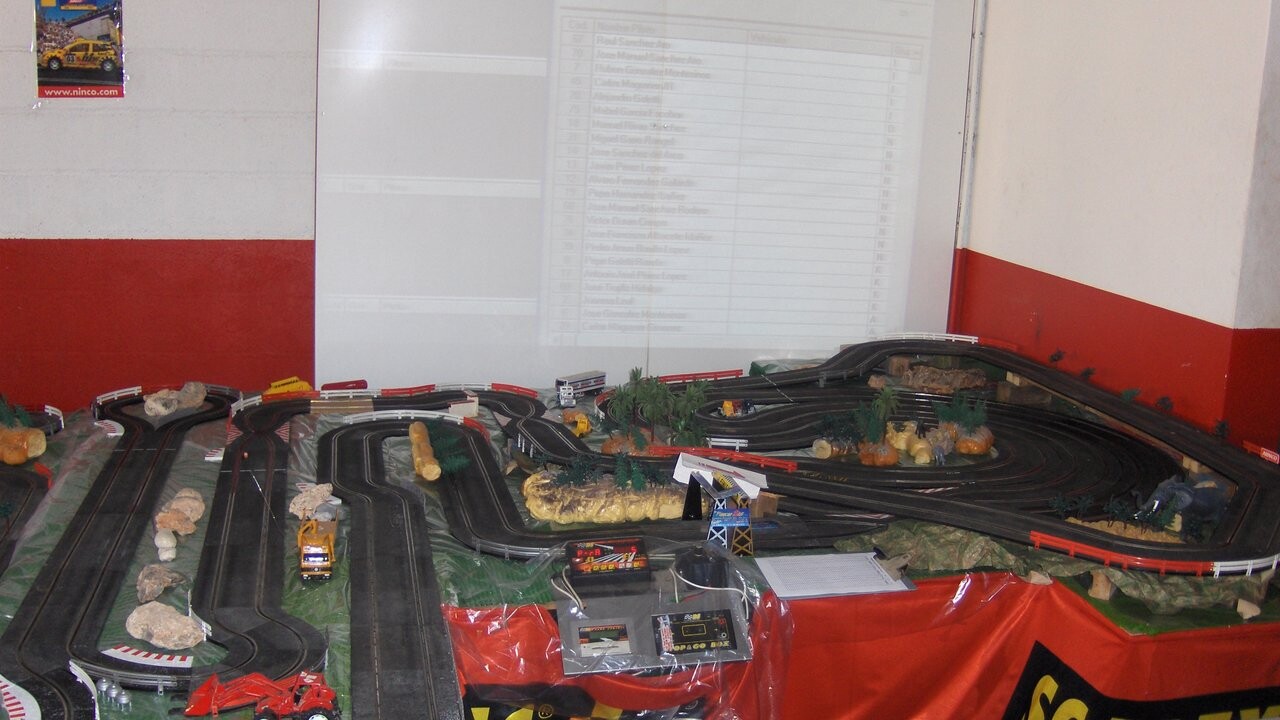
Slot-Car Racing
Slot cars brought the excitement of auto racing onto a tabletop track. Drivers controlled miniature electric cars through curves while trying not to leave the slot. The hobby was popular by the early 1960s, and commercial raceways briefly offered larger tracks. Home sets remain available, but the neighborhood slot-car scene has largely receded.
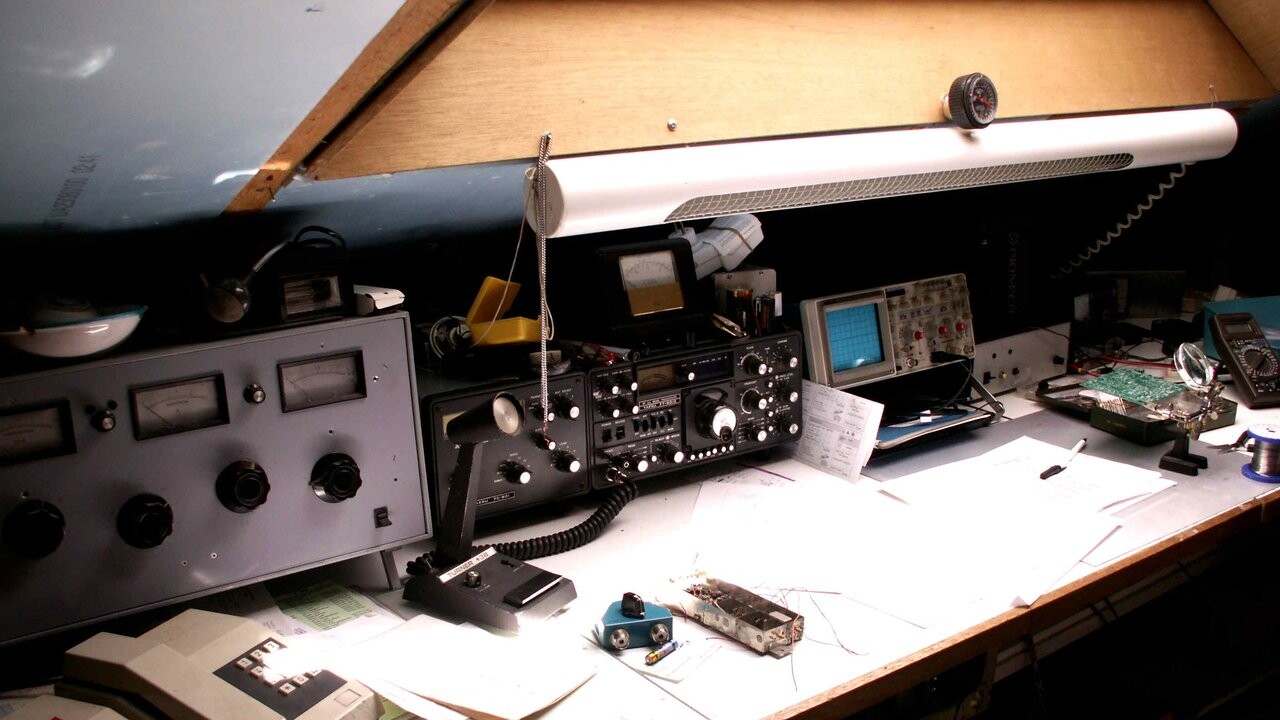
Ham Radio From a Home Station
Ham radio asked more of its users than casual conversation. Operators needed licenses and learned to use communications equipment, often assembling an impressive home station of receivers, transmitters, dials, and antennas. The hobby still serves experimenters and emergency communicators, but the glowing, radio-filled spare room is no longer a common household dream.
Bowling Leagues
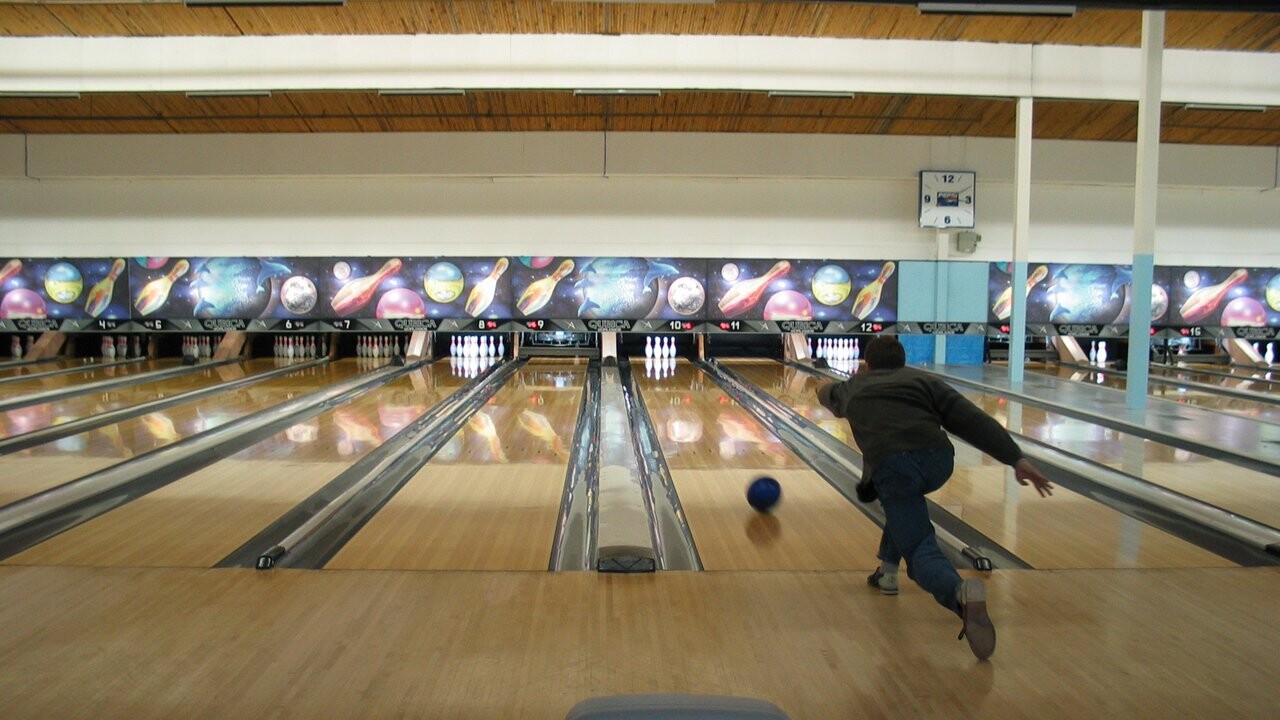
Bowling leagues once filled weeknights with team shirts, handwritten scores, and friendly rivalries. In 1961, sanctioned leagues included 6.5 million bowlers, or one out of every 17 American adults. Recreational bowling remains familiar, but long-running workplace, church, and neighborhood leagues no longer command the broad participation they enjoyed during the boom.
Neighborhood Roller Rinks
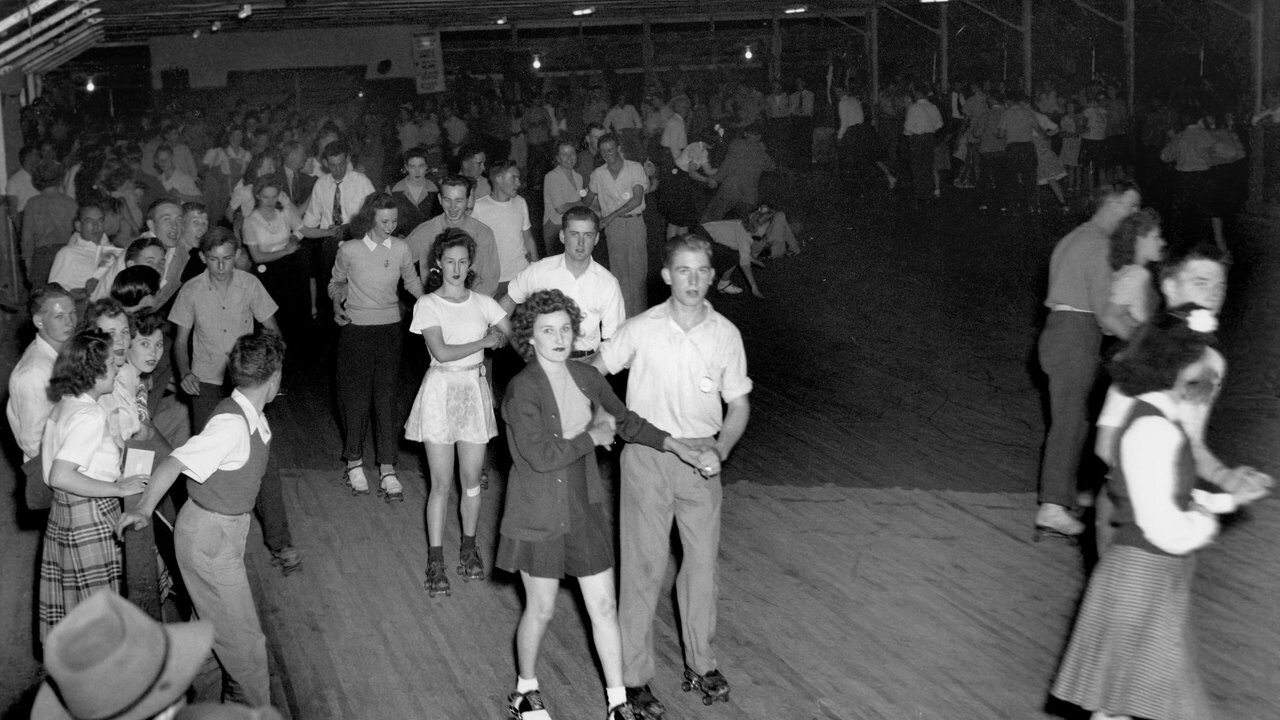
Roller rinks offered music, motion, and an easy place to meet friends. The baby boom generation made roller skating a popular suburban pastime during the 1950s. Skating later found new waves of enthusiasm, yet many traditional rinks disappeared. Their polished wooden floors, rental counters, and regular-skater communities survive in far fewer towns.
International Pen Pals
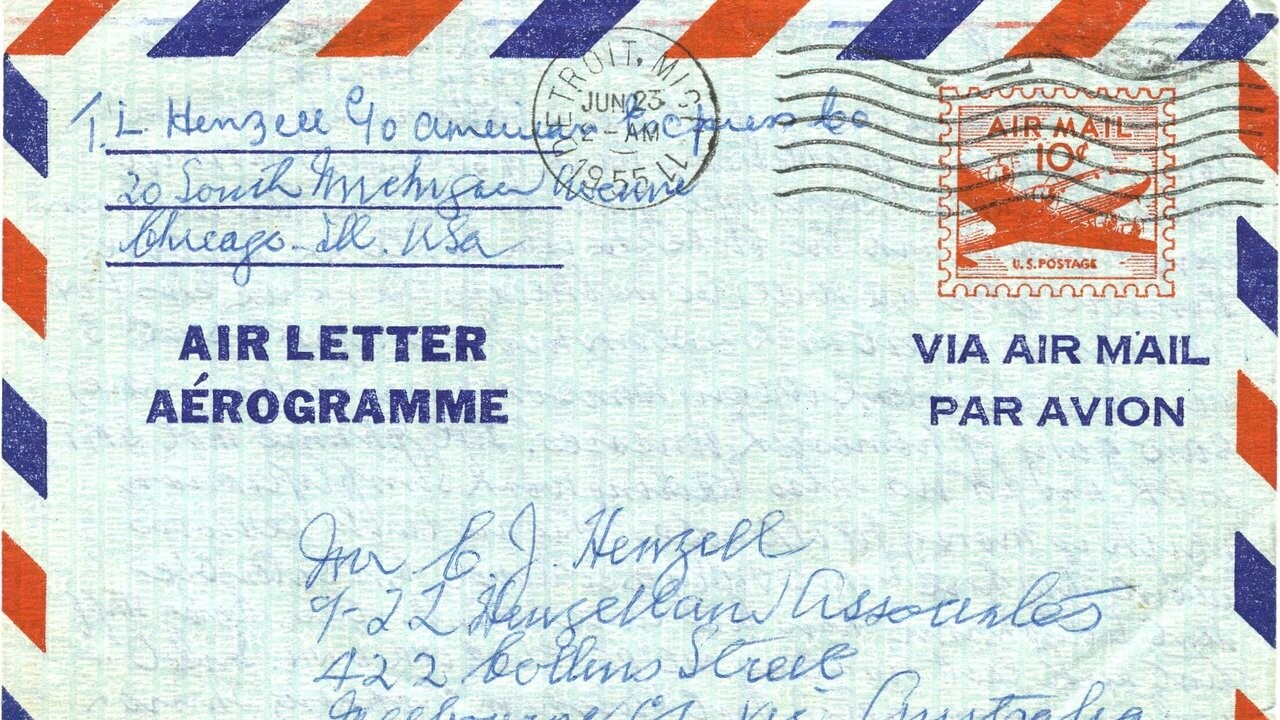
Pen-pal friendships made the mailbox a source of suspense. A Smithsonian archive records that Joseph Cornell began answering advertisements requesting pen pals around 1947. Each reply required paper, postage, and patience. Online messaging made distant conversation immediate, leaving the long handwritten exchange as a cherished but uncommon practice.
Birding by Field Guide and Telephone
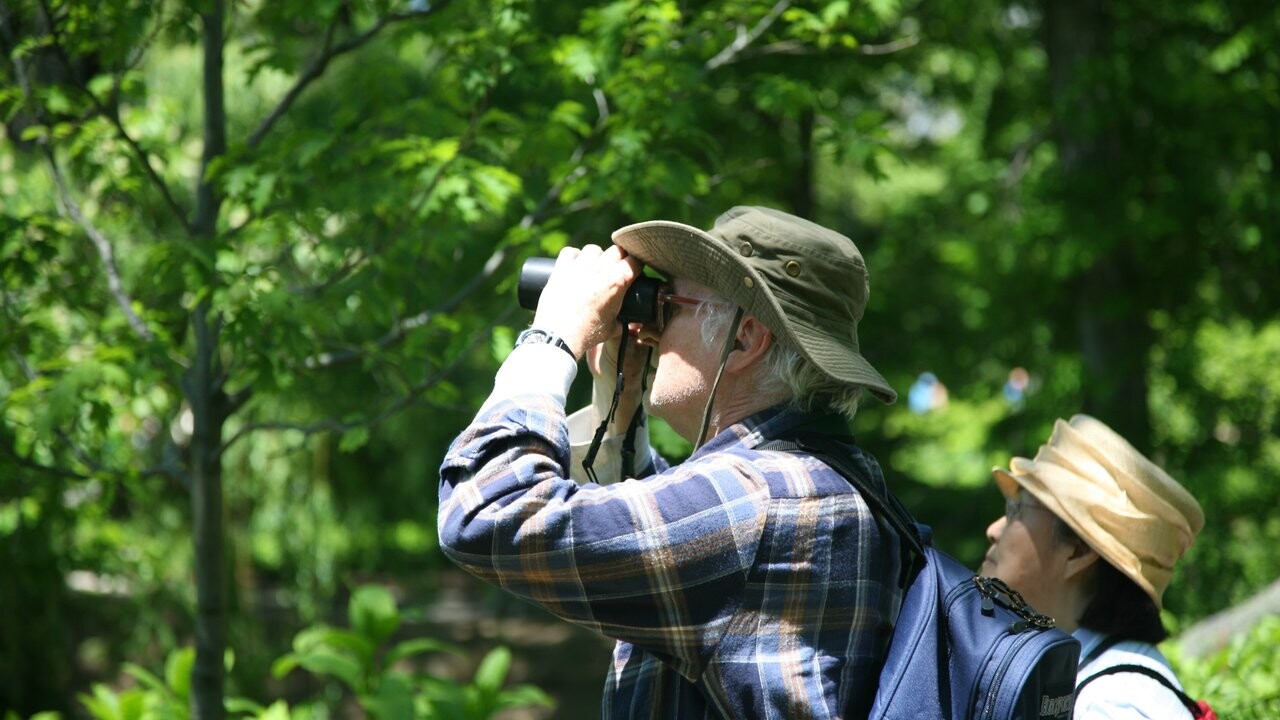
Birdwatching itself remains lively, but its old information network has nearly disappeared. The first birding-by-phone service appeared in the 1950s, and recorded rare-bird alerts later spread widely. Paper field guides, telephone trees, and weekly recordings eventually gave way to searchable websites, mobile alerts, and instantly shared sightings.
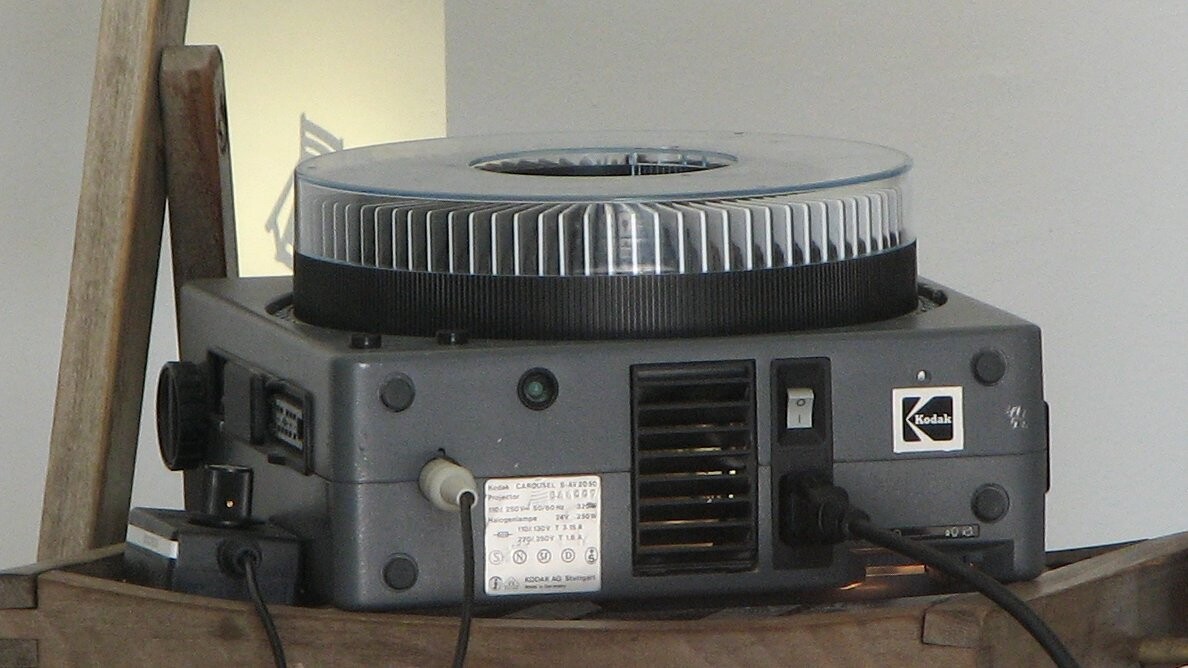
Living-Room Slide Shows
A slide show turned vacation photographs into a scheduled family event. The room darkened, the projector warmed up, and each image appeared large on the wall or screen. Slides and their projectors are now obsolete formats that are no longer manufactured, leaving boxes of mounted transparencies that many families cannot easily view.
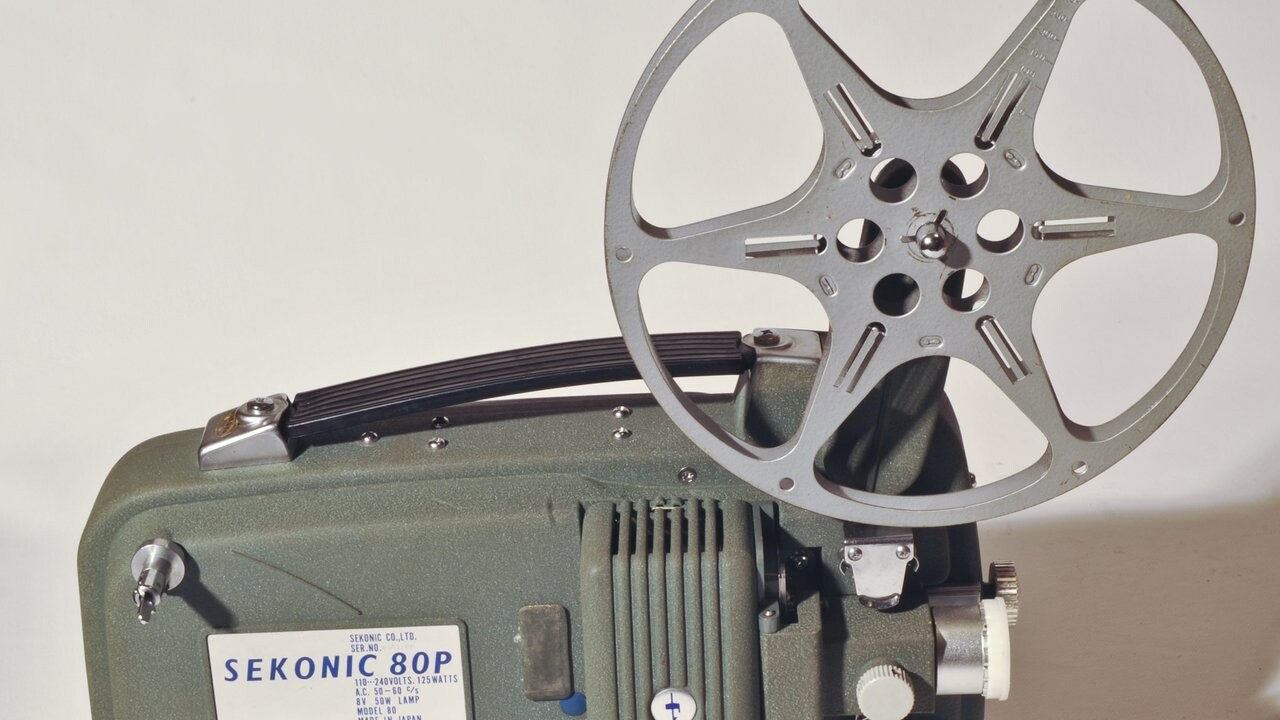
Home Movies on 8mm Film
Home movies required a camera, film, processing, a projector, and a willing audience. Most family movies filmed from the 1930s through the 1970s used 8mm, preserving birthdays, trips, and ordinary afternoons in flickering sequences. Phones made recording effortless, but the careful ritual of shooting, threading, and projecting film has nearly vanished.
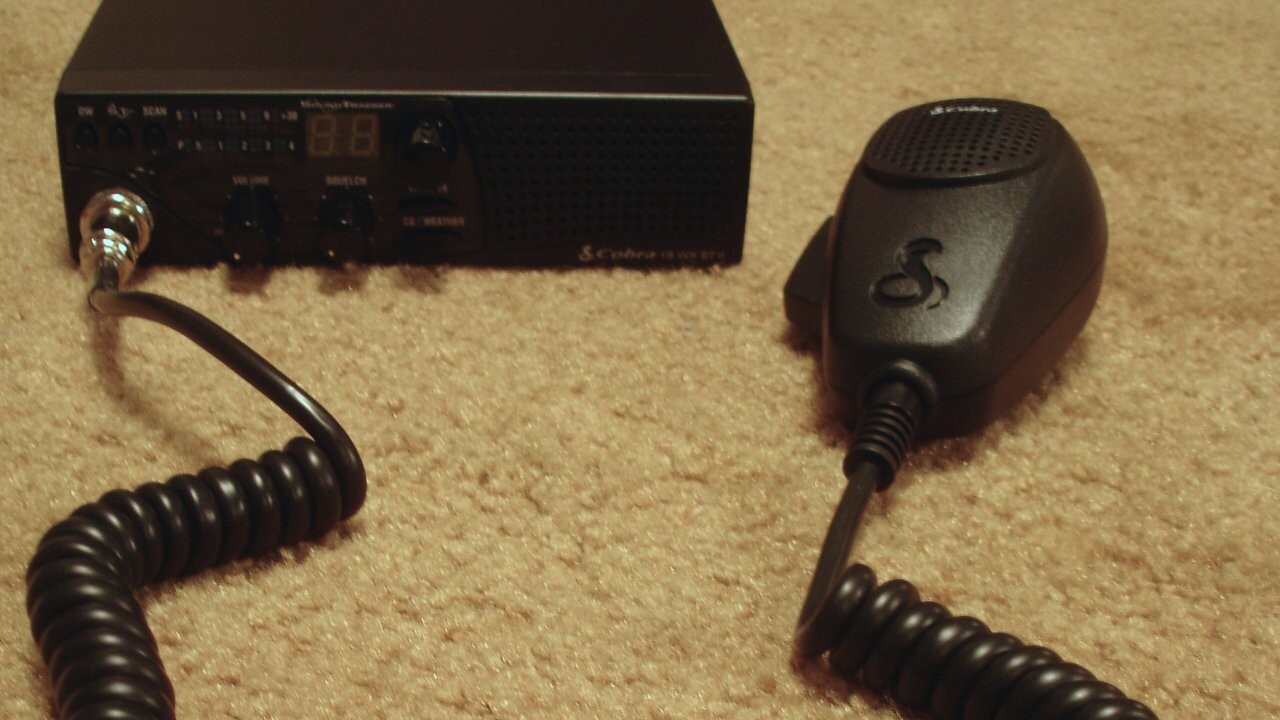
Early Citizens Band Radio
Citizens Band radio was a late arrival to this midcentury lineup, but it grew astonishingly fast. Federal authorizations rose from slightly more than 49,000 stations in 1959 to more than 126,000 by the end of fiscal 1960. The short-range chatter anticipated its later boom, though home base stations are now unusual.
These hobbies made leisure tactile, social, and unhurried. Which one do you remember best?
Follow The HyperHive on MSN for more stories like this.
Sources:






