Houdini and the Great Magicians: What the Record Confirms

Lasky Corporation. / Wikimedia Commons, Public domain (cropped)
Harry Houdini remains the name most closely associated with impossible escapes, but his career belonged to a much larger world of touring illusionists, daring performers, and theatrical rivals.
After an opening portrait, the slides move chronologically. The record comes chiefly from the Library of Congress, the New York Public Library, historic newspapers, and museum collections devoted to stage magic.
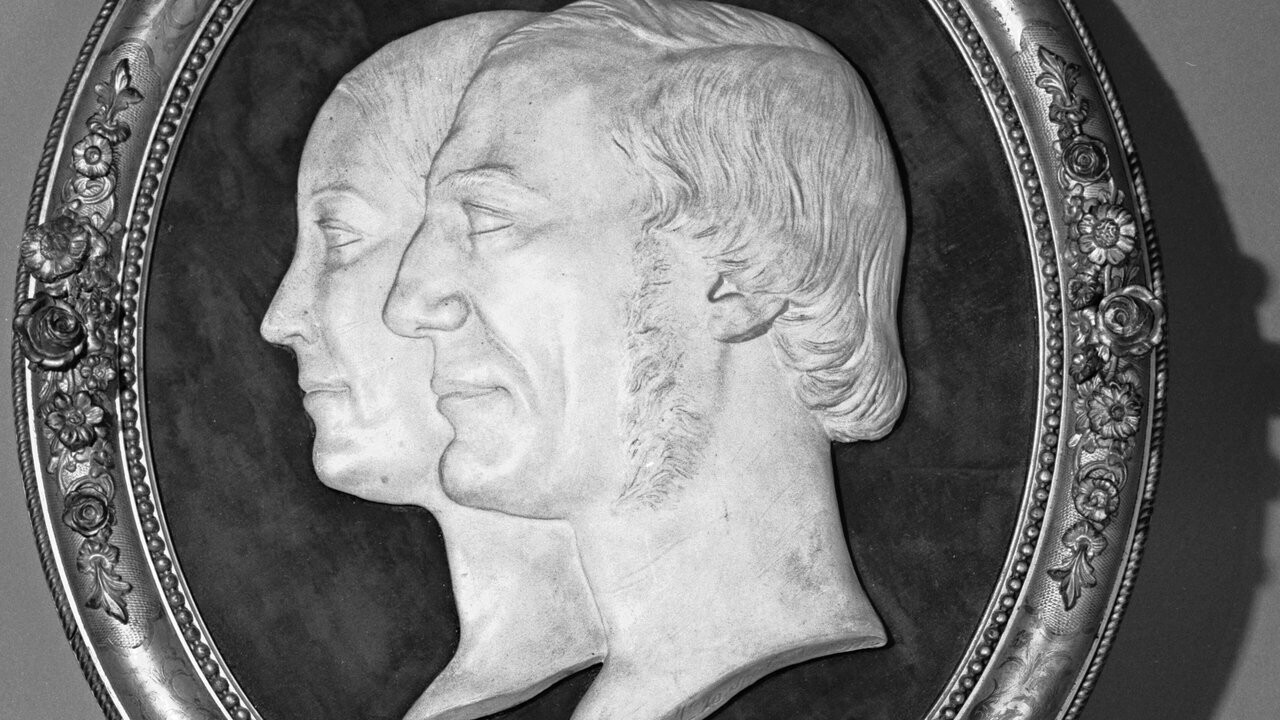
1859: Robert-Houdin Records a New Kind of Magician
Jean-Eugène Robert-Houdin helped establish the image of the modern stage magician. His memoir appeared in English in 1859, presenting him as an ambassador, author, and conjurer. Decades later, the young performer who became Houdini borrowed his name, treating the French magician as an inspiration and, eventually, a target for criticism.
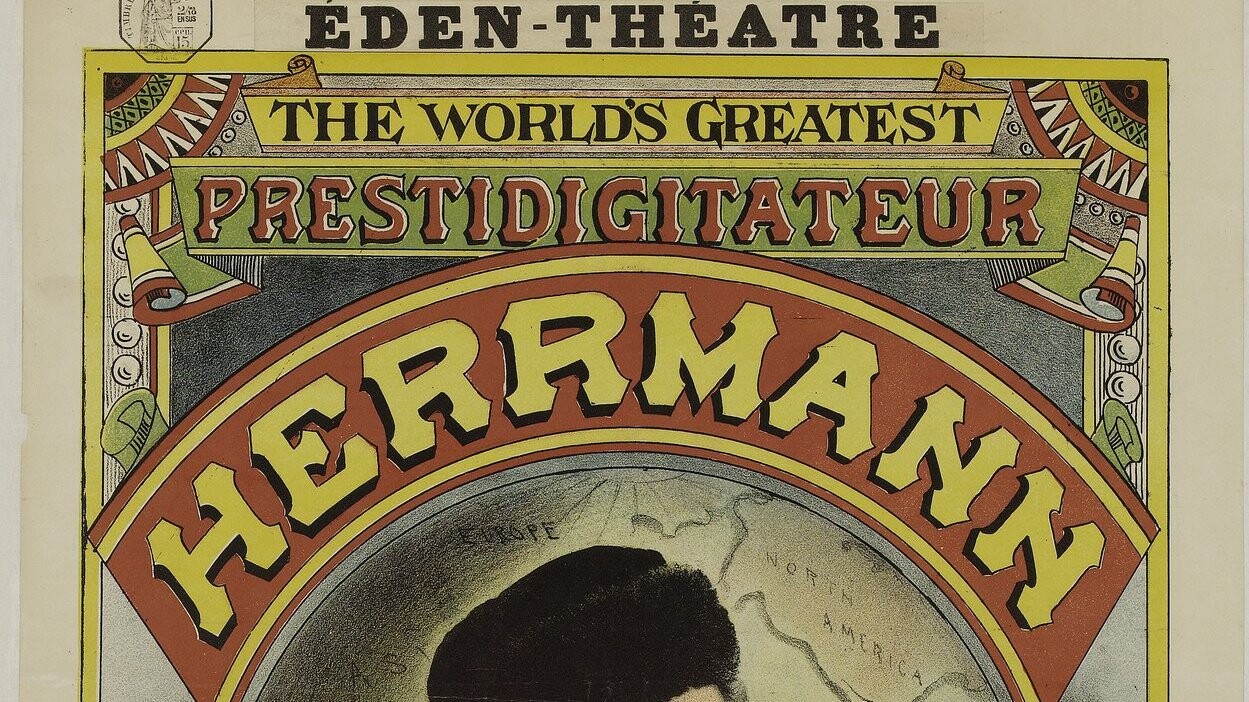
1880: Alexander Herrmann Becomes a Poster Star
An 1880 theatrical poster preserved by the New York Public Library promoted Alexander Herrmann and his specialties. The document confirms that magicians were major touring attractions before Houdini’s rise. Herrmann’s carefully cultivated appearance and commanding stage persona helped shape the familiar public image of the elegant, formally dressed illusionist.
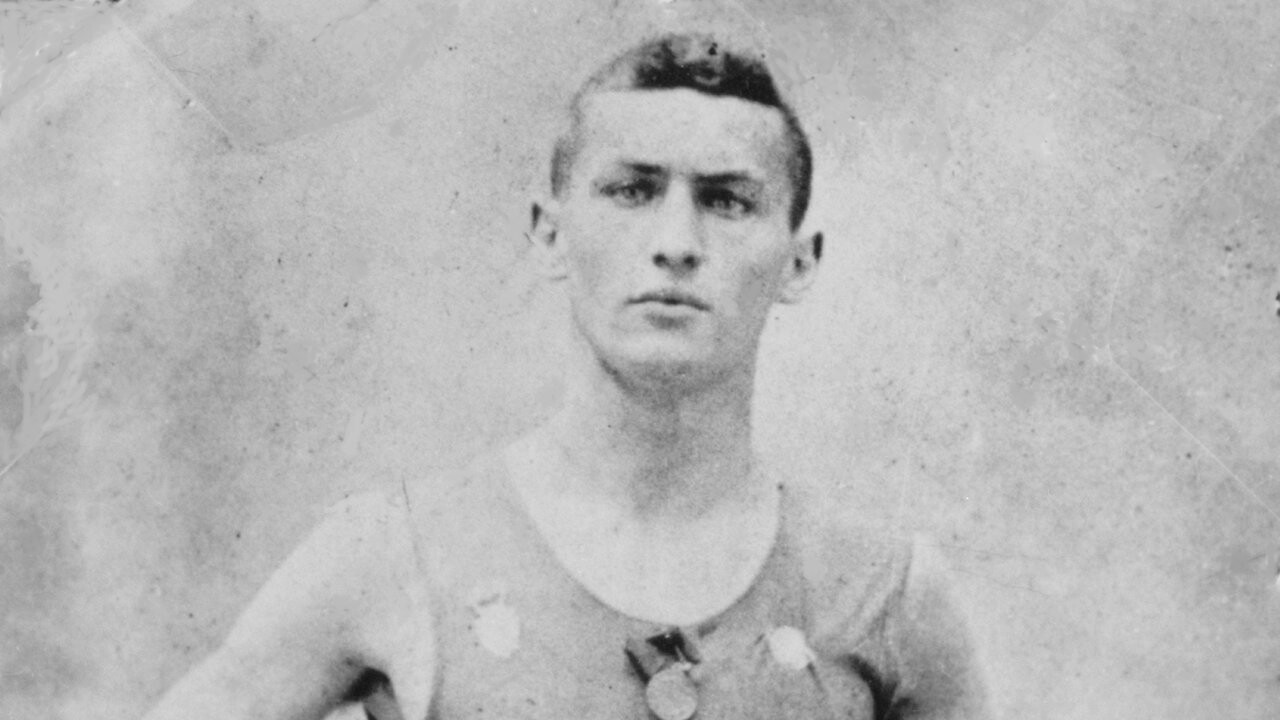
About 1890: Ehrich Weiss Becomes Harry Houdini
The Library of Congress places Houdini’s adoption of his stage name in New York City around 1890. Born Ehrich Weisz and later known as Ehrich Weiss, he chose a name that invoked Robert-Houdin. The decision was an early example of his instinct for creating a public identity audiences could easily remember.
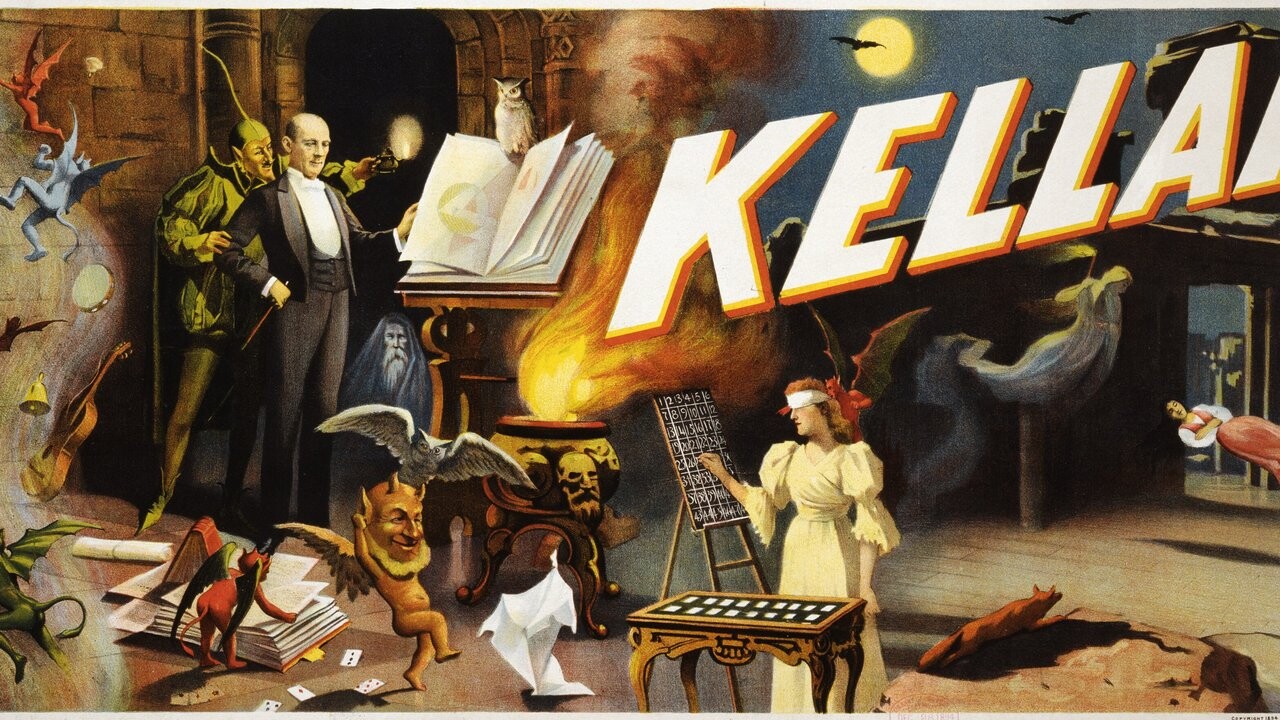
1894: Harry Kellar Rules the American Stage
Harry Kellar was a dominant force in American magic around the turn of the century. Library of Congress posters from about 1894 show how dramatically his shows were advertised, with supernatural imagery surrounding a polished headliner. The spectacle sold mystery, while Kellar’s standing rested on carefully staged illusions, including levitation and apparent self-decapitation.
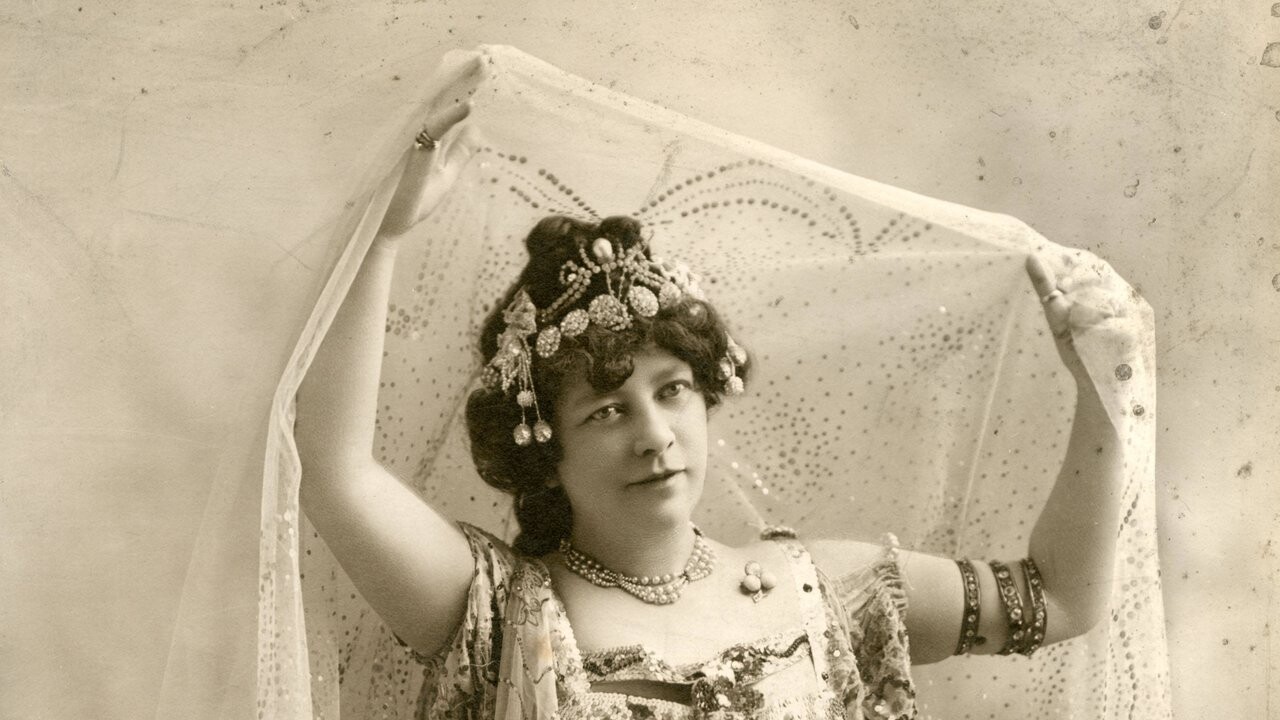
1896: Adelaide Herrmann Carries On the Act
After Alexander Herrmann died in 1896, Adelaide Herrmann carried on the family’s magical legacy, first with another relative and then as a solo headliner. An 1899 New York Public Library portrait identifies her as the Queen of Magic. She belongs in this history as a principal performer, not merely as an assistant.
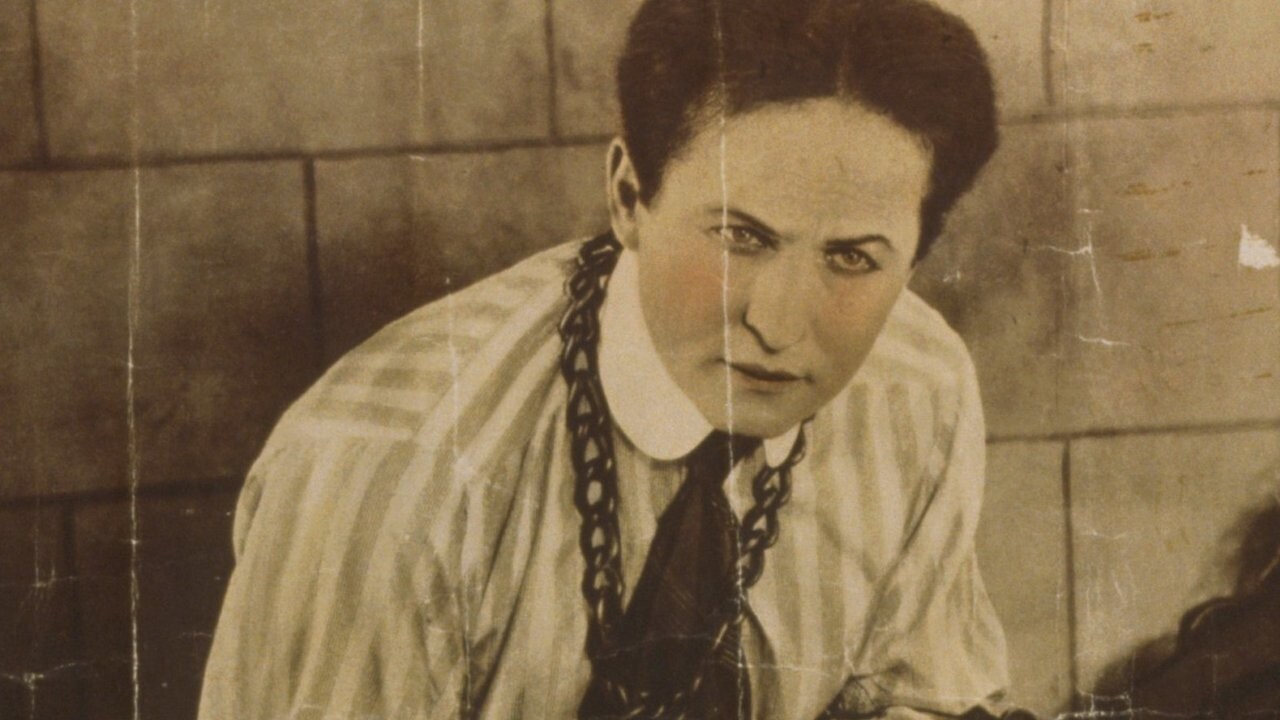
1899: The King of Handcuffs Emerges
The Library of Congress identifies 1899 as a turning point. Houdini concentrated on escapes and promoted himself as the King of Handcuffs. Challenges involving police restraints gave each engagement a local hook and supplied valuable newspaper coverage, turning locks, inspections, and official witnesses into parts of the performance.
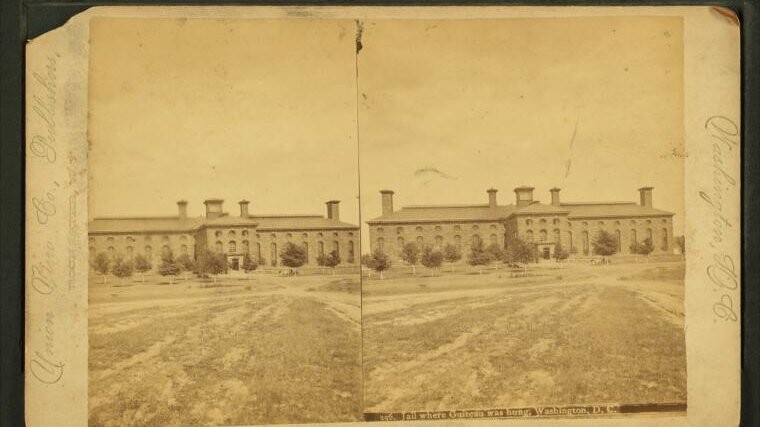
1906: A Washington Jail Cannot Hold Him
On January 7, 1906, Houdini escaped from a Washington, D.C., jail. The cell had once held Charles Guiteau, the assassin of President James Garfield, adding historical weight to the challenge. The feat strengthened Houdini’s carefully promoted reputation as a performer who could defeat restraints and institutions under public scrutiny.
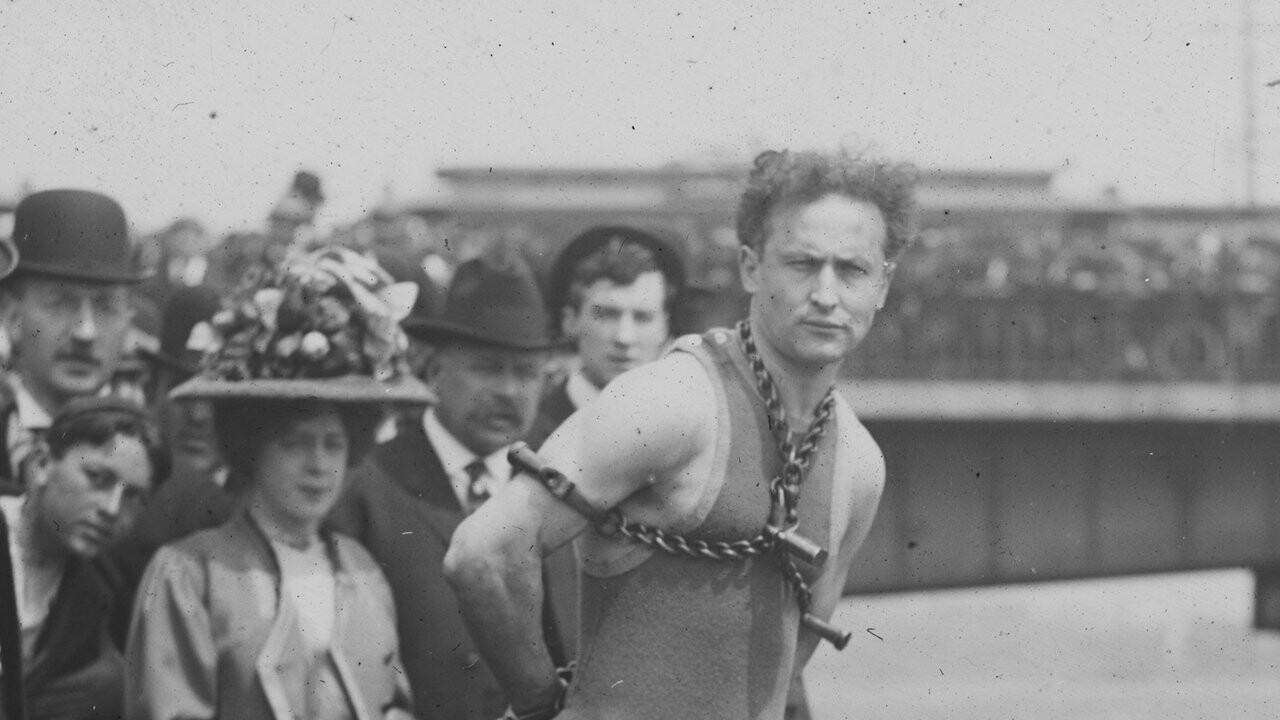
1908: The Harvard Bridge Jump
A Library of Congress record dated April 30, 1908, documents Houdini’s manacled jump from Harvard Bridge in Boston. He entered the Charles River in chains and handcuffs, then escaped underwater. Such outdoor demonstrations drew crowds beyond theater walls and provided vivid advertisements for his paid stage appearances.
1908: The Giant Milk Can Escape
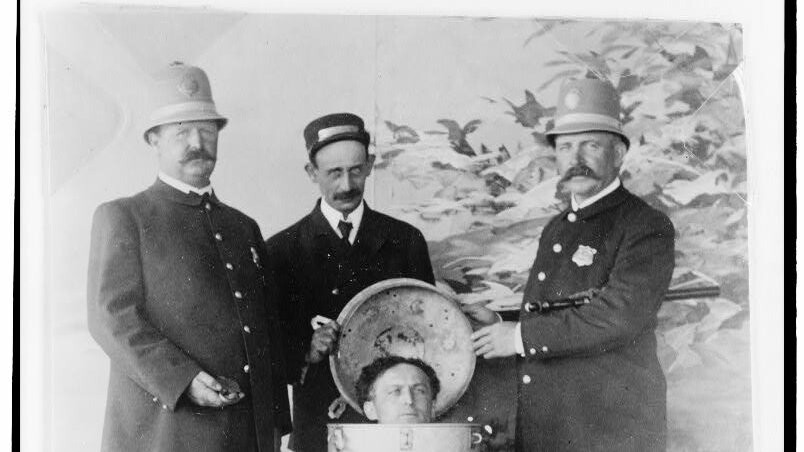
Houdini introduced his water-filled milk can escape in St. Louis in 1908, according to the Library of Congress. He was sealed inside the oversized container while the audience confronted the apparent danger of drowning. The act traveled through the United States, England, and Germany, becoming one of his best-documented attractions.
1908: Kellar Names Howard Thurston His Successor
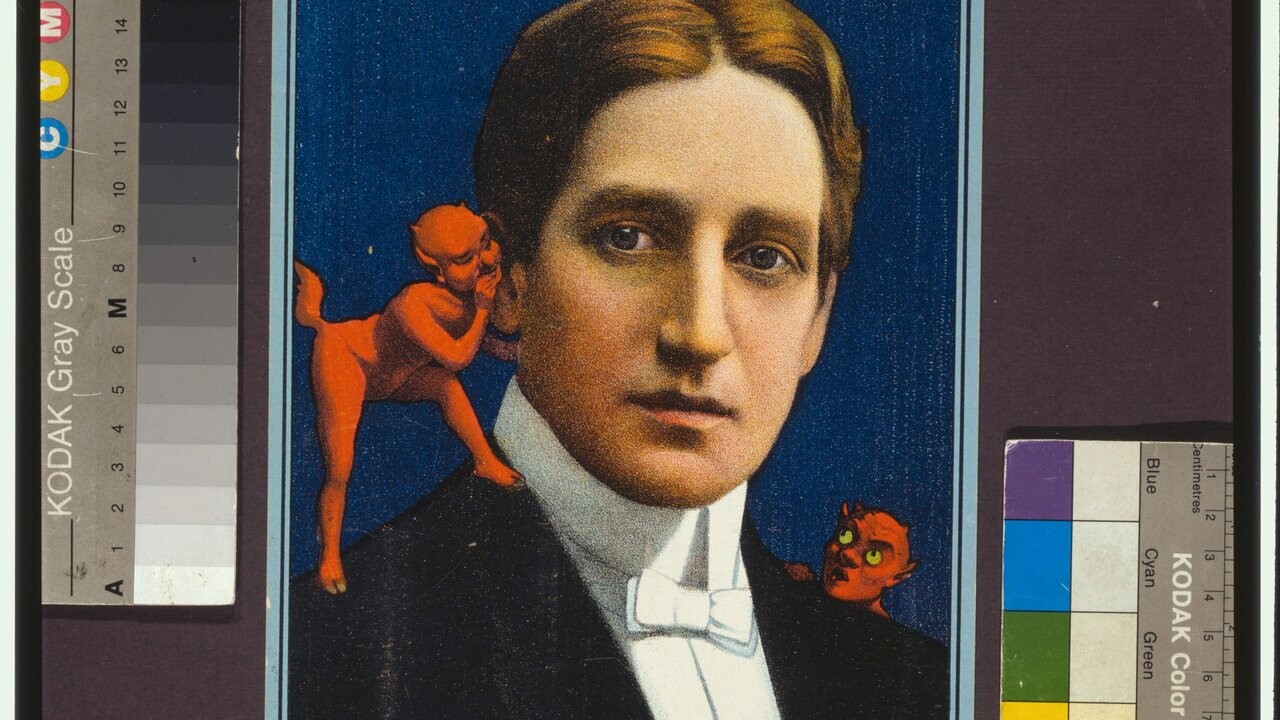
A surviving 1908 poster advertised Howard Thurston as Kellar’s successor. That printed claim records a deliberate transfer of theatrical prestige. Thurston, already celebrated for card manipulation, inherited valuable recognition and developed a large touring illusion show. His career demonstrates that Houdini found fame within a crowded, highly competitive field.
1913: The Water Torture Cell Takes Center Stage
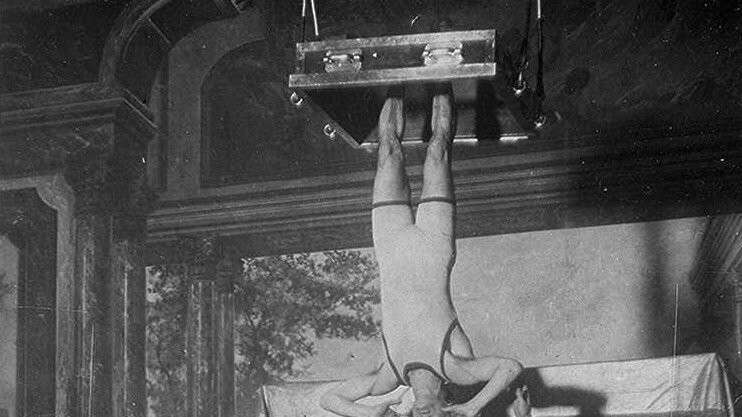
In 1913, Houdini began featuring the Water Torture Cell. His ankles were secured in stocks before he was lowered upside down into the water-filled enclosure and locked in place. The audience could see the confinement clearly, making suspense part of the design. Library of Congress photographs and documents record the routine’s presentation.
After 1913: Straitjacket Escapes Draw the Crowds
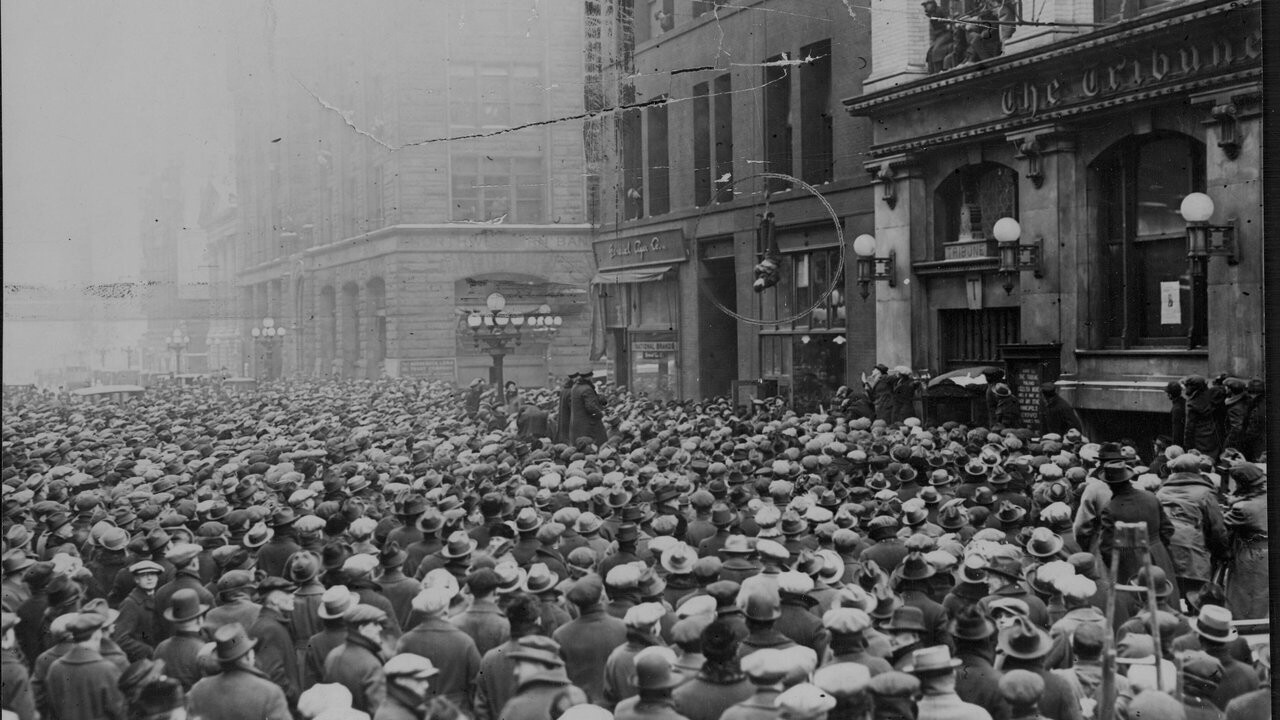
Houdini turned an institutional restraint into public theater by escaping from straitjackets, sometimes while suspended upside down. Library of Congress images show both the struggle and the crowds it attracted. Unlike a concealed cabinet illusion, the visible twisting and exertion encouraged spectators to see the escape as a test of stamina and control.
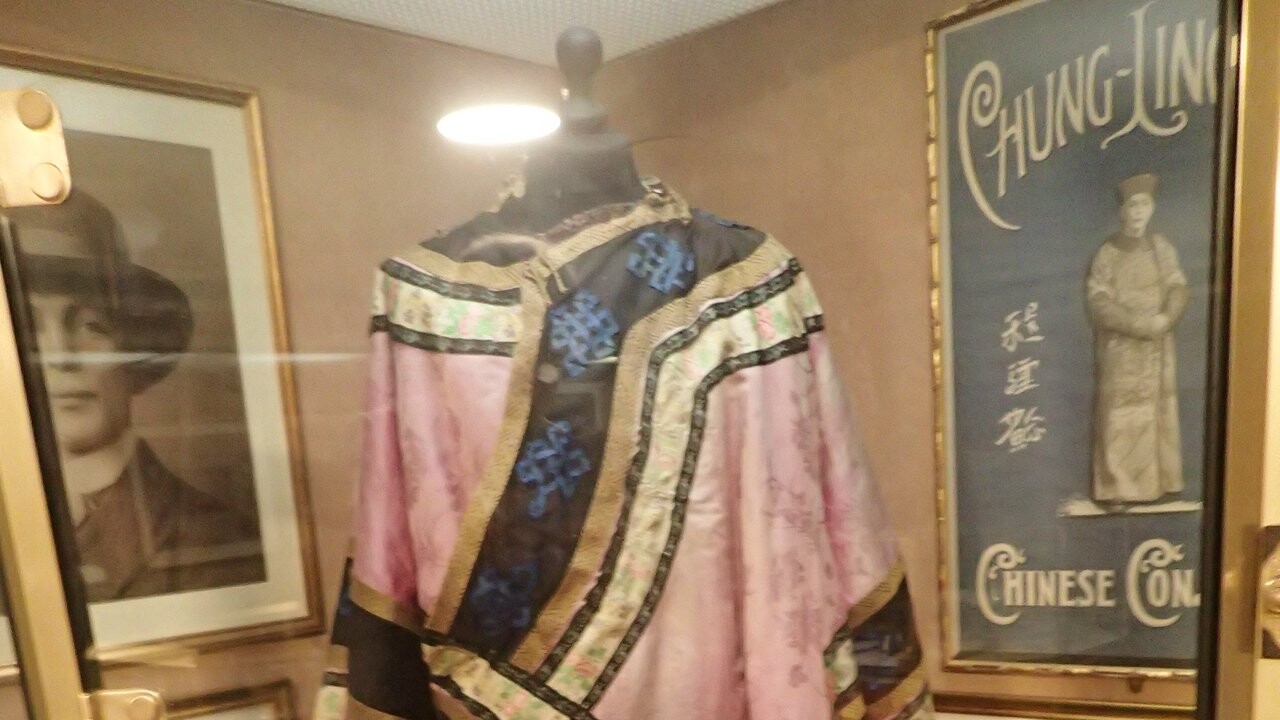
1918: Chung Ling Soo’s Persona Is Exposed
Chung Ling Soo was the stage identity of American magician William Ellsworth Robinson, who performed as a supposedly Chinese conjurer. Archival records document that he modeled the character on Chinese magician Ching Ling Foo. Robinson’s identity became widely known after a bullet-catching act went fatally wrong in London in 1918.
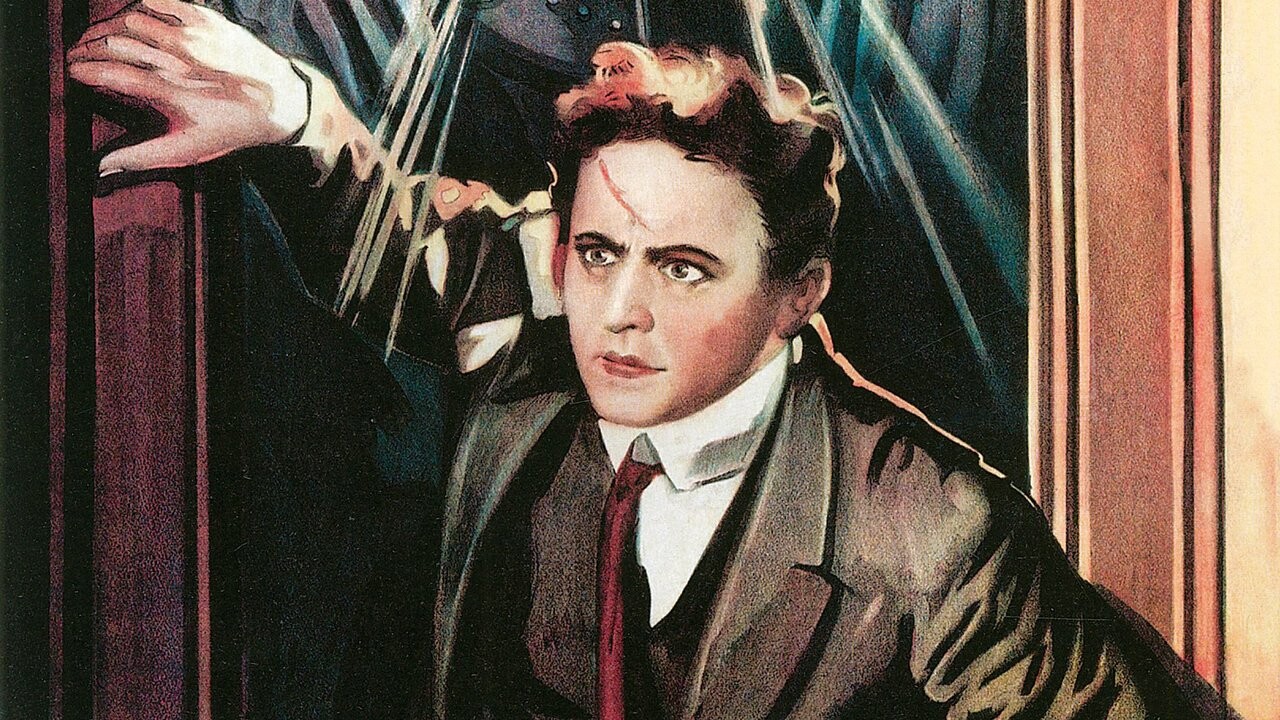
The Master Mystery Brings Escapes to Film
Houdini carried his established screen persona into the silent serial The Master Mystery. Library of Congress records show him playing a government investigator who escapes elaborate dangers. Film allowed audiences far from the vaudeville circuit to see a fictionalized version of the resourceful escape artist promoted through his live challenges.
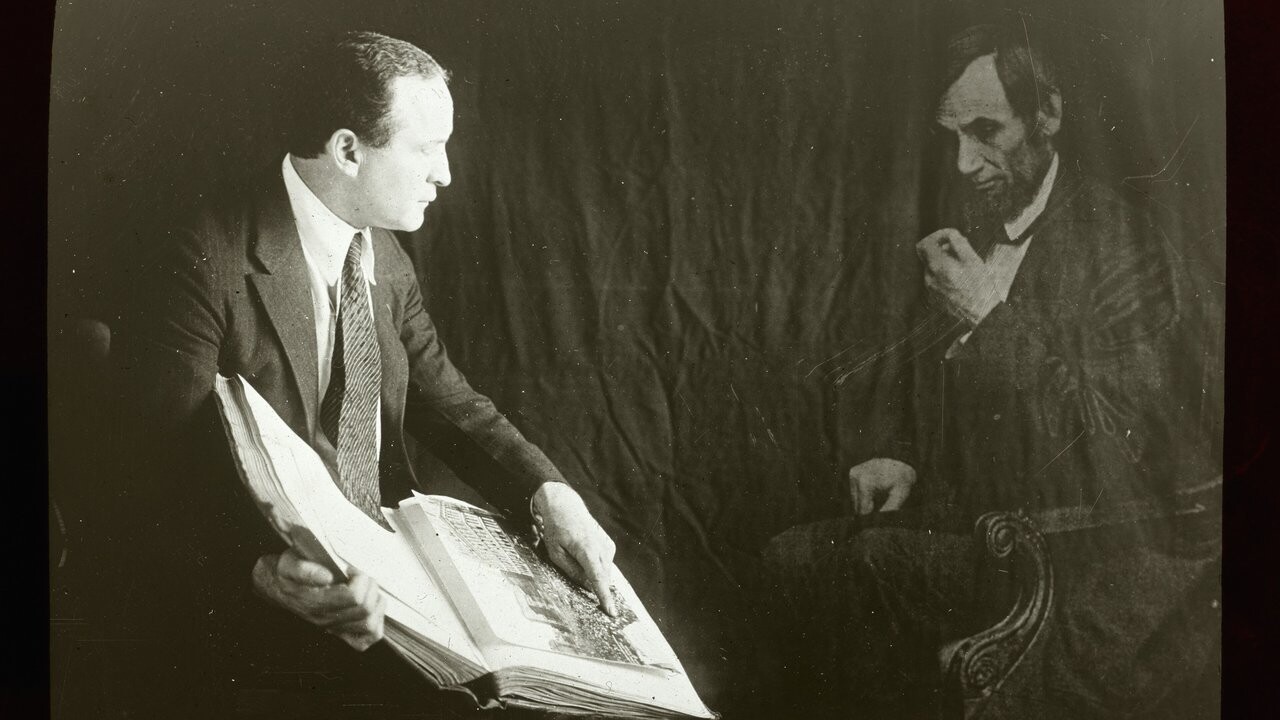
The 1920s: Houdini Battles Fraudulent Mediums
During the 1920s, Houdini devoted substantial energy to investigating people who claimed supernatural powers. His objection centered on performers presenting stage methods as genuine contact with the dead, particularly when grieving families paid for the experience. Archival photographs show him demonstrating methods behind spirit photographs, slate messages, hand molds, and other séance effects.
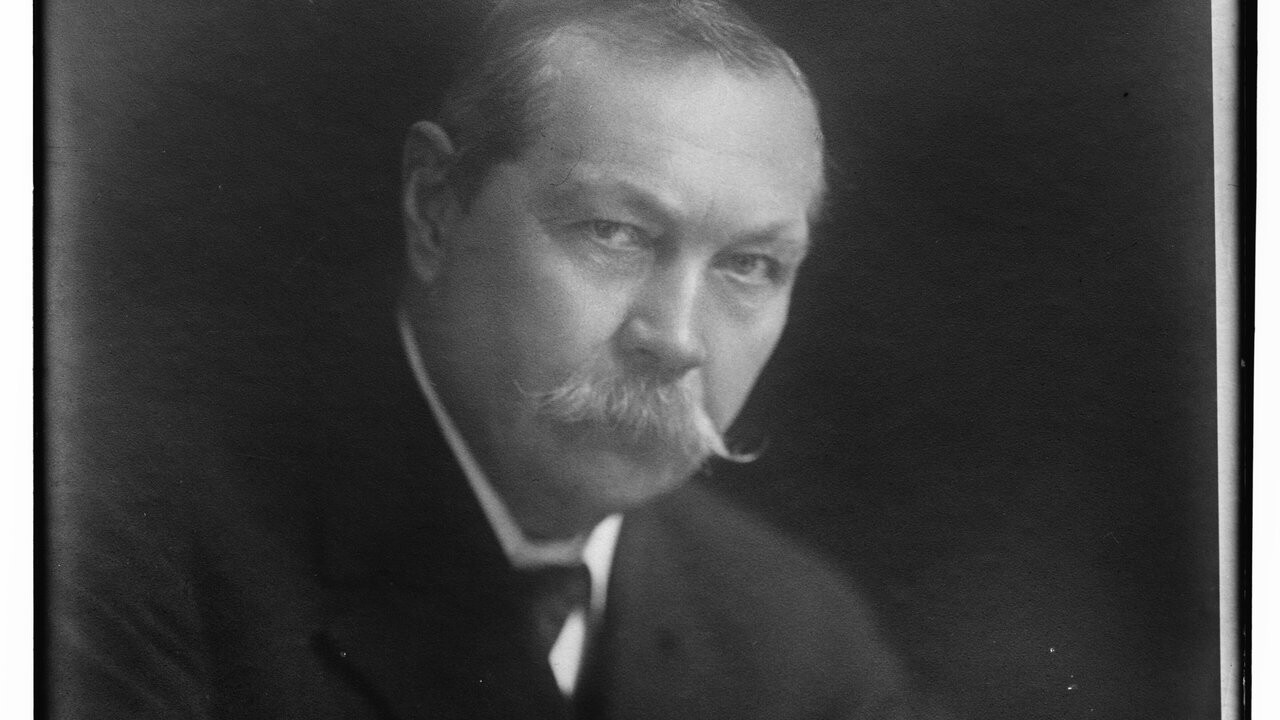
Sir Arthur Conan Doyle Takes the Other Side
Houdini’s campaign strained his friendship with Sir Arthur Conan Doyle, the creator of Sherlock Holmes and a committed supporter of Spiritualism. Their public disagreement was striking: the inventor of a famously rational detective defended psychic phenomena, while the master of theatrical deception demanded controlled evidence and warned that practiced tricks could fool intelligent observers.
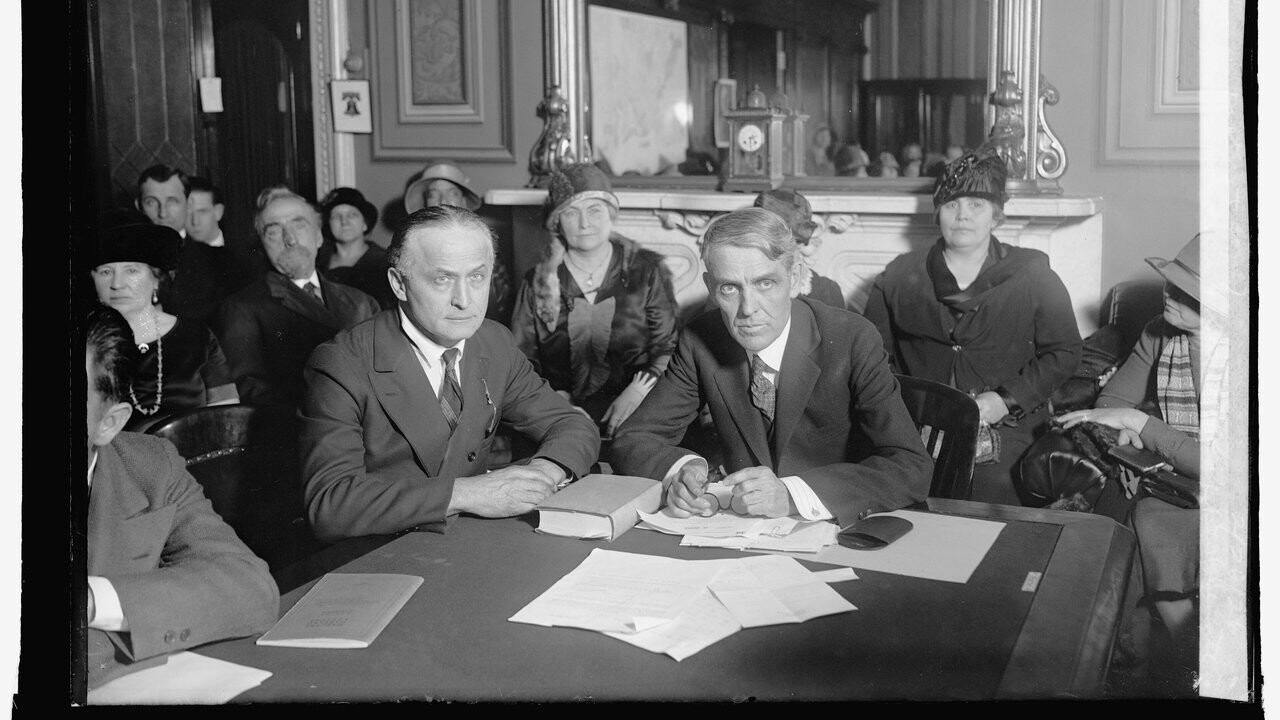
1926: Houdini Takes His Case to Congress
In 1926, Houdini testified before Congress in support of legislation aimed at deceptive spiritual practices conducted for profit in the District of Columbia. The hearings were argumentative and theatrical, but the official record confirms his participation. He was no longer simply exposing methods onstage; he was seeking a legal response to alleged fraud.
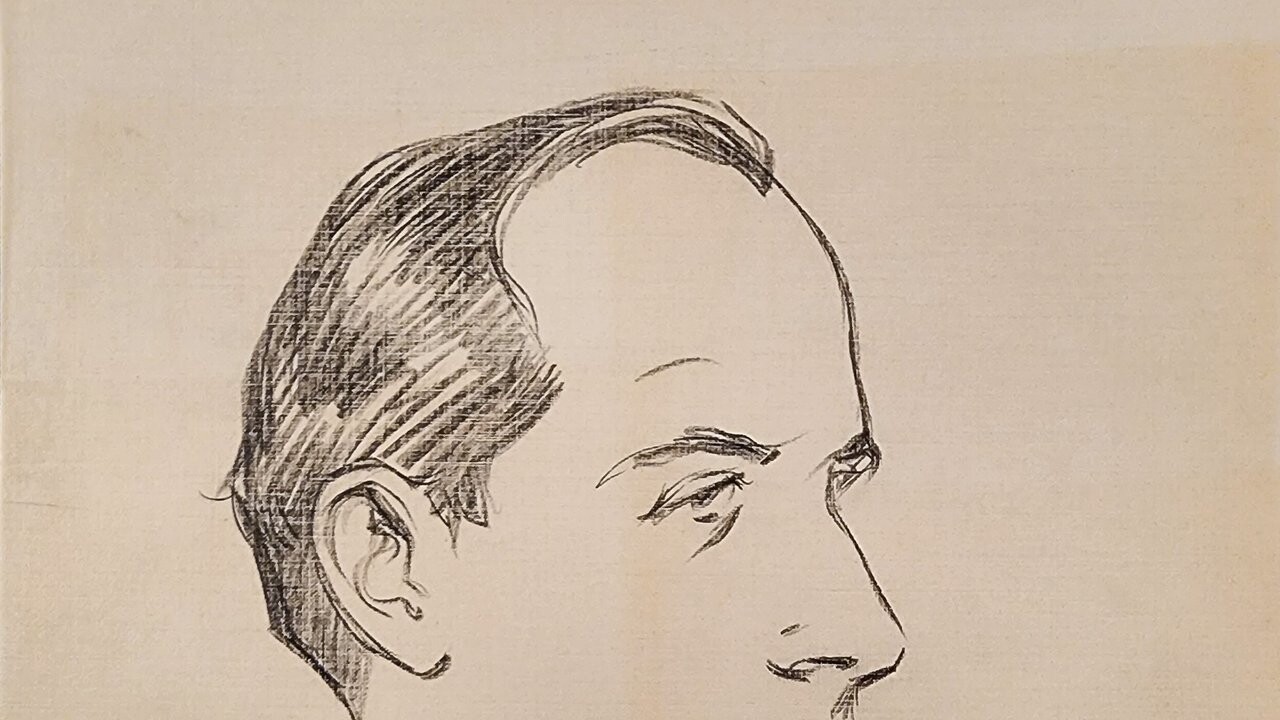
Joseph Dunninger Takes Mentalism to Broadcasting
Joseph Dunninger carried the skeptical magician’s role into a new era. The American Museum of Magic identifies him as a pioneer performer of magic on radio and television. Those media suited his polished demonstrations of apparent mind reading and helped bring mentalism to audiences beyond traditional theaters.
The surviving record shows that these performers made wonder through discipline, publicity, and theatrical invention. Which of these magicians or escapes do you remember hearing about first?
Follow The HyperHive on MSN for more stories like this.
Sources:






_-_John_H._Thurston,_stereopticons_LCCN2015650990_(cropped).jpg)


