
The 1970s gave television detectives, bionic heroes, workplace comedies, variety shows, and characters who felt like members of the family. These performers became inseparable from the decade’s changing style and spirit.
The slides follow each star’s defining 1970s role in roughly chronological order. Each career snapshot is paired with a suggested then-or-now image.
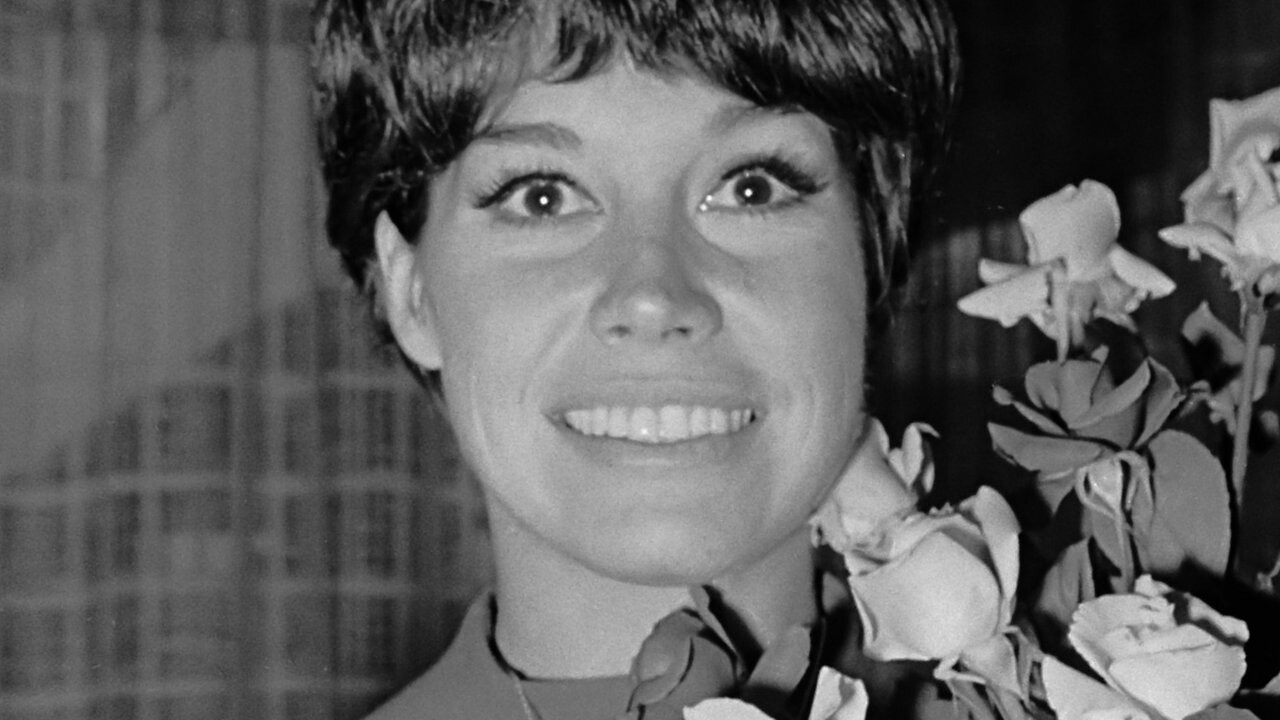
Mary Tyler Moore: An Independent TV Heroine
Mary Tyler Moore made Mary Richards, a Minneapolis news producer, both aspirational and familiar. The Mary Tyler Moore Show placed a single working woman at the center of a network comedy. Moore died in 2017, but her poised ensemble work and the show’s vision of adult independence remain part of television history.
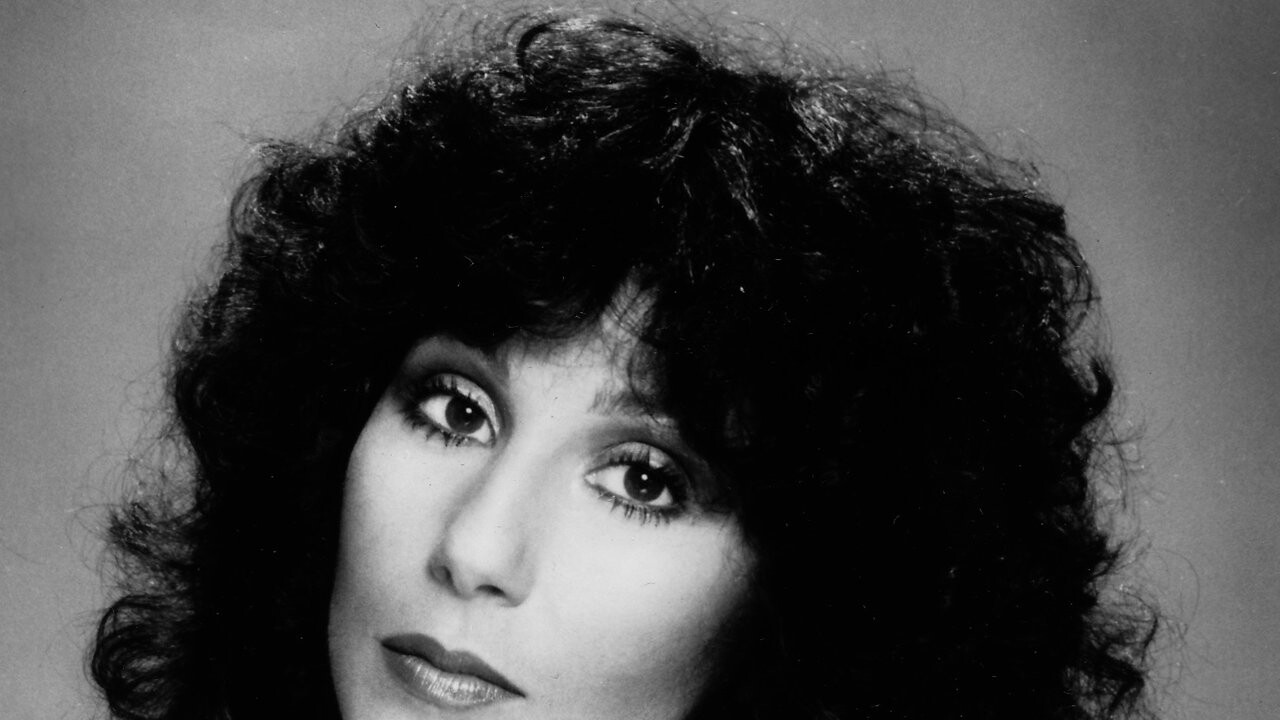
Cher: From Pop Star to Variety-Show Original
Cher brought pop charisma, daring fashion, and dry comic timing to The Sonny & Cher Comedy Hour. The series established her as a major television personality in the 1970s. Her later reinvention as a film actor reached an awards peak when Moonstruck earned her the Academy Award for Best Actress.
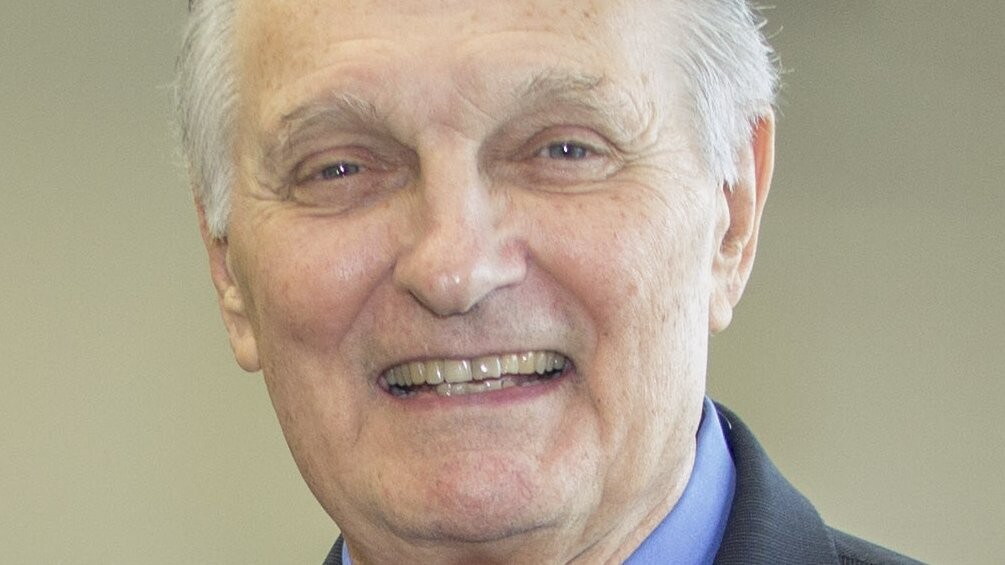
Alan Alda: Hawkeye’s Humor and Humanity
Alan Alda’s Hawkeye Pierce could deliver a punch line, challenge authority, and reveal the emotional cost of war within the same episode of M*A*S*H. That balance made Hawkeye one of the decade’s defining characters. Alda’s broader career brought six Emmys, but his humane, unmistakable performance remains central to his legacy.
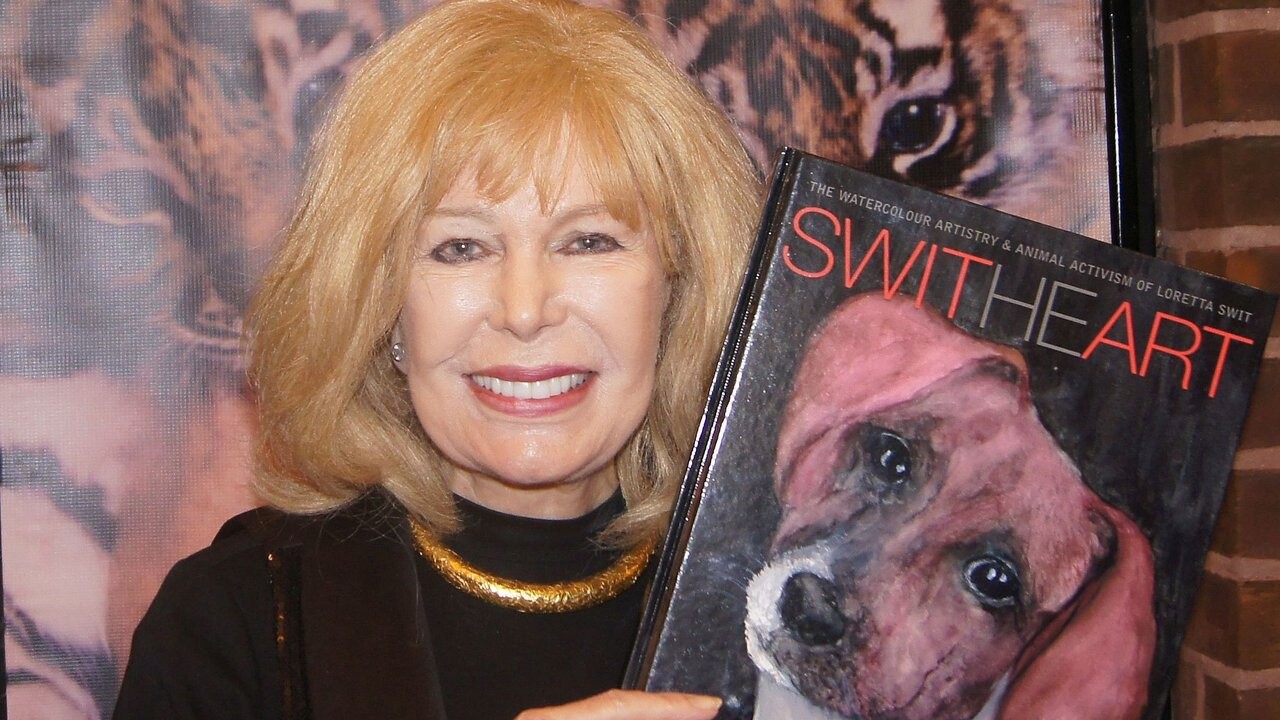
Loretta Swit: Margaret’s Steel and Warmth
Loretta Swit revealed the intelligence, pride, and vulnerability beneath Major Margaret Houlihan’s strict military bearing on M*A*S*H. She won two Emmys for the role, helping Margaret become far more than her early nickname suggested. Swit died in 2025, leaving one of the decade’s most memorable dramatic-comic performances.
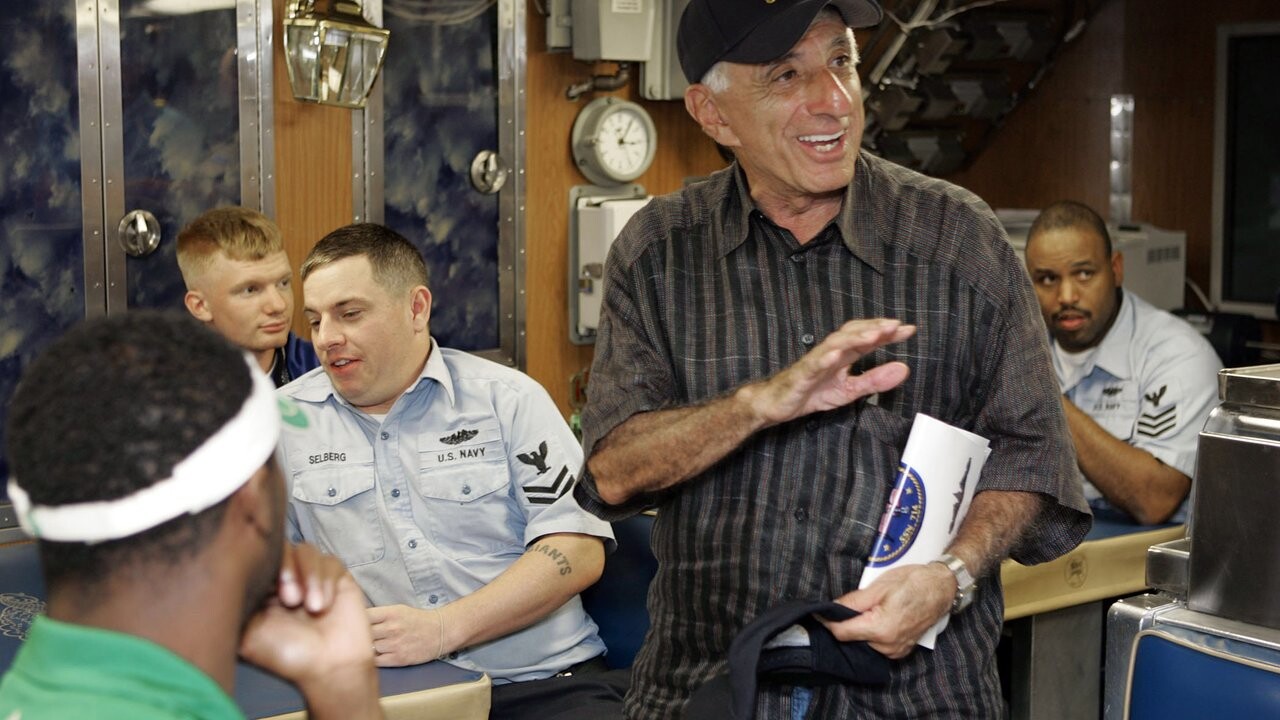
Jamie Farr: Klinger’s Unforgettable Schemes
Jamie Farr turned Maxwell Q. Klinger into much more than a recurring visual joke on M*A*S*H. His expressive reactions, elaborate schemes, and flashes of loyalty gave the character staying power. Farr later discussed Klinger’s evolution and the series’ continuing popularity in a detailed Television Academy oral history.
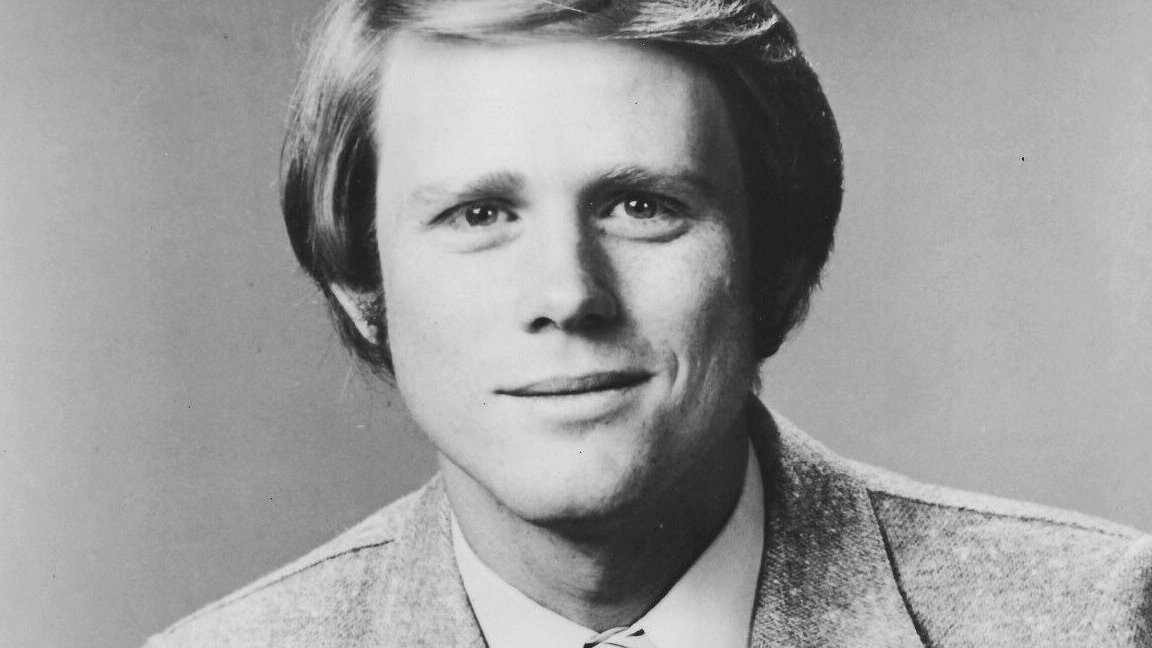
Ron Howard: From Richie Cunningham to Director
Ron Howard gave Happy Days an earnest center as Richie Cunningham, the well-meaning teenager navigating family, friendship, and 1950s nostalgia. He left the series in 1980 to focus on directing. That second career eventually brought him the Academy Award for directing A Beautiful Mind, completing a remarkable transition from sitcom lead to filmmaker.
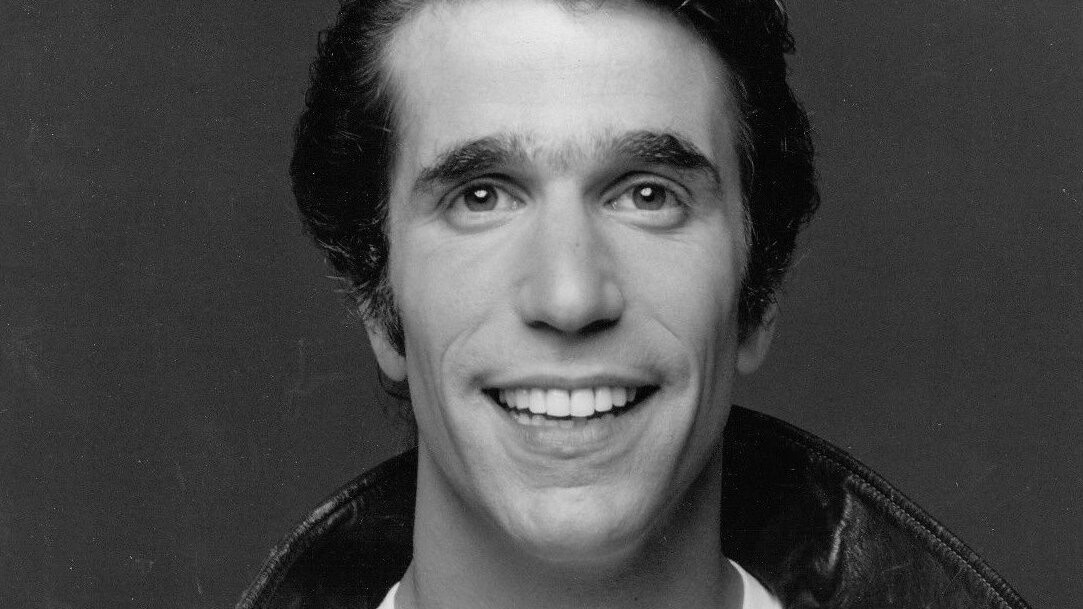
Henry Winkler: The Fonz’s Remarkable Second Act
A 1973 audition led to Henry Winkler’s casting as Arthur Fonzarelli on Happy Days. His performance transformed the leather-jacketed Fonz into the show’s breakout figure. Decades later, Winkler found a very different showcase as acting teacher Gene Cousineau in Barry, earning his first Primetime Emmy in 2018.
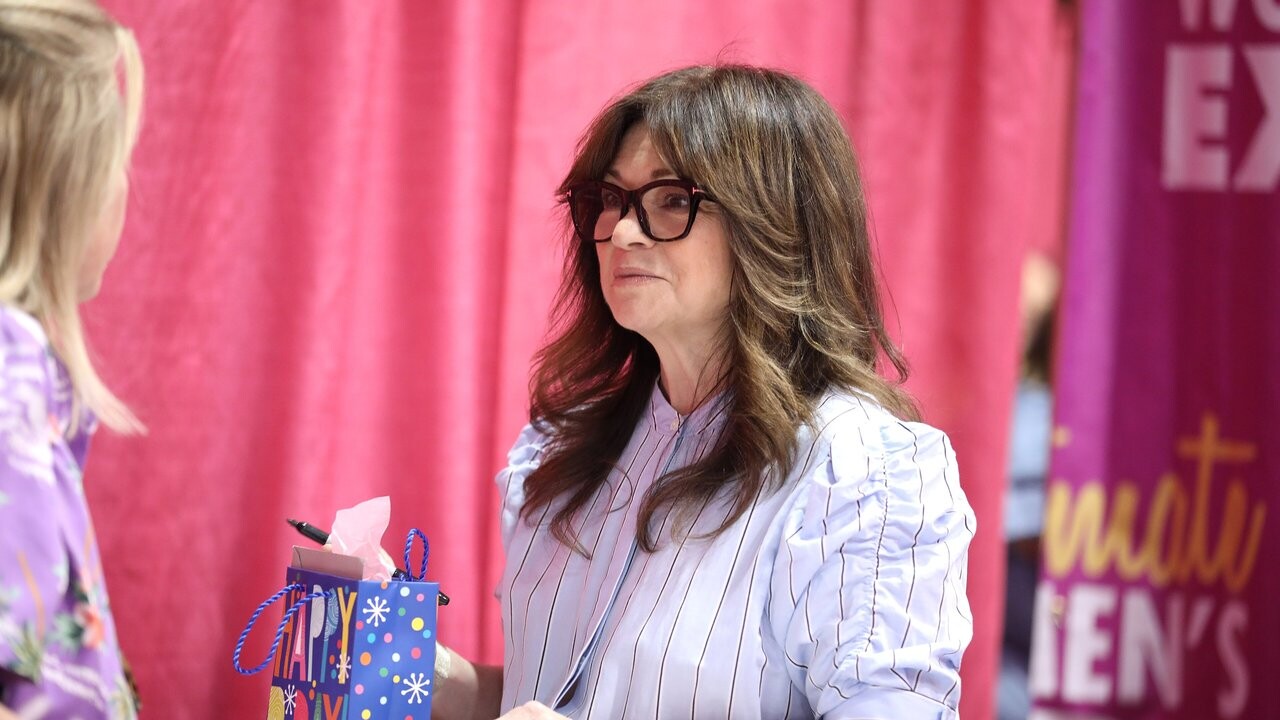
Valerie Bertinelli: Two Sitcom Chapters
Valerie Bertinelli became a household name as Barbara Cooper on One Day at a Time. Her natural comic rhythm helped ground a series that mixed family problems with affection. Years later, she returned to ensemble sitcom success as Melanie Moretti on Hot in Cleveland, creating a second memorable television chapter.
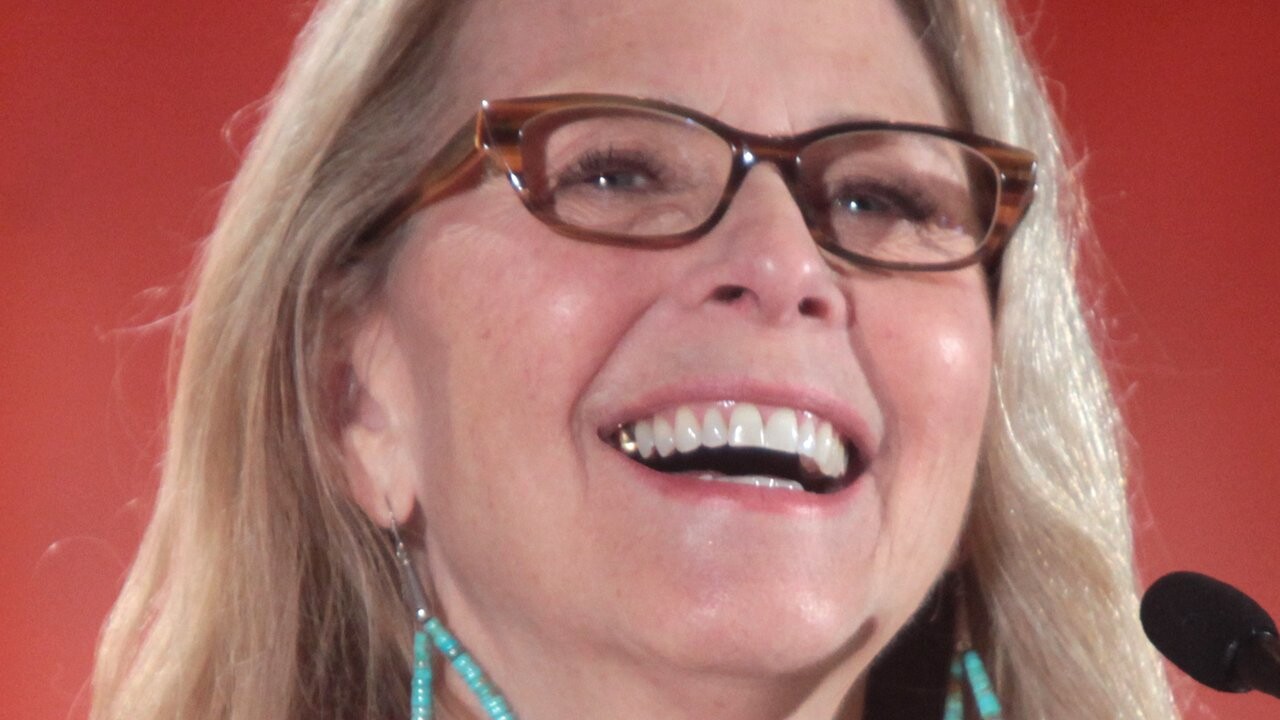
Lindsay Wagner: Strength Beyond the Bionics
Lindsay Wagner made Jaime Sommers more than a counterpart to the hero of The Six Million Dollar Man. The Bionic Woman rested on her empathy and calm intelligence as much as its action premise. Wagner won the 1977 lead-actress Emmy for the role and became one of the decade’s defining adventure stars.
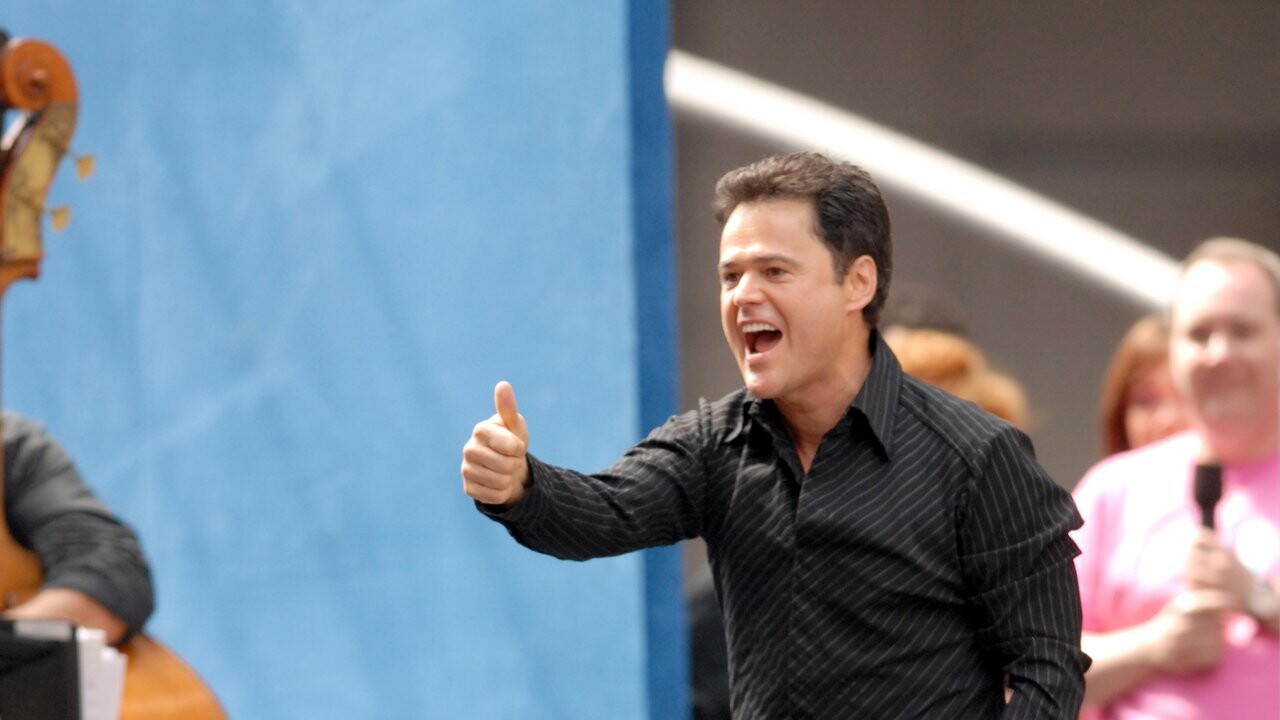
Donny Osmond: A Teen Idol Grows Up on Screen
Donny Osmond brought polished showmanship and playful sibling rapport to Donny & Marie. When the series debuted in 1976, Donny and Marie became the youngest entertainers to host their own variety show. He later moved among recording, stage work, and television, and headlined a Las Vegas residency that surpassed 1,700 performances.
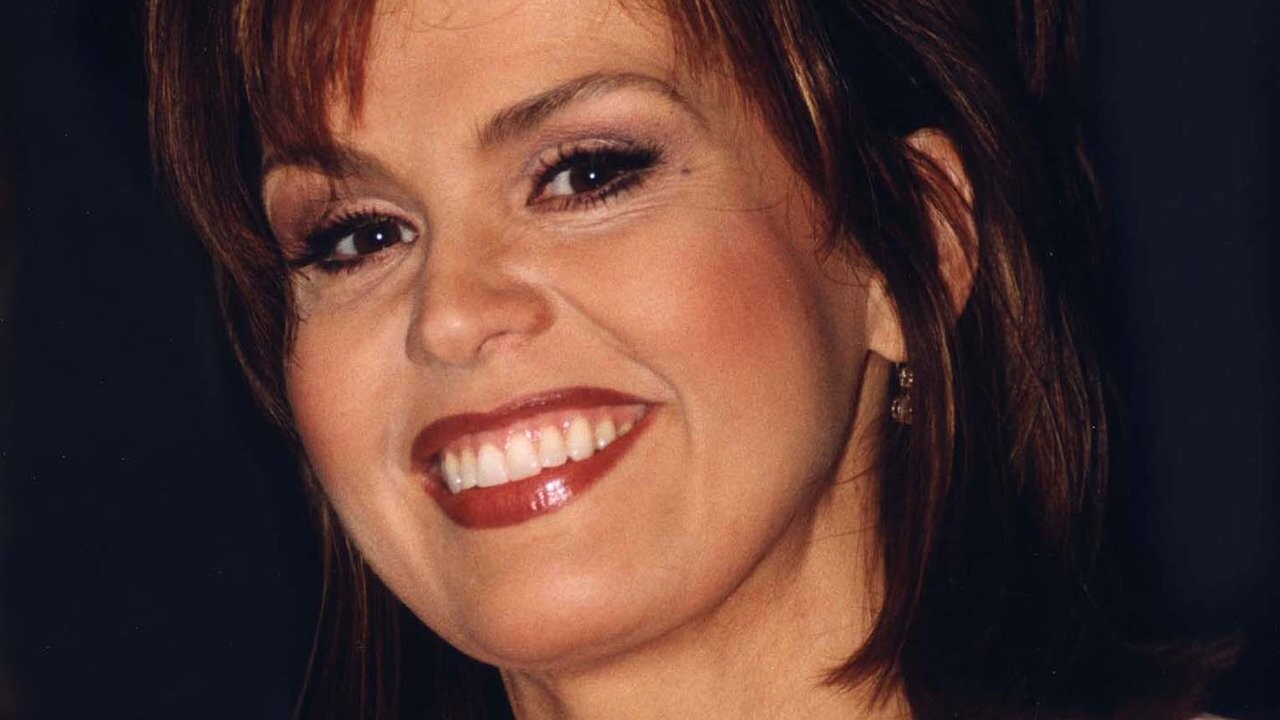
Marie Osmond: Country Charm and Lasting Versatility
Marie Osmond balanced her brother’s pop energy with country style, sharp timing, and an assured presence on Donny & Marie. The series made her the youngest female co-host of a television show. Her career continued well beyond the variety-show era, demonstrating an adaptability that matched the easy confidence of her early performances.
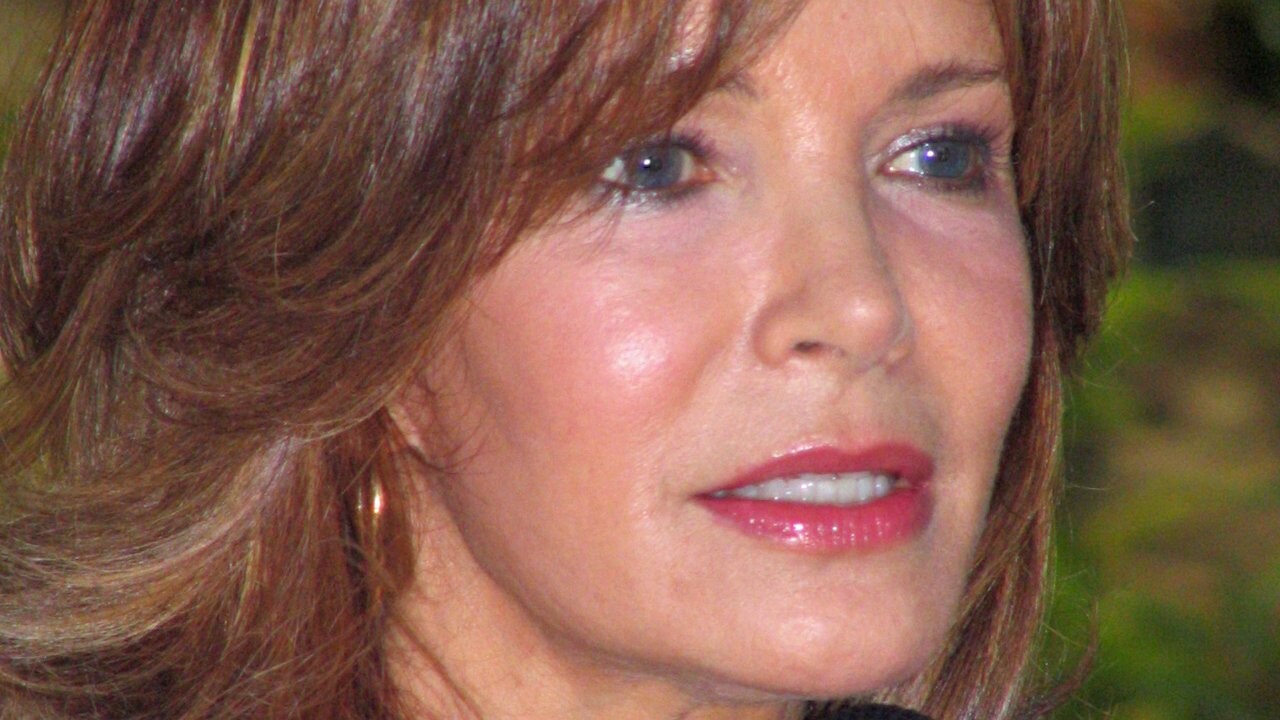
Jaclyn Smith: The Angel Who Stayed
Jaclyn Smith brought elegance and steadiness to Kelly Garrett on Charlie’s Angels. She was the only Angel to remain throughout the series’ entire run, giving the show continuity as the surrounding cast changed. Her composed screen presence helped Kelly stand apart while anchoring several versions of the famous detective team.
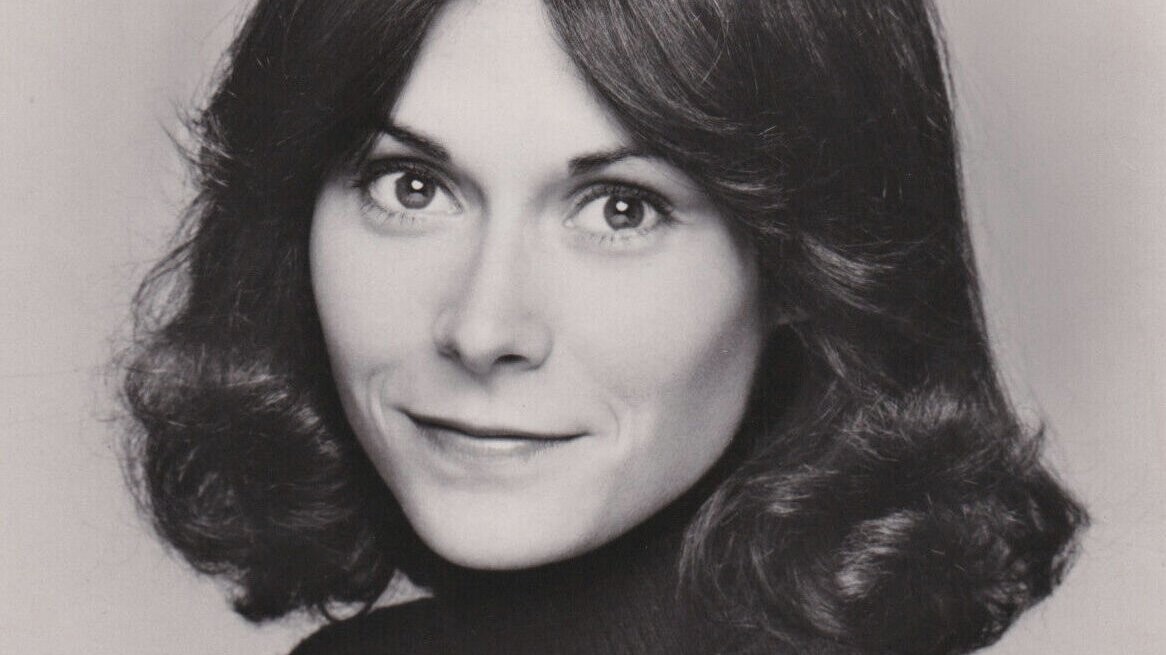
Kate Jackson: The Thoughtful Angel
Kate Jackson played Sabrina Duncan, one of the three detectives introduced in the original Charlie’s Angels lineup. Her understated authority gave the team a distinctive center and helped separate Sabrina from the show’s more glamorous image. The character’s thoughtful manner offered a cool contrast to the series’ bright fashions and fast-moving cases.
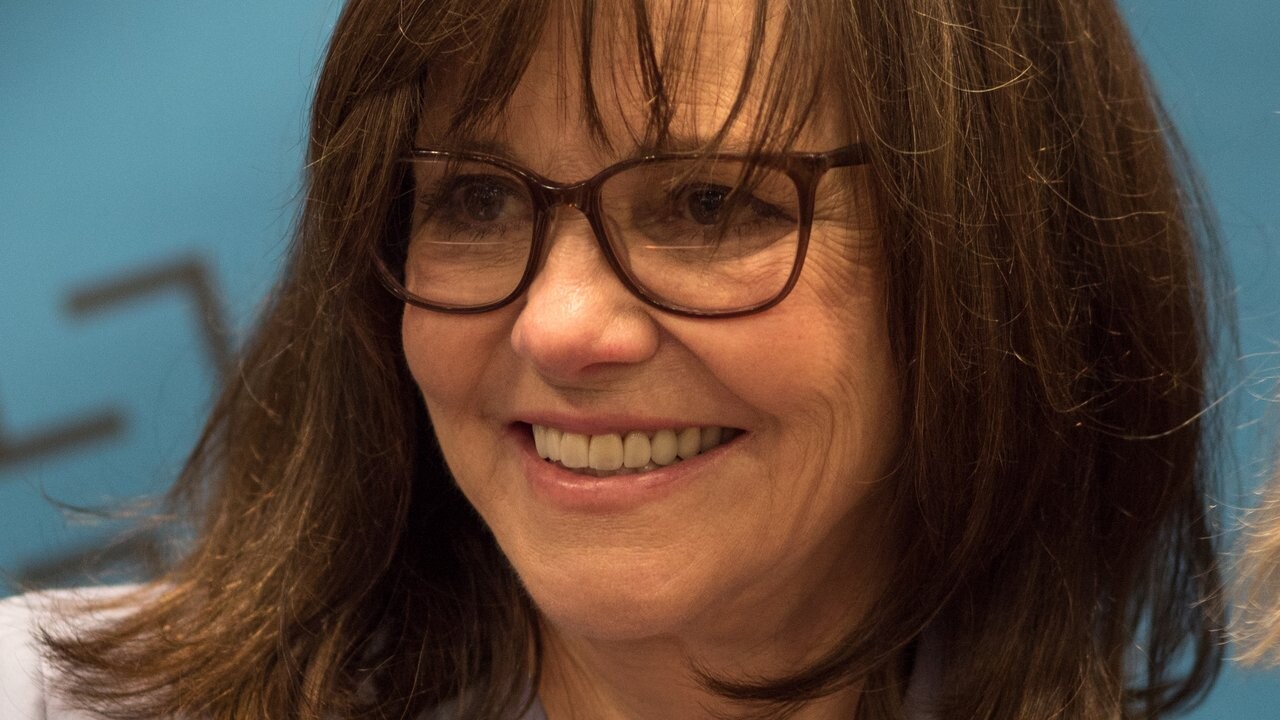
Sally Field: A Dramatic Breakthrough in Sybil
Sally Field was already known for light television comedy when Sybil revealed her dramatic range. The television movie brought her first Emmy and opened a new stage in her career. Field later won Academy Awards for Norma Rae and Places in the Heart, confirming the lasting impact of that pivotal television performance.
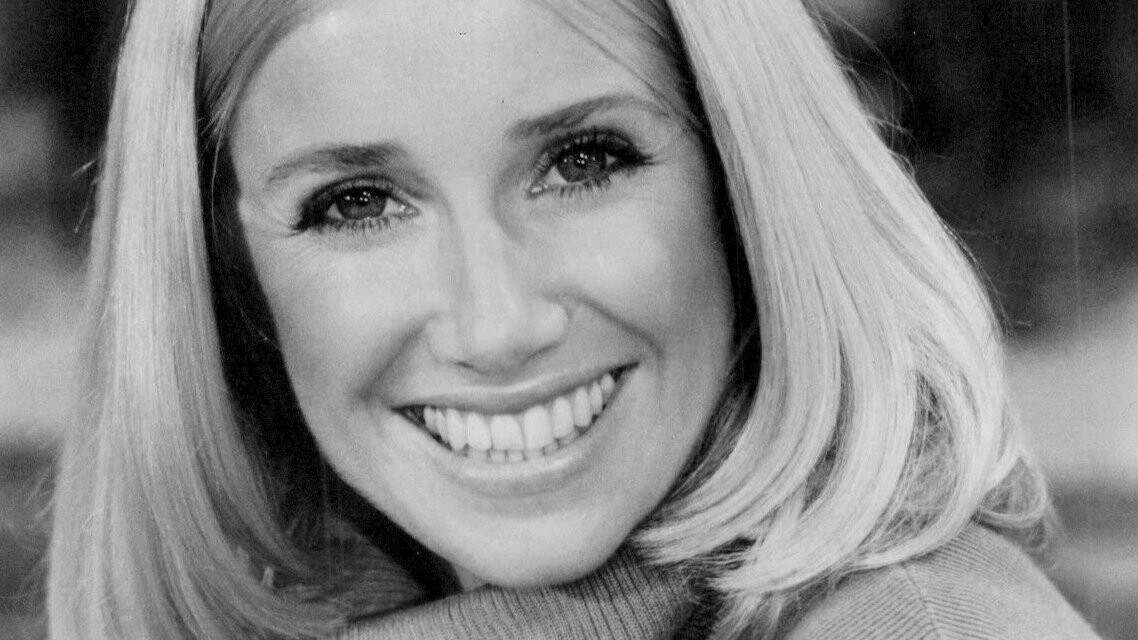
Suzanne Somers: Chrissy’s Bright Comic Spark
Suzanne Somers gave Chrissy Snow an innocent logic and distinctive comic rhythm on Three’s Company. The breakthrough role made her one of television’s most recognizable performers. Somers later returned to sitcom success with Step by Step, giving another generation a chance to discover her buoyant screen presence. She died in 2023.

Cheryl Ladd: A New Angel Finds Her Place
Cheryl Ladd joined Charlie’s Angels after Farrah Fawcett’s departure. Playing Kris Munroe rather than recasting Jill gave Ladd room to establish a lighter, distinct personality. Her arrival demonstrated how a hit series could absorb a major cast change while preserving the chemistry, glamour, and teamwork at the center of its appeal.
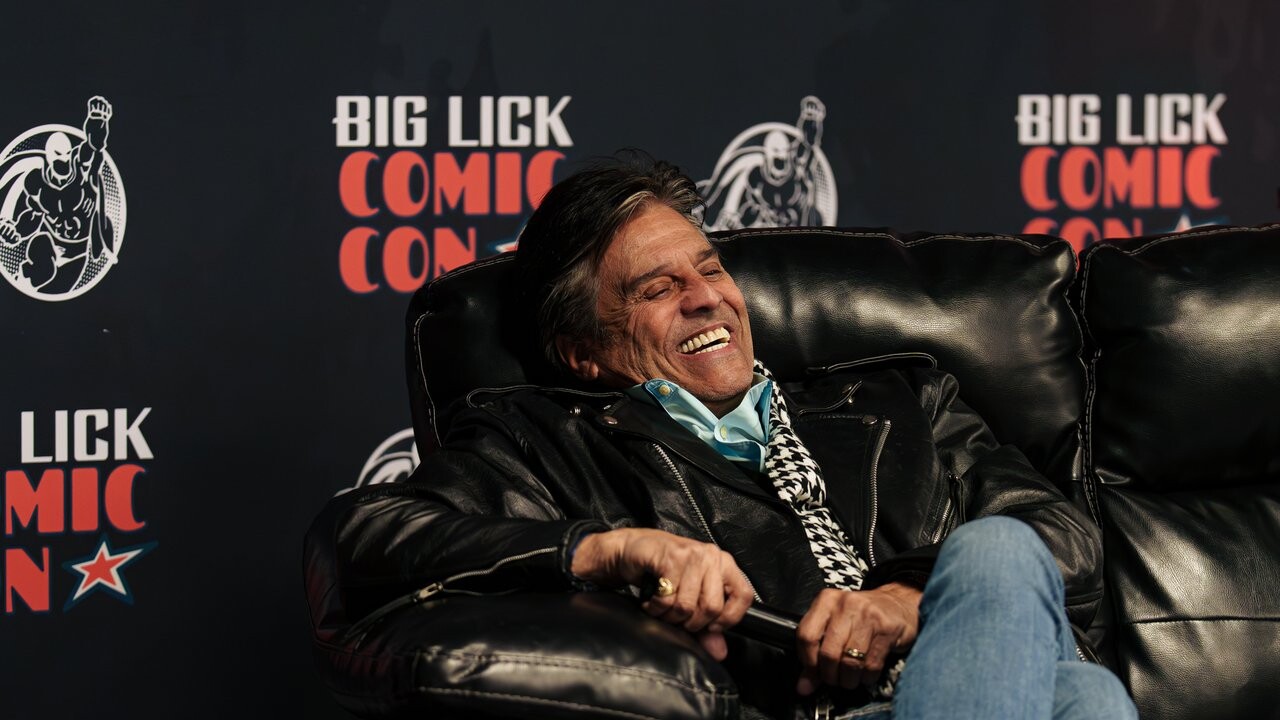
Erik Estrada: Ponch Beyond the Motorcycle
Erik Estrada’s energetic performance as Frank Ponch Poncherello made CHiPs a late-decade favorite and turned the highway patrol officer into a pop-culture figure. Estrada continued acting after the series and connected the role’s public-service image with later work supporting child safety and law-enforcement organizations, including service as a reserve officer.
These careers show how a single television role can become the beginning, rather than the limit, of a remarkable career. Which of these stars do you remember watching most clearly?
Follow The HyperHive on MSN for more stories like this.
Sources:






