Baseball Stadiums That No Longer Exist, in Photos

Photo by Mr. Kjetil Ree. / Wikimedia Commons, CC BY-SA 3.0 (cropped)
A beloved ballpark can feel permanent, yet most of these grandstands, scoreboards, and unusually shaped outfields have vanished. The Astrodome is included because the Astros left after the 1999 season, and Harris County has considered renovation and demolition options.
The gallery moves chronologically by opening year. Its photographs recall the distinctive places where generations of fans watched pennant races, World Series games, historic debuts, and emotional farewells.
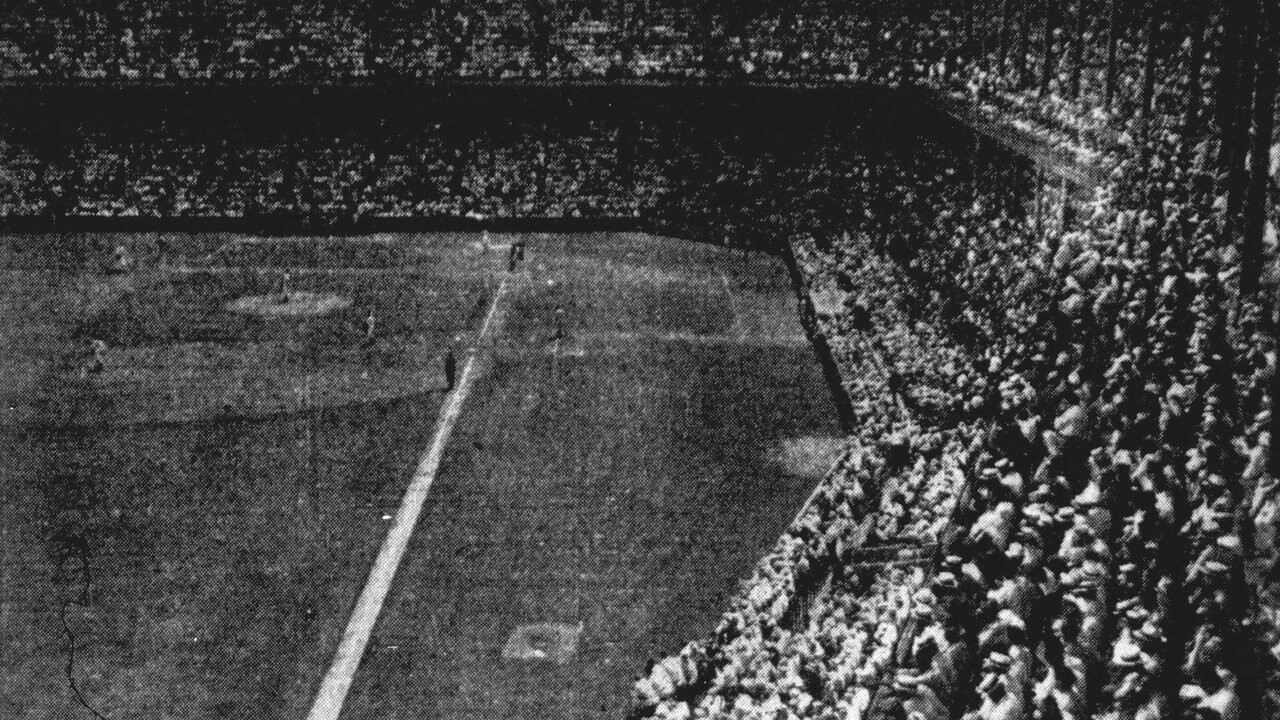
1902: Sportsman’s Park
The St. Louis Browns took over the Sportsman’s Park site in 1902. Every game of the 1944 World Series was played there by the Browns and Cardinals. The Cardinals closed the stadium on May 8, 1966, with a 10–5 loss to the San Francisco Giants.
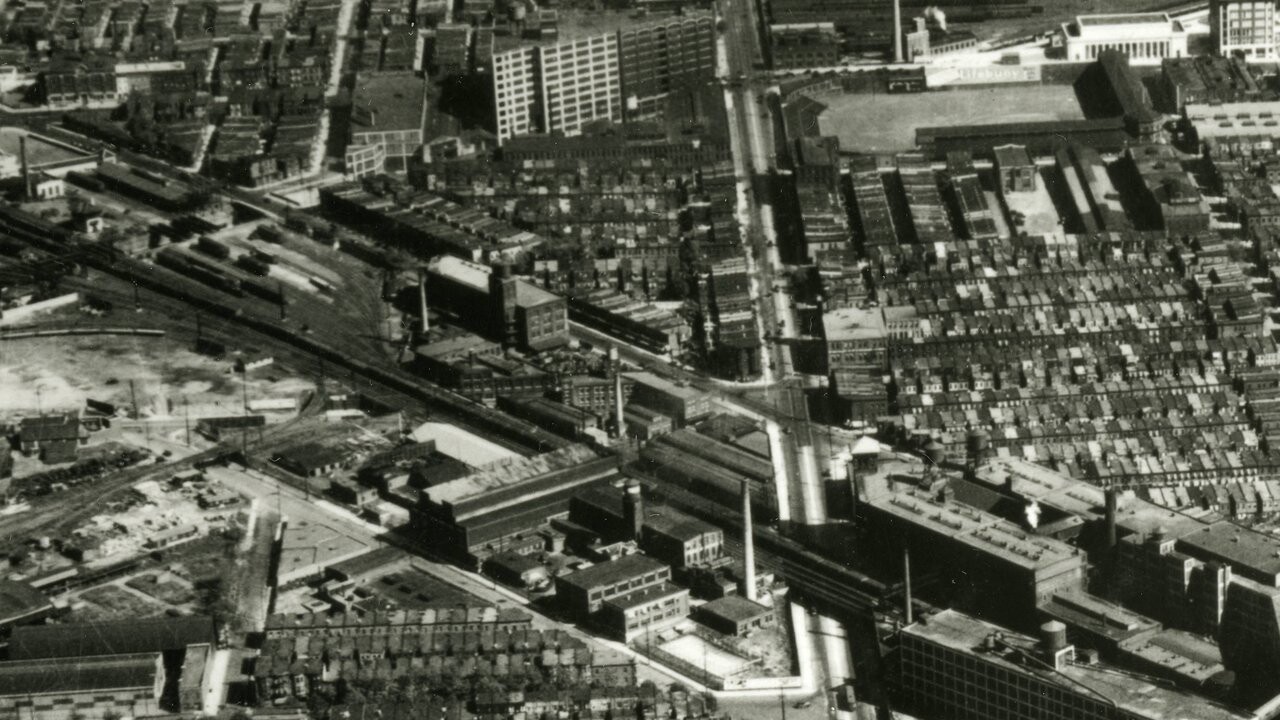
1909: Shibe Park
Philadelphia’s Shibe Park opened on April 12, 1909, as Major League Baseball’s first concrete-and-steel stadium. The Athletics celebrated five World Series victories while calling it home. After decades of baseball and a later name change to Connie Mack Stadium, the park hosted its final game on October 1, 1970.
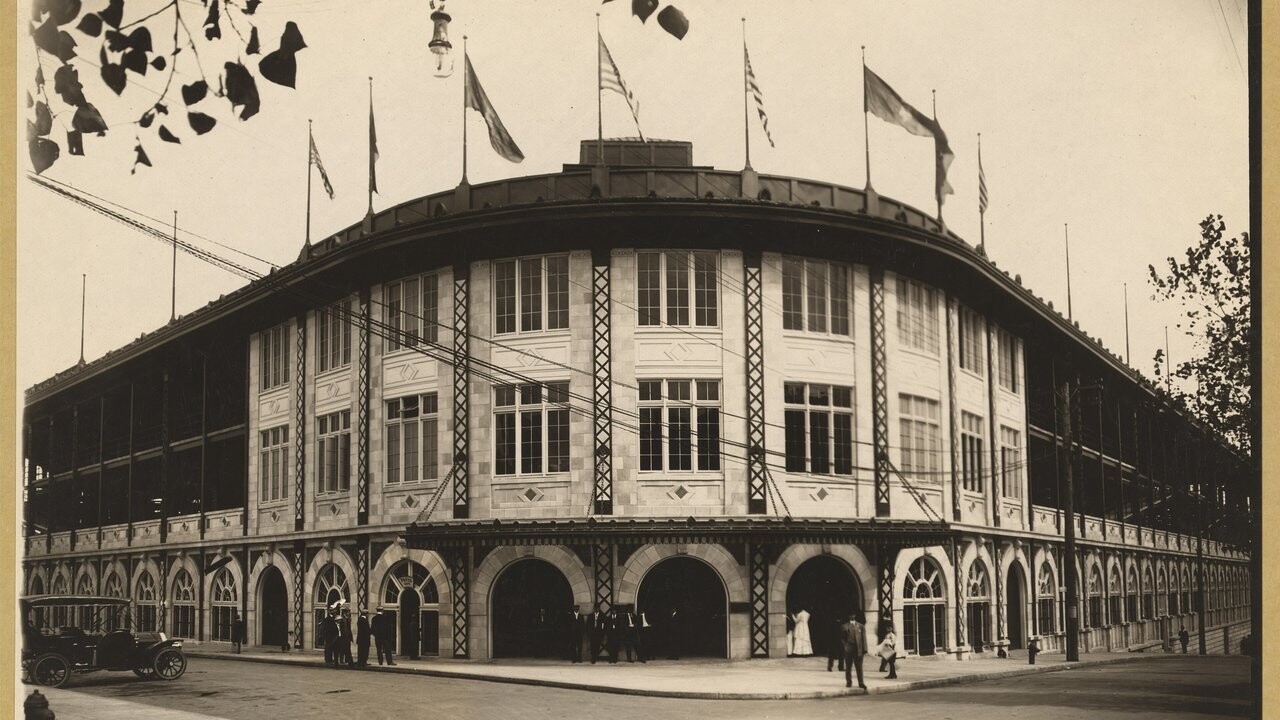
1909: Forbes Field
Forbes Field opened in Pittsburgh on June 30, 1909, as the National League’s first concrete-and-steel stadium. Its defining moment came when Bill Mazeroski hit a ninth-inning home run to win Game Seven of the 1960 World Series. The historic park closed on June 28, 1970.
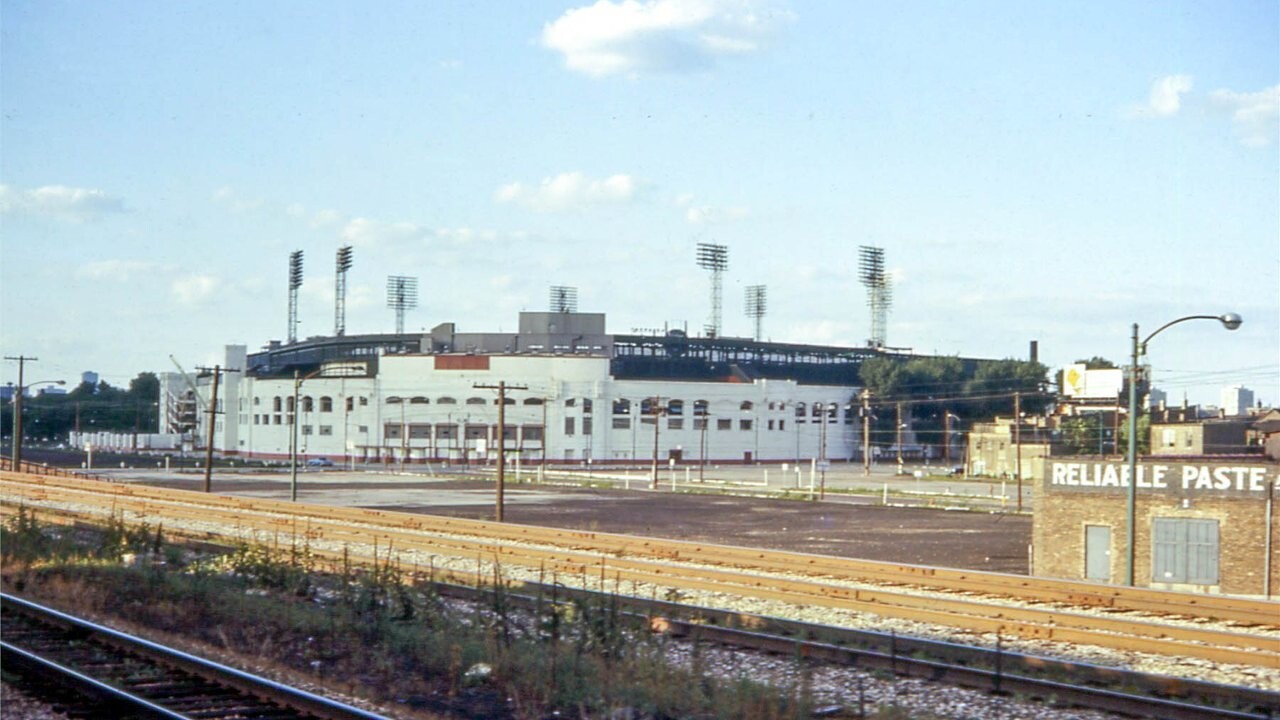
1910: Old Comiskey Park
White Sox Park opened on Chicago’s South Side on July 1, 1910, and soon became known as Comiskey Park. Baseball’s first official All-Star Game arrived there in 1933, with Babe Ruth hitting the event’s first home run. The White Sox won the stadium’s final game on September 30, 1990.
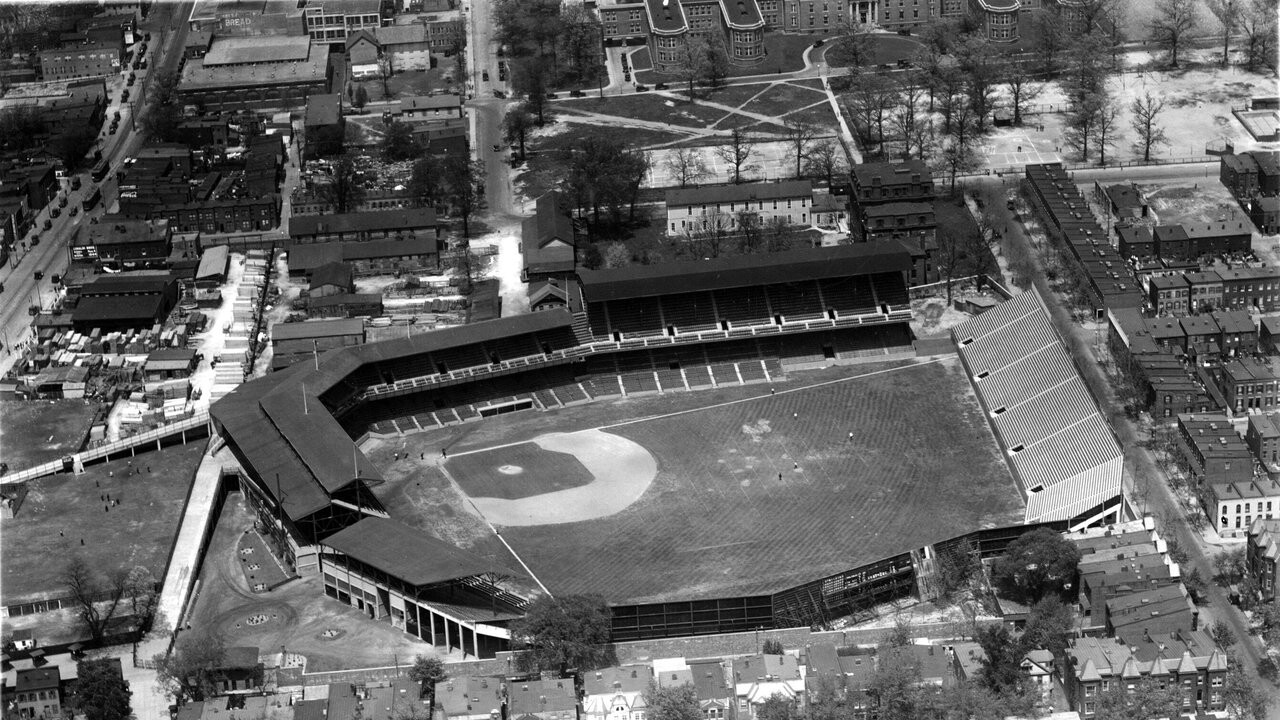
1911: Griffith Stadium
Washington’s rebuilt ballpark was ready for Opening Day in 1911. The Senators captured the 1924 World Series there with a dramatic, extra-inning victory over the New York Giants in Game Seven. The final game at Griffith Stadium was played on September 21, 1961, when Washington lost to Minnesota.
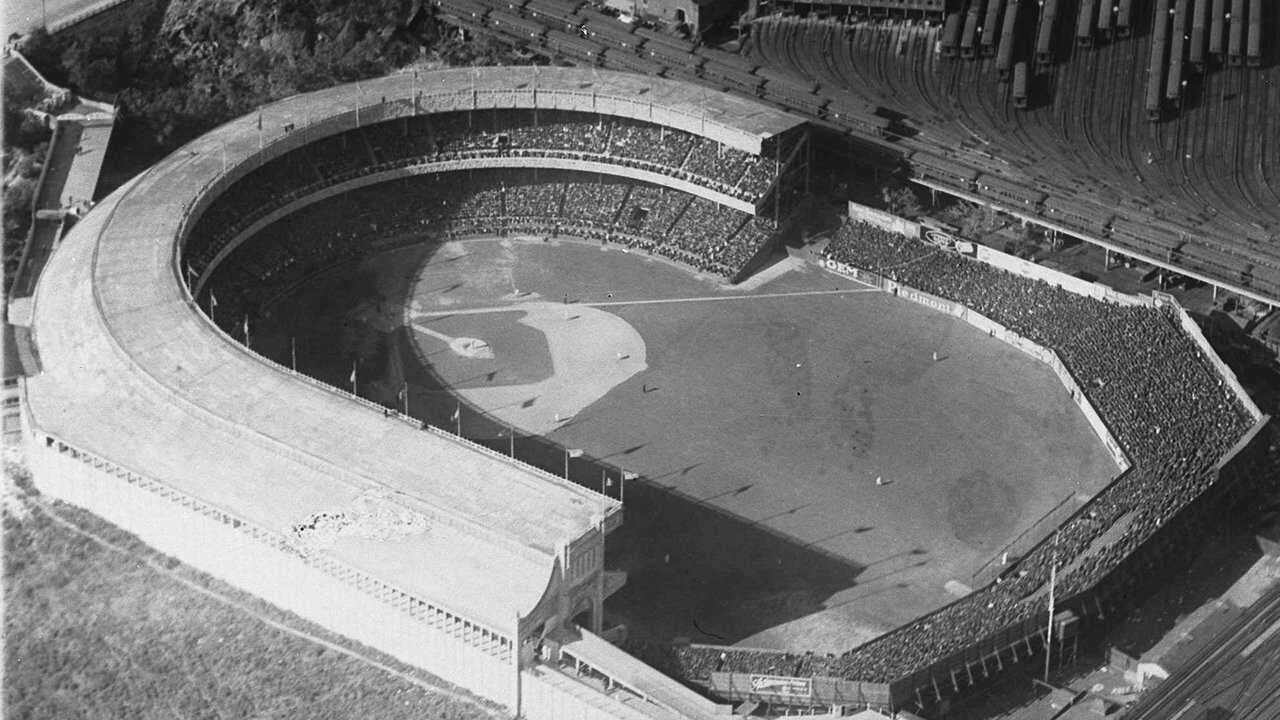
1911: The Polo Grounds
The final Polo Grounds hosted its first game on June 28, 1911. In a famous Game Three there, Bobby Thomson’s ninth-inning home run completed an extraordinary Giants comeback. The young Mets later used the park as a temporary home, leaving for good after their game on September 18, 1963.
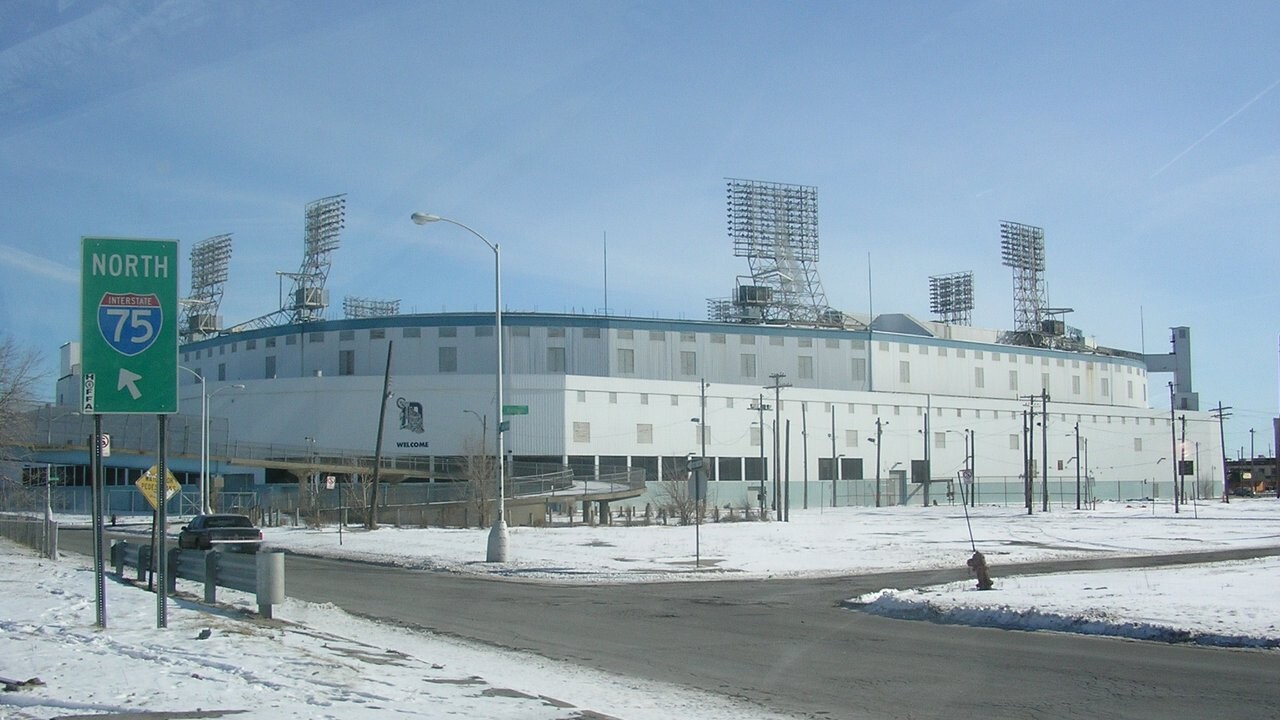
1912: Tiger Stadium
Detroit’s steel-and-concrete ballpark was built from 1911 to 1912. Later known as Tiger Stadium, it became home to World Series champions in 1968 and 1984. Generations of Tigers fans passed through its gates before the final game was played on September 27, 1999.
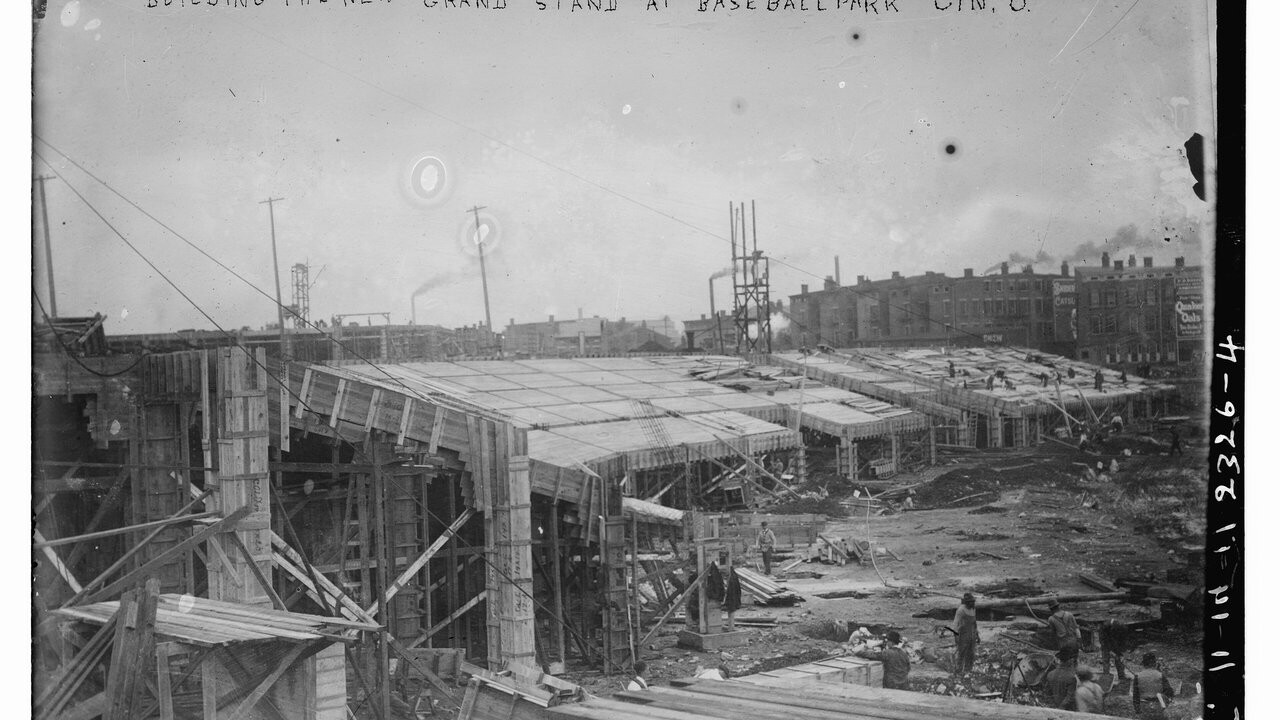
1912: Crosley Field
Redland Field, later known as Crosley Field, opened in Cincinnati on April 11, 1912. On May 24, 1935, it hosted the first night game in Major League history, with the Reds defeating Philadelphia. Cincinnati also won the ballpark’s final game on June 24, 1970.
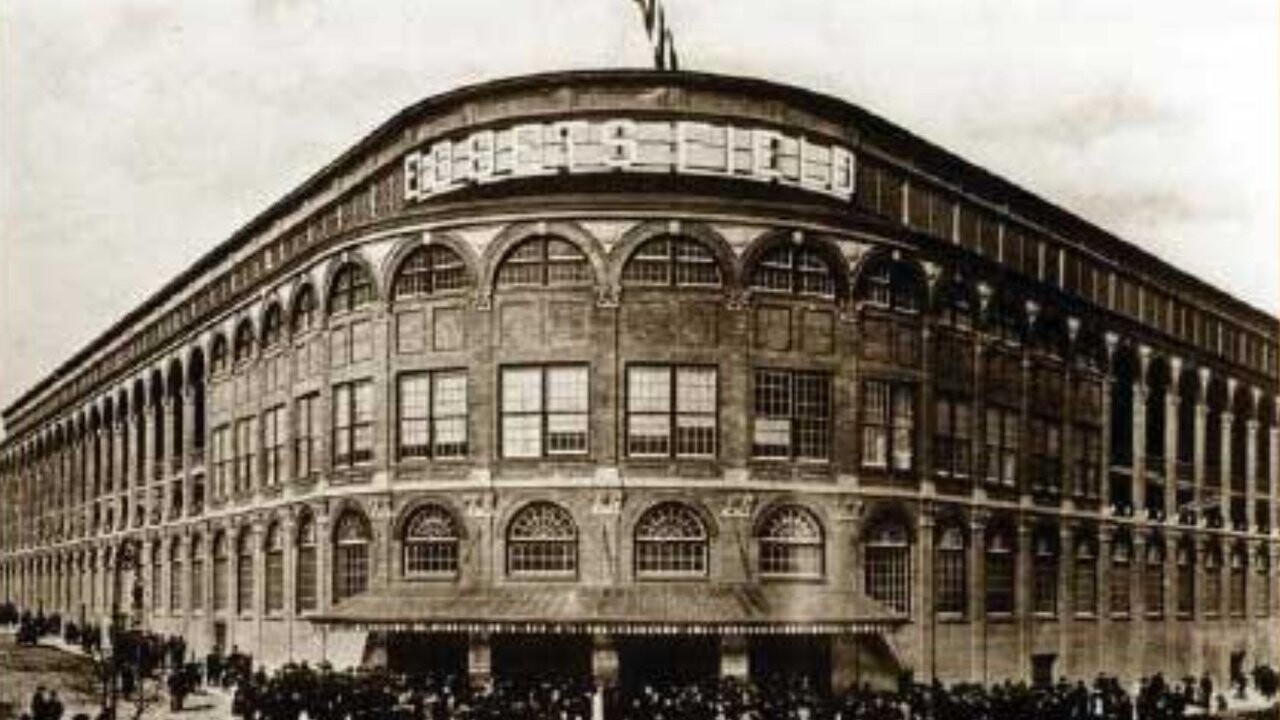
1913: Ebbets Field
Ebbets Field opened in Brooklyn on April 5, 1913. Jackie Robinson made his historic Major League debut there with the Dodgers on April 15, 1947. A decade later, Brooklyn played its final Ebbets Field game on September 24, 1957, before the franchise moved to California.
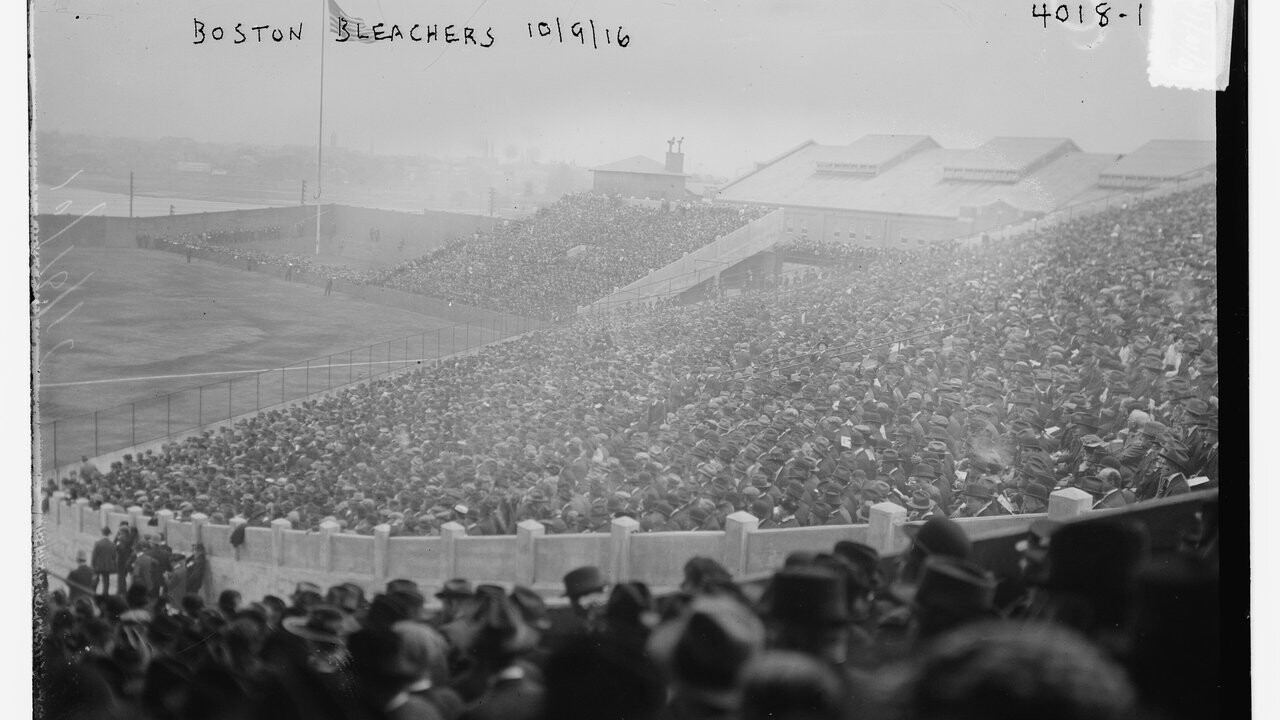
1915: Braves Field
Braves Field hosted its first game on August 18, 1915. Its greater capacity also made it useful to the Red Sox, who played games there during the 1915 and 1916 World Series. The Boston Braves remained at the park until their final home game on September 21, 1952.
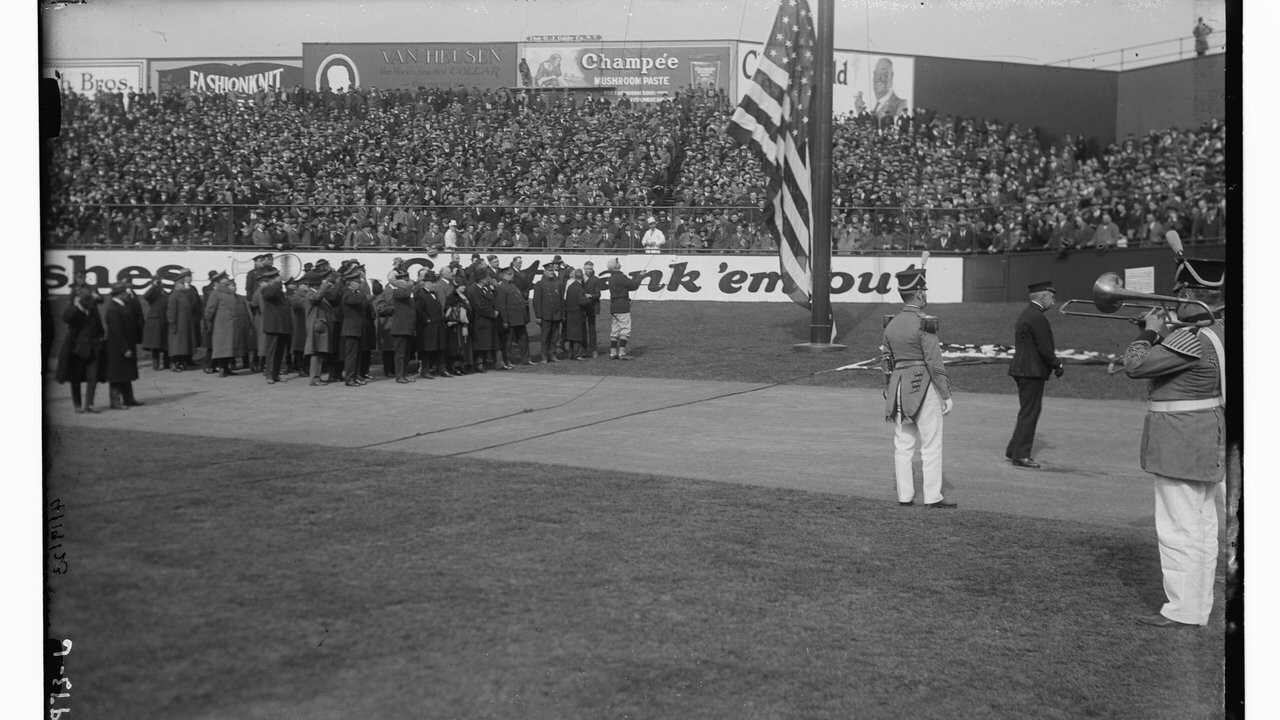
1923: The Original Yankee Stadium
Yankee Stadium opened on April 18, 1923, with Babe Ruth hitting the building’s first home run. Lou Gehrig delivered his emotional farewell speech there on July 4, 1939. After hosting generations of Yankees teams and fans, the stadium held its final game on September 21, 2008.
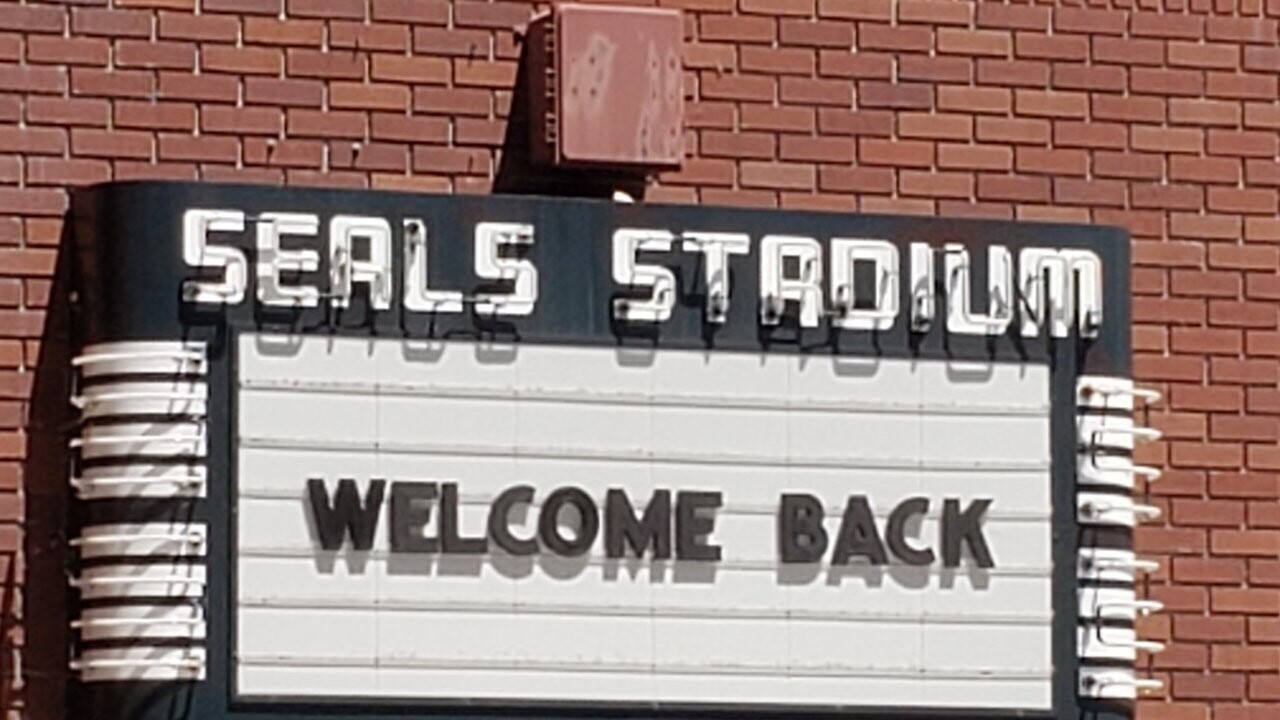
1931: Seals Stadium
Seals Stadium opened in San Francisco on April 7, 1931. The Giants played their first San Francisco home game there on April 15, 1958, after relocating from New York. The park’s Major League years were brief, and its three-month demolition began on October 6, 1959.
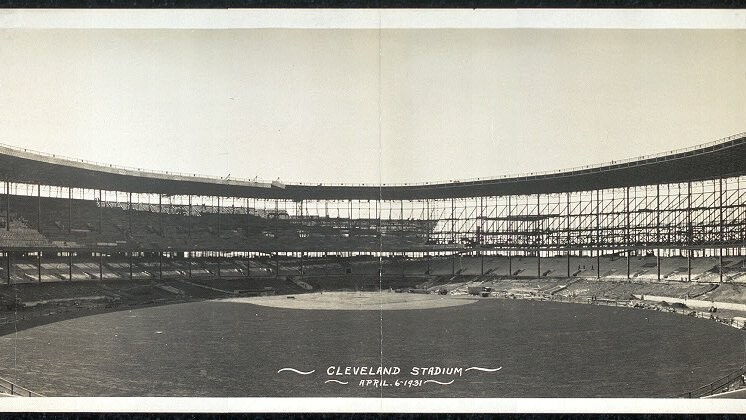
1931: Cleveland Municipal Stadium
Cleveland Municipal Stadium was completed on the lakefront on July 1, 1931. The city’s Major League club used it from 1932 through 1993. Among its standout baseball performances was Len Barker’s perfect game, the second in the organization’s history and the tenth recorded in the Major Leagues.
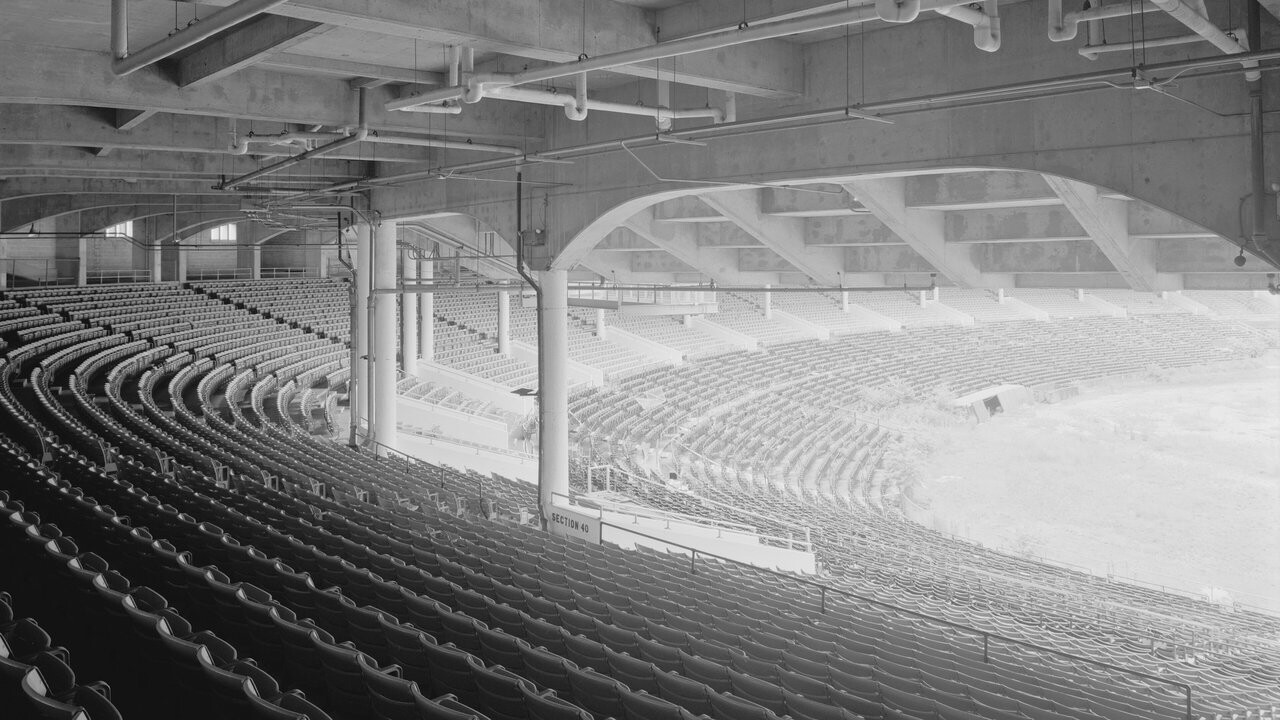
1950: Baltimore Memorial Stadium
Memorial Stadium opened in 1950 for football and Minor League Baseball. The Orioles played there from 1954 through 1991, winning their first World Series title by sweeping the Dodgers in 1966. Baltimore closed its stay at the stadium on October 6, 1991, before moving downtown.
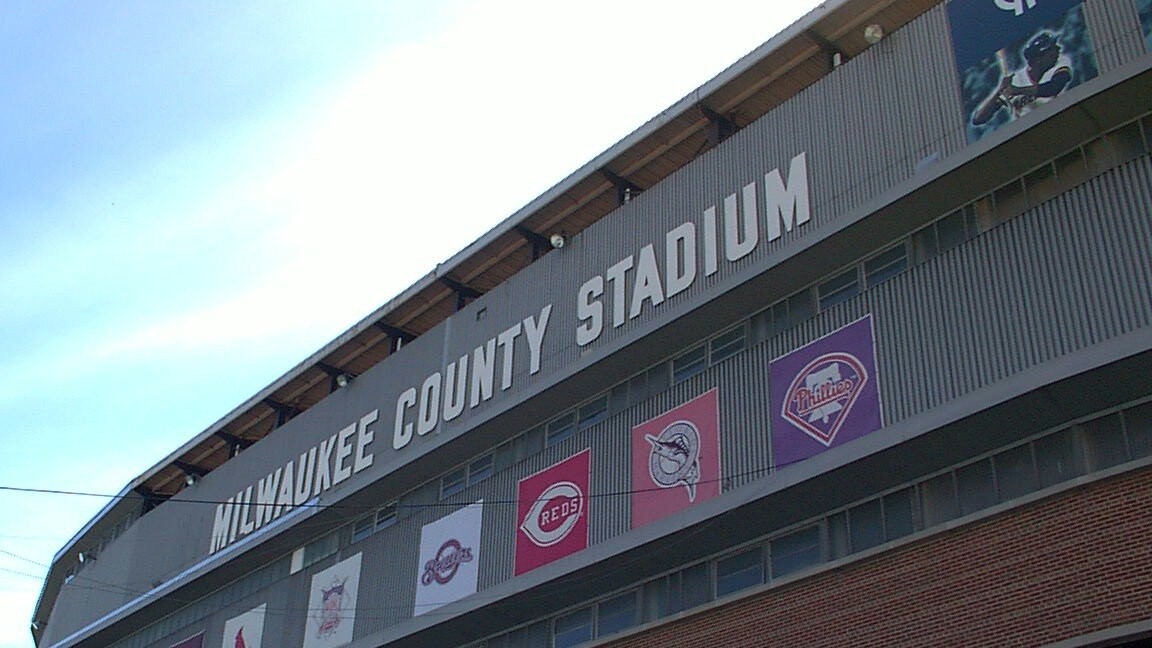
1953: Milwaukee County Stadium
Milwaukee County Stadium hosted its first game on April 6, 1953. Hank Aaron supplied one of its signature moments in 1957, hitting an 11th-inning home run that clinched the Braves’ first pennant in Milwaukee. The stadium’s final game took place on September 28 and concluded with a lengthy farewell ceremony.
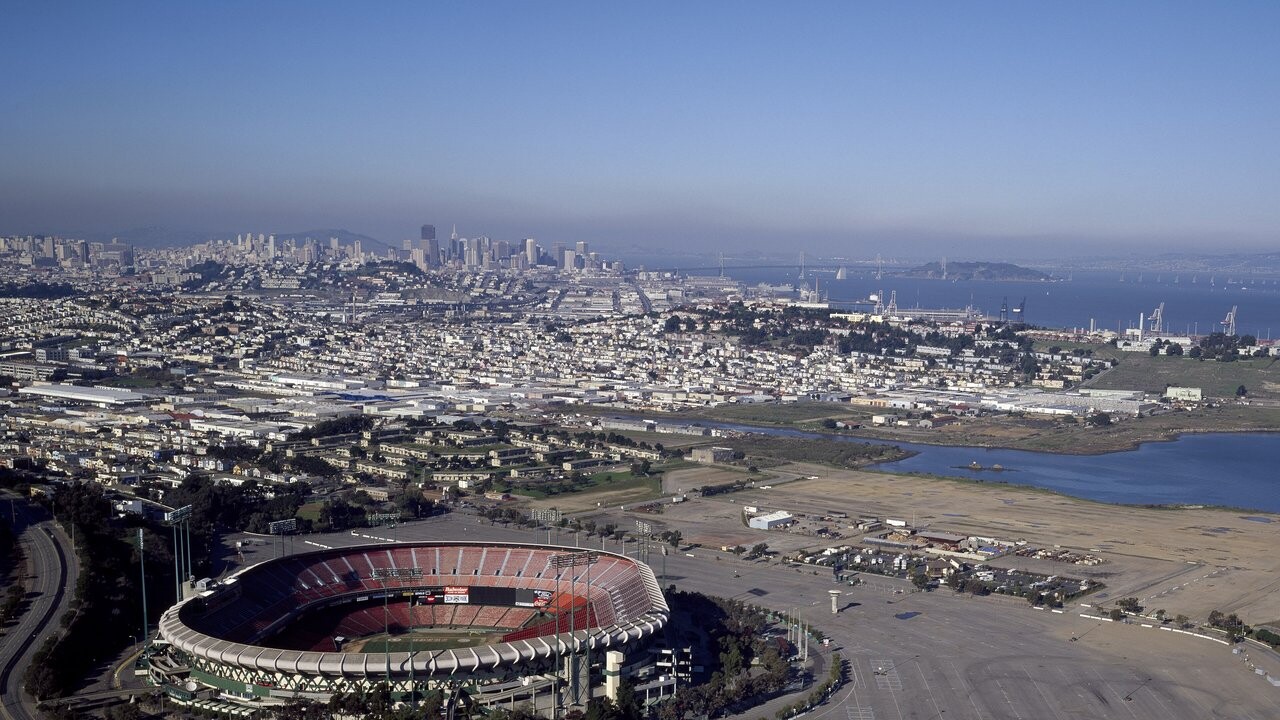
1960: Candlestick Park
Candlestick Park welcomed the Giants for its first game on April 12, 1960. On October 17, 1989, the Loma Prieta earthquake struck shortly before the Giants were scheduled to host Oakland in Game Three of the World Series. San Francisco played its final game there on September 30, 1999.
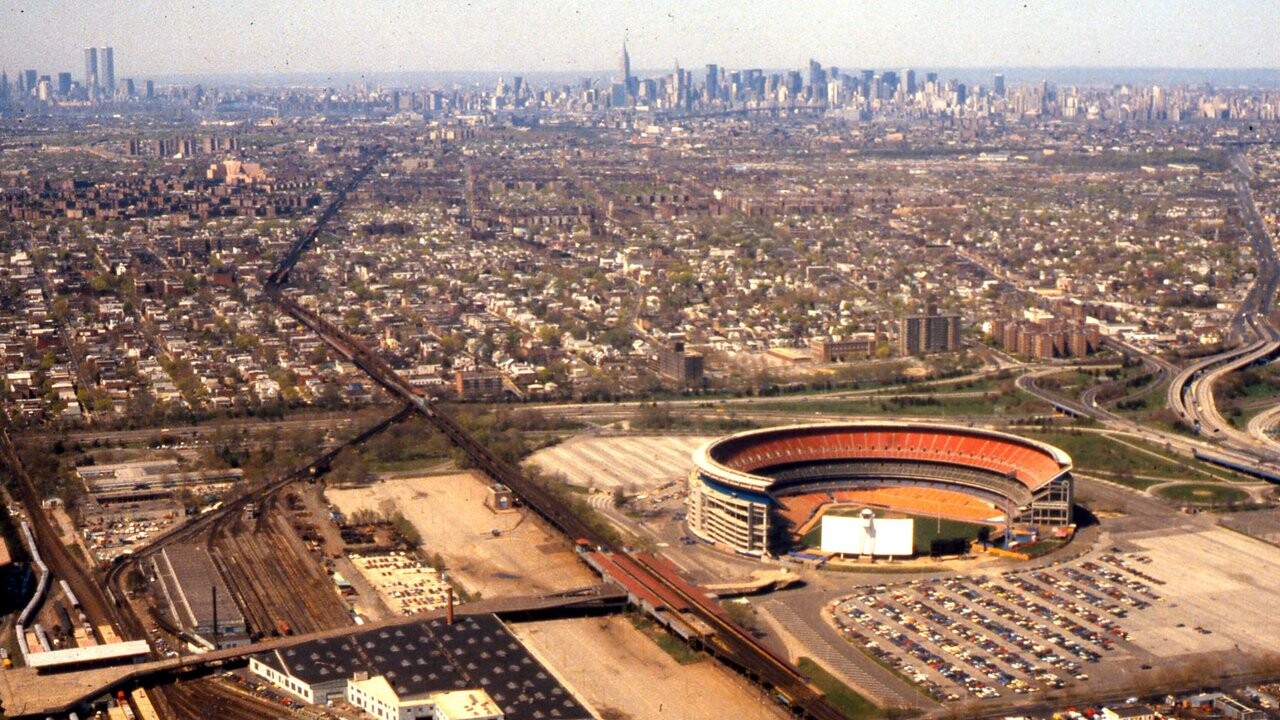
1964: Shea Stadium
The Mets played their first Shea Stadium game on April 17, 1964. On October 16, 1969, the team defeated Baltimore to claim its first World Series championship. Shea remained the Mets’ home for four more decades before closing after a loss to the Florida Marlins on September 28, 2008.
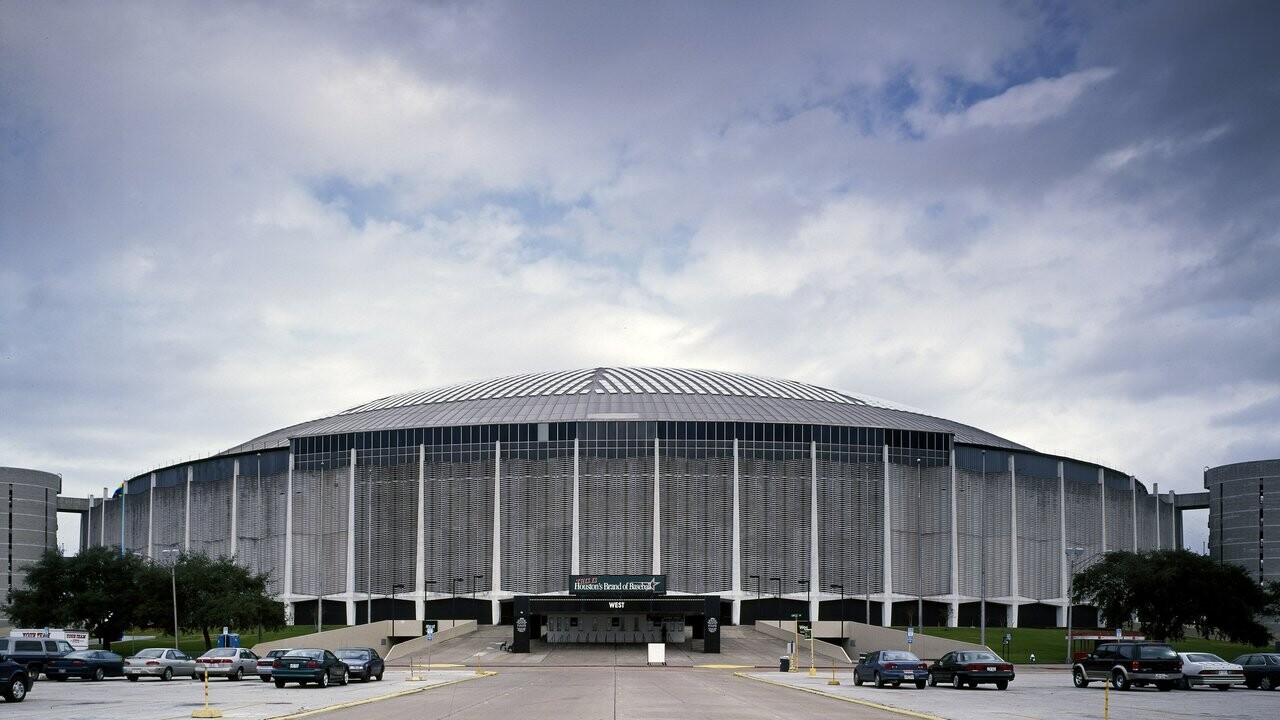
1965: The Astrodome
The Astrodome opened on April 9, 1965, as the first enclosed, air-conditioned sports stadium in the United States. The Astros used it from Opening Day in 1965 through the close of the 1999 season. Harris County has since received cost estimates outlining possible renovation and demolition plans.
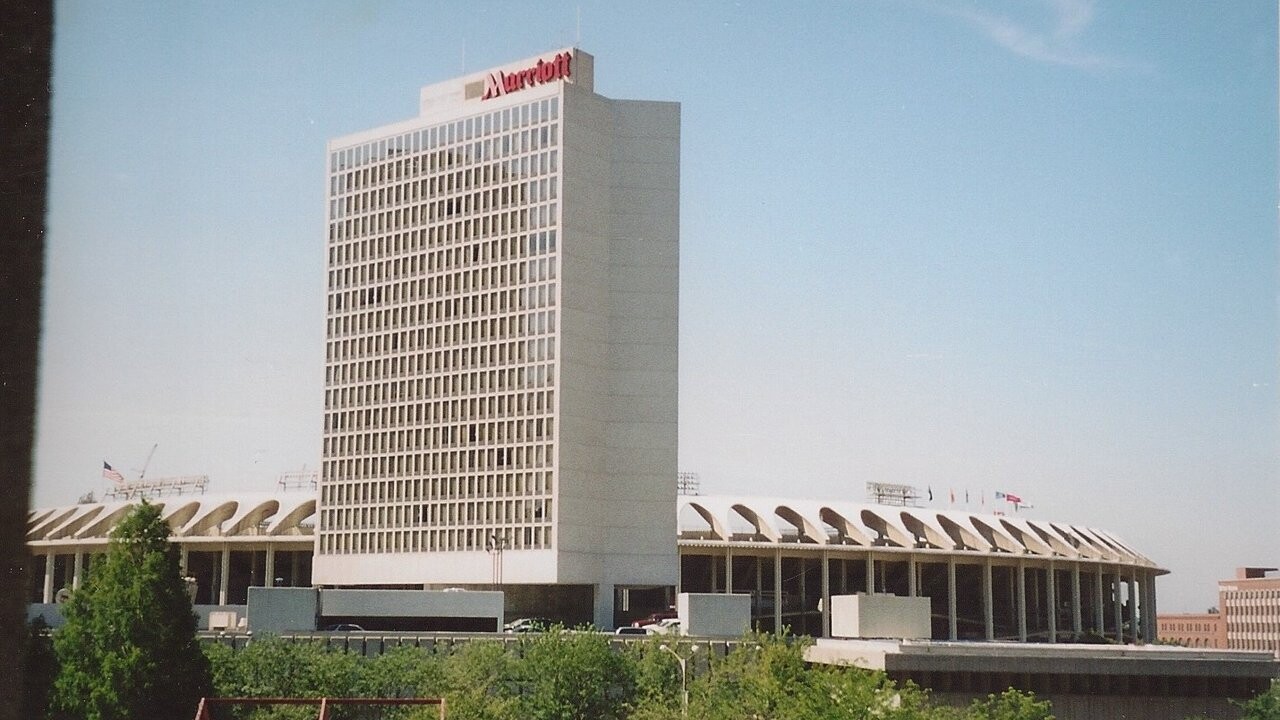
1966: Busch Memorial Stadium
Busch Memorial Stadium opened in downtown St. Louis on May 12, 1966, with a 12-inning Cardinals victory over Atlanta. The circular stadium hosted six World Series during its four decades of service. It remained the Cardinals’ home through the 2005 season and was later demolished.
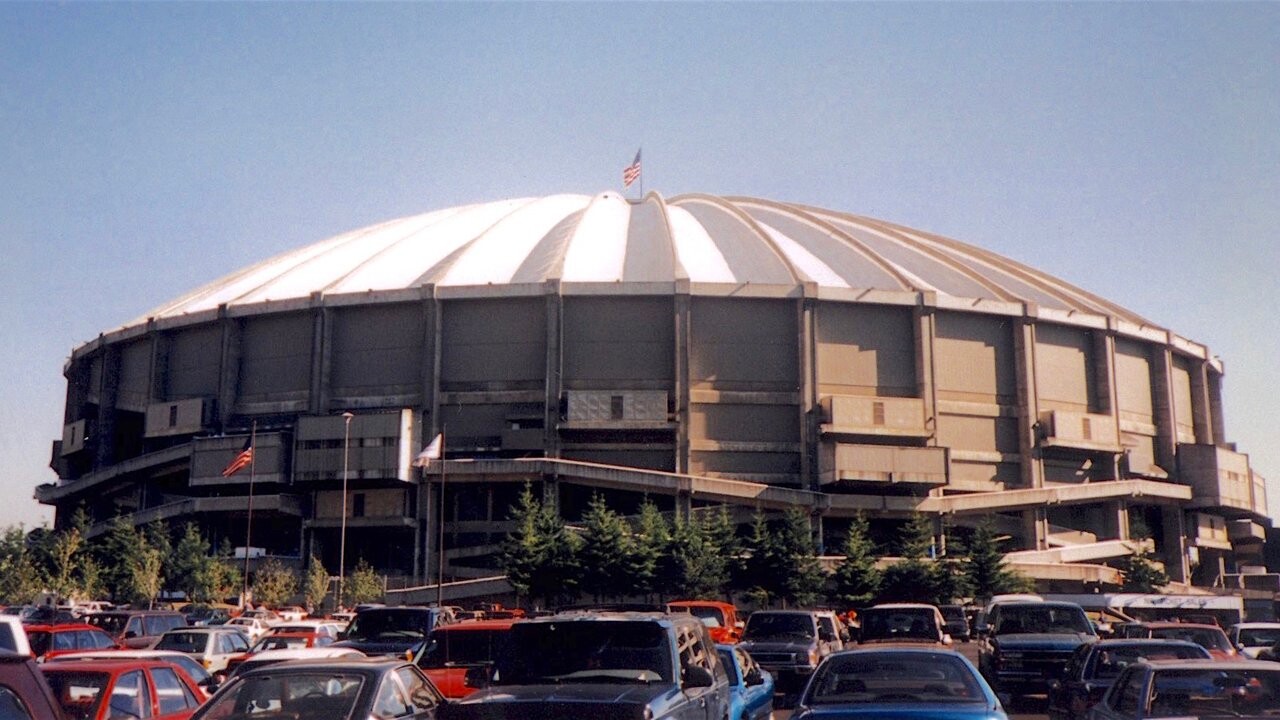
1976: The Kingdome
Seattle’s Kingdome was completed on March 27, 1976, and became the Mariners’ first home the following year. Its memorable baseball moments included the team’s 1995 division championship and playoff victory over the Yankees. The final Major League game came on June 27, 1999, and the dome was imploded in 2000.
These former ballparks survive through photographs and the memories made inside them. Which one do you remember best, and what made it special to you?
Follow The HyperHive on MSN for more stories like this.
Sources:






