
Have you ever noticed the sharp smell of mothballs in an older relative’s closet and wondered why they were there?
Clothing and carpeting once contained more wool, giving clothes moths more opportunities to damage valuable household items. Mothballs offered a practical way to protect clean woolens during storage.
Today, we know more about using these pesticides carefully and about protecting clothing without letting mothball vapor spread through the home.
Why Did Mothballs Become a Household Habit?
The Illinois Department of Public Health says clothes moths are now “less common than they once were” because less clothing and carpeting is made from wool. When wool was more widely used, preventing moth damage was a more pressing household concern.
Mothballs release gases that can kill clothes moths and their eggs when the product is used inside an airtight container. That made them useful for protecting clean sweaters, coats, blankets, and other vulnerable items during storage.
A tightly built storage chest also helped keep insects away from uninfested clothing. The Connecticut Agricultural Experiment Station notes that the main protective value of a well-made cedar chest is its tight construction. The familiar odor may bring back memories, but the effectiveness of the chest does not depend on scent alone.
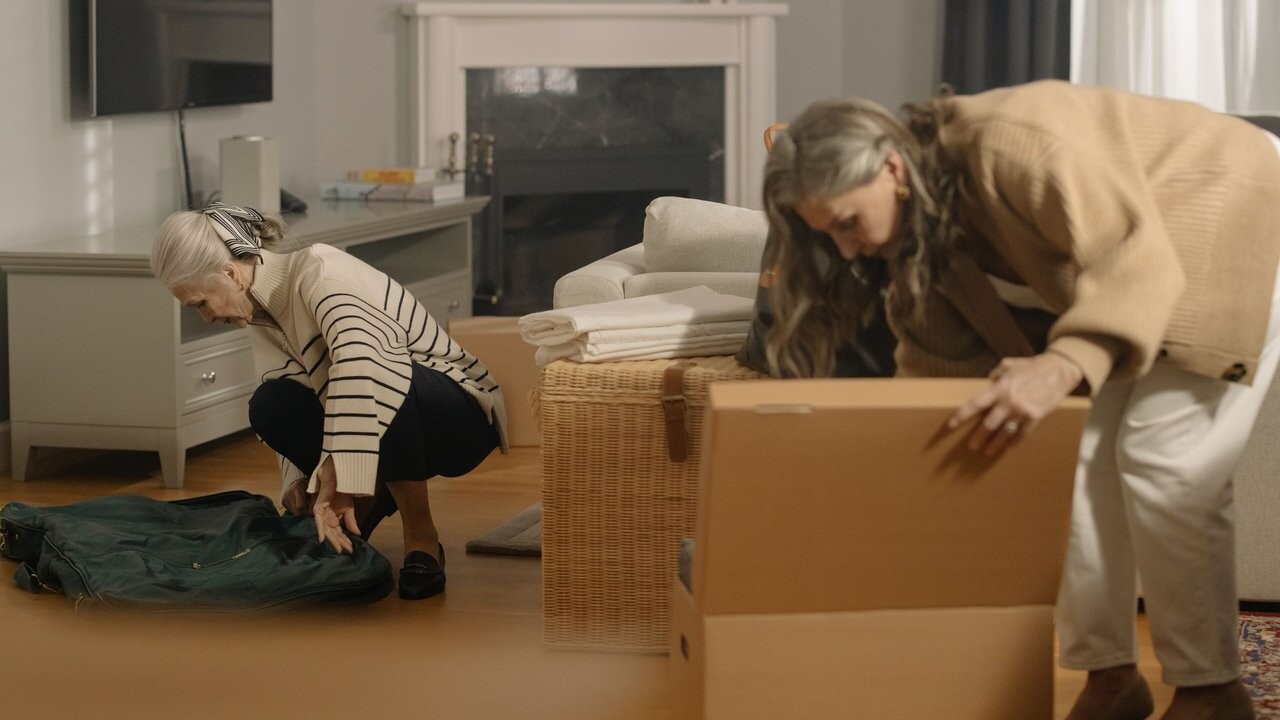
What Exactly Are Mothballs?
Mothballs are concentrated pesticides, not air fresheners. Products sold in the United States contain either naphthalene or paradichlorobenzene as an active ingredient.
As a mothball sits, its solid chemical gradually turns into gas. Inside an airtight container, that gas builds to a concentration capable of killing clothes moths and their eggs.
The strong odor is a useful reminder to review the package directions and check that the storage container is properly closed. Mothballs should not be left loose in a closet, room, or other living area.
How Should Mothballs Be Used Today?
The EPA explains that pesticide labels are legally enforceable and summarizes the principle with the phrase “the label is the law.” Read the entire label before use, and follow its directions for placement, quantity, storage, and disposal.
Mothballs work by allowing gas to build inside an airtight container. Clean the articles first, place them in suitable storage, and keep the product out of reach of children and pets. A bowl on a shelf or loose mothballs behind furniture will not provide the enclosed conditions needed for this use.
Do not scatter mothballs in gardens, yards, attics, or spaces beneath a home. The National Pesticide Information Center specifically identifies those as places where mothballs cannot be used. They are intended for clothes-moth control according to their labels.
Why Can Mothballs Be Dangerous?
Poison Control warns that mothballs can poison people and pets if swallowed or if large amounts of fumes are inhaled. Their small size makes secure storage especially important in homes where children or animals may encounter them.
An airtight container helps the pesticide work while keeping its vapor confined. Store the container where children and pets cannot reach it, and do not leave mothballs exposed after opening the package.
If someone may have swallowed a mothball, call Poison Control at 1-800-222-1222 for guidance. For urgent symptoms or an immediate emergency, contact local emergency services.
What Are Safer Ways to Protect Stored Clothes?
Many clothes-moth problems can be prevented through careful cleaning and storage. Start by making sure vulnerable garments are clean, then place them where adult moths cannot reach them to lay eggs.
- Clean first. Wash, dry-clean, or thoroughly brush garments before storage, following the care instructions for each fabric.
- Seal them tightly. Place clean sweaters, blankets, and other vulnerable items in airtight plastic containers with secure lids.
- Freeze infested items. If an item can safely be frozen, seal it in a plastic bag and deep-freeze it for at least three days to kill clothes moths at every life stage.
- Use cedar modestly. A well-made cedar chest can provide tightly closed storage, but cedar scent alone should not be expected to eliminate an existing infestation.
These steps retain the sensible part of the traditional routine: clean the woolens, close the container securely, and keep insects out. If you choose to use mothballs, follow the package label precisely and keep the pesticide confined to its intended storage space.
An old household habit can carry warm memories while still making room for careful storage today. Does the smell of mothballs remind you of a particular closet, chest, or person?
This article is for general information and isn’t a substitute for advice from your doctor.
You might also want to read: How Often Should Adults Over 65 Shower? What Dermatologists and Aging Experts Recommend
Follow The HyperHive on MSN for more stories like this.
Sources:



